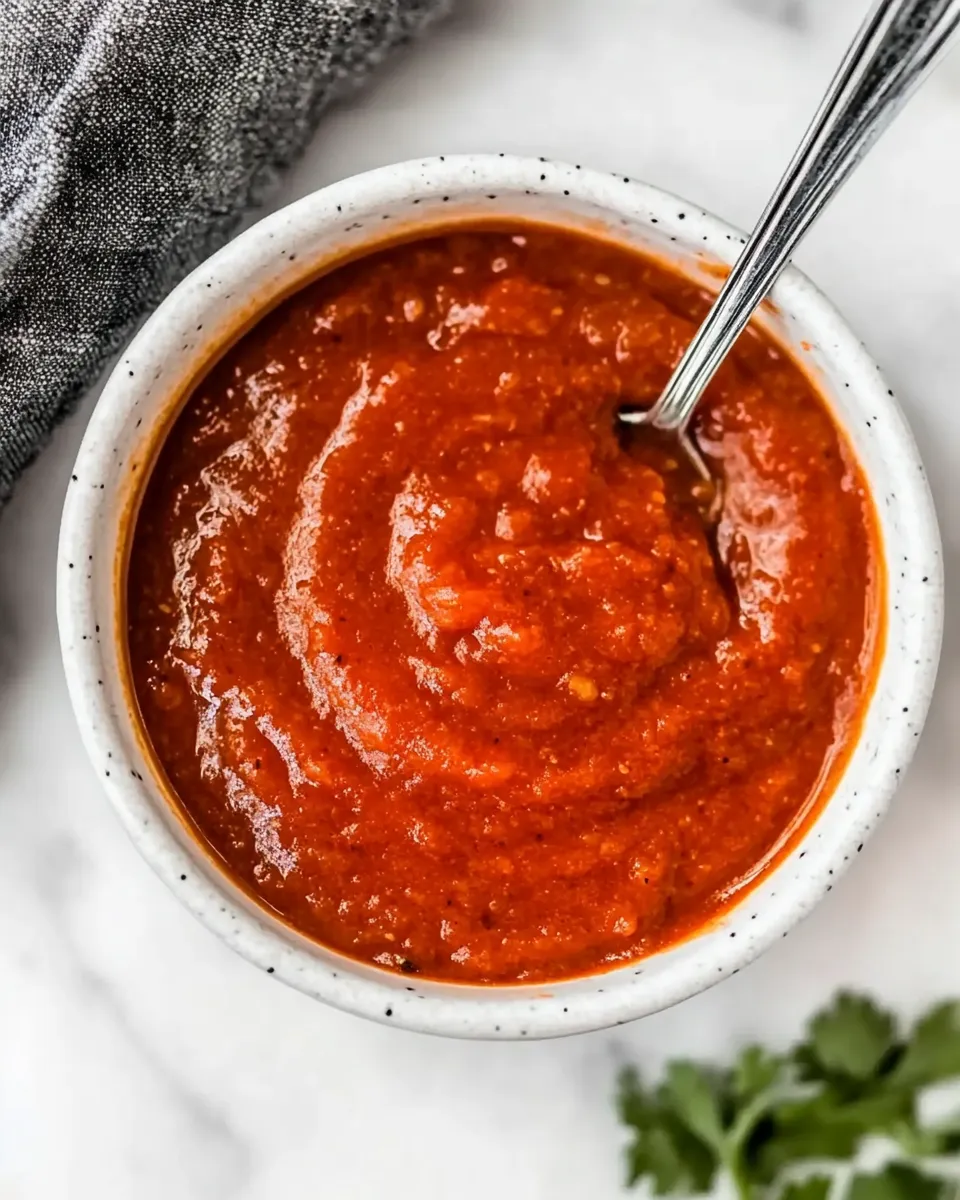
I make this taco sauce week after week. It’s straightforward, forgiving, and brightens anything from weeknight tacos to a rushed batch of roasted vegetables. There’s a balance of acid, heat, and sweetness that you control with a spoon. That control is the point—this sauce is a base, not a rule.
It’s not fancy work. You whisk a handful of pantry staples together, warm them, and then give the sauce time to concentrate and sing. The simmer softens the sharp edges of vinegar and brings forward tomato flavor without muting the spices.
If you like your condiments honest and quick, this recipe will be in heavy rotation. I’ll walk you through the ingredients exactly as written, the one-pan method, sensible swaps inside the recipe’s framework, and common mistakes I’ve learned to avoid.
The Ingredient Lineup
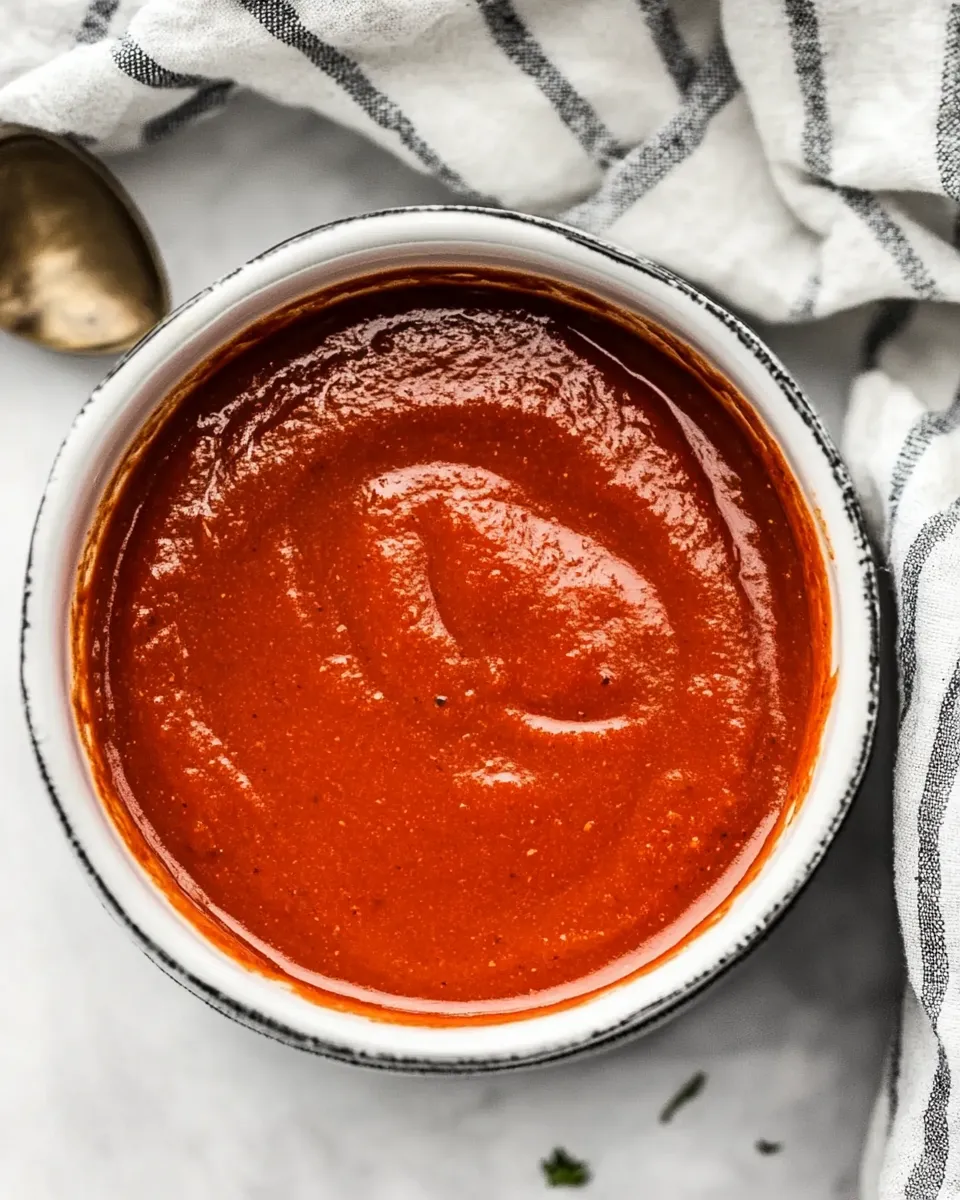
Ingredients
- 24 ounces tomato sauce or tomato passata sauce — the tomato body and base flavor; pick whichever texture you prefer.
- ½ cup water — thins the sauce slightly and controls concentration as it simmers.
- ½ cup white vinegar — provides the bright tang that defines taco sauce; don’t skip it.
- 1 ½ tablespoons corn syrup — adds smooth sweetness and helps balance the acid.
- 1 tablespoon granulated sugar — boosts sweetness and rounds flavors; works with the corn syrup.
- ¾ teaspoon chili powder — brings mild, rounded heat and a hint of earthiness.
- ½ teaspoon ground chipotle pepper — gives smoky heat; a little goes a long way.
- ½ teaspoon sweet paprika — supports the color and lends mild sweetness without extra heat.
- ½ teaspoon onion powder — concentrates savory onion notes without extra moisture.
- ½ teaspoon ground cumin — the warm, nutty backbone that says “taco” more than any one spice.
- ½ teaspoon kosher salt — primary seasoning; helps flavors pop as the sauce reduces.
- ¼ teaspoon table salt — a fine balance with kosher salt for immediate seasoning during cooking.
- ¼ teaspoon garlic powder — rounded garlic presence without fresh garlic’s bite.
Make Homemade Taco Sauce: A Simple Method
- Pour all ingredients into a large saucepan and whisk or stir until evenly combined and smooth.
- Place the saucepan over medium-low heat and warm, stirring occasionally, until the mixture reaches a gentle simmer.
- Reduce the heat to low and simmer uncovered for about 30 minutes, stirring every 2–3 minutes, until the sauce thickens to your desired consistency.
- Remove from heat, let cool slightly, then serve.
What Makes This Recipe Special
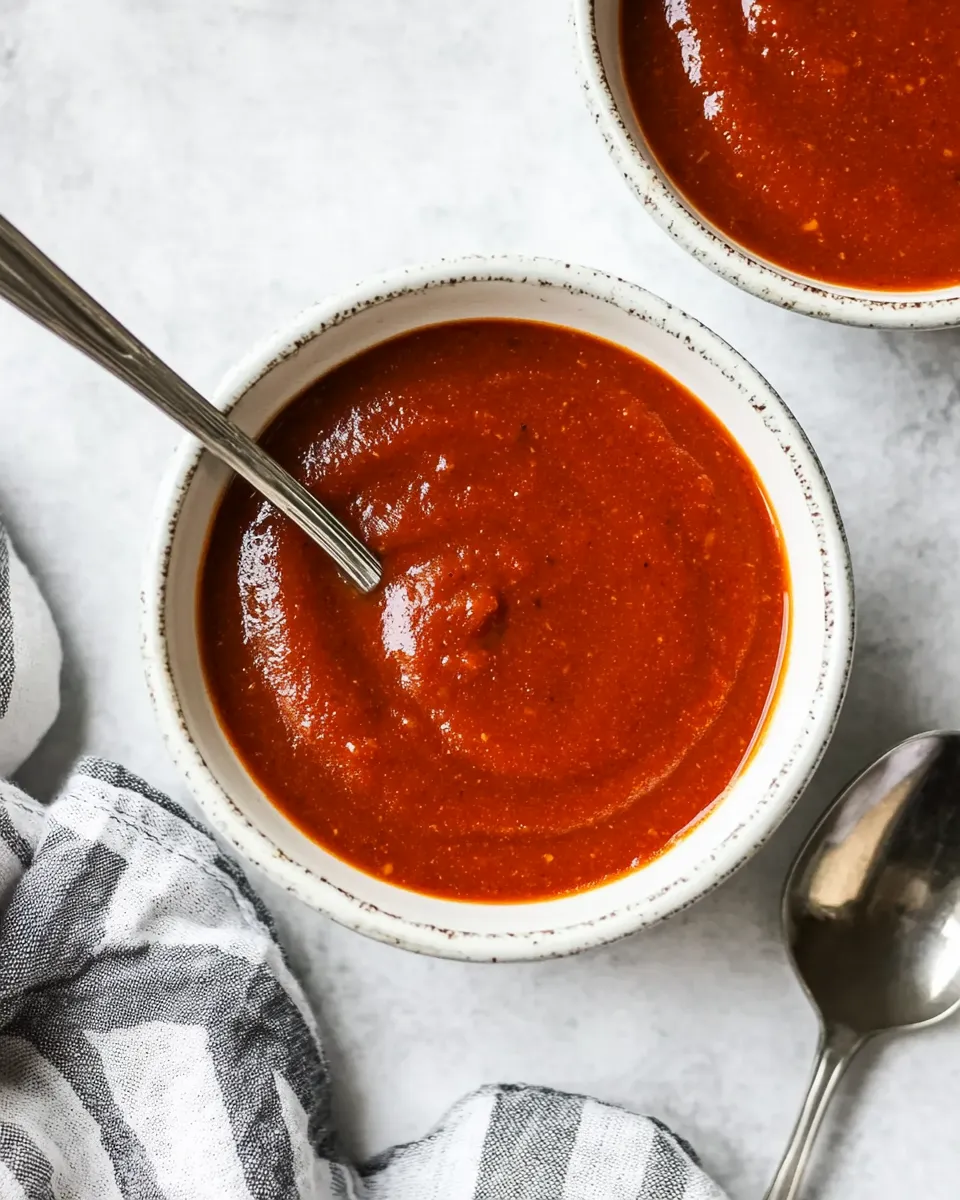
This taco sauce is special because it nails the essentials without fuss: bright acid, measured sweetness, and a smoky-warm spice profile. The use of both corn syrup and granulated sugar creates a rounded sweetness that doesn’t crystallize or draw attention to itself; it simply balances the vinegar and tomato. The chipotle pepper is listed as ground, which yields smoke without needing to smoke anything yourself.
The simmer-and-reduce stage concentrates flavors gently. You’ll notice the raw edge of vinegar softens, the tomato becomes deeper and less one-dimensional, and the spices bloom. It’s reliable—same handful of steps every time—and forgiving if you tweak cooking time or stirring frequency.
Swap Guide
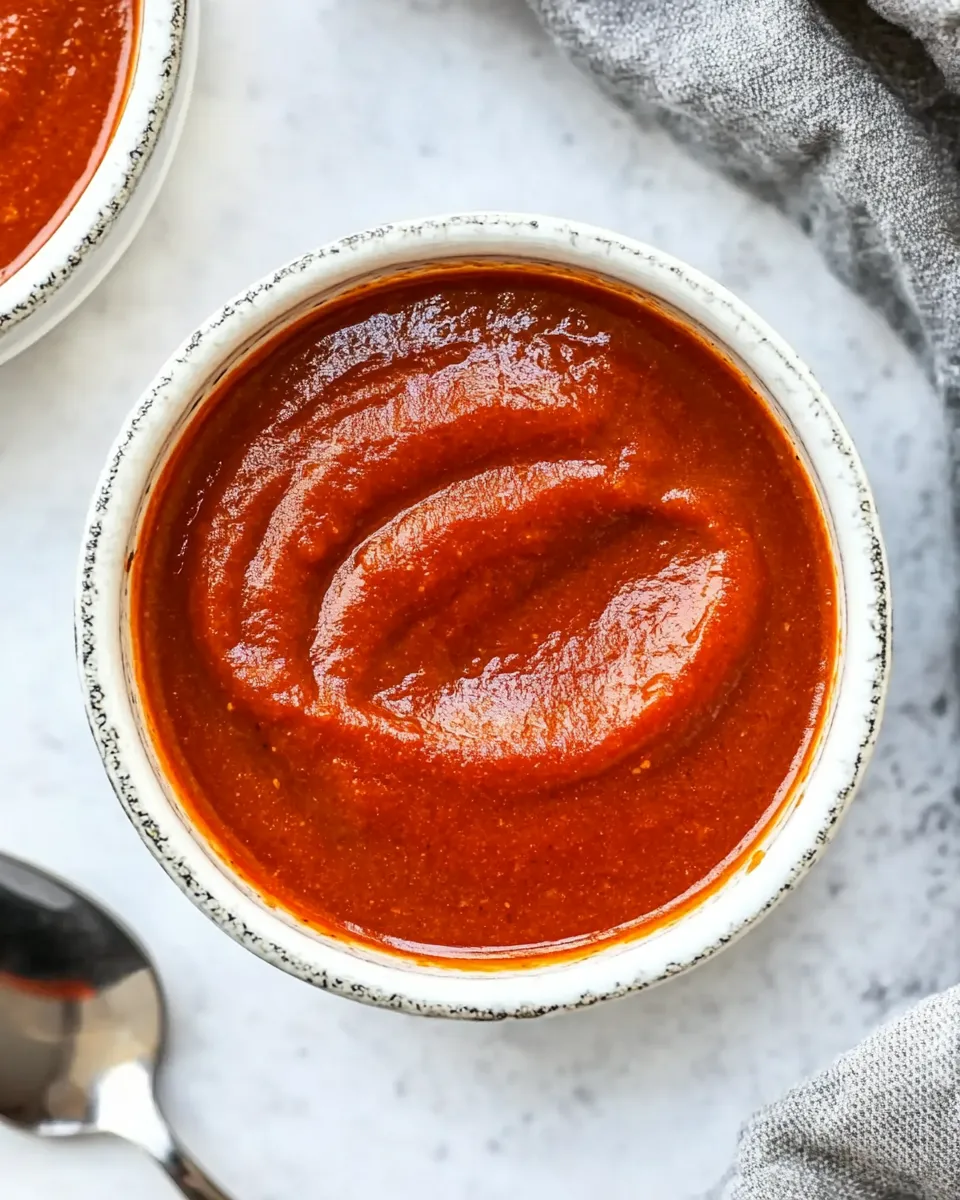
Rather than swapping in ingredients not listed here, use the ingredients you already have to change character.
If you want it sweeter: increase the granulated sugar by a small pinch, or add a touch more corn syrup—do this in teaspoons, tasting as you go. For brighter acid: slightly increase the white vinegar in small additions; the tang will cut through richer fillings. For more smoke or heat: increase the ground chipotle pepper a little at a time. To mellow it: cut either the chipotle or the chili powder by half; the other spices will maintain balance.
For texture: choose tomato sauce for a smoother final product or tomato passata if you prefer a slightly fresher tomato note. Adjust the ½ cup of water to change viscosity: a splash more thins, an extra minute or two of simmer thickens.
Tools & Equipment Needed
Keep this simple. Use a medium to large saucepan so the mixture has surface area to reduce evenly. A whisk or heatproof spatula does the job—whisk early to dissolve sugars, then switch to a spatula for occasional stirring during the simmer.
Other handy items: a reliable heat source (stovetop set to medium-low and low), a measuring spoon set so you’re precise with small spices, and a clean jar or bottle for storage. A fine-mesh strainer isn’t necessary, but it can make the sauce ultra-smooth if you prefer a silkier finish.
Frequent Missteps to Avoid
Don’t rush the simmer. Turning up the heat to force reduction will risk scorching and will make the sauce taste flat. Maintain a gentle simmer as the recipe states.
A common mistake is adding all the seasoning at the end and assuming it will dissolve; the slow heat helps the spices bloom. Add them with the base so they can integrate as the sauce reduces. Also, under-seasoning is easy: taste after simmering and adjust with small increments of kosher salt or sugar rather than large jumps.
Lastly, neglecting to stir every few minutes risks sticking on the bottom. The sauce is thick enough during the final stage that small, regular stirs prevent hot spots and preserve a clean tomato flavor.
Fresh Seasonal Changes
This particular recipe is written for pantry readiness, but you can tune it seasonally without adding new ingredients. In summer, when tomatoes are at their peak and you prefer brightness, simmer a minute less to keep a fresher tomato note. In winter, simmer a touch longer to deepen and concentrate flavor so it complements heartier dishes.
Think in terms of timing rather than new components: less time for bright, more time for concentrated. You’ll notice how small timing changes bring a seasonal shift without complicating the pantry list.
Little Things that Matter
Measure the vinegar precisely—½ cup is not an arbitrary number here; it gives the sauce its characteristic tang. When tasting, let the sauce cool slightly; heat suppresses certain flavors, and you want a true sense of balance before tweaking. Stirring every 2–3 minutes during simmer keeps the texture uniform and prevents a cooked-on flavor from forming.
Finally, let the sauce sit for at least 10–15 minutes after cooking if you can. Cooling allows flavors to settle and the texture to firm slightly, which makes the sauce easier to bottle and use immediately.
How to Store & Reheat
Store the sauce in a clean, airtight container in the refrigerator for up to two weeks. Because this recipe uses vinegar and cooks down, it keeps longer than a raw tomato mixture, but two weeks is a safe window for maximum freshness. For longer storage, freeze in ice cube trays or small containers for up to three months; thaw overnight in the fridge.
To reheat, warm gently on low in a small saucepan, stirring occasionally. If it has thickened more than you like after refrigeration, stir in a teaspoon or two of water while warming to reach the consistency you want. Taste after reheating and adjust seasoning if needed—cold storage can mute flavors slightly.
Reader Q&A
Q: Can I make this milder for kids? A: Yes. Reduce the ½ teaspoon ground chipotle pepper and the ¾ teaspoon chili powder incrementally. A smaller increase of either spice is safer because both are concentrated.
Q: Will the sauce separate in the fridge? A: Minor separation can happen. It’s normal. Give it a good stir or shake before using; the texture will come back together. If it seems overly thin after refrigeration, warm gently and simmer a minute to thicken.
Q: Is this suitable for a pantry jar for gifting? A: If you’re giving it as a refrigerated gift, keep it chilled and label it with a use-by date (two weeks). For longer shelf stability you’d need to follow canning and preservation guidelines beyond the scope of this recipe.
Final Bite
This Homemade Taco Sauce is practical, fast, and predictable. It’s less about novelty and more about reliability—cooking that produces the same good result whether you’re feeding a crowd or dressing a single plate. The real joy is in the tweak: a half-teaspoon here, an extra minute there, and you’ve made it your own.
Make a batch, taste as it cools, and keep adjustments small. It’s a tool in your kitchen that will elevate tacos, bowls, burgers, and more. Keep the method in mind and let your palate guide the rest.
Homemade Taco Sauce
Ingredients
Ingredients
- 24 ouncestomato sauceor tomato passata sauce
- 1/2 cupwater
- 1/2 cupwhite vinegar
- 1 1/2 tablespoonscorn syrup
- 1 tablespoongranulated sugar
- 3/4 teaspoonchili powder
- 1/2 teaspoonground chipotle pepper
- 1/2 teaspoonsweet paprika
- 1/2 teaspoononion powder
- 1/2 teaspoonground cumin
- 1/2 teaspoonkosher salt
- 1/4 teaspoontable salt
- 1/4 teaspoongarlic powder
Instructions
Instructions
- Pour all ingredients into a large saucepan and whisk or stir until evenly combined and smooth.
- Place the saucepan over medium-low heat and warm, stirring occasionally, until the mixture reaches a gentle simmer.
- Reduce the heat to low and simmer uncovered for about 30 minutes, stirring every 2–3 minutes, until the sauce thickens to your desired consistency.
- Remove from heat, let cool slightly, then serve.
Equipment
- Saucepan
- Whisk
- Spoon
Notes
If your taco sauce is too thin, let it simmer for another 5-10 minutes. It will also thicken as it cools.
To make this taco sauce spicier, add more chili powder or a pinch of cayenne.
The smoked paprika adds smoky flavor to this sauce. To increase this flavor profile, try adding a little liquid smoke to the sauce while it simmers.