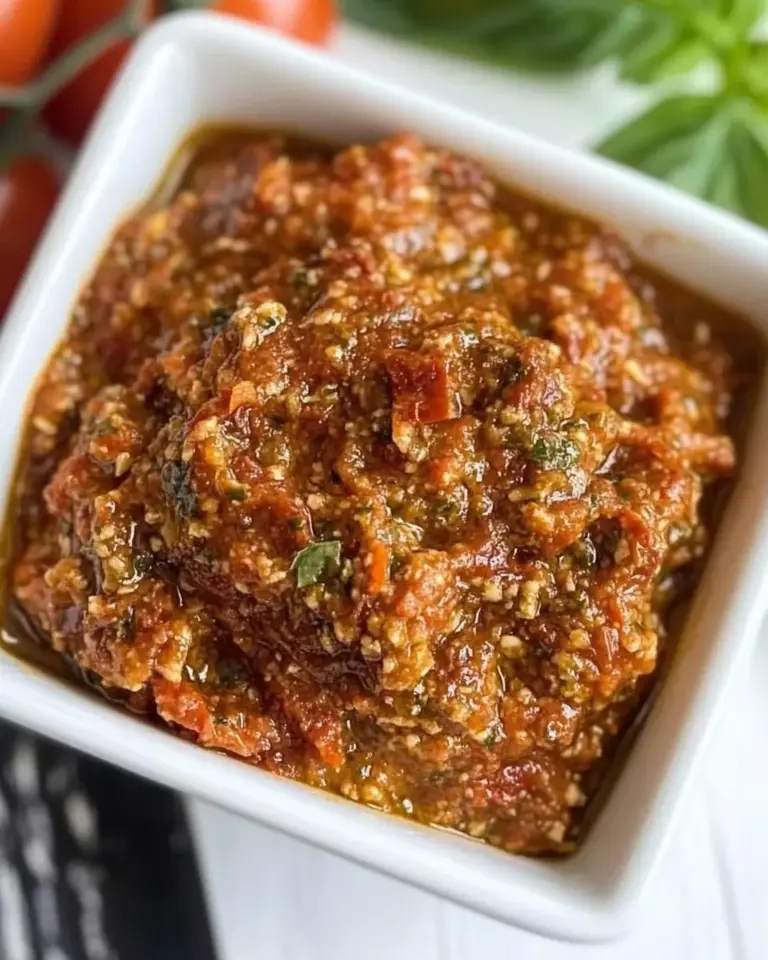
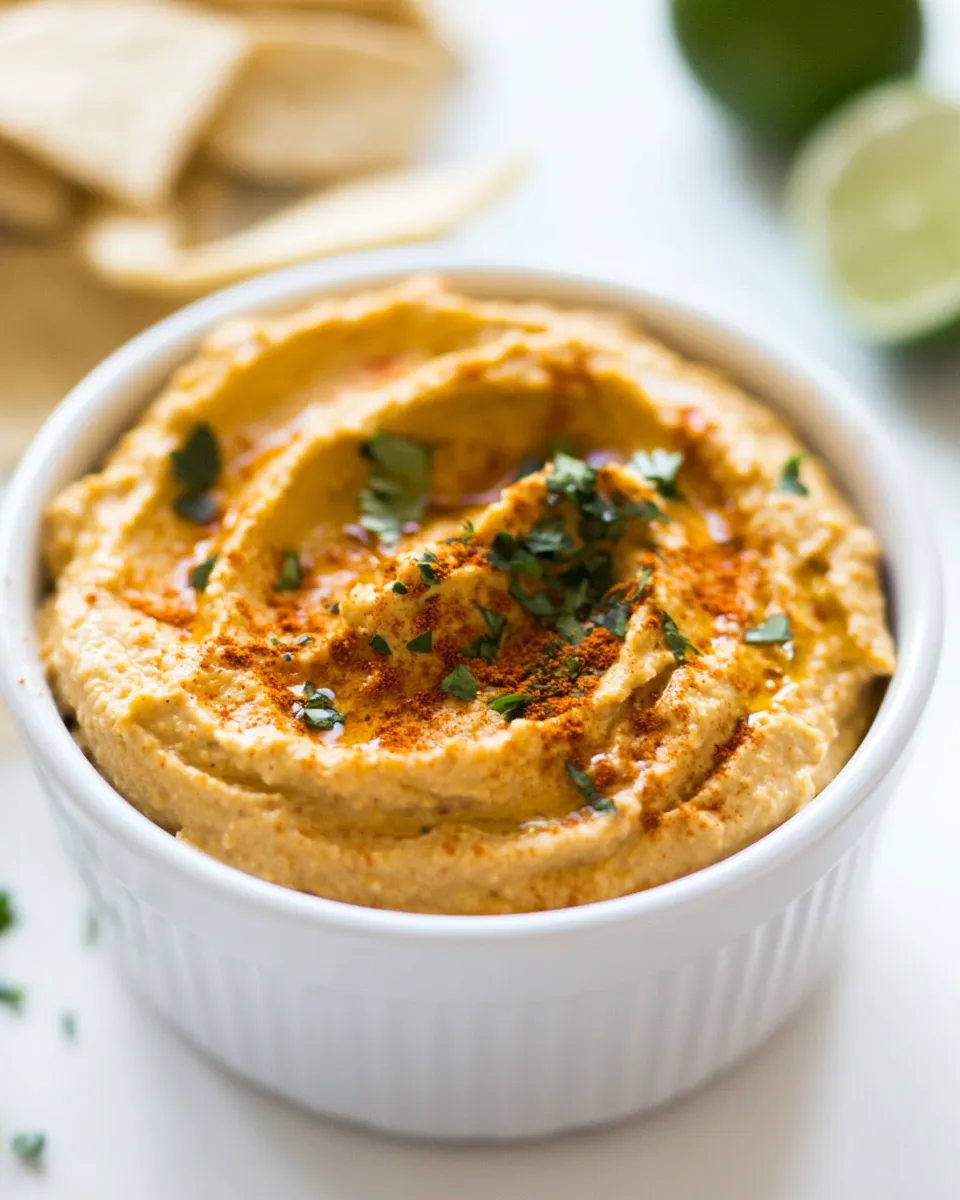
I make hummus a lot — it’s one of the easiest things to pull together fast and always feels a little special. This Lime Chipotle Hummus brightens the usual tahini-and-chickpeas routine with lime for tang and chipotle for smoke. It’s spicy in the best way: layered, not one-note.
The recipe is straightforward and forgiving. You’ll only need a can of chickpeas, garlic, tahini, lime, olive oil, and chipotle spice. The steps are short, which makes this a great weeknight prep or a quick but impressive party dip.
If you want a hummus that plays well with crudités, crackers, or pita, this is it. The lime keeps the flavors fresher and the chipotle adds a warm finish that makes you reach for another bite. Below you’ll find the ingredient breakdown, exact steps, gear recommendations, troubleshooting, and storage tips — all practical and usable.
Ingredient Breakdown
Ingredients
- 1 (15-ounce) can chickpeas, drained and rinsed — the creamy base of the hummus; rinsing removes the canning liquid and reduces metallic taste.
- 2 tablespoons olive oil — helps emulsify and adds a rounded mouthfeel; use extra-virgin for flavor or lighter olive oil if you prefer.
- 3 cloves garlic — provides aromatic bite; peel before adding and adjust to taste if raw garlic is too sharp.
- 2 tablespoons tahini — sesame paste that creates richness and a silky texture; scrape the jar to get the paste well mixed.
- 2 teaspoons chipotle spice, more or less to taste — supplies smoky heat; start with the listed amount and increase if you like it spicier.
- 2 tablespoons lime juice — brightens the dish and balances the chipotle; fresh-squeezed gives the best flavor.
Lime Chipotle Hummus, Made Easy
- Drain and rinse the 1 (15-ounce) can chickpeas; drain well and set aside.
- Peel the 3 cloves garlic.
- Add the drained chickpeas, 2 tablespoons olive oil, peeled garlic, 2 tablespoons tahini, 2 teaspoons chipotle spice (start with the listed amount and add more or less to taste), and 2 tablespoons lime juice to a food processor.
- Pulse several times to break down the ingredients, then process continuously until smooth, stopping occasionally to scrape down the sides with a spatula.
- Taste and adjust the chipotle spice to your preference (the ingredient list allows more or less to taste).
- Transfer the hummus to a serving bowl and serve with veggies, crackers, or pita bread.
What Sets This Recipe Apart
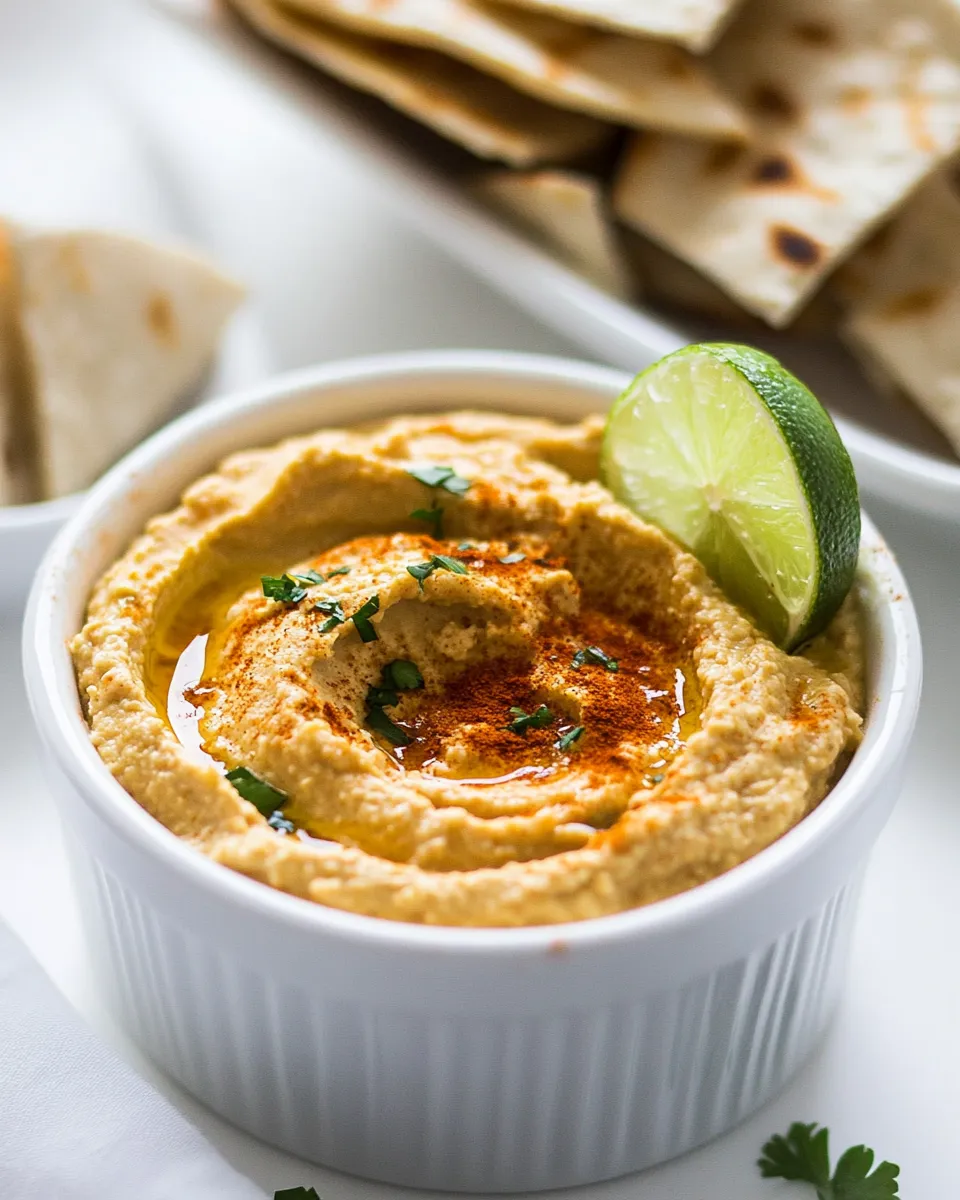
This hummus pares the usual creamy, nutty base with two bold yet complementary accents: lime and chipotle. Lime juice cuts through the tahini’s richness and the olive oil’s silk. The chipotle spice delivers a smoky warmth that lingers rather than overwhelms, so each bite evolves on the palate.
It’s also intentionally simple. There are no steps to soak beans, no stove time, and no complex emulsifying maneuvers. The technique favors pulse-and-process — short, controlled work in the processor — which keeps the texture smooth without overworking the mixture. That efficiency matters when you want something quick but still nuanced.
Finally, the quantities are built to be forgiving. The chipotle amount is a guideline, not a rule. If you prefer more heat, you can increase it gradually as you taste. If you want brighter acidity, add a touch more lime. The base ingredients support these adjustments without losing balance.
Dairy-Free/Gluten-Free Swaps
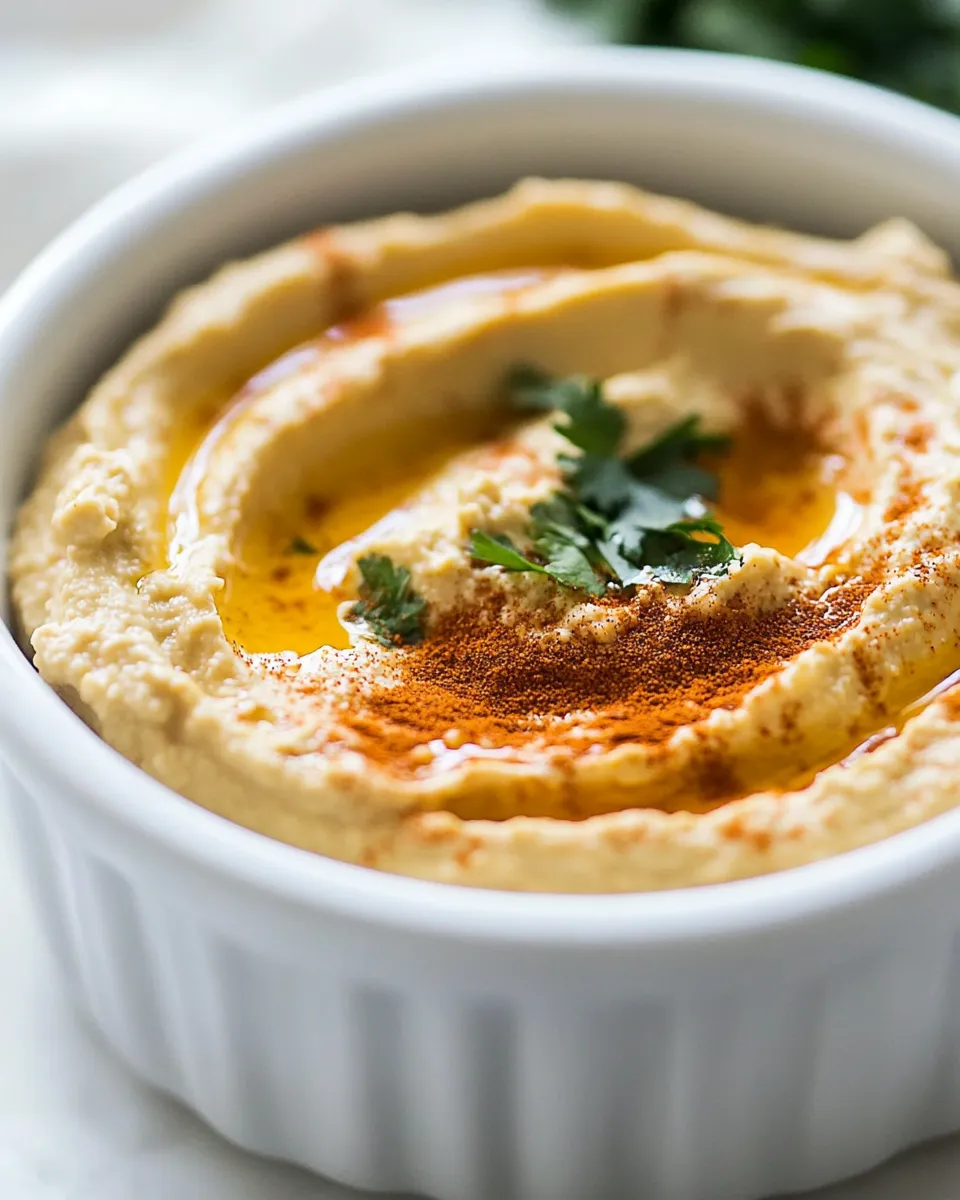
The great news: this recipe is naturally dairy-free and gluten-free as written. Tahini, olive oil, chickpeas, garlic, lime, and chipotle are all free of dairy and gluten.
If you need to be extra cautious for cross-contamination, choose labeled gluten-free tahini and check your chipotle spice blend for any fillers. Otherwise, no swaps are necessary — the recipe is safe and simple for most restricted diets.
What You’ll Need (Gear)
- Food processor — the primary tool for achieving a smooth, even hummus; a high-powered one gives the creamiest texture.
- Spatula — for scraping down the sides while processing so nothing is left behind.
- Measuring spoons — to accurately portion olive oil, tahini, chipotle spice, and lime juice.
- Can opener and colander — to drain and rinse the chickpeas well before processing.
- Serving bowl — to present the hummus; a shallow bowl works well for adding a drizzle of olive oil or a dusting of chipotle on top if desired.
What Not to Do
Do not skip rinsing and draining the chickpeas. The canning liquid can make hummus thin and slightly metallic-tasting. Drain thoroughly and shake excess water off so you’re not diluting the texture.
Don’t over-pulse without scraping. If you run the processor continuously without stopping to scrape, you’ll miss pockets of unblended chickpeas and tahini on the bowl sides. That results in uneven texture.
Avoid adding all the chipotle at once if you’re unsure about heat. The recipe lists 2 teaspoons as a starting point — add less initially and increase after tasting so you don’t overshoot your spice tolerance.
Lastly, don’t expect perfectly silky hummus if your processor is underpowered. You’ll still get a tasty dip, but the texture will be grainier. If you care about ultra-smooth hummus, give it a little extra time and scrape often.
Season-by-Season Upgrades
Spring and summer: serve this hummus slightly cooler to complement fresh, seasonal crudités; the lime notes scale well with crisp vegetables and cool weather produce.
Fall: the smoky chipotle feels cozy when the evenings turn cooler; pair with warm pita straight from the oven or roasted vegetables for contrast.
Winter: the chipotle’s warmth is satisfying during colder months. A little extra olive oil on top adds a rich mouthfeel that feels indulgent when it’s chilly out.
Across all seasons, balance is the goal: keep the hummus fresh and bright with the lime, and let the chipotle play the supporting role. Small adjustments in serving temperature and accompaniments will highlight different facets of the same dip.
What Could Go Wrong
Grainy texture: this happens when chickpeas aren’t processed long enough or your tahini hasn’t incorporated. Fix: keep processing and scrape the sides often. A little extra olive oil can smooth things out.
Too thin: usually from not draining chickpeas well, or adding extra liquid. Fix: drain more thoroughly next time and, for the current batch, try adding a bit more tahini and processing to thicken.
Too thick: opposite problem — not enough oil or lime. Fix: drizzle in a touch more olive oil or a splash more lime juice and process until the texture loosens.
Overly pungent garlic: raw garlic can dominate. If it’s too sharp, let the hummus sit in the fridge for an hour; flavors mellow as they rest. For future batches, use less garlic or pulse the garlic first with the oil to help distribute it more gently.
Excessive heat: chipotle is smoky and can be intense. If you overshoot, add a bit more chickpeas or another tablespoon of tahini to temper the spice. You can also add a small squeeze more lime to brighten and counter some heat.
Refrigerate, Freeze, Reheat
Refrigerate in an airtight container for up to 4–5 days. The flavors continue to meld in the fridge, which often improves the taste after a few hours. Before serving again, give it a quick stir and, if it seems dry, fold in a teaspoon of olive oil.
Freezing hummus is possible but not ideal for texture. If you freeze portions, expect a slight change in creaminess after thawing. Thaw in the fridge overnight, then stir well; you may need to add a small amount of olive oil and reprocess briefly to rebuild smoothness.
Reheating isn’t necessary; this hummus is best served at room temperature or slightly chilled. If you prefer it warm, place the container in a warm water bath for a few minutes or microwave gently in short bursts, stirring between intervals. Don’t overheat — heat can separate the oils.
Troubleshooting Q&A
Q: My hummus is bitter. What happened?
A: Bitterness most commonly comes from over-processed tahini or oxidized olive oil. If the batch tastes bitter, a squeeze more lime can help mask bitterness. In future batches, use fresher tahini and a neutral olive oil if you find that bitterness recurs.
Q: The dip is still a little lumpy after processing. Any tips?
A: Stop, scrape, and process again. If lumps persist, pulse several times to break them down, then run the processor in short bursts while scraping. A bit more olive oil or a spoonful more tahini will help smooth things out.
Q: How can I control heat without altering flavor balance?
A: Add chipotle sparingly and taste as you go. If you’ve added too much, counter with more chickpeas or tahini, and add a touch more lime to keep the flavor lively.
Q: Can I make this in a blender instead of a food processor?
A: You can, but blenders often need more liquid to move. If using a blender, add the ingredients and pulse carefully. You might need to scrape more frequently and add slightly more olive oil to help the blades create a smooth emulsion.
In Closing
This Lime Chipotle Hummus is the kind of recipe I make when I want something fast and satisfying with a little personality. It’s bright, smoky, and forgiving. Keep to the ingredient list, taste as you go, and don’t be afraid to tweak the chipotle level until it suits you. The steps are short, the gear is minimal, and the payoff is big: an adaptable dip that’s as good on a busy Tuesday as it is at a gathering.
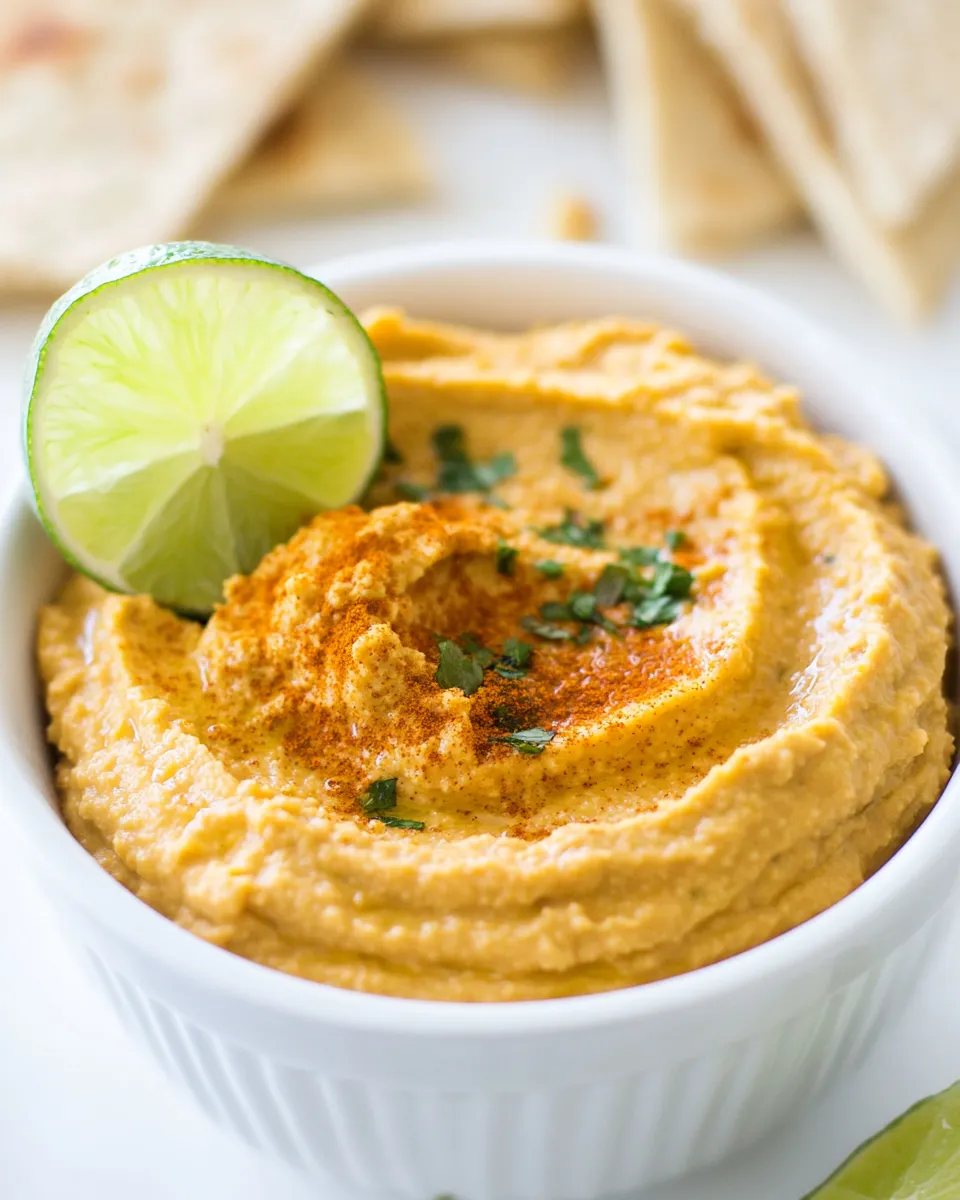
If you try it, start with the listed chipotle amount and add slowly. And when you plate it, give it a final drizzle of olive oil and a little extra visual contrast — a quick sprinkle of chipotle spice or a lime wedge nearby works well. Enjoy.
Lime Chipotle Hummus
Ingredients
Ingredients
- 1 15-ouncecan chickpeas, drained and rinsed
- 2 tablespoonsolive oil
- 3 clovesgarlic
- 2 tablespoonstahini
- 2 teaspoonschipotle spice more or less to taste
- 2 tablespoonslime juice
Instructions
Instructions
- Drain and rinse the 1 (15-ounce) can chickpeas; drain well and set aside.
- Peel the 3 cloves garlic.
- Add the drained chickpeas, 2 tablespoons olive oil, peeled garlic, 2 tablespoons tahini, 2 teaspoons chipotle spice (start with the listed amount and add more or less to taste), and 2 tablespoons lime juice to a food processor.
- Pulse several times to break down the ingredients, then process continuously until smooth, stopping occasionally to scrape down the sides with a spatula.
- Taste and adjust the chipotle spice to your preference (the ingredient list allows more or less to taste).
- Transfer the hummus to a serving bowl and serve with veggies, crackers, or pita bread.
Equipment
- Food Processor
- Spatula
- Serving bowl