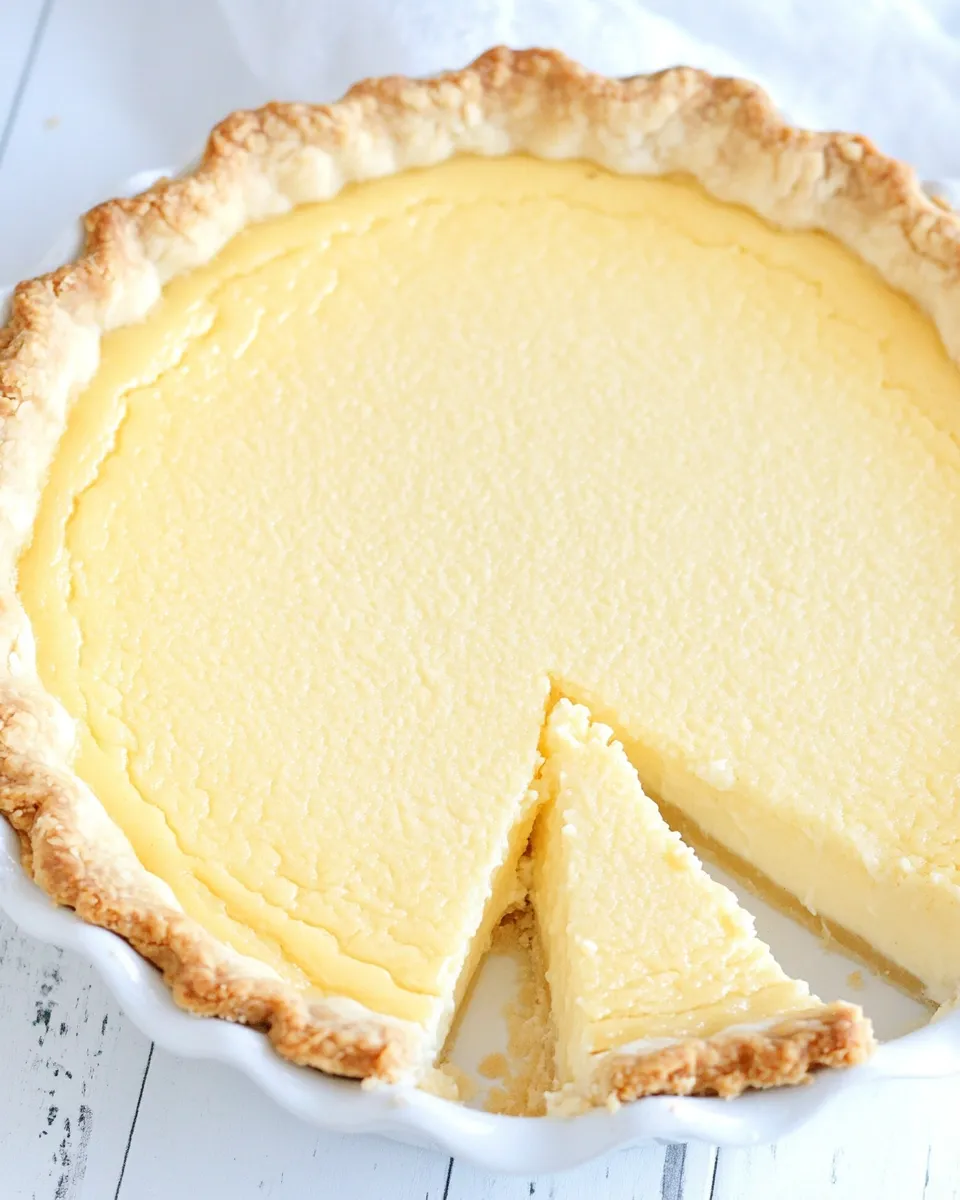
This is the kind of pie you can make on a weeknight and still feel proud to bring to the table. It’s straightforward, dependable, and has a custardy, tangy center that sings of simple ingredients done well. No complicated techniques, no tempering of eggs, just a quick mix and a bake. It’s one of those desserts that tastes like comfort and tradition without demanding a day in the kitchen.
I keep a pie crust in the freezer for moments like this. You can follow the recipe exactly and get excellent results, or use it as a template to learn how custard pies behave. The filling is forgiving: sugar, flour, buttermilk, eggs, vanilla, and butter combine into a silky custard that sets in about 35–40 minutes. Let it cool fully before slicing so the texture is clean and the slices hold.
Below you’ll find a precise ingredient checklist with quick notes, step-by-step directions taken from a reliable source, troubleshooting tips, substitution ideas by diet, and answers to the questions I get asked most often. Read through once, gather the few items you need, and you’ll have a lovely Buttermilk Pie on the table with minimal fuss.
Ingredient Checklist
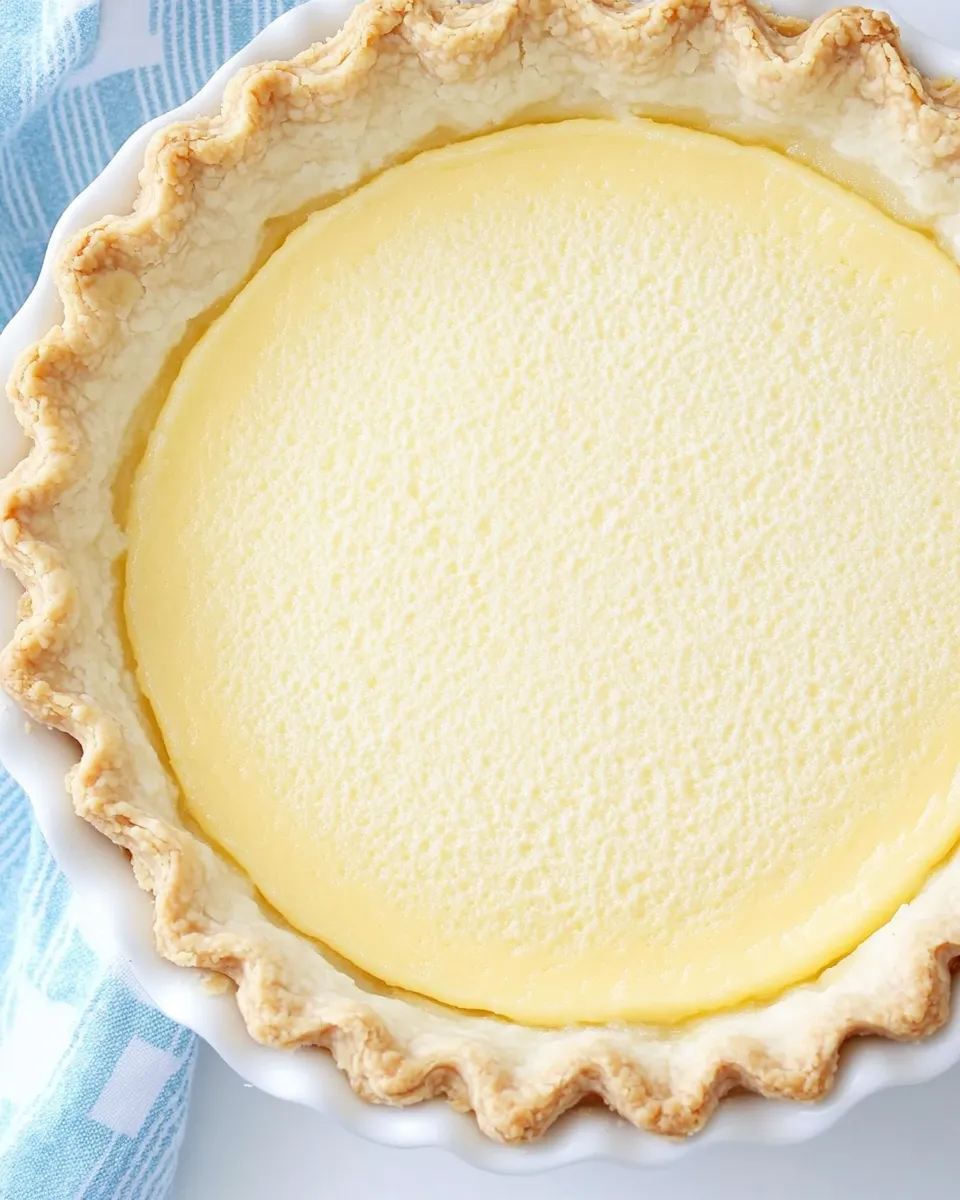
- One 9-inch unbaked pie crust — store-bought saves time; crimp the edges so the filling stays contained.
- 1¼ cups granulated white sugar — sweetens and helps the custard set; don’t skip or reduce without testing.
- 1/4 cup all-purpose flour — stabilizes the custard and gives body to the filling.
- 2 cups buttermilk — the tangy backbone of the pie; contributes both flavor and acidity.
- 3 large eggs, beaten — provide structure and richness to the custard.
- 1 teaspoon vanilla extract — quiet floral note that rounds out the tang of the buttermilk.
- 1/4 cup (1/2 stick) salted butter, melted — adds silkiness and flavor; salted is fine here since the amounts are small.
Mastering Buttermilk Pie: How-To
- Preheat the oven to 350°F (175°C).
- Fit the one 9-inch unbaked pie crust into a 9-inch pie plate and crimp the edges.
- In a large bowl, stir together 1¼ cups granulated white sugar and 1/4 cup all-purpose flour until evenly combined.
- Add 2 cups buttermilk, 3 large beaten eggs, 1 teaspoon vanilla extract, and 1/4 cup (1/2 stick) salted butter, melted to the sugar–flour mixture. Whisk until the filling is smooth and homogenous.
- Pour the filling into the prepared unbaked pie crust, smoothing the top gently.
- Bake on the middle oven rack for 35 to 40 minutes, or until the custard is set (the center should be mostly firm with only a slight jiggle).
- Remove the pie from the oven and let it cool to room temperature before slicing and serving.
The Upside of Buttermilk Pie
Buttermilk Pie is a winner for several reasons. It’s fast to assemble: once your ingredients are measured, the filling comes together in minutes with just a whisk. The flavor profile is uncomplicated but satisfying—the tang of buttermilk brightens a sweet custard without being cloying. Because the filling uses pantry staples, it’s economical and a great option when you want dessert without a special grocery run.
Texturally, the custard sets to a smooth, slightly dense slice that pairs beautifully with whipped cream or a dusting of finely grated nutmeg. It’s a year-round pie—comforting in winter and light enough for warmer months. Finally, it’s forgiving for home bakers: the flour in the filling gives it a bit of insurance against weeping, and the bake time window is forgiving, so slight oven variability won’t ruin the result.
Smart Substitutions
If you’re short an item, there are a few sensible swaps that maintain the integrity of the pie without introducing too many variables:
- Buttermilk — If you don’t have cultured buttermilk, you can use a cultured dairy alternative or make a quick sour-buttermilk by adding a tablespoon of vinegar or lemon juice to a cup of milk and letting it sit briefly. The key is acidity; it adds brightness to the custard.
- Salted butter — If you only have unsalted, add a small pinch of salt to the filling to balance sweetness.
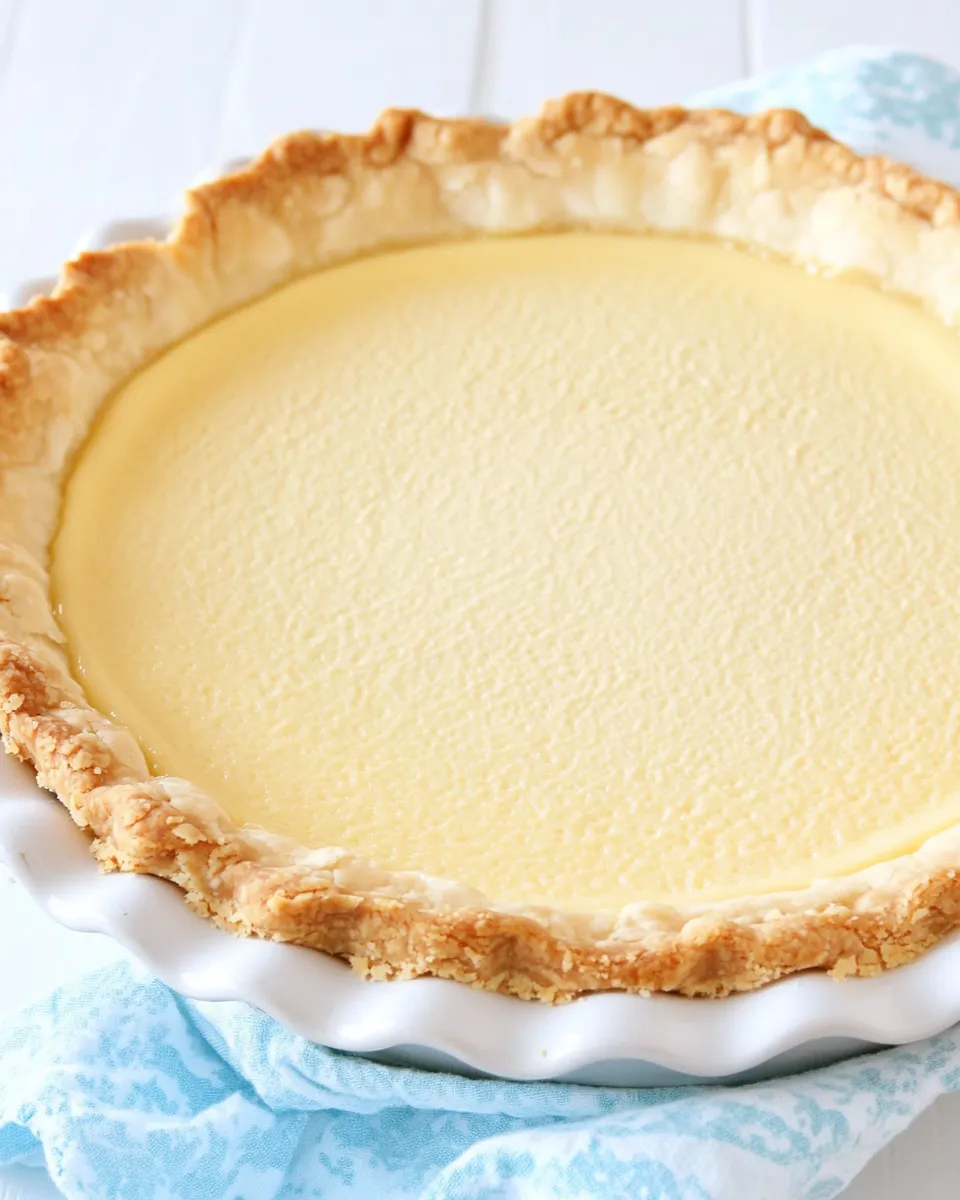
- Pie crust — A homemade crust or a deep-dish tart shell both work; just ensure the fit is snug and the edges are crimped or trimmed so the filling cooks evenly.
Before You Start: Equipment
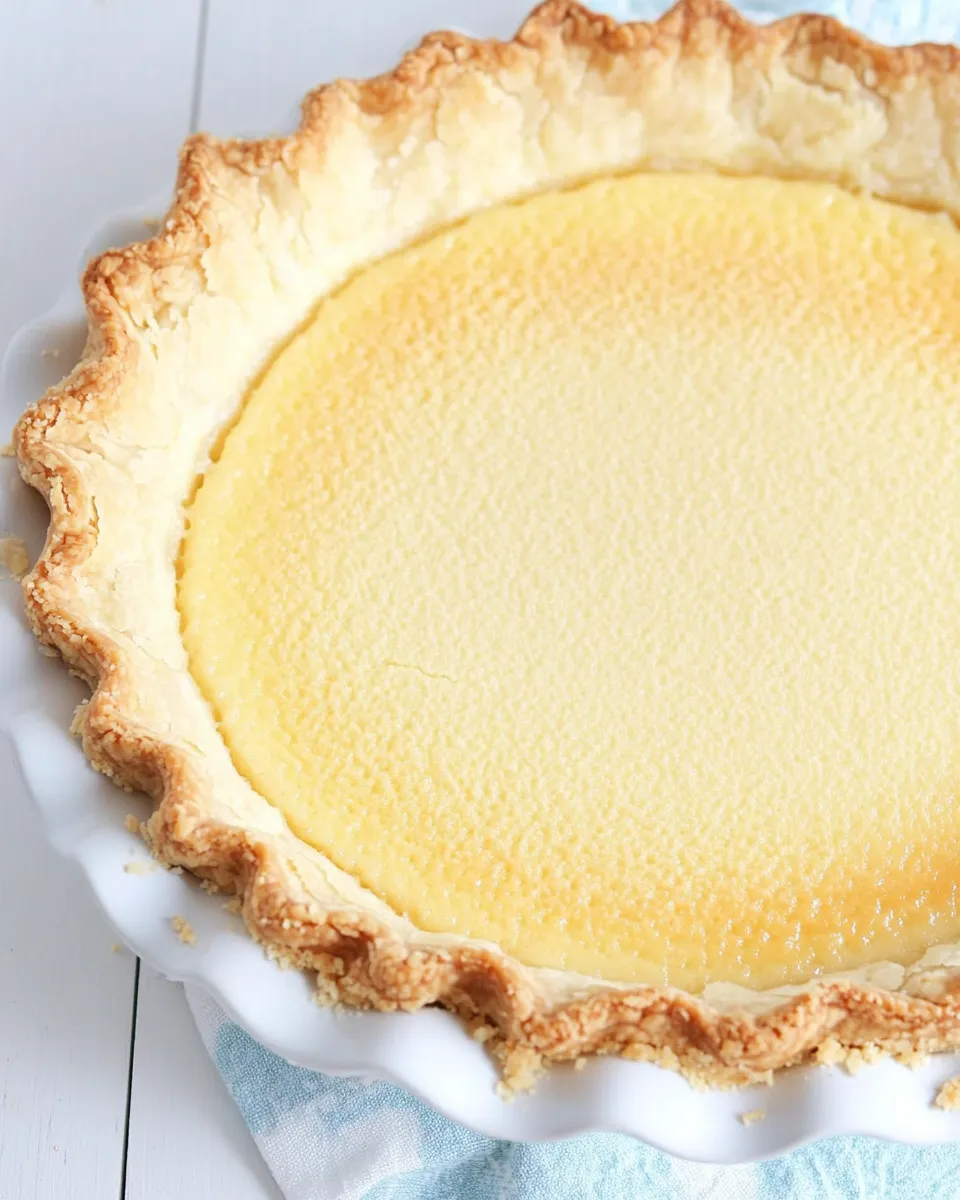
- 9-inch pie plate — fits the crust provided and gives the right depth for the custard.
- Large mixing bowl — for combining sugar and flour and then whisking in the wet ingredients.
- Whisk — gets the filling smooth quickly; a fork can work in a pinch but won’t be as efficient.
- Measuring cups and spoons — important for the sugar, flour, and liquids to keep the custard balance.
- Oven set to 350°F (175°C) — accurate oven temperature matters; an oven thermometer is helpful if your oven runs hot or cold.
- Cooling rack — let the finished pie come to room temperature on a rack so steam can escape and the filling firms up.
Mistakes Even Pros Make
Even experienced bakers can misstep with custard pies. Here are the most common pitfalls and how to avoid them:
- Underbaking or overbaking: If you cut into the pie straight from the oven, the center may not have fully set and the slices will be messy. Wait until it’s mostly firm with a slight jiggle, and then cool fully before slicing. Overbaking causes a rubbery texture, so pay attention during the 35–40 minute window.
- Poorly fitted crust: If the crust isn’t properly crimped or fitted, the filling may seep under edges or cause an uneven bake. Press the crust gently into the plate and crimp to seal.
- Not combining dry ingredients first: Failing to mix the sugar and flour evenly can lead to pockets of flour or uneven thickening. Stir the dry ingredients so they are consistent before adding liquids.
- Using room-temperature ingredients inconsistently: Cold eggs or melted butter that’s too hot can affect texture. Use eggs at room temperature for best emulsification; melted butter should be warm, not hot, when whisked into eggs and buttermilk.
Substitutions by Diet
Dietary needs don’t mean you have to miss out on pie. Here are approachable options that keep the spirit of the recipe:
- Dairy-free: Use a cultured plant-based milk alternative plus a little acid to mimic buttermilk. A dairy-free butter substitute will add fat and mouthfeel. Note: texture will vary from the original but should still be pleasant.
- Lower-sugar: Reduce sugar slightly with the understanding that it will change both flavor and setting behavior. Because sugar affects custard texture and browning, a modest reduction is safer than removing a lot.
- Gluten-free: Use a gluten-free pie crust in place of the standard crust. The filling itself contains no gluten aside from the 1/4 cup flour; for a strict gluten-free version, replace that flour with a gluten-free blend designed for baking.
- Egg-free: This recipe relies on eggs for structure; egg-free custards require different stabilizers and methods. For a similar tangy dessert without eggs, consider a baked pudding that uses cornstarch or other thickeners instead (this moves away from a pure custard pie).
Pro Perspective
As someone who bakes a lot, I treat this recipe as a baseline. The butter gives a gentle richness, the flour stabilizes, and the buttermilk provides brightness. If I’m aiming for a slightly richer result, I’ll use full-fat buttermilk and ensure my eggs are at room temperature for better incorporation. If I want a more pronounced vanilla note, I’ll increase to a full teaspoon of pure vanilla extract—this recipe already includes that, which hits a nice balance.
When you slide the pie into the oven, place it on the middle rack where heat is most even. If your oven has a hot spot, rotate the pie once at about the 20–25 minute mark. And when it’s done, don’t rush: the cooling phase is part of the structure-building. Serving too warm risks a runny slice; a fully cooled pie holds its shape and presents cleanly.
Keep-It-Fresh Plan
Storage is simple. Once the pie has cooled to room temperature, cover it loosely with foil or plastic wrap and refrigerate. It will keep well for 3–4 days in the fridge. The texture may firm up a touch after refrigeration; allow slices to sit at room temperature for 15–20 minutes before serving if you prefer a softer bite.
Freezing a whole baked custard pie is possible but not ideal. For best results, freeze individual slices wrapped tightly in plastic and then foil; thaw in the refrigerator overnight. Reheat gently in a low oven if you want it warm, but note that freezing can slightly alter the custard’s texture.
Top Questions & Answers
- Can I use homemade pie crust? Yes—homemade crust works beautifully. Ensure it’s rolled to an even thickness so the bake is uniform.
- Why did my center sink? Sinking usually means the custard set too quickly and then collapsed, often from overbaking or a sudden temperature change. Bake until mostly firm but still slightly jiggly, and cool gradually on a rack.
- Can I double the recipe? You can make two pies, but bake them one at a time unless you have space and even heat across racks. Overcrowding the oven can change the bake time and finish.
- Do I need to blind-bake the crust? This recipe does not require blind baking. The filling cooks fully in the unbaked crust within the stated time.
Bring It Home
Buttermilk Pie is one of those desserts that proves good things don’t have to be complicated. Follow the simple checklist and the clear steps above, give it time to cool, and you’ll have a dessert that looks impressive and tastes like home. Serve with a dollop of lightly sweetened whipped cream, a sprinkle of nutmeg, or just a cup of strong coffee. It’s the sort of pie that becomes a staple—easy to pull together, reliable in outcome, and universally appreciated.

Easy Buttermilk Pie
Ingredients
Ingredients
- One9-inchunbaked pie crust
- 1 1/4 cupsgranulated white sugar
- 1/4 cupall purpose flour
- 2 cupsbuttermilk
- 3 largeeggs beaten
- 1 teaspoonvanilla extract
- 1/4 cup 1/2 sticksalted butter, melted
Instructions
Instructions
- Preheat the oven to 350°F (175°C).
- Fit the one 9-inch unbaked pie crust into a 9-inch pie plate and crimp the edges.
- In a large bowl, stir together 1¼ cups granulated white sugar and 1/4 cup all-purpose flour until evenly combined.
- Add 2 cups buttermilk, 3 large beaten eggs, 1 teaspoon vanilla extract, and 1/4 cup (1/2 stick) salted butter, melted to the sugar–flour mixture. Whisk until the filling is smooth and homogenous.
- Pour the filling into the prepared unbaked pie crust, smoothing the top gently.
- Bake on the middle oven rack for 35 to 40 minutes, or until the custard is set (the center should be mostly firm with only a slight jiggle).
- Remove the pie from the oven and let it cool to room temperature before slicing and serving.
Equipment
- Oven
- 9-inch pie plate
- Mixing Bowl
- Whisk