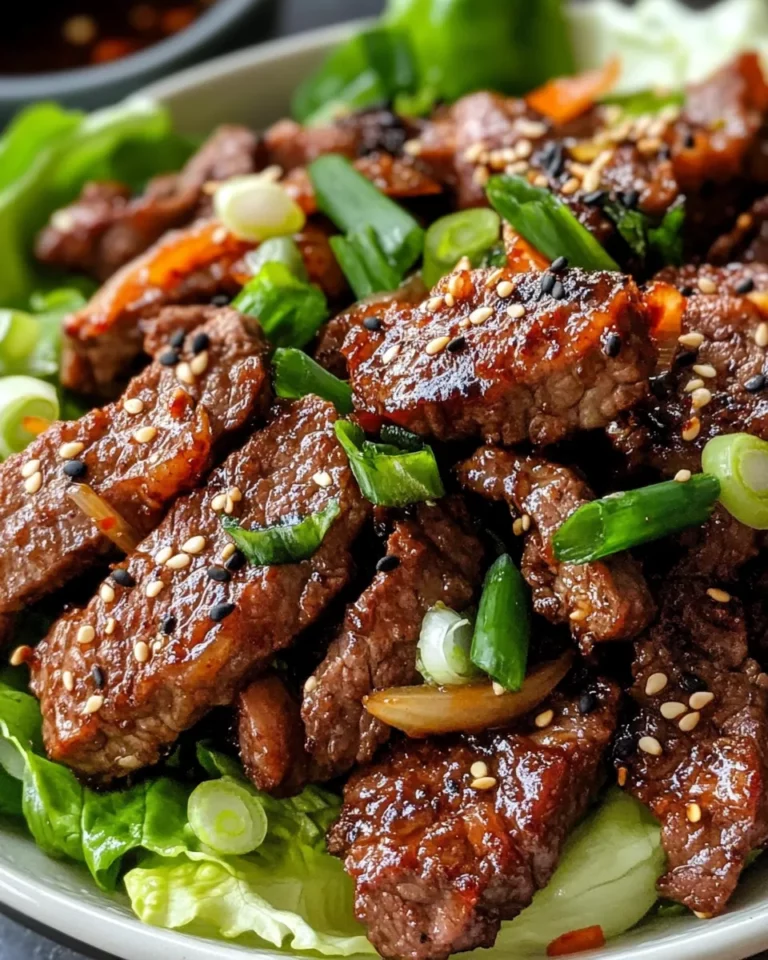
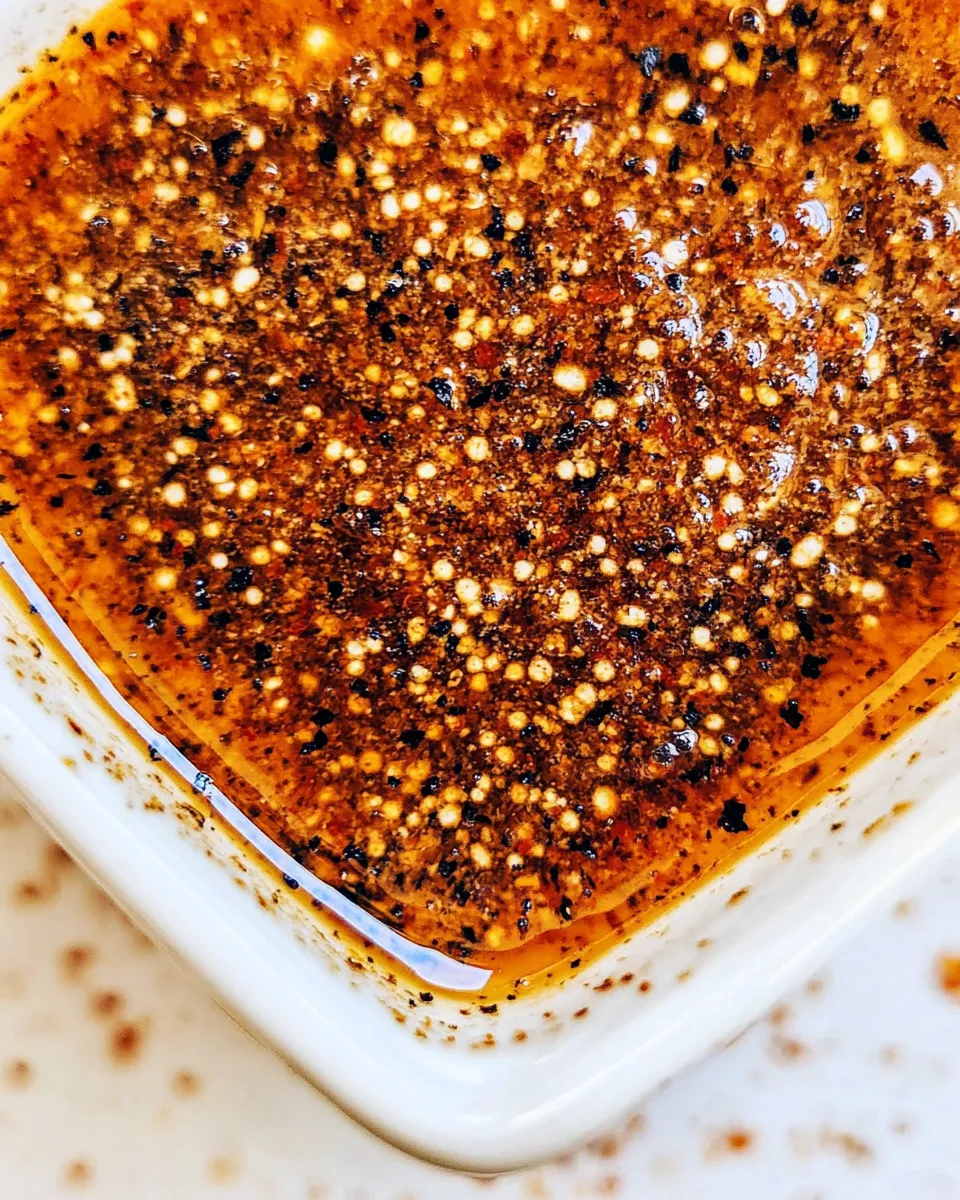
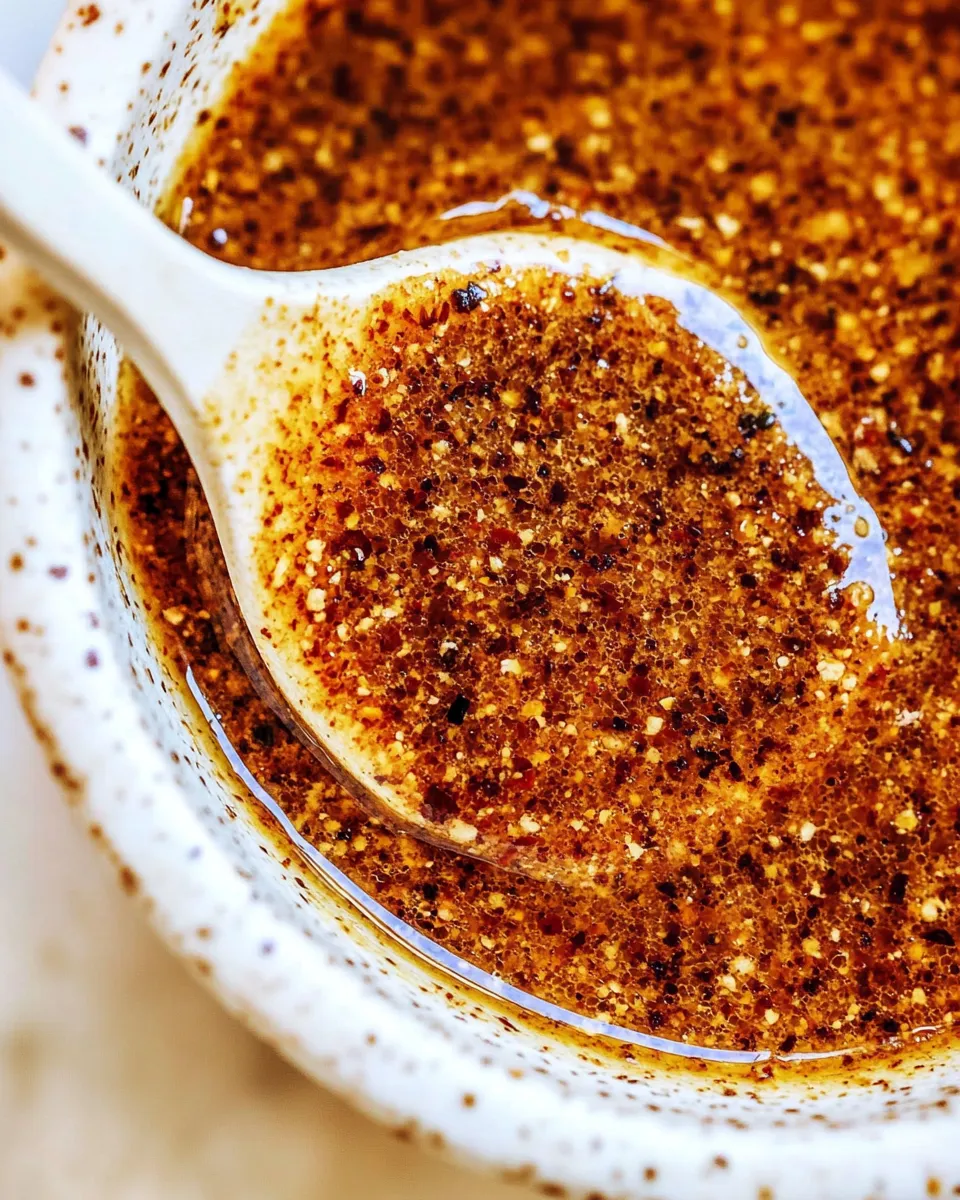
I fell in love with this ginger dipping sauce the first time I had it at the teppanyaki table — bright, tangy, and silky all at once. It’s the kind of sauce that makes simple grilled chicken or a plate of steamed vegetables feel elevated. It comes together quickly, and once you learn the small tricks, you’ll always have a jar in the fridge.
This recipe is faithful to the classic flavors: fresh ginger, a touch of ground ginger for depth, rice vinegar for brightness, soy sauce for savory umami, and a little lemon to lift everything. It blends into a smooth pourable sauce that clings to food without being heavy. I’ll walk you through the exact ingredient list and step-by-step method, plus practical tips for storage, swaps for dietary needs, and troubleshooting if something goes sideways.
What Goes Into Benihana Ginger Dipping Sauce
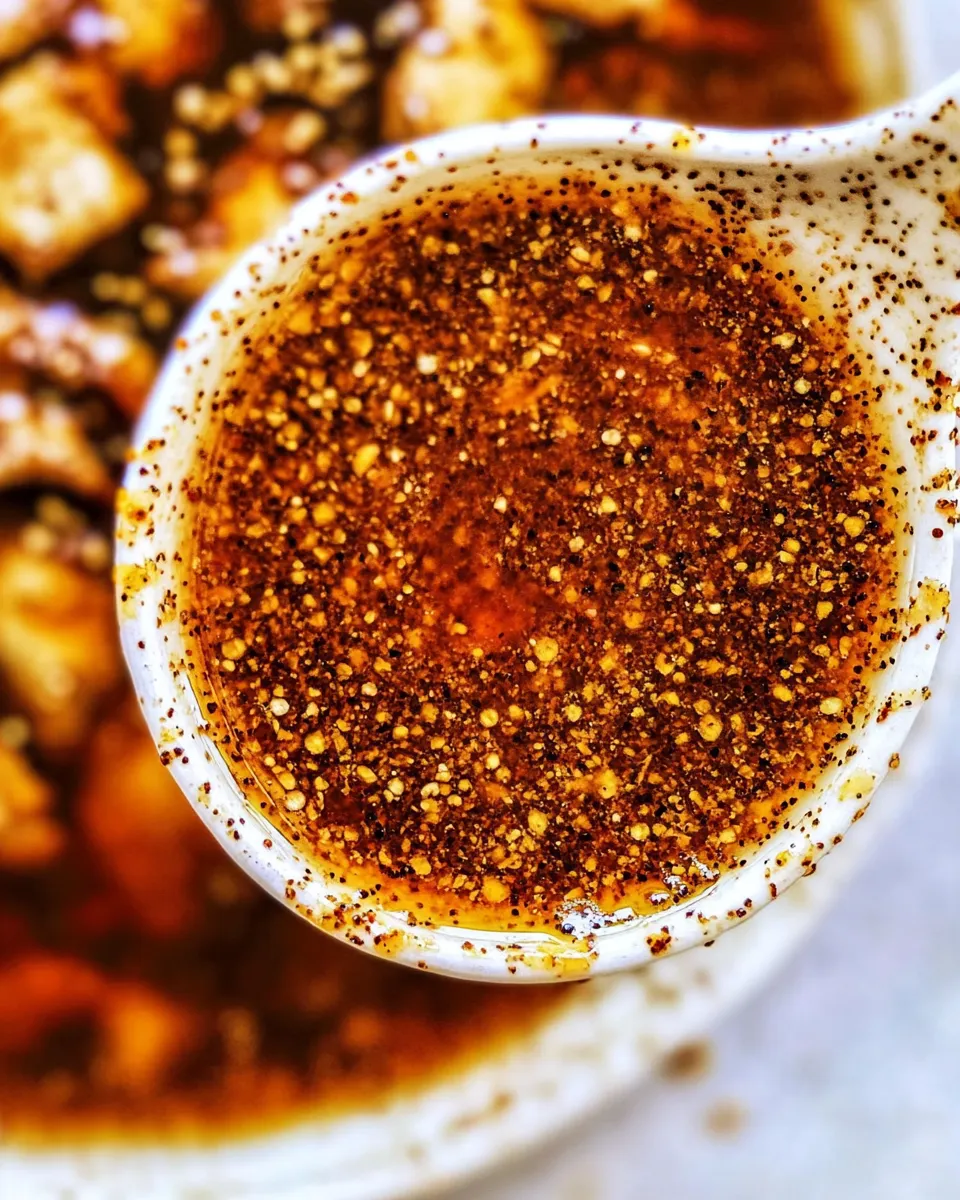
Below I break down what each ingredient is doing in the sauce. Keep the measurements as listed — small changes can shift the balance between bright and salty — and follow the method so you get that smooth, restaurant-style texture.
Ingredients
- 1/4cupchopped onion — provides sweetness and body; chop fine so it blends smoothly.
- 1ounceginger root — the star flavor: fresh ginger gives heat, floral notes, and aroma; peel and grate or chop small for easy blending.
- 1/8teaspoonground ginger — adds deeper, dried-ginger warmth and rounds out the fresh ginger brightness.
- 1teaspoonlemon juice — a bright acid layer that sharpens flavors; use fresh lemon for the cleanest taste.
- 1/2cupsoy sauce — the salty, savory backbone; it balances the vinegar and ginger and lends color.
- 1/4cuprice vinegar — rice vinegar brings gentle acidity and a subtle sweetness that keeps the sauce lively.
Benihana Ginger Dipping Sauce: How It’s Done
- Measure the ingredients: 1/4 cup chopped onion, 1 ounce ginger root, 1/8 teaspoon ground ginger, 1 teaspoon lemon juice, 1/2 cup soy sauce, and 1/4 cup rice vinegar.
- Peel the 1 ounce ginger root and cut it into small pieces or grate it so it will blend easily.
- Place the chopped onion, prepared ginger root, ground ginger, lemon juice, soy sauce, and rice vinegar into a blender.
- Blend on medium-high until the mixture is smooth, about 30–60 seconds, stopping to scrape down the sides if needed.
- Transfer the sauce to an airtight container or jar.
- Refrigerate for at least 2 hours before serving to allow the flavors to develop; stir or shake before serving.
Why This Recipe Belongs in Your Rotation
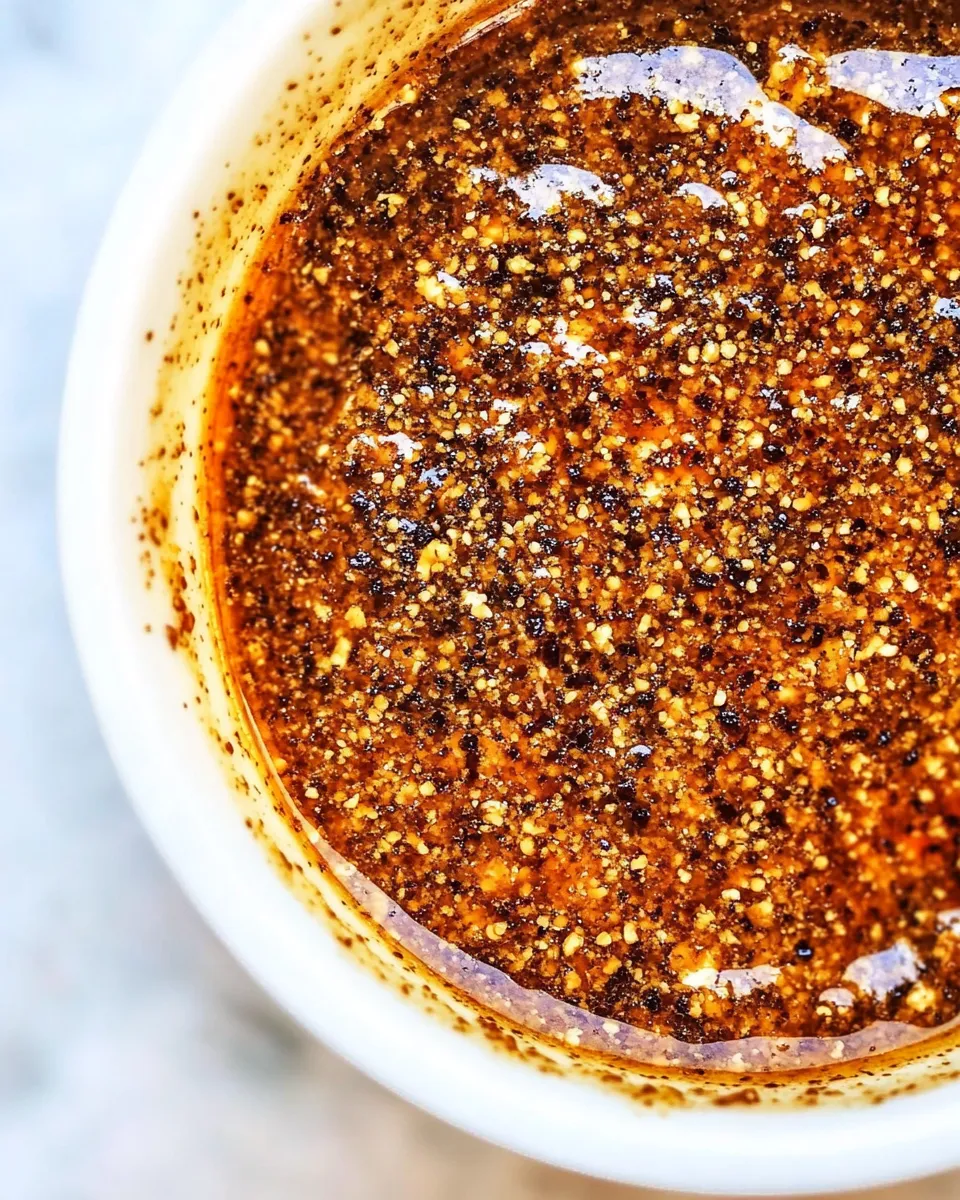
This sauce is incredibly versatile. It brightens grilled proteins, acts as a lively dressing for leafy salads, and is an effortless dip for raw or roasted vegetables. Because the flavors are clean and balanced — salty from soy, tangy from rice vinegar and lemon, and sharply aromatic from ginger — it complements a wide range of dishes without overpowering them.
It’s also fast and low-effort. Once you have the ingredients measured, the blender does all the work. The texture is smooth and pourable, so you can use it as a marinade, finishing sauce, or table-side dip. For busy weeknights or when entertaining, a small jar of this sauce on the table elevates everything it touches.
Dairy-Free/Gluten-Free Swaps
- Gluten-free: Swap the soy sauce for tamari or a certified gluten-free soy sauce to keep the umami while removing gluten.
- Soy-free option: Use coconut aminos in place of soy sauce; it’s milder and slightly sweeter but still provides savory depth.
- Dairy-free: The recipe as written is dairy-free — just avoid adding any cream or yogurt, and you’re set.
Hardware & Gadgets
- Blender — a countertop blender gives the smoothest texture quickly; a powerful immersion blender can work in a tall jar.
- Microplane or grater — useful if you prefer grating the ginger by hand rather than chopping, which speeds blending.
- Measuring spoons and cups — accurate measurements keep the balance of salt, acid, and heat consistent.
- Airtight jar or container — glass jars with tight lids are best for storing and shaking before use.
Things That Go Wrong
Here are common pitfalls and how I fix them:
- Too salty — if the soy sauce dominates, dilute slightly with additional rice vinegar (a little at a time) or a splash of water; for future batches, reduce soy sauce incrementally.
- Too sharp or acidic — if the lemon and vinegar feel harsh, let the sauce sit longer in the fridge; flavors mellow and integrate over several hours. You can also add a tiny pinch of sugar to round the edge, but add sparingly.
- Grainy texture — under-blending or using very coarse onion pieces can leave texture. Blend until smooth and scrape down the sides once or twice during blending.
- Ginger too aggressive — if the fresh ginger is overpowering, reduce the fresh ginger slightly next time or add an extra 1/8 teaspoon rice vinegar to balance. Remember the 1/8 teaspoon ground ginger is part of the intended flavor profile.
Dietary Customizations
Make this sauce work for your menu without losing the signature profile.
- Lower sodium: Use a low-sodium soy sauce or tamari. The sauce will be milder; taste and adjust lemon or vinegar to keep brightness.
- Spicier: Add a small amount of fresh chile, a pinch of red pepper flakes, or a dab of sriracha to the blender for heat. Start conservatively — ginger already provides warmth.
- Less sharp: If you or someone at the table prefers gentler acidity, halve the lemon juice and add an extra tablespoon of rice vinegar mixed with a touch of honey or a pinch of sugar to soften the edge.
- Vegan: The recipe is vegan as written, assuming you use a plant-based soy sauce alternative if needed.
Insider Tips
A few small adjustments make a big difference:
- Peeling ginger: Use the edge of a spoon to scrape the skin off ginger — it removes just the skin without wasting flesh.
- Chop before you blend: Cutting the ginger and onion into smaller pieces ensures the blender achieves a silky texture in the 30–60 second window called for in the method.
- Let it rest: Refrigerating for at least two hours is necessary; overnight is even better. The resting time lets the sharp edges meld and the flavor develop fully.
- Shake before serving: The sauce can separate slightly in the fridge; a quick shake or stir recombines everything so it’s glossy and uniform.
Storage & Reheat Guide
Store the sauce in an airtight jar in the refrigerator. It keeps well for about 5–7 days; the ginger flavor gradually mellows but remains bright. For longer storage, you can freeze it in small portions (ice cube trays work well) for up to 2 months. Thaw in the refrigerator and whisk or shake to recombine.
There’s no need to reheat this sauce — it’s best served chilled or at cool room temperature. If you want a warm variation for glazing grilled meats, warm gently in a small saucepan on low for a minute or two, stirring constantly; avoid boiling, which can dull the bright notes.
Quick Questions
- Can I make this without a blender? — You can finely grate the ginger and mince the onion until almost paste-like, then whisk with the remaining ingredients, but the texture won’t be as smooth.
- Is the lemon juice essential? — The lemon adds a fresh bright note that lifts the rice vinegar; if you skip it, increase the rice vinegar slightly and taste as you go.
- How long should I refrigerate before serving? — At least 2 hours; overnight is ideal for the best depth of flavor.
- Can I double the recipe? — Yes. Keep the proportions the same and blend in batches if your blender isn’t large enough.
- Will the flavor change over time? — It will mellow and integrate; the sharpness of fresh ginger and acid softens after a day or two.
Let’s Eat
Serve this sauce with grilled chicken, shrimp, or as a dipping sauce for tempura vegetables. It’s lovely spooned over a simple rice bowl with sautéed greens, or used as a dressing for mixed greens and shredded cabbage. Keep a jar in the fridge and use it as a finishing touch on anything that benefits from a bright, gingery kick.
Make a batch, give it a shake, and taste it with something neutral — steamed rice or a plain chicken breast are perfect for your first try. Adjustments are easy once you know how you like it: a touch more acid, a little less soy, or a whisper of heat. This is a small, powerful recipe that’s become a constant in my kitchen, and I hope you love it as much as I do.
Benihana Ginger Dipping Sauce
Ingredients
Ingredients
- 1/4 cupchopped onion
- 1 ounceginger root
- 1/8 teaspoonground ginger
- 1 teaspoonlemon juice
- 1/2 cupsoy sauce
- 1/4 cuprice vinegar
Instructions
Instructions
- Measure the ingredients: 1/4 cup chopped onion, 1 ounce ginger root, 1/8 teaspoon ground ginger, 1 teaspoon lemon juice, 1/2 cup soy sauce, and 1/4 cup rice vinegar.
- Peel the 1 ounce ginger root and cut it into small pieces or grate it so it will blend easily.
- Place the chopped onion, prepared ginger root, ground ginger, lemon juice, soy sauce, and rice vinegar into a blender.
- Blend on medium-high until the mixture is smooth, about 30–60 seconds, stopping to scrape down the sides if needed.
- Transfer the sauce to an airtight container or jar.
- Refrigerate for at least 2 hours before serving to allow the flavors to develop; stir or shake before serving.
Equipment
- Blender
- Airtight container or jar