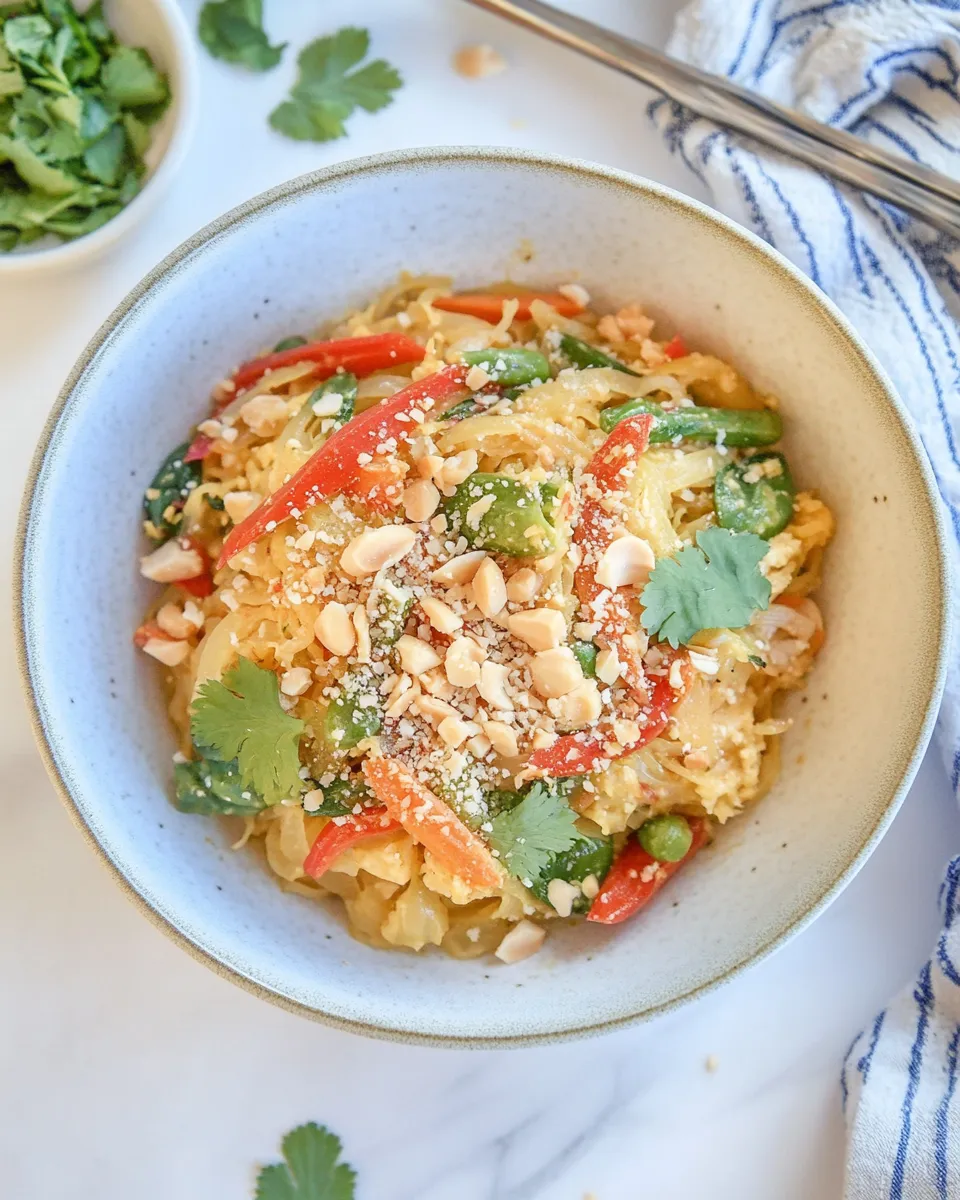
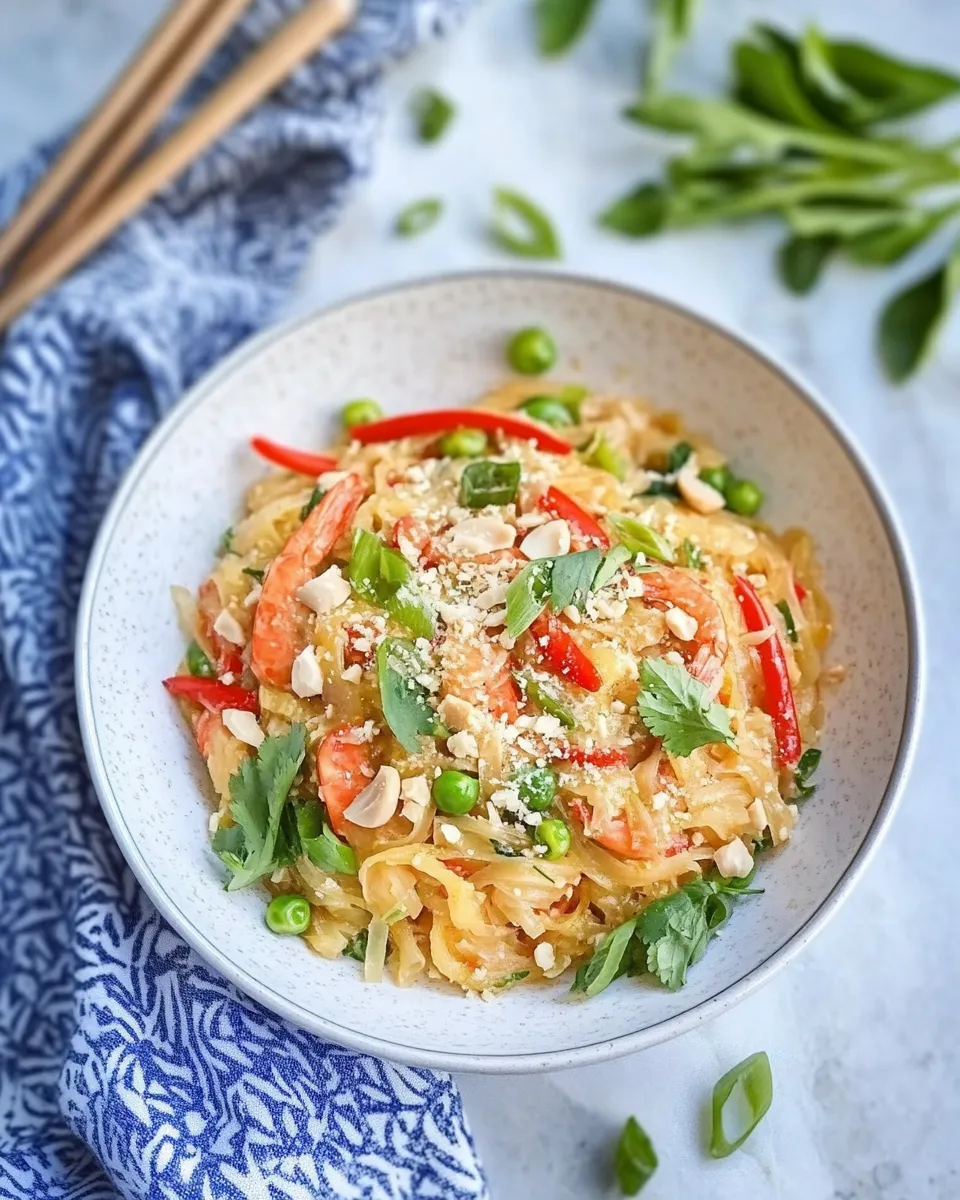
This Spaghetti Squash Pad Thai swaps rice noodles for tender strands of roasted squash, and it’s one of those weekday dinners that feels thoughtful without being fussy. The texture holds up to the tangy sauce, and pairing diced chicken with shrimp keeps the dish hearty while still light. I rely on an Instant Pot to get the squash cooked quickly and evenly.
No fancy ingredients, just straightforward prep and a few pantry staples. If you’re watching carbs or just want a gluten-free alternative to classic Pad Thai, this version delivers on flavor and satisfaction. The method is forgiving: cook the proteins, scramble the eggs, sauté the vegetables, and toss everything together with a simple coconut-aminos and rice vinegar sauce.
Below you’ll find the essentials, the exact step-by-step instructions I use, and practical tips from testing this recipe multiple times. Read the ingredients carefully, prep ahead where you can, and the final toss in the skillet is the only real “finish line.”
The Essentials
Short prep window if you use the Instant Pot for the squash—10 minutes at high pressure plus steam release. Active stove-top time is roughly 15–20 minutes for cooking the chicken, shrimp, eggs, and vegetables, then a quick toss with the shredded squash so everything heats through.
This dish serves two to three comfortably, depending on appetite and sides. It pairs well with lime wedges and a sprinkle of chopped peanuts for texture. Keep the coconut sugar optional if you’re following Whole30 or keto.
Ingredients
- 1 medium-sized spaghetti squash about 3-4 lbs — the base “noodles”; choose a squash on the firmer side for easier shredding.
- 1 tablespoon avocado oil — neutral, high-heat oil for searing the proteins.
- 1 lb. chicken breasts about 2, diced — protein that browns nicely and soaks up the sauce.
- 12 large shrimps cleaned and deveined — quick-cooking seafood to add sweetness and texture.
- 2 cloves garlic crushed — aromatic base; add with the vegetables for best flavor.
- 1 small red onion diced — provides sweetness and bite when sautéed.
- 2 mushrooms thinly sliced — earthy element; slice thin so they soften quickly.
- 1 carrot diced — color and subtle sweetness; dice small to match other veg.
- 1/2 cup bean sprouts — added near the end for crunch and freshness.
- 4 scallions thinly sliced — bright onion flavor, stirred in at the finish.
- 3 eggs scrambled — folded in for richness and classic Pad Thai texture.
- 2 tablespoons coconut aminos — the salty-sweet backbone of the sauce (soy-free alternative).
- 3 tablespoons rice vinegar — acidity to balance the aminos and sugar.
- 2 tablespoons coconut sugar optional, omit for Whole30 or keto — adds caramelized sweetness; skip for low-carb.
- 1 teaspoon red pepper flakes — for heat; adjust to taste.
- 1/2 teaspoon garlic powder — seasons the chicken during sear.
- chopped peanuts for garnish — crunch and nutty contrast at service.
- lime for garnish — bright acid to squeeze over the finished dish.
Mastering Spaghetti Squash Pad Thai: How-To
- Cut the spaghetti squash lengthwise and scoop out the seeds. Add 1 cup water to the Instant Pot insert. Place the squash halves cut-side up in the Instant Pot (stack if needed). Close the lid, set the valve to SEALING, and cook on manual/high pressure for 10 minutes (increase time if your squash is larger than 3 lb). When the timer finishes, carefully turn the valve to VENTING to release the steam; when the float valve drops, open the lid and shred the squash with two forks into noodle-like strands. Transfer shredded squash to a bowl and set aside.
- While the squash cooks, dice the chicken breasts, pat the shrimp dry, crush the garlic cloves, dice the red onion, thinly slice the mushrooms, dice the carrot, and thinly slice the scallions. Measure the bean sprouts and beat the eggs in a small bowl.
- In a large skillet or wok, heat 1 tablespoon avocado oil over medium–high heat until shimmering.
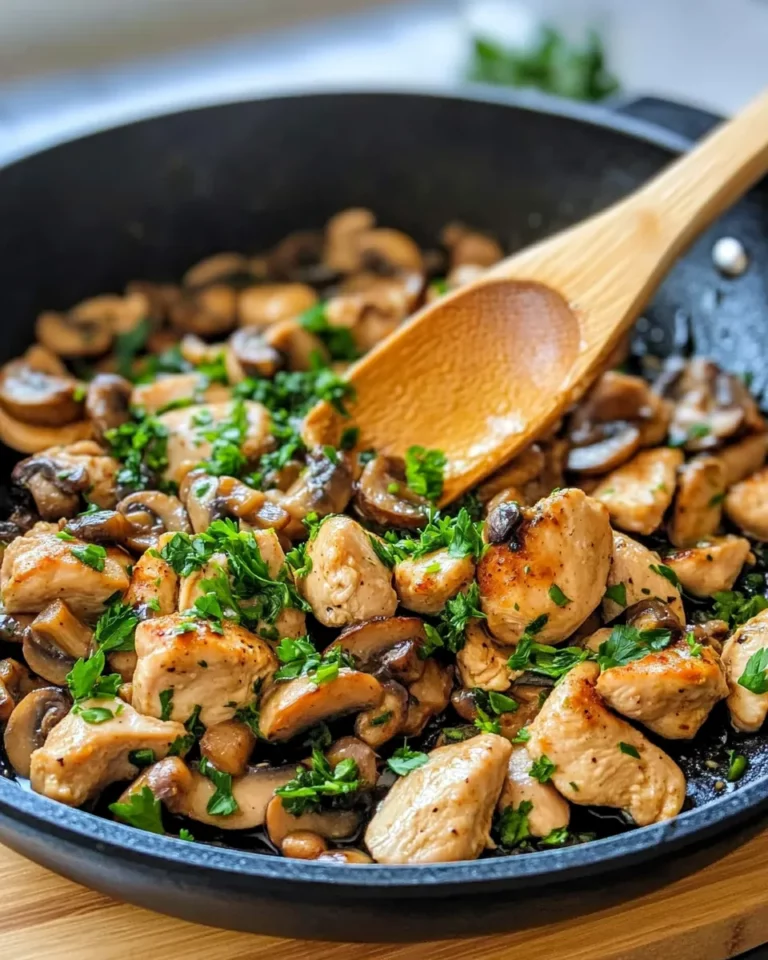
- Add the diced chicken to the skillet. Sprinkle the chicken with 1/2 teaspoon garlic powder and 1 teaspoon red pepper flakes. Cook, stirring occasionally, until the chicken is browned and cooked through, about 6–8 minutes.
- Add the shrimp to the skillet with the chicken and cook until the shrimp turn pink and are opaque throughout, about 2–3 minutes. Push the chicken and shrimp to one side of the skillet.
- Pour the beaten eggs into the empty side of the skillet and scramble until just set. Stir the scrambled eggs together with the chicken and shrimp.
- Add the crushed garlic, diced red onion, sliced mushrooms, and diced carrot to the skillet. Sauté everything together until the vegetables are softened and fragrant, about 3–4 minutes.
- In a small bowl, whisk together 2 tablespoons coconut aminos, 3 tablespoons rice vinegar, and 2 tablespoons coconut sugar (add the coconut sugar only if you are not omitting it for Whole30 or keto). Pour this sauce over the contents of the skillet and stir to combine.
- Add the shredded spaghetti squash, 1/2 cup bean sprouts, and the thinly sliced scallions to the skillet. Toss everything together and cook just until heated through and the sauce coats the ingredients, 2–3 minutes.
- Remove from heat. Serve topped with chopped peanuts and lime wedges for squeezing over the finished dish.
Why It’s My Go-To
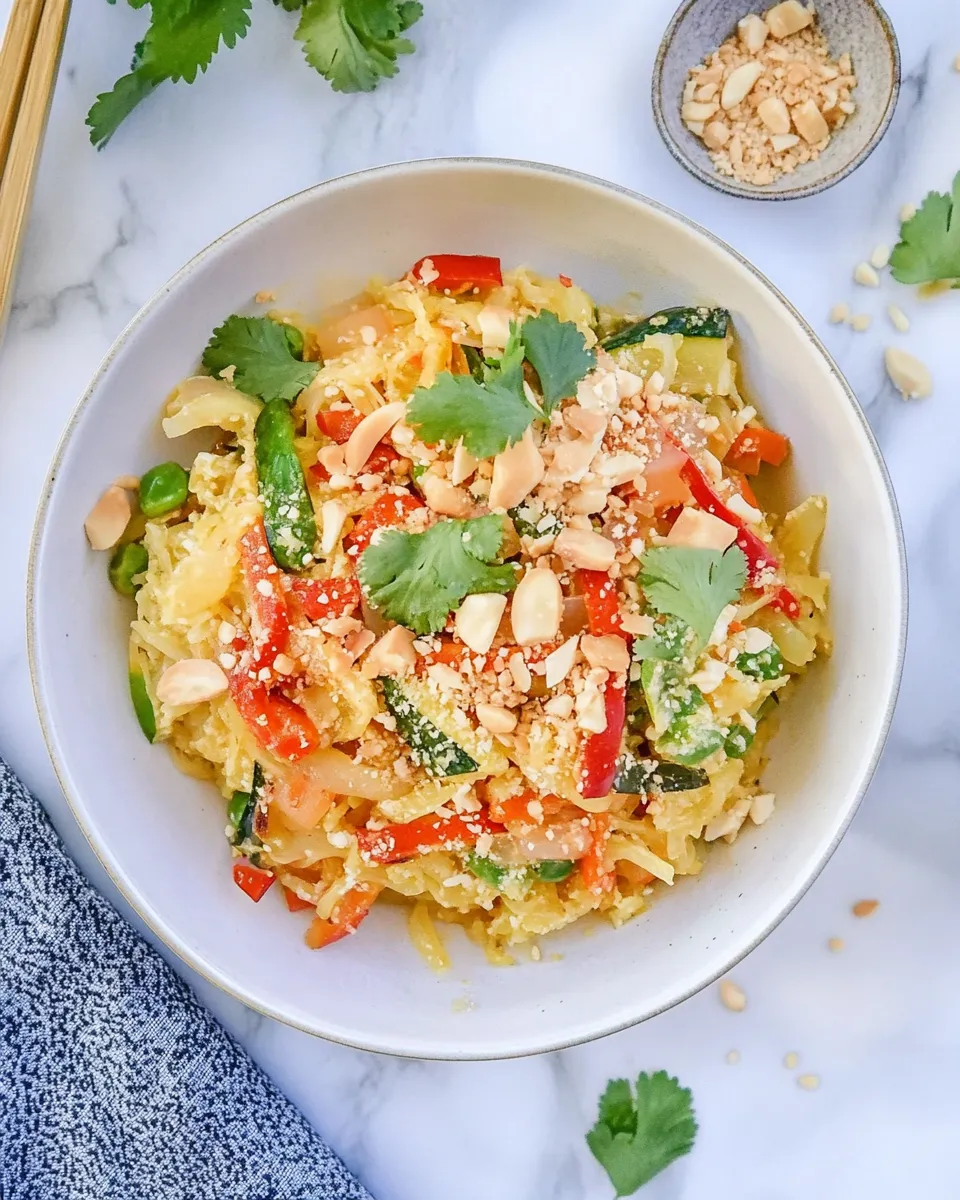
It’s flexible, fast, and forgiving. The Instant Pot removes the guesswork on squash tenderness and frees up stove space for the proteins and vegetables. Using both chicken and shrimp gives the dish a pleasing textural contrast without adding extra steps. The sauce is simple but layered—coconut aminos for umami, rice vinegar for brightness, and the optional coconut sugar to round the edges for those who want a slightly sweeter finish.
This recipe hits the same savory-sour-sweet-salty notes as traditional Pad Thai but trades the heavier rice noodles for lighter squash strands. That swap makes it feel fresher while still delivering a full meal.
Substitutions by Category
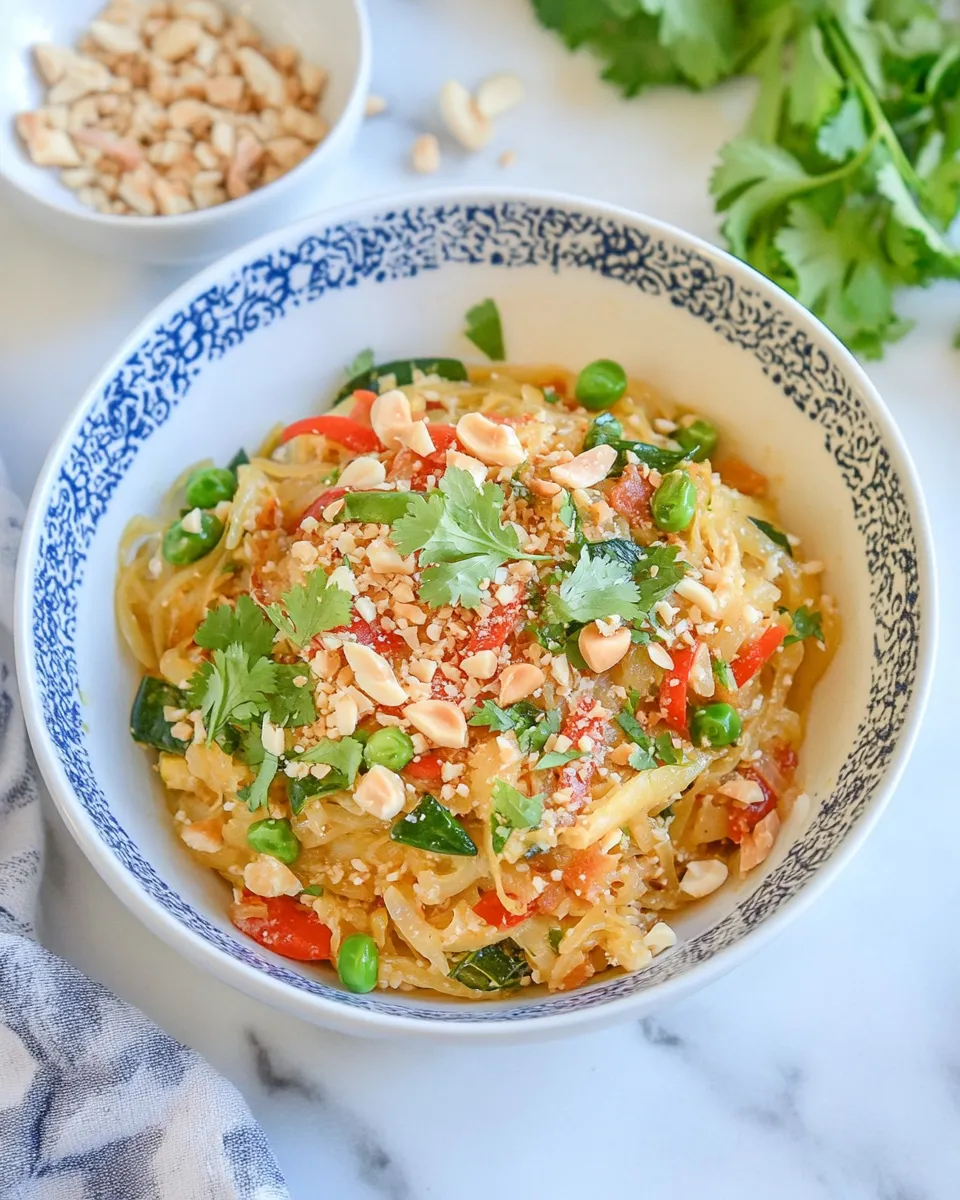
- Protein — Swap chicken or shrimp for tofu (press and pan-sear first), thinly sliced pork, or skip the chicken for a shrimp-only dish.
- Sauce — If you prefer soy sauce to coconut aminos, use low-sodium soy and reduce any extra salt elsewhere. Omit coconut sugar for Whole30/keto.
- Vegetables — Use bell pepper or snow peas instead of mushrooms and carrot. Thin slicing keeps cook time short.
- Crunch — Substitute chopped almonds or sunflower seeds for peanuts to accommodate nut allergies.
- Oil — If you don’t have avocado oil, use a neutral oil with a high smoke point (grapeseed, canola) or light olive oil.
Setup & Equipment
Must-haves: Instant Pot (or another pressure cooker) and a large skillet or wok with good heat distribution. The Instant Pot steams the squash perfectly and quickly. A roomy skillet ensures you can push cooked proteins to one side and scramble the eggs without crowding.
Optional but helpful: a box grater or fork to shred the squash if you want more noodle-like strands; a splatter screen for the skillet if you like a cleaner stovetop. Sharp knives and a decent cutting board speed up prep and make small dice simple.
Things That Go Wrong
Common issues are undercooked or watery squash, tough chicken, and a soggy final dish. Undercooked squash usually means the Instant Pot time was too short for a larger squash—increase the pressure time if your squash is over 3 lb. Watery squash comes from not letting excess water drain after shredding; drain or blot the strands before tossing with the sauce. Overcooked, rubbery chicken results from too-high heat or slicing too thin—keep a medium–high heat and watch the clock so chicken hits 165°F then rests.
Seasonal Adaptations
Late summer: add thinly sliced bell peppers or zucchini for color and sweetness. Winter: toss in a handful of roasted Brussels sprouts or use preserved lime for a citrus punch. Spring: substitute asparagus tips and fresh pea shoots for a bright finish. The base method and timing don’t change—swap veg based on what’s fresh.
What I Learned Testing
1) The squash flavor is subtle; the sauce carries the dish. Don’t overdo spices on the chicken because the chili flakes are already in the mix. 2) Toasted peanuts at the end make a huge difference. Add them right before serving so they stay crunchy. 3) Coconut aminos are a reliable soy-free option and combine beautifully with rice vinegar; the balance is better if you add the sugar sparingly—start with less and taste.
Storage Pro Tips
Fridge
Store in an airtight container for up to 3 days. The squash softens over time; if you plan to eat leftovers, keep the sauce separate and reheat gently to avoid overcooking the proteins.
Freezer
Freezing is possible but not ideal—the texture of squash changes. If you must, freeze in a shallow, airtight container and use within 1 month. Thaw overnight in the refrigerator and reheat in a skillet with a splash of water to refresh the strands.
Troubleshooting Q&A
Q: My squash is mushy after pressure cooking. A: Likely overcooked. Reduce pressure time by 2 minutes next time and allow a natural release for a minute before venting. Also, avoid stacking too many squash halves if they’re small—steam circulation matters.
Q: The dish tastes flat. A: Add another squeeze of lime and a pinch of coconut sugar (if using) or a splash more coconut aminos; tasting and adjusting at the end is important. Fresh chopped scallions or a sprinkle of chopped peanuts can lift flavor and texture.
Q: Shrimp shrank and felt rubbery. A: Shrimp cook fast—add them after the chicken is nearly done and remove from heat as soon as they’re pink and opaque. Carryover heat in the skillet finishes them.
Let’s Eat
Serve this Spaghetti Squash Pad Thai hot, with lime wedges and chopped peanuts on the side. I like to plate it with a final scattering of scallions for color and a quick squeeze of lime at the table. It’s a weeknight winner that feeds well and cleans up fast.
Make a double batch of the shredded squash if you want leftovers for lunches. Reheat gently, add fresh bean sprouts and scallions before serving, and it’ll taste nearly as good as the first night.
Spaghetti Squash Pad Thai
Ingredients
Ingredients
- 1 medium-sized spaghetti squashabout 3-4 lbs
- 1 tablespoonavocado oil
- 1 lb.chicken breastsabout 2 diced
- 12 large shrimpscleaned and deveined
- 2 clovesgarliccrushed
- 1 small red oniondiced
- 2 mushroomsthinly sliced
- 1 carrotdiced
- 1/2 cupbean sprouts
- 4 scallionsthinly sliced
- 3 eggsscrambled
- 2 tablespoonscoconut aminos
- 3 tablespoonsrice vinegar
- 2 tablespoonscoconut sugaroptional omit for Whole30 or keto
- 1 teaspoonred pepper flakes
- 1/2 teaspoongarlic powder
- chopped peanutsfor garnish
- limefor garnish
Instructions
Instructions
- Cut the spaghetti squash lengthwise and scoop out the seeds. Add 1 cup water to the Instant Pot insert. Place the squash halves cut-side up in the Instant Pot (stack if needed). Close the lid, set the valve to SEALING, and cook on manual/high pressure for 10 minutes (increase time if your squash is larger than 3 lb). When the timer finishes, carefully turn the valve to VENTING to release the steam; when the float valve drops, open the lid and shred the squash with two forks into noodle-like strands. Transfer shredded squash to a bowl and set aside.
- While the squash cooks, dice the chicken breasts, pat the shrimp dry, crush the garlic cloves, dice the red onion, thinly slice the mushrooms, dice the carrot, and thinly slice the scallions. Measure the bean sprouts and beat the eggs in a small bowl.
- In a large skillet or wok, heat 1 tablespoon avocado oil over medium–high heat until shimmering.
- Add the diced chicken to the skillet. Sprinkle the chicken with 1/2 teaspoon garlic powder and 1 teaspoon red pepper flakes. Cook, stirring occasionally, until the chicken is browned and cooked through, about 6–8 minutes.
- Add the shrimp to the skillet with the chicken and cook until the shrimp turn pink and are opaque throughout, about 2–3 minutes. Push the chicken and shrimp to one side of the skillet.
- Pour the beaten eggs into the empty side of the skillet and scramble until just set. Stir the scrambled eggs together with the chicken and shrimp.
- Add the crushed garlic, diced red onion, sliced mushrooms, and diced carrot to the skillet. Sauté everything together until the vegetables are softened and fragrant, about 3–4 minutes.
- In a small bowl, whisk together 2 tablespoons coconut aminos, 3 tablespoons rice vinegar, and 2 tablespoons coconut sugar (add the coconut sugar only if you are not omitting it for Whole30 or keto). Pour this sauce over the contents of the skillet and stir to combine.
- Add the shredded spaghetti squash, 1/2 cup bean sprouts, and the thinly sliced scallions to the skillet. Toss everything together and cook just until heated through and the sauce coats the ingredients, 2–3 minutes.
- Remove from heat. Serve topped with chopped peanuts and lime wedges for squeezing over the finished dish.
Equipment
- Instant Pot
- Large Skillet or Wok
- Forks
- Small Bowl
Notes
Recipe instructions updated March 2019 to make steps easier. Additional updates included the change from teriyaki or oyster sauce in place of the now instructed coconut sugar. The older recipe called for 2 tablespoons of teriyaki sauce.
You can also use fully cooked chicken with the recipe, as previous version suggested. Just place shredded or diced cooked chicken in step 5.