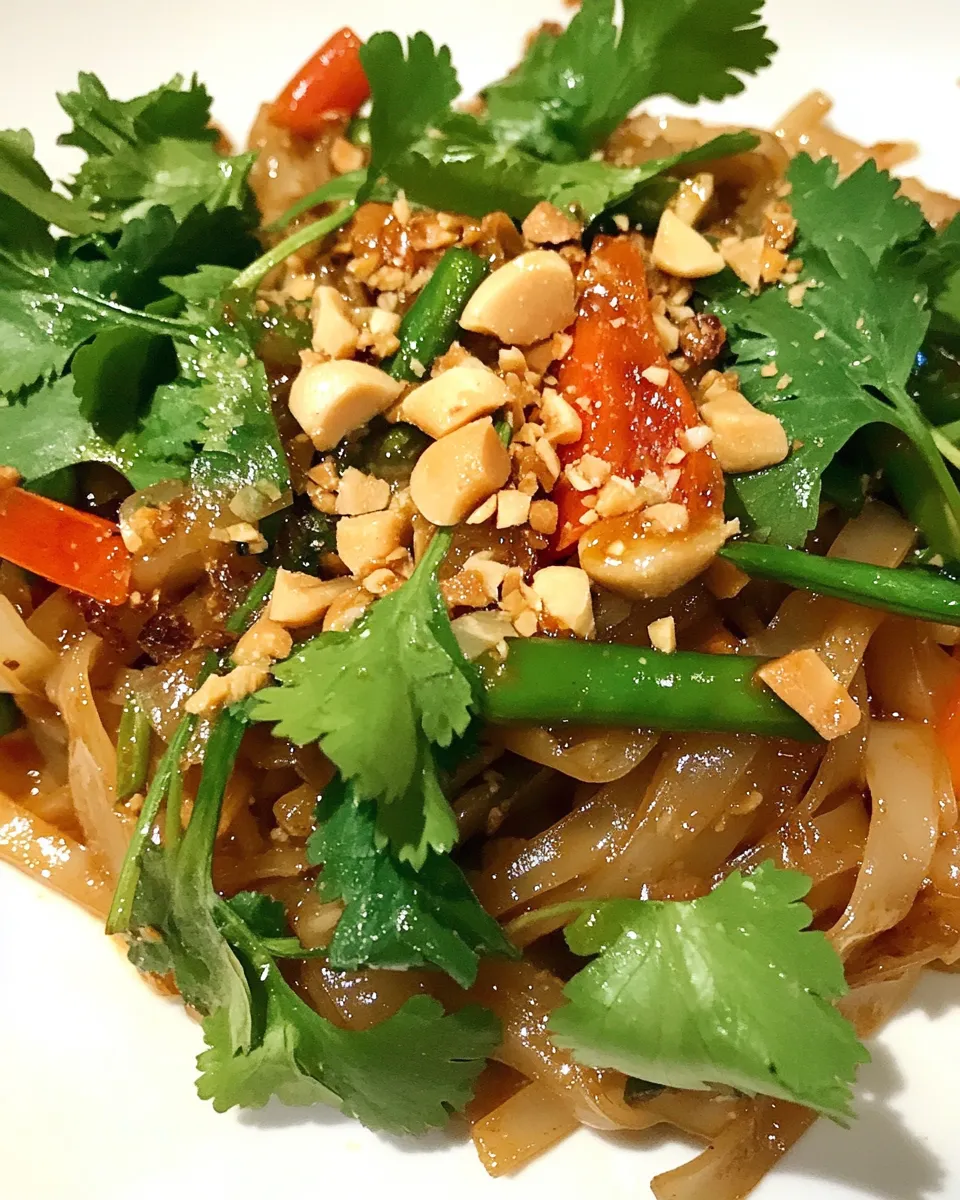
I love a recipe that feels indulgent but actually uses smart swaps to keep things light. This Pad Thai leans into the flavors I crave — tangy-sweet peanut sauce, bright vegetables, and roasted chicken — while swapping rice noodles for spaghetti squash. The result is familiar comfort with a fresher texture.
This version is practical. You roast the chicken and bake the squash while the sauce and vegetables get finished on the stovetop. Timing is forgiving. You can prep the sauce and veg ahead and bring it all together in minutes once the squash and chicken are done.
There’s little special equipment required and no tricky knife work. If you follow the steps and the order below, you’ll have a dinner that outperforms takeout in flavor and in how satisfying it feels to make it at home.
What to Buy
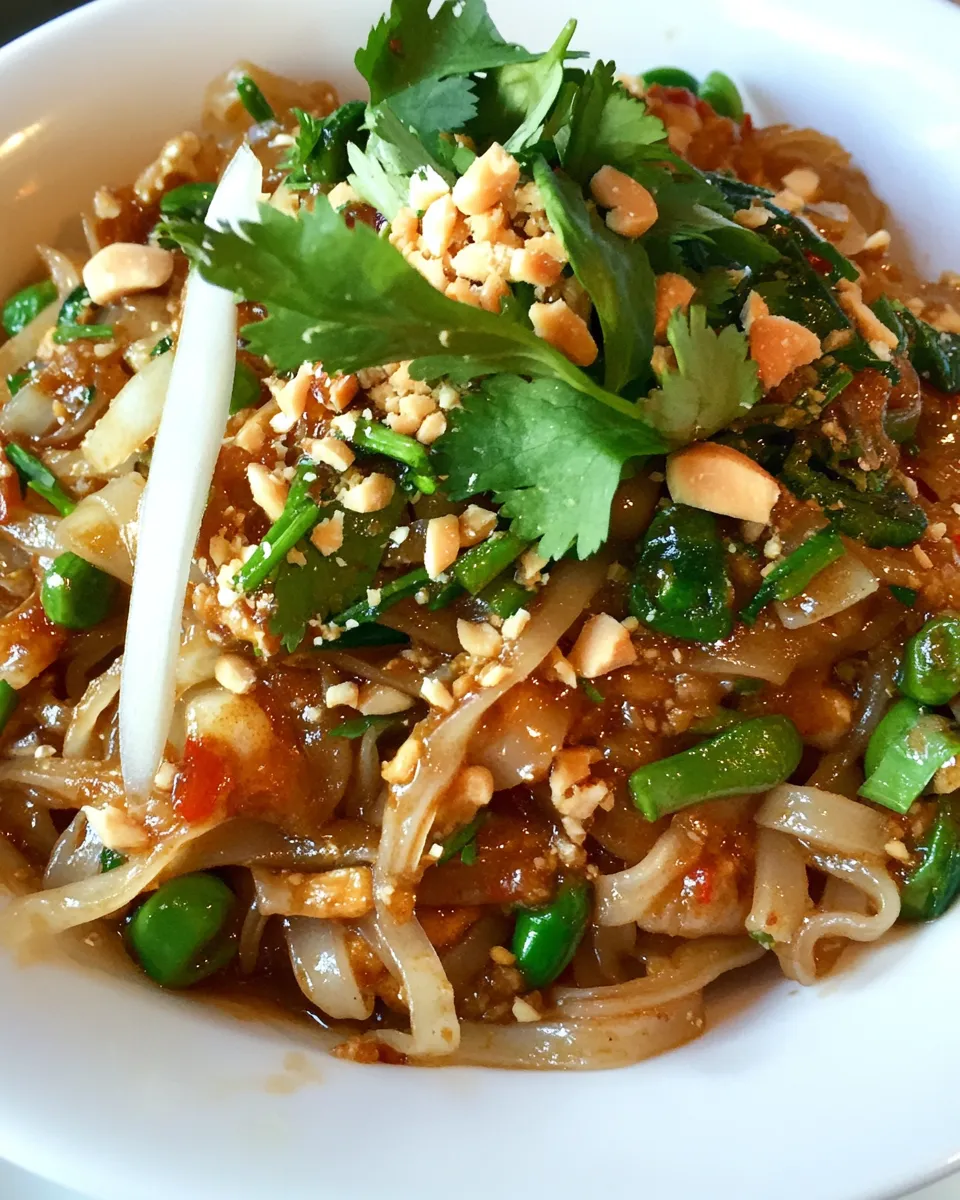
Shop for the items in the Ingredients list below and think about a few small choices that affect the result: pick a small spaghetti squash so the strands are tender and manageable; grab bone-in, skin-on chicken thighs for flavor — you’ll remove the skin and bones later; and reach for natural, smooth peanut butter to keep the peanut sauce glossy and not grainy.
If you like a bit of heat, pick your preferred hot sauce so you can control the level later. Pea shoots and chopped peanuts are optional but they make the plating feel finished and add texture, so I usually buy them if I can.
Ingredients
- 4 bone-in, skin-on chicken thighs — skin will be removed later.
- 1 spaghetti squash — small.
- 1/4 cup lite soy sauce — or Tamari.
- 1 cup water — used to thin the sauce.
- 4 tablespoons sucanat — or honey.
- 1 1/2 tablespoons cornstarch — thickens the sauce.
- 1/4 cup peanut butter — natural, smooth.
- few dashes hot sauce — adds heat.
- 1/2 tablespoon garlic — minced.
- 2 teaspoon olive oil — for sautéing vegetables.
- 2 cups snow peas — provide crunch.
- 1/2 cup carrots — shredded.
- pea shoots — optional garnish.
- peanuts — chopped, optional garnish.
Step-by-Step: Pad Thai
- Preheat oven to 350°F. Spray a casserole dish with non-stick cooking spray. Place the 4 bone-in, skin-on chicken thighs skin side up in the dish and roast for 45 minutes or until cooked through.
- While the chicken is roasting, cut the small spaghetti squash in half lengthwise and scoop out the seeds. Spray a baking sheet with non-stick cooking spray. Place the squash halves cut side down on the prepared baking sheet and bake for 30 minutes (you can put the squash in the oven about 15 minutes after the chicken so they finish around the same time).
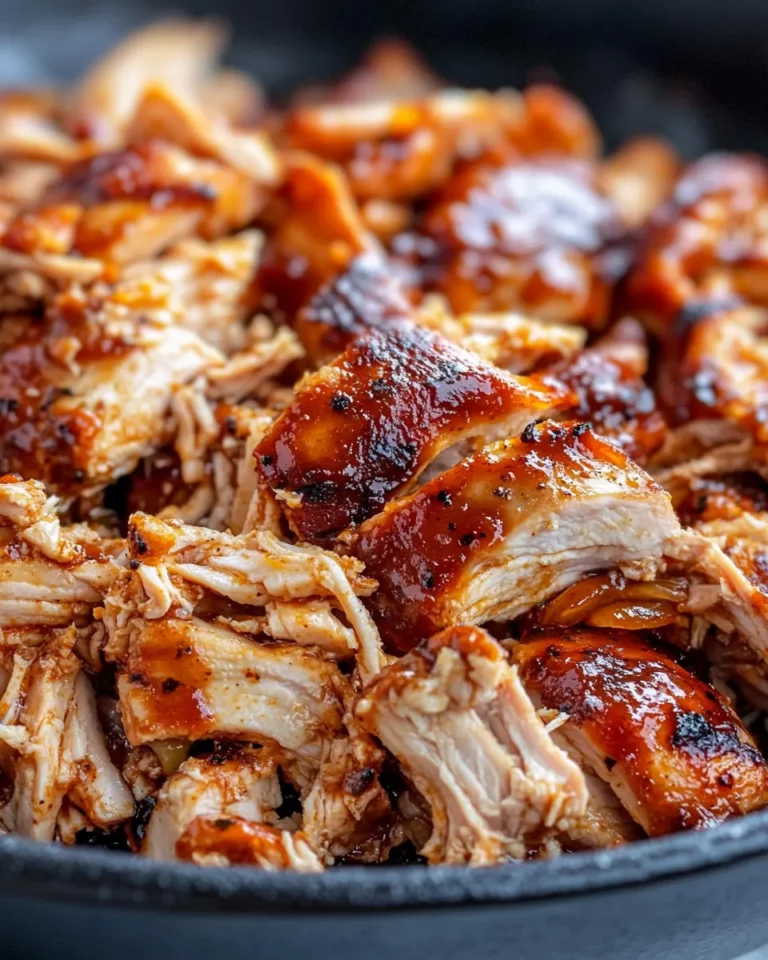
- When the chicken is done, remove it from the oven. Remove and discard the skin and bones, then roughly chop the meat and set it aside in a large bowl.
- When the spaghetti squash is done, scrape the flesh with a fork to create noodle-like strands. Add the squash strands to the large bowl with the chopped chicken.
- Make the peanut sauce: heat a small saucepan over medium heat. Combine 1/4 cup lite soy sauce (or Tamari), 1 cup water, 4 tablespoons sucanat (or honey), and 1 1/2 tablespoons cornstarch; whisk until the cornstarch is blended into the liquids. Stir in 1/4 cup peanut butter (natural, smooth) until the mixture is smooth. Stir in a few dashes of hot sauce and 1/2 tablespoon minced garlic. Reduce heat to low and cook 2–3 minutes, stirring occasionally, then keep the sauce warm off the heat.
- Heat 2 teaspoons olive oil in a skillet over medium-high heat. Add 2 cups snow peas and 1/2 cup shredded carrots and sauté until the vegetables are tender, about 7–8 minutes.
- Add the sautéed vegetables to the bowl with the squash and chicken. Pour the warm peanut sauce over the mixture and toss gently until everything is evenly coated.
- Serve the Pad Thai in shallow bowls and garnish with pea shoots and chopped peanuts, if desired. Serves 4–6.
Why This Recipe is a Keeper
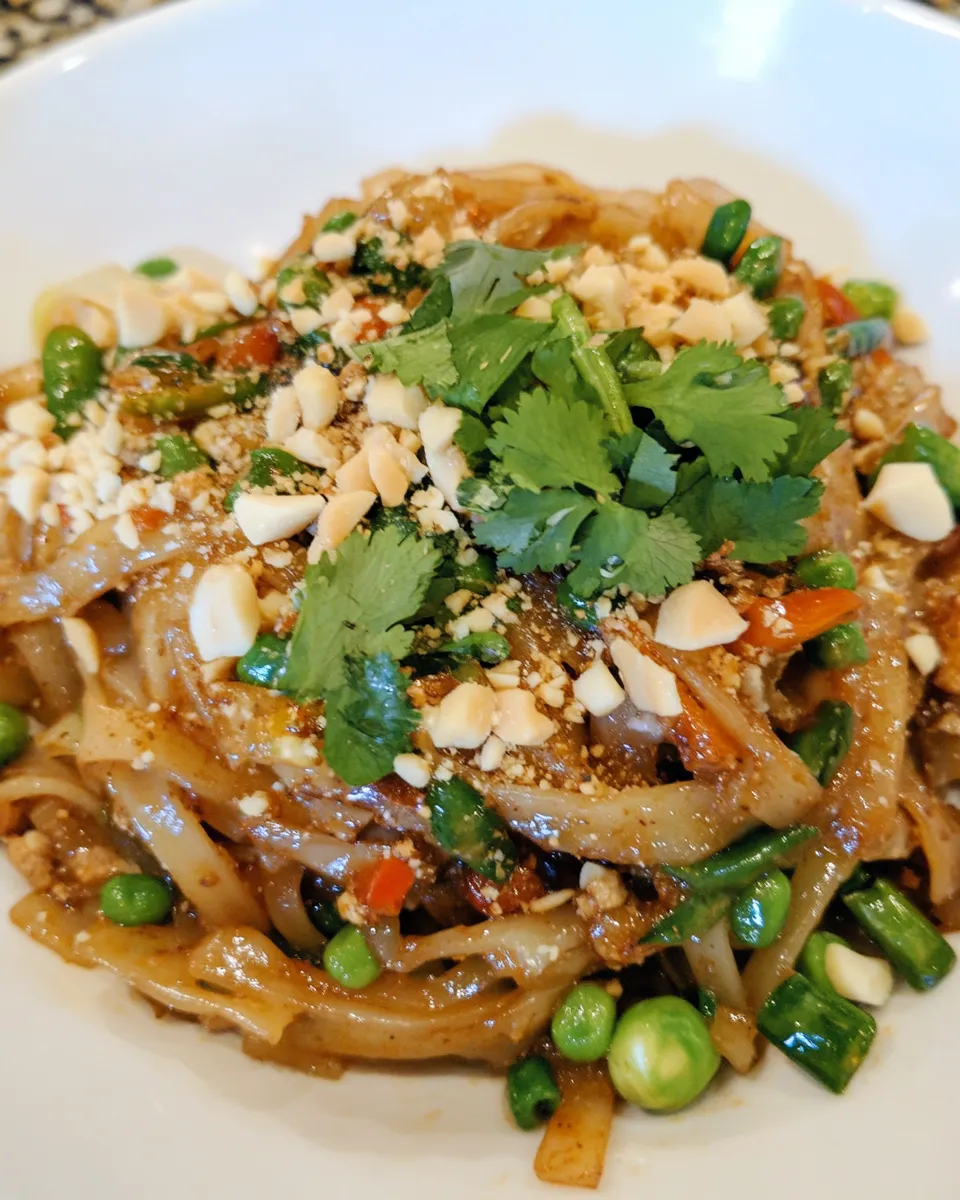
This version keeps the soul of Pad Thai—sweet, salty, nutty, and a little spicy—while cutting calories and adding vegetables in a convincing way. Roasting the chicken on the bone builds flavor with minimal effort. Removing skin and bones after roasting gives you juicy, concentrated chicken without the fuss of trimming raw meat.
Spaghetti squash gives you noodle-like strands that soak up the peanut sauce without getting gluey. The peanut sauce itself is straightforward and cooks quickly; the cornstarch ensures it clings to every strand and bite. Overall, it’s an efficient weeknight plan that reads like restaurant food on the plate.
International Equivalents
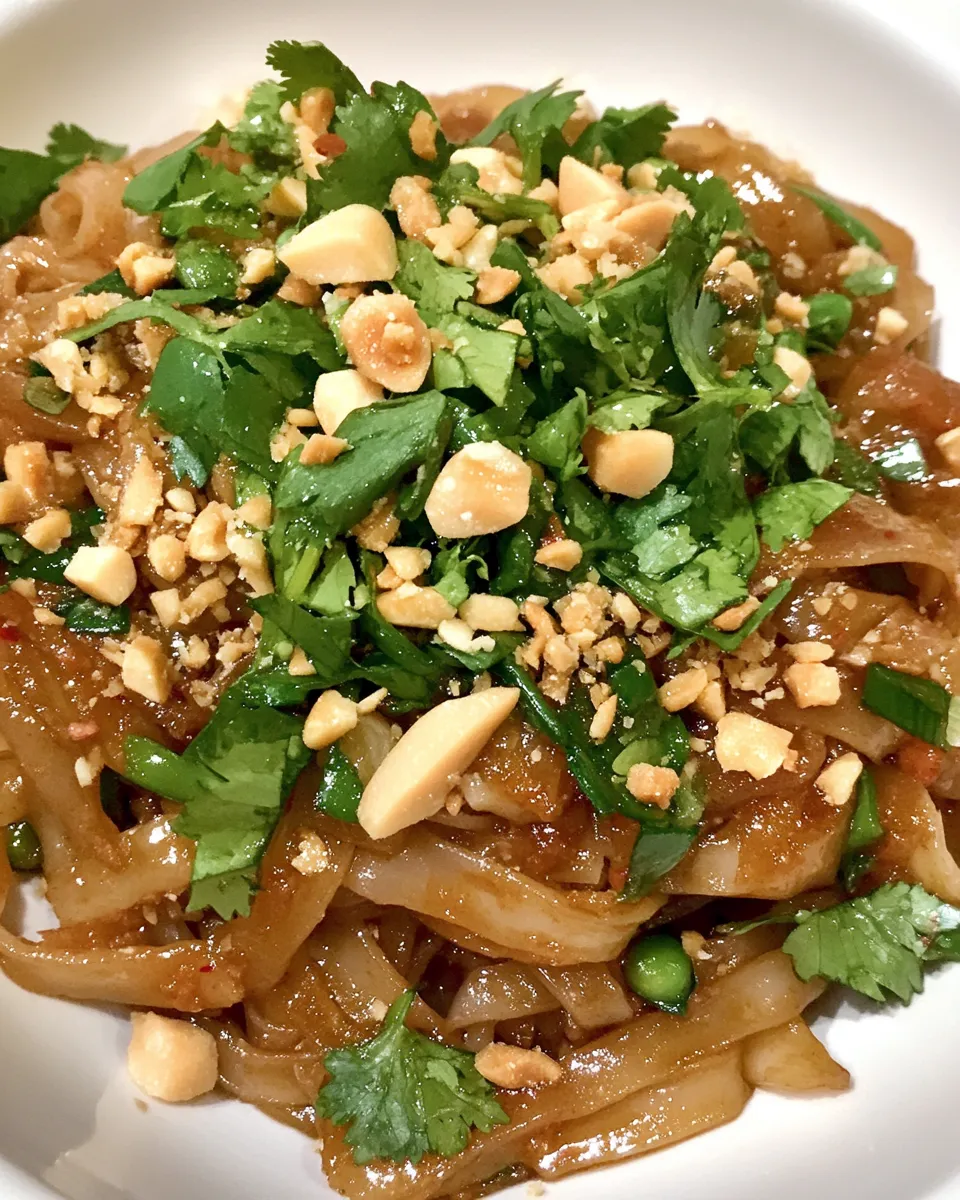
The inspiration comes from a classic Southeast Asian stir-fried noodle dish that balances sweet, salty, and sour elements with peanuts and fresh herbs. In many countries you’ll find similar stir-fried noodle dishes built around local sauces, proteins, and vegetables. The spirit is the same here: a saucy, tossed noodle dish with crunchy toppings and fresh greens.
If you prefer a closer take on the traditional version, think about swapping the squash for noodles where you have them. The technique—roasting or cooking the protein, making a punchy sauce, and quick-cooking crisp vegetables—is transferable across cuisines.
What’s in the Gear List
Simple tools make this recipe easy. You’ll need:
- casserole dish — for roasting the chicken.
- baking sheet — for the squash.
- small saucepan — to cook and warm the peanut sauce.
- skillet — for sautéing the snow peas and carrots.
- large bowl — to combine squash, chicken, and sauce.
- fork — to scrape the squash into strands.
- measuring cups and spoons — for consistent sauce results.
Learn from These Mistakes
Timing traps
If you put the squash in the oven at the same time as the chicken, the squash will be underdone because it needs less time. Start the squash about 15 minutes after the chicken so both finish together. That little stagger keeps dinner from waiting on one element.
Texture issues
Overcooking the snow peas and carrots makes them limp. Sauté them until just tender — you want some crunch to contrast the tender squash. Also, if the sauce sits on high heat for too long it will get overly thick. Cook it gently and keep it off the heat once it’s glossy and smooth.
Sauce mistakes
When you mix cornstarch into liquids, whisk well so no lumps remain. If lumps appear, push the mixture through a fine mesh or whisk vigorously while warming on medium heat until smooth. Adding peanut butter before the liquid is properly combined can lead to clumps; follow the order in the steps for best results.
Tailor It to Your Diet
Want to make this vegetarian? Replace the roasted chicken with roasted or pan-seared firm plant protein, and keep the same sauce and vegetables. For lower sodium, use low-sodium soy or dilute regular soy further with extra water and adjust the sweet element to taste.
If you need it gluten-free, use Tamari in place of lite soy sauce and make sure your peanut butter and any hot sauce are certified gluten-free. To reduce sugar, favor honey over sucanat or try cutting the sweetener slightly and testing the balance—you can always add more.
Little Things that Matter
Toast the peanuts briefly in a dry skillet for extra fragrance before chopping. Warm bowls hold heat and make the dish more comforting; if you have time, pop bowls in a warm (not hot) oven for a few minutes. When tossing, be gentle with the squash strands so they retain their integrity and don’t become mash.
Adjust hot sauce in small increments. A few dashes is suggested in the recipe, but the level of heat depends on your sauce. Start modestly and add more at the table if you like it spicier.
Meal Prep & Storage Notes
You can roast the chicken and bake the squash up to two days ahead. Store the chicken meat and squash strands separately in airtight containers in the fridge. Keep the peanut sauce chilled in its own container. When ready to serve, reheat the sauce gently on low, warm the chicken and squash together briefly, sauté the vegetables fresh, then toss everything with the warm sauce.
Leftovers keep well for 3–4 days. Reheat gently on the stovetop with a splash of water to loosen the sauce if it has thickened. Avoid microwaving at high power for long stretches; it can overcook the vegetables and dry the chicken.
Ask & Learn
If you run into a problem, tell me what step felt off: was the sauce too thin or too thick? Did the squash come out watery? Precision matters in a few places (especially the cornstarch step), so specific notes help solve issues quickly. I’ll suggest the smallest tweak to get you back on track.
Want to swap a component and aren’t sure how much to change? Ask with the exact swap in mind and I’ll offer adjustments that keep the balance of sweet, salty, and nutty intact.
Time to Try It
Gather your ingredients, preheat the oven, and get the chicken started. The payoff is a dinner that tastes richer than it sounds and comes together without last-minute stress. Plate it with pea shoots and chopped peanuts if you have them — they make a world of difference in the final bite.
When you make this, take a photo and note one small change you made or want to try next time. It helps refine the recipe for the future, and I’d love to hear what worked for you.
Better than Take Out, Pad Thai
Ingredients
Ingredients
- 4 bone-in skin-on chicken thighsskin will be removed later
- 1 spaghetti squashsmall
- 1/4 cuplite soy sauceor Tamari
- 1 cupwater
- 4 tablespoonssucantor honey
- 1 1/2 tablespoonscornstarch
- 1/4 cuppeanut butternatural smooth
- few dashes hot sauce
- 1/2 tablespoongarlicminced
- 2 teaspoonolive oil
- 2 cupssnow peas
- 1/2 cupcarrotsshredded
- pea shootsoptional
- peanutschopped optional
Instructions
Instructions
- Preheat oven to 350°F. Spray a casserole dish with non-stick cooking spray. Place the 4 bone-in, skin-on chicken thighs skin side up in the dish and roast for 45 minutes or until cooked through.
- While the chicken is roasting, cut the small spaghetti squash in half lengthwise and scoop out the seeds. Spray a baking sheet with non-stick cooking spray. Place the squash halves cut side down on the prepared baking sheet and bake for 30 minutes (you can put the squash in the oven about 15 minutes after the chicken so they finish around the same time).
- When the chicken is done, remove it from the oven. Remove and discard the skin and bones, then roughly chop the meat and set it aside in a large bowl.
- When the spaghetti squash is done, scrape the flesh with a fork to create noodle-like strands. Add the squash strands to the large bowl with the chopped chicken.
- Make the peanut sauce: heat a small saucepan over medium heat. Combine 1/4 cup lite soy sauce (or Tamari), 1 cup water, 4 tablespoons sucanat (or honey), and 1 1/2 tablespoons cornstarch; whisk until the cornstarch is blended into the liquids. Stir in 1/4 cup peanut butter (natural, smooth) until the mixture is smooth. Stir in a few dashes of hot sauce and 1/2 tablespoon minced garlic. Reduce heat to low and cook 2–3 minutes, stirring occasionally, then keep the sauce warm off the heat.
- Heat 2 teaspoons olive oil in a skillet over medium-high heat. Add 2 cups snow peas and 1/2 cup shredded carrots and sauté until the vegetables are tender, about 7–8 minutes.
- Add the sautéed vegetables to the bowl with the squash and chicken. Pour the warm peanut sauce over the mixture and toss gently until everything is evenly coated.
- Serve the Pad Thai in shallow bowls and garnish with pea shoots and chopped peanuts, if desired. Serves 4–6.
Equipment
- Oven
- Casserole dish
- Baking Sheet
- Fork
- Small Saucepan
- Skillet
- Mixing Bowl