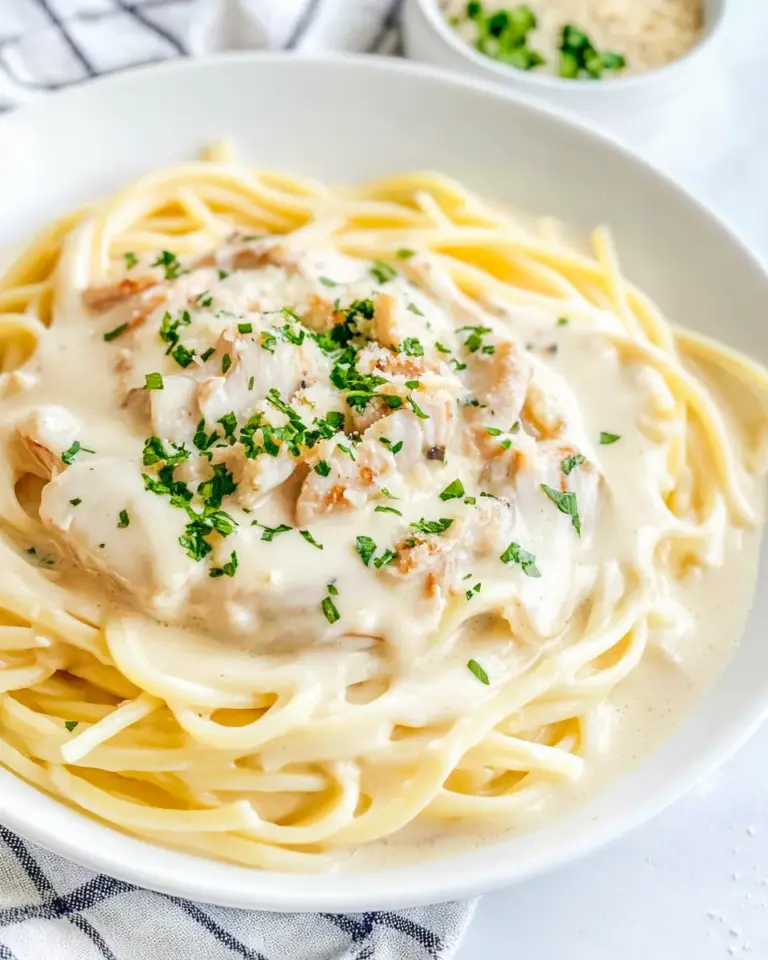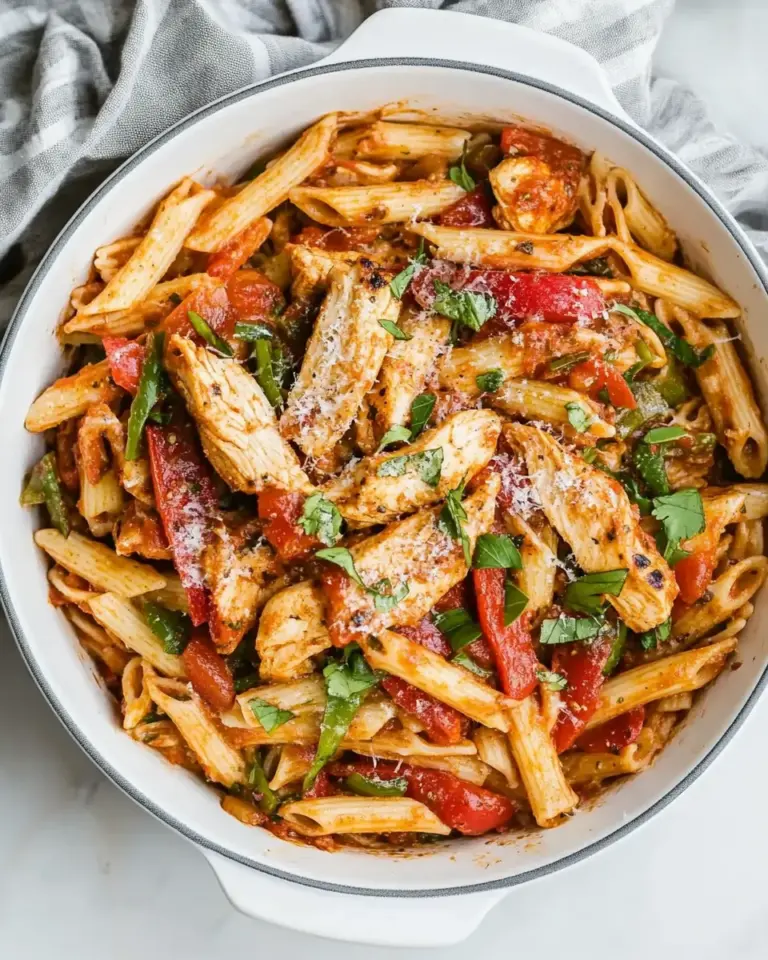
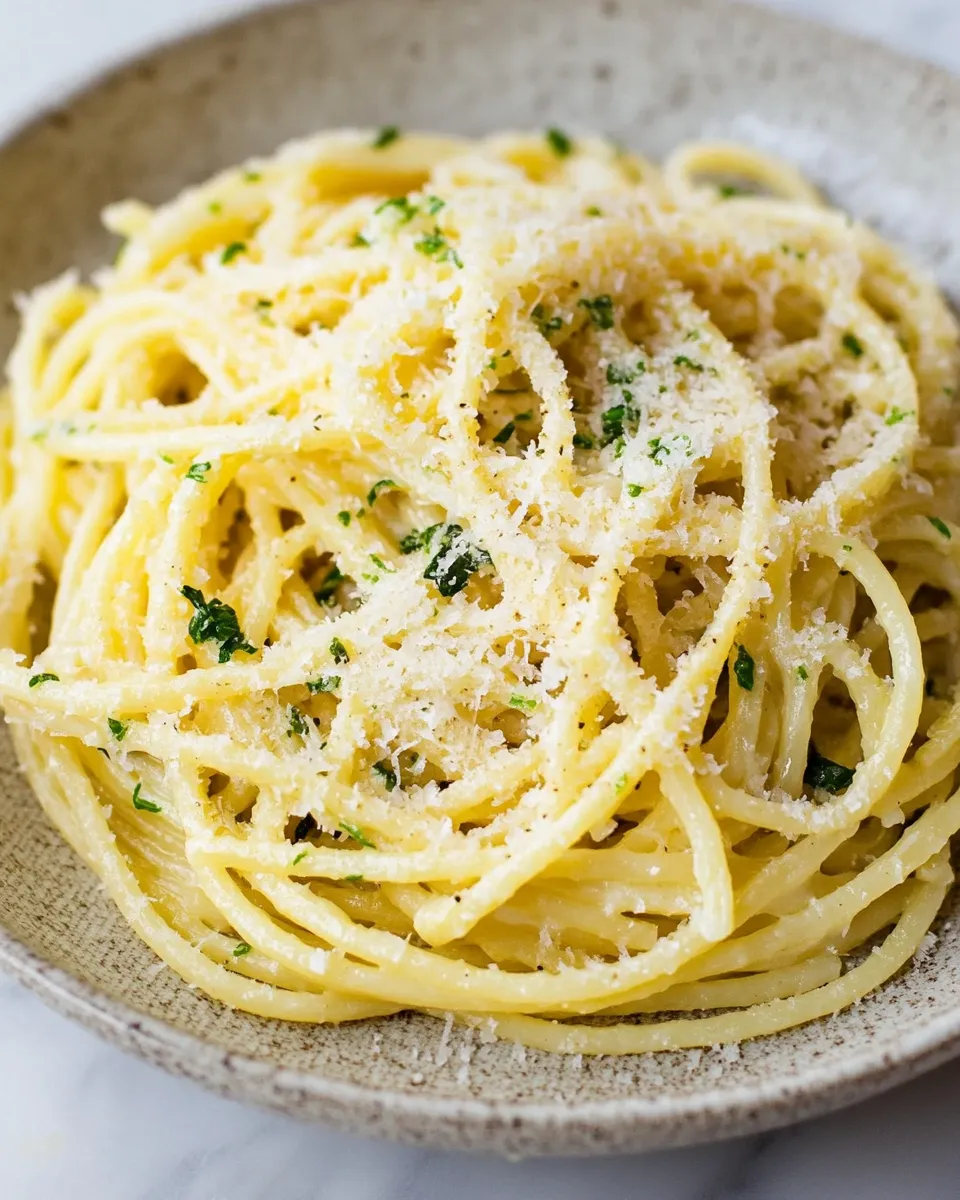
I make Garlic Butter Pasta on evenings when I want comfort with zero drama. It’s the kind of recipe that feels indulgent but comes together fast, using pantry basics and a little technique. The sauce is glossy and simple: butter, garlic, pasta water, Parmesan, and parsley. That small list of ingredients does a lot of work.
This recipe is forgiving. You can scale it up or down, use whatever pasta shape you have, and still end up with a plate that tastes like you spent more time on it than you did. I’ll walk you through the exact steps, explain the why behind them, and point out the small moves that make a big difference—no fluff, just useful, practical guidance.
If you like garlic-forward dishes with a silky finish, you’ll appreciate how this one balances the savory butter with bright parsley and sharp Parmesan. Read on for the shopping notes, the exact work-through, and tips to recover if something goes sideways.
What to Buy
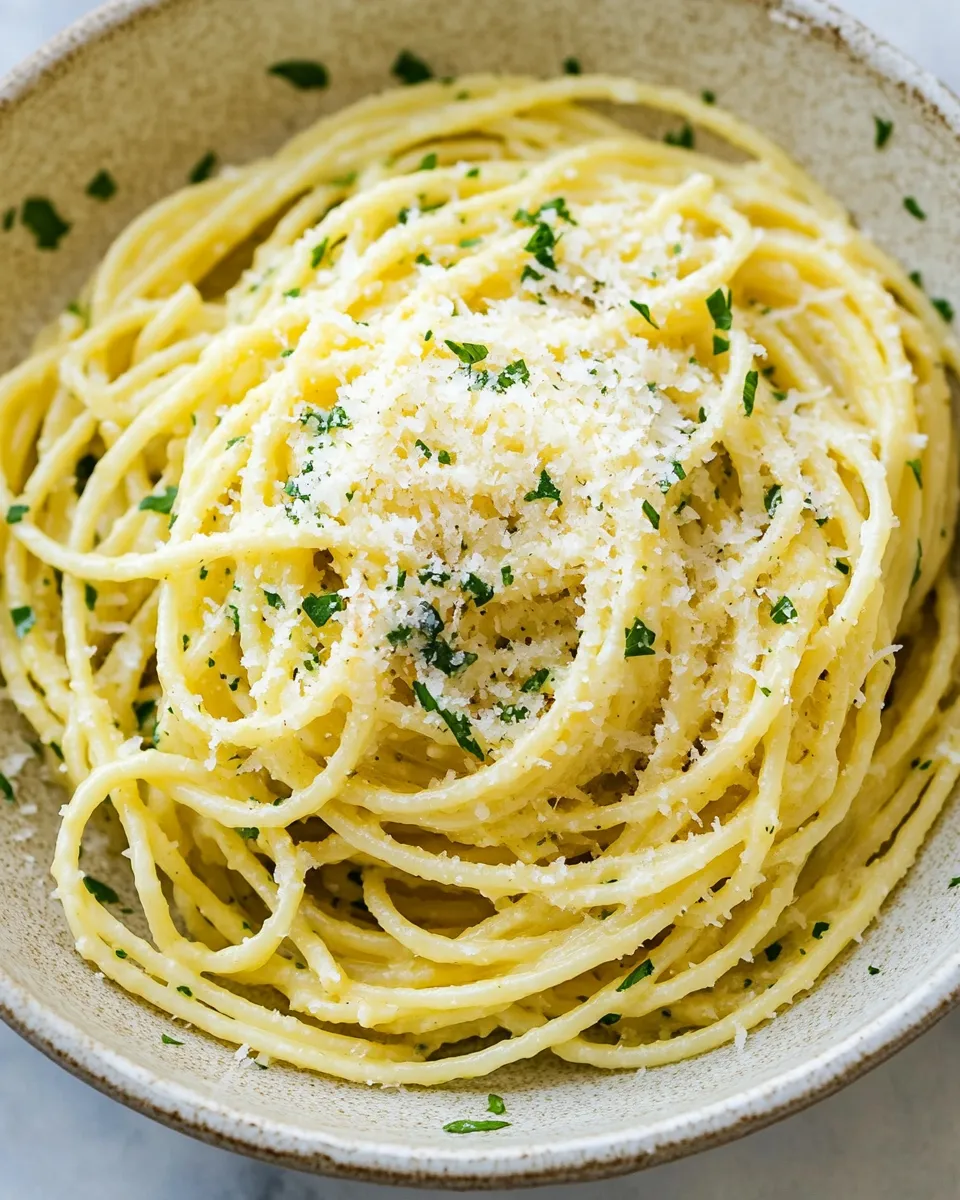
Buy real Parmesan (Parmigiano-Reggiano or a good-grated alternative) and fresh parsley if you can. Fresh garlic is essential here—pre-minced jars won’t develop that quick, fresh flavor when sautéed. For pasta, choose whatever type you prefer: long strands like spaghetti or linguine, or short shapes if that’s what you have on hand.
Stock a good unsalted butter; the recipe divides it so you get a layered, rich sauce. You’ll also want coarse salt for the pasta water and freshly cracked pepper if possible. Finally, plan to save a little pasta cooking water—this is the secret to the glossy emulsion that coats the noodles.
Ingredients
- 8 ounces (225 g) dried pasta such as spaghetti, linguine, or any other long or short pasta — main carbohydrate; any shape works, but timing depends on shape.
- 4 tablespoons (52 g) unsalted butter, divided — provides fat and flavor; divided to build the sauce in stages.
- 3 cloves garlic, sliced — aromatic backbone; slicing gives quick browning and punched-up garlic flavor.
- ¼ teaspoon ground black pepper — adds a gentle bite; adjust to taste.
- 1 teaspoon salt — for the pasta water; seasons the pasta internally as it cooks.
- ½ cup (43 g) grated Parmesan — adds umami and helps thicken the sauce when combined with starchy water.
- ¼ cup chopped fresh parsley — bright finishing herb; cuts richness and adds color.
Cook Garlic Butter Pasta Like This
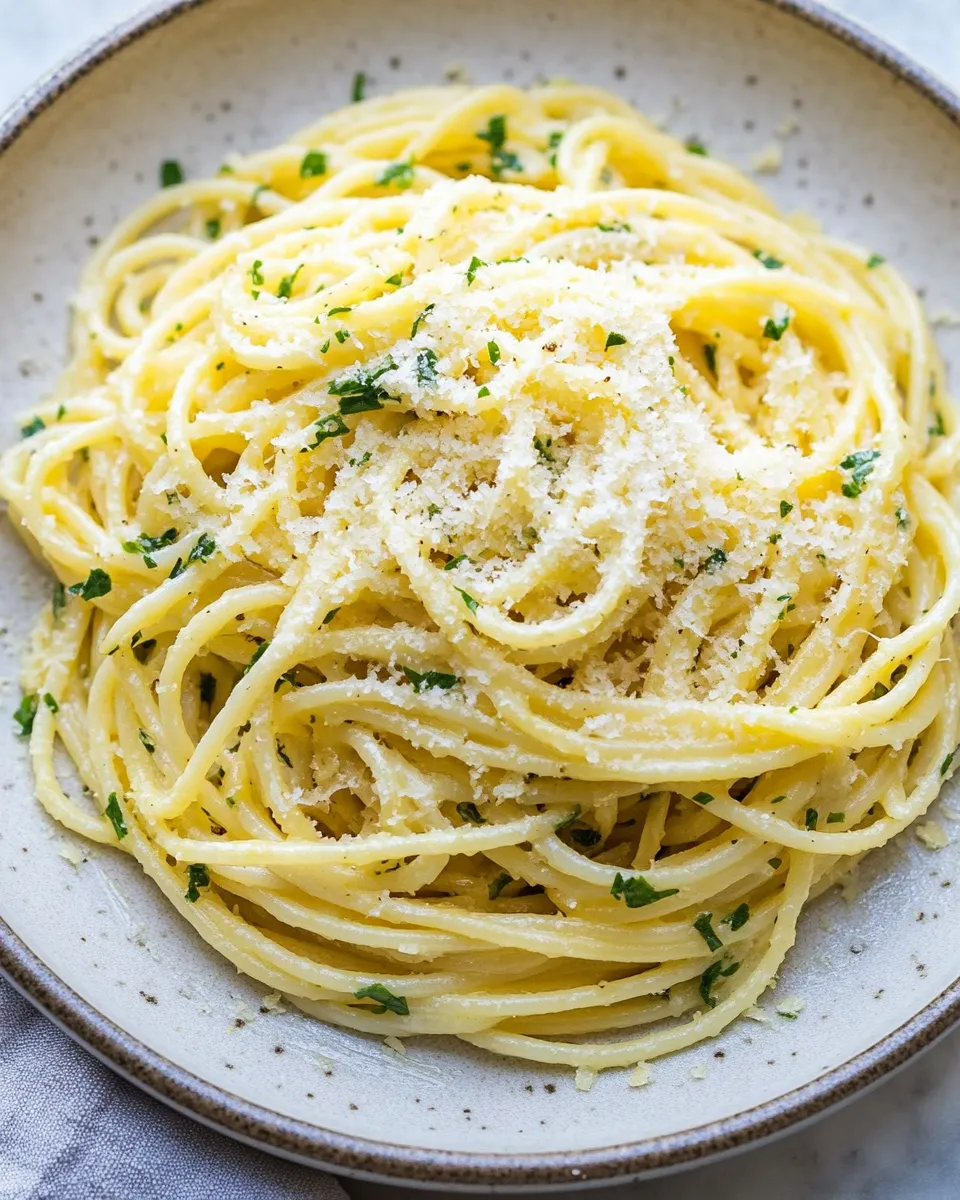
- Bring a large pot of water to a rolling boil. Add 1 teaspoon salt, then add 8 ounces (225 g) pasta and cook according to the package instructions until al dente. Reserve 1 cup of the pasta cooking water, then drain the pasta.
- While the pasta cooks, heat a large skillet over medium heat. Add 2 tablespoons of the butter and let it melt. Add the 3 sliced garlic cloves and sauté, stirring, until fragrant and just turning light golden (about 1–2 minutes). Do not let the garlic burn.
- Add the hot, drained pasta to the skillet. Add some of the reserved pasta water a few tablespoons at a time and toss with tongs until the butter and pasta water form a glossy sauce that coats the pasta.
- Add the remaining 2 tablespoons of butter and continue tossing until it melts and the sauce is smooth. If the sauce seems too thick or dry, add more reserved pasta water, a little at a time, until you reach the desired consistency.
- Remove the skillet from the heat. Add ½ cup grated Parmesan, ¼ cup chopped fresh parsley, and ¼ teaspoon ground black pepper. Toss continuously until the cheese melts into the sauce and evenly coats the pasta.
- Taste, then serve the pasta immediately.
Why You’ll Keep Making It
This dish is quick, flexible, and reliably delicious. It takes under 20 minutes from stove to plate for most cooks. The flavor is straightforward: buttery richness, toasty garlic, salty Parmesan, and a fresh hit from parsley. That combination hits comfort and brightness at once, which is why it’s a repeat in my weekly rotation.
It’s also versatile. Use it as a base and add proteins or veggies, or keep it pure and let the simplicity shine. The techniques—the pasta water trick, staging the butter, removing from heat before adding cheese—are small but powerful. They produce a sauce that clings to the pasta instead of pooling on the plate.
What to Use Instead
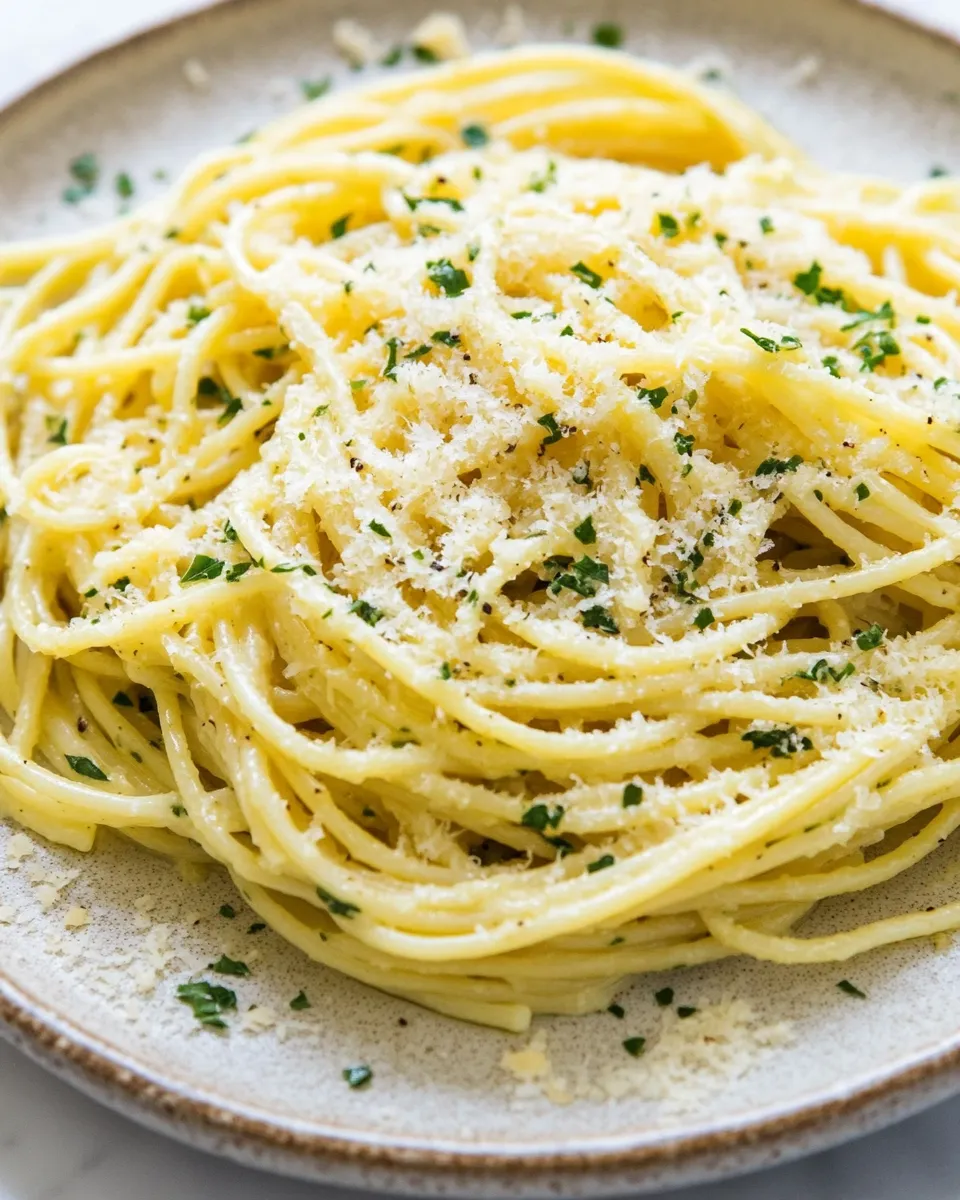
If you don’t have an ingredient exactly as listed, swaps work well:
- Pasta: Any dried pasta will do. Short shapes hold sauce differently but work equally well.
- Butter: If you must, use salted butter and omit or reduce the pasta water salt. Remember salted butter will change the final seasoning.
- Parmesan: Pecorino Romano gives a sharper, saltier finish—use less if you substitute. Pre-grated blends will melt less smoothly than freshly grated cheese.
- Parsley: Fresh basil or chives can be used if you want a different herb note. Dried herbs won’t provide the same bright finish.
Setup & Equipment
Use a large pot for boiling the pasta so it cooks evenly and the water doesn’t cool down too much when you add the pasta. A large skillet is essential for tossing pasta and building the sauce; a wide surface gives you room to coat every strand.
Tongs are the easiest tool for tossing. A microplane or a fine grater makes the Parmesan blend more smoothly. Keep a measuring cup handy to reserve exactly 1 cup of pasta water; that measurement gives you control when adjusting the sauce consistency.
Mistakes That Ruin Garlic Butter Pasta
Let’s be blunt. A few small mistakes will turn this into a mushy, greasy, or bland disappointment. Avoid them.
- Burning the garlic: Garlic turns bitter when overcooked. If it browns too dark, start over with fresh garlic and butter.
- Skipping the pasta water: The starchy water is the emulsifier that glues butter, cheese, and pasta together. Without it, the sauce separates or sits in pools.
- Adding cheese on high heat: If the pan is too hot when you add Parmesan, it clumps instead of melting into a smooth sauce. Remove from heat first.
- Over-salting: Parmesan is salty, so taste before adding extra salt at the end.
Year-Round Variations
Garlic Butter Pasta is a blank canvas. Here are practical seasonal variations that keep it interesting:
- Spring: Add blanched peas and lemon zest for brightness.
- Summer: Stir in cherry tomatoes halved and fresh basil for a light finish.
- Autumn: Sauté sliced mushrooms in the first butter step before adding garlic.
- Winter: Fold in roasted root vegetables or wilted greens for body and color.
What Could Go Wrong
Even easy recipes can hit a snag. Here’s how to handle common problems:
- Sauce too thin: Let it sit off heat for a minute; the sauce will tighten as the pasta cools slightly. If it’s still thin, add a small handful of grated cheese and toss to thicken.
- Sauce too thick or dry: Add reserved pasta water a tablespoon at a time while tossing until it loosens up.
- Garlic burned: Discard the garlic and butter, start with fresh butter and garlic, and lower the heat next time.
- Clumpy cheese: Remove from heat before adding Parmesan and toss continuously to let it melt into the emulsion.
Refrigerate, Freeze, Reheat
Leftovers keep for 2–3 days in the refrigerator in an airtight container. The texture will change; the sauce tightens as it cools and the pasta absorbs liquid. Reheat gently.
To reheat: add the pasta to a skillet with a splash of water or milk and warm over low heat while tossing. The extra liquid helps break the tightened sauce back into a glossy coating. Avoid the microwave if you want better texture; it can make the pasta rubbery.
Freezing is not ideal because dairy-based emulsions separate when frozen and thawed. If you must freeze, do so only once and expect texture loss. Thaw in the refrigerator and reheat gently in a skillet with added liquid.
Questions People Ask
Q: Can I use olive oil instead of butter?
A: Yes. Olive oil will change the flavor and texture—use good-quality extra-virgin olive oil and skip or reduce the butter. You won’t get the exact same silky mouthfeel, but it will still be delicious.
Q: How do I prevent the pasta from sticking after draining?
A: Toss the drained pasta immediately into the hot skillet with butter and a splash of reserved pasta water. That initial toss prevents clumping and helps the sauce adhere.
Q: Can I make this dairy-free?
A: Substitute a vegan butter and use a plant-based Parmesan alternative. The emulsion relies on starch and fat, so it will work, but the flavor will differ.
Q: Should I salt the pasta water heavily?
A: The guideline in this recipe is 1 teaspoon of salt for 8 ounces of pasta. Adjust if you prefer more seasoned pasta, but remember Parmesan adds salt too.
Hungry for More?
If you liked this Garlic Butter Pasta, try these simple upgrades next time: fold in a handful of arugula at the end for peppery greens, add a squeeze of lemon for acidity, or finish with toasted breadcrumbs for crunch. Each small change shifts the dish but keeps the same comforting core.
Keep a mental note of the technique—reserve starchy pasta water, add cheese off the heat, and build the sauce in stages. Those three habits will improve many quick pasta dinners. Make this often and make it yours.
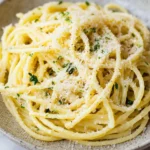
Garlic Butter Pasta
Ingredients
Ingredients
- ?8 ounces 225 gdried pastasuch as spaghetti, linguine, or any other long or short pasta
- ?4 tablespoons 52 gunsalted butterdivided
- ?3 clovesgarlicsliced
- ?1/4 teaspoonground black pepper
- ?1 teaspoonsalt
- ?1/2 cup 43 ggrated parmesan
- ?1/4 cupchopped fresh parsley
Instructions
Instructions
- Bring a large pot of water to a rolling boil. Add 1 teaspoon salt, then add 8 ounces (225 g) pasta and cook according to the package instructions until al dente. Reserve 1 cup of the pasta cooking water, then drain the pasta.
- While the pasta cooks, heat a large skillet over medium heat. Add 2 tablespoons of the butter and let it melt. Add the 3 sliced garlic cloves and sauté, stirring, until fragrant and just turning light golden (about 1–2 minutes). Do not let the garlic burn.
- Add the hot, drained pasta to the skillet. Add some of the reserved pasta water a few tablespoons at a time and toss with tongs until the butter and pasta water form a glossy sauce that coats the pasta.
- Add the remaining 2 tablespoons of butter and continue tossing until it melts and the sauce is smooth. If the sauce seems too thick or dry, add more reserved pasta water, a little at a time, until you reach the desired consistency.
- Remove the skillet from the heat. Add 1/2 cup grated Parmesan, 1/4 cup chopped fresh parsley, and 1/4 teaspoon ground black pepper. Toss continuously until the cheese melts into the sauce and evenly coats the pasta.
- Taste, then serve the pasta immediately.
Equipment
- Saucepot
- Skillet
- Kitchen tongs
Notes
Salt the water to cook the pasta just like sea water.
You might not need to use all of the reserved pasta water, see how much you need to make the sauce as you make it.
Fridge: Store in the fridge in a sealed container for up to 3 days.
Reheat: Reheat the pasta in a skillet over low-medium heat, and add a splash of water to thin out the sauce. Do the same if using the microwave.
Freezer: I don’t recommend freezing this pasta, as I found that it breaks when frozen and reheated.