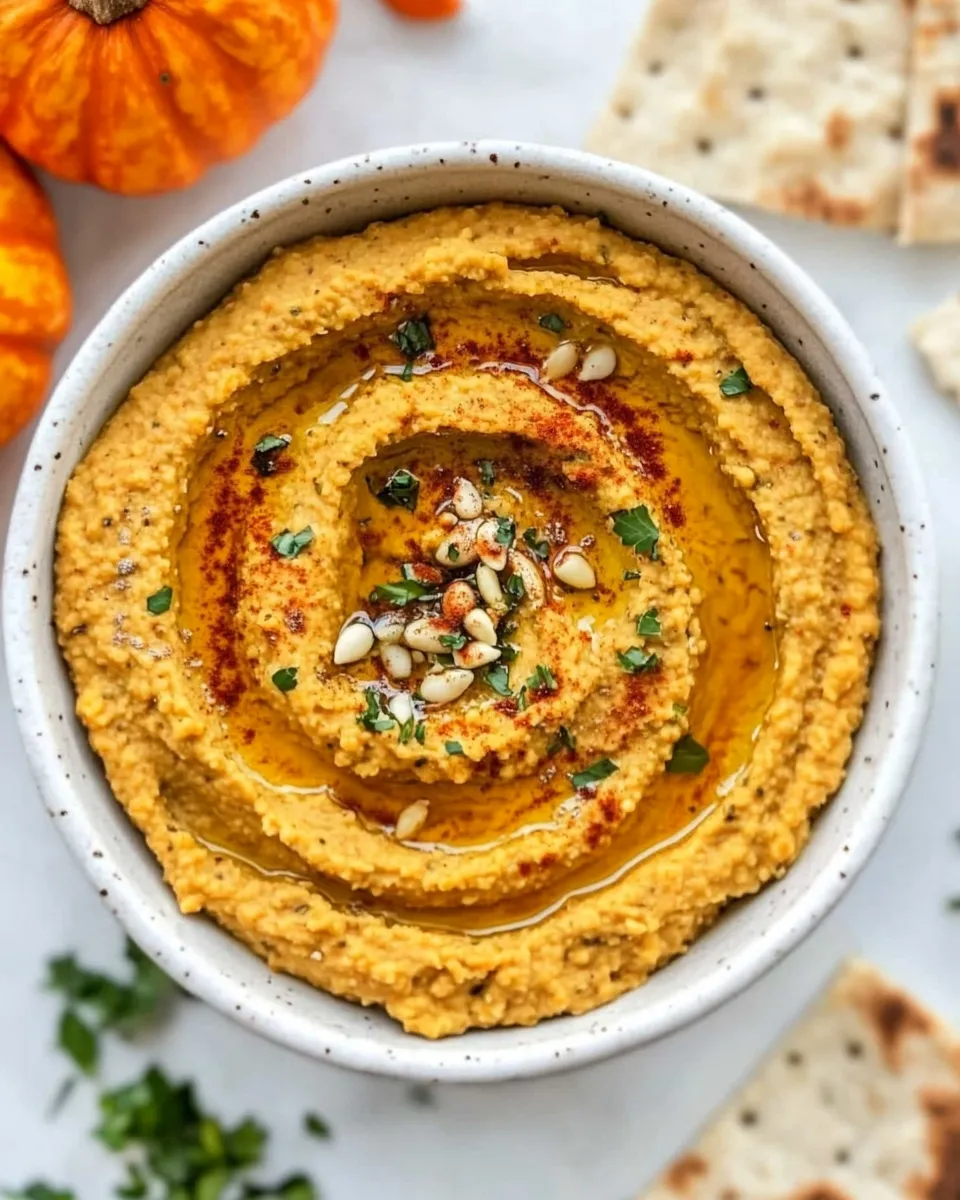
This pumpkin hummus is the kind of recipe I reach for when I want something effortless that still feels thoughtful. It’s creamy, slightly sweet from the pumpkin, and has a warm spice edge that makes it interesting with raw vegetables, pita, or a simple grain bowl. The texture is smooth and spreadable, and the seasoning is easy to tweak to your taste.
I keep the method straightforward: canned chickpeas for speed, pumpkin puree for that autumnal flavor, and pantry staples for the rest. It comes together in a food processor in minutes and stores well, which makes it perfect for meal prep or last-minute entertaining. No complicated steps, just smart little choices.
Below you’ll find the exact ingredient notes and a stepwise method you can follow without guesswork. I also include practical tips for texture, flavor variations, tools I rely on, and troubleshooting if the hummus doesn’t come out exactly as you hoped.
Ingredient Checklist
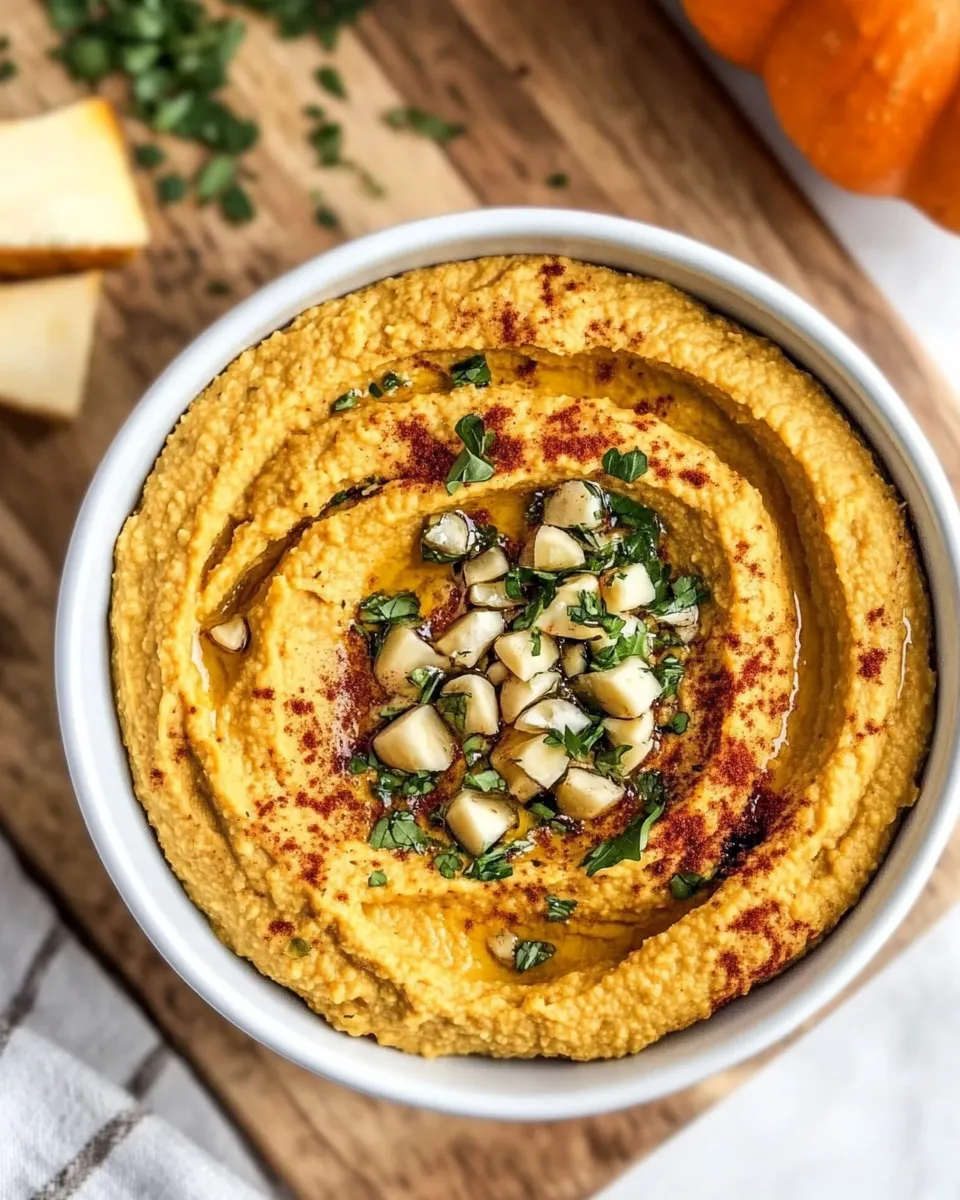
- 14-ounce can (400 g) chickpeas, drained — the base of the hummus; draining and reserving a bit of the liquid helps adjust texture later.
- 1 cup (200 g) pumpkin puree or roasted pumpkin — provides sweetness, moisture, and that signature pumpkin flavor; roasted pumpkin will be more textured unless pureed smooth.
- 1 teaspoon salt — essential for balance; start with this and adjust after blending.
- ½ teaspoon chili powder — adds background warmth and a touch of heat; use more for a spicier spread.
- ½ teaspoon ground cumin — brings earthy, toasted notes that pair especially well with pumpkin.
- 1 tablespoon (15 ml) extra virgin olive oil — adds silkiness and helps carry flavor; drizzle in during processing.
- 2 tablespoons (30 ml) tahini — gives that signature hummus richness and a mild sesame bitterness that balances the sweet pumpkin.
- 2 tablespoons (30 ml) lemon juice — brightens the whole dip and keeps the flavors lively.
- 3 cloves garlic — for pungent aromatic depth; roast them first if you prefer a milder, sweeter garlic note.
Pumpkin Hummus Made Stepwise
- Drain the chickpeas. If you are using canned chickpeas, drain them into a bowl and set aside up to 2 tablespoons of the canning liquid; discard the rest. If you are using roasted pumpkin instead of pumpkin puree, puree or mash it until you have 1 cup (200 g) of smooth pumpkin.
- Peel the 3 garlic cloves.
- Add the drained chickpeas, 1 cup (200 g) pumpkin puree (or the pureed roasted pumpkin), 1 teaspoon salt, 1/2 teaspoon chili powder, 1/2 teaspoon ground cumin, 1 tablespoon (15 ml) extra virgin olive oil, 2 tablespoons (30 ml) tahini, 2 tablespoons (30 ml) lemon juice, and the 3 garlic cloves to a food processor.
- Pulse the mixture several times to break up the chickpeas, then process continuously for about 1–2 minutes, stopping to scrape down the sides with a spatula as needed, until the hummus is smooth and creamy.
- If the hummus is too thick, add up to 1–2 tablespoons of the reserved chickpea canning liquid (from step 1), 1 tablespoon at a time, processing briefly after each addition until you reach your desired consistency.
- Taste and adjust seasonings as needed (more salt, lemon juice, chili, or cumin), processing briefly after each adjustment. Transfer the hummus to a serving bowl and serve or refrigerate.
What You’ll Love About This Recipe
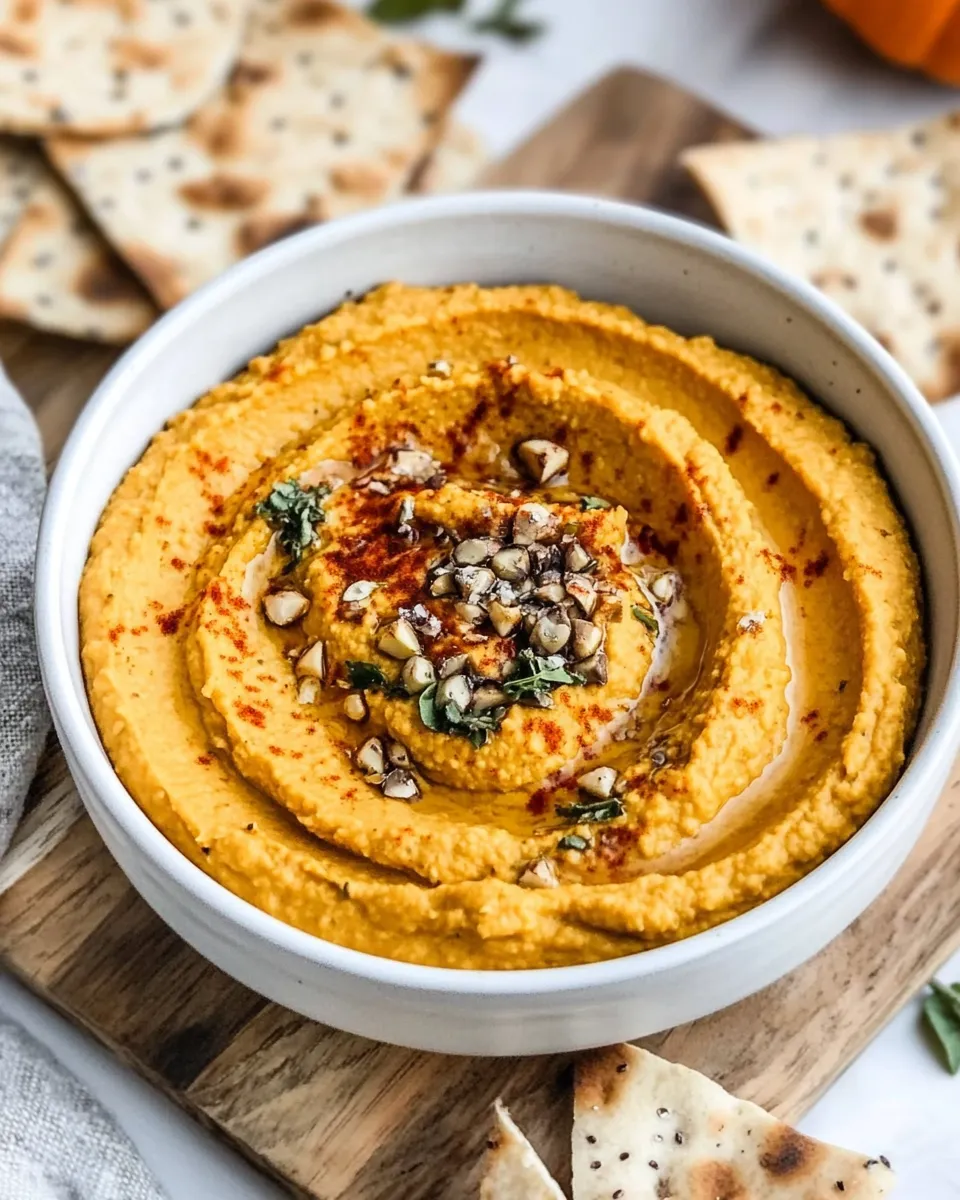
This hummus hits a comfortable middle ground: it’s more interesting than plain hummus but still familiar enough for everyone to enjoy. Pumpkin adds a silky texture and a gentle sweetness without taking over. The spices—chili powder and cumin—keep it warm and savory, rather than dessert-like.
It’s versatile. Use it as a dip, a sandwich spread, a dollop on roasted vegetables, or a base for a grain bowl. It also stores well in the fridge for several days, so you can make it ahead and lean on it for lunches and snacks. Finally, it’s forgiving: you can tweak lemon, salt, and the chili-to-cumin ratio until it’s exactly the flavor profile you want.
Flavor-Forward Alternatives
- Smoky: Add a pinch of smoked paprika and finish with a drizzle of smoked olive oil or a few drops of liquid smoke for a campfire note.
- Herby: Fold in finely chopped fresh herbs (parsley, cilantro, or dill) after processing to keep a bright, fresh contrast to the pumpkin.
- Spicy: Increase chili powder or add a dash of cayenne; you can also blend in a small amount of harissa for a North African kick.
- Nutty: Swap part of the olive oil for nut oil (walnut or walnut-infused oil) or sprinkle toasted pumpkin seeds on top for extra crunch and nuttiness.
- Roasted garlic: Roast the garlic before adding for a sweeter, milder garlic flavor that complements the pumpkin’s natural sugars.
Essential Tools for Success
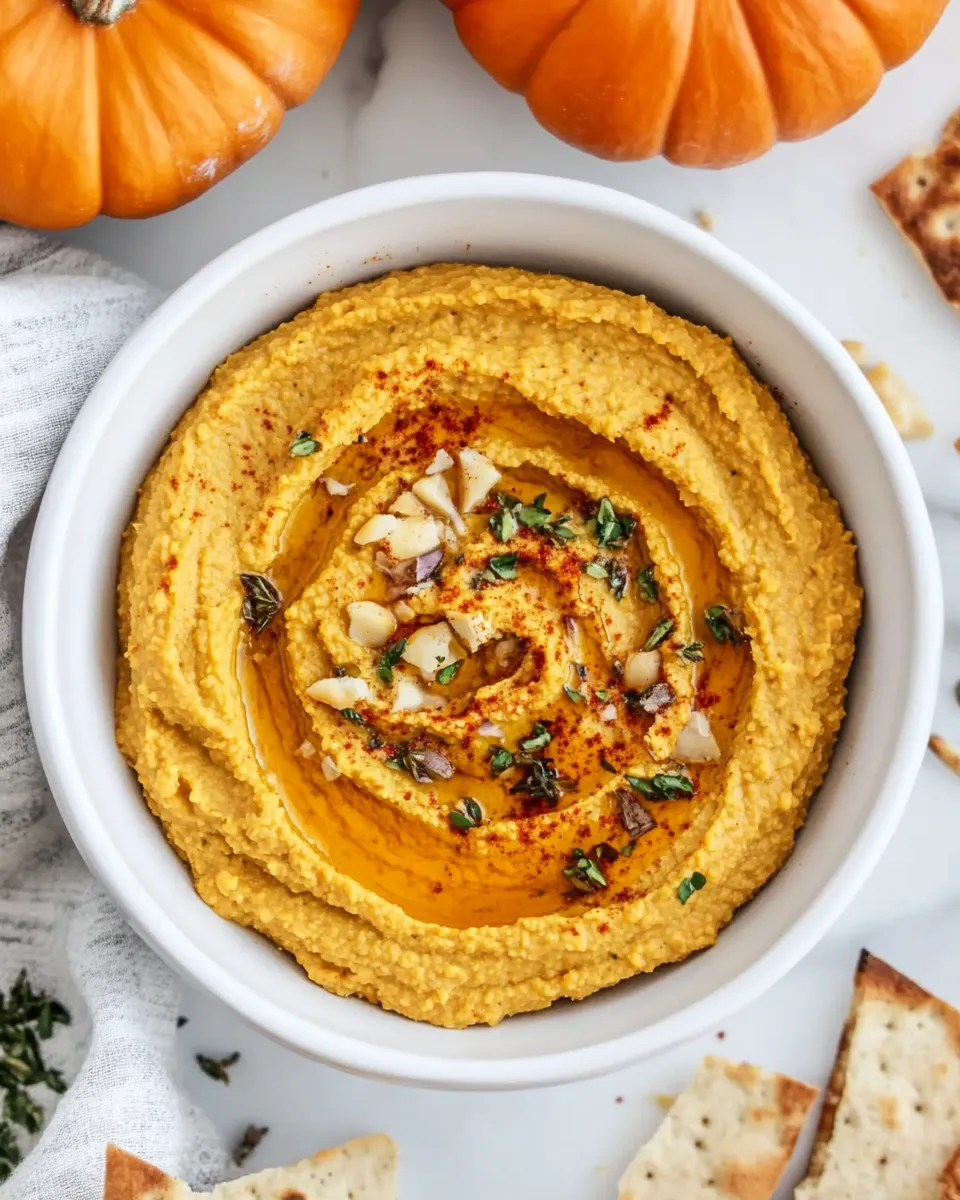
Food processor — A reliable food processor is the most important tool here. It gives you the smooth, spreadable texture you expect from hummus. A high-powered blender can work, but you’ll likely need to add more liquid and stop to scrape the sides frequently.
Spatula — Use a flexible spatula to scrape the bowl clean. That ensures even processing and prevents pockets of unblended chickpeas.
Measuring spoons and cups — Accuracy matters more with salt, lemon, and tahini. Start with the listed amounts and taste before adding more.
Troubleshooting Tips
If your hummus is gritty or not silky-smooth:
- Pulse first, then process continuously. Start with pulses to break up the chickpeas, then run the processor for 1–2 minutes, stopping to scrape the sides as directed.
- Add the reserved canning liquid sparingly. If it’s still thick after processing, add 1 tablespoon at a time and process briefly until the texture loosens.
- Check your tahini. Extremely old tahini can taste bitter or separate badly; if it seems off, taste it on its own before mixing and replace if necessary.
If the hummus tastes flat or dull:
- Brighten it with more lemon juice—add a little at a time and re-taste.
- Finish with a pinch more salt. Salt enhances aromas and will wake up the pumpkin and spices.
If it’s too thin:
- Process it a bit longer without adding liquid; sometimes overworking is the issue but often the opposite is true—allowing the tahini to emulsify more fully can thicken and smooth the mixture.
- Add a small spoonful of extra chickpeas or a bit more tahini to restore body.
Allergy-Friendly Swaps
Sesame allergy (tahini):
- Replace the tahini with an equal amount of plain Greek yogurt for a dairy-containing option that keeps creaminess. For a vegan, seed-free swap, use 2 tablespoons of sunflower-seed butter or omit tahini and increase olive oil slightly; flavor will shift but texture remains good.
Garlic sensitivity:
- Omit raw garlic completely and add ¼ teaspoon garlic powder or roast the garlic beforehand to reduce pungency.
Citrus sensitivity:
- If lemon is a problem, substitute with 1 tablespoon apple cider vinegar and a splash of water, but add slowly and taste as you go.
If You’re Curious
Why pumpkin? Beyond seasonality, pumpkin brings fiber and moisture, so you can use slightly less oil while keeping the hummus lush. The natural sweetness pairs beautifully with cumin’s earthiness and chili powder’s warmth.
Why reserve canning liquid? The aquafaba (chickpea liquid) is a useful binder and emulsifier. It offers starches and proteins that improve mouthfeel without thinning the dip too quickly. Use it judiciously—1 tablespoon at a time—until you reach your ideal texture.
Roasted pumpkin vs. canned puree: Roasted pumpkin can be more flavorful and slightly drier; puree it smooth if you want the same silky texture as canned pumpkin. Canned pumpkin yields consistent results and is more convenient.
Store, Freeze & Reheat
Store: Transfer the hummus to an airtight container. Refrigerate and use within 4–5 days for best flavor. The surface may dry slightly; press a layer of plastic wrap directly onto the hummus or drizzle a thin layer of olive oil on top to protect it.
Freeze: You can freeze pumpkin hummus, though texture may change slightly. Portion it into airtight containers or freezer bags, leaving headspace. Freeze for up to 2 months.
Thawing & reheating: Thaw in the refrigerator overnight. Stir vigorously after thawing; if separation has occurred, emulsify with a tablespoon of olive oil or a little reserved canning liquid. Serve chilled or at room temperature—avoid heating in a microwave, which can dry the hummus out; if you want a warm dip, gently reheat in a small saucepan over low heat with a splash of water or olive oil, stirring until just warmed.
FAQ
Can I use dry chickpeas instead of canned?
Yes. Cook them until soft, then drain, reserving up to 2 tablespoons of the cooking liquid to use the same way you’d use reserved canning liquid. The texture may be slightly different depending on the variety and how well they were cooked.
How long will this last in the fridge?
Stored in an airtight container, it should stay good for 4–5 days. Use your nose and taste—if it smells off or develops any mold, discard.
Can I make this oil-free?
Yes. Omit the olive oil, and increase pumpkin puree slightly for moisture or add a tablespoon of water or reserved chickpea liquid to aid emulsion. Texture will be less glossy but still enjoyable.
Is this kid-friendly?
Generally yes. Reduce or omit chili powder for a milder version. The pumpkin makes it slightly sweeter and often more appealing to kids than standard hummus.
Final Thoughts
This Pumpkin Hummus is an easy, adaptable spread that brings a seasonal twist to a pantry mainstay. It’s fast, forgiving, and customizable—perfect for weekday lunches, snack platters, or a quick party dip. Follow the stepwise method, taste as you go, and don’t be afraid to tweak the spice and acid to suit your palate. Keep a batch in the fridge and it will repay you all week.
Pumpkin Hummus
Ingredients
Ingredients
- ?114-ounce can 400 gchickpeasdrained
- ?1 cup 200 gpumpkin pureeor roasted pumpkin
- ?1 teaspoonsalt
- ?1/2 teaspoonchili powder
- ?1/2 teaspoonground cumin
- ?1 tablespoon 15 mlextra virgin olive oil
- ?2 tablespoons 30 mltahini
- ?2 tablespoons 30 mllemon juice
- ?3 clovesgarlic
Instructions
Instructions
- Drain the chickpeas. If you are using canned chickpeas, drain them into a bowl and set aside up to 2 tablespoons of the canning liquid; discard the rest. If you are using roasted pumpkin instead of pumpkin puree, puree or mash it until you have 1 cup (200 g) of smooth pumpkin.
- Peel the 3 garlic cloves.
- Add the drained chickpeas, 1 cup (200 g) pumpkin puree (or the pureed roasted pumpkin), 1 teaspoon salt, 1/2 teaspoon chili powder, 1/2 teaspoon ground cumin, 1 tablespoon (15 ml) extra virgin olive oil, 2 tablespoons (30 ml) tahini, 2 tablespoons (30 ml) lemon juice, and the 3 garlic cloves to a food processor.
- Pulse the mixture several times to break up the chickpeas, then process continuously for about 1–2 minutes, stopping to scrape down the sides with a spatula as needed, until the hummus is smooth and creamy.
- If the hummus is too thick, add up to 1–2 tablespoons of the reserved chickpea canning liquid (from step 1), 1 tablespoon at a time, processing briefly after each addition until you reach your desired consistency.
- Taste and adjust seasonings as needed (more salt, lemon juice, chili, or cumin), processing briefly after each adjustment. Transfer the hummus to a serving bowl and serve or refrigerate.
Equipment
- Bowl
- Food Processor
- Spatula
Notes
Serve pumpkin hummus spread on toast, with pita or naan bread, celery sticks, carrot sticks, or cucumber slices.
Store in an airtight container in the refrigerator for up to 4 days.