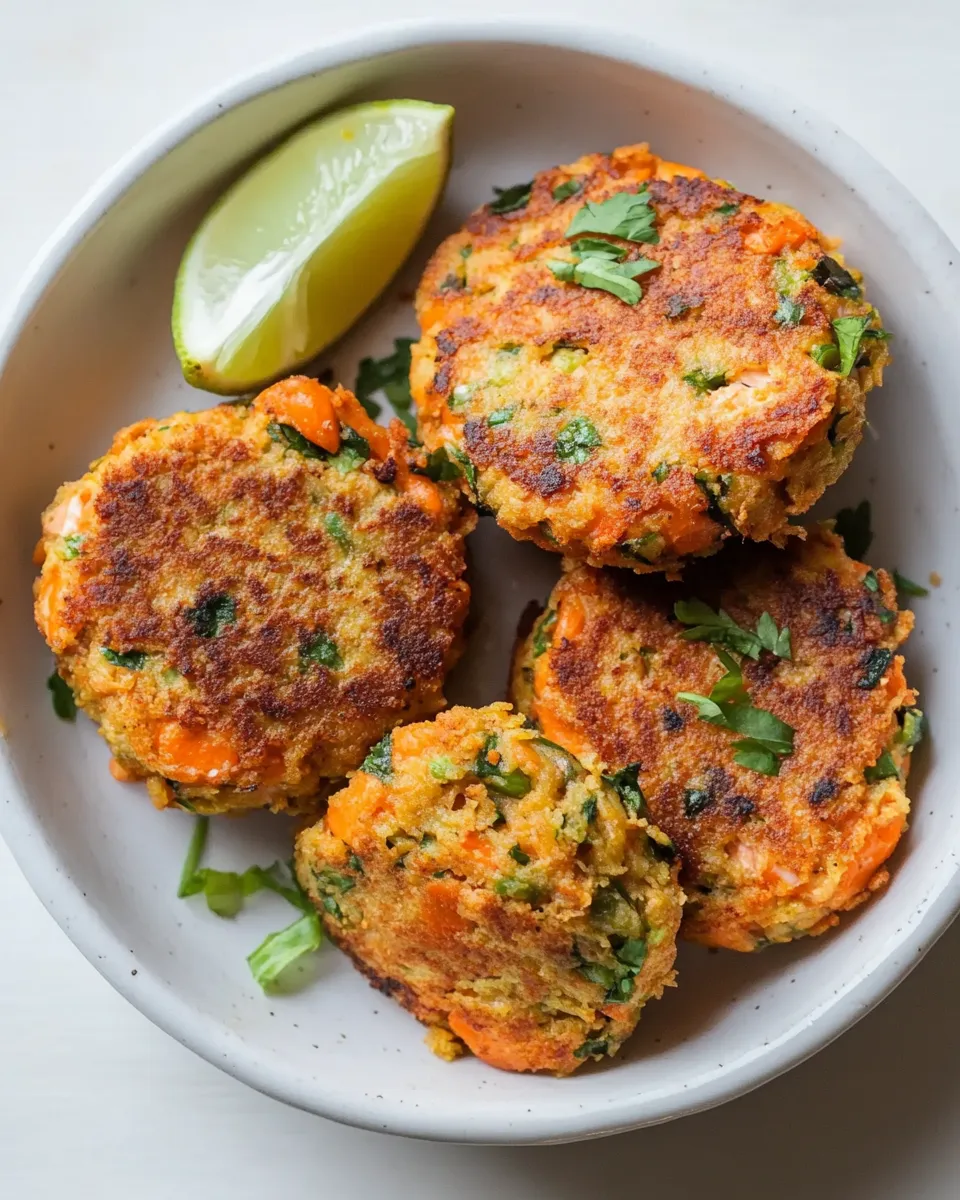
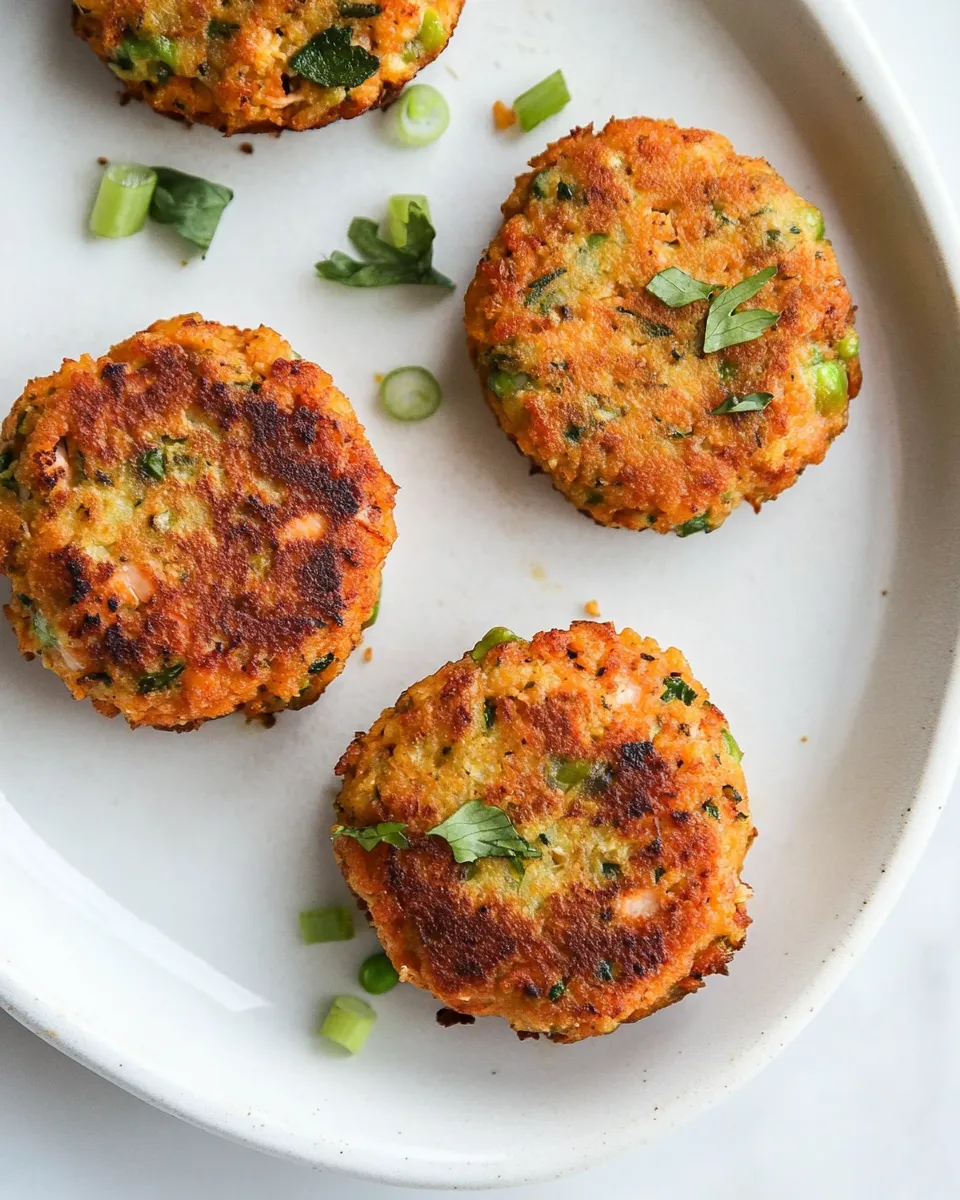
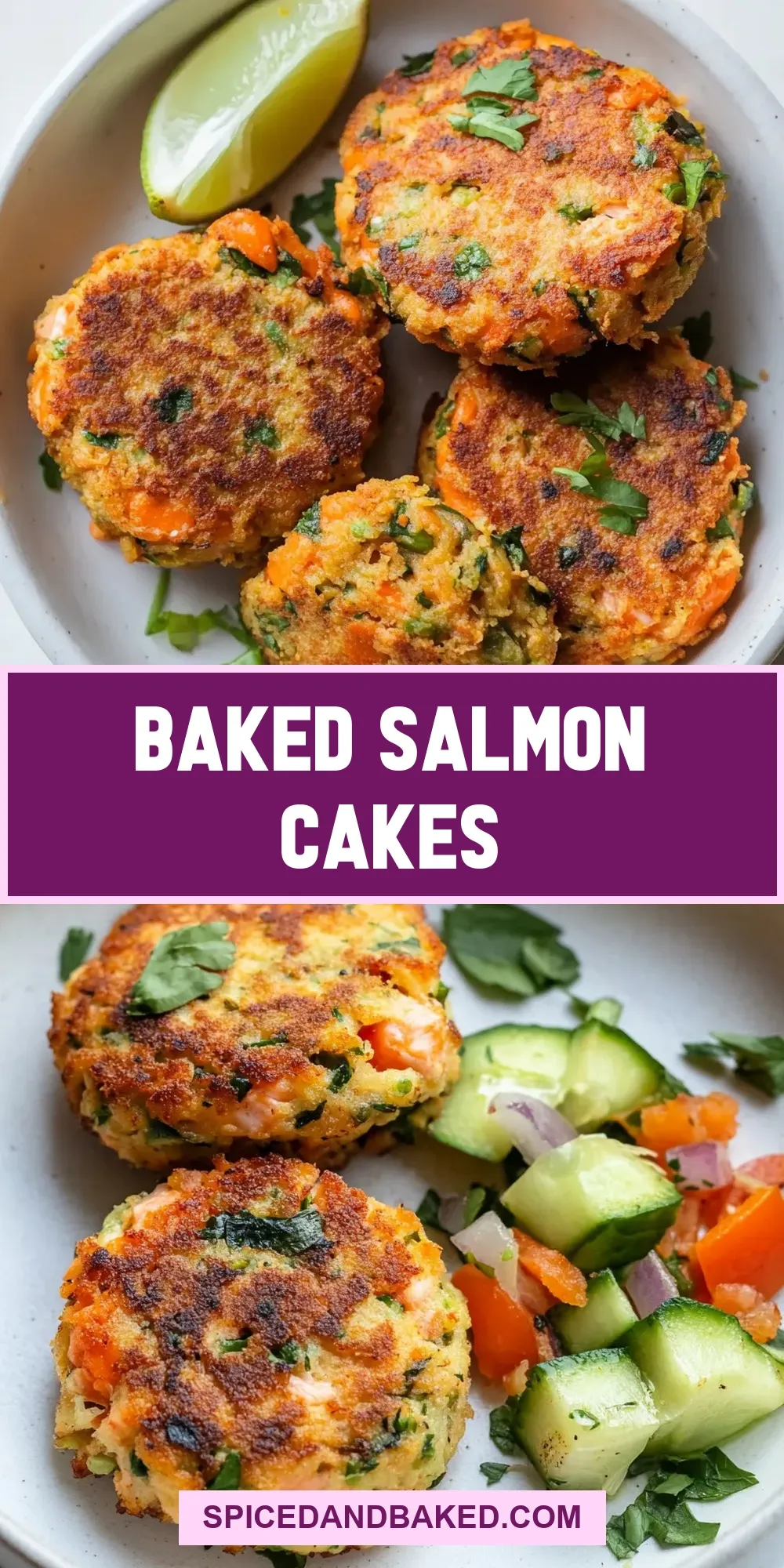
These baked salmon cakes are the kind of weeknight recipe I turn to when I want something quick, healthy, and reliably flavorful. They come together with pantry-friendly ingredients, bake in a single sheet pan, and hold their shape without a mess of frying oil. The result is golden, moist patties with a bright vegetable base and a herb-forward finish.
I love that this version uses a short cook on the salmon followed by a long, low sauté for the vegetables — that step builds flavor and softens the veggies so the cakes stay tender. The recipe yields 15 small cakes, which makes it great for meal prep, feeding a crowd, or freezing for later.
Below you’ll find the exact ingredient list from the source recipe, step-by-step baking directions, and practical notes on equipment, swaps, storage, and common troubleshooting. I’ll also include simple variations to keep these on rotation all year.
Ingredient Checklist
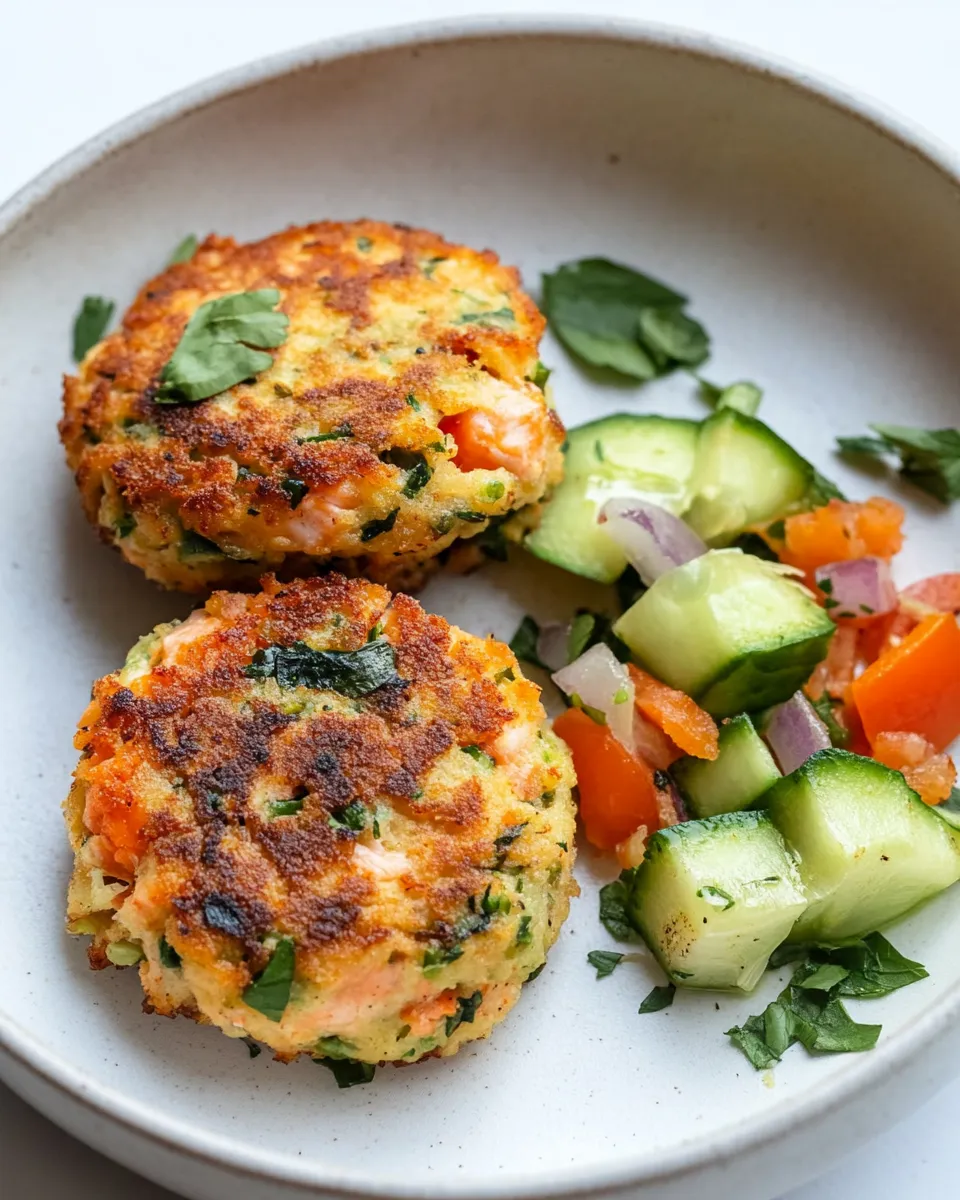
- 1/2 pound wild Alaskan salmon filet, fresh or frozen (if frozen thaw overnight in the refrigerator) — the star protein; wild adds flavor but use what’s available.
- olive oil cooking spray — helps prevent sticking on the skillet and baking sheet with minimal added fat.
- 1 tbsp olive oil — used for sautéing the vegetables for depth of flavor.
- Kosher salt and freshly ground black pepper — season as you go; essential for balanced flavor.
- 3/4 cup small-diced red onion, 1 small onion — sweetness and bite; dice small so it softens in the long sauté.
- 1 1/2 cups small-diced celery, 4 stalks — adds crunch and moisture; cook until soft.
- 1/2 cup small-diced red bell pepper, from 1 small pepper — sweetness, color, and texture.
- 1/2 cup small-diced yellow bell pepper, from 1 small pepper — same role as red pepper; keeps the mix colorful.
- 1/4 cup minced fresh flat-leaf parsley — bright herb note; fold in when cooled so it stays fresh.
- 1 tablespoon capers, drained — salty, briny pop that cuts through the richness.
- 1/4 tablespoon hot sauce — a touch of heat and acidity; adjust to taste.
- 1 1/2 tsp Old Bay seasoning — classic seafood seasoning; adds depth and warmth.
- 1 cup seasoned breadcrumbs, or gluten-free crumbs — binder and texture; seasoned crumbs add extra flavor.
- 3 tablespoons light mayonnaise — moisture and richness without too much fat.
- 3 tablespoons fat-free Greek yogurt — tang and creaminess; helps bind the mixture.
- 1 tablespoon Dijon mustard — sharpness to cut the fat and bring everything together.
- 1 large egg, lightly beaten — primary binder to help cakes hold shape.
- 3 large egg whites, lightly beaten — extra protein binder while keeping calories lower.
- Zesty avocado cilantro dressing — suggested finishing sauce; adds creaminess and herb brightness.
Baked Salmon Cakes in Steps
- If using frozen salmon, thaw overnight in the refrigerator. Pat the 1/2 pound salmon filet dry with paper towels and season both sides with kosher salt and freshly ground black pepper.
- Heat a large skillet over medium-high heat until hot. Lightly spray the skillet with olive oil cooking spray. Add the salmon and cook until browned on one side, about 4 to 5 minutes; flip and cook another 4 to 5 minutes, or until the salmon flakes easily with a fork. Transfer the salmon to a dish to cool, then flake into a large bowl.
- Wipe the skillet clean if desired, add 1 tablespoon olive oil, and reduce heat to medium-low. Add 3/4 cup small-diced red onion, 1 1/2 cups small-diced celery, 1/2 cup small-diced red bell pepper, 1/2 cup small-diced yellow bell pepper, 1/4 cup minced fresh parsley, 1 tablespoon drained capers, 1/4 tablespoon hot sauce, and 1 1/2 teaspoons Old Bay seasoning. Cook, stirring occasionally, until the vegetables are soft, about 18 to 20 minutes. Season with kosher salt and freshly ground black pepper as needed. Remove from heat and let cool to room temperature.
- To the large bowl with the flaked salmon add 1 cup seasoned breadcrumbs, 3 tablespoons light mayonnaise, 3 tablespoons fat-free Greek yogurt, 1 tablespoon Dijon mustard, the cooled vegetable mixture, the 1 large egg (lightly beaten), and the 3 large egg whites (lightly beaten). Mix until combined and the mixture holds together.
- Cover the bowl and chill in the refrigerator for 30 minutes (or place in the freezer for 10 minutes) to firm the mixture and make it easier to shape.
- Preheat the oven to 400°F. Lightly spray a nonstick baking sheet with olive oil cooking spray.
- Shape the salmon mixture into 15 cakes (scant 1/4 cup each) and arrange them on the prepared baking sheet, leaving space between each cake.
- Bake the salmon cakes for 20 minutes, or until they are golden and cooked through. Serve with the Zesty avocado cilantro dressing.
Why It Deserves a Spot
These salmon cakes check a lot of boxes: quick hands-on time, healthy fats, and a texture that’s tender inside with a golden exterior. Baking removes the hassle and calorie density of shallow frying, yet you still get a nice crust thanks to the breadcrumbs and high-heat oven. The long, gentle sauté of the onion, celery, and peppers creates a soft, flavor-packed base that prevents the cakes from drying out.
They’re also extremely flexible. Make them small for appetizers, shape them larger for a main course, or freeze extras for a fast lunch. The recipe’s use of egg whites plus one yolk keeps the cakes cohesive without becoming dense. And the capers and hot sauce bring little bursts of acidity and heat that make every bite interesting.
Dairy-Free/Gluten-Free Swaps
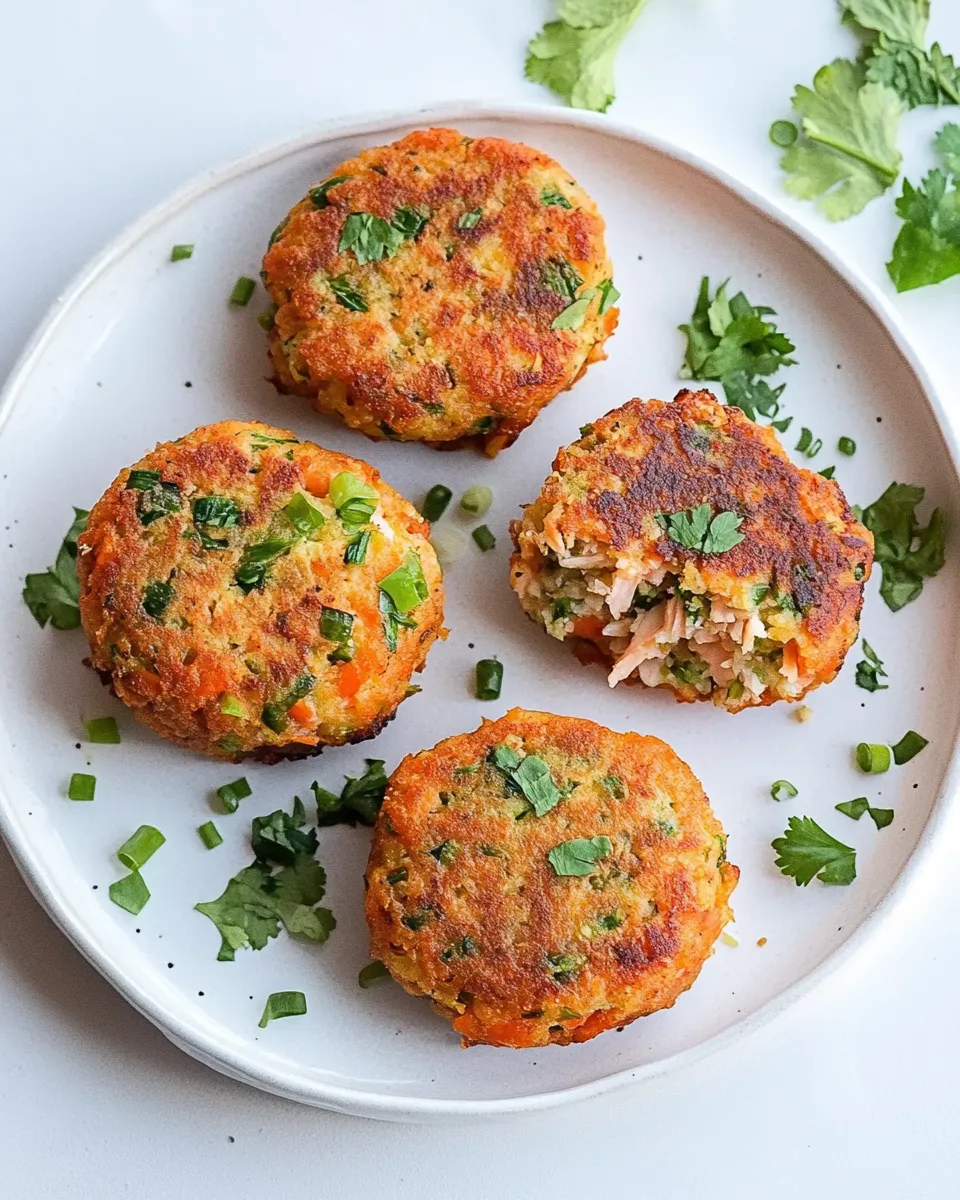
- Gluten-Free: Use gluten-free seasoned breadcrumbs instead of regular breadcrumbs (the recipe even lists that as an option).
- Dairy-Free: Replace the fat-free Greek yogurt with a plain, dairy-free yogurt alternative; use light mayonnaise that’s dairy-free (most are egg- and oil-based).
- Egg-Free options: This recipe relies on eggs for structure, so if you need egg-free, try a commercial egg replacer following package directions — results will vary and you’ll need to test for binding strength.
Setup & Equipment
- Large skillet (12-inch ideal) — for searing the salmon and gently sautéing the vegetables.
- Large mixing bowl — to combine flaked salmon and binders.
- Nonstick baking sheet — bake the cakes without sticking; line with parchment if you prefer easier cleanup.
- Measuring cups and spoons — follow quantities precisely for consistent texture.
- Spatula or fish turner — for transferring salmon and later cakes, if needed.
- Paper towels — to pat the salmon dry for a better sear.
Don’t Do This
- Don’t skip the chilling step. Shaping warm mixture leads to fall-apart cakes and messy baking sheets.
- Don’t rush the vegetable sauté. The long, low cook softens the veg and concentrates flavor. Undercooked onions taste sharp and stay crunchy.
- Don’t overcrowd the baking sheet. Crowding traps steam and prevents proper browning.
- Don’t skip seasoning. Taste the vegetable mix before folding into the salmon so you can adjust salt and pepper — it’s the easiest place to balance flavor.
Year-Round Variations
Spring
- Add chopped fresh dill or chives in place of some parsley for a bright, herbal lift.
- Fold in a small handful of blanched peas for color and sweetness.
Summer
- Stir in charred corn kernels for smoky sweetness and texture.
- Serve with a cucumber-dill yogurt sauce or the suggested avocado cilantro dressing for freshness.
Fall/Winter
- Swap some of the bell pepper for small-diced roasted root vegetables (carrot or parsnip) to add earthiness.
- Increase Old Bay slightly for warming spice notes and a heartier flavor profile.
Cook’s Commentary
I prefer baking because it’s hands-off and reliable. You get a uniform bake and less risk of over-browning one side while the centers stay raw. The brief sear on the salmon at the start locks in juices and adds color. The long, low vegetable sauté is non-negotiable in my kitchen — it softens the aromatic backbone and keeps the cakes moist.
When shaping, I use a scant 1/4 cup scoop for consistent portions. Press gently — you want them compact but not densely packed. If the mix feels dry, a teaspoon of water or a touch more mayo will help. If it’s too wet, a tablespoon or two of breadcrumbs will tighten the texture.
Storage Pro Tips
- Refrigerate: Store cooked salmon cakes in an airtight container for up to 3–4 days. Keep dressing separate until serving.
- Freeze: Arrange cooled cakes on a sheet pan and flash-freeze for 1–2 hours, then transfer to a freezer bag; they keep well up to 3 months. Reheat from frozen in a 375°F oven for 12–18 minutes until heated through, flipping once.
- Reheat: For best texture, reheat in a 350–375°F oven or toaster oven to crisp the exterior. Microwaving will warm quickly but can soften the crust.
Helpful Q&A
- Can I use canned salmon instead of a filet? Canned salmon will work but will change texture and moisture. Reduce added liquids and adjust breadcrumbs to achieve a firm mix.
- What if the mixture won’t hold together? Chill as directed, then add a tablespoon of breadcrumbs at a time until the mixture binds. Alternatively, a small additional beaten egg will help.
- Can I pan-fry instead of baking? Yes. Heat a tablespoon of oil in a skillet over medium heat and cook 3–4 minutes per side until golden and heated through. Baking reduces added fat and cleanup.
- How do I know they’re cooked through? They should be golden on the outside and reach an internal temperature of 145°F for salmon. The recipe’s 20 minutes at 400°F should bring 1/4-cup cakes to a safe, flaky finish.
Next Steps
Serve these salmon cakes straight from the oven with the suggested Zesty avocado cilantro dressing. They’re perfect atop a bed of greens, on a toasted bun with slaw, or simply alongside lemon wedges and a crisp salad. Make a double batch and freeze half — you’ll thank yourself on busy nights.
Try one of the seasonal variations next time you cook them, and take notes: small swaps in herbs or add-ins will keep this recipe exciting without changing the reliable method. If you test a variation you love, drop a note in your recipe card so you can repeat it — that’s how favorites are born.

Baked Salmon Cakes
Ingredients
Ingredients
- 1/2 poundwild Alaskan salmon filet fresh or frozen (if frozen thaw overnight in the refrigerator)
- olive oil cooking spray
- 1 tbspolive oil
- Kosher salt and freshly ground black pepper
- 3/4 cupsmall-diced red onion 1 small onion
- 1 1/2 cupssmall-diced celery 4 stalks
- 1/2 cupsmall-diced red bell pepper from 1 small pepper
- 1/2 cupsmall-diced yellow bell pepper from 1 small pepper
- 1/4 cupminced fresh flat-leaf parsley
- 1 tablespooncapers drained
- 1/4 tablespoonhot sauce
- 1 1/2 tspOld Bay seasoning
- 1 cupseasoned breadcrumbs or gluten-free crumbs
- 3 tablespoonlight mayonnaise
- 3 tablespoonfat free Greek yogurt
- 1 tablespoonDijon mustard
- 1 large egg lightly beaten
- 3 large egg whites lightly beaten
- Zesty avocado cilantro dressing
Instructions
Instructions
- If using frozen salmon, thaw overnight in the refrigerator. Pat the 1/2 pound salmon filet dry with paper towels and season both sides with kosher salt and freshly ground black pepper.
- Heat a large skillet over medium-high heat until hot. Lightly spray the skillet with olive oil cooking spray. Add the salmon and cook until browned on one side, about 4 to 5 minutes; flip and cook another 4 to 5 minutes, or until the salmon flakes easily with a fork. Transfer the salmon to a dish to cool, then flake into a large bowl.
- Wipe the skillet clean if desired, add 1 tablespoon olive oil, and reduce heat to medium-low. Add 3/4 cup small-diced red onion, 1 1/2 cups small-diced celery, 1/2 cup small-diced red bell pepper, 1/2 cup small-diced yellow bell pepper, 1/4 cup minced fresh parsley, 1 tablespoon drained capers, 1/4 tablespoon hot sauce, and 1 1/2 teaspoons Old Bay seasoning. Cook, stirring occasionally, until the vegetables are soft, about 18 to 20 minutes. Season with kosher salt and freshly ground black pepper as needed. Remove from heat and let cool to room temperature.
- To the large bowl with the flaked salmon add 1 cup seasoned breadcrumbs, 3 tablespoons light mayonnaise, 3 tablespoons fat-free Greek yogurt, 1 tablespoon Dijon mustard, the cooled vegetable mixture, the 1 large egg (lightly beaten), and the 3 large egg whites (lightly beaten). Mix until combined and the mixture holds together.
- Cover the bowl and chill in the refrigerator for 30 minutes (or place in the freezer for 10 minutes) to firm the mixture and make it easier to shape.
- Preheat the oven to 400°F. Lightly spray a nonstick baking sheet with olive oil cooking spray.
- Shape the salmon mixture into 15 cakes (scant 1/4 cup each) and arrange them on the prepared baking sheet, leaving space between each cake.
- Bake the salmon cakes for 20 minutes, or until they are golden and cooked through. Serve with the Zesty avocado cilantro dressing.
Equipment
- Large Skillet
- Mixing Bowl
- Baking Sheet
- dish
- Spatula
Notes
Use gluten-free breadcrumbs to make this recipe gluten-free, as noted in the ingredients.