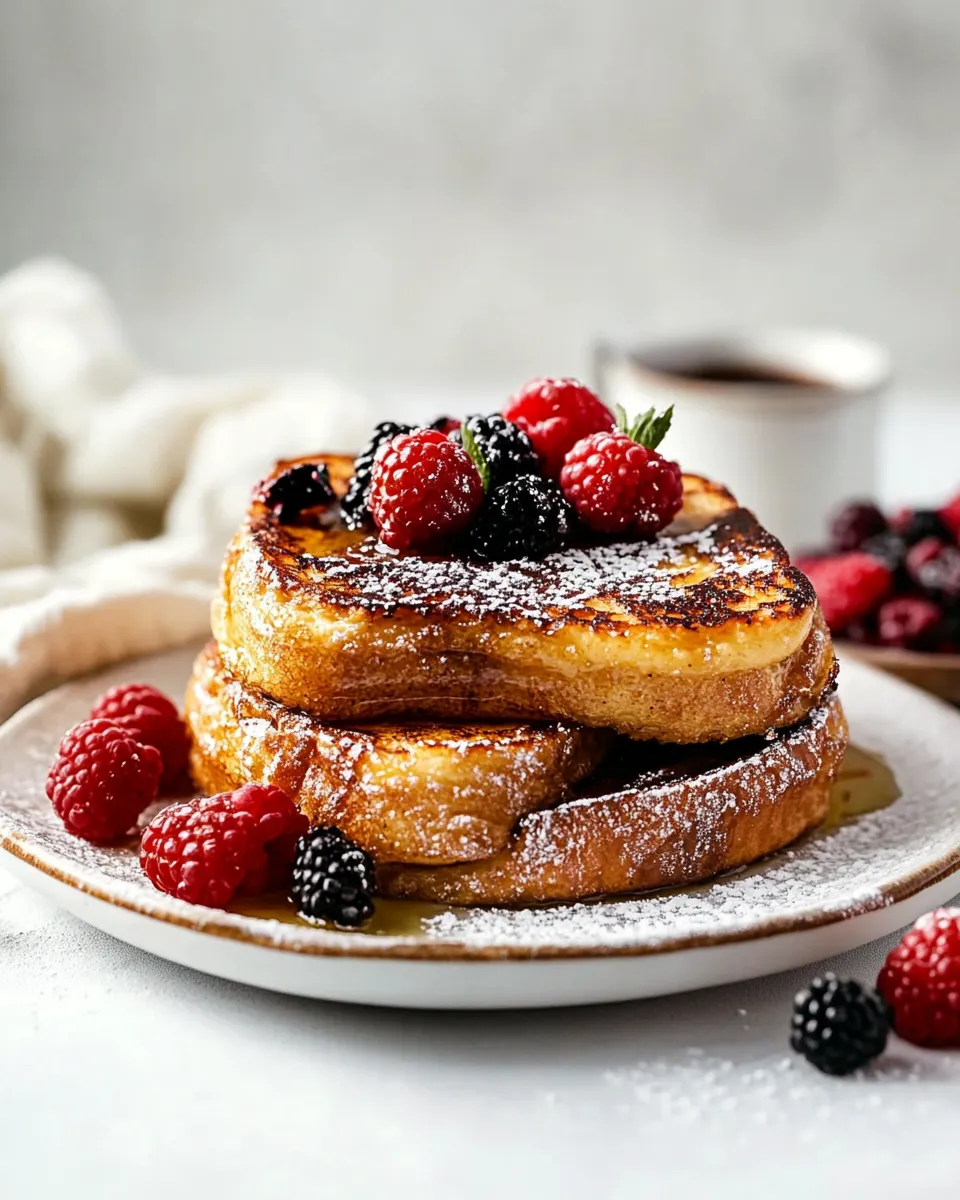
I make brunch for friends a lot, and Brioche French Toast is the recipe that reliably gets people smiling before their coffee kicks in. It’s rich, soft, and forgiving — the kind of dish you can scale up without losing quality. I’ll walk you through the exact ingredients and steps that I use every time to get evenly golden slices with a tender, custardy interior.
This post is practical. No fluff, just technique, troubleshooting, and sensible swaps so you can adapt it to what’s in your kitchen. If you want a classic result — slightly crisp outside, pillowy inside, with warm cinnamon notes — follow the instructions here closely. I’ll also cover common problems and how to fix them fast.
Read straight through if you’re cooking now, or skim the headings for tips you need. Either way, you’ll finish with a breakfast that looks and tastes like you spent more time on it than you did.
What You’ll Gather
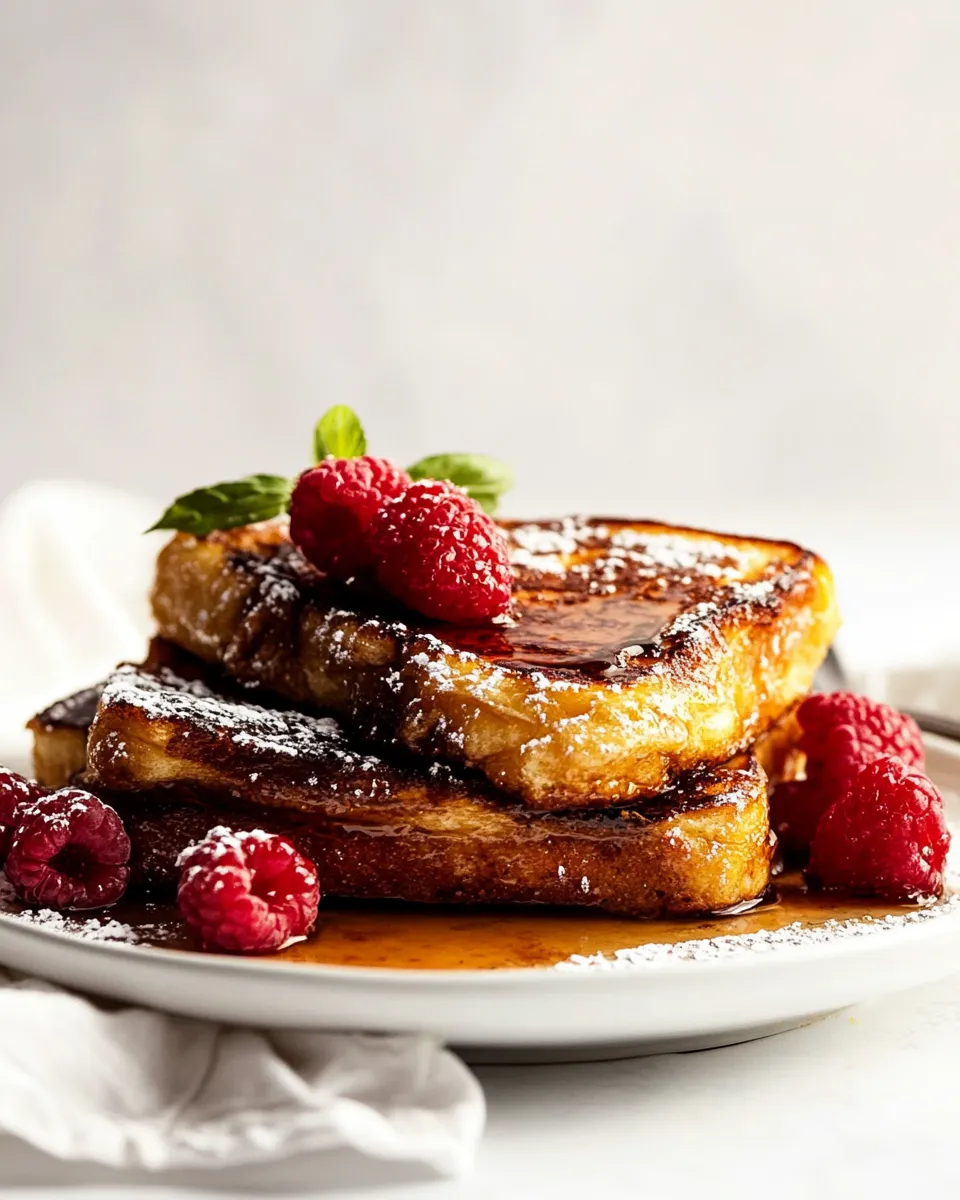
- 4 large eggs — provides structure and richness to the batter.
- 1/4 cup milk — stretches the custard and keeps it from being too heavy.
- 1/2 cup heavy whipping cream — adds fat for a tender, creamy interior.
- 1/4 cup all-purpose flour — slightly thickens the batter so it clings to brioche.
- 1/4 cup granulated sugar — sweetens the custard and helps with light browning.
- 1/4 teaspoon salt — balances sweetness and brightens flavors.
- 1 teaspoon ground cinnamon — warm spice that defines classic French toast flavor.
- 1 1/2 teaspoons vanilla extract — adds aromatic sweetness and depth.
- 8 slices Brioche bread — soft, slightly sweet bread that soaks up custard beautifully.
Brioche French Toast Cooking Guide
- Preheat a nonstick griddle to 350°F (175°C) or heat a nonstick skillet over medium heat.
- Make the batter: in a blender combine 4 large eggs, 1/4 cup milk, 1/2 cup heavy whipping cream, 1/4 cup all-purpose flour, 1/4 cup granulated sugar, 1/4 teaspoon salt, 1 teaspoon ground cinnamon, and 1 1/2 teaspoons vanilla extract. Blend until evenly combined and mostly smooth. (If using a shallow dish, whisk the same ingredients together until mostly smooth; small flour lumps are fine.)
- Working with one slice at a time, dip each of the 8 slices of brioche into the batter, coating both sides. Allow any excess batter to drip back into the bowl.
- Place the coated slice onto the preheated nonstick griddle or skillet. Cook until the bottom is golden brown, about 2–3 minutes, then flip and cook the other side until golden and cooked through, about 2–3 minutes more.
- Transfer cooked slices to a plate and keep warm while you cook the remaining slices.
- Serve the brioche French toast warm.
Why Cooks Rave About It
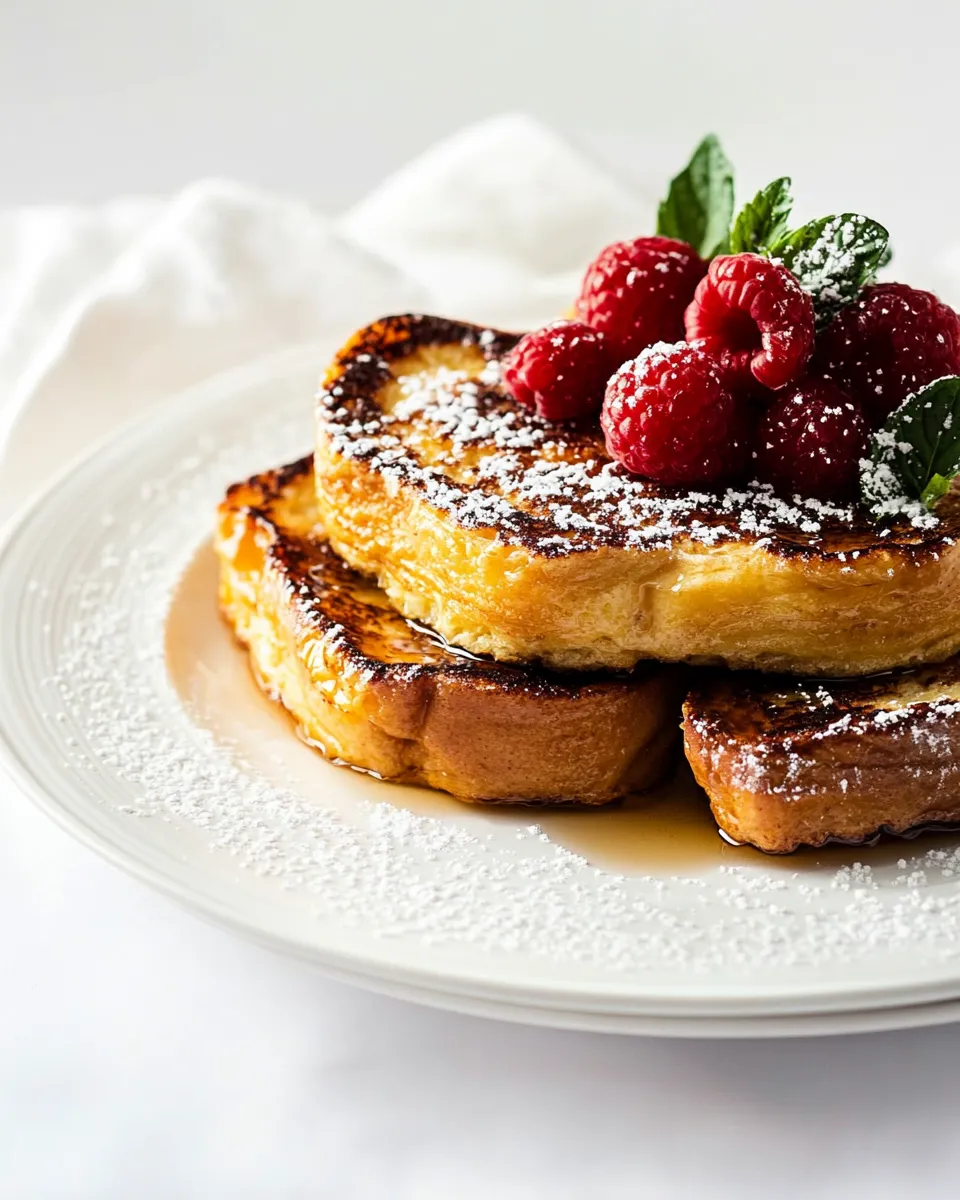
Brioche is enriched and tender, which makes it perfect for French toast. The loaf soaks up custard without falling apart, so you get a custardy interior and a crisp, caramelized surface. The small addition of flour in the batter gives the coating structure and helps it brown evenly instead of becoming a soggy skin.
This recipe uses heavy cream plus milk for lush texture; you’ll notice a silkier bite than French toast made with milk alone. The balance of sugar and salt keeps everything flavorful without being cloying, and cinnamon plus vanilla give the classic aroma people expect at brunch.
Low-Carb/Keto Alternatives
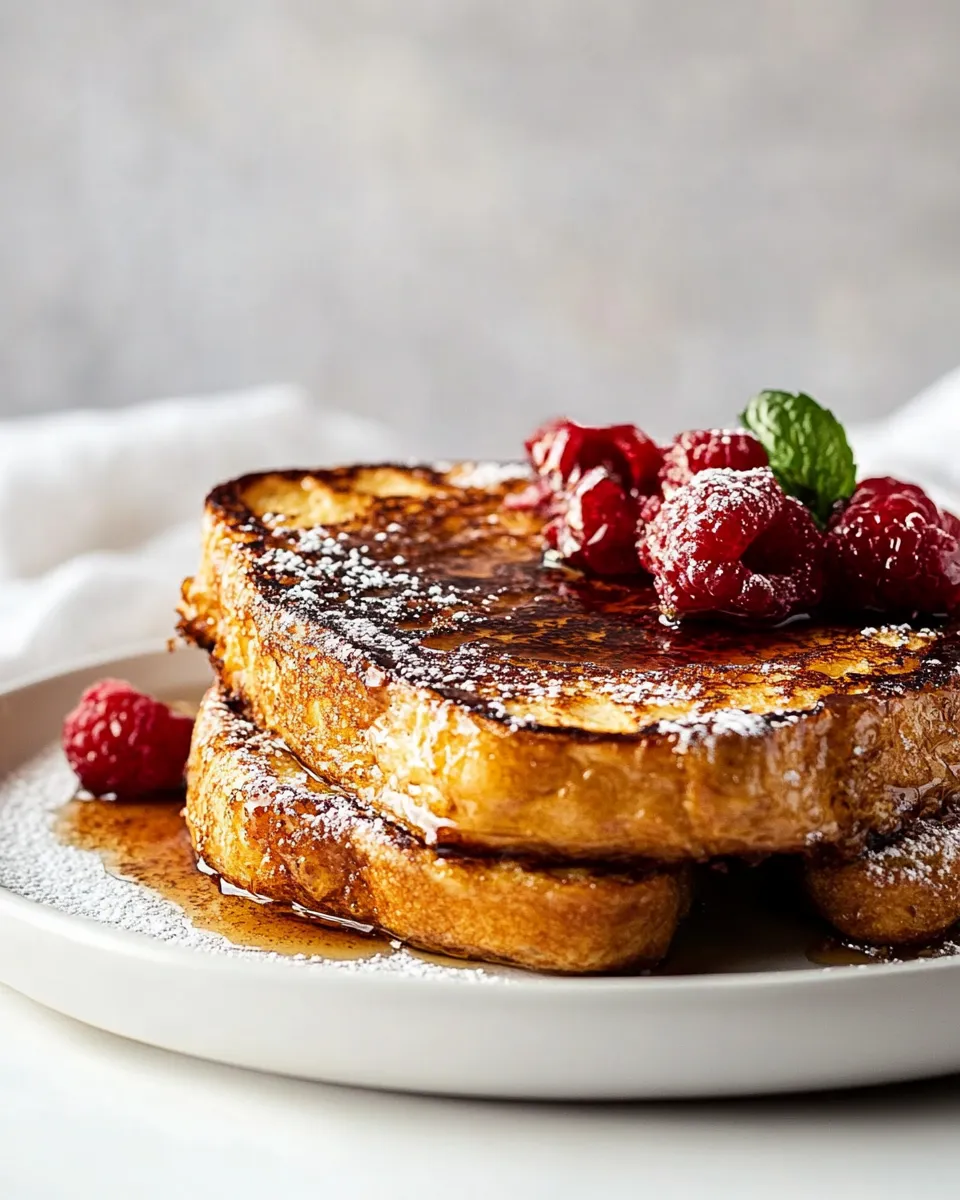
Traditional French toast is bread-forward and not naturally low-carb, but you can adapt the concept if you’re on keto or low-carb. Use a low-carb bread or a thin slice of baked almond flour bread in place of brioche. For the batter, switch the granulated sugar to a granular sweetener like erythritol that measures cup-for-cup, and keep the eggs, cream, and milk (or replace milk with unsweetened almond milk to shave carbs).
Keep an eye on cooking time: lower-carb breads may brown faster or be drier inside. Reduce heat slightly and watch the first slice closely to adjust timing.
Equipment Breakdown
- Nonstick griddle or skillet — ideal for even browning and easy flipping.
- Blender or shallow mixing dish — a blender gives a silky batter; a bowl works if you prefer whisking.
- Tongs or spatula — for flipping without tearing the bread.
- Thermometer (optional) — to check griddle temp (350°F/175°C) if your stovetop runs hot or cool.
- Plate and foil — keep finished slices warm on a plate tented with foil while you finish the batch.
Watch Outs & How to Fix
Common Problems and Fast Fixes
- Bread soggy or falling apart — Don’t soak slices for long. Dip one slice at a time and let the excess drip back. If your brioche is very fresh and airy, you can briefly toast slices first to firm them up.
- Burning on the outside, raw inside — Your pan is too hot. Lower the heat to medium-low and cook a touch longer. Thinner slices cook faster; thicker slices need a gentler temperature.
- Too dry, not custardy — Increase cream slightly next time or reduce cooking time. Also make sure batter has enough liquid: it should coat but not drown the bread.
- Not browning — Make sure sugar is in the batter; sugar aids caramelization. If using a nonstick surface with no oil, small dot of butter on the pan can help color without making things greasy.
Variations for Dietary Needs
Depending on dietary needs, small swaps keep the spirit of the recipe intact.
- Dairy-free — Replace milk and heavy cream with full-fat canned coconut milk or a mix of coconut milk and unsweetened almond milk. Expect a subtle coconut note.
- Lower-sugar — Reduce the granulated sugar to 2 tablespoons or substitute with a measuring sweetener like monk fruit or erythritol; adjust to taste.
- Gluten-free — Use a sturdy gluten-free brioche-style loaf or a dense gluten-free bread. The flour in the batter helps with cling; you can use a small spoon of gluten-free flour blend if needed (but this changes texture slightly).
- Vegan-ish option — For a fully vegan version you’ll need egg replacements; try a thick chickpea flour batter or a commercial egg replacer paired with non-dairy cream—results will differ from classic brioche French toast.
Notes on Ingredients
Use the exact quantities listed for consistent results. The ratio of eggs to dairy matters: 4 eggs to the combined 3/4 cup liquid (1/4 cup milk + 1/2 cup cream) creates a rich custard without being eggy. The 1/4 cup flour is small but purposeful: it gives the batter enough body to cling well to soft brioche.
If your vanilla is extract, measure carefully — the recipe calls for 1 1/2 teaspoons, which gives clear vanilla notes without overpowering. Cinnamon at 1 teaspoon should be perceptible but not dominant; taste preferences vary, so reduce or increase slightly if you prefer.
Storage & Reheat Guide

Cooked brioche French toast keeps well in the fridge for up to 3 days. Cool completely, then store in an airtight container or wrapped in foil. Reheat in a toaster oven or regular oven at 350°F (175°C) for 8–10 minutes to restore crispness. A microwave will warm quickly but make the exterior soft; if you must use a microwave, then finish under the broiler for a minute to regain some texture.
For make-ahead cooking: you can fully cook, cool, and freeze slices between layers of parchment in a freezer bag. Reheat from frozen in a 375°F (190°C) oven for about 10–12 minutes, flipping halfway, until warmed and slightly crisp.
Ask the Chef
Q: Can I use stale brioche? A: Yes. Slightly stale brioche often soaks the custard better without collapsing. If your brioche is very fresh, briefly toasting it or letting it sit out for an hour gives it structure for soaking.
Q: Do I need to flip more than once? A: No. Flip once when the first side is golden (about 2–3 minutes), then cook the second side for about the same time. Multiple flips can break the coating.
Q: Can I make the batter ahead? A: You can, but it’s best used within a few hours. If using the blender, give it a quick whisk before dipping slices to reincorporate any settled flour.
That’s a Wrap
Brioche French Toast is straightforward, forgiving, and worth the small attention it asks for: steady heat, single-slice dipping, and a short rest in a warm place while you finish the batch. Follow the recipe quantities for a reliably rich custard and golden exterior.
Serve it warm with butter, syrup, fresh fruit, or a squeeze of lemon. It’s an easy showstopper for guests or a weekend treat you’ll be glad you learned. If you try it, tell me how you adapted it — I love hearing tweaks that work in home kitchens.

Brioche French Toast
Ingredients
Ingredients
- 4 largeeggs
- 1/4 cupmilk
- 1/2 cupheavy whipping cream
- 1/4 cupall-purpose flour
- 1/4 cupgranulated sugar
- 1/4 teaspoonsalt
- 1 teaspoonground cinnamon
- 1 1/2 teaspoonsvanilla extract
- 8 slicesBrioche bread
Instructions
Instructions
- Preheat a nonstick griddle to 350°F (175°C) or heat a nonstick skillet over medium heat.
- Make the batter: in a blender combine 4 large eggs, 1/4 cup milk, 1/2 cup heavy whipping cream, 1/4 cup all-purpose flour, 1/4 cup granulated sugar, 1/4 teaspoon salt, 1 teaspoon ground cinnamon, and 1 1/2 teaspoons vanilla extract. Blend until evenly combined and mostly smooth. (If using a shallow dish, whisk the same ingredients together until mostly smooth; small flour lumps are fine.)
- Working with one slice at a time, dip each of the 8 slices of brioche into the batter, coating both sides. Allow any excess batter to drip back into the bowl.
- Place the coated slice onto the preheated nonstick griddle or skillet. Cook until the bottom is golden brown, about 2–3 minutes, then flip and cook the other side until golden and cooked through, about 2–3 minutes more.
- Transfer cooked slices to a plate and keep warm while you cook the remaining slices.
- Serve the brioche French toast warm.
Equipment
- griddle
Notes
Freezing Instructions:
leftover brioche french toast may be frozen in a freezer-safe bag or air-tight container for up to 3 months.