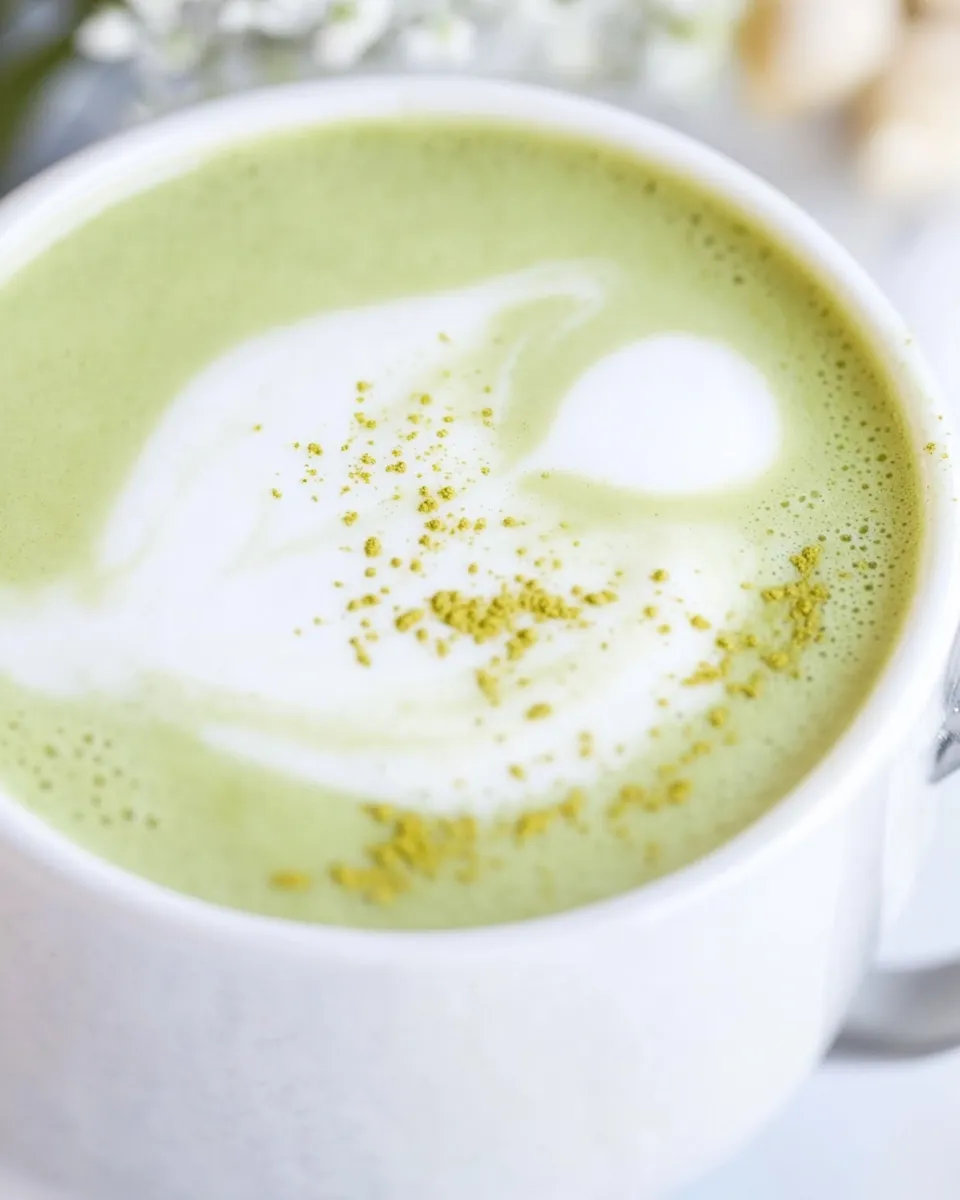
I make this Almond Milk Matcha Latte whenever I want something green, calm, and a little luxurious without dairy. It’s bright from matcha, silky from full‑fat almond milk, and quick to pull together once you understand the temperatures and the whisking rhythm. No sugar or extras are required, but there’s room to personalize the sweetness or texture.
The recipe is straightforward: a teaspoon of ceremonial‑grade matcha, a splash of near‑boiling water to bloom the powder, then warm, high‑fat almond milk frothed and poured over. Temperatures matter here—too hot and the matcha scalds; too cool and it won’t release its signature vegetal notes. I’ll walk you through each step so your cup comes out smooth, layered, and pleasantly foamy.
This is a practical post with tips I use in my own kitchen: how to whisk without clumps, what to watch for when frothing almond milk, and small swaps when you’re out of one tool or another. Read through the steps once, then try it. It becomes a comforting ritual in under five minutes.
What Goes In
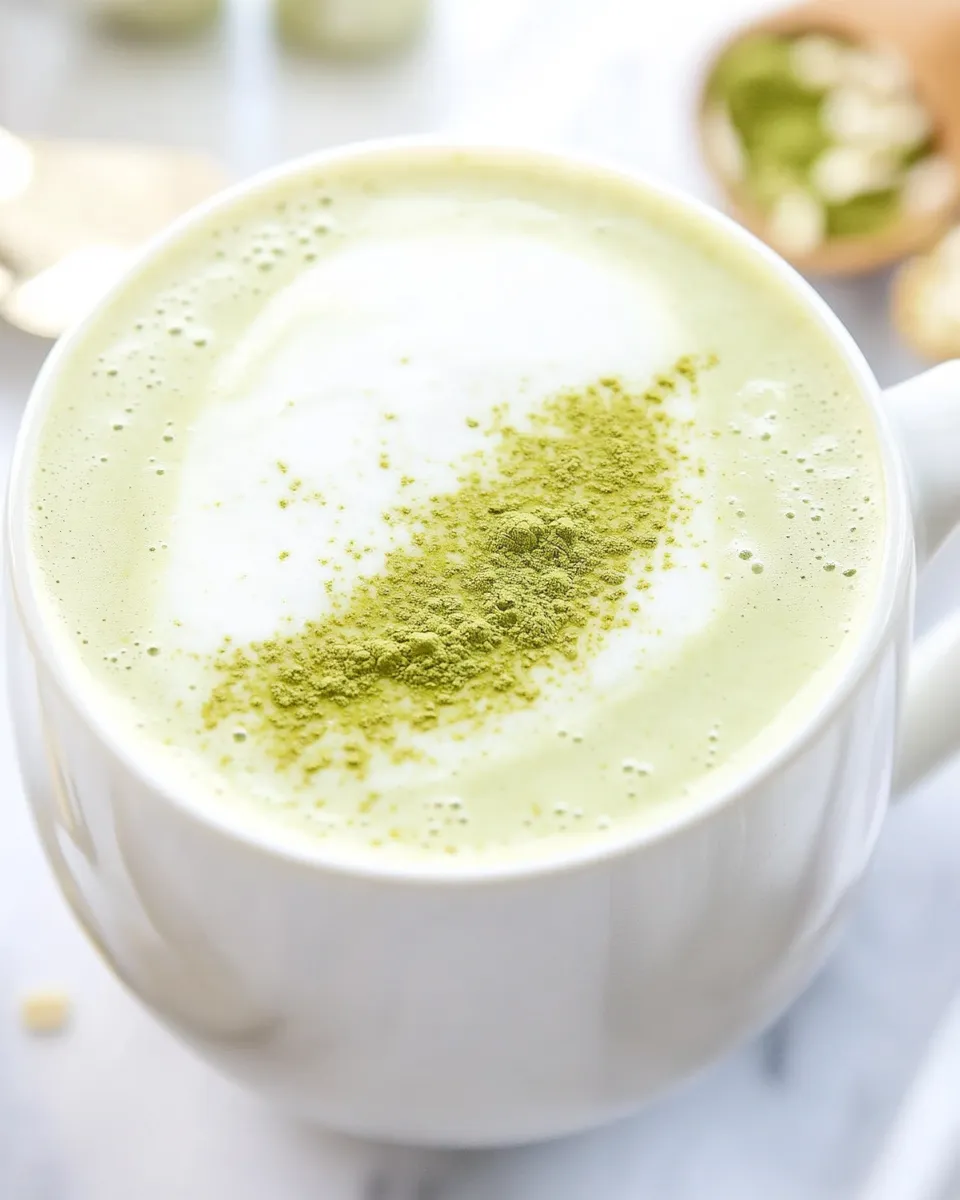
- 1 teaspoon matcha tea powder, ceremonial grade — provides the vibrant flavor and color; use ceremonial grade for the cleanest taste and least bitterness.
- ¼ cup hot water (60 ml) — must be 80°C / 175°F, NOT BOILING; this is for blooming the matcha and creating a smooth paste without scorching the powder.
- ¾ cup almond milk (180 ml) — unsweetened and with a high fat content, warmed to 65°C / 150°F; fat helps create body and a better foam with almond milk.
Almond Milk Matcha Latte Cooking Guide
- Measure 1 teaspoon matcha into a wide-bottomed mug or bowl.
- Heat 1/4 cup (60 ml) hot water to 80°C / 175°F (not boiling) and heat 3/4 cup (180 ml) unsweetened, high-fat almond milk to 65°C / 150°F. Use a thermometer or a method you trust to reach these temperatures.
- Add a small amount of the 80°C / 175°F water (from the measured 1/4 cup) to the matcha to form a smooth paste.
- Whisk the paste vigorously with a bamboo whisk (or a small whisk) until there are no lumps and the mixture is smooth and lightly foamy.
- Pour the remaining hot water from the 1/4 cup into the matcha and whisk briefly to combine and create a thin layer of foam.
- Froth the warmed 3/4 cup almond milk with an electric milk frother (or another frothing method) until light and foamy.
- Pour the frothed almond milk over the matcha, holding back or spooning on foam as desired to finish.
Why You’ll Love This Recipe
This latte is bright, not cloying. Ceremonial matcha gives a grassy, umami finish that feels both energizing and soothing. Using unsweetened, high‑fat almond milk keeps the drink light but silky, and frothing transforms the milk into a creamy cloud that balances the concentrated matcha paste.
It’s fast. Once your water and milk are at the right temperatures, everything comes together in under five minutes. It’s also forgiving: a slightly different frother or whisk changes texture but rarely ruins the drink. For a dairy‑free coffee shop-style treat at home, this is one of the most reliable recipes I reach for.
Smart Substitutions
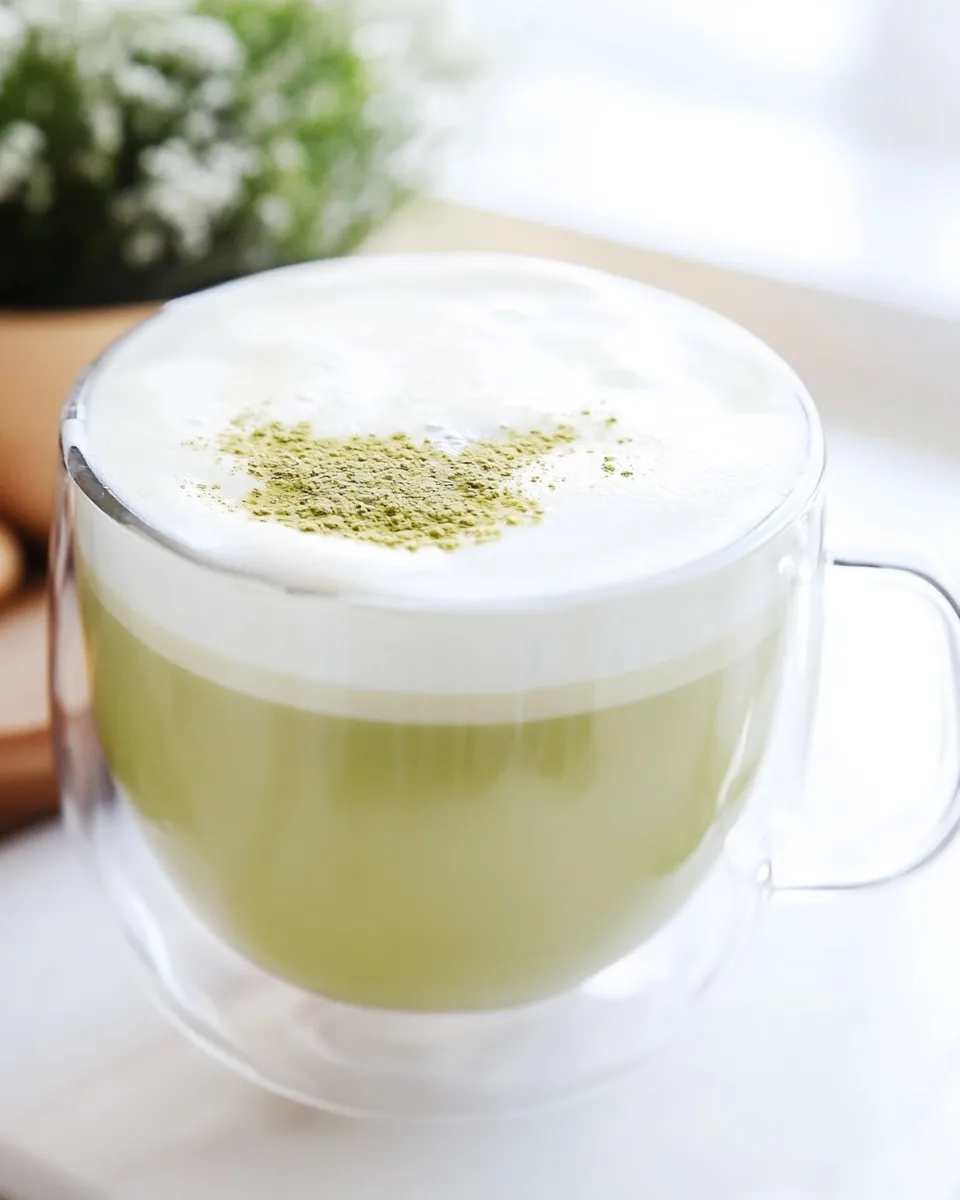
- Almond milk alternatives — if you don’t have high‑fat almond milk, try oat milk for creaminess or soy milk for slightly more protein. Be aware foaming behavior changes by brand and fat content.
- Matcha grade — the recipe specifies ceremonial grade for flavor clarity. If you only have culinary matcha, expect a slightly more bitter or cooked taste; you can soften it with a tiny touch of sweetener.
- Frothing options — no electric frother? Use a small French press to pump air into warm milk, or shake milk vigorously in a sealed jar then strain into the cup. You’ll still get foam, just less stable.
Kitchen Gear Checklist
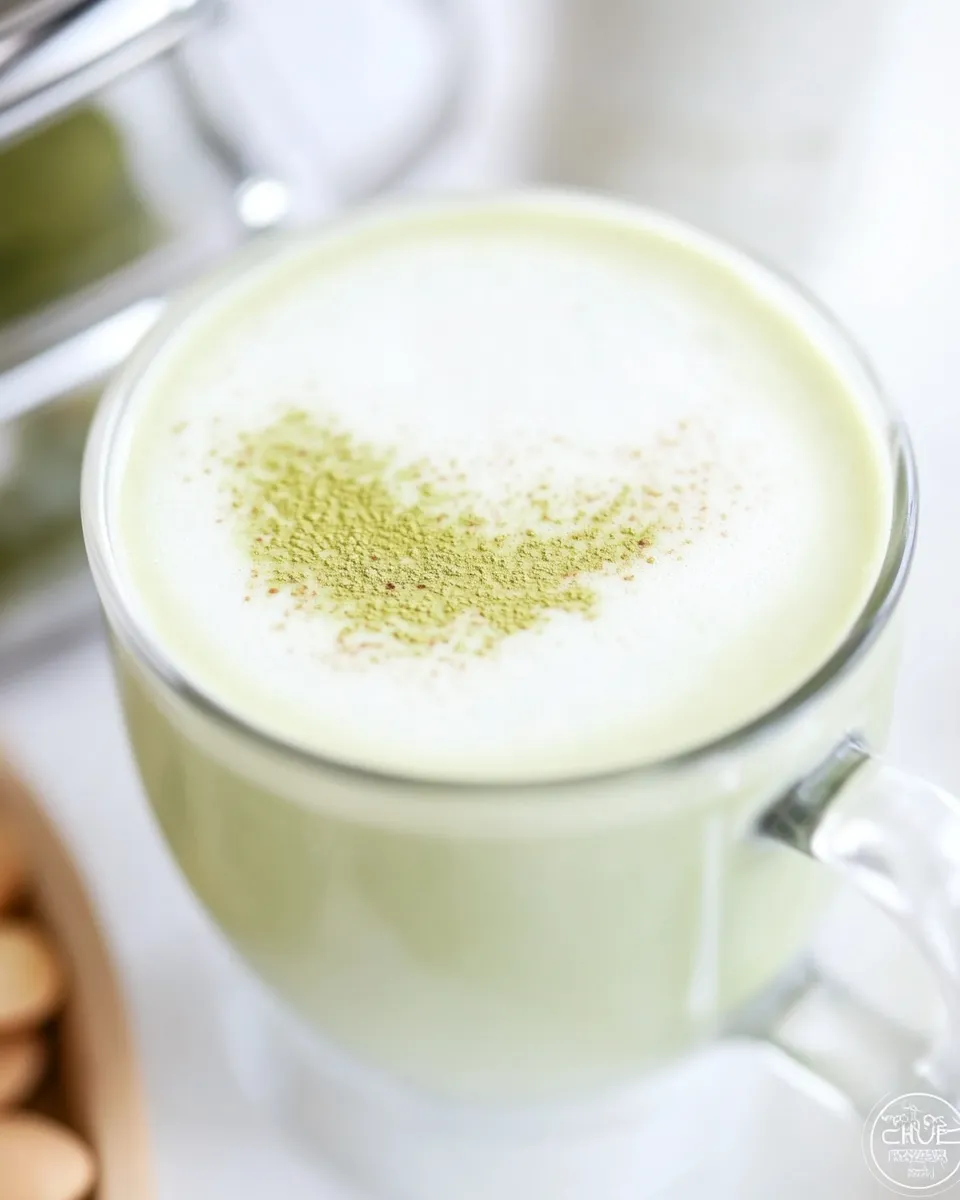
- Bamboo whisk (chasen) or small whisk — for smooth, lump-free matcha paste.
- Thermometer — to check water (80°C / 175°F) and milk (65°C / 150°F) temperatures accurately.
- Electric milk frother, handheld frother, or French press — for frothing warmed almond milk.
- Wide-bottomed mug or bowl — gives space to whisk the matcha without spilling.
- Measuring spoons and a small measuring cup — to measure 1 teaspoon and the 1/4 cup + 3/4 cup volumes.
Easy-to-Miss Gotchas
Temperature matters more than you might think. Boiling water will scorch matcha and create bitterness. If you don’t have a thermometer, bring water to a boil then let it sit off heat for about a minute to approach 80°C / 175°F, but a thermometer is the most reliable approach.
Almond milk brands vary widely. Some low-fat or unsweetened almond milks won’t froth well and can separate. The recipe asks for high‑fat unsweetened almond milk because the fat provides mouthfeel and helps the foam hold. If your almond milk separates, whisk briskly and pour immediately.
Whisking technique affects texture. Pressing the bamboo whisk too hard creates big bubbles; a light, fast “M” or “W” motion helps produce a fine, even foam. If you use a small metal whisk, aim for the same quick wrist motion to eliminate lumps.
Dietary Customizations
Vegan: This recipe is already dairy‑free. Use plant‑based sweeteners like maple syrup or agave if you want to sweeten; add them after you’ve combined the matcha and water so they dissolve evenly.
Less caffeine: Reduce matcha to 1/2 teaspoon for a subtler stimulant effect, or substitute with a roasted, caffeine‑free powder if you have one. Note that the flavor will be milder.
Keto / Low-carb: Keep the almond milk unsweetened and use a keto-friendly sweetener like erythritol or stevia if you want sugar-free sweetness. Be mindful that some sweeteners have aftertastes; add sparingly and taste as you go.
Author’s Commentary
I fell in love with matcha because it gives a clean kind of energy—focused rather than jittery. Once I started paying attention to temperature and the milk-to-matcha ratio, this latte became part of my morning routine. The ritual of whisking in a wide mug is oddly grounding. I almost always double the recipe when I’m serving another cup; it scales well, just keep the same relative temperatures.
Storage tip: keep matcha in an airtight container in the fridge to protect it from light and humidity. I buy small tins of ceremonial matcha and use them within a few weeks for the best color and aroma. If your matcha smells stale or looks dull, don’t force it—fresh powder makes a noticeable difference.
Refrigerate, Freeze, Reheat
Leftover frothed latte is best enjoyed immediately; foam collapses quickly. If you have leftover warmed almond milk, refrigerate it in a sealed container for up to 24 hours. Reheat gently—bring back to about 65°C / 150°F slowly on the stovetop or in short bursts in the microwave, then re-froth if you want foam.
Do not freeze prepared matcha lattes. Freezing changes the texture and can separate the milk. If you want to keep matcha on hand, freeze matcha ice cubes (very small amount of water and matcha) only if you plan to use them in cold drinks; avoid freezing almond milk mixtures.
Helpful Q&A
Q: Why 80°C / 175°F for the water?
A: That temperature is hot enough to dissolve matcha without burning it. Boiling water releases bitter compounds and can make the matcha taste harsh. Use a thermometer for precision; if you don’t have one, let boiling water cool for 45–60 seconds before using.
Q: Can I use a different milk temperature?
A: The recipe specifies 65°C / 150°F for almond milk because that temperature brings out creaminess and helps froth formation without scalding. Slight deviations are usually fine—if the milk is too hot it may thin slightly and lose some foam stability, and if too cool it won’t foam as well.
Q: What if my matcha is lumpy?
A: Start by sifting if you have a fine sieve. Use a wide-bottom bowl and add only a small amount of the hot water first to make a paste; whisk vigorously in a brisk motion until lumps disappear. A bamboo whisk is ideal for breaking up clumps.
Q: How much sweetness should I add?
A: That’s personal. I recommend tasting the matcha paste before adding milk and adding sweetener a little at a time. For reference, a teaspoon of honey or maple syrup will lightly sweeten one serving, but you can skip it entirely if you prefer a pure matcha taste.
Wrap-Up
This Almond Milk Matcha Latte is an easy, ritualistic way to enjoy ceremonial matcha at home. Keep to the temperatures, whisk the paste until smooth, and use a high‑fat almond milk for the best results. Once you get the rhythm—measure, bloom, whisk, froth, pour—you’ll have a reliable, elegant drink that’s as quick to make as it is satisfying.
Try it plain first so you can appreciate the matcha itself, then experiment with sweetness, milk types, or tiny flavor additions like a drop of vanilla if that’s your thing. It’s forgiving, fast, and a lovely little daily upgrade.
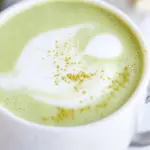
Almond Milk Matcha Latte
Ingredients
Ingredients
- 1 teaspoonmatcha tea powderceremonial grade
- 1/4 cuphot water60 ml must be 80 C / 175 F, NOT BOILING
- 3/4 cupalmond milk180 ml unsweetened and with a high fat content, warmed to 65 C or 150 F
Instructions
Instructions
- Measure 1 teaspoon matcha into a wide-bottomed mug or bowl.
- Heat 1/4 cup (60 ml) hot water to 80°C / 175°F (not boiling) and heat 3/4 cup (180 ml) unsweetened, high-fat almond milk to 65°C / 150°F. Use a thermometer or a method you trust to reach these temperatures.
- Add a small amount of the 80°C / 175°F water (from the measured 1/4 cup) to the matcha to form a smooth paste.
- Whisk the paste vigorously with a bamboo whisk (or a small whisk) until there are no lumps and the mixture is smooth and lightly foamy.
- Pour the remaining hot water from the 1/4 cup into the matcha and whisk briefly to combine and create a thin layer of foam.
- Froth the warmed 3/4 cup almond milk with an electric milk frother (or another frothing method) until light and foamy.
- Pour the frothed almond milk over the matcha, holding back or spooning on foam as desired to finish.
Equipment
- 1bamboo whiskoptional
- 1electric milk frotheroptional
Notes
0.7g net carbs per matcha latte. Makes 1 cup (240ml).
**If you don't have the matcha whisk, press the matcha tea powder through a small sieve. This will help get rid of any clumps. Then, whisk vigorously using a ballon whisk.
***If you don't have the milk frother, blend the warm milk in a high speed blender or smoothie blender. A regular kitchen whisk will also create some foam.
Don't use boiling water. It scorches the matcha powder and ruins the taste. Also, i
f the milk is hotter than recommended, it will not become foamy.
Option to add a sugar free syrup or powdered sweetener to the drink. It's also nice to add a pinch of cinnamon or ground ginger.