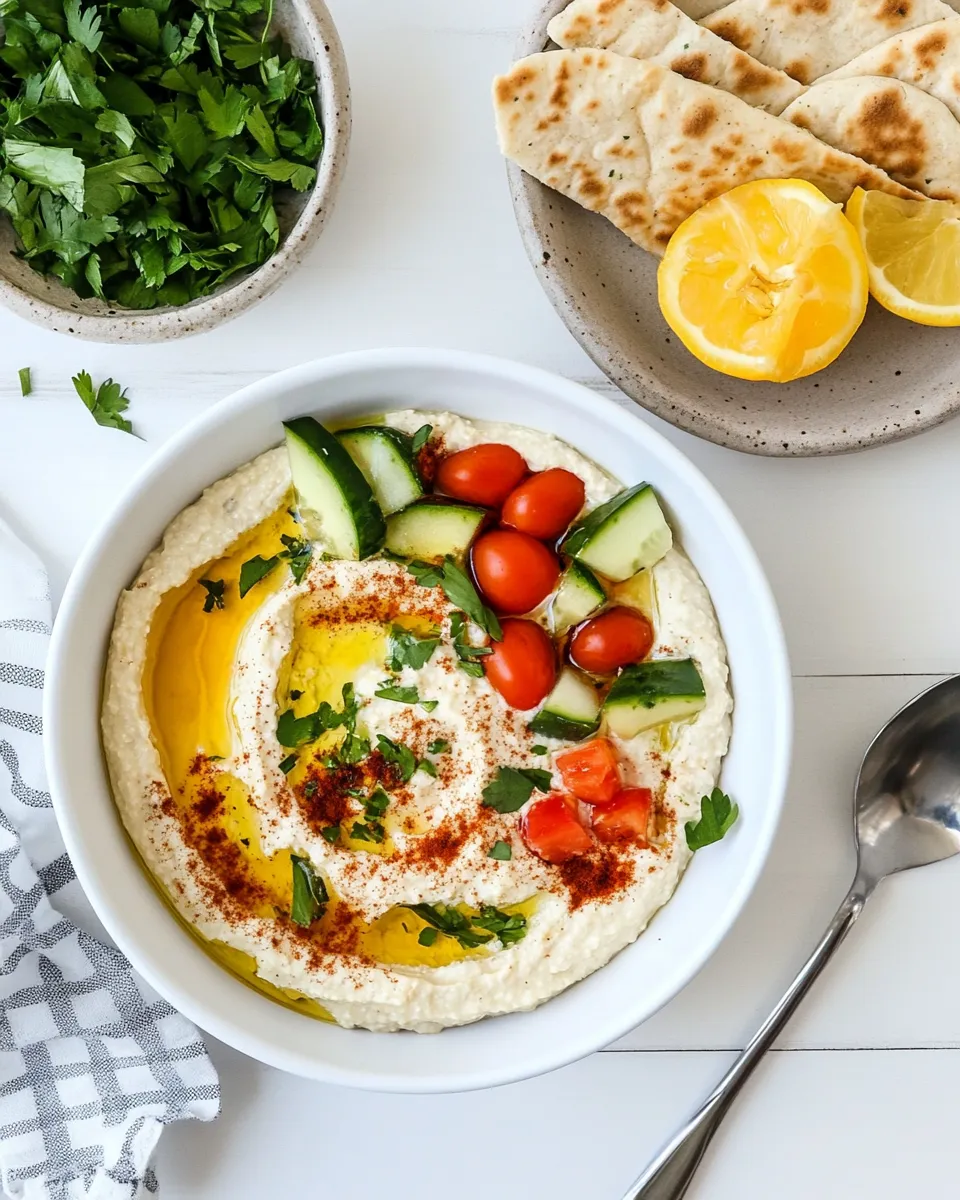
This is the baba ganoush recipe I come back to when I want something smoky, creamy, and entirely fuss-free. Roasting the eggplants until their skins blister gives a deep, slightly sweet char that pairs beautifully with lemon, garlic, and tahini. It’s simple, but it rewards patience.
Think of it as a spread that plays well with bread, veggies, grains, or as a cool counterpoint to rich mains. The steps are straightforward and forgiving; small adjustments to lemon or salt at the end let you tune it to your taste.
I’ll keep this practical: exact ingredients and the oven-first method you need, quick troubleshooting, and serving ideas so the dip leaves the bowl faster than it went in.
Ingredient List
- 2 medium eggplants — the base: roast until very soft so the flesh becomes smoky and silky.
- 3 tablespoons tahini — adds creaminess and a subtle sesame backbone to balance the eggplant.
- 2 cloves garlic, pressed — gives savory bite; press or finely grate for even distribution.
- 1 lemon, juiced — brightens and lifts the dip; add gradually to taste.
- 1 teaspoon kosher salt — seasons the whole dip; adjust after processing if needed.
- 1 teaspoon extra virgin olive oil — a finishing drizzle that adds fruitiness and sheen.
- paprika — garnish and mild warmth; sprinkle to taste.
- mint, parsley or cilantro — fresh herbs for garnish and a lift of color and flavor.
Baba Ganoush: How It’s Done
- Preheat the oven to 450°F. Use a sharp knife to poke several holes in each eggplant so the skin doesn’t burst while roasting. Place the 2 medium eggplants on a baking sheet (lining with foil is optional) and roast for about 30 minutes, turning once halfway, until the skin is blistered and the flesh is very soft.
- Remove the eggplants from the oven and let them cool until they are easy to handle.
- Cut each eggplant in half lengthwise and use a spoon to scoop the flesh into a bowl, discarding the skins and any excess seeds.
- Transfer the eggplant flesh to a blender or food processor. Add 3 tablespoons tahini, 2 cloves garlic (pressed), the juice of 1 lemon, and 1 teaspoon kosher salt.
- Process until smooth (or to your desired texture). Taste and adjust if desired by adding more lemon juice or kosher salt.
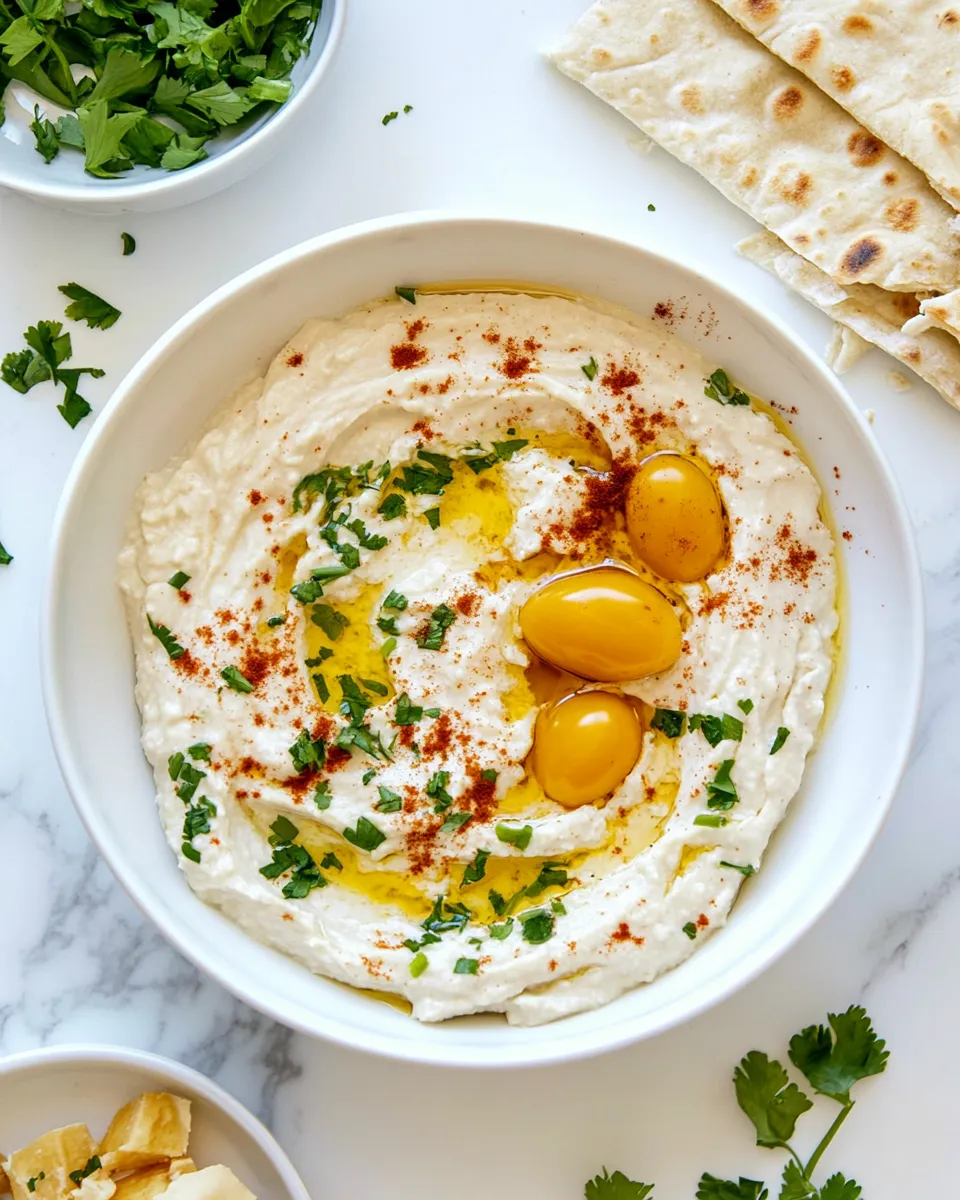
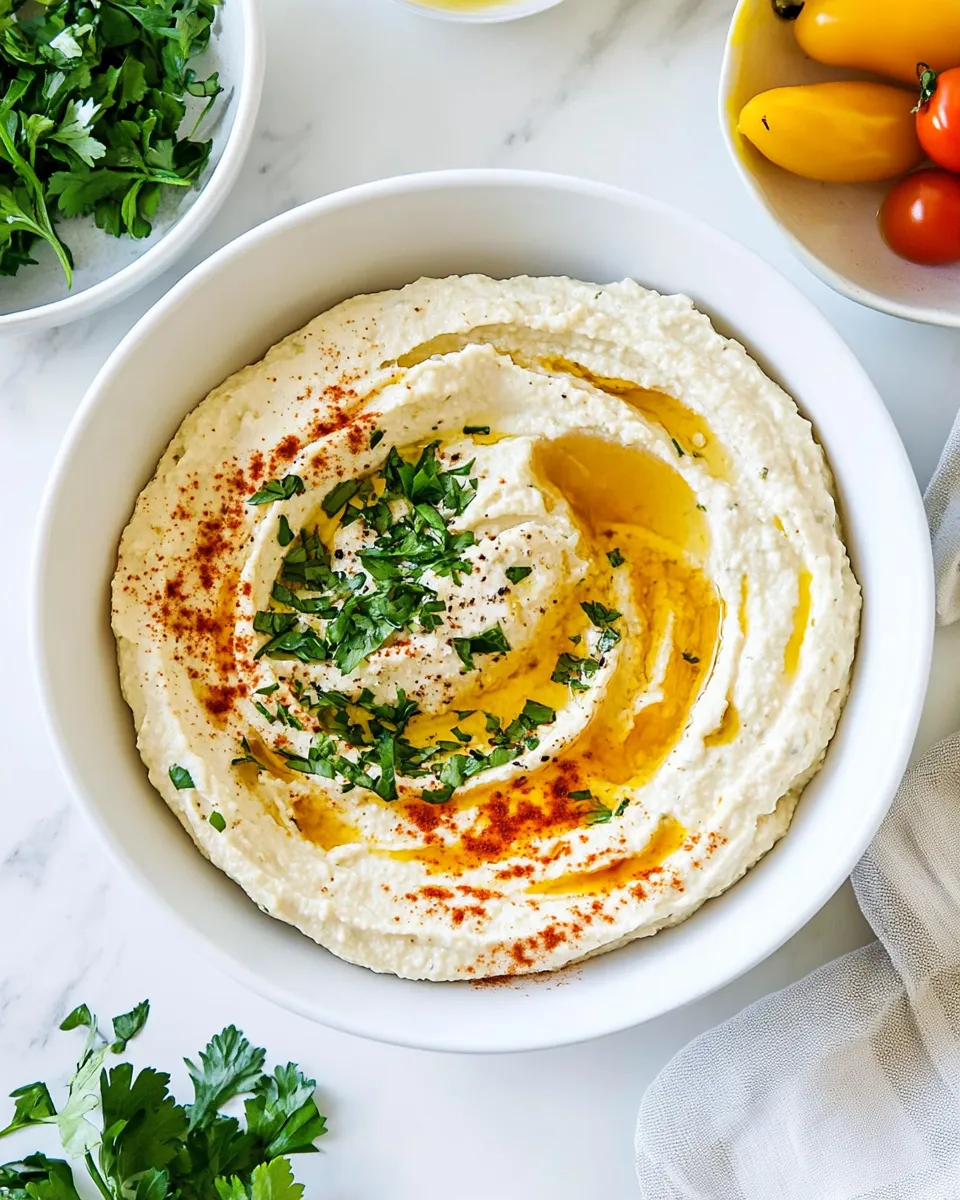
- Spoon the baba ganoush into a serving bowl and smooth or create a shallow swirl with the back of the spoon.
- Drizzle 1 teaspoon extra virgin olive oil over the top, sprinkle paprika to taste, and garnish with minced mint, parsley, or cilantro.
- Serve immediately.
Why Baba Ganoush is Worth Your Time
It’s the kind of recipe that looks and tastes like you put in a lot more effort than you actually did. Roasting builds a deep, smoky flavor that you can’t get from steaming or microwaving. The tahini rounds out the texture so the dip isn’t thin or watery; it becomes glossy and scoopable.
Beyond flavor, it’s resilient to small mistakes. Burn the skin a touch? No problem — scrape out the flesh and use the char for complexity. Too sharp from the garlic or lemon? A little more tahini or a quick whisk of olive oil calms it. It’s fast enough for weeknight snacks and handsome enough for guests.
Swap Guide
Keep the method the same and make small swaps depending on what you have or dietary needs:
- Eggplant cooking method: If you want a more pronounced char, grill the whole eggplants over medium-high heat instead of roasting. The timing will vary, but you’re looking for a fully collapsed, soft interior and blistered skin.
- Herb garnish: The recipe lists mint, parsley, or cilantro — choose based on the flavor profile you prefer. Parsley keeps it bright and neutral; cilantro adds a fresher, slightly citrusy note; mint gives cooling contrast.
- Paprika finish: Smoked paprika emphasizes the roast; regular paprika adds color without additional smokiness. Use what you like.
- Tahini amount: You can reduce or increase the 3 tablespoons slightly to reach your desired creaminess, but keep in mind this is a primary flavor component.
Gear Up: What to Grab
- Baking sheet — to hold the eggplants in the oven.
- Sharp knife — to poke holes and halve the eggplants cleanly.
- Spoon — to scoop the roasted flesh.
- Blender or food processor — for a smooth, even texture; pulse for chunkier dip.
- Citrus juicer or small fork — to juice the lemon efficiently.
- Mixing bowl and serving bowl — a heatproof bowl to collect flesh and a shallow serving bowl for presentation.
Slip-Ups to Skip
Small errors are easy to fix, but these common slip-ups are worth avoiding:
- Underroasting the eggplant: If the flesh isn’t very soft, the dip will be grainy. Roast until it collapses and becomes tender — about 30 minutes at 450°F as the recipe says.
- Leaving too many seeds: If the eggplant is overly seedy, scoop gently and discard excess seeds to keep texture smooth.
- Over-blending: If you want a bit of texture, don’t run the processor until completely liquid. Stop when it’s to your preferred consistency.
- Adding salt too early: Blend once with the listed salt, then taste. Salt can become more pronounced after resting, so fine-tune at the end.
Better-for-You Options
Baba ganoush is already a vegetable-forward, plant-based dish, but here are small tweaks if you’re watching calories or sodium:
- Reduce tahini slightly to lower fat and calories; use more lemon to compensate for flavor and creaminess perception.
- Use the listed 1 teaspoon of extra virgin olive oil just as a finishing flourish and omit any additional oil during processing.
- Cut sodium by using less than the 1 teaspoon of kosher salt, then let people season their own portion at the table.
- Bulk it up for a lighter spread by stirring in grated cucumber or finely chopped roasted peppers at the end — both add volume with minimal calories.
Testing Timeline
Here’s a realistic timeline to follow so you can plan around the oven and serving:
- Active prep time: 5–10 minutes (poking holes, placing the eggplants on a sheet).
- Roasting: about 30 minutes at 450°F, turning once halfway.
- Cooling: 10–20 minutes until the eggplants are easy to handle — this depends on how hot you like things. Cooling also makes scooping cleaner.
- Processing and finishing: 5 minutes to blend, taste, and garnish.
- Total time: roughly 50–65 minutes from start to finish.
Storing, Freezing & Reheating
Store baba ganoush in an airtight container in the refrigerator for up to 4–5 days. If it looks a touch drier after sitting, stir in a few drops of water or a small spoon of extra virgin olive oil to restore creaminess.
Freezing is possible but changes the texture slightly; the tahini and eggplant can separate a bit. If you must freeze, transfer to a freezer-safe container, leaving a little headspace, and freeze for up to 3 months. Thaw in the refrigerator overnight and re-whip in a blender to re-emulsify before serving.
Reheating isn’t necessary or recommended — baba ganoush is best served at room temperature or slightly chilled. If you prefer it warm, gently bring it to room temperature and serve; avoid microwave reheating, which can make it watery.
Baba Ganoush Q&A
Q: My baba ganoush is bitter. What happened?
A: Bitterness usually comes from undercooked eggplant or very mature, seedy fruit. Roast until very soft; discard any bits that taste overly bitter or have a lot of seeds.
Q: Can I make this ahead?
A: Yes. Make it a day ahead. Flavors meld nicely overnight. Bring to room temperature and stir or re-whip gently before serving.
Q: I don’t have a food processor. Can I mash by hand?
A: You can scoop the flesh into a bowl and mash with a fork or potato masher for a chunkier dip. It won’t be as silky, but it will still be delicious.
Q: How do I get more smoky flavor without a grill?
A: Roast as directed at 450°F until the skin is well blistered; the longer you allow the exterior to char (without burning the flesh), the more smoke-like notes you’ll get. A quick finish under a broiler or a short pass over a gas flame can add extra char if you’re careful.
Serve & Enjoy
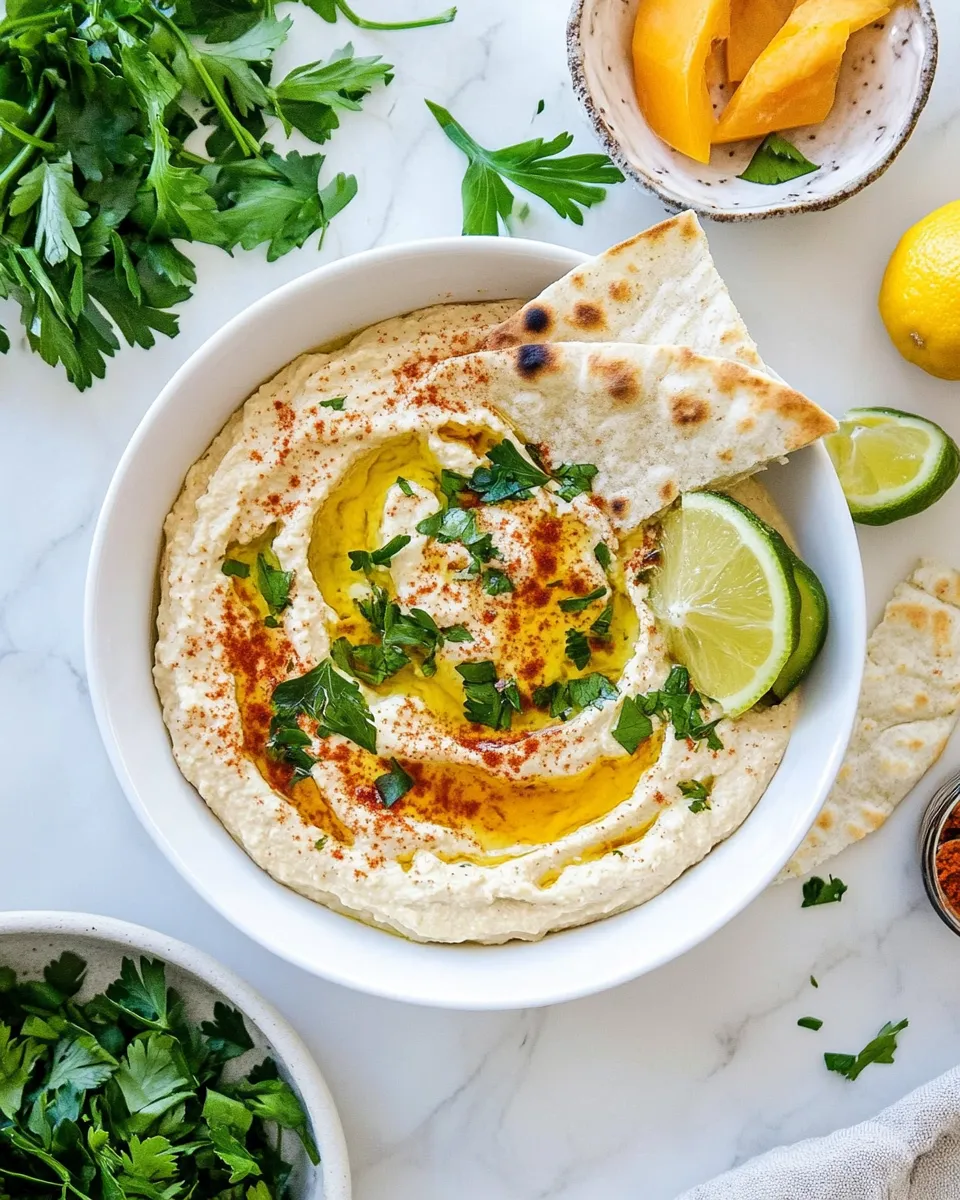
Spoon the baba ganoush into a shallow bowl, make a shallow swirl, and drizzle the teaspoon of extra virgin olive oil in the groove so every bite gets a little shine. Sprinkle paprika and scatter minced mint, parsley, or cilantro for color and freshness.
Serve with warm pita, toasted flatbread, crisp vegetables, or alongside grilled meats and grains. It’s flexible: use it as a sandwich spread, a topping for bowls, or a simple appetizer with a scattering of toasted sesame seeds or chopped herbs.
Small final tip: taste before you garnish. If the smoked eggplant feels muted, a squeeze more lemon will brighten everything at once. Enjoy — and don’t be surprised if it disappears fast.
Baba Ganoush
Ingredients
Ingredients
- 2 mediumeggplants
- 3 tablespoonstahini
- 2 clovesgarlic pressed
- 1 lemon juiced
- 1 teaspoonkosher salt
- 1 teaspoonextra virgin olive oil
- paprika
- mint parsley or cilantro
Instructions
Instructions
- Preheat the oven to 450°F. Use a sharp knife to poke several holes in each eggplant so the skin doesn't burst while roasting. Place the 2 medium eggplants on a baking sheet (lining with foil is optional) and roast for about 30 minutes, turning once halfway, until the skin is blistered and the flesh is very soft.
- Remove the eggplants from the oven and let them cool until they are easy to handle.
- Cut each eggplant in half lengthwise and use a spoon to scoop the flesh into a bowl, discarding the skins and any excess seeds.
- Transfer the eggplant flesh to a blender or food processor. Add 3 tablespoons tahini, 2 cloves garlic (pressed), the juice of 1 lemon, and 1 teaspoon kosher salt.
- Process until smooth (or to your desired texture). Taste and adjust if desired by adding more lemon juice or kosher salt.
- Spoon the baba ganoush into a serving bowl and smooth or create a shallow swirl with the back of the spoon.
- Drizzle 1 teaspoon extra virgin olive oil over the top, sprinkle paprika to taste, and garnish with minced mint, parsley, or cilantro.
- Serve immediately.
Equipment
- Oven
- Baking Sheet
- foil (optional)
- Sharp Knife
- Spoon
- Mixing Bowl
- Blender or Food Processor