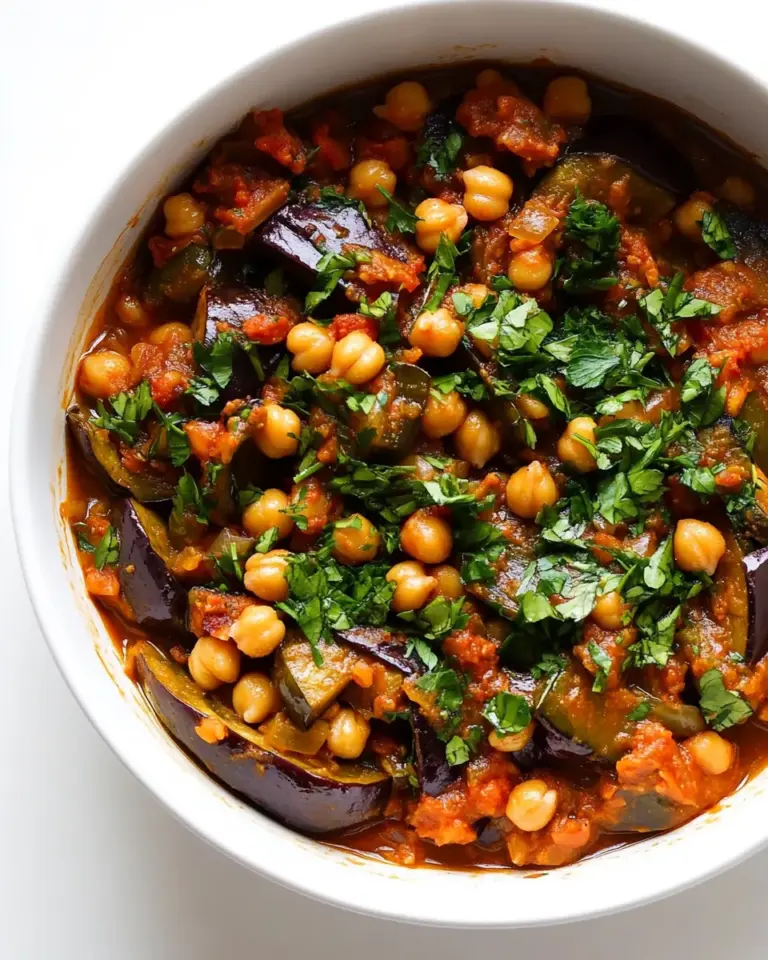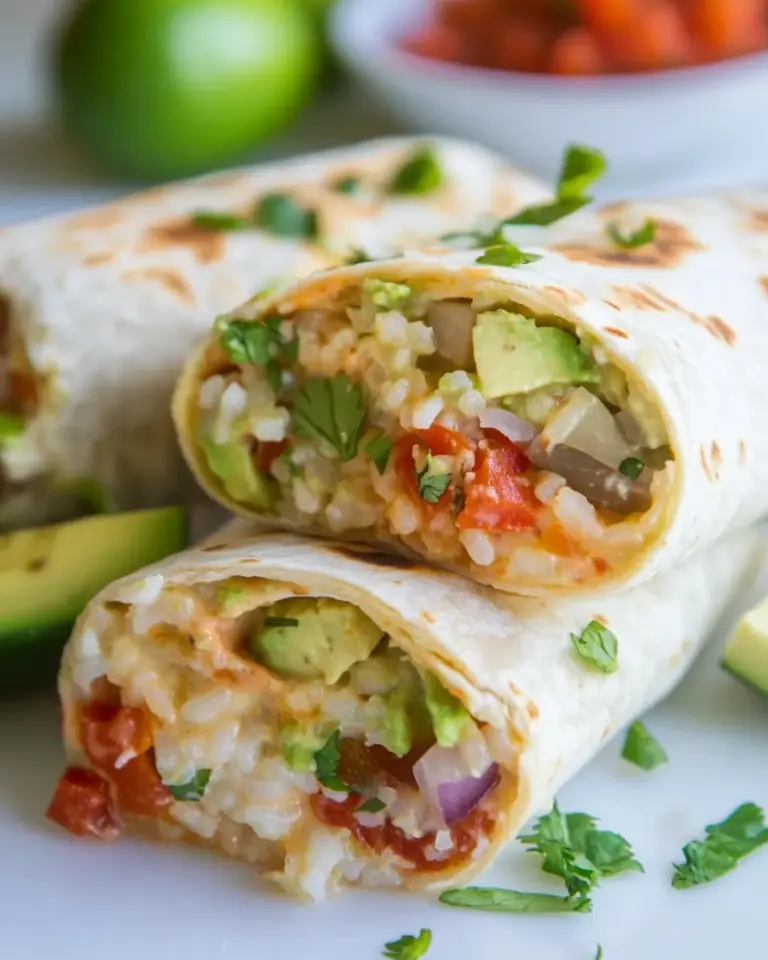

Roasting eggplants over a flame gives the dish an unmistakable smoky backbone, and when those charred, tender strands meet a simple sofrito of onion, pepper and tomato, the result is comforting and bright. This is a dish I turn to when I want something vegetarian that still feels deeply savory—perfect with crusty bread, rice, or as a filling for warm tortillas.
It’s forgiving in technique but precise in small things: don’t rush the roasting, and keep the heat low during the final simmer so the tomato and eggplant mingle without breaking down into mush. The recipe that follows is straightforward, uses pantry-friendly components, and rewards patience.
Below I’ll walk you through what goes in, why each element matters, smart swaps, common mistakes I see at home, and then the exact step-by-step directions so you can make it with confidence.
What Goes In

Ingredients
- 4 eggplant, medium (about 6 ounces [170 grams] each) — the star: roast whole to develop smoky flavor, then shred.
- 6 tablespoons olive oil, (see notes above the recipe) — for softening the aromatics and creating a glossy finish.
- 1 large red onion, minced — builds the sofrito base; cook until translucent.
- 1 bell pepper, diced — adds sweetness, texture, and color.
- 4 clove garlic, crushed — brightens the stew; add after the onion so it doesn’t burn.
- 1 ¼ teaspoons salt, or to taste — seasons the eggplant and pulls moisture during simmering.
- ½ teaspoon pepper, (freshly-cracked, or ground), or to taste — a subtle heat and aromatic lift.
- 1 cup tomato sauce, — binds the mixture and provides acidity to balance the richness.
- 1 tablespoon minced parsley — a fresh finish; sprinkle at the end for color and brightness.
Berenjena Guisada Cooking Guide
This recipe is built around two stages: intense, direct roasting to char the skins and add smoke, then a gentle stovetop stew to marry flavors. The first stage concentrates flavor and softens the eggplant flesh; the second adds aromatics and tomato so the final texture is a spreadable, fork-tender stew.
Timing notes: active hands-on time is modest—prepping and roasting take the longest. The simmer is short (7 minutes), so the bulk of the work is in preparing the eggplants and the sofrito. Keep heat controlled: flame roasting requires attention and tongs, while the skillet work should be done over low heat to avoid scorching.
Top Reasons to Make Berenjena Guisada
- Deep, smoky flavor with minimal ingredients—roasting does most of the work.
- Vegetarian and naturally gluten-free; pairs well with many mains or stands alone.
- Flexible: serve as a main, side, sandwich filling, or dip for bread.
- Comforting and satisfying without being heavy.
- Quick finish on the stovetop—simmer time is brief once the eggplant is ready.
Substitutions by Category

- Vegetable base: If you prefer a milder eggplant flavor, choose younger, smaller eggplants; they’ll roast and shred more tenderly.
- Fat: Olive oil is recommended for flavor and mouthfeel. If needed, a neutral oil can be used, though the flavor will be cleaner and less Mediterranean.
- Aromatics: Yellow or white onion will work instead of red; adjust cooking until translucent.
- Tomato component: Tomato sauce is straightforward and thick; crushed tomatoes can be used but will add a chunkier texture.
- Herbs: Parsley is bright and classic; substitute with cilantro or a small sprinkle of fresh oregano if you prefer a different aromatic profile.
Equipment & Tools

- Tongs — essential for safely turning eggplants on the flame.
- Heatproof bowl with a lid — for steaming and loosening charred skins after roasting.
- Sharp knife and cutting board — for trimming and dicing once cooled.
- Two forks — used to shred and mash the roasted flesh.
- Skillet (preferably 10–12 inch) — for the stovetop stew; wide surface helps even cooking.
- Spoon or spatula — for stirring during the sofrito and simmer stages.
Common Errors (and Fixes)
- Burning the aromatics: If onion or garlic browns too quickly, lower the heat and add a splash of oil; cook slowly until translucent.
- Under-roasted eggplant: If the skin isn’t fully blistered, the flesh will be firmer and less smoky—return to the flame and continue charring until evenly blackened.
- Watery final texture: If the stew seems thin, simmer uncovered a few minutes longer to reduce. Conversely, if too dry, add a tablespoon or two of water or tomato sauce.
- Too salty or bland: Taste before serving and adjust seasoning—eggplants absorb salt, so add gradually.
- Tough bits or seeds: Discard any fibrous cores or very large seeds when you shred—these can be bitter or unpleasant.
Better Choices & Swaps
- Choose firm, glossy eggplants: Avoid bruised or overly soft fruit—firmness indicates freshness and better texture after roasting.
- Use good olive oil: A decent extra-virgin olive oil makes the sofrito silkier and adds flavor; you don’t need top-shelf, but avoid off flavors.
- Fresh garlic when possible: Fresh crushed garlic gives brightness that dried garlic can’t fully replicate.
- Tomato sauce vs. fresh tomatoes: Tomato sauce keeps the stew cohesive; if using fresh tomatoes, peel and cook them down first for a similar result.
Behind-the-Scenes Notes
Flame-roasting is traditional for a reason: the direct contact with flame creates a charred skin that you peel away, leaving silky flesh with a smoky complexity. Covering the roasted eggplants traps steam, which helps the skin lift away cleanly when you peel. Don’t skip that rest—it makes peeling much easier.
Shredding with two forks gives a rustic texture that holds up in stews and sandwiches. If you prefer an almost puréed finish, mash more aggressively or pulse briefly in a food processor, but do so sparingly to avoid turning the mixture into a paste.
Keep It Fresh: Storage Guide
- Refrigerator: Store in an airtight container for up to 4 days. The flavor often improves after a day as the flavors meld.
- Freezer: Freeze in a shallow, airtight container for up to 2 months. Thaw overnight in the fridge and reheat gently.
- Reheating: Warm over low heat with a splash of water or oil to prevent sticking. Microwave on medium power in short intervals if needed.
- Serving after storage: Taste and adjust salt and pepper after reheating—seasoning can fade in the fridge.
Popular Questions
- Can I roast the eggplants in the oven instead of on the stove flame? Yes—roast at high heat or under the broiler until skins are well blistered, turning periodically. The smoke level will be lower than direct flame-roasting.
- Is this vegan? Yes—this recipe contains no animal products as written.
- Can I make this ahead? Absolutely—make a day ahead and refrigerate; flavors will deepen and the dish reheats well.
- What do you serve it with? Crusty bread, rice, roasted potatoes, or use as a spread in sandwiches and wraps.
Ready, Set, Cook
- Wash and pat the 4 eggplants dry and trim the stem ends.
- Place the whole eggplants directly on the flame of your stove. Using tongs, roast them, turning when the side on the flame has blackened; continue turning and roasting until the entire skin is evenly blackened and blistered.
- Immediately transfer the roasted eggplants to a bowl and cover with a lid. Let them rest, covered, until they have cooled to room temperature.
- Once cool, cut off any remaining stem ends (if needed), peel away and discard the charred skins, and discard any tough bits.
- Using two forks, shred and mash the eggplant flesh to your desired consistency. Set the shredded eggplant aside.
- Heat 6 tablespoons olive oil over low heat in a skillet. Add the 1 large minced red onion and cook, stirring, until the onion is translucent.
- Add the 1 diced bell pepper and the 4 crushed garlic cloves to the skillet and cook, stirring, for 1 minute.
- Add the shredded eggplant to the skillet and stir to combine. Season with 1 1/4 teaspoons salt (or to taste) and 1/2 teaspoon black pepper (or to taste).
- Stir in 1 cup tomato sauce, cover the skillet, and simmer over low heat for 7 minutes.
- Taste and adjust salt if necessary. Remove from the heat, sprinkle with 1 tablespoon minced parsley, and serve.

Berenjena Guisada (Roasted and Stewed Eggplants)
Ingredients
Ingredients
- 4 eggplant medium (about 6 ounces [170 grams] each)
- 6 tablespoonsolive oil (see notes above the recipe)
- 1 large red onion minced
- 1 bell pepper diced
- 4 clovegarlic crushed
- 1 1/4 teaspoonsalt or to taste
- 1/2 teaspoonpepper (freshly-cracked, or ground), or to taste
- 1 cuptomato sauce
- 1 tablespoonminced parsley
Instructions
Instructions
- Wash and pat the 4 eggplants dry and trim the stem ends.
- Place the whole eggplants directly on the flame of your stove. Using tongs, roast them, turning when the side on the flame has blackened; continue turning and roasting until the entire skin is evenly blackened and blistered.
- Immediately transfer the roasted eggplants to a bowl and cover with a lid. Let them rest, covered, until they have cooled to room temperature.
- Once cool, cut off any remaining stem ends (if needed), peel away and discard the charred skins, and discard any tough bits.
- Using two forks, shred and mash the eggplant flesh to your desired consistency. Set the shredded eggplant aside.
- Heat 6 tablespoons olive oil over low heat in a skillet. Add the 1 large minced red onion and cook, stirring, until the onion is translucent.
- Add the 1 diced bell pepper and the 4 crushed garlic cloves to the skillet and cook, stirring, for 1 minute.
- Add the shredded eggplant to the skillet and stir to combine. Season with 1 1/4 teaspoons salt (or to taste) and 1/2 teaspoon black pepper (or to taste).
- Stir in 1 cup tomato sauce, cover the skillet, and simmer over low heat for 7 minutes.
- Taste and adjust salt if necessary. Remove from the heat, sprinkle with 1 tablespoon minced parsley, and serve.
Equipment
- Tongs
- Skillet
- Bowl
- Lid
- Forks
- stove