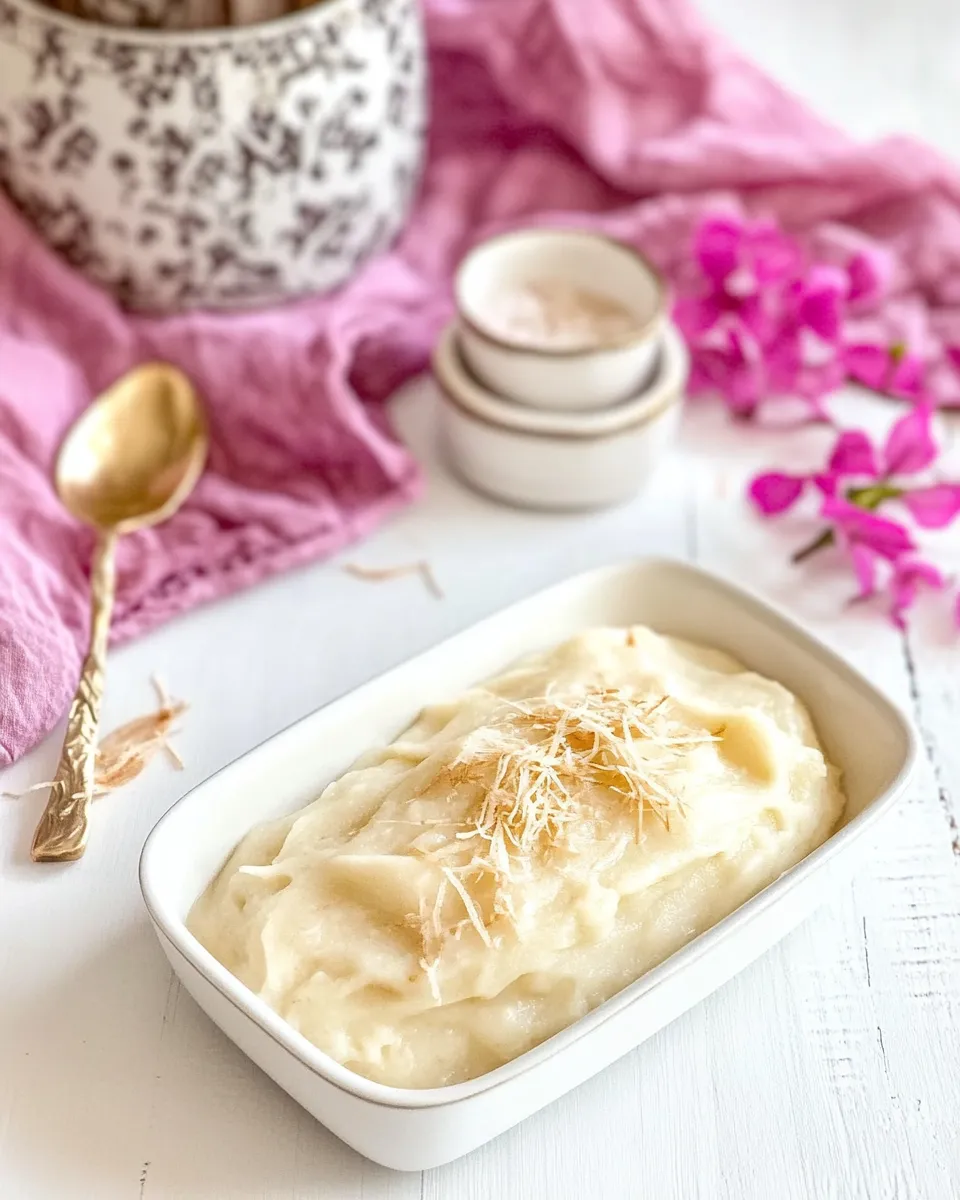
I fell in love with pure de yautía the first time my abuela served it alongside a bright, garlicky stew. It’s simple food: starchy, comforting, and forgiving. The recipe below is straightforward, and it’ll give you a smooth, creamy mash even if you don’t own fancy tools.
This version leans on pantry staples — butter, milk, garlic powder — and the distinctive, slightly nutty yautía (malanga) itself. The technique focuses on cooking until tender, draining well, and finishing while hot so the butter melts through and the milk blends in seamlessly.
I’ll walk you from a short shopping list to the exact steps, and then cover the small choices that make a big difference: texture options, serving ideas, and how to rescue a batch that isn’t quite right. No fluff, just practical tips you can use the first time you make it.
Shopping List
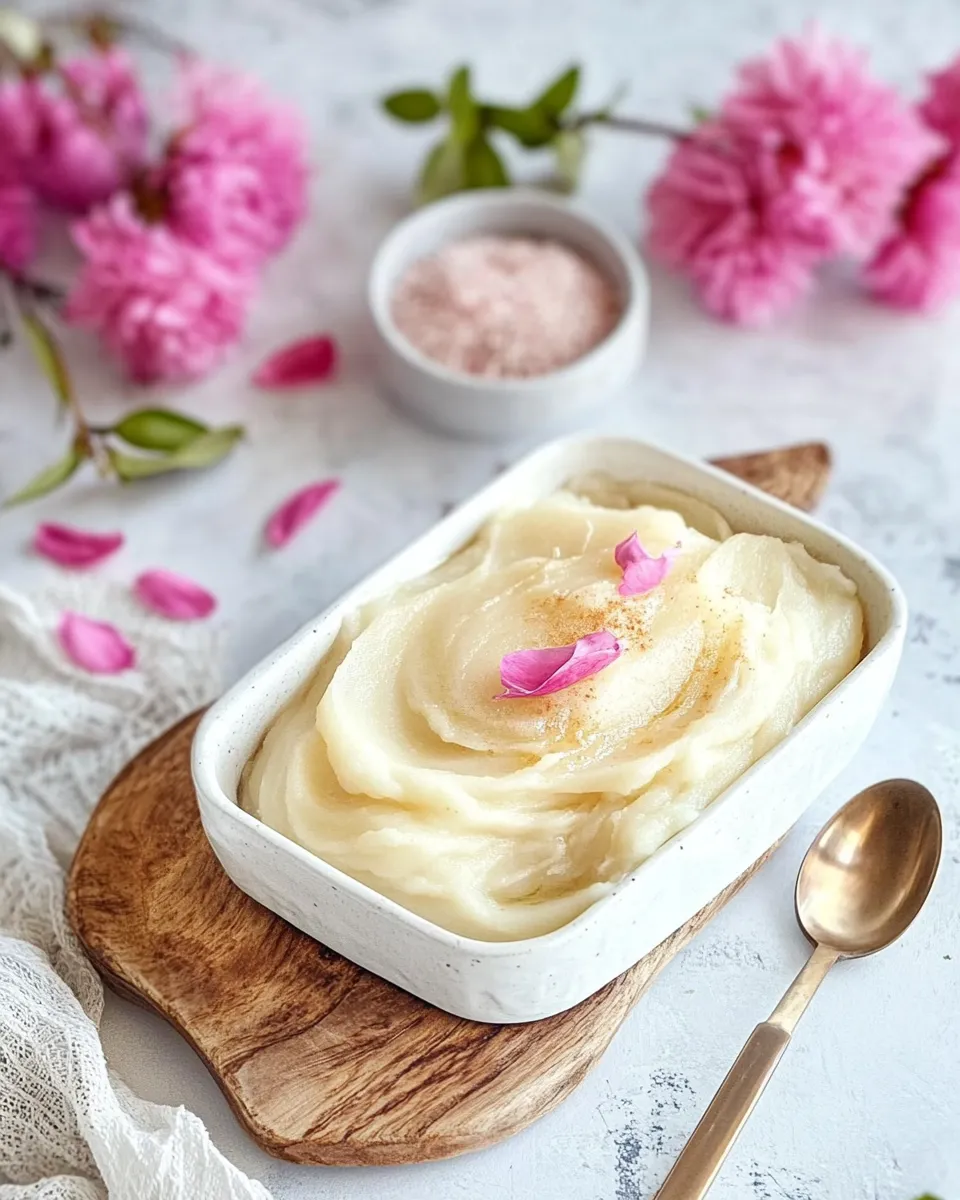
- Yautía (malanga) — the star root. Look for firm roots without soft spots.
- Salt — for cooking and final seasoning.
- Salted butter — gives richness and seasoning; you can adjust salt later if needed.
- Milk (whole or skim) — for creaminess and to loosen the mash.
- Garlic powder — the primary savory seasoning here.
- Dominican sauteed red onions (optional) — for a bright, tangy garnish if you like.
Ingredients
- 1½poundyautía,(malanga) [0.7 kg] — the root you’ll peel and boil; choose firm, evenly sized pieces for even cooking.
- 1tablespoonsalt,(plus more for seasoning at the end) — add to the cooking water to season from the inside out.
- ½sticksalted butter,(salted) [113 grams] — melts into the hot mash for richness and a silky mouthfeel.
- ¾cupmilk,(whole or skim) — loosens the puree; whole milk adds more flavor and creaminess.
- 1tablespoongarlic powder — delivers background savory garlic without chopping fresh cloves.
- Dominican sauteed red onions,(optional) — bright, tangy topping that adds color and a little crunch.
From Start to Finish: Pure de Yautia
- Peel the yautía with a potato peeler or paring knife, removing the thin brown skin. Chop the yautía into roughly 1–2 inch pieces and rinse under cold water.
- Place the rinsed yautía pieces in a pot and add enough water to cover them plus about 2 inches (5 cm). Add 1 tablespoon of the salt to the water.
- Bring the pot to a boil over high heat, then reduce the heat and simmer until the yautía is fork-soft when pierced (about 20–25 minutes).
- Drain the cooked yautía and discard the cooking water. Let the pieces sit in the colander for a minute to shed excess water.
- Return the drained yautía to the pot or a large bowl. For the smoothest texture, press the yautía through a potato ricer or food mill. If you don’t have one, mash thoroughly with a potato masher and then beat briefly with a sturdy spoon or hand mixer until smooth.
- Add the ½ stick salted butter to the hot mashed yautía and mix until melted and incorporated.
- Gradually stir in the ¾ cup milk until the mash reaches a smooth, creamy consistency.
- Stir in the 1 tablespoon garlic powder. Taste and add more salt if needed.
- Transfer to a serving dish, top with the Dominican sauteed red onions if using, and serve warm.
What Sets This Recipe Apart
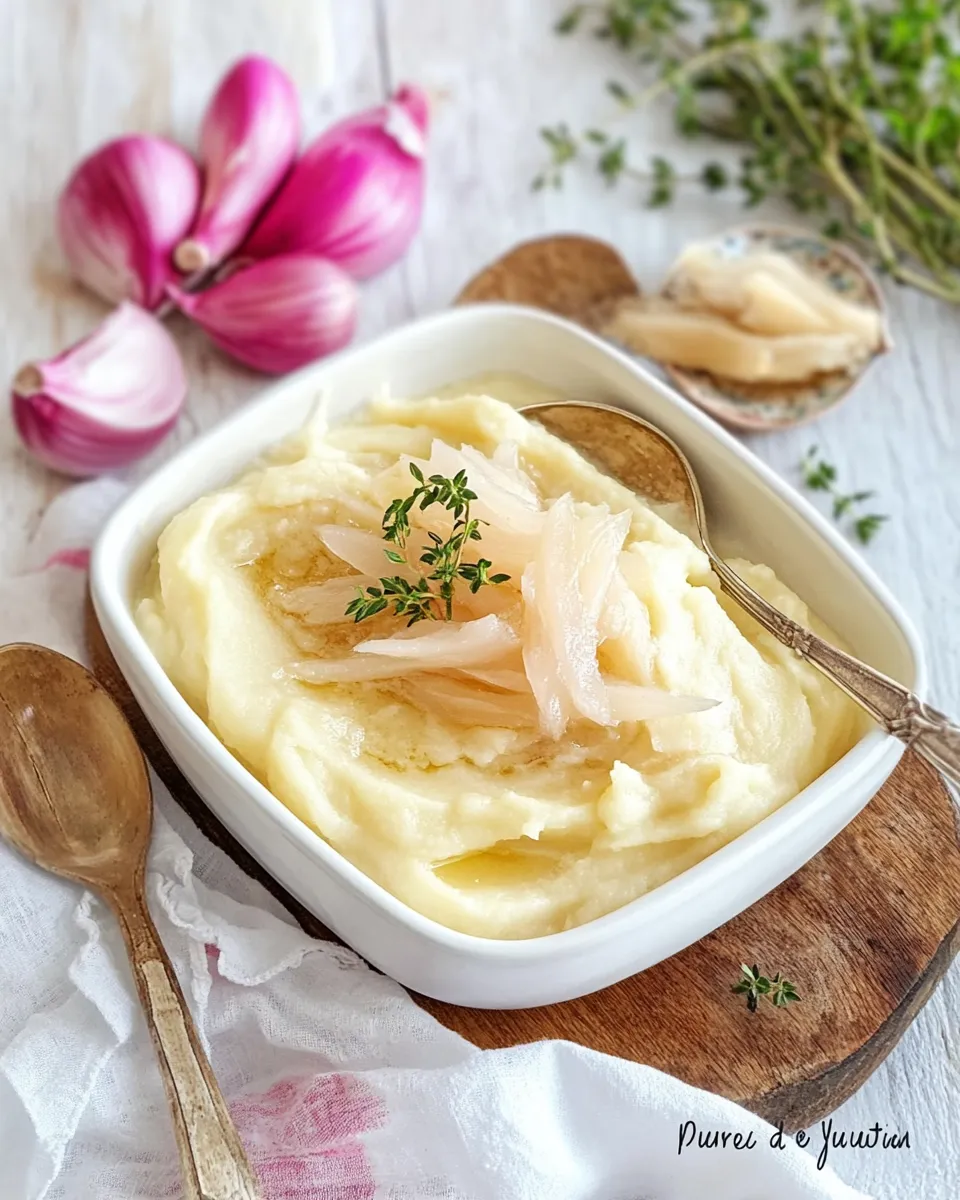
Pure de yautía has a drier, denser starch profile than mashed potatoes, which means it shines when you coax it into a silky texture. This recipe emphasizes two things: draining the cooked root well, and finishing the mash while still hot so the butter and milk emulsify into a uniform creaminess.
Using garlic powder instead of fresh garlic keeps the flavor even and distributed through the mash. The optional Dominican sauteed red onions are traditional in many homes; they bring acidity and texture that contrast beautifully with the smooth puree.
Budget & Availability Swaps
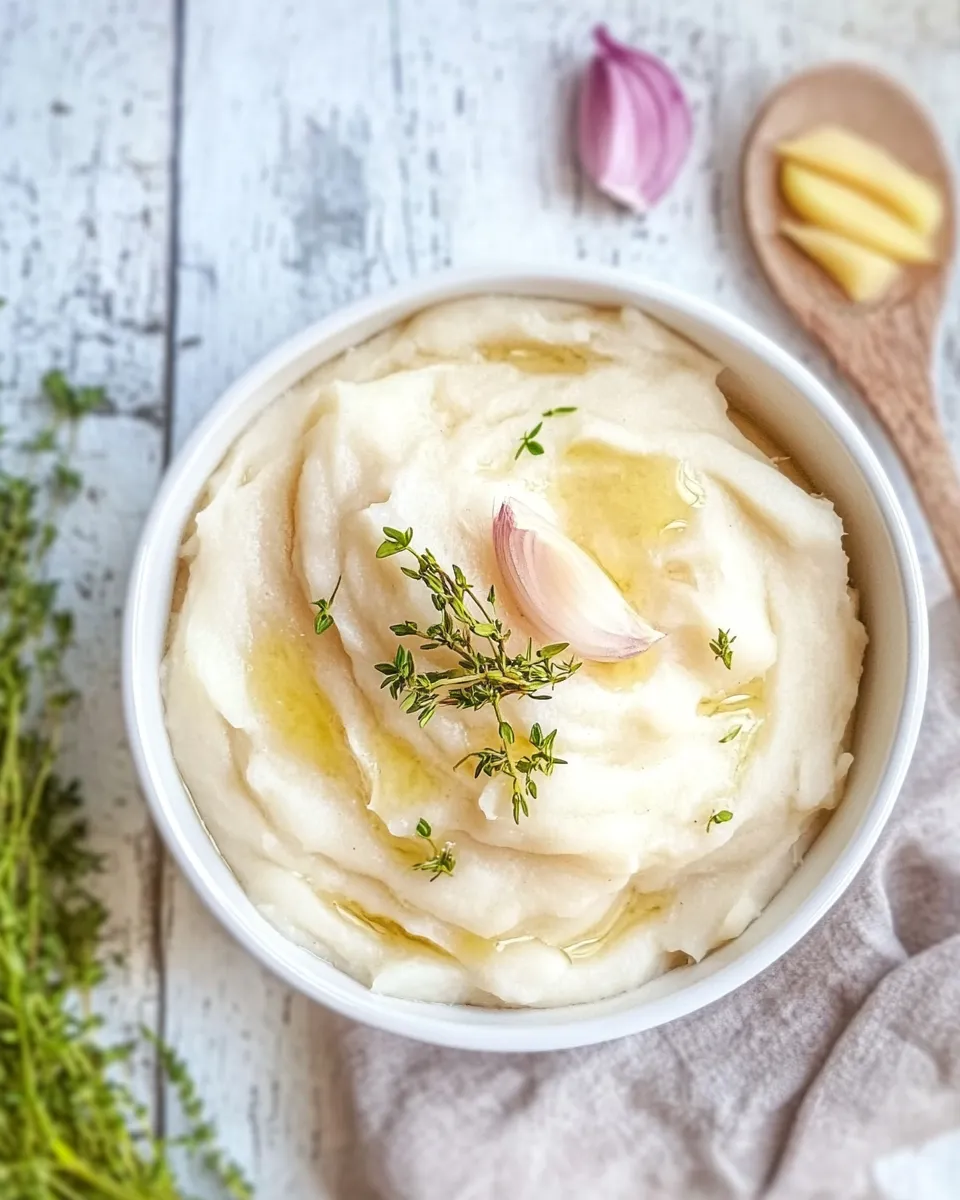
- Yautía availability — if you can’t find fresh yautía, check frozen malanga in Latin grocery stores. The texture will be close; adjust cooking time as needed.
- Butter — if salted butter is unavailable, use unsalted butter and add about 1/2 teaspoon salt to the mash, then taste and adjust.
- Milk — use any dairy milk you prefer. For a dairy-free option, unsweetened oat or almond milk will work; use slightly less because plant milks are thinner.
- Onions — if you can’t find Dominican sauteed red onions ready-made, quickly sauté thinly sliced red onion with a splash of vinegar and a pinch of sugar for a similar effect.
Tools & Equipment Needed
- Sharp peeler or paring knife — for peeling the yautía safely.
- Large pot — big enough to cover the yautía pieces with water plus space to boil.
- Colander — to drain cooked pieces well.
- Potato ricer or food mill (optional) — gives the silkiest, lump-free puree.
- Potato masher and sturdy spoon or hand mixer — good alternatives if you don’t own a ricer.
- Measuring cups and spoons — for precise amounts of butter, milk, and garlic powder.
Slip-Ups to Skip
- Under-peeling — yautía’s skin is thin but fibrous; leave skin bits and you’ll get strings in the mash. Peel fully.
- Overcrowding the pot — if pieces are too crowded, they cook unevenly. Cut pieces similar in size and use a pot with enough water.
- Skipping the drain — leaving cooking water clinging to the pieces dilutes flavor and makes the mash runny. Let them sit briefly in the colander after draining.
- Adding cold dairy — add milk gradually and preferably warm or room temperature so it doesn’t cool the mash and separate fats.
Seasonal Spins
Yautía is often available year-round in markets that carry tropical produce, but you can shift the finishing touches by season:
- Spring — fold in chopped herbs like scallions or cilantro at the end for a bright lift.
- Summer — top with fresh tomato salsa instead of sauteed onions for a lighter, fresher plate.
- Fall — stir in roasted garlic or browned butter for a deeper, nuttier flavor that complements the root’s earthiness.
- Winter — mix in a spoonful of cream cheese or crème fraîche for extra richness if serving with hearty stews.
What Could Go Wrong
Two common problems are grainy texture and bland flavor. Graininess usually comes from undercooking, poor mashing technique, or using cold milk. Blandness is almost always a seasoning issue — either not enough cooking salt or not enough finishing salt to lift the flavors.
To prevent graininess, cook until fork-tender and use a ricer or beat the mash while hot. To avoid blandness, taste at the end and add salt in small increments; garlic powder can be increased, but salt is the key.
Leftovers & Meal Prep
Storage
Cool the mash uncovered for 15–20 minutes, then transfer to an airtight container. Refrigerate for up to 3–4 days. For longer storage, freeze in portioned containers for up to 2 months. Press plastic wrap directly onto the surface to prevent a crust if refrigerating.
Reheating
To reheat, transfer to a saucepan and warm gently over low heat, adding a splash of milk and a small knob of butter to refresh creaminess. If microwave reheating, stir halfway through and add a teaspoon or two of milk per cup to keep the texture smooth.
Make-Ahead Tip
You can cook and mash the yautía a day ahead. Store chilled and finish with warm butter and milk before serving so the flavors and texture are at their best.
Troubleshooting Q&A
- Q: My puree is lumpy. How do I fix it?
A: If lumps remain after mashing, push the pieces through a potato ricer or food mill. If you only have a masher, beat briefly with a hand mixer on low while adding a little warm milk. - Q: It’s too salty. Can I save it?
A: If it’s only slightly too salty, add a small peeled, cooked potato or unsalted cooked yautía piece while mashing to absorb some salt, then adjust milk/butter. For heavily salted batches, dilute with unsalted cooked root or a neutral starch and rebalance seasonings. - Q: The mash tastes flat. What next?
A: Finish with a bit more salt and a squeeze of bright acid if you have it (a tiny splash of vinegar or lemon). A spoonful of browned butter also adds depth. - Q: My yautía turned stringy or fibrous.
A: That can happen if the root is old or under-peeled. Recut and remove any remaining skin fibers. If it’s still fibrous, consider using a food mill to separate the smoother flesh.
Let’s Eat
Serve Pure de Yautia warm as a side to richly sauced meats, stews, or simply alongside fried fish. Spoon Dominican sauteed red onions over the top for color and balance. A drizzle of olive oil or a few parsley leaves finishes it nicely.
This mash holds up well on a plate and will act as a soft, comforting counterpoint to spicy or acidic mains. It’s humble, resilient, and works whether you’re cooking for a weeknight dinner or a larger family meal. Enjoy — and remember that small adjustments to salt, butter, and milk will customize this dish to your taste.
Pure de Yautia (Mashed Malanga Root)
Ingredients
Ingredients
- 1 1/2 poundyautía (malanga) [0.7 kg]
- 1 tablespoonsalt (plus more for seasoning at the end)
- 1/2 sticksalted butter (salted) [113 grams]
- 3/4 cupmilk (whole or skim)
- 1 tablespoongarlic powder
- Dominican sauteed red onions (optional)
Instructions
Instructions
- Peel the yautía with a potato peeler or paring knife, removing the thin brown skin. Chop the yautía into roughly 1–2 inch pieces and rinse under cold water.
- Place the rinsed yautía pieces in a pot and add enough water to cover them plus about 2 inches (5 cm). Add 1 tablespoon of the salt to the water.
- Bring the pot to a boil over high heat, then reduce the heat and simmer until the yautía is fork-soft when pierced (about 20–25 minutes).
- Drain the cooked yautía and discard the cooking water. Let the pieces sit in the colander for a minute to shed excess water.
- Return the drained yautía to the pot or a large bowl. For the smoothest texture, press the yautía through a potato ricer or food mill. If you don’t have one, mash thoroughly with a potato masher and then beat briefly with a sturdy spoon or hand mixer until smooth.
- Add the ½ stick salted butter to the hot mashed yautía and mix until melted and incorporated.
- Gradually stir in the ¾ cup milk until the mash reaches a smooth, creamy consistency.
- Stir in the 1 tablespoon garlic powder. Taste and add more salt if needed.
- Transfer to a serving dish, top with the Dominican sauteed red onions if using, and serve warm.
Equipment
- Pot
- Colander
- potato ricer or food mill
- Potato Masher
- hand mixer (optional)
- sturdy spoon