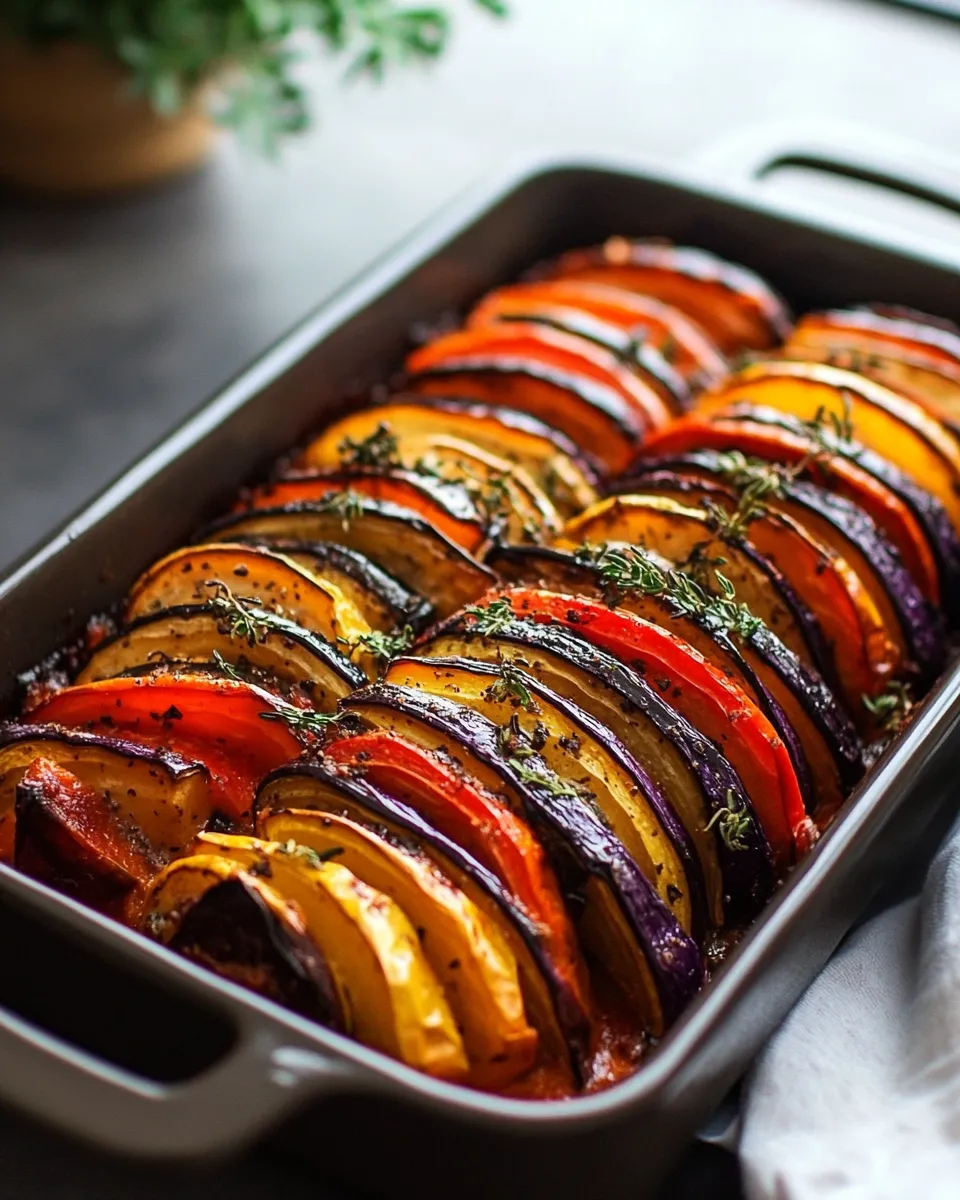
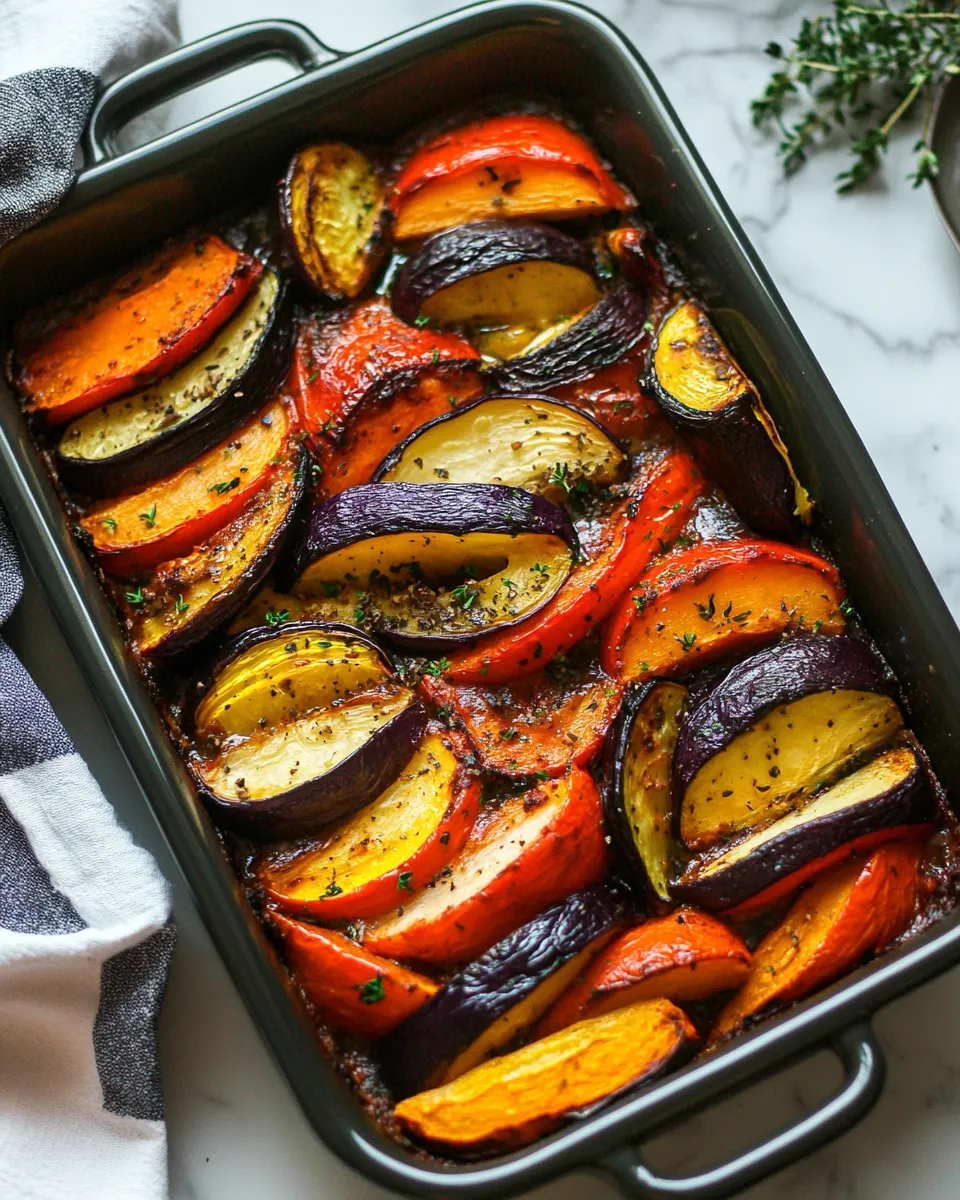
Briam is the kind of dish I turn to when I want something honest, vegetable-forward, and forgiving. It’s a layered, olive-oil-rich bake that sings in late summer when tomatoes, zucchini, and eggplant are at their best. The recipe below is straightforward: slice, toss, layer, and roast — and the oven does most of the work.
I cook briam for weeknight dinners and for weekends when friends stop by unannounced. It’s naturally vegetarian and easily vegan, and it pairs beautifully with a slab of crusty bread, feta on the side, or a simple green salad. The texture ranges from tender and saucy to browned and caramelized, depending on how long you let it roast at the end.
Be practical about prep: cut uniformly so everything cooks evenly, use good olive oil, and give it a 20-minute rest after baking so the juices settle. Below you’ll find the exact ingredient list and step-by-step directions, plus tips for variations, tools, troubleshooting, and storage.
Gather These Ingredients
- 1 large potato — sliced into rounds; provides starch and soaks up tomato and olive oil for body.
- 1 eggplant — sliced into rounds; adds meaty texture and absorbs flavor (salt it ahead if very bitter).
- 1 zucchini — sliced into rounds; gives a tender, fresh contrast to the other vegetables.
- 1 medium red onion — sliced into half-moons; adds sweetness and sharpness that softens with roasting.
- 1 large tomato — sliced into rounds; fresh tomato layers enhance brightness and moisture.
- ½ cup (120 ml) extra virgin olive oil — the primary cooking fat; choose a good, fruity oil for flavor.
- 1 clove garlic — minced; delivers background savory heat without overpowering the vegetables.
- 1 teaspoon dried oregano — brings classic Mediterranean aroma and ties the tomato and olive oil together.
- ½ teaspoon salt — seasons the vegetables; adjust to taste but don’t skimp.
- ¼ teaspoon ground black pepper — for a gentle kick and seasoning balance.
- 1 14.5 oz can (400 g) tomato sauce or passata — spreads under the vegetables as a saucy base and prevents sticking.
- 3 sprigs thyme — tucked among the vegetables for subtle herbal notes as they roast.
Build Briam Step by Step
- Preheat the oven to 390°F (200°C). Have a 9×13-inch (or similar) oven-proof baking dish ready.
- Slice the vegetables: cut 1 large potato, 1 eggplant, 1 zucchini, and 1 large tomato into rounds; slice 1 medium red onion into half-moons. Mince 1 clove garlic.
- In a large mixing bowl combine the sliced vegetables, the minced garlic, 1 teaspoon dried oregano, ½ teaspoon salt, ¼ teaspoon ground black pepper, and all of the ½ cup (120 ml) extra virgin olive oil. Toss gently so the vegetables are evenly coated.
- Pour the 14.5 oz can (400 g) tomato sauce (or passata) into the bottom of the prepared baking dish and spread into an even layer.
- Arrange the seasoned vegetables on top of the tomato sauce in rows or overlapping layers. Tuck the 3 thyme sprigs among the vegetables. If any oil or seasoning remains in the bowl, pour it over the arranged vegetables.
- Cover the baking dish with foil (tent slightly so it does not press down on the vegetables).
- Bake covered for 30 minutes. After 30 minutes, remove the foil and check the potatoes by piercing a potato slice with a fork or knife to confirm they are tender.
- If the potatoes are tender, return the dish to the oven uncovered and roast for 20 minutes to reduce the liquid and begin browning the vegetables. If the potatoes are not yet tender, continue baking uncovered, checking every 5–10 minutes until tender, then roast until the liquid has reduced and the vegetables begin to brown.
- Optional: for additional browning/crisping, place the dish under the broiler for up to 5 minutes—watch closely to prevent burning.
- Remove from the oven and allow the briam to cool for about 20 minutes before serving.
Why This Recipe is a Keeper
This briam recipe is reliable because it balances simplicity with layered flavor. The tomato sauce on the bottom keeps the dish moist and gives a saucy backbone; the olive oil and oregano infuse every slice with classic Mediterranean notes. The combination of starchy potato, meaty eggplant, and tender zucchini creates contrasting textures that make each forkful interesting.
It’s also forgiving. The olive oil protects the vegetables during baking, and the covered-then-uncovered method ensures everything cooks through before you concentrate on browning. You can scale it up or down in a similarly sized pan, and it travels well to potlucks — served warm or at room temperature it still tastes great.
Low-Carb/Keto Alternatives
- Swap the potato for thinly sliced cauliflower steaks or large slices of turnip to cut carbs; they need similar roasting time when sliced thinly.
- Reduce the tomato sauce by half and use a richer passata or add concentrated tomato paste for flavor without extra liquid if you’re watching carbs — but watch roasting time and texture.
- Keep the olive oil — fats are welcome in keto. Increase thyme or oregano for extra aroma without adding carbs.
Essential Tools for Success
- 9×13-inch (or similar) oven-proof baking dish — ensures even roasting and matches the recipe’s volume.
- Sharp chef’s knife or mandoline — for uniform slices so everything finishes at the same time.
- Large mixing bowl — for combining vegetables, oil, and seasonings without crowding.
- Aluminum foil — for covering the dish during the initial baking stage to trap moisture.
- Oven mitts and a sturdy spatula or tongs — for safe handling and serving when the dish is hot.
- Optional: oven thermometer and instant-read fork/knife — to confirm oven accuracy and potato tenderness.
What Not to Do
- Don’t slice the vegetables unevenly. Thick potato rounds will lag behind thin zucchini and leave you with undercooked starch.
- Don’t skip the initial covered bake. Removing the foil too early can dry the dish and prevent the potatoes from becoming tender.
- Don’t overcrowd the pan. Aim for a single layer or slightly overlapping arrangement so heat reaches each piece.
- Don’t use a low-quality olive oil with off flavors; the oil is a main taste component here.
- Don’t forget to let it rest ~20 minutes after baking. Cutting into it immediately will release the juices and make serving messier.
In-Season Flavor Ideas
Briam is inherently seasonal. Late summer works best because tomatoes, zucchini, and eggplant are ripe and flavorful. That said, you can adapt flavors according to what’s at peak in your market.
Try adding thin slices of bell pepper or small fennel bulbs in late summer for extra aroma. In autumn, mix in thinly sliced carrots or parsnips for sweetness. In spring, a handful of fresh basil or flat-leaf parsley added after baking brightens the whole dish. For a sharper finish, top with lemon zest just before serving.
If You’re Curious
Serving suggestions: Serve briam warm or at room temperature. It’s lovely with crumbled feta or yogurt on the side, or with grilled fish or roasted chicken for a heartier meal. For a full vegetarian spread, pair with a simple lentil salad and olives.
Make-ahead: You can assemble the dish a few hours ahead and keep it covered in the fridge; bring it to room temperature before baking. Leftovers: refrigerate in an airtight container for up to 4 days.
Save It for Later
- To freeze: cool completely, transfer to a freezer-safe container, and freeze up to 2 months. Thaw in the refrigerator overnight before reheating.
- To reheat: bake at 350°F (175°C) until warmed through, or reheat gently on the stovetop in a skillet with a splash of olive oil to revive some crispness.
- Label containers with the date and basic reheating instructions so future-you won’t guess.
Troubleshooting Q&A
- Q: My potatoes are still hard after the initial 30 minutes. What now?
A: Remove the foil and continue baking uncovered, checking every 5–10 minutes until tender. If they’re browning too fast before becoming tender, lower the oven by 10–20°F (5–10°C) and cover loosely again until they soften. - Q: The dish is too watery after baking.
A: Roast uncovered longer to reduce liquid, or finish under the broiler for up to 5 minutes to encourage evaporation and browning. Make sure slices aren’t overly thick — thinner slices release less excess moisture. - Q: Eggplant tastes bitter or soggy.
A: If your eggplant is bitter, you can salt the slices, let them sit 20–30 minutes, then pat dry before tossing with oil and seasoning. For sogginess, avoid overly thick slices and ensure even spacing to help evaporation during roasting. - Q: How do I get more color on top?
A: Remove the foil for the final roast stage and, if needed, use the broiler for a minute or two — watch closely to prevent burning.
The Last Word
Briam is a dependable, soulful dish that highlights vegetables without fuss. Follow the simple staging — a covered bake to cook through, then uncover to concentrate flavors and brown — and you’ll have a comforting, versatile centerpiece. It rewards patience: let it rest before serving, taste for seasoning, and don’t be afraid to play with herbs and seasonal vegetables. Enjoy it with friends, leftovers, or a quiet weeknight meal.
Briam (Greek Vegetable Bake)
Ingredients
Ingredients
- ?1 largepotatosliced into rounds
- ?1 eggplantsliced into rounds
- ?1 zucchinisliced into rounds
- ?1 mediumred onionsliced into half-moons
- ?1 largetomatosliced into rounds
- ?1/2 cup 120 mlextra virgin olive oil
- ?1 clovesgarlicminced
- ?1 teaspoondried oregano
- ?1/2 teaspoonsalt
- ?1/4 teaspoonground black pepper
- ?114.5 oz can 400 gtomato sauceor passata
- ?3 spigsthyme
Instructions
Instructions
- Preheat the oven to 390°F (200°C). Have a 9×13-inch (or similar) oven-proof baking dish ready.
- Slice the vegetables: cut 1 large potato, 1 eggplant, 1 zucchini, and 1 large tomato into rounds; slice 1 medium red onion into half-moons. Mince 1 clove garlic.
- In a large mixing bowl combine the sliced vegetables, the minced garlic, 1 teaspoon dried oregano, ½ teaspoon salt, ¼ teaspoon ground black pepper, and all of the ½ cup (120 ml) extra virgin olive oil. Toss gently so the vegetables are evenly coated.
- Pour the 14.5 oz can (400 g) tomato sauce (or passata) into the bottom of the prepared baking dish and spread into an even layer.
- Arrange the seasoned vegetables on top of the tomato sauce in rows or overlapping layers. Tuck the 3 thyme sprigs among the vegetables. If any oil or seasoning remains in the bowl, pour it over the arranged vegetables.
- Cover the baking dish with foil (tent slightly so it does not press down on the vegetables).
- Bake covered for 30 minutes. After 30 minutes, remove the foil and check the potatoes by piercing a potato slice with a fork or knife to confirm they are tender.
- If the potatoes are tender, return the dish to the oven uncovered and roast for 20 minutes to reduce the liquid and begin browning the vegetables. If the potatoes are not yet tender, continue baking uncovered, checking every 5–10 minutes until tender, then roast until the liquid has reduced and the vegetables begin to brown.
- Optional: for additional browning/crisping, place the dish under the broiler for up to 5 minutes—watch closely to prevent burning.
- Remove from the oven and allow the briam to cool for about 20 minutes before serving.
Equipment
- 9×13" casserole dish
Notes
You can enjoy Briam as a main dish or a side dish. If you’re roasting awhole chicken, fish, or some kind of meat, then Briam makes a great side dish. Or enjoy it as a main dish with a piece of crusty bread, and crumbled feta. You can also serve it with yogurt, and olives.
Store in the fridge in an airtight container in the fridge. Or freeze, and completely thaw when you’re ready to reheat. To reheat in the oven, add a bit of water and reheat until it’s warmed up.