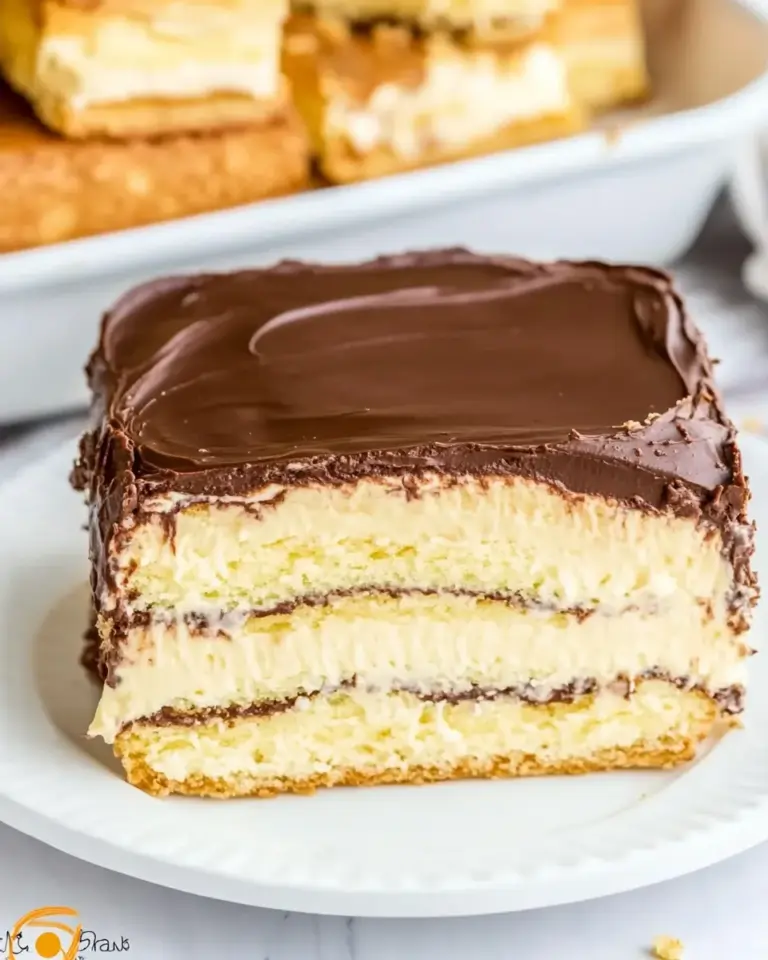
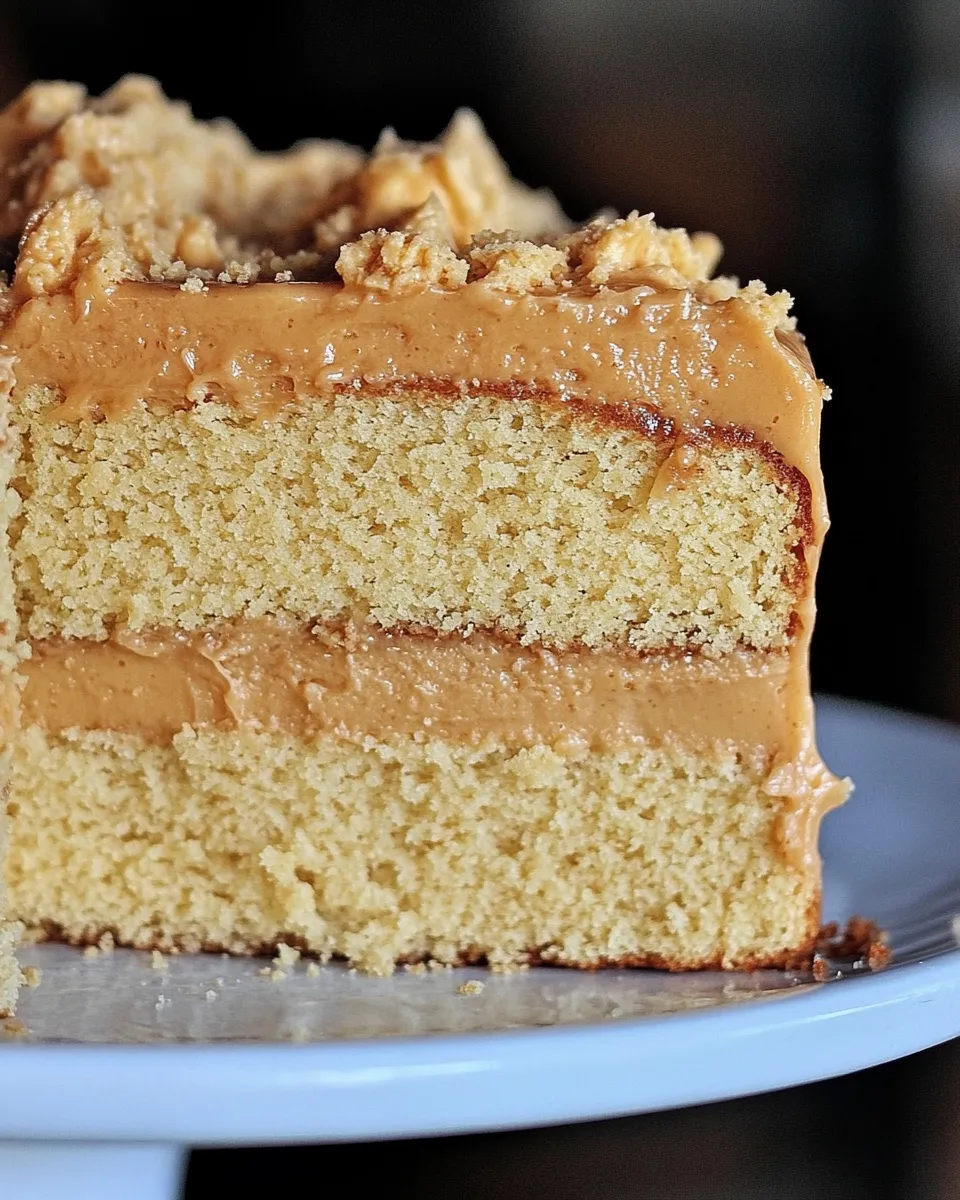
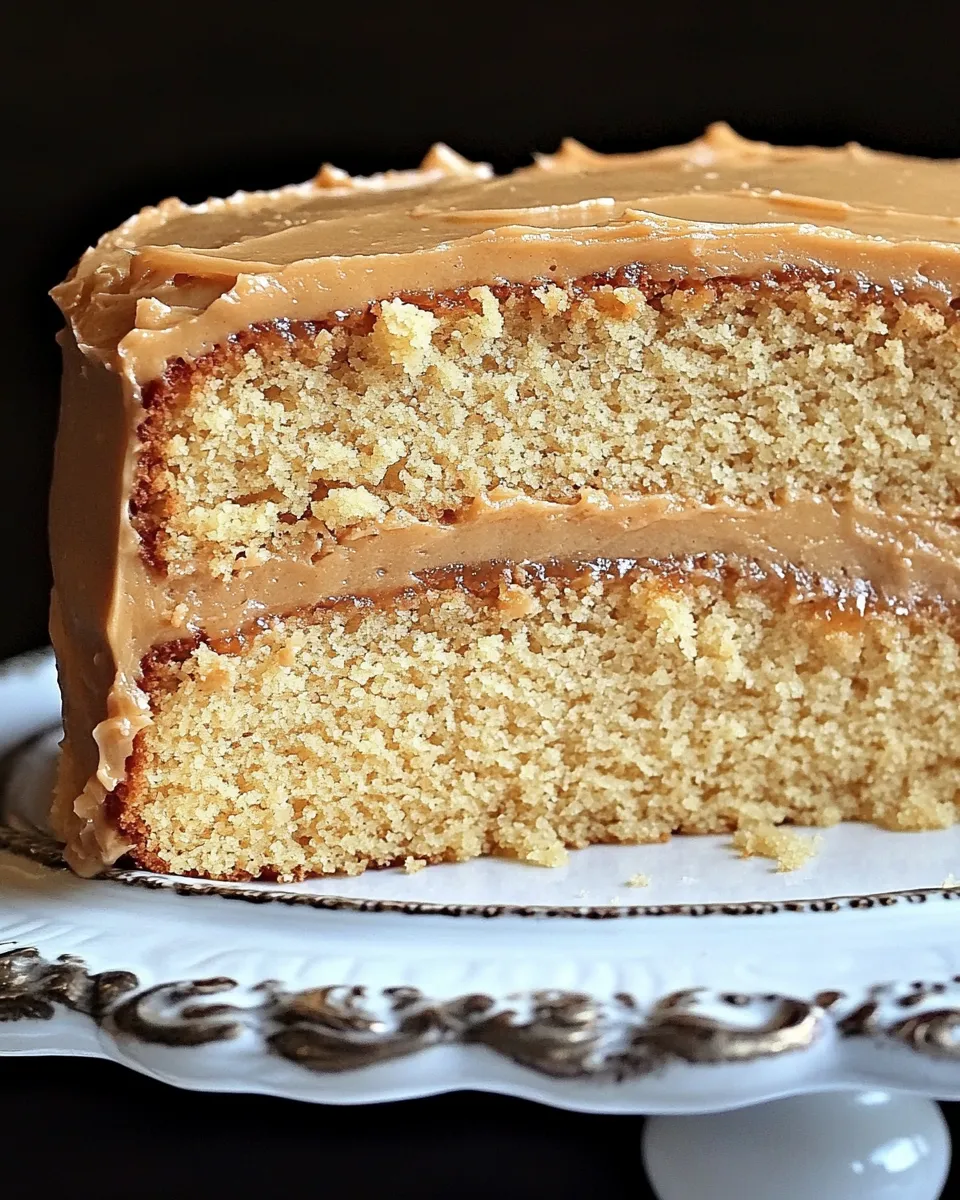
This is a straight-forward, deeply satisfying butter cake finished with a salted caramel buttercream that balances sweet and savory in every bite. The cake layers are tender from a classic creaming method and buttermilk; the frosting is a proper cooked caramel whipped with butter and confectioners’ sugar so it holds shape and pipes beautifully. I test these methods so you get reliable results without guessing.
Work through the steps in order and keep an eye on temperatures for the caramel stage. There are a few moments that require attention—like the caramel bubbling when you add baking soda—but none of them are difficult. Follow the directions exactly for the best texture and flavor.
Ingredient Rundown
Ingredients
- 3 cups (360 g) all-purpose flour — Structure for the layers; measure by spooning into the cup and leveling or weigh for accuracy.
- 2 teaspoons (8 g) baking powder — Leavening to help the layers rise evenly.
- 1 teaspoon (6 g) baking soda — Works with buttermilk for lift and a fine crumb.
- pinch (0.4 g) kosher salt — Enhances the cake’s flavor; don’t skip.
- 1 cup (226 g) softened butter (2 sticks) — Creamed with sugar to create a light batter; room temperature is important.
- 2 cups (396 g) sugar — For the cake batter; creamed with the butter to incorporate air.
- 4 eggs (200 g total), room temperature — Add one at a time to maintain a stable emulsion.
- 1 cup (227 g) buttermilk, room temperature — Keeps the cake tender and adds slight tang.
- 2 teaspoons (9.4 g) vanilla extract — Flavoring for the batter.
- 2 cups (396 g) sugar — Separate measure used for the caramel base of the frosting.
- 1 cup (227 g) buttermilk — Liquid in the caramel stage; matches the recipe’s specified volume.
- 1/2 cup (92 g) shortening — Stabilizes the caramel and helps the frosting set.
- 1/2 cup (113 g) butter — Part of the caramel base; contributes flavor and mouthfeel.
- 1 teaspoon (6 g) baking soda — Added to the hot caramel to create the proper texture (frosting baking soda).
- 1/2 cup (113 g) butter — Added to the whipped caramel to enrich the frosting (separate from the 1/2 cup used in the caramel base).
- 1/2 teaspoon (3.25 g) sea salt — Salt in the frosting to balance sweetness and highlight caramel notes.
- 2 cups (227 g) confectioner’s sugar — Added in increments to stabilize and sweeten the buttercream to pipeable consistency.
Directions: Butter Cake with Salted Caramel Buttercream Frosting
- Preheat oven to 350°F. Prepare three 9-inch cake pans: grease each with shortening and dust with flour, tapping out the excess.
- In a large bowl whisk together 3 cups (360 g) all-purpose flour, 2 teaspoons (8 g) baking powder, 1 teaspoon (6 g) baking soda (for the cake), and a pinch (0.4 g) kosher salt. Set aside.
- In the bowl of a stand mixer fitted with the paddle (or in a large bowl with a hand mixer), cream 1 cup (226 g) softened butter with 2 cups (396 g) sugar until light and fluffy, about 8 minutes.
- Add the 4 eggs, one at a time, mixing until each egg is fully incorporated before adding the next.
- With the mixer on low, add the dry flour mixture and 1 cup (227 g) room-temperature buttermilk alternately, beginning and ending with the flour mixture (dry–wet–dry–wet–dry). Mix each addition just until combined, and after each time the flour is incorporated briefly raise the mixer to medium-high for 5–10 seconds to lighten the batter.
- Add 2 teaspoons (9.4 g) vanilla extract and mix until incorporated. After the vanilla is incorporated, beat on high for about 10 seconds to further lighten the batter.
- Divide the batter evenly among the three prepared pans, smooth the tops, and bake 25–30 minutes, or until the cakes are set and a toothpick inserted in the center comes out clean. Cool in the pans for about 10 minutes, then turn the cakes out onto cooling racks and allow to cool completely.
- While the cakes cool, make the caramel stage of the frosting: in a 3–4 quart pot combine 2 cups (396 g) sugar, 1 cup (227 g) buttermilk, 1/2 cup (92 g) shortening, and 1/2 cup (113 g) butter. Stir with a wooden spoon over medium-low heat until melted and combined.
- Once the mixture is combined and simmering, add 1 teaspoon (6 g) baking soda (the baking soda for the frosting). Stir carefully—the mixture will bubble. Continue cooking over medium-low, stirring as needed, until the mixture reaches the softball stage (235–245°F on a candy thermometer) or passes the cold water test.
- Remove the pot from the heat and carefully pour the hot caramel into a large mixing bowl or the bowl of a stand mixer. Allow it to cool until it is warm but no longer hot to the touch (safe to touch lightly). Attach the whip attachment and begin whipping the cooled caramel.
- With the mixer running on medium, add the remaining 1/2 cup (113 g) butter and 1/2 teaspoon (3.25 g) sea salt to the whipped caramel. Whip until the butter and salt are fully incorporated and the mixture is smooth.
- Add 2 cups (227 g) confectioner’s sugar to the frosting in four 1/2-cup increments. After each 1/2-cup addition, stop to scrape down the sides of the bowl, then turn the mixer onto high for about 10 seconds to incorporate air. Continue until all 2 cups are added and the frosting holds shape.
- If the frosting is still too loose after all the confectioner’s sugar is incorporated, chill the frosting briefly (10–30 minutes) and re-whip until it reaches a spreadable, pipeable consistency.
- Assemble the cake: place one cooled layer on a cake plate, spread an even layer of frosting, add the second layer, repeat, then frost the top and sides of the cake. Store the finished cake on a cake plate covered with a dome or in an airtight container. Best served within 1–3 days.
What You’ll Love About This Recipe
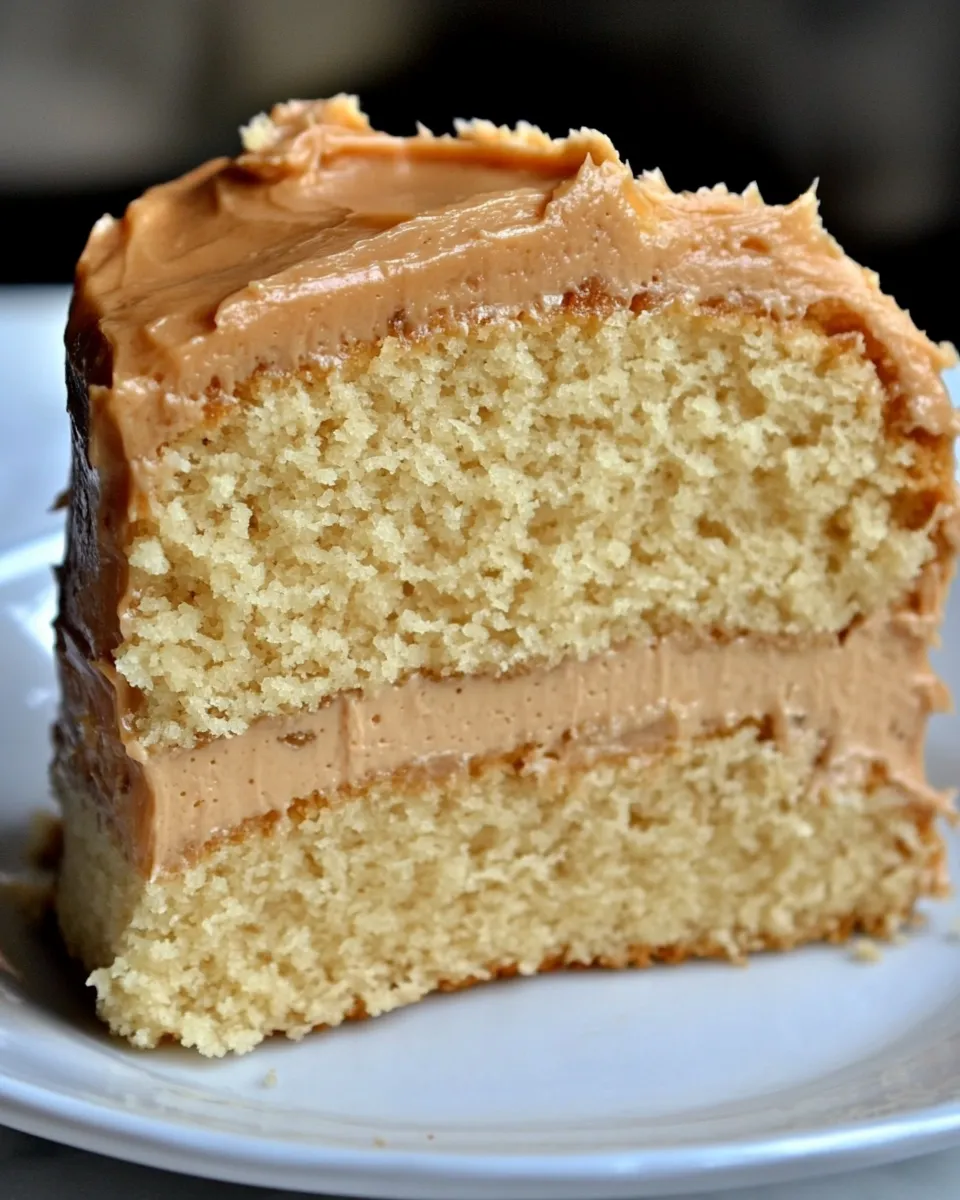
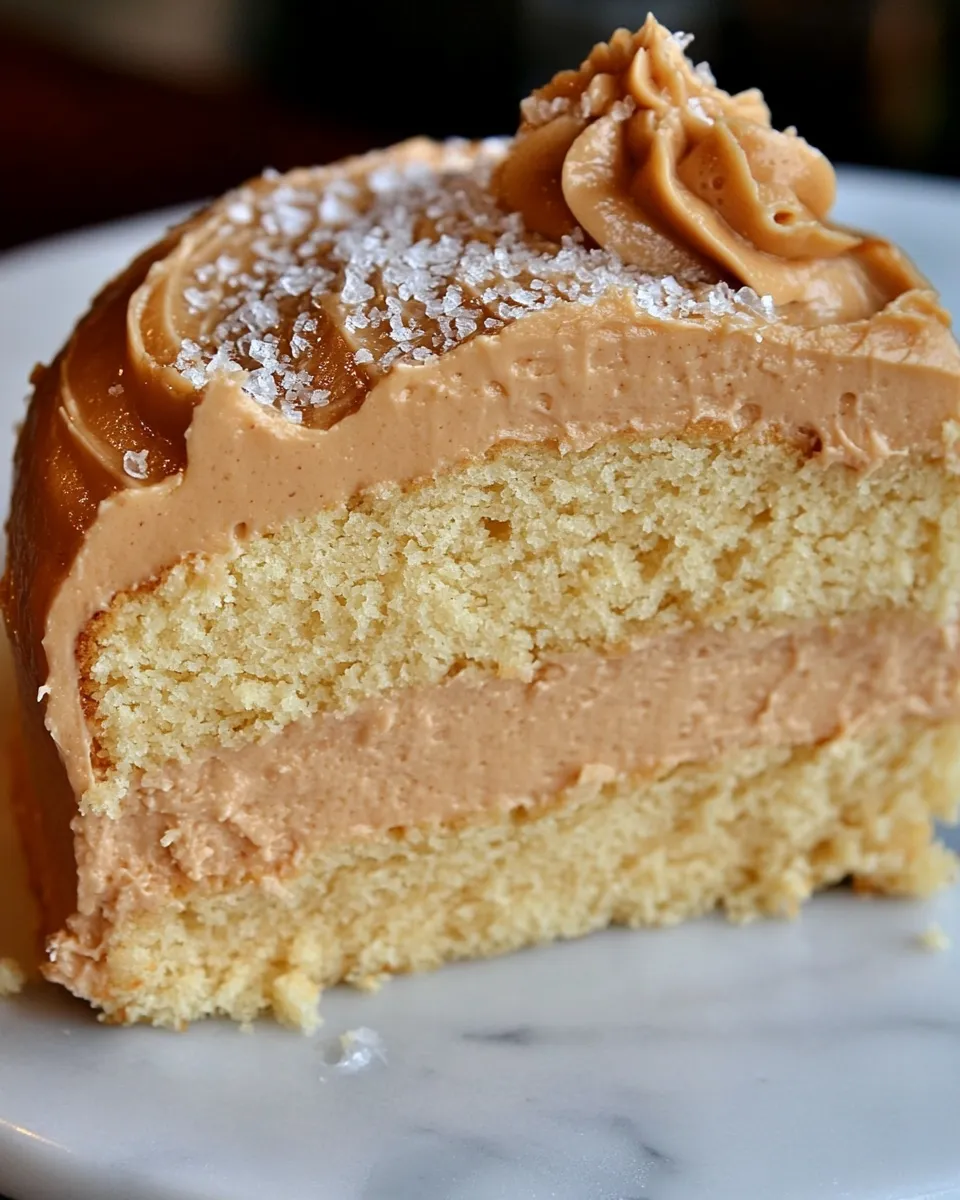
The crumb is tender and reliably even because the recipe balances creamed butter and buttermilk with alternating additions of dry and wet. You get lift without dryness. The frosting is built on a cooked caramel, which gives real depth—not just brown sugar notes but true caramelized flavor. It’s not a runny glaze; once whipped and stabilized with confectioner’s sugar it pipes and holds texture.
Flavors are layered: the butter-forward cake, the tang of buttermilk, and the deep salted caramel. It’s a dessert that looks special but comes together without exotic techniques. If you follow the order and the temperature guidance for the caramel, the result is consistently excellent.
Vegan & Vegetarian Swaps
Vegetarian: This recipe is vegetarian as written since it contains no meat-based ingredients.
Vegan (notes and considerations): to attempt a vegan version you would need to replace eggs, dairy, and shortening/butter components. Common approaches include a flax or aquafaba egg-substitute, a plant-based buttermilk (make with non-dairy milk and acid), and vegan butter or shortening in place of butter/shortening. Keep in mind the original recipe relies on eggs for structure and creaming; textures will change and bake times may vary. The caramel stage uses dairy—replacing this with coconut cream or a well-tested vegan caramel method will require experimentation and careful temperature control. I recommend testing small batches and accepting texture differences from the original.
Kitchen Gear Checklist
- Three 9-inch cake pans, greased and floured.
- Stand mixer with paddle and whip attachments (or handheld mixer plus a large bowl).
- 3–4 quart pot for the caramel stage.
- Candy thermometer (or thermometer accurate for 235–245°F) or knowledge of the cold water test.
- Wooden spoon for stirring the caramel.
- Cooling racks for the cakes.
- Cake plate and dome or airtight container for storage.
- Spatula for spreading frosting and bench scraper if you want sharp edges.
Troubleshooting Tips
Caramel bubbles excessively when baking soda is added: That reaction is normal. Stir carefully and stand back slightly to avoid splatters. Use a pot with tall sides to contain the foam.
Frosting is too loose after adding confectioner’s sugar: Chill it 10–30 minutes, then re-whip as directed. If it’s still loose after chilling, ensure your confectioner’s sugar amount is correct and that the butter used later was cool enough to firm the mixture.
Cake sinks in the center: This can happen if the oven temperature is off or if the cakes were underbaked. Confirm your oven temperature with an oven thermometer and bake until a toothpick comes out clean.
Crumbly cake or dry texture: Overbaking or too much flour are usual culprits. Measure flour by weight for reliability and start checking at the earlier end of the bake window.
Adaptations for Special Diets
Gluten-free: Use a 1:1 gluten-free flour blend that contains xanthan gum or another binder. Expect some change in texture; weigh the flour substitute to match volume and consider adding a tablespoon of yogurt or an extra egg white for structure if needed.
Dairy-free: Replace butter with a solid plant-based butter and use a dairy-free buttermilk (1 tablespoon lemon juice or vinegar plus non-dairy milk, stirred and rested). For the caramel, use coconut cream or a tested dairy-free caramel method—do not assume the original fat ratios will behave the same.
Lower-sugar: The recipe relies on sugar for structure in both cake and frosting; any major reduction will affect texture and stability. For minor reductions in the cake, reduce sugar by 10–15% and watch crumb and moistness; the frosting will be harder to reduce without losing structure.
Pro Tips & Notes
Temperature matters
Room-temperature eggs and butter give the best emulsion and texture. If butter is too cold, you won’t get the light batter the recipe intends; if too soft, the batter can break down.
Weigh ingredients when possible
Measuring flour and sugar by weight removes variability. The recipe provides gram weights—use them for consistent results.
Caramel safety and timing
When you add baking soda to hot caramel it will foam vigorously. Use a pot with plenty of headroom, stir gently, and keep hands and face away from the steam and spatters. Pour into the mixer bowl to cool until warm but not hot—this protects your mixer and keeps the butter from melting prematurely.
Shelf Life & Storage
Store the finished cake covered at room temperature if your kitchen is cool and your climate dry; otherwise refrigerate. The recipe notes: best served within 1–3 days. If refrigerated, allow the cake to come near room temperature before serving for best flavor and texture. Frosting can be refrigerated; if firmed, let it soften slightly and re-whip briefly before reapplying or serving.
Your Top Questions
Q: Can I make the cake layers a day ahead? A: Yes. Wrap cooled layers well in plastic and store at room temperature for up to 24 hours or refrigerate up to 48 hours. Bring to room temperature before frosting.
Q: Can I freeze the cake? A: You can freeze unfrosted layers wrapped tightly for up to 2 months. Thaw in the refrigerator overnight, then bring to room temperature before frosting.
Q: What is the “cold water test” for caramel? A: Drop a small amount of the hot syrup into cold water: if it forms a soft, malleable ball you’re in the softball stage (235–245°F). This is a traditional way to gauge caramel without a thermometer.
Q: My frosting tastes grainy—why? A: If the caramel didn’t fully dissolve or if confectioners’ sugar has clumps, the texture could be grainy. Sift confectioners’ sugar if it’s lumpy, and make sure the caramel mixture was smooth before whipping and adding butter.
In Closing
This Butter Cake with Salted Caramel Buttercream Frosting makes for a memorable celebration cake or a Sunday dessert when you want something a little special. Take your time on the caramel stage and trust the method: the payoff is a stable, flavorful frosting that complements a tender, buttery layer cake. If you make it, let me know how it turns out and any small tweaks you tried—I love hearing what works in real kitchens.
Butter Cake with Salted Caramel Buttercream Frosting Recipe
Ingredients
Ingredients
- 3 cups 360 gflour, all-purpose
- 2 teaspoons 8 gbaking powder
- 1 teaspoon 6 gbaking soda
- pinch 0.4 gkosher salt
- 1 cup 226 gsoftened butter, 2 sticks
- 2 cups 396 gsugar
- 4 200 geggs, room temperature
- 1 cup 227 gbuttermilk, room temperature
- 2 teaspoons 9.4 gvanilla extract
- 2 cups 396 gsugar
- 1 cup 227 gbuttermilk
- 1/2 cup 92 gshortening
- 1/2 cup 113 gbutter
- 1 teaspoon 6 gbaking soda
- 1/2 cup 113 gbutter
- 1/2 teaspoon 3.25 gsea salt
- 2 cups 227 gconfectioner’s sugar
Instructions
Instructions
- Preheat oven to 350°F. Prepare three 9-inch cake pans: grease each with shortening and dust with flour, tapping out the excess.
- In a large bowl whisk together 3 cups (360 g) all-purpose flour, 2 teaspoons (8 g) baking powder, 1 teaspoon (6 g) baking soda (for the cake), and a pinch (0.4 g) kosher salt. Set aside.
- In the bowl of a stand mixer fitted with the paddle (or in a large bowl with a hand mixer), cream 1 cup (226 g) softened butter with 2 cups (396 g) sugar until light and fluffy, about 8 minutes.
- Add the 4 eggs, one at a time, mixing until each egg is fully incorporated before adding the next.
- With the mixer on low, add the dry flour mixture and 1 cup (227 g) room-temperature buttermilk alternately, beginning and ending with the flour mixture (dry–wet–dry–wet–dry). Mix each addition just until combined, and after each time the flour is incorporated briefly raise the mixer to medium-high for 5–10 seconds to lighten the batter.
- Add 2 teaspoons (9.4 g) vanilla extract and mix until incorporated. After the vanilla is incorporated, beat on high for about 10 seconds to further lighten the batter.
- Divide the batter evenly among the three prepared pans, smooth the tops, and bake 25–30 minutes, or until the cakes are set and a toothpick inserted in the center comes out clean. Cool in the pans for about 10 minutes, then turn the cakes out onto cooling racks and allow to cool completely.
- While the cakes cool, make the caramel stage of the frosting: in a 3–4 quart pot combine 2 cups (396 g) sugar, 1 cup (227 g) buttermilk, 1/2 cup (92 g) shortening, and 1/2 cup (113 g) butter. Stir with a wooden spoon over medium-low heat until melted and combined.
- Once the mixture is combined and simmering, add 1 teaspoon (6 g) baking soda (the baking soda for the frosting). Stir carefully—the mixture will bubble. Continue cooking over medium-low, stirring as needed, until the mixture reaches the softball stage (235–245°F on a candy thermometer) or passes the cold water test.
- Remove the pot from the heat and carefully pour the hot caramel into a large mixing bowl or the bowl of a stand mixer. Allow it to cool until it is warm but no longer hot to the touch (safe to touch lightly). Attach the whip attachment and begin whipping the cooled caramel.
- With the mixer running on medium, add the remaining 1/2 cup (113 g) butter and 1/2 teaspoon (3.25 g) sea salt to the whipped caramel. Whip until the butter and salt are fully incorporated and the mixture is smooth.
- Add 2 cups (227 g) confectioner’s sugar to the frosting in four 1/2-cup increments. After each 1/2-cup addition, stop to scrape down the sides of the bowl, then turn the mixer onto high for about 10 seconds to incorporate air. Continue until all 2 cups are added and the frosting holds shape.
- If the frosting is still too loose after all the confectioner’s sugar is incorporated, chill the frosting briefly (10–30 minutes) and re-whip until it reaches a spreadable, pipeable consistency.
- Assemble the cake: place one cooled layer on a cake plate, spread an even layer of frosting, add the second layer, repeat, then frost the top and sides of the cake. Store the finished cake on a cake plate covered with a dome or in an airtight container. Best served within 1–3 days.
Equipment
- 3 9-inch cake pans
- Stand mixer or hand mixer
- 3–4 quart pot
- Wooden Spoon
- Mixing bowls
- Candy thermometer
Notes
For easier frosting of cake, wrap tightly in parchment and aluminum foil and freeze overnight. Brush the cake with a pastry brush to remove loose crumbs and then frost the cake with a light layer of frosting to create a crumb coating. Then, frost the cake as normal.