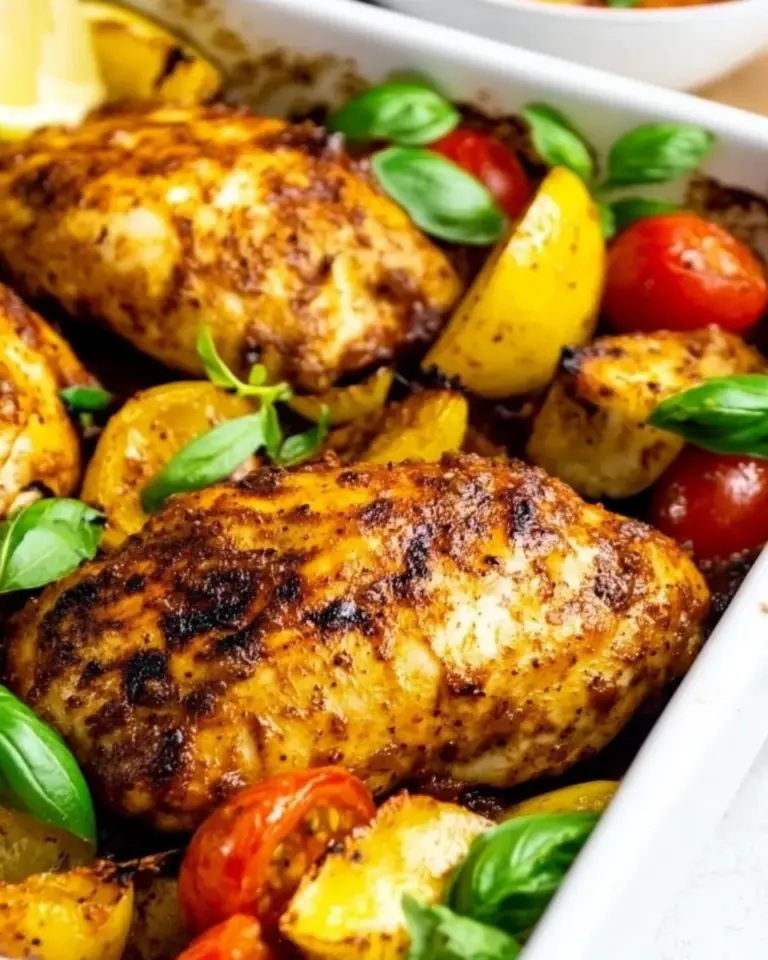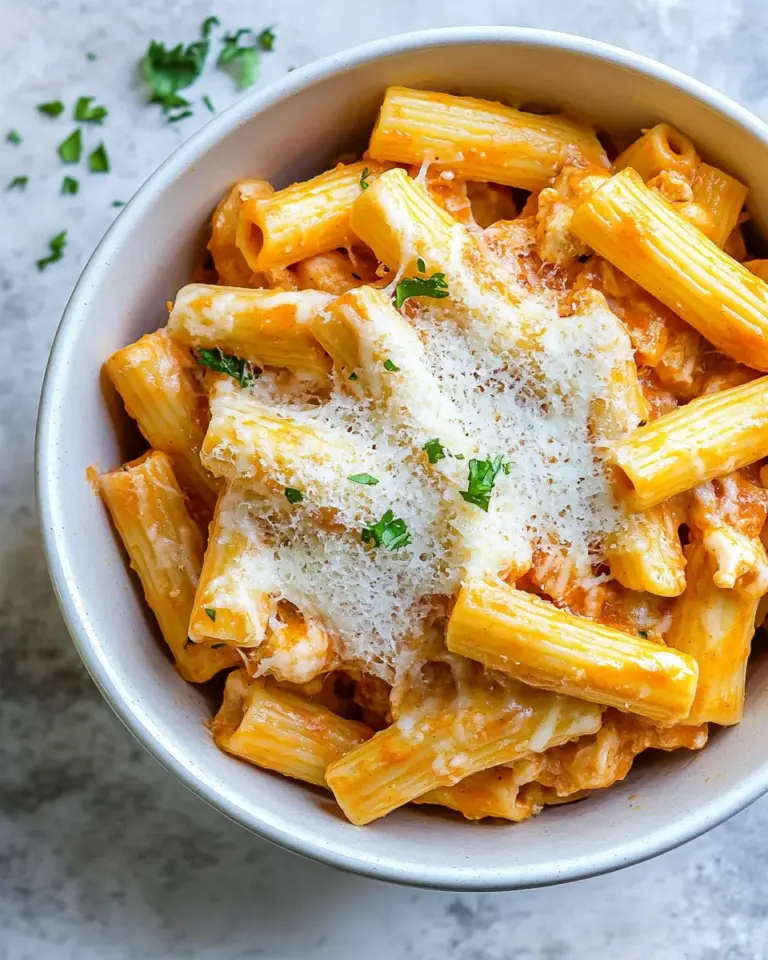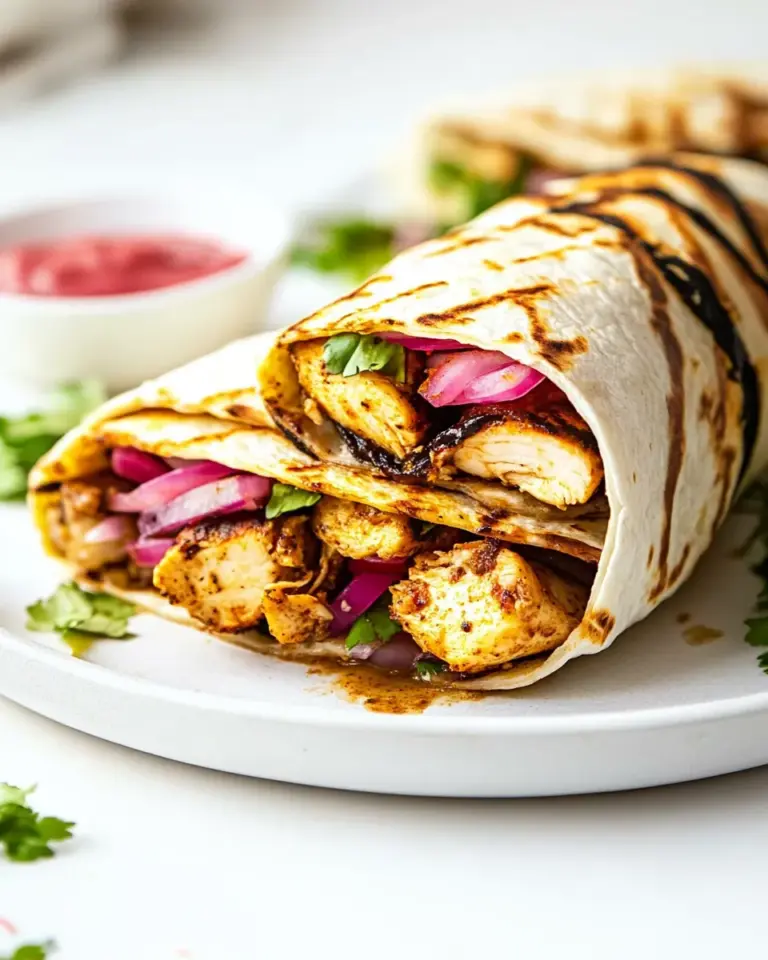
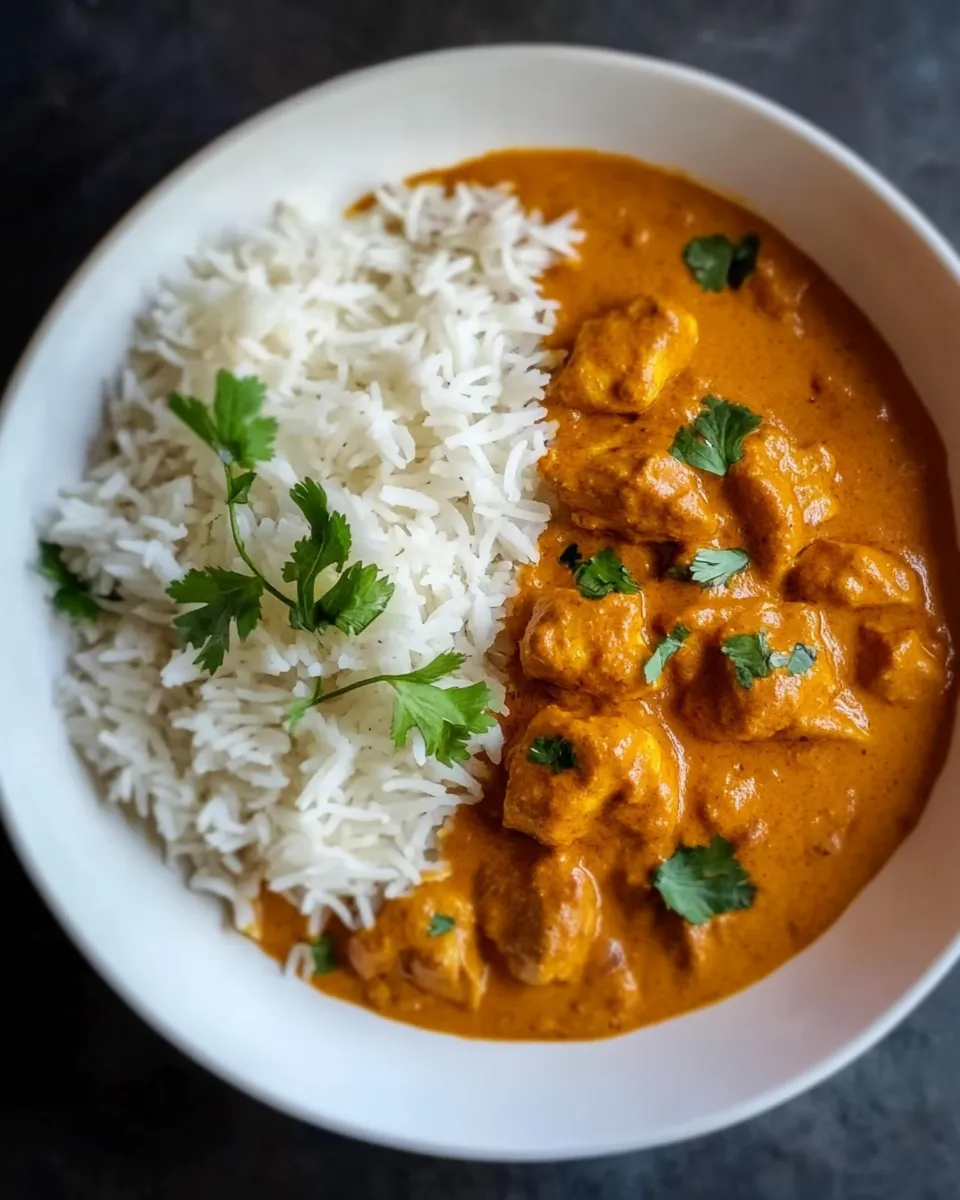
I make this Chicken Masala on weeknights when I want something comforting, fast, and reliably impressive. It sits in that sweet spot between “I have time to cook” and “I want to taste like I ordered takeout.” The sauce is tomato-forward, rounded with cream, and warmed by tikka masala paste so you get complexity without an army of spices.
It’s forgiving, too. The recipe uses pantry-friendly items and a short marinate that still does the job. The key to success is a hot pan for the chicken so you get a little crispness, and a slow, patient simmer for the sauce so flavors come together. Follow those two beats and you’ll have dinner on the table that tastes like you fussed, even if you didn’t.
I’ve written the steps here the way I cook them: pragmatic and precise. Timings are realistic. Notes are practical. If you want to tweak heat, swap dairy, or freeze for later, I’ll tell you exactly how and why.
Your Shopping Guide
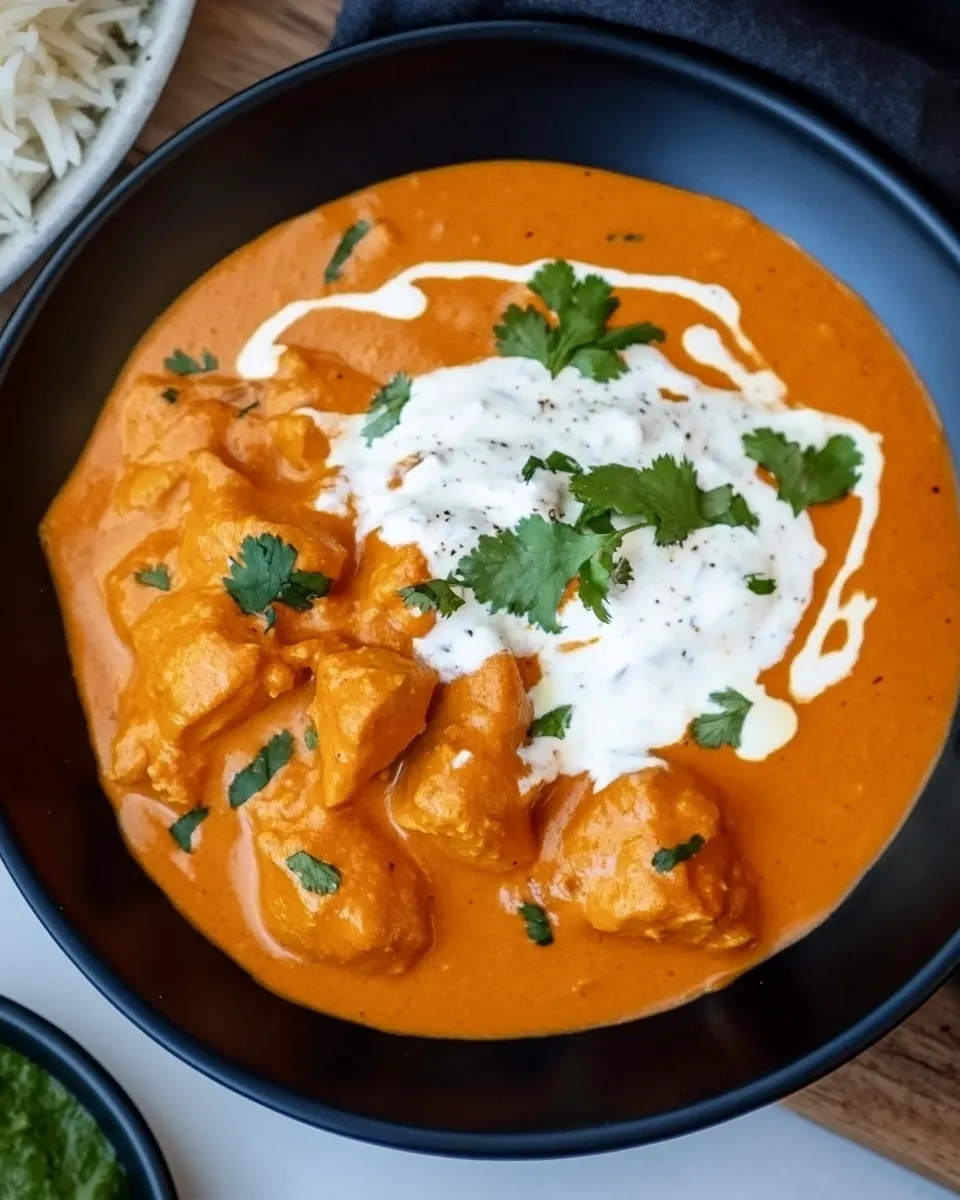
Buy the best chicken thighs you can find. Thighs are forgiving, stay juicy, and crisp nicely when pushed in a hot pan. Look for skinless, boneless thighs labeled around 2 pounds to match the recipe.
- Chicken thighs — pick fresh, boneless skinless for even cooking and easy prep.
- Tikka masala paste — available in jars with the curry pastes; pick a brand you like since it defines much of the flavor.
- Canned diced tomatoes (14 ounces) — use regular diced tomatoes with juices; whole canned tomatoes can work if you chop them.
- Plain yogurt and heavy cream — both are in the fridge aisle; yogurt tenderizes and cream finishes the sauce.
- Fresh produce: large brown onion, small chili, garlic, and curry leaves — the leaves are optional if your store stocks them, but they add a quick aromatic lift.
- Olive oil and chicken broth — pantry staples; chicken broth deepens the sauce base.
Ingredients
- 2 pounds chicken thighs cut into 1 1/2-inch pieces — the main protein; thighs stay juicy and brown well.
- 1/2 cup plain yogurt — tenderizes the chicken and forms the base of the short marinade.
- 1/4 cup tikka masala paste divided — primary spice and flavor driver; it’s split so some flavors go into the chicken and some into the sauce.
- 1/4 cup olive oil — divided for aromatics and browning the chicken.
- 4 curry leaves — provide a bright, slightly citrusy aroma when fried briefly.
- 1 large brown onion chopped — builds the savory base of the sauce; cook until translucent.
- 1 small chili de-seeded and chopped — adds fresh heat; seed it if you want less spice.
- 1 clove garlic minced — a small amount, but it gives essential depth.
- 1 cup chicken broth — thins and flavors the sauce; use low-sodium if you prefer control over salt.
- 14 ounces diced tomatoes canned — bring acidity, body, and tomato sweetness to the sauce.
- 1 tablespoon tomato paste — concentrates tomato flavor and helps thicken the sauce.
- 1/2 cup heavy cream — finishes the sauce with richness and a silky texture.
Chicken Masala: From Prep to Plate
- In a large bowl, combine the chicken thigh pieces, the 1/2 cup plain yogurt, and half of the 1/4 cup tikka masala paste. Cover and refrigerate for at least 10 minutes or up to 4 hours to marinate.
- Divide the 1/4 cup olive oil into two equal portions. Heat one portion in a large non-stick pan over medium heat. When hot, add the 4 curry leaves and cook until fragrant (a few seconds).
- Add the chopped large brown onion, the de-seeded and chopped small chili, and the minced clove of garlic to the pan. Cook for 2–3 minutes, stirring, until the onion is softened and translucent.
- Stir in the remaining tikka masala paste, the 1 cup chicken broth, the 14 ounces canned diced tomatoes (with their juices), and the 1 tablespoon tomato paste. Bring to a gentle simmer, reduce the heat to low, and simmer for 15 minutes, stirring occasionally, until the sauce has thickened.
- While the sauce simmers, heat the second portion of olive oil in a separate pan over medium-high heat. Remove the chicken from the marinade, allowing excess yogurt mixture to drip back into the bowl. Add the chicken pieces to the hot pan in a single layer (work in batches if needed) and cook, turning occasionally, until the pieces are golden and crisp on the outside and cooked through.
- Transfer the cooked chicken pieces into the simmering sauce. Stir to combine and simmer together on low for 10 minutes to finish cooking the chicken and meld the flavors.
- Stir the 1/2 cup heavy cream into the sauce until evenly incorporated and warmed through (about 1–2 minutes). Serve immediately.
Why Chicken Masala is Worth Your Time
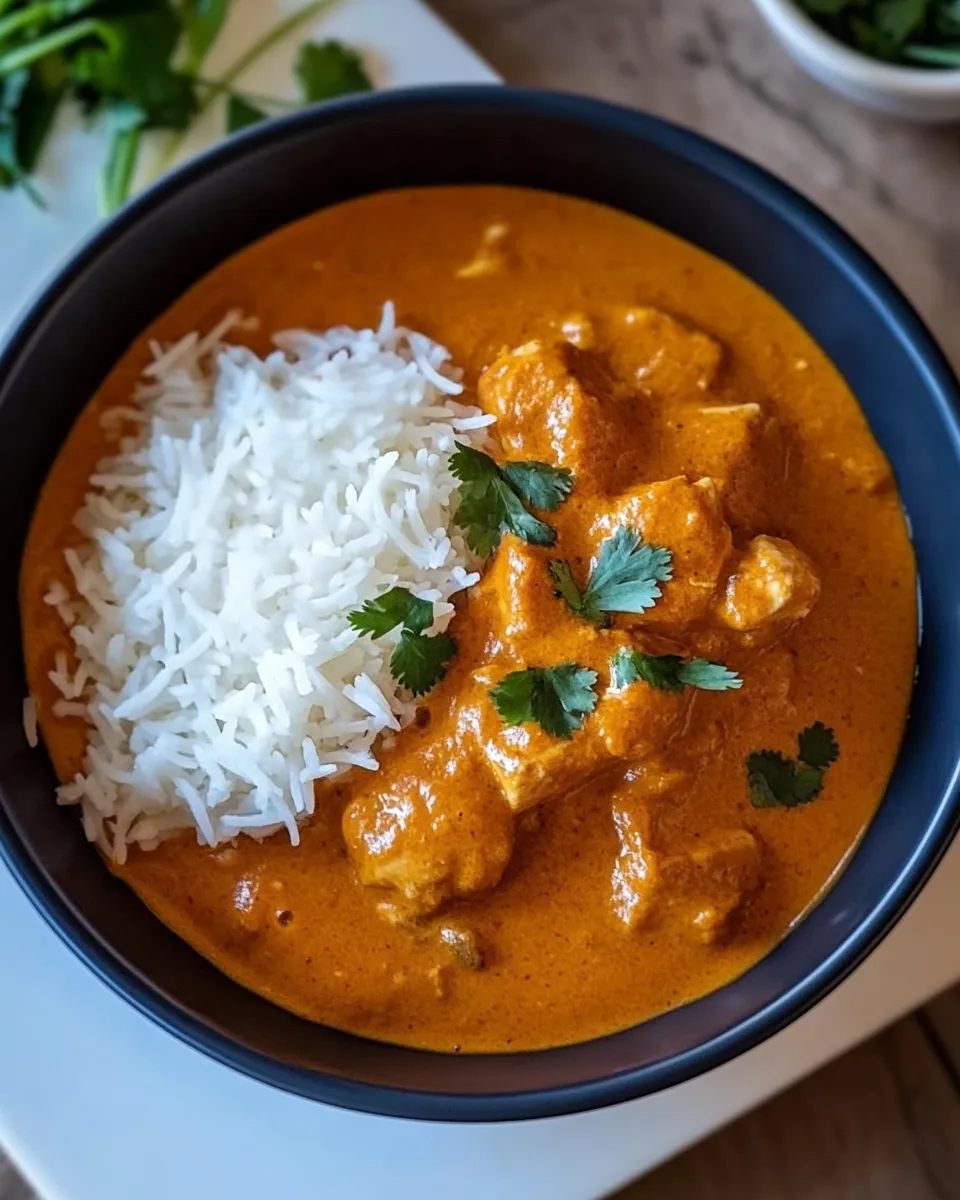
This dish gives you big, layered flavors for modest effort. The split use of tikka masala paste—some in the marinade, some in the sauce—means the chicken and the gravy both carry the spice profile, so each bite is balanced. The short marinade with yogurt tenderizes without needing an overnight wait.
Texturally it’s satisfying. Browning the chicken separately locks in moisture and creates those toasted edges that contrast with the silky, creamy sauce. The simmered tomatoes and tomato paste deepen into a rich base while the cream smooths and rounds the acids. It’s a formula that works in one weeknight and shines on the weekend.
International Equivalents
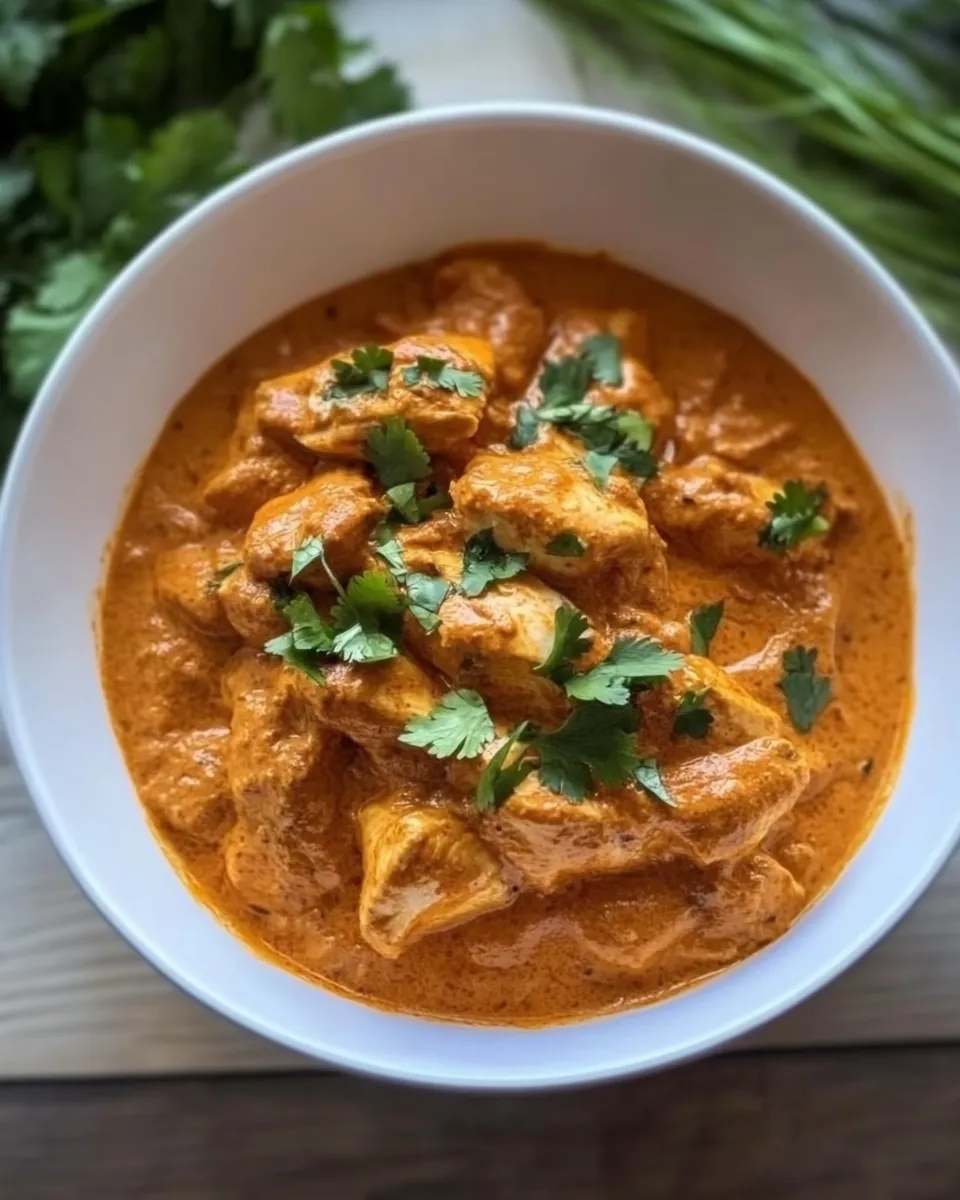
Chicken Masala sits beside many tomato-and-dairy-based curries across the globe. If you like this, you’ll enjoy dishes that use a similar building block: a spice base, tomatoes to add body and brightness, and a dairy finish for smoothness.
In many kitchens, tikka-style pastes and tomato creams are the shortcut to what would otherwise be a long blend of spices. The technique—marinate, brown, make a tomato-based sauce, finish with cream—is common in both South Asian and Anglo-Indian recipes.
Equipment at a Glance
- Large non-stick pan — for the sauce and aromatics; non-stick reduces sticking and makes cleanup easy.
- Second frying pan — used to brown the chicken so you can control sear and doneness.
- Large bowl with cover — for marinating the chicken; any covered container or bowl works.
- Spoon or spatula and a sharp knife — prep tools you’ll use the whole time.
- Measuring cups and spoons — to keep quantities accurate, especially with the divided tikka paste and olive oil.
Things That Go Wrong
- Watery sauce — if the sauce is thin, simmer uncovered a bit longer to reduce and concentrate. The 15-minute simmer mentioned in the instructions is important; if your stove runs cool, add a few minutes.
- Chicken not browned — overcrowding the pan steams the pieces. Cook in batches so each piece has contact with the hot pan and forms a crust.
- Sauce too sharp after adding tomatoes — let it simmer to mellow acidity, then finish with the heavy cream which balances brightness.
- Spice imbalance — the tikka masala paste controls the heat and base flavor. If the paste you use is unusually spicy, use the lower end of the marinating time and taste the sauce as it simmers to adjust.
Fit It to Your Goals
Make it lighter
If you want to cut richness without rewriting the recipe, use the full 1/2 cup plain yogurt in the sauce at the end instead of some cream—since yogurt is already in the marinade, it’s a compatible swap. Be gentle when heating yogurt to avoid curdling: warm it in a small bowl first or temper it with a spoonful of hot sauce before stirring in.
Make it spicier or milder
Control heat by adjusting the small chili and the brand/amount of tikka masala paste. De-seeding the chili lowers heat quickly. If you want more punch without extra heat, an additional sprinkle of black pepper at the end brightens the flavors.
Make it faster
Marinate for the minimum 10 minutes. Brown chicken in a single, hot pan if you’re careful not to crowd it, but expect a slightly less even crust. The sauce simmers for 15 minutes—don’t skip that; it’s where the flavors marry.
Behind the Recipe
I first put this together on a rainy evening when I wanted dinner that felt indulgent but didn’t require babysitting. Using a jarred tikka masala paste made it doable. Over time I learned the split-paste trick—some in the chicken, some in the sauce—which made every bite consistent and rescued many rushed weeknight meals.
What keeps me coming back is the way it handles leftovers. The flavors deepen in the fridge, and leftovers reheat beautifully. It’s simple food with a little bit of theatricality: a hot pan, the sound of curry leaves hitting oil, and the color transformation of a simmering tomato sauce.
Freezer-Friendly Notes
This recipe freezes well if you separate the sauce and chicken or freeze fully combined. For best texture, cool completely and store in airtight containers.
- Freeze sauce alone for up to 3 months. Thaw overnight in the fridge and reheat gently, then add freshly browned chicken.
- Freeze chicken in sauce for up to 2 months. Thaw in the fridge and warm slowly on the stove; avoid microwave reheating from frozen which can cause uneven textures.
Handy Q&A
- Can I use chicken breast instead of thighs? — Yes. Chicken breast will cook faster and can dry out if overcooked; watch timing and consider slightly lower heat while browning.
- What if I don’t have curry leaves? — The dish will still be excellent without them. Curry leaves add a specific aromatic note; skip them if unavailable.
- Can I make this dairy-free? — The recipe uses yogurt and heavy cream; for dairy-free, substitute with coconut yogurt and a coconut cream finish—but those are swaps outside the ingredient list, so proceed only if you’re comfortable adapting.
- How do I know the chicken is cooked through? — Pieces should be golden and crisp outside and register 165°F (74°C) internally or be fully opaque with no pink in the center.
That’s a Wrap
Chicken Masala is a reliable, weeknight-friendly recipe that rewards a little attention at two moments: browning the chicken and simmering the sauce. Keep the ingredient list simple, follow the order of steps here, and you’ll have a dish that tastes thoughtful without requiring hours in the kitchen. Serve it with steamed rice, naan, or a simple salad—whatever you have on hand—and enjoy the kind of meal that makes the whole table lean in.

Chicken Masala
Ingredients
Ingredients
- 2 poundschicken thighscut into 1 1/2-inch pieces
- 1/2 cupplain yogurt
- 1/4 cuptikka masala pastedivided
- 1/4 cupolive oil
- 4 curry leaves
- 1 largebrown onionchopped
- 1 smallchilide-seeded and chopped
- 1 clovegarlicminced
- 1 cupchicken broth
- 14 ouncesdiced tomatoescanned
- 1 tablespoontomato paste
- 1/2 cupheavy cream
Instructions
Instructions
- In a large bowl, combine the chicken thigh pieces, the 1/2 cup plain yogurt, and half of the 1/4 cup tikka masala paste. Cover and refrigerate for at least 10 minutes or up to 4 hours to marinate.
- Divide the 1/4 cup olive oil into two equal portions. Heat one portion in a large non-stick pan over medium heat. When hot, add the 4 curry leaves and cook until fragrant (a few seconds).
- Add the chopped large brown onion, the de-seeded and chopped small chili, and the minced clove of garlic to the pan. Cook for 2–3 minutes, stirring, until the onion is softened and translucent.
- Stir in the remaining tikka masala paste, the 1 cup chicken broth, the 14 ounces canned diced tomatoes (with their juices), and the 1 tablespoon tomato paste. Bring to a gentle simmer, reduce the heat to low, and simmer for 15 minutes, stirring occasionally, until the sauce has thickened.
- While the sauce simmers, heat the second portion of olive oil in a separate pan over medium-high heat. Remove the chicken from the marinade, allowing excess yogurt mixture to drip back into the bowl. Add the chicken pieces to the hot pan in a single layer (work in batches if needed) and cook, turning occasionally, until the pieces are golden and crisp on the outside and cooked through.
- Transfer the cooked chicken pieces into the simmering sauce. Stir to combine and simmer together on low for 10 minutes to finish cooking the chicken and meld the flavors.
- Stir the 1/2 cup heavy cream into the sauce until evenly incorporated and warmed through (about 1–2 minutes). Serve immediately.
Equipment
- Large Bowl
- large non-stick pan
- Pan
Notes
TO STORE:
Store leftovers in an airtight container in the fridge for 3 to 4 days.
TO FREEZE:
Freeze chicken masala for up to 3 months. Note that the sauce may undergo slight texture changes once you defrost it. Thaw frozen chicken tikka masala in the fridge.
TO REHEAT:
Reheat this dish on the stove over medium heat. Add a splash of heavy cream or chicken broth if needed.