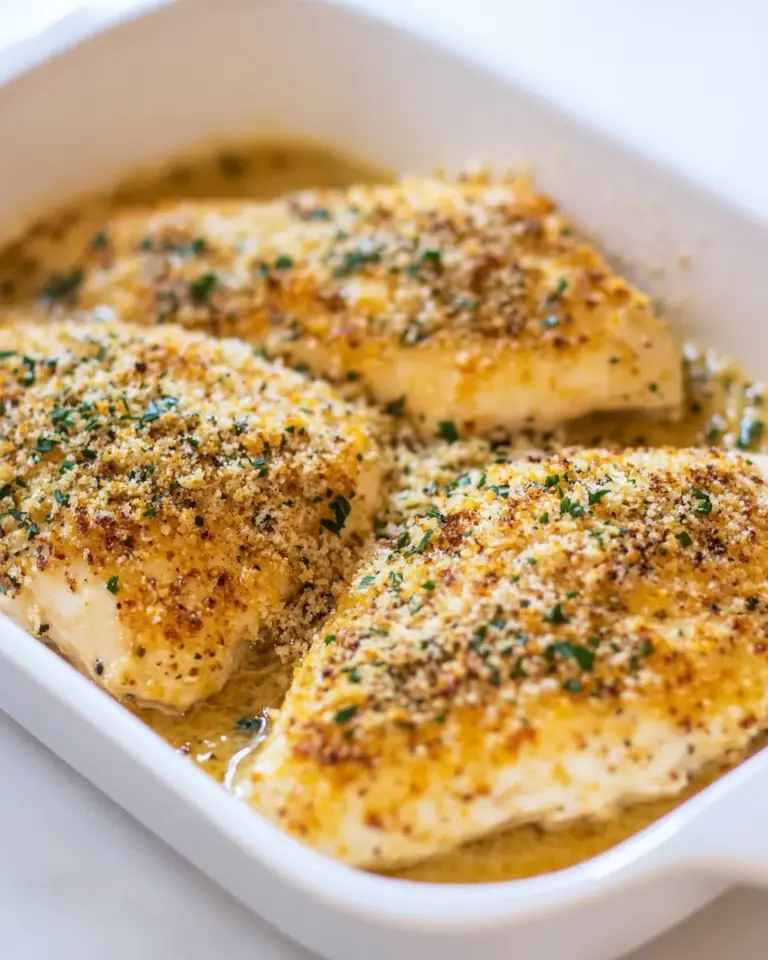
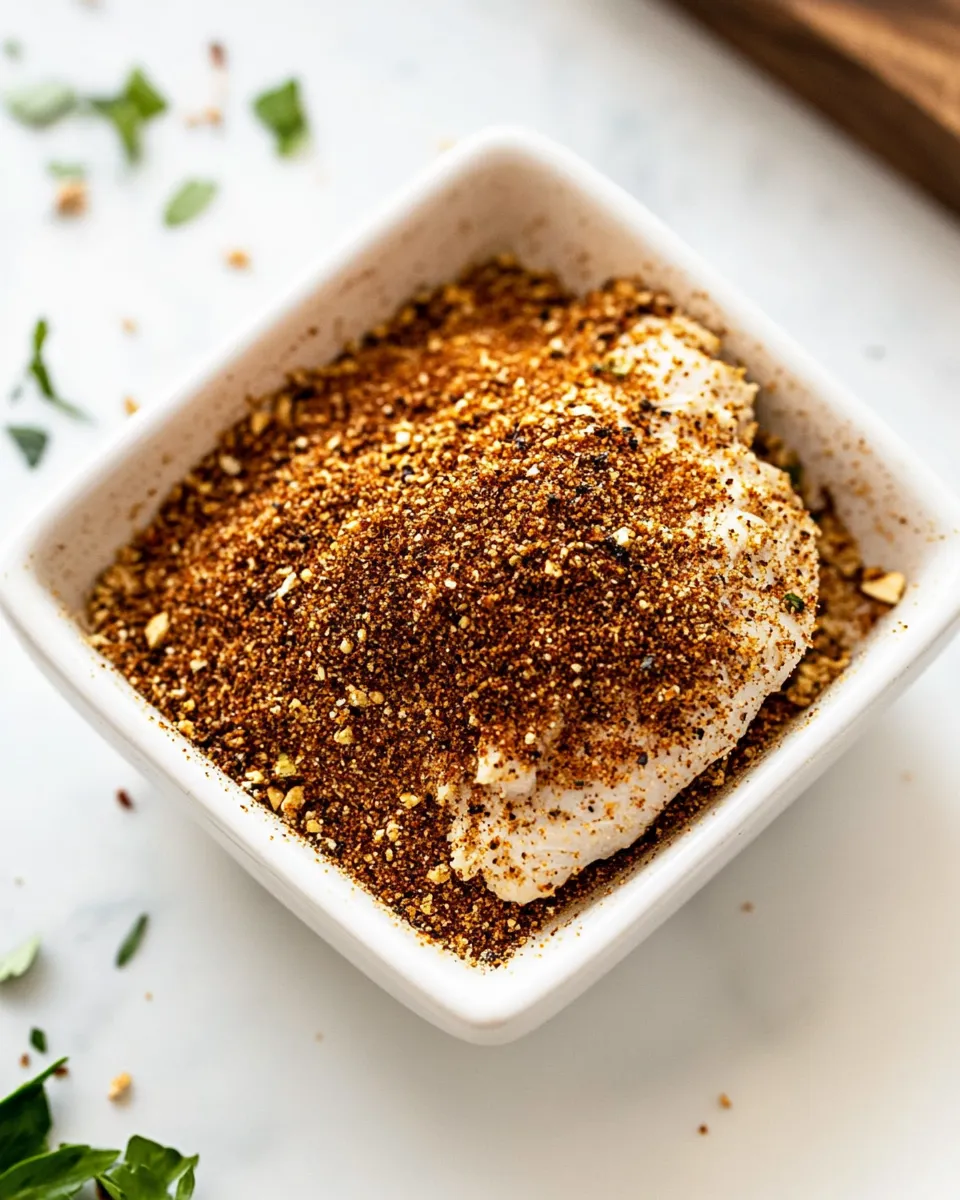
This seasoning blend is one of those quietly transformative pantry staples. It’s focused, uncomplicated, and built from ingredients you probably already have. I reach for it when I want reliable, well-balanced flavor without fuss—weeknights included.
It’s designed to be versatile: a dry rub for roasted thighs, a sprinkle for quick pan-seared breasts, or a base you can riff on. The flavors are savory, slightly sweet, and lightly smoky. Nothing in the mix fights for attention; everything works together.
Below you’ll find the ingredient list, the exact process to make it, practical notes on using it, and real troubleshooting tips I use when kitchen plans go sideways. Let’s get to it.
Ingredient Rundown
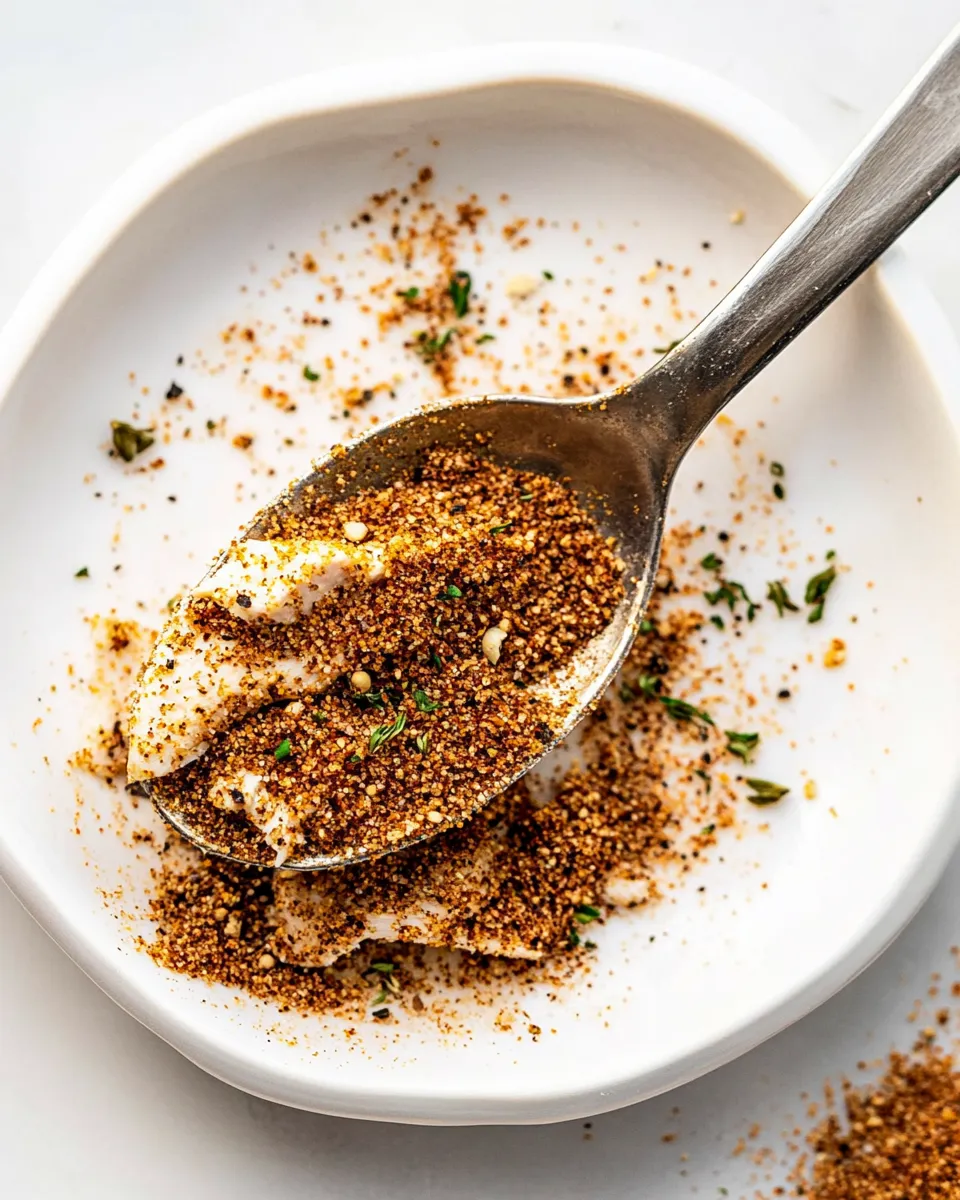
- 1 tablespoon kosher salt — anchors the blend and helps the chicken retain moisture; kosher salt has a milder bite and a flaky texture that’s easy to distribute.
- 2 teaspoons onion powder — adds a rounded, savory backbone without the moisture of fresh onion; great for depth.
- 2 teaspoons garlic powder — brings that familiar garlic aroma in a stable, shelf-friendly form.
- 2 teaspoons brown sugar — balances the salt and adds a touch of caramelization during cooking; it helps with color and a gentle sweetness.
- 1½ teaspoons ground paprika — offers warm color and a mild, sweet pepper note; it’s a visual and flavor builder.
- 1 teaspoon dried oregano — lends a subtle herbal lift that keeps the mix from feeling one-dimensional.
- ½ teaspoon ground black pepper — gives a background heat and brightness; it’s small but important.
- ½ teaspoon smoked paprika (or substitute regular paprika) — provides smokiness when present; if you prefer no smoke, regular paprika keeps the color and mild flavor.
Cooking (Chicken Seasoning): The Process
- Measure and add to a small bowl: 1 tablespoon kosher salt, 2 teaspoons onion powder, 2 teaspoons garlic powder, 2 teaspoons brown sugar, 1½ teaspoons ground paprika, 1 teaspoon dried oregano, ½ teaspoon ground black pepper, and ½ teaspoon smoked paprika (or substitute regular paprika).
- Stir or whisk the spices together until the mixture is uniform and there are no clumps.
- Transfer the seasoning to an airtight container or jar for storage, if not using immediately.
- To season chicken, pat the chicken dry with paper towels so the seasoning adheres.
- Sprinkle the seasoning evenly over the chicken, using about 1 tablespoon of seasoning per pound of chicken; rub the seasoning onto all surfaces for an even coating.
- Cook the chicken as desired. Store any leftover seasoning in the airtight container in a cool, dry place.
Why Chicken Seasoning is Worth Your Time
There’s a lot of value in a single, well-balanced seasoning blend. First, it saves decision fatigue. Once mixed, you don’t need to measure out multiple bottles when dinner calls. Second, it creates consistency: the same familiar flavor every time you reach for it.
The components are chosen for complementary roles—salt for seasoning, sugar for caramel and color, powdered aromatics for depth, and paprika for color and character. Together they lift even the simplest chicken cuts. The mix is flexible enough for weeknight routines but refined enough to use when you want a quick dinner that tastes intentional.
Lastly, making this blend is faster than a store run, and it avoids the guessing game that comes with pre-blended labels. You control the ingredients and can tweak the profile over time to suit your taste.
Healthier Substitutions
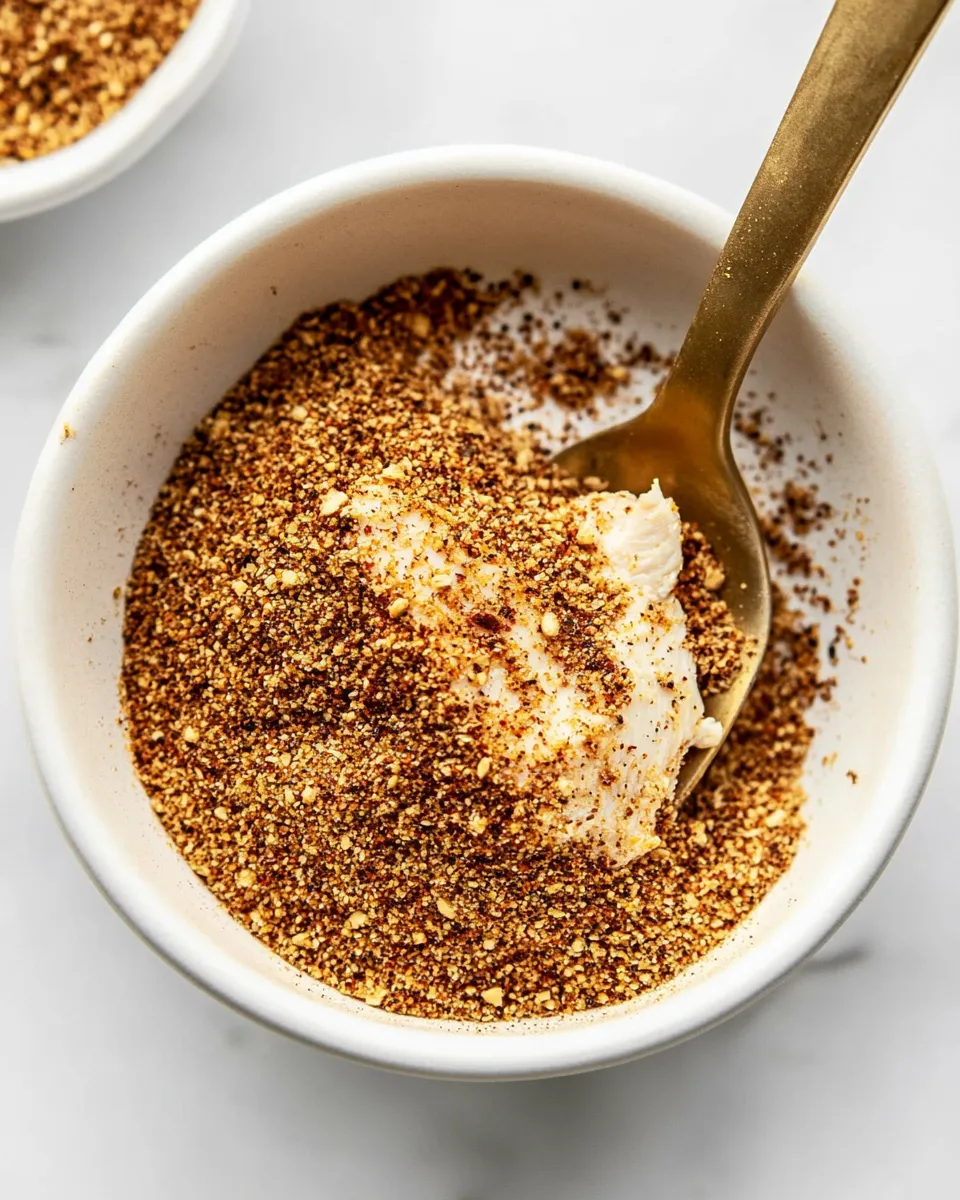
If you’re watching sodium, reduce the amount of kosher salt you use on the chicken when finishing; the seasoning will still provide a lot of flavor. For a lower-sugar option, omit or cut back on the brown sugar—do this if you want less caramelization and sweetness.
If you don’t have smoked paprika, the recipe already lists regular paprika as a substitute. Keeping the rest of the blend intact preserves the balance between savory and sweet, so small adjustments will still yield a satisfying result.
Prep & Cook Tools
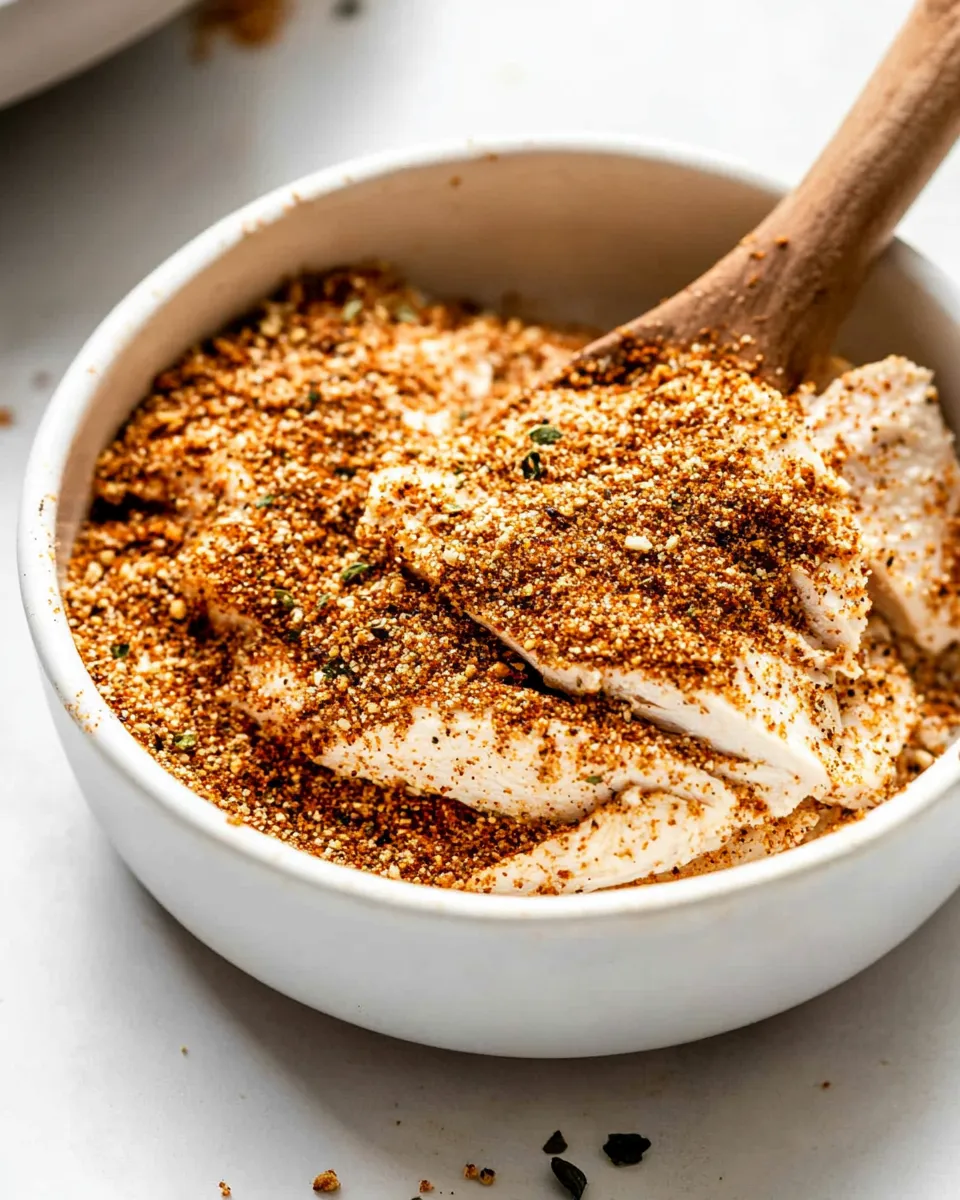
- small mixing bowl — to combine and inspect for clumps.
- measuring spoons — accurate measures keep the balance right.
- whisk or spoon — to blend everything uniformly.
- airtight container or jar with a tight lid — for storing the mix between uses.
- paper towels — to dry the chicken before seasoning so the rub sticks.
Problems & Prevention
Common issues and quick fixes
Clumpy mix: powdered ingredients can compact. Stir well and break up clumps with the back of a spoon or a small whisk. If humidity is high, store the mix in a jar with a dry packet (or simply use it more frequently).
Too salty: salt is front and center here. If you find the finished chicken too salty, use less seasoning on the chicken next time or skip salting the meat before applying this blend. Remember that kosher salt measures differently than table salt, so use kosher salt as stated.
Uneven coating: always pat the chicken dry first. A dry surface lets the seasoning cling evenly. Rub the mixture into crevices and under the skin when possible.
Bitter or burned spices: if you cook over very high heat or for long periods, the sugars and paprika can darken quickly. Lower the heat slightly or finish cooking at a gentler temperature to avoid charring the rub.
Make It Your Way
This blend is your starting point. If you like more smoke, increase the smoked paprika. If you prefer a brighter herb note, add a touch more dried oregano. Want more warmth and color? A subtle increase in ground paprika will do that without changing the balance too much.
Application matters as much as the mix. Use it as a dry rub and let it sit on the chicken for a short rest, or apply immediately before cooking for a quick flavor hit. For a deeper flavored crust, apply and let the seasoned chicken rest uncovered in the refrigerator for a little while so the surface dries and the rub adheres better.
Behind-the-Scenes Notes
Why kosher salt? Its texture and lower density by volume make it forgiving when seasoning meat. Table salt is denser, so if you switch salts, taste and adjust rather than substituting measure-for-measure.
Brown sugar is included to help produce a nicely caramelized surface during browning. If you omit it, the chicken will still be flavorful but may lack that slightly sweet finish and golden color.
Smoked paprika is optional for a hint of depth. In my kitchen I keep both smoked and regular paprika and choose based on what I’m cooking: smoked for grilled or pan-seared chicken, regular for subtler dishes.
Storage & Reheat Guide
Because the mix is dry, it stores well. Use an airtight jar and keep it in a cool, dry cupboard away from heat and steam. The blend will stay usable for a long time; for best flavor, rotate through your seasonings and use the mix within a few months.
When reheating chicken seasoned with this blend, do it gently so the surface doesn’t dry out. Low oven heat or a gentle pan reheat gives the best texture. If the exterior seems a bit dull after reheating, a quick finish under higher heat for a minute can refresh the crust without overcooking the meat.
Reader Q&A
Q: How much should I use on a whole chicken? A: The recipe suggests using about 1 tablespoon of seasoning per pound of chicken; rub it onto all surfaces for an even coating.
Q: Can I double the recipe? A: Yes. Mix larger batches in a bowl or shake them in a jar to keep proportions consistent. Store in an airtight container.
Q: Is smoked paprika essential? A: No. Smoked paprika adds a smoky layer but the blend works well with regular paprika too—both are listed in the recipe.
Q: Can I use table salt instead of kosher salt? A: Table salt is finer and saltier by volume. If you use table salt, use less and adjust to taste. The recipe lists kosher salt specifically because of its texture and how it interacts with meat.
In Closing
This Chicken Seasoning is simple, dependable, and designed to make weeknight cooking feel a little more intentional without adding work. Mix it once, keep it close, and you’ll find it improves everything from pan-seared breasts to roasted thighs. If you try it, leave a note about how you used it or any tweaks you loved—I read every comment and love hearing how a small pantry mix becomes part of your cooking rhythm.
Happy cooking, and may your dinners be flavorful and fuss-free.
Chicken Seasoning
Ingredients
Ingredients
- 1 tablespoonkosher salt
- 2 teaspoonsonion powder
- 2 teaspoonsgarlic powder
- 2 teaspoonsbrown sugar
- 1 1/2 teaspoonsground paprika
- 1 teaspoondried oregano
- 1/2 teaspoonground black pepper
- 1/2 teaspoonsmoked paprika or substitute regular paprika
Instructions
Instructions
- Measure and add to a small bowl: 1 tablespoon kosher salt, 2 teaspoons onion powder, 2 teaspoons garlic powder, 2 teaspoons brown sugar, 1½ teaspoons ground paprika, 1 teaspoon dried oregano, ½ teaspoon ground black pepper, and ½ teaspoon smoked paprika (or substitute regular paprika).
- Stir or whisk the spices together until the mixture is uniform and there are no clumps.
- Transfer the seasoning to an airtight container or jar for storage, if not using immediately.
- To season chicken, pat the chicken dry with paper towels so the seasoning adheres.
- Sprinkle the seasoning evenly over the chicken, using about 1 tablespoon of seasoning per pound of chicken; rub the seasoning onto all surfaces for an even coating.
- Cook the chicken as desired. Store any leftover seasoning in the airtight container in a cool, dry place.
Equipment
- Measuring Spoons
- Small Bowl
- Whisk
- Airtight Container
- Paper Towels
Notes
Storage:
Store chicken seasoning in an airtight container at room temperature for up to 6 months.