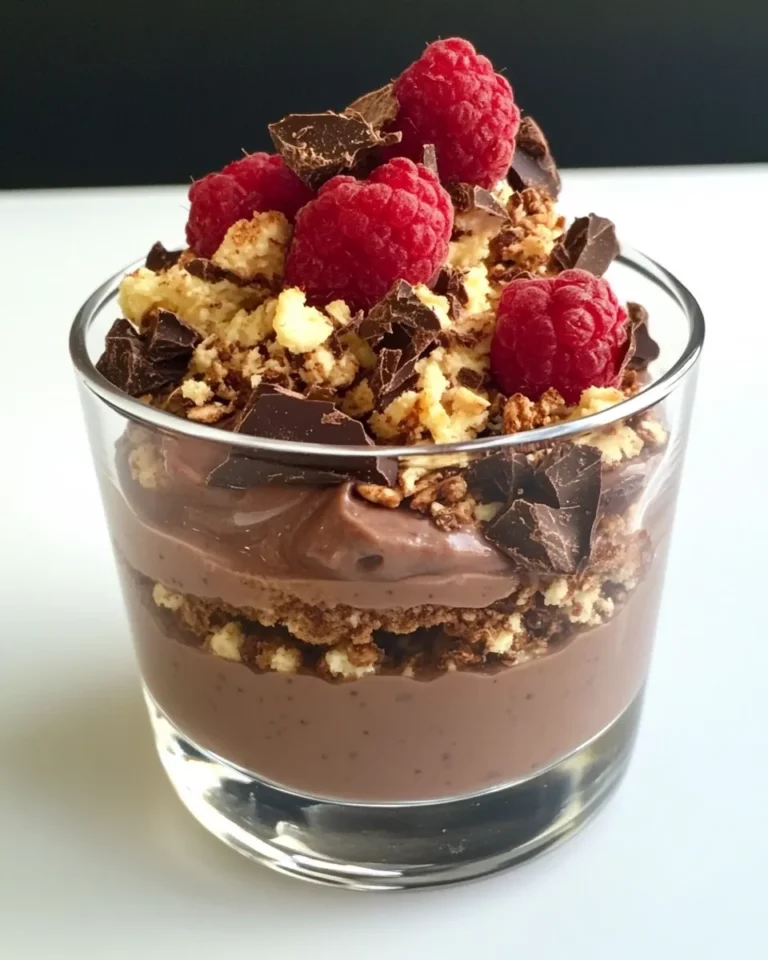
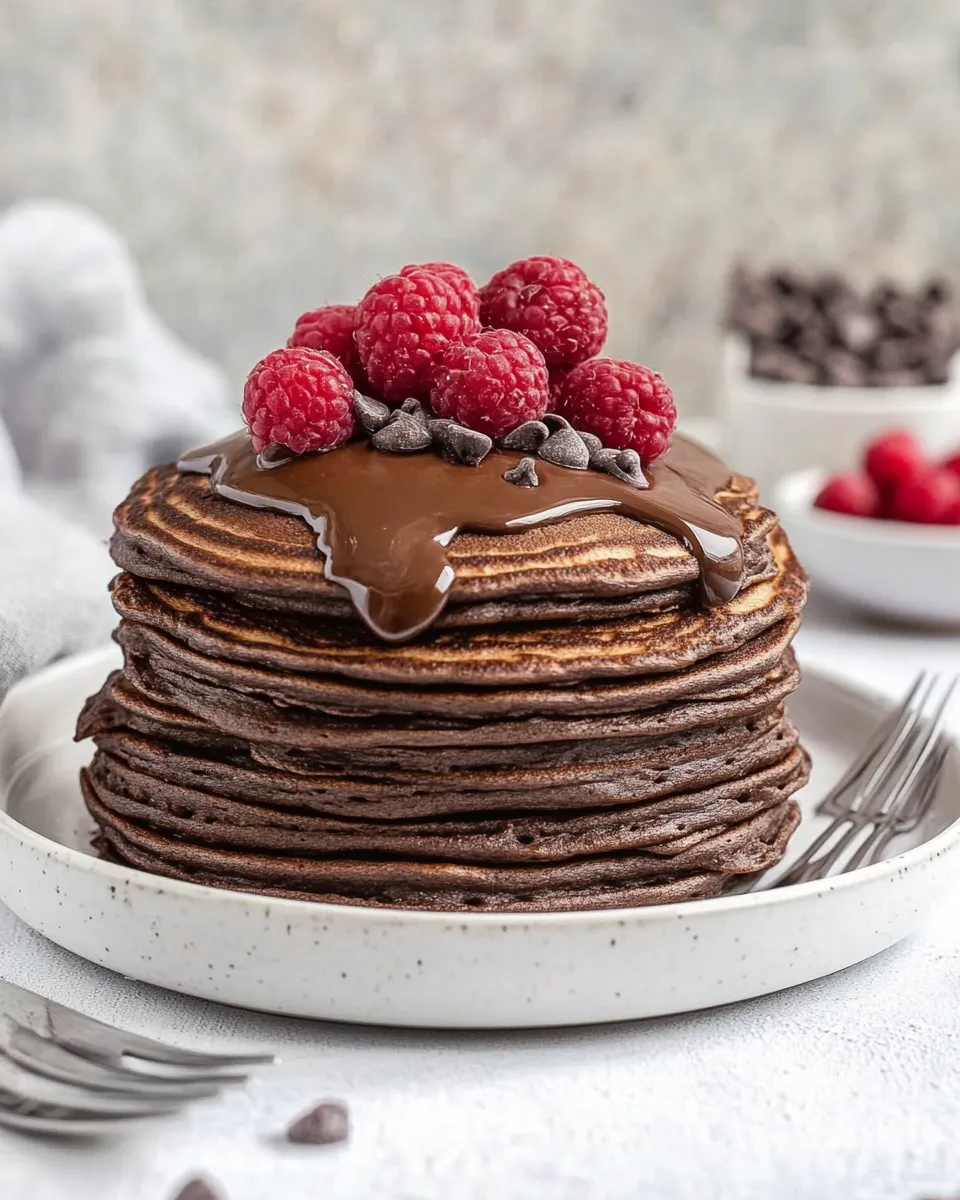
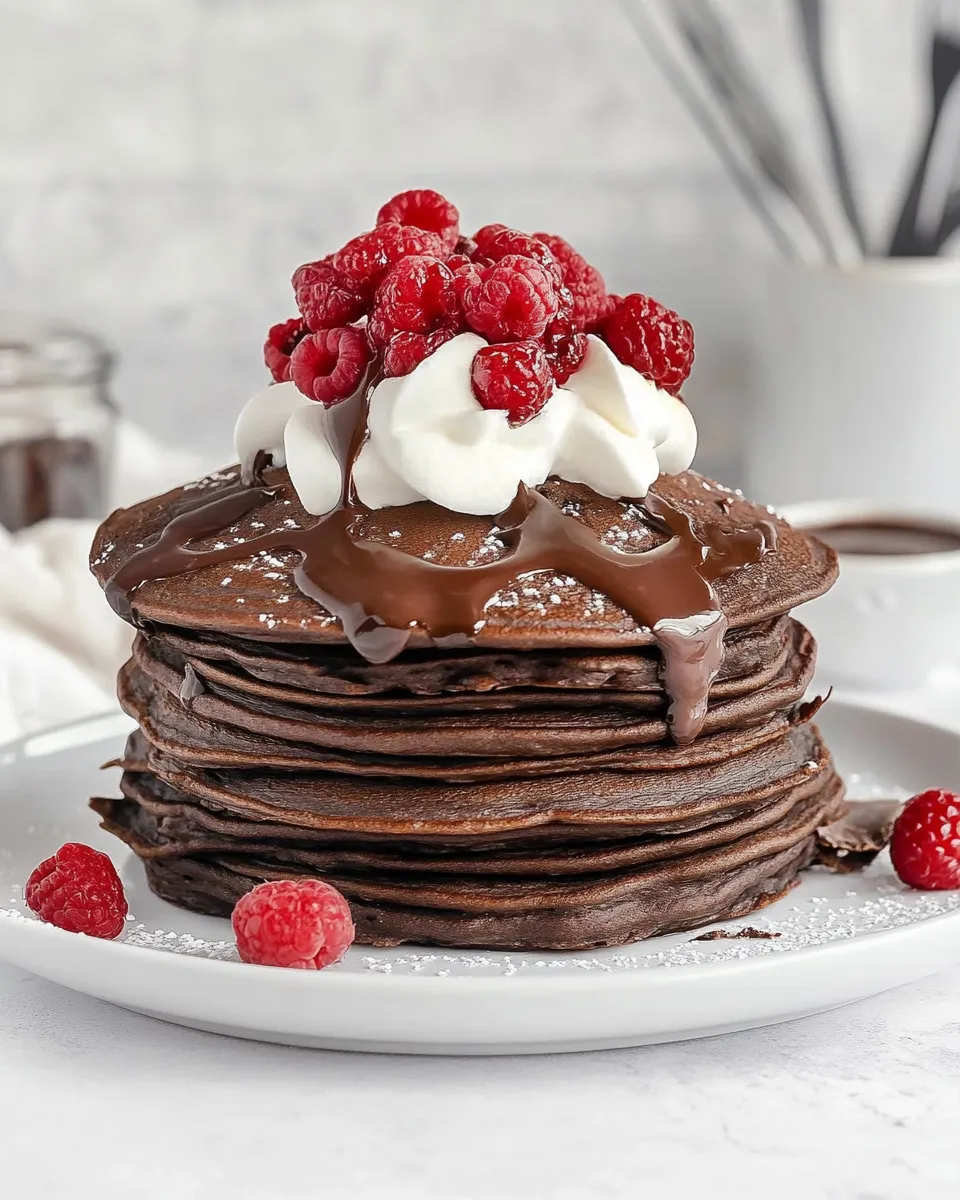
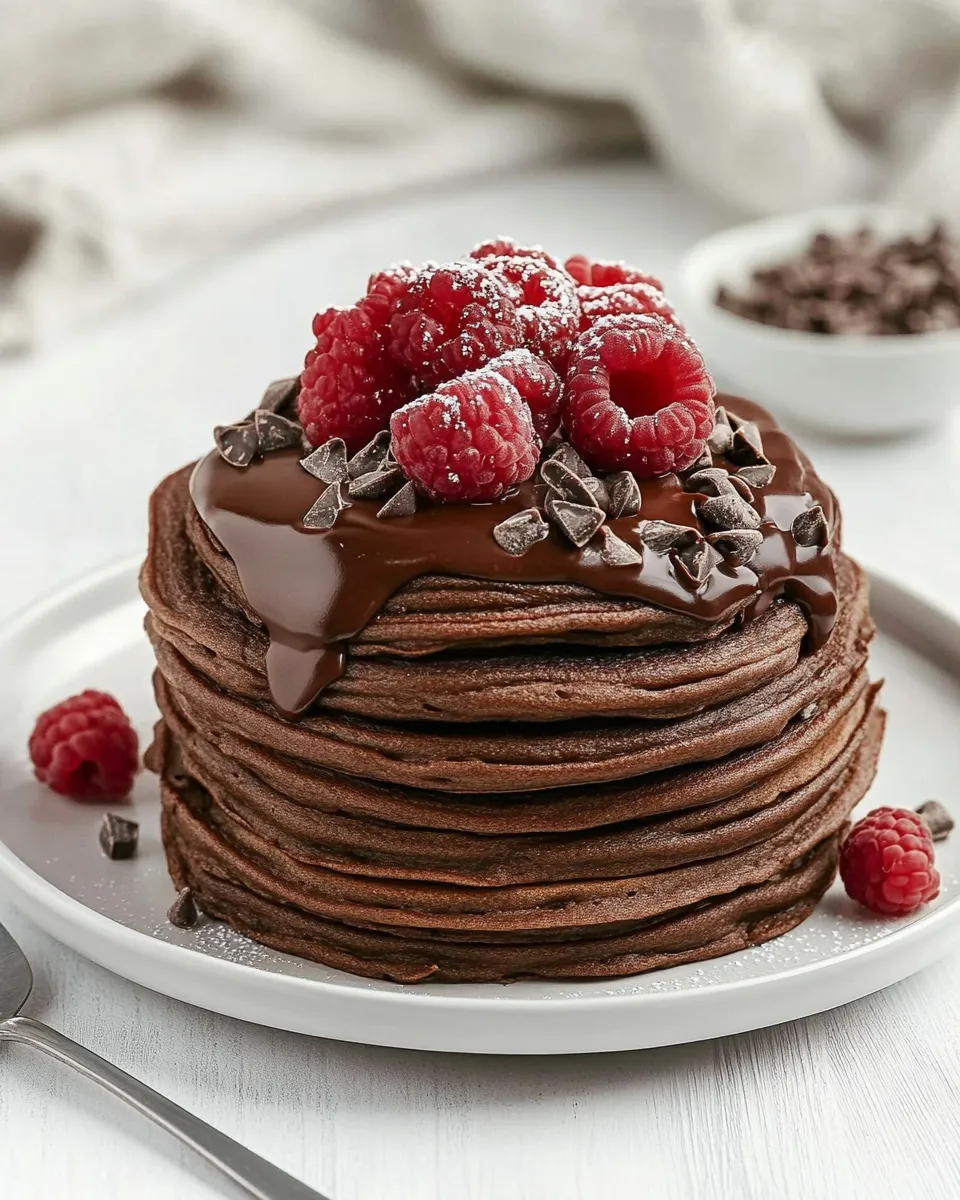
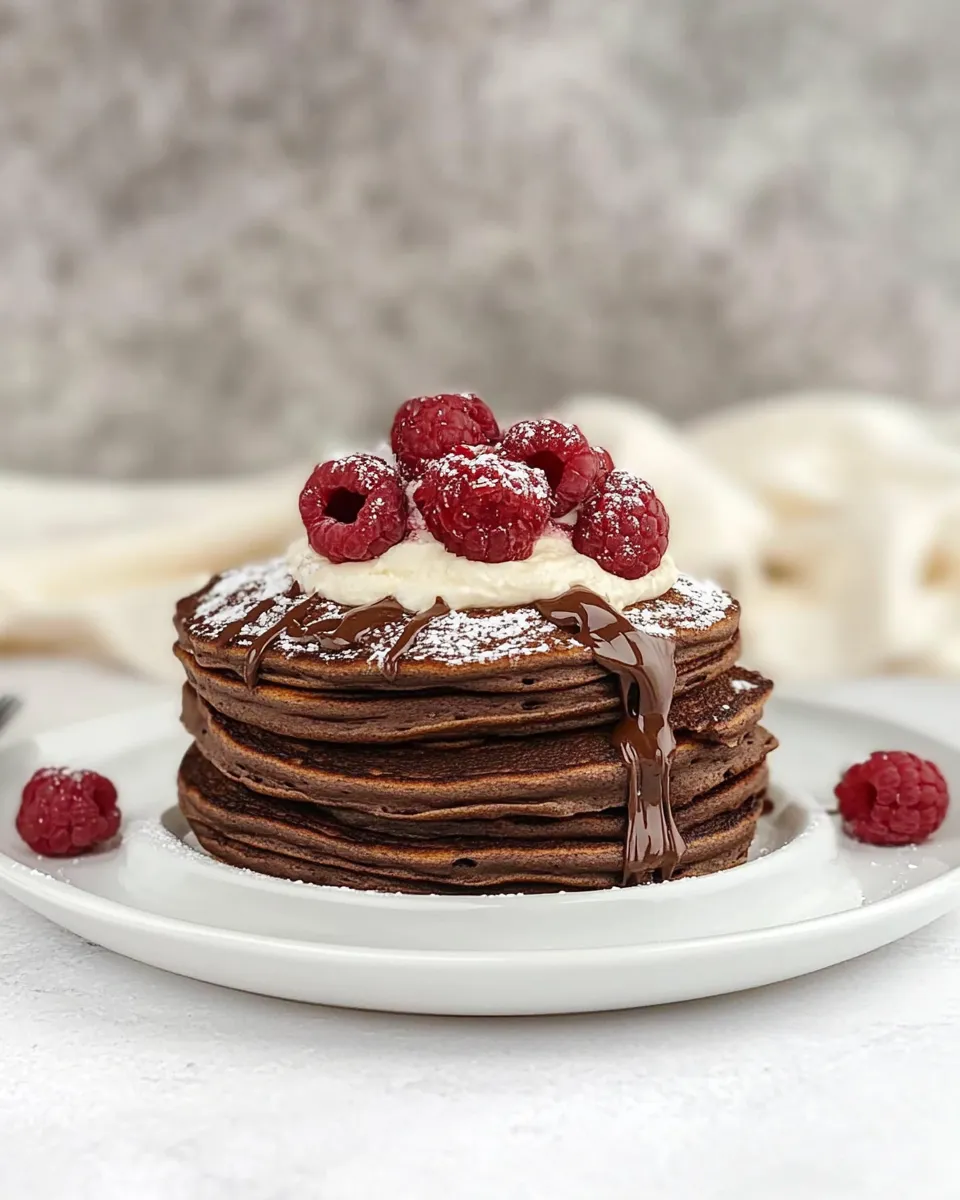
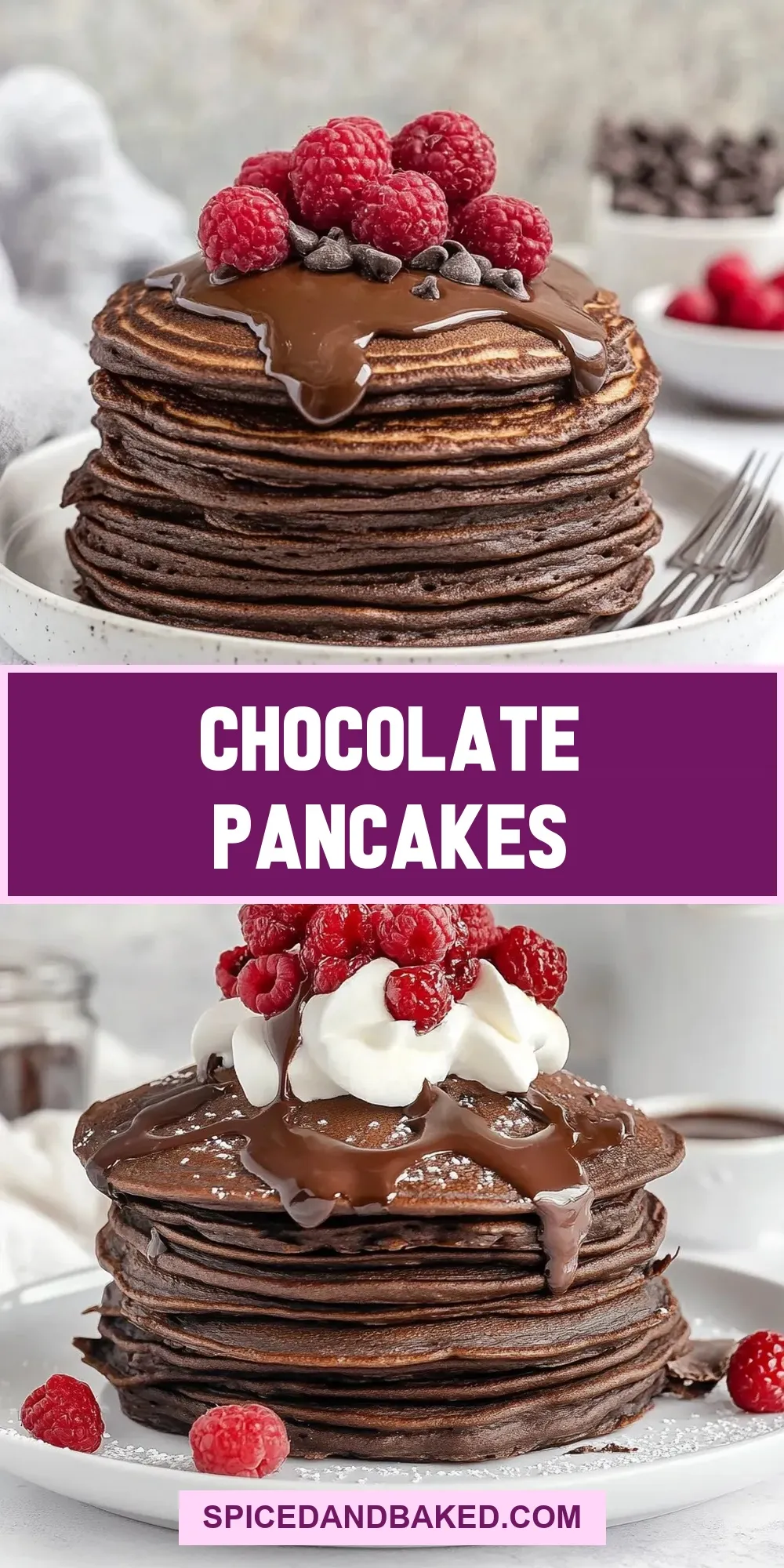
These chocolate pancakes are the little indulgence I make when I want something fast, chocolatey, and reliably good. They come together with pantry basics and a single egg, and the batter mixes in a minute. The result is a stack of tender, slightly cakey pancakes with cocoa flavor that’s not overpowering.
I keep the method simple: mix dry, mix wet, fold together, and cook. That straightforward approach means you can focus on heat control and timing—the parts that make pancakes consistently successful. I’ll walk you through the exact recipe, troubleshooting tips, and sensible swaps so you can adapt them without losing texture.
The Ingredient Lineup
- 1 cup white whole wheat flour — provides structure with a mild whole-grain flavor; spoon into the cup and level for accuracy.
- 2 tablespoons unsweetened cocoa powder — gives the chocolate flavor without adding sweetness; sift if lumpy.
- 2 teaspoons baking powder — the leavening that makes the pancakes light and tall; check freshness if pancakes don’t rise.
- 1/2 teaspoon kosher salt — balances the cocoa and enhances flavor; use measured salt to avoid over-salting.
- 1 tablespoon sugar — a small amount for brightness and browning; you can reduce it if you prefer less sweet.
- 1 large egg, whisked — binds and adds lift; whisk until blended before adding to the wet mix.
- 1 cup milk — hydrates the batter and helps dissolve dry ingredients; use cold or room temperature milk as you have it.
- 1 tablespoon coconut oil — folded into the wet ingredients for moisture and a touch of flavor; melt first if solid.
- butter or coconut oil, for greasing the pan — prevents sticking and helps develop a golden edge; re-grease as needed between batches.
How to Prepare (Chocolate Pancakes)
- In a large bowl, whisk together 1 cup white whole wheat flour, 2 tablespoons unsweetened cocoa powder, 2 teaspoons baking powder, 1/2 teaspoon kosher salt, and 1 tablespoon sugar.
- In a separate bowl, whisk the 1 large egg until blended. Add 1 cup milk and 1 tablespoon coconut oil (melt the coconut oil first if it is solid), and whisk until combined.
- Pour the wet ingredients into the dry ingredients and stir gently until just combined; small lumps are fine—do not overmix.
- Heat a large skillet or griddle over medium heat and lightly coat the surface with butter or additional coconut oil.
- Pour about 1 tablespoon of batter per pancake onto the hot skillet, leaving space between pancakes for flipping.
- Cook for 2 minutes or until bubbles form on the surface and the edges look set.
- Flip each pancake and cook for 1 minute more, or until cooked through. Repeat with remaining batter, greasing the pan as needed.
Why It’s My Go-To
These pancakes hit the sweet spot between quick and special. The recipe uses one bowl for the dry ingredients and another for the wet, which keeps cleanup minimal. They cook fast, so you can feed a small crowd in a single session without babysitting a long process. The cocoa provides noticeable chocolate flavor without drowning out the pancake texture.
I appreciate how forgiving the batter is: small lumps are fine and the pancakes tolerate a little variation in heat. Because the recipe uses white whole wheat flour, you get a tiny boost of whole-grain texture without heaviness. For busy mornings or a relaxed weekend brunch, they give you chocolate in a format that still feels breakfast-appropriate.
Ingredient Flex Options
- Greasing option — the recipe lists butter or coconut oil for greasing the pan; either works. If you prefer a neutral flavor, use the coconut oil. For a richer edge, use butter.
- Sugar adjustment — the recipe calls for 1 tablespoon sugar. You can reduce or omit it if you want a less sweet pancake; the cocoa will still lend depth.
- Cocoa notes — the unsweetened cocoa powder is central to the flavor. Measure it as stated to keep the balance between chocolate and pancake.
- Milk flexibility — the recipe uses 1 cup milk; slight variations in thickness are fine. If your batter looks too thick, a splash more milk will loosen it. If it seems thin, let it rest briefly to thicken or add a spoonful more flour.
Appliances & Accessories
- Large mixing bowl and a separate bowl for wet ingredients — keeps mixing tidy and prevents overmixing.
- Whisk or fork — for blending the egg and wet ingredients.
- Measuring cups and spoons — accurate measuring matters for consistent rise and texture.
- Large skillet or griddle — a flat, evenly heated surface is essential for even browning.
- Spatula — a thin, flexible spatula makes flipping small pancakes easier.
- Small ladle or tablespoon — for portioning about 1 tablespoon of batter per pancake.
Problems & Prevention
Common issues and how to fix them
- Pancakes not rising — check that you used 2 teaspoons baking powder and that it’s fresh. Overmixing can also knock out air; stir until just combined and leave small lumps.
- Batter too runny or too thick — the recipe uses 1 cup milk and 1 cup flour. If your batter seems too thin, let it rest 5–10 minutes; whole wheat flour often absorbs liquid. If it’s too thick, add a teaspoon of milk at a time.
- Burning or undercooking — medium heat is called for. If pancakes brown too quickly, lower the heat. If they’re raw in the center after browning, the pan is too hot; reduce heat and finish in batches.
- Sticking to the pan — coat the skillet lightly with butter or coconut oil and re-grease as needed between batches. A well-seasoned skillet or a nonstick griddle helps immensely.
- Uneven color — ensure the pan is preheated evenly. Wipe excess oil between batches if it starts to smoke and create dark spots.
Spring–Summer–Fall–Winter Ideas
These pancakes are a year-round base. In spring, serve them with bright, fresh elements that cut the richness. In summer, lighter accompaniments and room-temperature toppings work best for easy outdoor breakfasts. In fall, lean into warm flavors and cozy additions. In winter, serve the pancakes warm with something comforting on the side.
Because the pancakes themselves are not overly sweet, they pair well with contrasts: something acidic or fresh to lift the cocoa notes, or something rich and creamy for an indulgent weekend. Keep portion sizes small since each pancake is about 1 tablespoon of batter—perfect for building a composed stack.
Behind the Recipe
This pancake formula is deliberately simple. White whole wheat flour gives the structure of traditional pancakes while keeping a lighter crumb than regular whole wheat. The cocoa powder adds chocolate depth without extra fat or sugar. Coconut oil appears twice in the recipe—melted into the wet mix to keep the crumb tender, and optionally used to grease the pan for a nonstick surface and a hint of flavor.
The technique follows classic pancake logic: dry ingredients together for even distribution of leavening, wet ingredients combined to emulsify the fat, and gentle mixing to preserve lightness. Small pancakes made with about 1 tablespoon of batter cook quickly and let you control doneness. This method is forgiving but rewards attention to heat and quick flipping.
Best Ways to Store
- Short-term (fridge) — cool pancakes completely on a rack, then stack with parchment between layers and store in an airtight container for up to 2 days. Reheat gently in a skillet or oven to keep edges crisp.
- Long-term (freezer) — flash-freeze single layers on a sheet pan, then transfer to a sealed bag. They keep for up to 1 month. Reheat from frozen in a toaster oven or oven at moderate temperature until warmed through.
- Reheating tips — avoid the microwave if you want to preserve texture. Warm them in a skillet over low heat or in a 350°F (175°C) oven until heated through; this keeps the exterior pleasant.
Frequently Asked Questions
- Can I make the batter ahead? You can mix the dry ingredients in advance and store them. Combine wet and dry just before cooking to keep the baking powder at peak effectiveness.
- How large should each pancake be? The recipe suggests about 1 tablespoon of batter per pancake, which creates small, quick-cooking rounds. If you prefer larger pancakes, expect slightly longer cooking times and adjust heat as necessary.
- What if I don’t have coconut oil? The recipe lists butter or coconut oil for greasing the pan, and coconut oil in the wet ingredients. You can use butter for greasing; if you omit the coconut oil from the wet mix, expect a slightly different mouthfeel but the pancakes will still work.
- Why are there small lumps allowed? Overmixing develops gluten and yields tough pancakes. Small lumps in the batter are fine and keep the texture tender.
The Takeaway
If you want a straightforward chocolate pancake that’s fast, dependable, and tasty, this recipe is a winner. It leans on simple technique and a small set of ingredients to produce consistently good results. Pay attention to heat, don’t overmix, and portion with the tablespoon for quick, even pancakes. They’re a practical way to add chocolate to breakfast without a lot of fuss.
Chocolate Pancakes
Ingredients
Ingredients
- ?1 cupwhite whole wheat flour
- ?2 tablespoonsunsweetened cocoa powder
- ?2 teaspoonsbaking powder
- ?1/2 teaspoonkosher salt
- ?1 tablespoonsugar
- ?1 large egg whisked
- ?1 cupmilk
- ?1 tablespooncoconut oil
- ?butter or coconut oil for greasing the pan
Instructions
Instructions
- In a large bowl, whisk together 1 cup white whole wheat flour, 2 tablespoons unsweetened cocoa powder, 2 teaspoons baking powder, 1/2 teaspoon kosher salt, and 1 tablespoon sugar.
- In a separate bowl, whisk the 1 large egg until blended. Add 1 cup milk and 1 tablespoon coconut oil (melt the coconut oil first if it is solid), and whisk until combined.
- Pour the wet ingredients into the dry ingredients and stir gently until just combined; small lumps are fine—do not overmix.
- Heat a large skillet or griddle over medium heat and lightly coat the surface with butter or additional coconut oil.
- Pour about 1 tablespoon of batter per pancake onto the hot skillet, leaving space between pancakes for flipping.
- Cook for 2 minutes or until bubbles form on the surface and the edges look set.
- Flip each pancake and cook for 1 minute more, or until cooked through. Repeat with remaining batter, greasing the pan as needed.
Equipment
- Large Bowl
- Whisk
- Skillet or griddle
- Spatula
Notes
Melt coconut oil before measuring if it is solid.