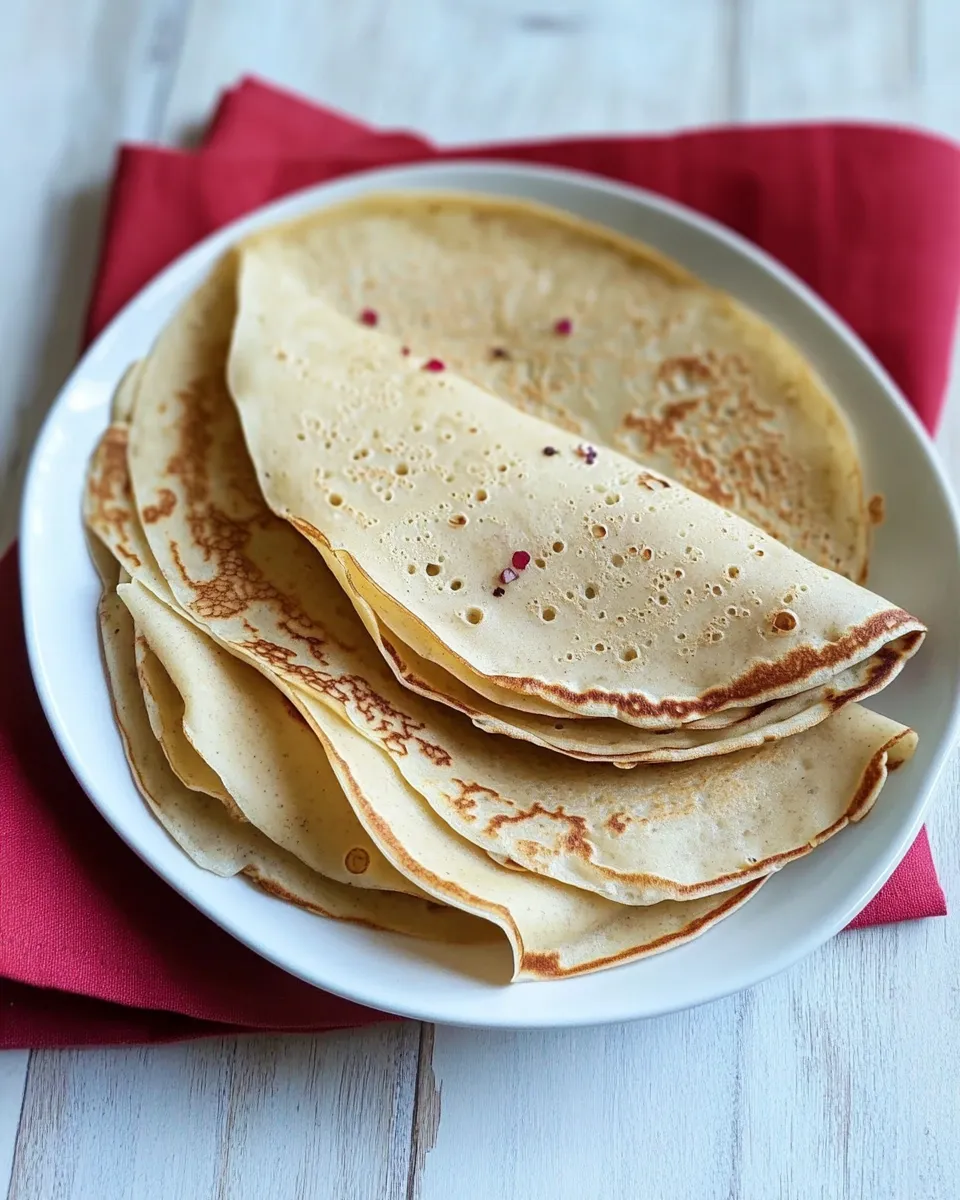
These grain-free crepes are a dependable weekday treat that also feels special on weekend mornings. They take the familiar crepe idea—thin, flexible pancakes—and rework it using almond and tapioca flours so you get structure without wheat. The batter blends up quickly and cooks in under two minutes per crepe. No complicated technique, just a steady hand and a hot pan.
I test variations until a recipe is trouble-free, and this one is built around simple, real-food ingredients. The outcome is tender, slightly chewy crepes with a neutral base that lets honey, maple, or fresh berries shine. If you follow the steps as written you’ll avoid tearing and sticking.
Below I walk through ingredient details, the exact steps to make the batter and cook the crepes, equipment to have on hand, common mistakes to avoid, storage notes, and quick answers to FAQs. Read once, then keep this post handy for the next time you want a grain-free breakfast that actually feels like a treat.
Ingredient Notes
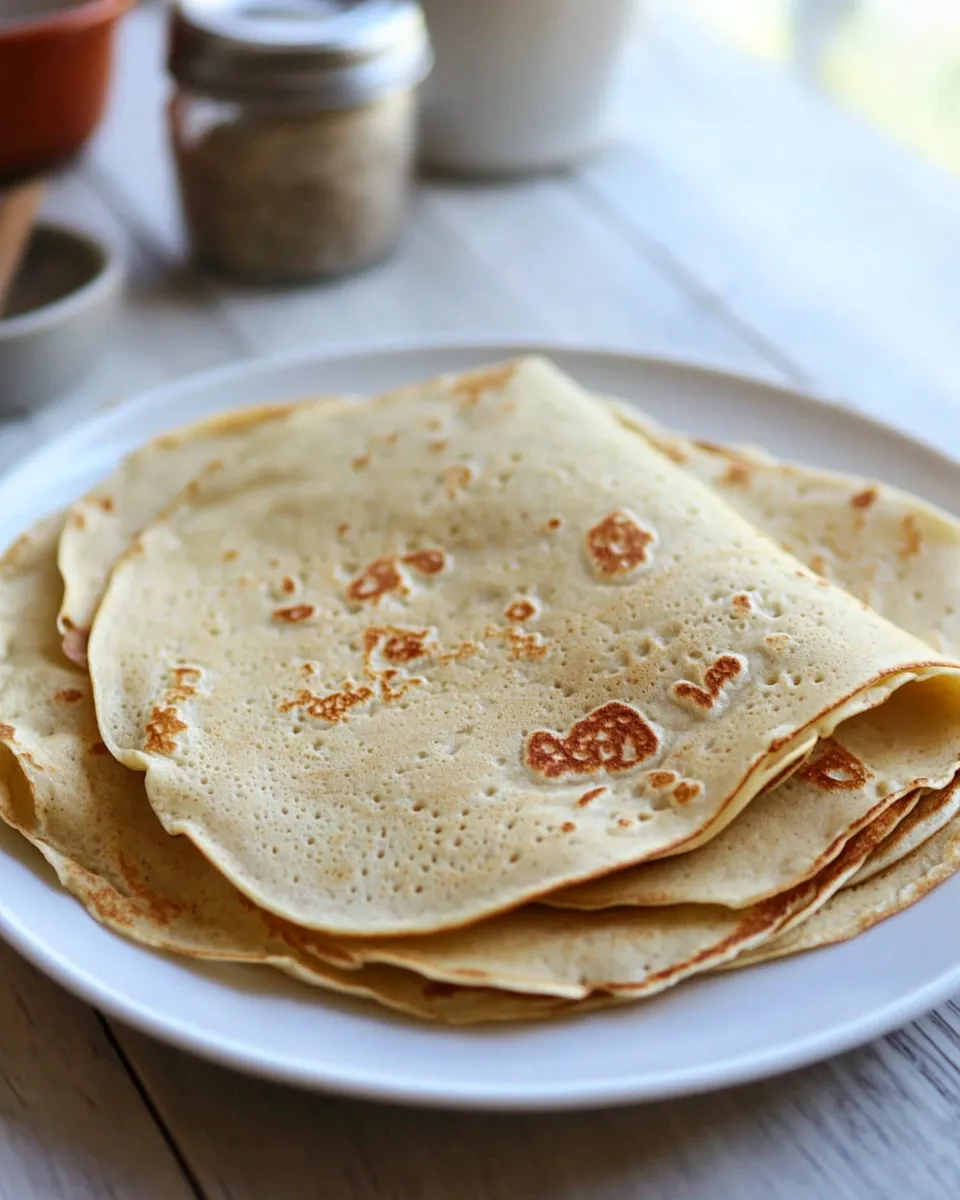
I focus on what each ingredient does so you know why it’s measured this way. These notes are practical: think texture, hydration, and flavor balance rather than marketing copy.
Ingredients
- 1 cup super-fine almond flour* — Provides the base and body; super-fine texture keeps the batter smooth and helps the crepes hold together without a gritty mouthfeel.
- 1/2 cup tapioca flour or arrowroot flour — Adds chew and stretch so the crepes are pliable; use the same volume listed for texture balance.
- 4 eggs — Eggs supply structure and lift; they’re the primary binder and help the crepes set quickly in the pan.
- 1 cup unsweetened almond milk — Thins the batter to a pourable consistency and keeps the flavor neutral; unsweetened avoids extra sweetness that can overpower fillings.
- Pinch sea salt — Balances flavor and rounds out sweetness from syrup or honey.
- ½ teaspoon pure vanilla extract — Small amount of vanilla lifts the batter flavor without making it taste like dessert batter.
- 1 tablespoon maple syrup or honey — Adds a touch of sweetness to the batter and helps with browning; pick one and use the listed amount.
- Honey or pure maple syrup — For serving; adds immediate sweetness and glossy finish.
- Fresh ripe berries — For serving; add bright acidity and texture contrast to the tender crepes.
Grain-Free Crepes (Paleo) — Do This Next
- Add 1 cup super-fine almond flour, 1/2 cup tapioca flour (or arrowroot), 4 eggs, 1 cup unsweetened almond milk, a pinch of sea salt, 1/2 teaspoon pure vanilla extract, and 1 tablespoon maple syrup or honey to a blender; blend until completely smooth, stopping to scrape down the sides if needed.
- Let the batter rest 3–5 minutes to hydrate the flours (optional but helpful for consistency).
- Preheat a large nonstick or well‑seasoned skillet over medium heat until hot. If your pan tends to stick, very lightly grease the surface as needed.
- Measure 1/3 cup of batter and pour it into the center of the hot skillet. Immediately tilt and rotate the skillet in small circles so the batter spreads out slightly (do not try to make it as thin as a wheat flour crepe).
- Cook until many small air bubbles rise to the surface and the edges look set, about 1 to 2 minutes.
- Carefully flip the crepe with a spatula and cook the other side until set, about 20 to 30 seconds.
- Transfer the cooked crepe to a plate and repeat steps 4–6 with the remaining batter.
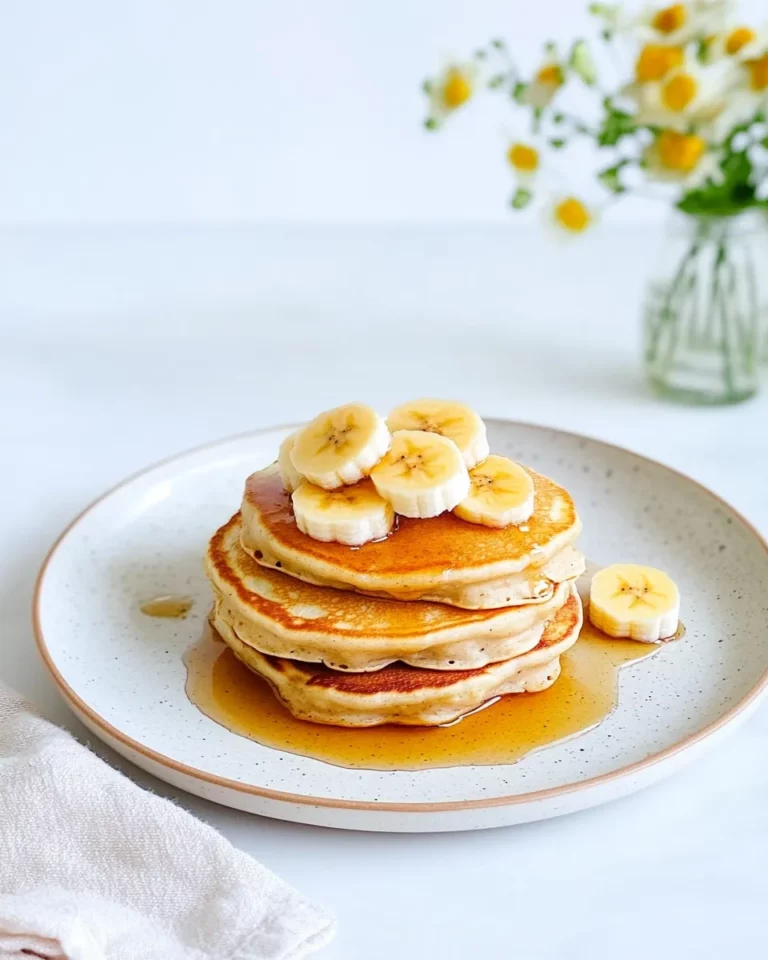
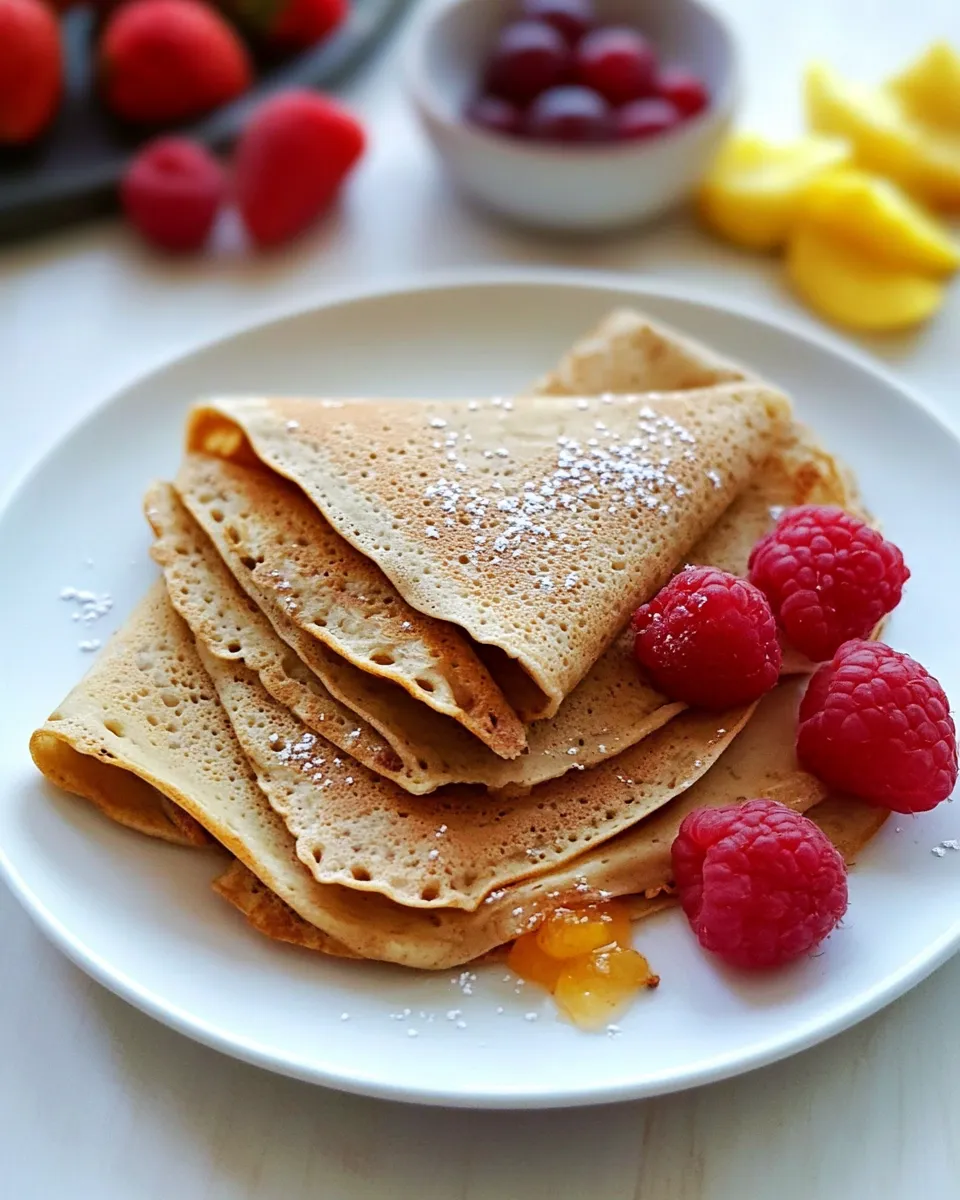
- Serve warm topped with honey or pure maple syrup and fresh ripe berries.
Why This Grain-Free Crepes (Paleo) Stands Out
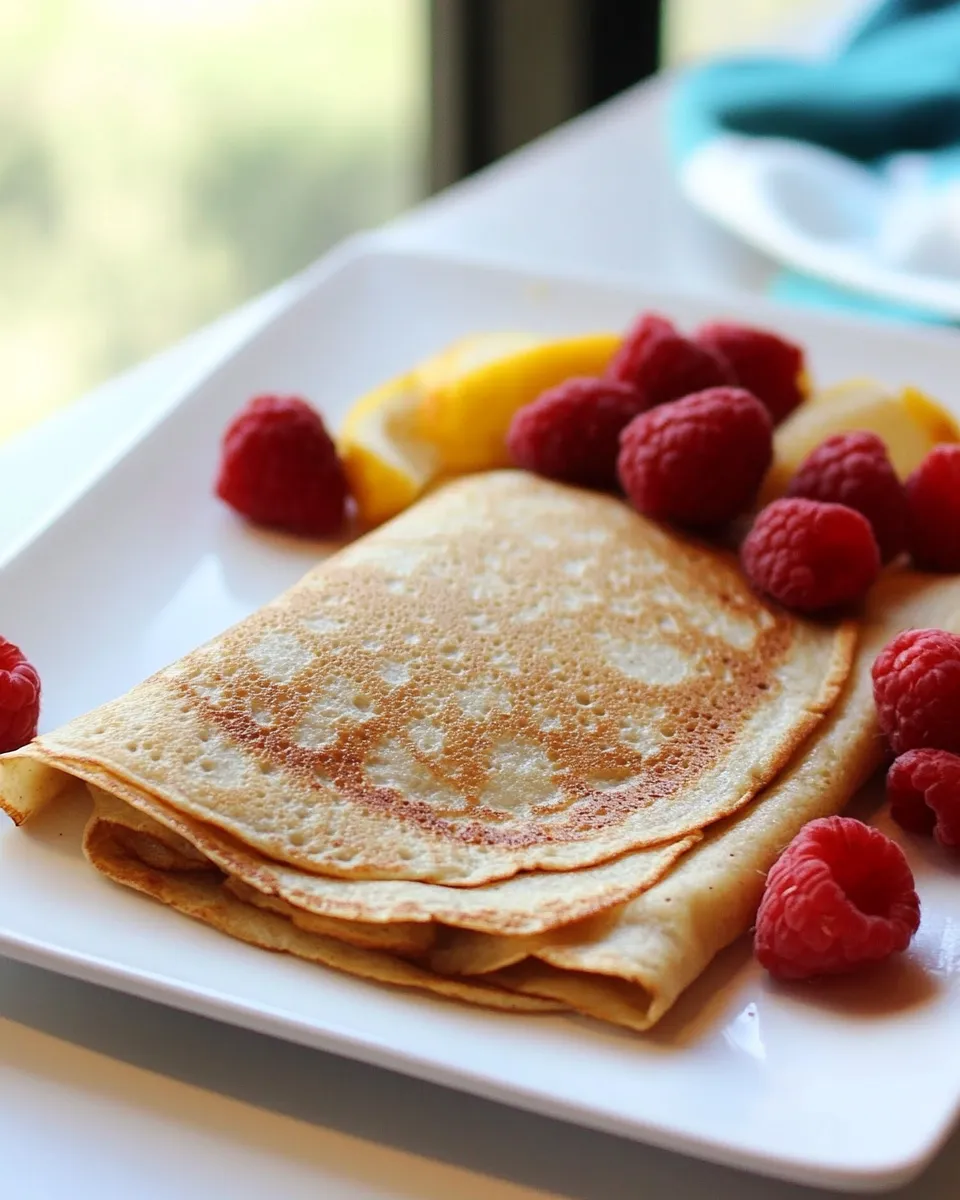
Two things make this version reliable: simple ratios and the right texture contrast. Almond flour brings tenderness and a light nutty flavor, while tapioca or arrowroot gives the chew and elasticity that wheat would normally supply. The eggs do the heavy lifting for structure so you don’t need a long rest time or complicated mixing technique.
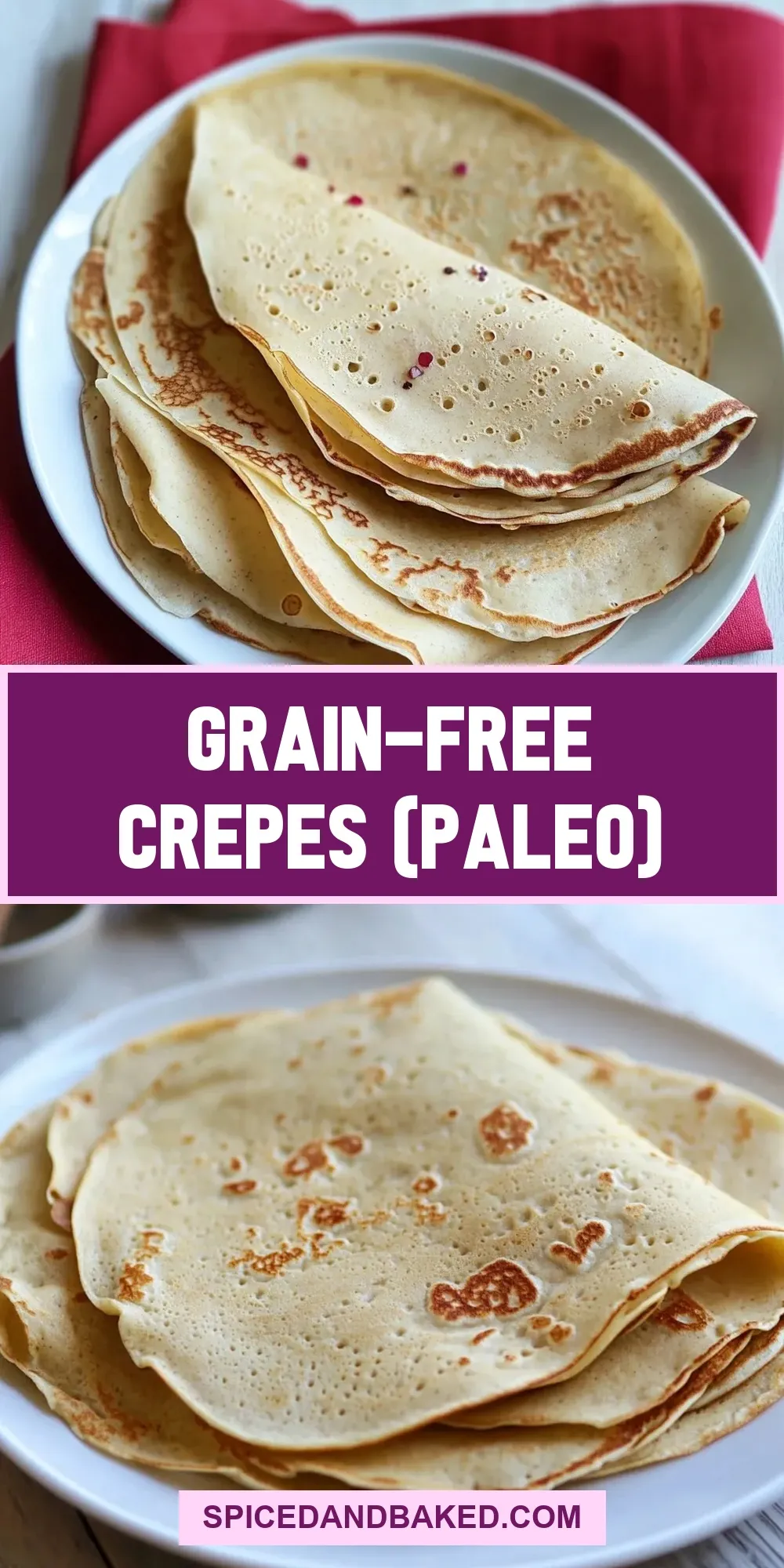
This recipe doesn’t chase razor-thin French crepes; it aims for a slightly thicker, sturdier crepe that’s easy to flip and fold. The result is practical—useful for filling, stacking, or rolling without falling apart—while staying true to grain-free and paleo principles.
If You’re Out Of…
If you run into a missing item, these swaps are safe because they’re already included in the recipe’s options:
- If you’re out of tapioca flour, use arrowroot flour (listed in the ingredients) at the same amount.
- If you don’t have maple syrup, use honey as noted in the ingredient list.
Beyond those, I recommend following the recipe as written. The balance between almond flour and the starch is intentional; substituting other flours or thickeners will change texture and may cause sticking or crumbling.
Before You Start: Equipment
Good results hinge on a few basic tools you likely already own:
- Blender — for a completely smooth batter; it dissolves lumps faster than a whisk.
- Large nonstick or well-seasoned skillet — consistent heat and a flat surface make flipping easier.
- Spatula — a thin, flexible spatula helps lift and flip without tearing.
- 1/3-cup measure — for consistent crepe size and even cooking.
If your skillet is prone to sticking, have a small brush or paper towel and a neutral oil on hand to barely grease the surface between crepes.
What Not to Do
These are the most common missteps and how to avoid them:
Don’t over-thin the batter
The batter should be pourable but not watery. The 1 cup almond flour to 1/2 cup starch and 4 eggs ratio creates the right body. Adding extra almond milk will make the crepes fragile and harder to flip.
Don’t flip too early
Wait for many small air bubbles to appear and the edges to look set. Flipping before the underside has set increases tearing and sticking.
Don’t crowd the pan
Cook one crepe at a time unless your skillet is very large. Crowding lowers pan temperature and affects browning and texture.
Seasonal Adaptations
Crepes are a canvas, and adjusting toppings by season keeps them interesting without changing the base recipe:
- Spring: Serve with fresh berries (strawberries, raspberries) and a light drizzle of honey or maple.
- Summer: Heavier berry mixes are great; keep the crepes warm and add fruit at the last minute so they stay vibrant.
- Autumn: Use the same crepes and top with warm fruit compote; keep syrup or honey on the side so the crepe base doesn’t get soggy.
- Winter: Warm toppings are ideal; serve crepes fresh off the pan with warm maple syrup and room-temperature berries.
Behind-the-Scenes Notes
I tested different almond flour textures and found super-fine almond flour makes the biggest difference. Coarser almond meal can leave a gritty mouthfeel and increase tearing. The tapioca/arrowroot starch is essential for elasticity—too little and the crepes crumble, too much and they become gummy. The amounts here are balanced for a reliably tender but flexible crepe.
Blending is mainly about achieving a smooth batter. If you whisk by hand, you’ll need to be diligent about breaking clumps and letting the batter rest so the starch hydrates properly.
Storage & Reheat Guide
Store cooked crepes in an airtight container with a sheet of parchment between stacks to prevent sticking. Refrigerate up to 3 days. For longer storage, freeze flat between parchment sheets in a freezer-safe bag for up to 1 month.
To reheat: thaw in the fridge if frozen, then warm in a skillet over low-medium heat for 30–60 seconds per side until just heated through. Avoid microwaving straight from frozen; it can make the crepes gummy. If reheating multiple, keep finished crepes covered loosely with foil while others warm so they stay pliable.
Common Qs About Grain-Free Crepes (Paleo)
Q: Can I make the batter ahead of time?
A: Yes. After blending, cover and refrigerate up to 24 hours. Let it sit briefly at room temperature and give the batter a quick stir or short blend before cooking if separation occurs.
Q: Why are my crepes tearing?
A: Tearing usually comes from batter that’s too thin, flipping too early, or a sticky pan. Ensure you measure 1/3 cup for each crepe for consistent thickness, wait until many small bubbles appear, and use a lightly oiled or truly nonstick surface.
Q: Can I make them thinner like classic French crepes?
A: These crepes are designed to be slightly thicker for strength and ease of handling. You can try using less batter per crepe, but the almond and starch mix won’t spread as paper-thin as wheat-based batter. The texture will be different but still delicious.
Q: Are these suitable for a paleo diet?
A: Yes. The ingredients listed are grain-free and align with common paleo guidelines. Check your almond milk and sweeteners for any non-paleo additives if strict compliance is required.
Next Steps
Make the batter and cook a single test crepe first so you can adjust heat and pan handling without wasting the whole batch. Once you have the timing down, the rest moves quickly: 1 to 2 minutes per crepe and you’ll have a stack ready for the table in under 20 minutes.
Serve warm with a drizzle of honey or pure maple syrup and a handful of fresh ripe berries. Keep practicing the tilt-and-rotate motion; after a few crepes you’ll develop a rhythm. Leave a note below with any tweaks you try—I read every comment and I’ll respond with practical adjustments based on how your kitchen behaves.
Grain-Free Crepes (Paleo)
Ingredients
Ingredients
- 1 cupsuper fine almond flour*
- 1/2 cuptapioca flouror arrowroot flour
- 4 eggs
- 1 cupunsweetened almond milk
- Pinchsea salt
- 1/2 teaspoonpure vanilla extract
- 1 tablespoonmaple syrup or honey
- Honey or pure maple syrup
- Fresh ripe berries
Instructions
Instructions
- Add 1 cup super-fine almond flour, 1/2 cup tapioca flour (or arrowroot), 4 eggs, 1 cup unsweetened almond milk, a pinch of sea salt, 1/2 teaspoon pure vanilla extract, and 1 tablespoon maple syrup or honey to a blender; blend until completely smooth, stopping to scrape down the sides if needed.
- Let the batter rest 3–5 minutes to hydrate the flours (optional but helpful for consistency).
- Preheat a large nonstick or well‑seasoned skillet over medium heat until hot. If your pan tends to stick, very lightly grease the surface as needed.
- Measure 1/3 cup of batter and pour it into the center of the hot skillet. Immediately tilt and rotate the skillet in small circles so the batter spreads out slightly (do not try to make it as thin as a wheat flour crepe).
- Cook until many small air bubbles rise to the surface and the edges look set, about 1 to 2 minutes.
- Carefully flip the crepe with a spatula and cook the other side until set, about 20 to 30 seconds.
- Transfer the cooked crepe to a plate and repeat steps 4–6 with the remaining batter.
- Serve warm topped with honey or pure maple syrup and fresh ripe berries.
Equipment
- Blender
- nonstick skillet or well-seasoned skillet
- Spatula
- Measuring Cup
Notes
*You can also use hazelnut meal