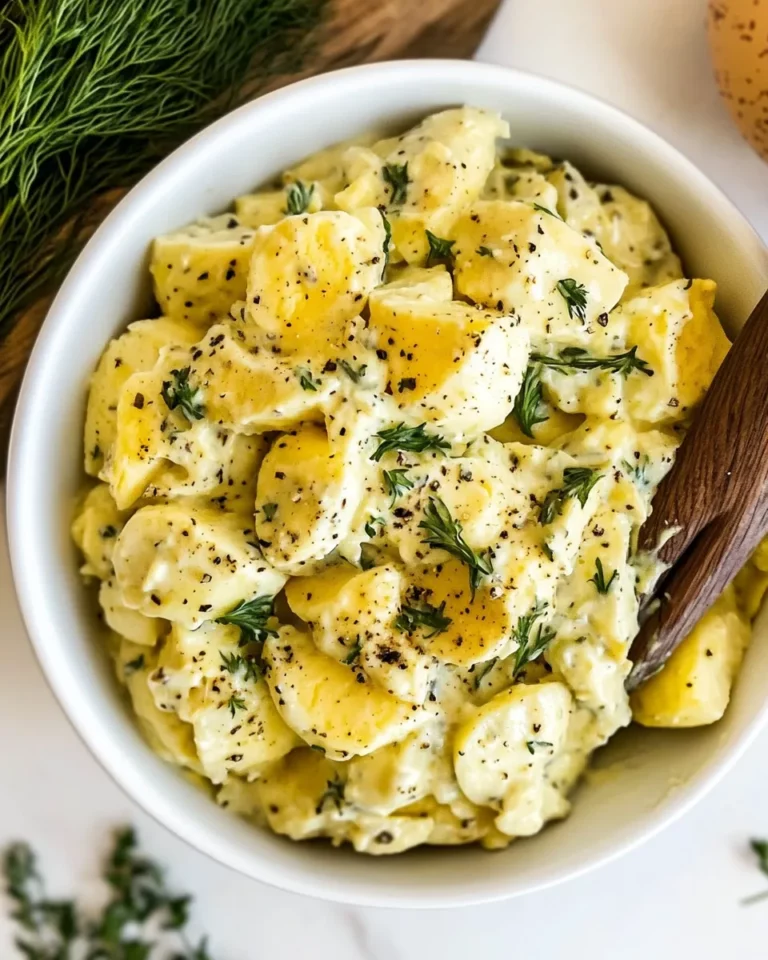
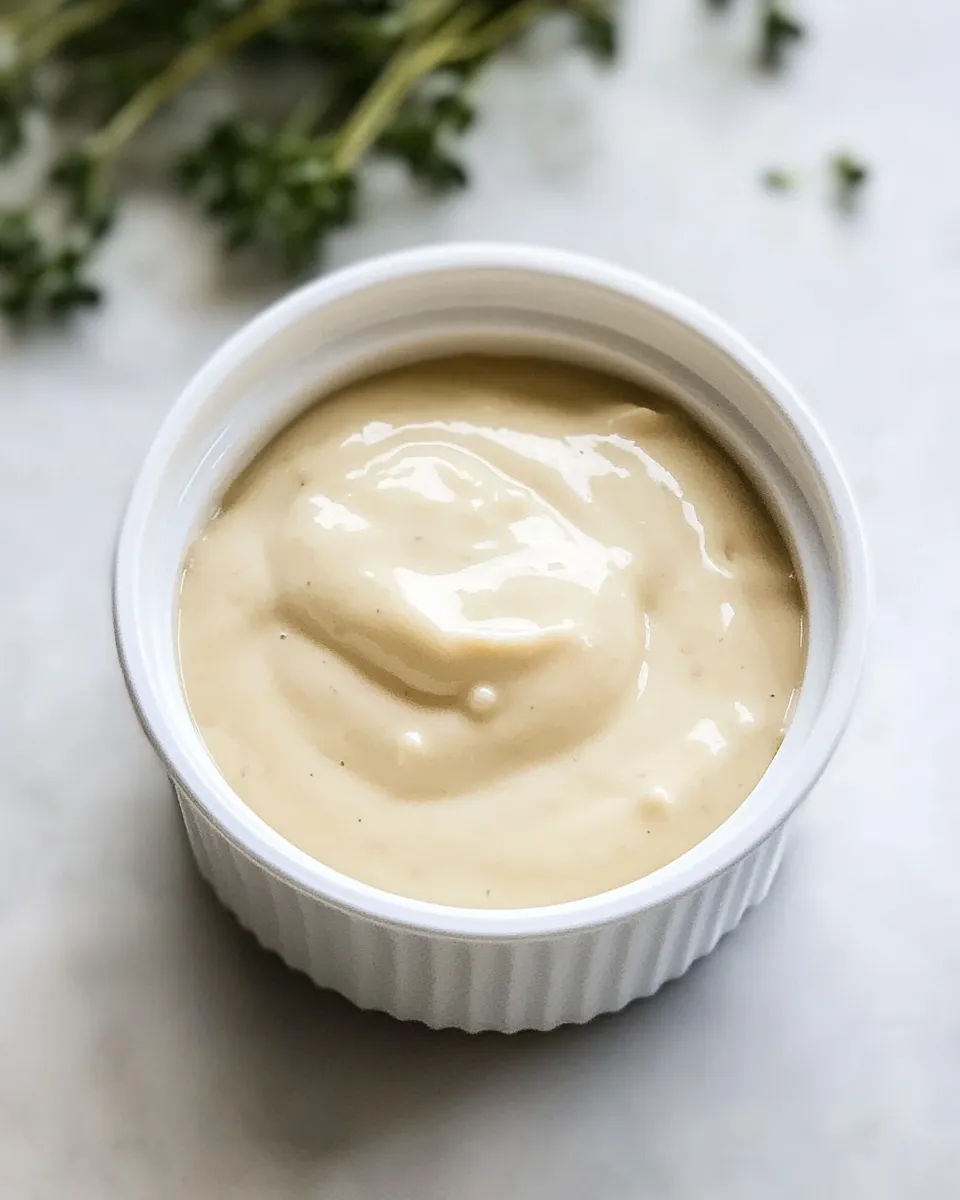
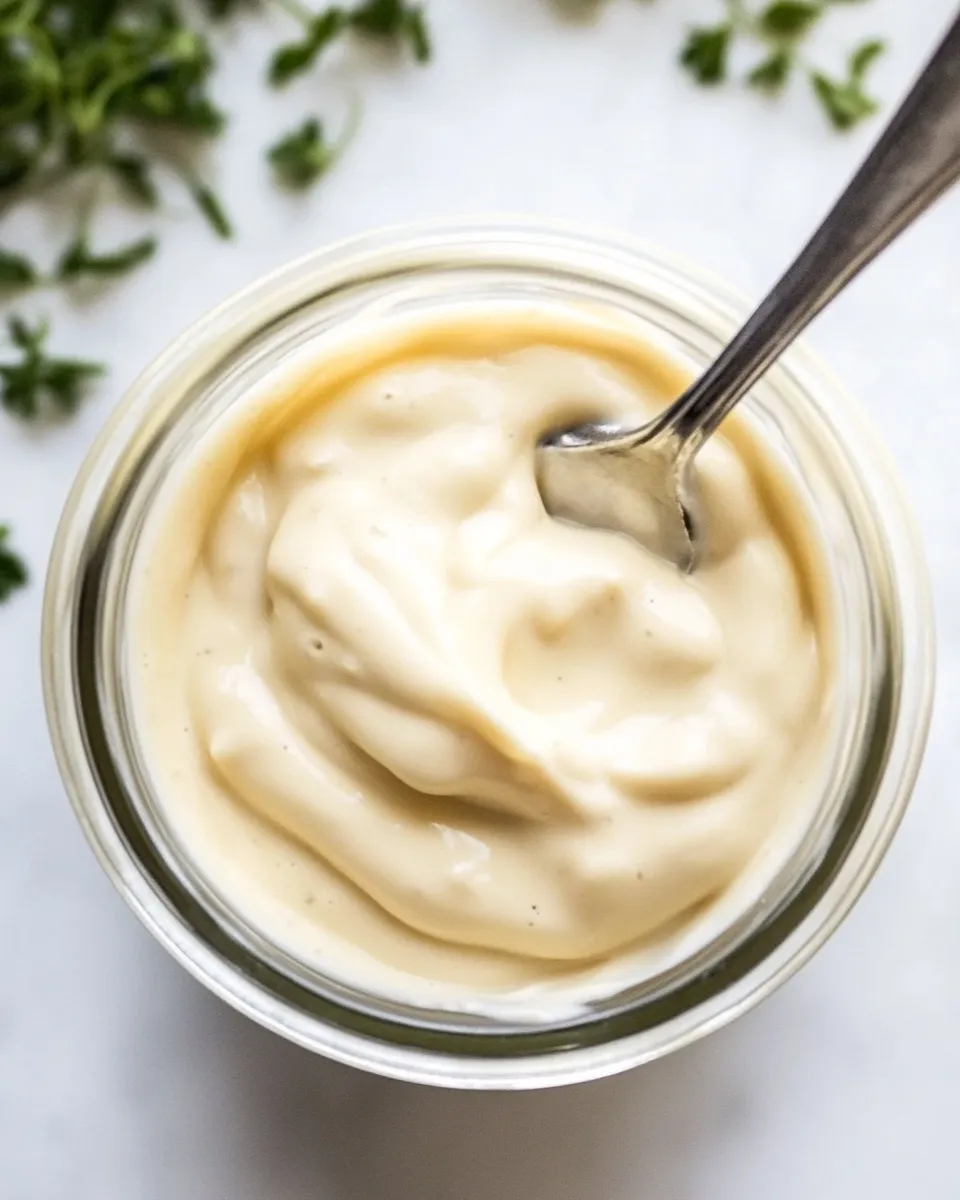
I love a sauce that transforms an ordinary sandwich into something worth stopping for. This Dijonnaise is one of those simple, dependable condiments: creamy, bright, and just a touch sharp. It comes together in minutes, and it’s the kind of thing I keep in the fridge so a quick lunch feels deliberate instead of rushed.
The recipe is short and practical—no tricks, just good ratios and one small rest so the flavors knit together. If you cook often, you’ll recognize the pleasure of a reliable base you can tweak: use it on roasted vegetables, smear it on burgers, or stir a spoon into potato salad for immediate pep.
I’ll walk through the ingredients, the exact steps, and the little troubleshooting tips I’ve learned from using this sauce dozens of times. Keep it simple, taste as you go, and make it yours.
Ingredient Rundown
Ingredients
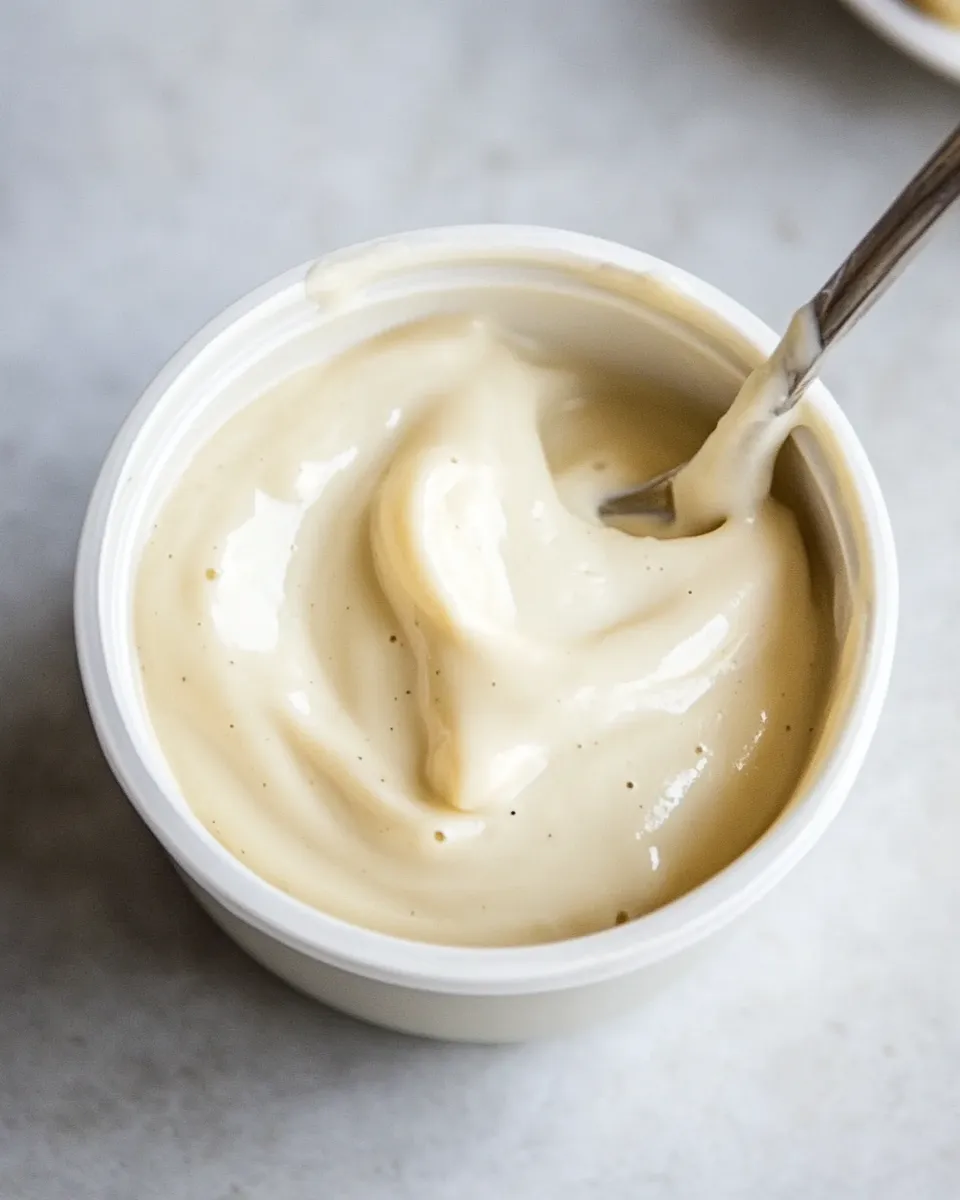
- ½ cup mayonnaise — provides the creamy base and mouthfeel; full-fat mayo gives the richest texture.
- 2 tablespoons Dijon mustard — adds the characteristic tang and sharpness that defines Dijonnaise.
- 1 finely minced garlic clove — brings savory depth; mince very small so it blends smoothly.
- juice of ½ lemon — brightens the mixture and balances the richness with acidity.
- salt and ground white pepper to taste — salt seasons; white pepper keeps the sauce visually uniform while adding gentle heat.
Step-by-Step: Dijonnaise
- In a medium bowl combine ½ cup mayonnaise, 2 tablespoons Dijon mustard, 1 finely minced garlic clove, and the juice of ½ lemon.
- Season with salt and ground white pepper to taste.
- Whisk (or stir with a spoon) vigorously until the mixture is smooth and evenly blended, scraping the sides of the bowl as needed.
- Taste and adjust seasoning with more salt or white pepper if desired.
- Cover and chill until ready to use (allow at least 30 minutes for flavors to meld, if possible).
Why It Works Every Time
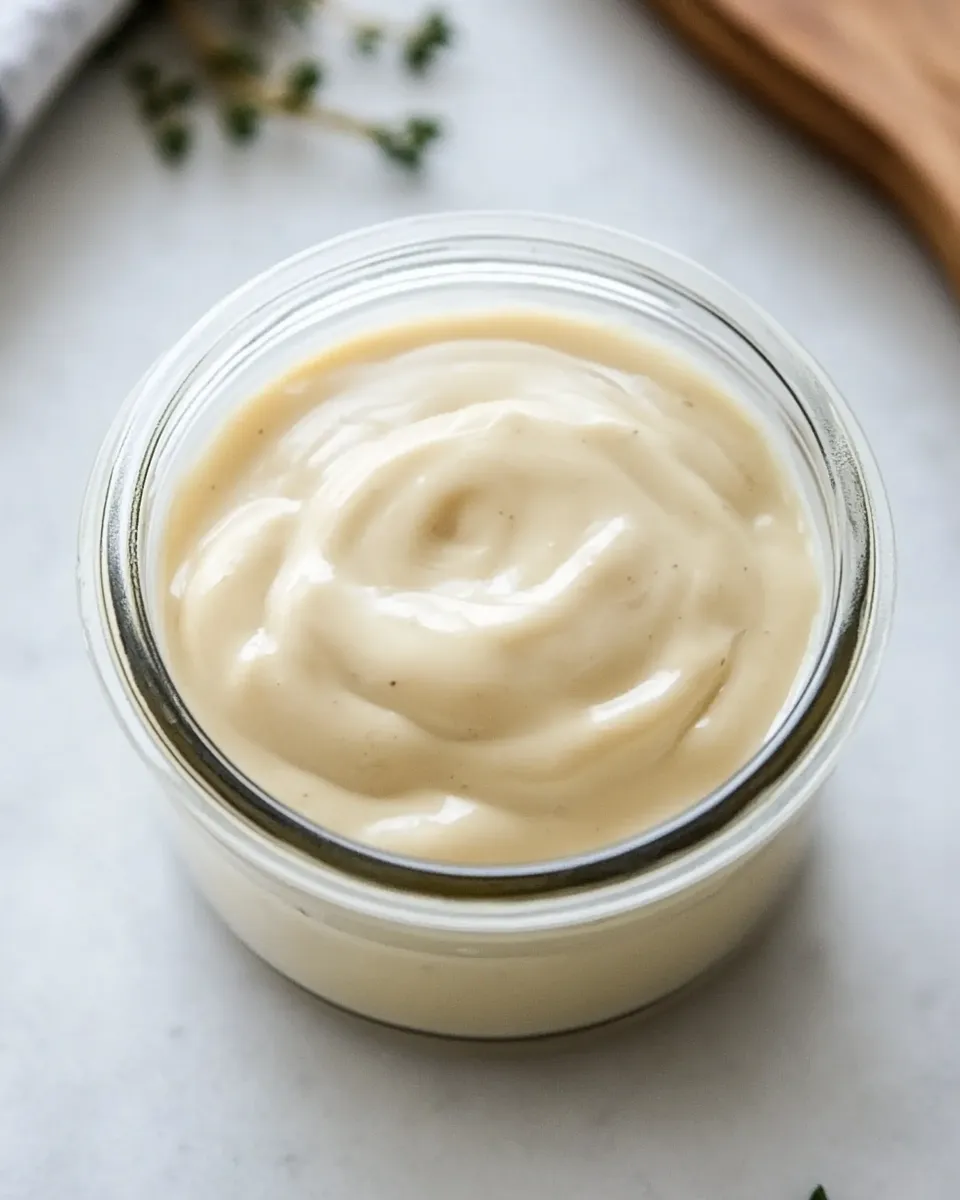
This recipe is built on complementary contrast: the velvety fat from mayonnaise, the sharpness from Dijon, the aromatic lift of garlic, and the bright acidity of lemon. Each component plays a clear role, so even small adjustments remain intuitive.
The whisking step emulsifies the mayonnaise with the Dijon and lemon, ensuring a smooth, integrated texture rather than a separated or watery dressing. Resting in the fridge for at least 30 minutes gives the lemon and garlic time to mellow and infuse the mayo, which makes the flavor more cohesive and less raw.
Using white pepper instead of black is deliberate: it seasons without introducing dark flecks, which keeps the sauce visually clean—handy when you want an elegant smear on a white plate or a tidy sandwich edge.
Ingredient Swaps & Substitutions
- Mayonnaise — swap with an equal amount of Greek yogurt for a tangier, lighter version (texture will be thinner and tang higher).
- Dijon mustard — coarse or whole-grain mustard adds texture and a nuttier tone; spicy brown mustard will bring more assertive heat.
- Garlic — use ½ teaspoon garlic powder if you need a milder, evenly distributed garlic flavor; use roasted garlic for a sweeter, softer profile.
- Lemon juice — white wine vinegar or apple cider vinegar can stand in if you’re out of lemons; start with half the amount and taste, because vinegars are sharper.
- White pepper — black pepper is fine if you don’t mind specks; freshly ground is more aromatic but stronger than pre-ground.
Equipment Breakdown
You don’t need special tools for this sauce. A medium bowl and a whisk or sturdy spoon are all it takes.
- Medium mixing bowl — gives enough room to whisk without splashing.
- Whisk or spoon — a whisk gives the smoothest texture; a spoon or small spatula works if you scrape well.
- Sharp knife and cutting board — for finely mincing the garlic so it dissolves into the sauce.
- Measuring spoons and a tablespoon/½-cup measure — keep the balance consistent, especially if you plan to scale the recipe.
- Small airtight container — for chilling and storing the finished Dijonnaise.
Troubleshooting Tips
If your Dijonnaise tastes flat: it usually needs acid or salt. Add a few drops more lemon juice, then a small pinch of salt, stirring and tasting between additions.
If the garlic is too sharp or raw: allow the sauce to chill longer; refrigeration tones down sharp raw garlic. For future batches, try rubbing the minced garlic with a pinch of salt for 30 seconds before adding—this softens the bite.
If it’s too thick: stir in a teaspoon of water, lemon juice, or a neutral oil at a time until you reach the desired spreadable consistency.
If it’s too thin: add a small additional spoonful of mayonnaise and whisk to integrate. Mayonnaise is the stabilizer here, so a little extra will thicken without changing flavor significantly.
Smart Substitutions
- Lower-fat option: substitute half the mayo with plain Greek yogurt; reduce the lemon by a small squeeze if the result is too tart.
- No fresh garlic: use ¼ to ½ teaspoon garlic powder; add gradually and taste—powder is more concentrated.
- No Dijon: mix 1 tablespoon yellow mustard with 1 tablespoon whole-grain mustard as a last resort; flavor shifts but remains mustard-forward.
- Vegan version: use vegan mayonnaise and a mustard that’s free of honey; the balance stays the same.
Insider Tips
1) Mince the garlic very finely or press it through a garlic press. Tiny pieces disperse better and prevent lone sharp bites in each spoonful.
2) If you’re making this ahead, give the chilled Dijonnaise a quick stir before serving. It can settle and separate visually, but a stir brings it back to a smooth, palatable texture.
3) Taste after chilling. Flavors mellow in the fridge, so you may want a touch more salt or lemon before serving.
4) For layered flavors, replace half the lemon juice with a teaspoon of white wine vinegar; it lengthens the finish and adds complexity.
Meal Prep & Storage Notes
Store Dijonnaise in an airtight container in the refrigerator. It will keep well for up to a week. Label it with the date so you use the freshest batch first.
Make a double batch if you use it frequently; it keeps and performs well across multiple dishes. If you plan to freeze it, beware: mayonnaise-based sauces can separate and become grainy after thawing, so freezing is not recommended.
When packing lunches, keep Dijonnaise in a small separate container or squeeze bottle to avoid soggy bread. It’s a great traveler—just keep it chilled until you’re ready to assemble.
Reader Questions
Q: Can I omit garlic?
A: Yes. Omitting garlic yields a cleaner mustard-mayo taste. If you still want a hint of depth, add a small pinch of onion powder or a dash of smoked paprika.
Q: How to make it less tangy?
A: Reduce the lemon to a few drops and add a touch more mayonnaise. Taste as you go—small adjustments go a long way.
Q: Is white pepper necessary?
A: It’s optional. White pepper keeps the sauce visually uniform; black pepper is perfectly fine if appearance isn’t a concern.
Q: Can I use bottled lemon juice?
A: Yes—use about half the amount at first and taste. Fresh lemon is brighter, but bottled juice will work in a pinch.
Let’s Eat
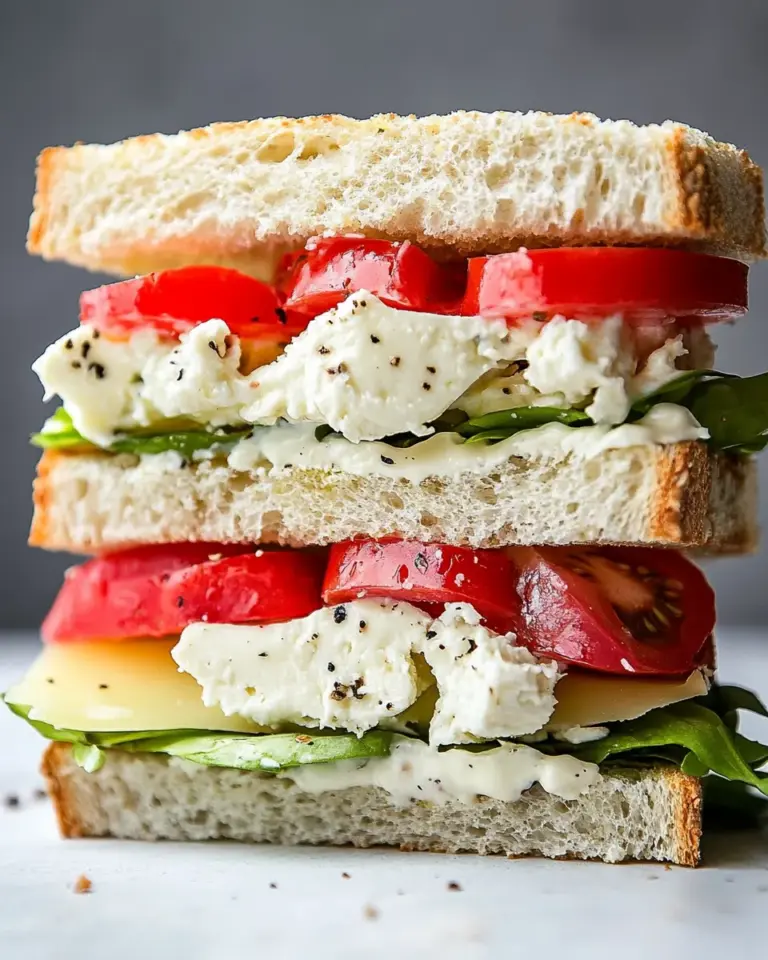
Use this Dijonnaise as a sandwich spread, a dip for sweet potato fries, or a dressing base for a quick slaw. It’s sturdy enough to stand up to grilled meats and soft enough to brighten a plain green salad. Smear it on a toasted baguette with turkey and arugula, toss a spoonful with warm roasted potatoes, or dollop it next to roasted carrots for a fast, elegant plate.
Make it today. It’s fast to mix, forgiving to tweak, and keeps your meals tasting intentional. Keep a jar in the fridge and you’ll find it elevates more lunches than you expect.

Homemade Dijonnaise Recipe
Ingredients
Ingredients
- 1/2 cupmayonnaise
- 2 tablespoonsDijon mustard
- 1 finely minced garlic clove
- juice of 1/2 lemon
- salt and ground white pepper to taste
Instructions
Instructions
- In a medium bowl combine ½ cup mayonnaise, 2 tablespoons Dijon mustard, 1 finely minced garlic clove, and the juice of ½ lemon.
- Season with salt and ground white pepper to taste.
- Whisk (or stir with a spoon) vigorously until the mixture is smooth and evenly blended, scraping the sides of the bowl as needed.
- Taste and adjust seasoning with more salt or white pepper if desired.
- Cover and chill until ready to use (allow at least 30 minutes for flavors to meld, if possible).
Equipment
- Medium Bowl
- Whisk or spoon
- Refrigerator
Notes
Make-Ahead:
You can make this up to 3 days ahead of time, just keep covered and chilled before serving.
How to Store:
Cover and keep this in the refrigerator for up to 7 days.