I freeze fruit a lot. Blueberries freeze especially well, and keeping a stash on hand means smoothies, muffins, and sauces are always one quick pull from the freezer away. Freezing preserves both flavor and texture better than you might expect, and the method is straightforward.
Below I walk you through what to buy, how to prep, and the exact steps I use so berries don’t clump together. No special equipment required—just a little patience while they dry and a flat surface for initial freezing.
If you’ve ever opened a bag of frozen berries only to find one giant frozen lump, this guide will solve that problem. I’ll also cover mistakes to avoid, seasonal tweaks, and storage tips so your blueberries last longer and stay useful in the kitchen.
The Essentials
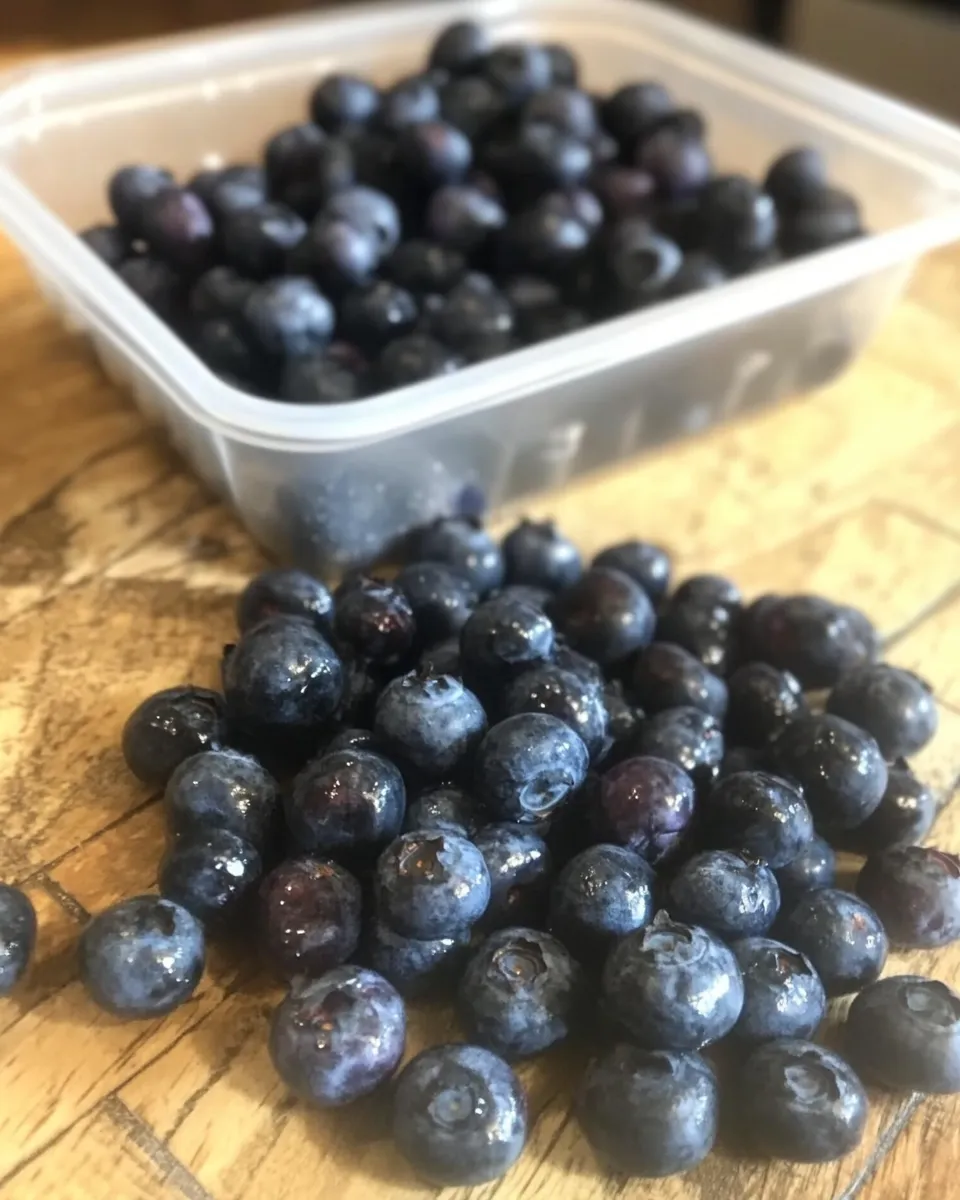
Freezing blueberries is mainly about two things: removing excess moisture and freezing them so they don’t freeze into one big clump. A quick rinse, proper drying, and freezing flat will give you individual berries you can measure and use by the cup.
Work in a single layer whenever possible. That first blast of cold should lock each berry in its own icy shell. Once they’re solid, you can consolidate the bag and store them upright to save space.
Ingredients
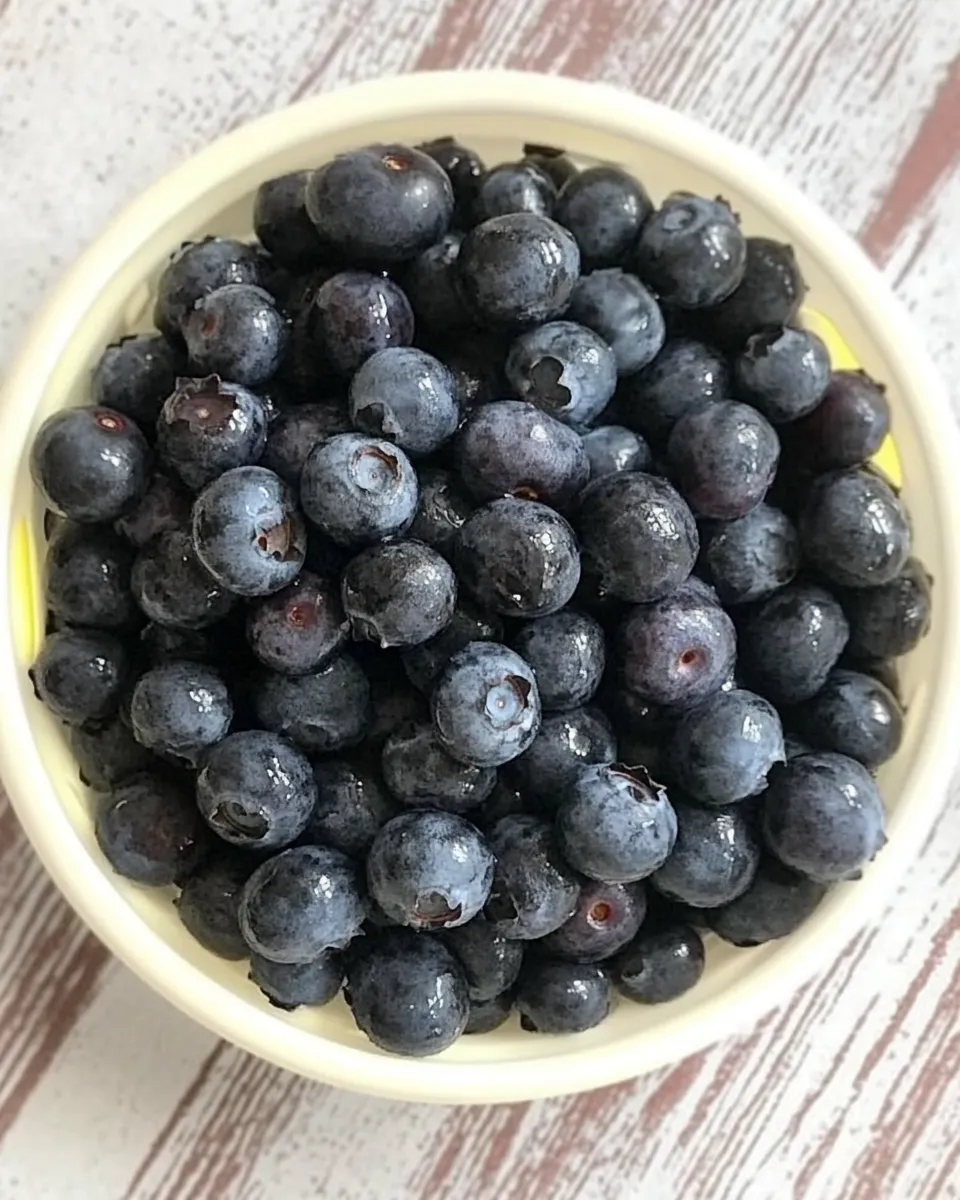
- ?1pintblueberries(Or up to as many as you have!) — Fresh blueberries are the only ingredient; choose ripe, firm berries for best results and remove any that are soft or moldy.
Freeze Blueberries Cooking Guide
- Sort the blueberries and remove any that are bruised, moldy, or otherwise blemished; remove stems if present.
- Rinse the berries gently under cool running water in a colander.
- Spread the rinsed berries in a single layer on a clean kitchen towel or paper towels and pat them gently to remove surface moisture. If they still feel wet, let them sit at room temperature to dry further for 30–60 minutes.
- Transfer the dry berries to a zip-top freezer bag, filling the bag about half full. Lay the bag flat on a cutting board or baking sheet, spread the berries into one even layer, and press out as much air as possible before sealing.
- Place the sealed bag flat in the freezer so the berries freeze individually and don’t stick together.
- Once the berries are fully frozen, you can stand the bag upright for storage.
Why It Works Every Time
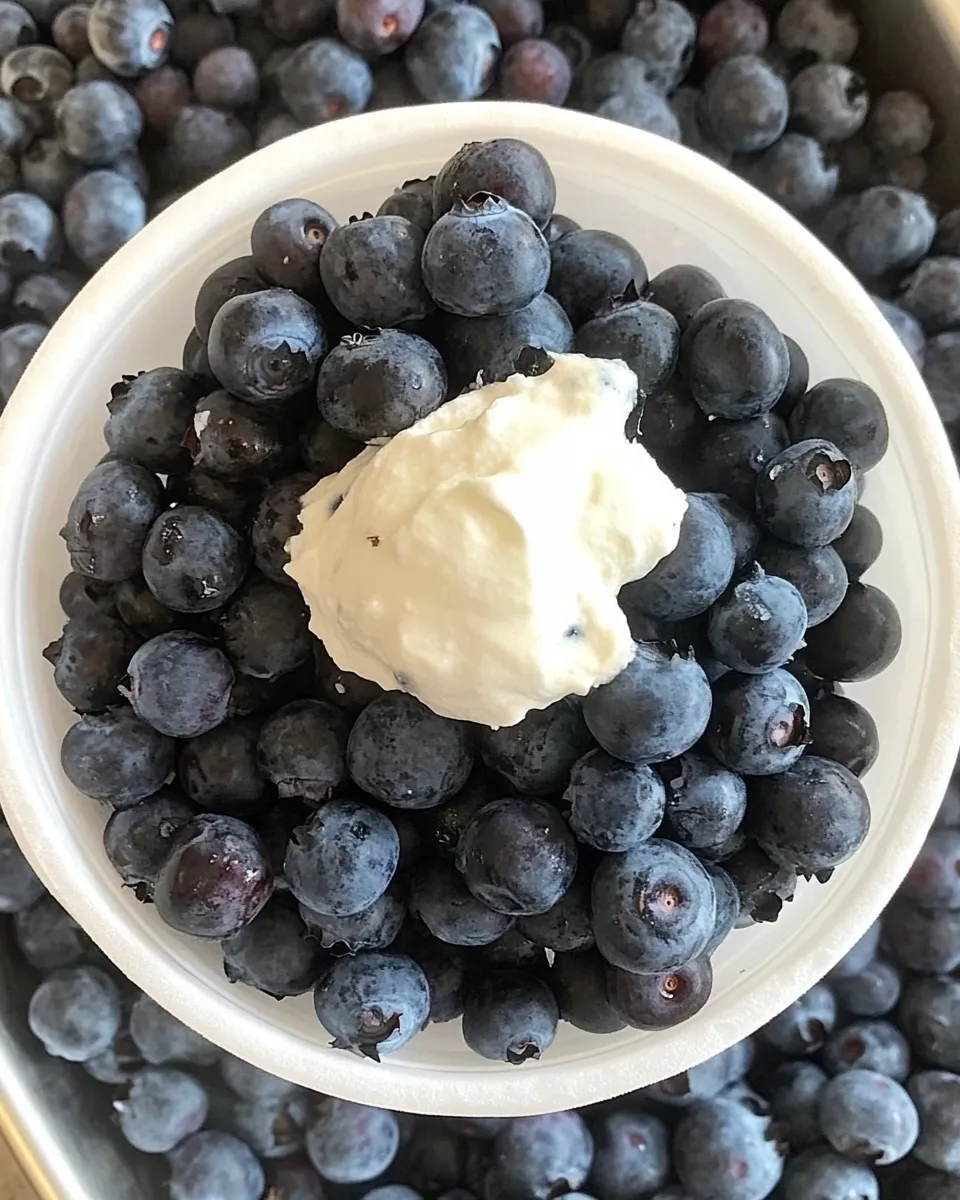
Sorting removes damaged fruit that could accelerate spoilage or introduce off flavors. A gentle rinse clears dust and any pesticide residue, but water is the enemy of good freezing if it’s left on the berries—so drying is essential.
Freezing in a single layer prevents the berries from bonding into a single mass. When each berry freezes separately, you can remove exactly the amount you need without defrosting the whole bag. Pressing out air also reduces freezer burn, which dries and dulls flavor over time.
Low-Carb/Keto Alternatives
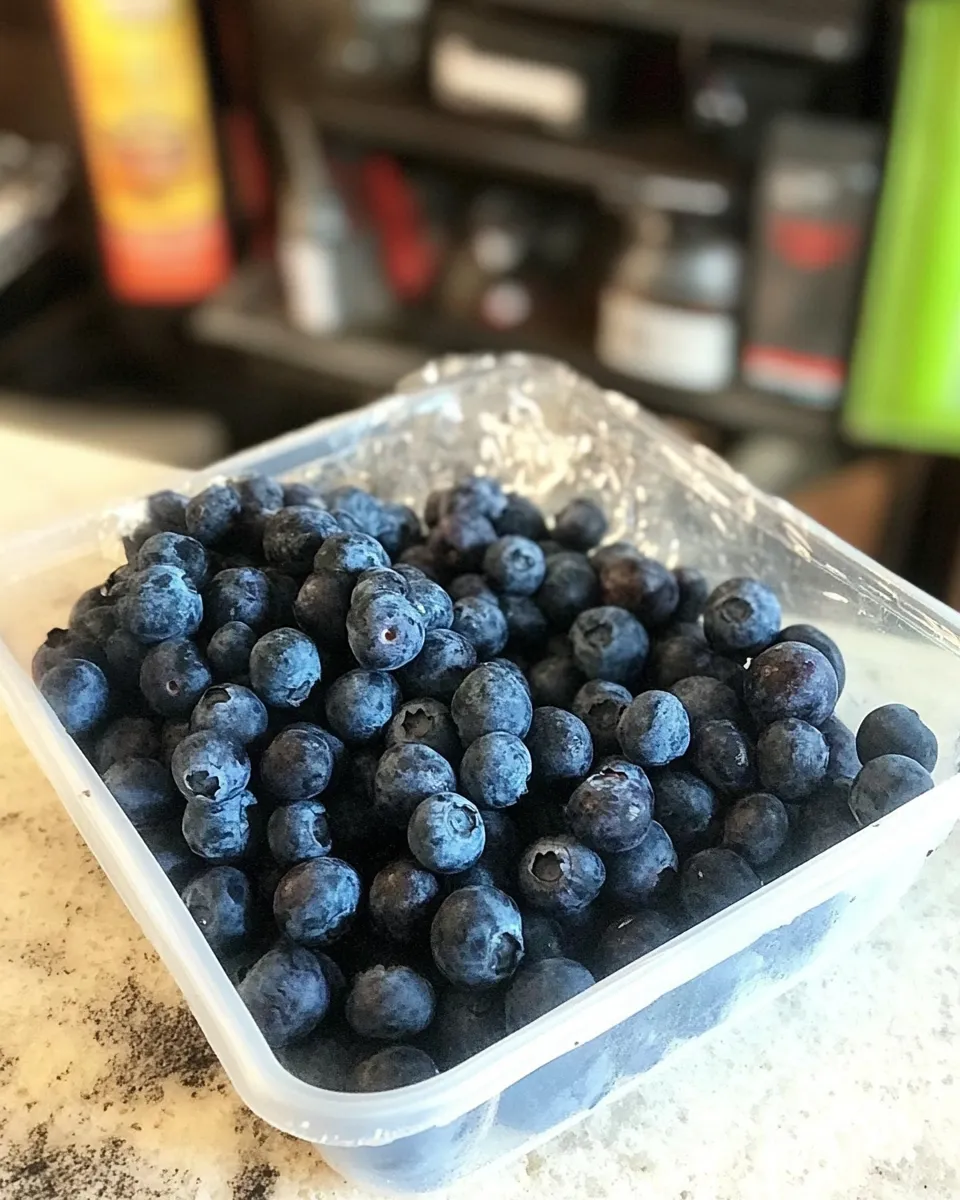
Blueberries are relatively low in carbs among fruits, but if you’re strictly limiting carbs you can portion them into very small servings. Use a kitchen scale or measuring spoons to control portions—two tablespoons of whole frozen berries can add bright flavor with minimal carbs.
Another option is to blend a small amount of berries with unsweetened almond milk or coconut milk for a berry-flavored keto smoothie. Frozen berries add color and flavor without needing added sugars.
Prep & Cook Tools
- Colander — For gentle rinsing without crushing berries.
- Clean kitchen towels or paper towels — For drying; a microfiber towel works great.
- Zip-top freezer bags — Flexible and space-efficient for flat freezing.
- Baking sheet or cutting board — To lay the bag flat and to support even freezing.
- Marker — To label the bag with date and quantity.
Steer Clear of These
- Freezing wet berries. Don’t skip the drying step; wet berries freeze into clumps and promote ice crystals that damage texture.
- Putting a full bag in the freezer flat without spreading berries. Overfilling or leaving berries bunched together will make them stick as they freeze.
- Using thin, non-freezer-grade bags for long-term storage. They let in air and cause freezer burn faster.
- Leaving stems, bruised, or moldy berries in the mix. They compromise the whole batch.
Seasonal Adaptations
Summer berries are sweeter and juicier; handle them carefully to avoid bursting. Cooler-season or store-bought blueberries may be firmer—both freeze well if you follow the drying step.
If your berries are especially ripe and soft, consider using them for quick freezing only if you plan to use them in smoothies or baking where texture matters less. For very soft berries, flash-freezing on a tray before bagging can help preserve shape.
Pro Tips & Notes
Small batch tips
Work with one pint at a time if you’re new to freezing. It keeps the drying and bagging manageable and reduces the chance of crowding.
Labeling and portions
Write the date and how many cups or pints you put in each bag. That helps when you pull them out months later for recipes that call for a specific amount.
Thawing advice
For baking, toss frozen berries directly into batter; no need to thaw. For smoothies, a few frozen berries go straight into the blender. For sauces or compotes, thaw in a saucepan over low heat and cook gently to control release of juices.
Prevent freezer odor transfer
Press out as much air as possible and seal bags tightly. For long-term storage, consider double-bagging or using vacuum-sealed bags to keep flavors clean.
Make-Ahead & Storage
Label each bag with the freezing date. Properly frozen blueberries keep well for up to 10–12 months in a typical home freezer, though they’re best within 6–9 months for peak flavor.
Stand bags upright once berries are solid to save space. Keep the freezer at 0°F (-18°C) or colder. If you plan to use berries within a month, you can use thinner storage bags; for anything longer, choose thicker freezer-grade bags to reduce freezer burn risk.
FAQ
How long do frozen blueberries last? Kept at a steady 0°F (-18°C), they’re good for 10–12 months, though flavor is best within the first 6–9 months.
Do I have to dry them completely? Yes. Surface moisture causes clumping and ice crystals. Pat dry, then air-dry for 30–60 minutes if needed.
Can I freeze blueberries with sugar or syrup? You can macerate and then freeze if you want sweetened berries, but doing so will change texture and make them stick together more. This guide focuses on freezing plain berries for versatility.
Do frozen blueberries lose nutrients? Some water-soluble vitamins can decline slightly, but freezing preserves most nutrients and the antioxidants blueberries are known for.
Can I re-freeze thawed blueberries? It’s best not to refreeze berries that have thawed to room temperature; they will be softer and lose quality. Use thawed berries immediately for cooking or blending.
Final Thoughts
Freezing blueberries is an easy, low-waste way to make the most of peak-season fruit or to extend what you buy at the store. The method I use focuses on simple steps: sort, rinse, dry, bag flat, and freeze flat. It takes a little time upfront, but the payoff is a reliable supply of individual berries ready for whatever you’re making.
If you follow the drying and single-layer freezing steps, you’ll avoid the worst freezer-bag frustration: one big hard block. Keep a few bags on hand for smoothies, winter baking, or a quick compote. Once you try this, you’ll wonder why you didn’t do it earlier.

How to Freeze Blueberries
Ingredients
Ingredients
- ?1 pintblueberries Or up to as many as you have!
Instructions
Instructions
- Sort the blueberries and remove any that are bruised, moldy, or otherwise blemished; remove stems if present.
- Rinse the berries gently under cool running water in a colander.
- Spread the rinsed berries in a single layer on a clean kitchen towel or paper towels and pat them gently to remove surface moisture. If they still feel wet, let them sit at room temperature to dry further for 30–60 minutes.
- Transfer the dry berries to a zip-top freezer bag, filling the bag about half full. Lay the bag flat on a cutting board or baking sheet, spread the berries into one even layer, and press out as much air as possible before sealing.
- Place the sealed bag flat in the freezer so the berries freeze individually and don’t stick together.
- Once the berries are fully frozen, you can stand the bag upright for storage.
Equipment
- Colander
- kitchen towel or paper towels
- zip-top freezer bag
- cutting board or baking sheet
Notes
Do as few or as many berries as you like. Use a pint-size freezer bag for one pint and a gallon size for two pints.
Fill bags halfway to avoid overfilling and to allow them to freeze in a flat layer.
Aim to have the berries totally dry to reduce the chances of them freezing together.
Freeze in one flat even layer to avoid them freezing together.
Use in smoothies, muffins, oatmeal, jam, crisp or any other favorite blueberry recipe.