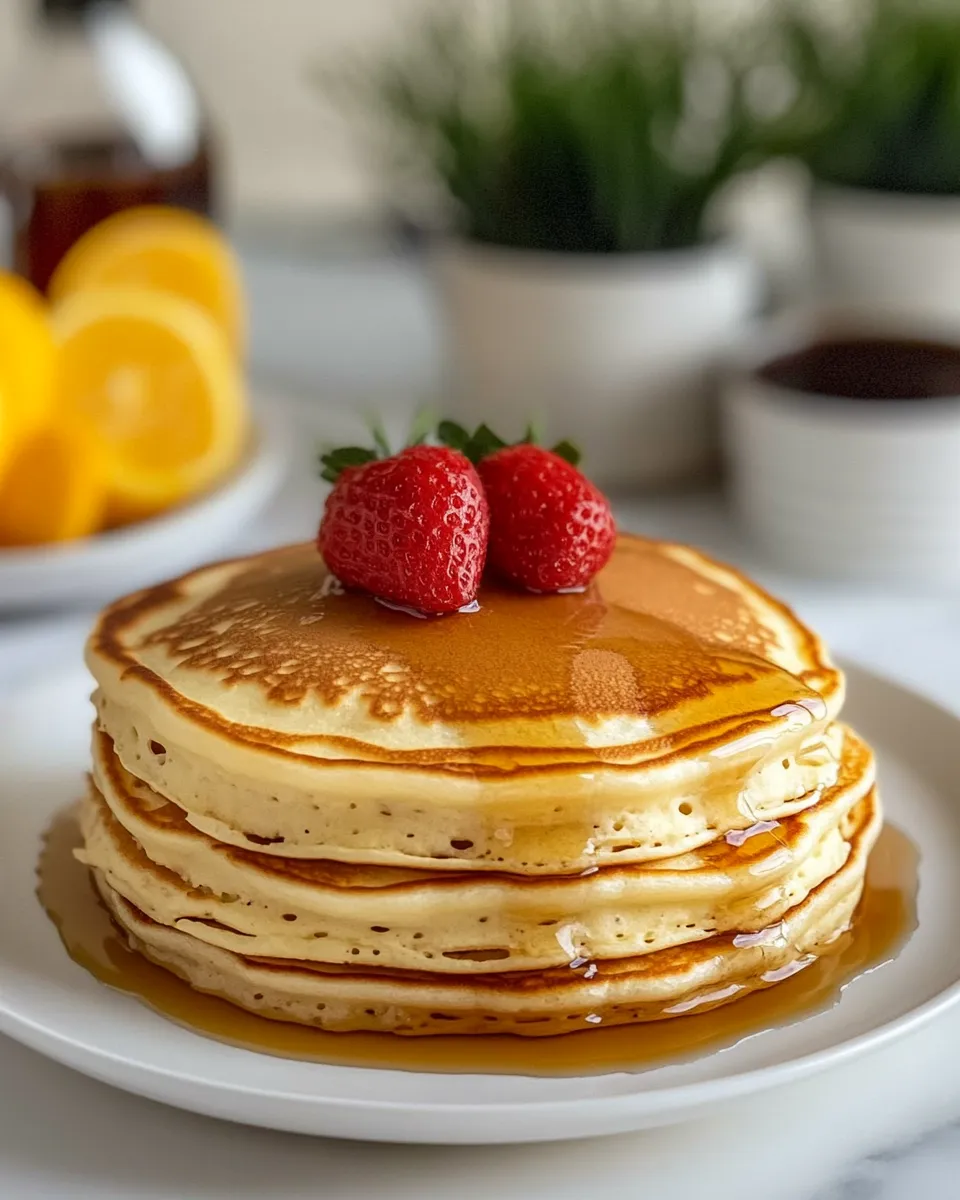
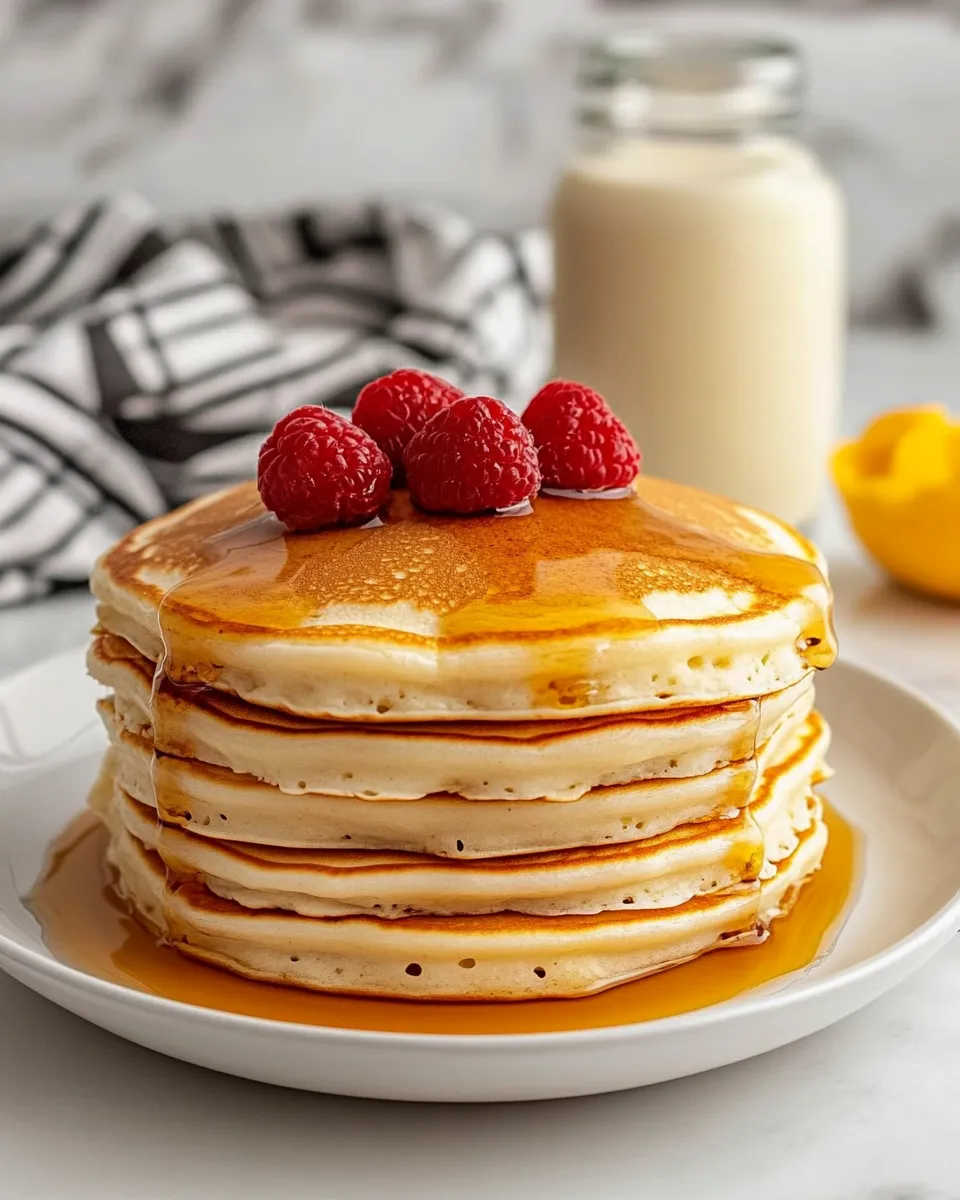
I grew up chasing the kind of pancake stack that made mornings feel like a weekend. IHOP’s buttermilk pancakes are a classic for a reason: they’re pillowy, slightly tangy, and forgiving to make at home. You don’t need a commercial griddle or months of practice to get that familiar lift and soft crumb. You do need the right balance of ingredients, the gentle hand at the mixing bowl, and a bit of attention at the griddle.
This recipe follows a straightforward, reliable formula. Measurements are specific where it matters, and the technique keeps the batter airy without overworking the flour. The finished pancakes will be golden on the outside, soft inside, and ready for whatever topping you love — butter, warm syrup, fresh fruit, or a smear of jam.
Below I’ll walk you through what goes into the batter, the exact steps I use at home, practical troubleshooting for common problems, and a few flavor-forward ideas to keep these pancakes interesting. Read through once, set up your mise en place, and you’ll have restaurant-style pancakes on the table in under 30 minutes.
What Goes Into Buttermilk Pancakes
Ingredients
- 1 1/4 cups all-purpose flour — the structure for the pancake; don’t overpack when measuring.
- 1 1/2 teaspoons baking powder — primary leavening for lift; fresh is important.
- 2 1/2 teaspoons sugar — adds a touch of sweetness and helps browning.
- 1/2 teaspoon salt — balances flavor and enhances the other ingredients.
- 1/2 teaspoon baking soda — reacts with the buttermilk to add tenderness and extra rise.
- 1 1/2 cups buttermilk plus 2 to 4 tablespoons if needed to thin the batter — provides tang, acidity for the baking soda, and moisture.
- 2 tablespoons vegetable oil plus more for the pan — keeps the pancakes tender and prevents sticking on the griddle.
- 1 egg lightly beaten — binds the batter and helps with structure and color.
- syrup — for serving; pick your favorite (maple, pancake syrup, or flavored syrups).
Mastering Buttermilk Pancakes: How-To
- In a large bowl whisk together 1 1/4 cups all-purpose flour, 1 1/2 teaspoons baking powder, 2 1/2 teaspoons sugar, 1/2 teaspoon salt, and 1/2 teaspoon baking soda until evenly combined.
- In a separate bowl or measuring cup combine 1 1/2 cups buttermilk, 2 tablespoons vegetable oil, and 1 lightly beaten egg; whisk briefly to blend.
- Pour the wet ingredients into the dry ingredients and use a spoon to stir until the batter is mostly smooth — small lumps are fine; avoid overmixing.
- If the batter seems too thick to pour, stir in 2 to 4 tablespoons additional buttermilk, a tablespoon at a time, until the batter reaches a pourable but still slightly thick consistency.
- Heat a skillet or griddle over medium-low heat and lightly brush or wipe the surface with a bit of oil.
- Pour batter onto the hot surface to form pancakes of your desired size, leaving space between them.
- Cook until tiny bubbles form across the top and the edges look set, then flip and cook the other side until both sides are golden brown.
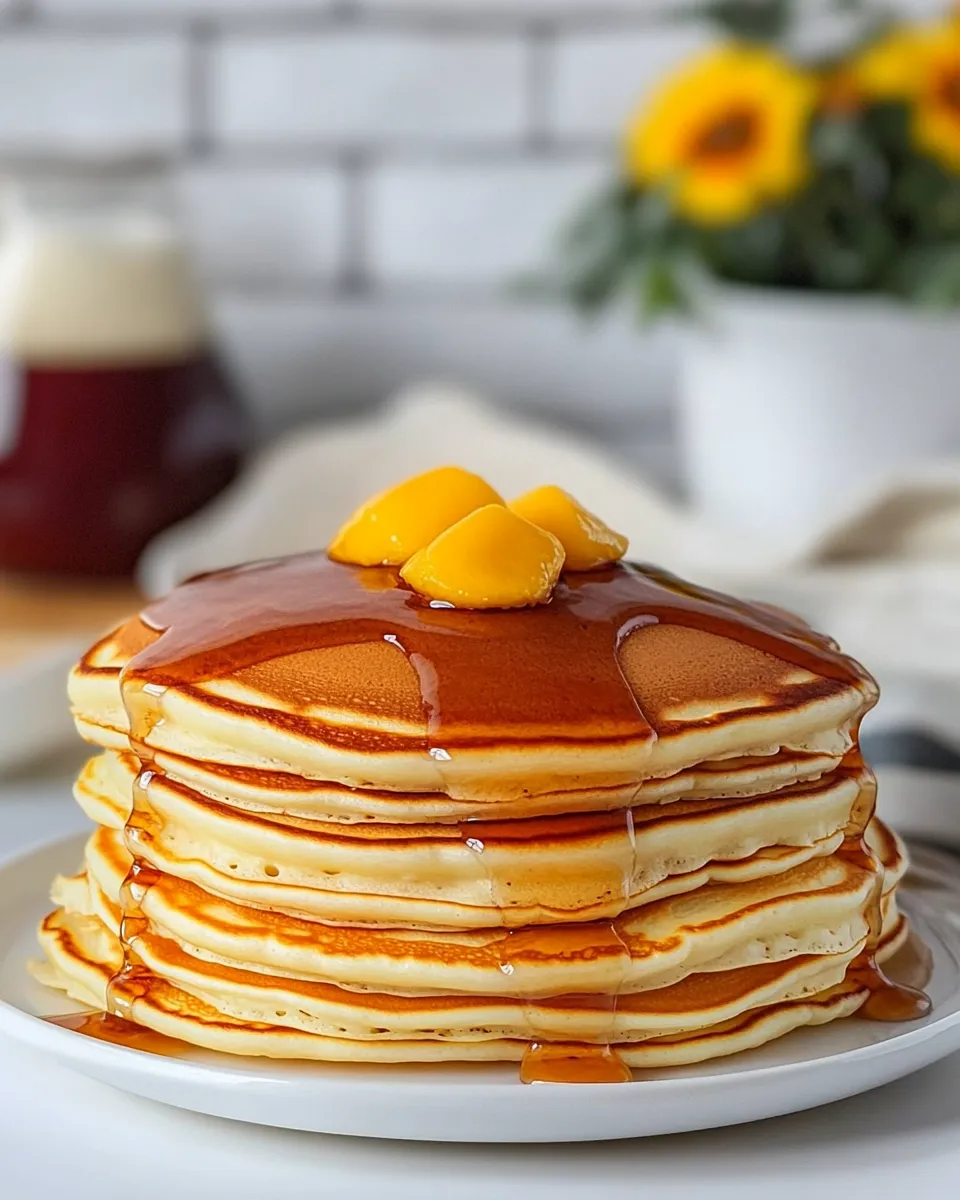
- Serve the pancakes warm with syrup.
The Upside of Buttermilk Pancakes
Buttermilk is the hero here. Its acidity reacts with baking soda for immediate lift and also gives the pancakes a subtle tang that keeps them from tasting flat or cloying. The combination of baking powder and baking soda provides reliable rise without relying on overly stiff batter or complicated folding techniques.
These pancakes are forgiving. The batter tolerates a few small lumps, and a gentle stir prevents gluten overdevelopment that makes pancakes tough. You can scale the batch up or down easily, and the griddle method works just as well in a heavy skillet if you don’t have a flat-top.
Flavor-Forward Alternatives
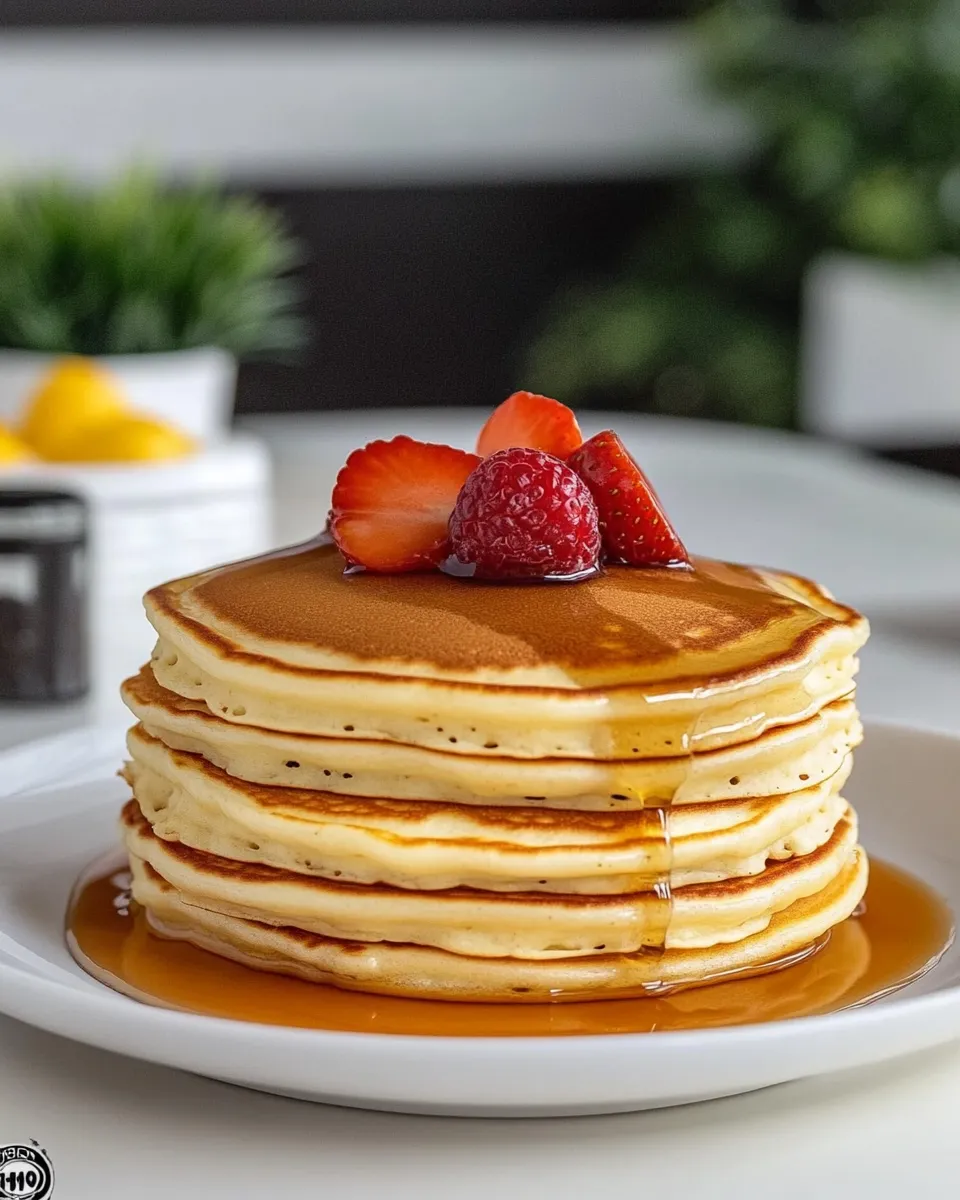
If you want to change things up without breaking the balance of the batter, try one of these easy directions. Add them directly to the batter just before cooking or sprinkle on top as the pancakes set on the griddle.
- Fresh berries (blueberries, sliced strawberries) for bright acidity and juices that pair with the buttermilk tang.
- Mini chocolate chips for a simple sweet treat—add sparingly so they don’t overwhelm the batter.
- Zest of citrus (lemon or orange) folded into the batter for a fragrant lift.
- Folded-in mashed banana or a swirl of nut butter for a richer, more substantial pancake.
Prep & Cook Tools
- Large mixing bowl — to combine dry ingredients without spilling.
- Measuring cups and spoons — accuracy here helps the chemistry work.
- Whisk and spoon — whisk for wet ingredients and a spoon for folding the batter.
- Heavy skillet or griddle — a flat, evenly heated surface produces even browning.
- Spatula — a thin, flexible turner makes flipping easier.
- Oil brush or paper towel — for a light coating of oil on the pan.
Things That Go Wrong
- Pancakes come out flat — leavening may be old, or the batter was overmixed.
- Surface browns too quickly while the inside stays raw — griddle is too hot.
- Pancakes stick to the pan — not enough oil, or pan needs to be properly preheated.
- Flavor is dull — check salt and use fresh buttermilk for the best tang.
Substitutions by Diet
Here are practical swaps that keep the technique intact without inventing new measurements. Note: when substituting, expect slight texture changes.
- Non-dairy milk: Use a cultured plant-based milk (like a tangy soy or oat yogurt thinned with water) to mimic buttermilk’s acidity; results will be slightly different in flavor.
- Oil alternatives: Mild-flavored oils, melted butter, or neutral baking fats can replace vegetable oil for different flavor profiles.
- Egg alternatives: Use a commercial egg replacer or a flax egg if avoiding eggs, but the pancakes will be less lofty and slightly denser.
- Gluten-free: Use a 1:1 gluten-free flour blend that contains xanthan gum; texture will vary, and batter hydration may need adjustment.
What Could Go Wrong
Let’s troubleshoot the most common trouble points with concrete checks you can do mid-recipe.
- If batter is watery: It will spread too thin and not hold lift. Add a tablespoon of flour at a time until it’s slightly thick and pourable.
- If batter is rubble-thick: The pancakes will be heavy. Thin with buttermilk a tablespoon at a time until pourable.
- If pancakes brown too fast: Reduce the heat one notch. Give the pan a minute to recover temperature between batches so the surface is evenly heated.
- If flip breaks the pancake: Wait longer — bubbles should be tiny and edges set before flipping. Use a wide spatula and support the pancake when turning.
Meal Prep & Storage Notes
These pancakes store well and reheat cleanly, which makes them excellent for batch cooking.
- To keep warm while finishing a batch: place cooked pancakes on a baking sheet in a 200°F (about 95°C) oven in a single layer).
- Refrigerating: Cool completely, then store in an airtight container for up to 3 days. Reheat gently in a skillet or toaster oven to restore surface texture.
- Freezing: Cool completely and freeze in a single layer on a baking sheet, then transfer to a freezer bag. Reheat from frozen in a toaster or oven until hot.
Common Qs About Buttermilk Pancakes
Here are concise answers to frequent questions readers ask when they make pancakes at home.
Do I have to use buttermilk?
Buttermilk gives the best balance of tang and reaction with baking soda, but you can approximate by mixing regular milk with an acid (like lemon juice or vinegar). Flavor and texture will be slightly different.
Why are there two leaveners?
Baking powder provides consistent rise, while baking soda reacts with the buttermilk’s acid for extra lift and tenderness. Together they give a reliable, tender pancake.
How hot should my griddle be?
Medium-low heat is best. If you have a temperature setting, aim for a surface around 350°F. The pancakes should take a little time to cook through without burning the outside.
Can I make the batter ahead of time?
You can mix the dry ingredients ahead and combine with wet when ready. Mixed batter will keep briefly in the fridge, but the leavening reacts best when cooked within a few hours.
Why are my pancakes dense?
Overmixing develops gluten, making pancakes heavy. Also check that your leavening agents are fresh and you haven’t used too little buttermilk; thin the batter a bit as needed.
Wrap-Up
This recipe gives you the dependable, tender take on IHOP-style buttermilk pancakes that works at home. The method is simple: combine dry, whisk wet, fold gently, adjust consistency, and cook at a moderate temperature. Keep the batter slightly lumpy and be patient at the griddle. With practice you’ll learn your pan’s sweet spot and how large to pour for the perfect stack every time.
Make them on a slow weekend or a busy morning — they respond well to small tweaks, and leftover pancakes reheat beautifully. Keep the ingredients honest, pay attention to temperature and mixing, and you’ll have restaurant-style fluff without the wait.
IHOP Buttermilk Pancakes: Restaurant-Perfect Fluffiness at Home
Ingredients
Ingredients
- 1 1/4 cupsall-purpose flour
- 1 1/2 teaspoonsbaking powder
- 2 1/2 teaspoonssugar
- 1/2 teaspoonsalt
- 1/2 teaspoonbaking soda
- 1 1/2 cupsbuttermilkplus 2 to 4 tablespoons if needed to thin the batter
- 2 tablespoonsvegetable oilplus more for the pan
- 1 egglightly beaten
- syrupfor serving
Instructions
Instructions
- In a large bowl whisk together 1 1/4 cups all-purpose flour, 1 1/2 teaspoons baking powder, 2 1/2 teaspoons sugar, 1/2 teaspoon salt, and 1/2 teaspoon baking soda until evenly combined.
- In a separate bowl or measuring cup combine 1 1/2 cups buttermilk, 2 tablespoons vegetable oil, and 1 lightly beaten egg; whisk briefly to blend.
- Pour the wet ingredients into the dry ingredients and use a spoon to stir until the batter is mostly smooth — small lumps are fine; avoid overmixing.
- If the batter seems too thick to pour, stir in 2 to 4 tablespoons additional buttermilk, a tablespoon at a time, until the batter reaches a pourable but still slightly thick consistency.
- Heat a skillet or griddle over medium-low heat and lightly brush or wipe the surface with a bit of oil.
- Pour batter onto the hot surface to form pancakes of your desired size, leaving space between them.
- Cook until tiny bubbles form across the top and the edges look set, then flip and cook the other side until both sides are golden brown.
- Serve the pancakes warm with syrup.
Equipment
- Large Bowl
- Whisk
- Measuring Cups
- Measuring Spoons
- Skillet or griddle
- Spatula
Notes
Test your heat: Drop a few drops of water on the griddle—they should dance and sizzle but not immediately evaporate
Be patient: Wait for bubbles to form and edges to dry before flipping
Fresh ingredients matter: Check that your baking powder and baking soda aren’t expired
Warm your syrup: Microwave maple syrup for 15 seconds to enhance flavor and prevent cooling down your pancakes
Make ahead: Mix dry ingredients the night before for quicker morning preparation