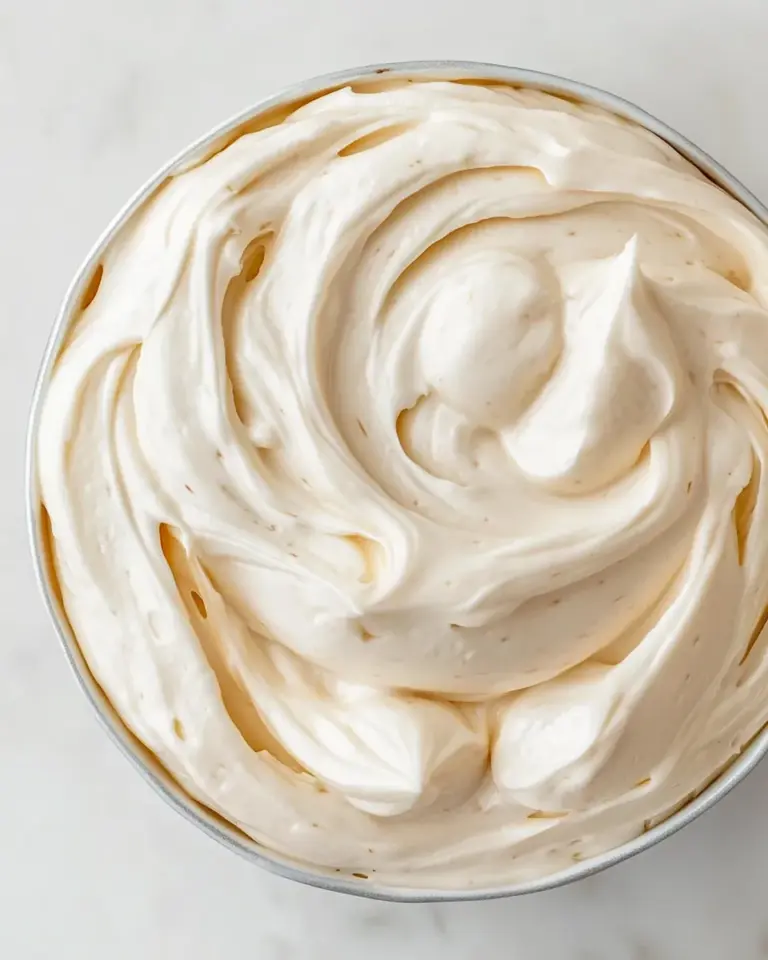
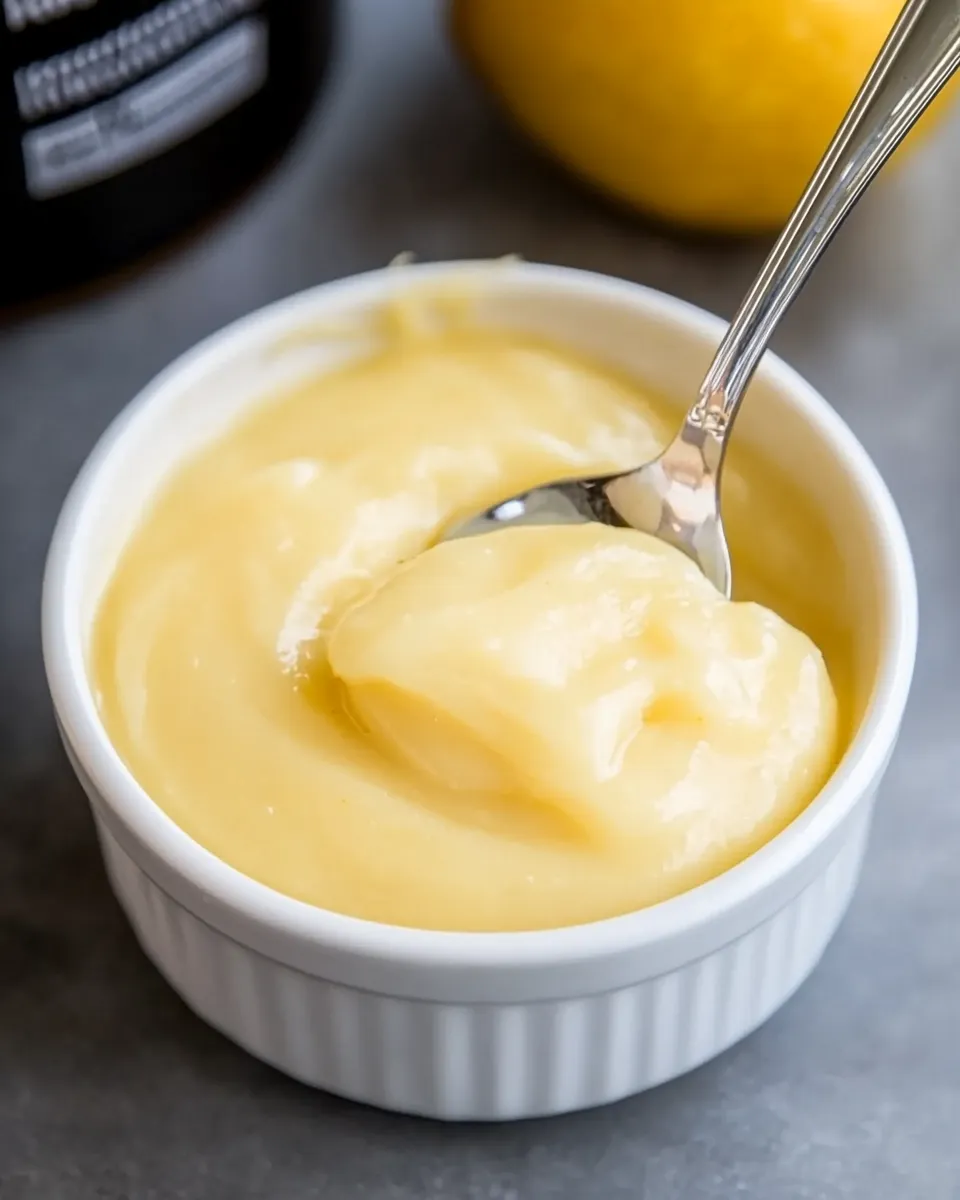
I make lemon curd all year, but this keto version is the one I reach for when I want bright, tart flavor without the sugar crash. It’s glossy, silky, and intensely lemony — exactly what you want spooned over yogurt, layered in cakes, or dolloped on keto biscuits. The texture is rich but clean, thanks to the eggs and butter doing the heavy lifting instead of a cup of granulated sugar.
There’s a small rhythm to making curd: whisk, warm, watch, strain, and chill. It’s hands-on, but not fussy. The key is patience at the stovetop — low heat and constant whisking keep the eggs from scrambling and yield that smooth, custardy finish.
I’ll walk you through exactly what I use, why each ingredient matters, and how to avoid common missteps. By the end you’ll have a bright jar of Keto Lemon Curd ready to jazz up breakfasts, desserts, and holiday spreads.
Shopping List
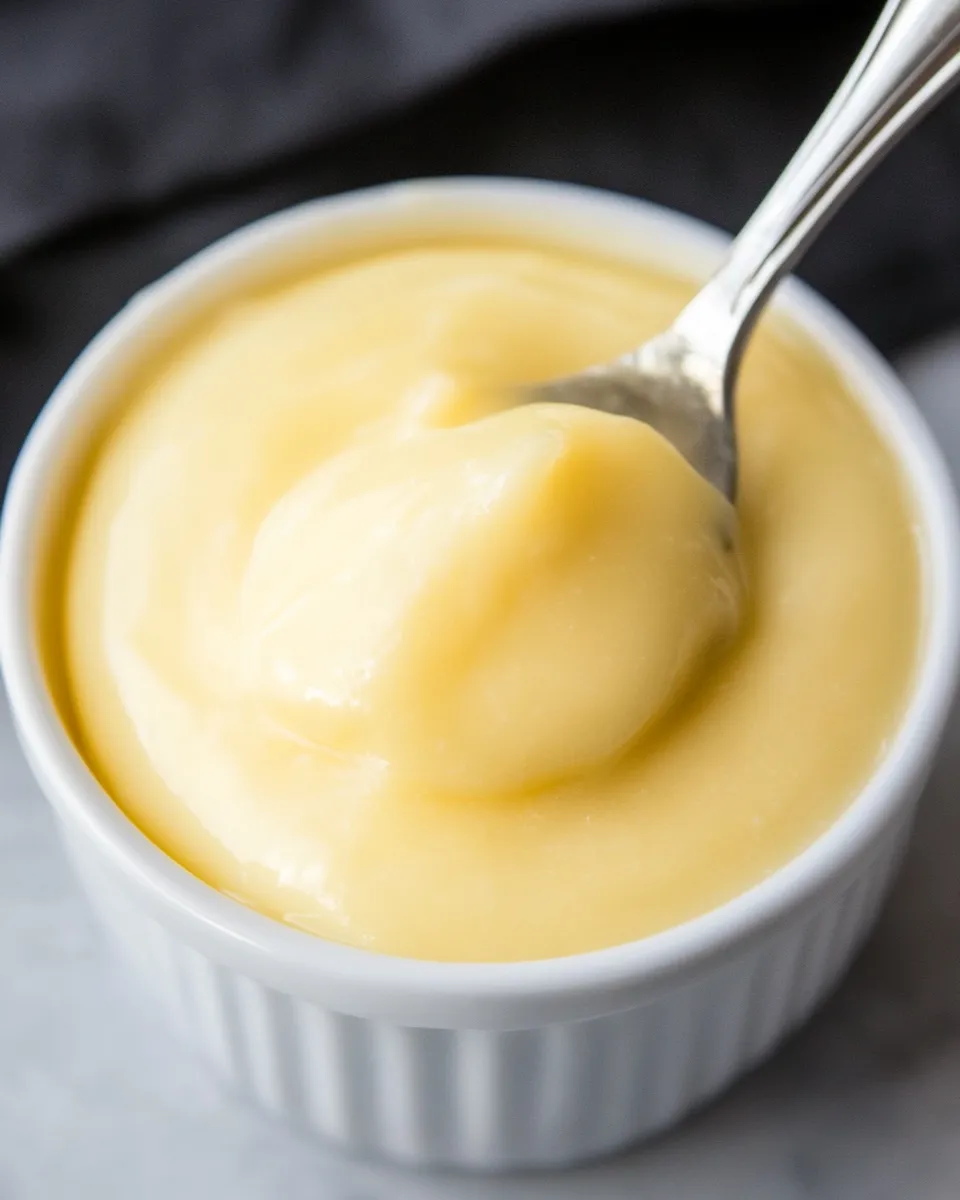
- 2 large eggs — for structure and creaminess.
- 2 large egg yolks — add silkiness and help thicken the curd.
- 3/4 cup granulated sweetener of choice (I used allulose) — balances the lemon; choose a granulated keto sweetener you trust.
- 1/3 cup unsalted butter — provides richness and glossy finish; use unsalted to control salt.
- 2 large lemons — you need the juice, not the zest; choose firm, juicy lemons.
- Optional: jars or mason jars for chilling and storage.
Ingredients
- 2 large eggs — contribute structure and a custard-like body; whole eggs help stabilize the curd.
- 2 large egg yolks — concentrated fat and lecithin that thicken the curd and give it a silky mouthfeel.
- 3/4 cup granulated sweetener of choice — provides sweetness and bulk; I used allulose because it browns gently and tastes clean.
- 1/3 cup unsalted butter — adds richness and sheen; cut into small pieces so it melts into the warm curd evenly.
- 2 large lemons, juiced — the star of the show; fresh juice gives the bright, zesty acidity that balances the fat and sweet.
Build Keto Lemon Curd Step by Step
- In a small saucepan, add 2 large eggs, 2 large egg yolks, and 3/4 cup granulated sweetener. Whisk vigorously until smooth and fully combined.
- Add the juice of 2 large lemons and 1/3 cup unsalted butter (cut into small pieces) to the saucepan.
- Place the saucepan over low heat. Whisk constantly, scraping the bottom and sides, until the mixture thickens and coats the back of a spoon. Do not let it boil.
- Remove the saucepan from the heat as soon as the curd is thickened. Pour the curd through a fine-mesh sieve into a bowl, using a spatula to push it through and remove any cooked egg bits.
- Let the strained lemon curd cool to room temperature, stirring occasionally.
- Transfer the cooled curd to a jar or mason jar, cover, and refrigerate for at least 2 hours to chill and set.
Why It’s Crowd-Pleasing
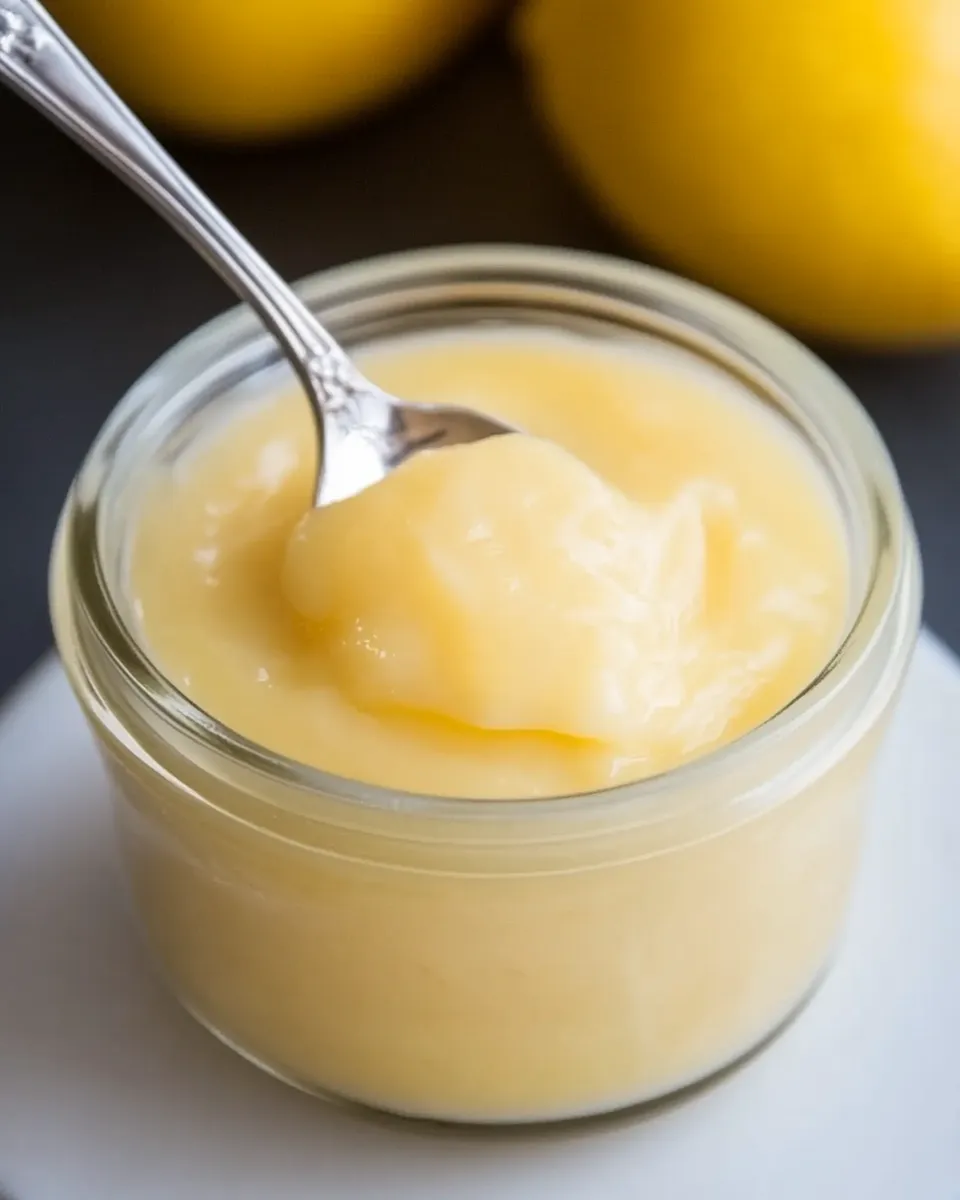
This curd strikes a balance between bold lemon flavor and a creamy, spoonable texture. People love contrasts: the tartness wakes up the palate, while the buttered, eggy base gives a luxurious mouthfeel. It’s versatile — spreadable enough for toast, thick enough to layer in dessert cups, and elegant for finishing a plated dessert.
For anyone watching carbs, it delivers that dessert satisfaction without the sugar spike. The brightness also plays well with other flavors: pair it with berries, mascarpone, or a crunchy nut crust and the whole dish sings. Even guests who aren’t keto tend to ask for the jar.
Healthier Substitutions
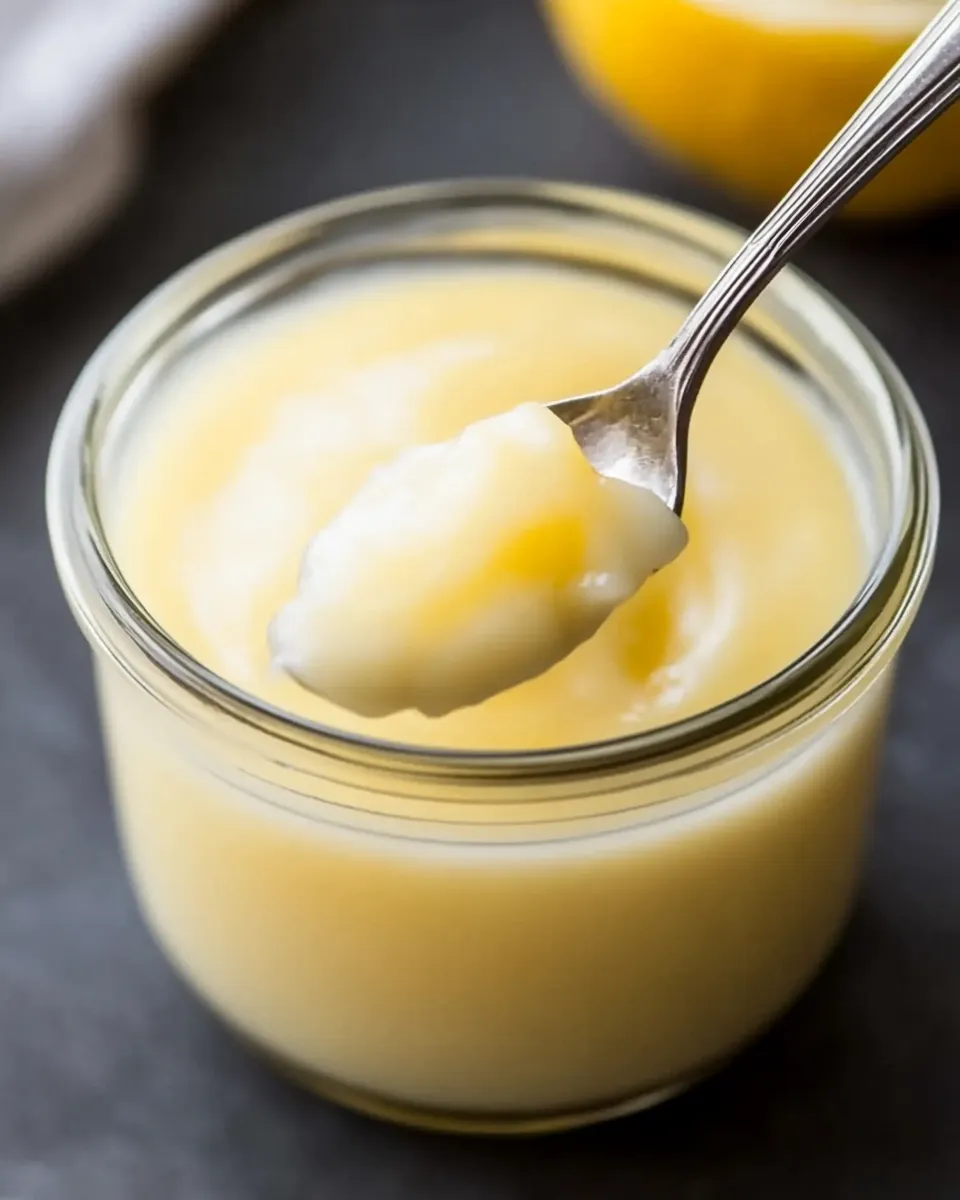
If you want small swaps without changing texture too much, consider these options:
- Sweetener — allulose is my go-to for flavor and texture. Erythritol blends or monk fruit blends can work, but test your brand in small batches; some sweeteners behave differently when heated.
- Butter — if you prefer dairy-free, use a neutral-flavored, block-style vegan butter with similar fat content. Expect a slightly different mouthfeel.
- Eggs — there’s no direct low-egg alternative that preserves the silkiness. For the custardy texture, keep the eggs and adjust other meals if concerned about cholesterol.
Equipment at a Glance
- Small saucepan — use one with a thick bottom for gentle, even heat.
- Whisk — a sturdy whisk keeps the eggs smooth and prevents curdling.
- Fine-mesh sieve — essential for removing cooked egg bits and ensuring a silky final texture.
- Spatula — to push curd through the sieve and scrape every last drop from the pan.
- Jar or mason jar for storage — straight-sided jars chill the curd evenly.
Don’t Do This
Do not rush the heat. Putting the pan over medium or high heat will almost certainly scramble the eggs. Keep the flame low and whisk continuously.
Don’t skip the straining step, even if your curd looks smooth. Tiny cooked bits can give an unpleasant texture; pushing it through a fine sieve makes the difference between good and restaurant-quality curd.
Avoid boiling. The recipe specifically warns “Do not let it boil.” If you see rapid bubbling, remove the pan right away and cool slightly before finishing. Boiling can break the emulsion and curdle the mixture.
Holiday & Seasonal Touches
Lemon curd feels at home on spring and summer tables but is equally delightful in winter brunch spreads. For seasonal twists:
- Spring: Layer curd with whipped mascarpone and fresh strawberries for an elegant trifle.
- Summer: Dollop over grilled peaches or serve with lemon-thyme shortbread for a picnic-ready dessert.
- Winter holidays: Swirl a little orange zest into the curd or serve alongside roasted nuts and almond cookies for a festive bite.
Testing Timeline
When I test a lemon curd, I follow a quick timeline to check texture, flavor, and stability:
- 10–15 minutes: Warm and thicken on the stove until it coats the back of a spoon. The moment it reaches that stage, remove it from heat.
- 30–60 minutes: After straining, cool to room temperature while stirring occasionally. Watch for any separation; a well-emulsified curd stays homogenous.
- 2 hours: Chill in the fridge. This is the minimum recommended time for the curd to set and for flavors to round out.
- 24–48 hours: Best flavor development. If making ahead for an event, make it a day or two in advance and let it mellow in the refrigerator.
Storing Tips & Timelines
Store the curd in a clean jar with a tight lid. Keep it refrigerated and consume within 7–10 days. The sugar-free nature (depending on sweetener used) can slightly alter the preservation compared to traditional sugar-heavy curds, so err on the side of sooner rather than later.
For longer storage, freeze in small portions. Use freezer-safe containers and leave some headspace. Thaw overnight in the refrigerator and give it a gentle stir before serving. Note: freezing can change the texture slightly — it might be a touch grainier after thawing, but it still tastes great stirred into yogurt or used as a filling.
FAQ
Can I use bottled lemon juice?
Fresh juice is best. Bottled lemon juice often lacks the bright, fresh acidity and can be more bitter. The difference is noticeable in such a small, concentrated recipe.
My curd looks grainy. What happened?
Graininess usually means the eggs cooked too fast. The cure is to rewarm gently and whisk — sometimes passing through the sieve helps smooth it out. If it’s clearly scrambled, scoop out the good curd, and consider making another small batch to blend textures if needed.
Why strain the curd?
Straining removes any tiny cooked egg particles and ensures a velvety mouthfeel. It takes a minute and is worth the extra step every time.
Can I double the recipe?
You can, but use a larger pan and be extra vigilant with heat control. Doubling increases the time needed to thicken and may make it harder to judge the point where it coats the spoon. Go slowly and whisk constantly.
Is this recipe sweet enough for people who don’t do keto?
Allulose and other keto sweeteners taste different than sugar. If you’re serving non-keto eaters, consider pairing the curd with a sweeter component (like sweetened whipped cream or a sugared shortbread) rather than changing the curd’s sweetener amount.
The Takeaway
This Keto Lemon Curd is simple, bright, and reliable when you respect the low heat and straining steps. It’s quick to make and elevates simple breakfasts and desserts with minimal fuss. Keep the ingredients exact, whisk constantly, and don’t rush the chill — those small habits yield a glossy, spoonable curd that holds its own at family breakfasts and holiday tables alike.
Make a jar. Taste as you go. And when someone asks for the recipe, smile and tell them it’s lemon magic — no sugar required.

Keto Lemon Curd
Ingredients
Ingredients
- 2 largeeggs
- 2 largeegg yolks
- 3/4 cupgranulated sweetener of choiceI used allulose
- 1/3 cupbutterunsalted
- 2 largelemonsjuiced
Instructions
Instructions
- In a small saucepan, add 2 large eggs, 2 large egg yolks, and 3/4 cup granulated sweetener. Whisk vigorously until smooth and fully combined.
- Add the juice of 2 large lemons and 1/3 cup unsalted butter (cut into small pieces) to the saucepan.
- Place the saucepan over low heat. Whisk constantly, scraping the bottom and sides, until the mixture thickens and coats the back of a spoon. Do not let it boil.
- Remove the saucepan from the heat as soon as the curd is thickened. Pour the curd through a fine-mesh sieve into a bowl, using a spatula to push it through and remove any cooked egg bits.
- Let the strained lemon curd cool to room temperature, stirring occasionally.
- Transfer the cooled curd to a jar or mason jar, cover, and refrigerate for at least 2 hours to chill and set.
Equipment
- Small Saucepan
- Whisk
- Fine-Mesh Sieve
- Spatula
- jar
Notes
TO STORE:
Lemon curd should be stored in an airtight container in the fridge for up to two weeks.
TO FREEZE:
Place the lemon curd in a freezer-friendly jar and store it in the freezer for up to six months.