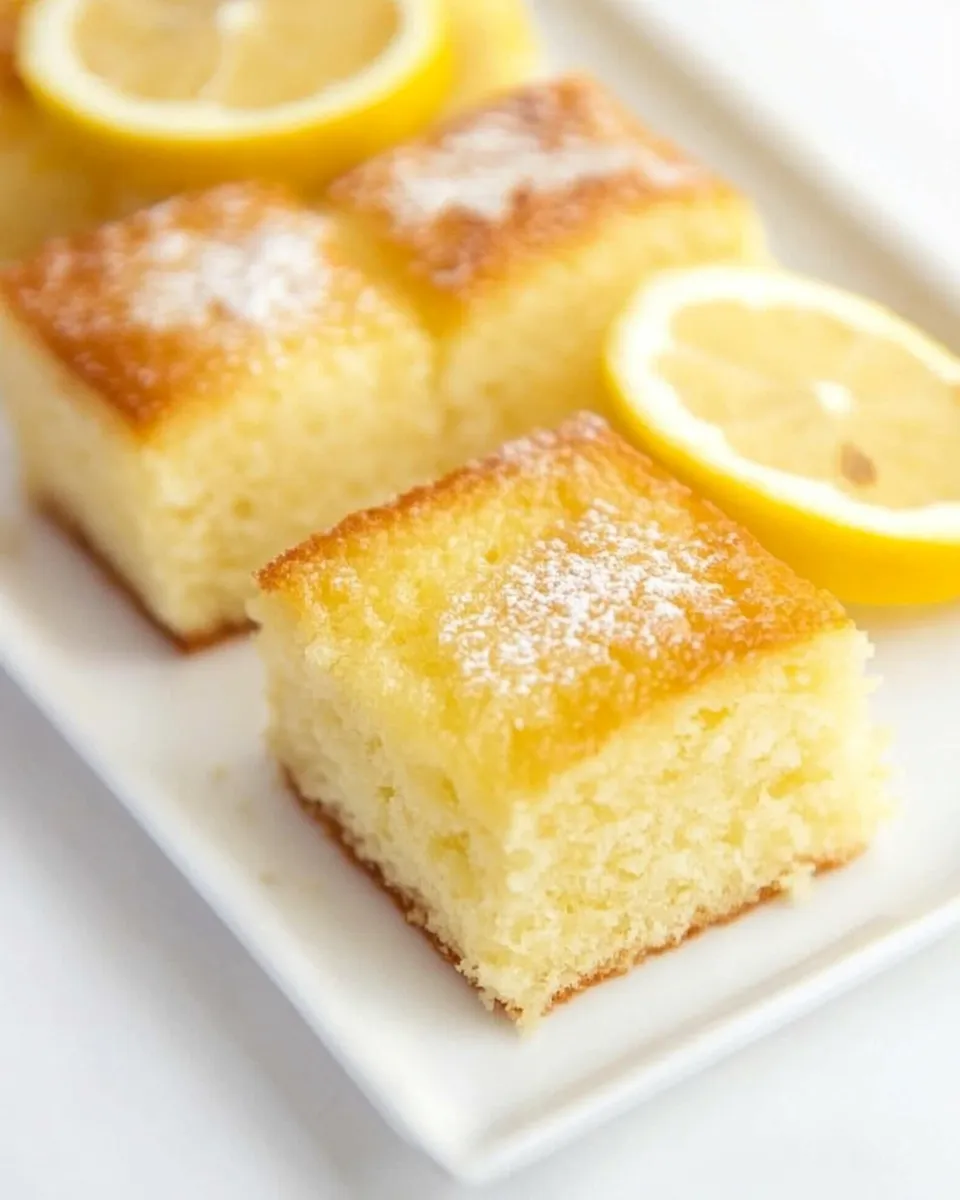
This Lemon Tea Cake is one of those recipes that lands on your counter and instantly makes the kitchen feel like company is on the way. It’s bright, tender, and reliably moist—thanks to a bit of buttermilk and a lemon syrup that soaks into the warm loaves. It slices neatly for tea or breakfast, and the glaze adds the right amount of shine without being cloying.
I test recipes so they work on a busy morning or when you have thirty minutes of calm before guests arrive. The method here is straightforward: cream butter and sugar, add eggs and zest, alternate dry and wet ingredients, then bake. A simple syrup and a lemon glaze finish the cake, giving it that unmistakable citrus lift.
Below you’ll find the ingredient list exactly as used, a step-by-step cooking guide, and practical notes about equipment, storage, and troubleshooting. No tricks—just clear steps so your loaves come out tender, lemony, and ready to enjoy.
Gather These Ingredients

- ½ pound (2 sticks) unsalted butter — adds richness and structure; soften to room temperature for easier creaming.
- 2½ cups granulated white sugar, divided — provides sweetness and tenderness; part is creamed into the batter and part is used for the lemon syrup.
- 4 extra large eggs — supply lift and moisture; use at room temperature for better emulsification.
- ⅓ cup freshly grated lemon zest — concentrated lemon aroma and flavor; grate only the yellow peel, not the bitter pith.
- 3 cups all-purpose flour — forms the cake’s structure; measure by spooning into the cup and leveling for accuracy.
- ½ teaspoon baking powder — contributes light leavening.
- ½ teaspoon baking soda — works with the buttermilk for lift and a tender crumb.
- 1 teaspoon kosher salt — balances sweetness and enhances lemon notes.
- ¾ cup freshly squeezed lemon juice, divided — brightens the cake and makes the syrup; divide as directed in the recipe.
- ¾ cup buttermilk — keeps the crumb tender and slightly tangy; bring to room temperature before mixing.
- 1 teaspoon vanilla extract — rounds and balances the lemon.
- 2 cups powdered sugar, sifted — for the glaze; sifting ensures a smooth finish.
- 3½ tablespoons freshly squeezed lemon juice — used specifically for the glaze to reach the right consistency and brightness.
Lemon Tea Cake Cooking Guide
- Preheat the oven to 350°F. Grease and flour two 5×8-inch loaf pans; set aside.
- In a large bowl, use an electric mixer to cream ½ pound (2 sticks) unsalted butter with 2 cups granulated sugar on medium-high speed until light and fluffy, about 5 minutes.
- With the mixer on medium, add the 4 extra-large eggs one at a time, mixing until each is incorporated. Scrape the bowl as needed. Add ⅓ cup freshly grated lemon zest and mix until combined.
- In a medium bowl, sift together 3 cups all-purpose flour, ½ teaspoon baking powder, ½ teaspoon baking soda, and 1 teaspoon kosher salt.
- In another bowl, whisk together ¼ cup of the freshly squeezed lemon juice, ¾ cup buttermilk, and 1 teaspoon vanilla extract.
- With the mixer on low, add the dry flour mixture and the buttermilk mixture to the butter mixture alternately, beginning and ending with the flour mixture. Add in increments (flour, wet, flour, wet, flour) and mix just until combined—do not overmix.
- Divide the batter evenly between the two prepared loaf pans and smooth the tops. Bake 50–60 minutes, or until a toothpick inserted into the center comes out clean.
- While the cakes bake (or during the last 10 minutes of baking), make the lemon syrup: combine the remaining ½ cup granulated sugar and ½ cup of the freshly squeezed lemon juice in a small saucepan. Cook over low heat, stirring, until the sugar dissolves and the mixture is clear; remove from heat.
- When the cakes are done, cool in the pans for 10 minutes. Remove the cakes from the pans and place them on a wire rack set over wax paper or a sheet pan.
- Poke holes all over the tops of the warm cakes with a skewer or toothpick. Spoon or brush the warm lemon syrup evenly over the cakes, allowing it to soak in. Let the cakes cool completely on the rack.
- To make the glaze, place 2 cups sifted powdered sugar in a bowl and whisk in 3½ tablespoons freshly squeezed lemon juice until smooth and pourable.
- Pour or spoon the glaze over the tops of the cooled cakes, allowing it to drizzle down the sides. Let the glaze set before slicing and serving.
The Upside of Lemon Tea Cake
This cake is bright and versatile. It’s not overly sweet; the lemon syrup ensures every bite stays moist rather than dry. The loaf shape makes it ideal for serving at a tea, brunch, or as a portable treat with coffee. It also stores well and benefits from an overnight rest—the flavors meld and the crumb firms up to a perfect slicing texture.
It’s approachable to bake. The steps are classic and forgiving: cream, alternate, bake, and finish with syrup and glaze. If you follow the timings and don’t overmix, you’ll consistently get a tender, even crumb with plenty of lemon character.
Smart Substitutions
- Unsalted butter: If you only have salted butter, reduce the kosher salt used in the recipe to about half or to taste.
- Buttermilk: If you don’t have cultured buttermilk on hand, use a commercially cultured product rather than plain milk for more reliable acidity; you can also use yogurt thinned slightly with a little water if needed.
- Vanilla: The 1 teaspoon of vanilla complements the lemon; omit only if you want a purer citrus profile.
- Sugar: The recipe relies on granulated and powdered sugar as specified; don’t substitute liquid sweeteners without adjusting other ingredients.
Equipment Breakdown
- Two 5×8-inch loaf pans — the specified size keeps the bake time and texture consistent.
- Electric mixer — for properly creaming the butter and sugar and incorporating eggs.
- Mixing bowls — at least three: one for creaming, one for sifted dry ingredients, and one for the wet ingredients.
- Sieve or sifter — for the flour and powdered sugar to avoid lumps.
- Wire rack and a sheet pan or wax paper — to catch drips when you pour the syrup over warm cakes.
- Small saucepan — to dissolve the syrup sugar over low heat.
- Skewer or toothpick — to poke holes for the syrup to penetrate.
Troubleshooting Tips
If the cake is dense: you may have overmixed after adding flour. Mix just until the last streaks disappear. Also ensure your baking powder and baking soda are fresh; old leavening produces less rise.
If the center sinks: ovens vary. Check doneness with a toothpick at 50 minutes. If the toothpick isn’t clean but the top is browning too quickly, tent loosely with foil and continue baking until a toothpick comes out clean.
If the cake is dry: make sure you follow the syrup step—spooning warm syrup over warm loaves is essential. Also measure flour correctly; too much flour tightens the crumb.
If the glaze is too thin: add a touch more sifted powdered sugar until it thickens. If it’s too thick, thin with an extra small splash of lemon juice, a teaspoon at a time, until pourable.
Customize for Your Needs
Make-ahead & serving
Bake the loaves and store them tightly wrapped at room temperature for up to two days, or refrigerate for longer. Glaze right before serving if you want a fresh sheen. For a party, slice and arrange on a platter; the cake holds its shape well.
Flavor options
Feel like adding a twist? Fold in a small handful of poppy seeds for texture and a visual contrast, or finish with a scatter of finely chopped candied ginger for warmth. Keep additions light so the lemon remains the star.
Notes on Ingredients
Butter: Creaming butter and sugar properly (about five minutes at medium-high as directed) is the foundation for an airy batter. Room-temperature butter creates a stable emulsion with the eggs and sugar.
Lemons: Freshly grated zest and freshly squeezed juice matter. Bottled lemon juice lacks the volatile aromatics that zest and fresh juice bring, so use fresh lemons whenever possible.
Buttermilk: It contributes acidity and a tender crumb. If it’s too cold it can cause the batter to seize; bring it to room temperature before combining with the butter mixture.
Flour: All-purpose flour is specified. Spoon into the measuring cup and level rather than scooping from the bag to prevent packing too much flour into the batter.
Store, Freeze & Reheat
Store: Once glazed and set, keep the loaf in an airtight container at room temperature for up to 2 days. For longer storage, wrap tightly in plastic wrap and refrigerate up to 5 days.
Freeze: Slice the cooled and unglazed loaves, wrap individual slices in plastic wrap, and place in a freezer bag. Freeze up to 3 months. Thaw in the refrigerator or at room temperature, then glaze just before serving so the texture stays fresh.
Reheat: Warm a slice gently in the microwave for 10–15 seconds to revive softness. For a crisper edge, warm a slice in a 300°F oven on a baking sheet for 5–8 minutes.
Ask & Learn
Questions I get most: “Can I make this in a bundt pan?” Yes, but adjust baking time and check doneness earlier. “Can I halve the recipe?” Yes—use one 5×8 loaf pan and reduce baking time; start checking at 35–40 minutes. “What’s the best way to zest a lemon?” Use a microplane and avoid the white pith; the pith is bitter and will dull the bright flavor.
If anything in the method or timing doesn’t match your oven or equipment, ask. Provide oven behavior, pan type, and how your batter looked—those details help diagnose and fix issues quickly.
Let’s Eat
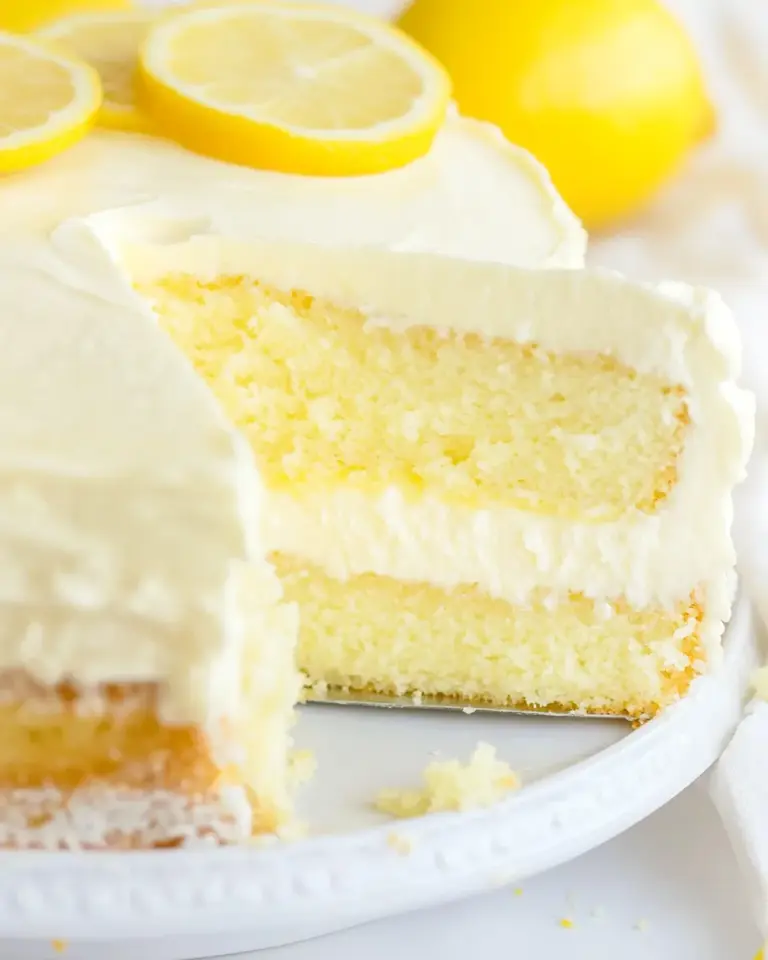
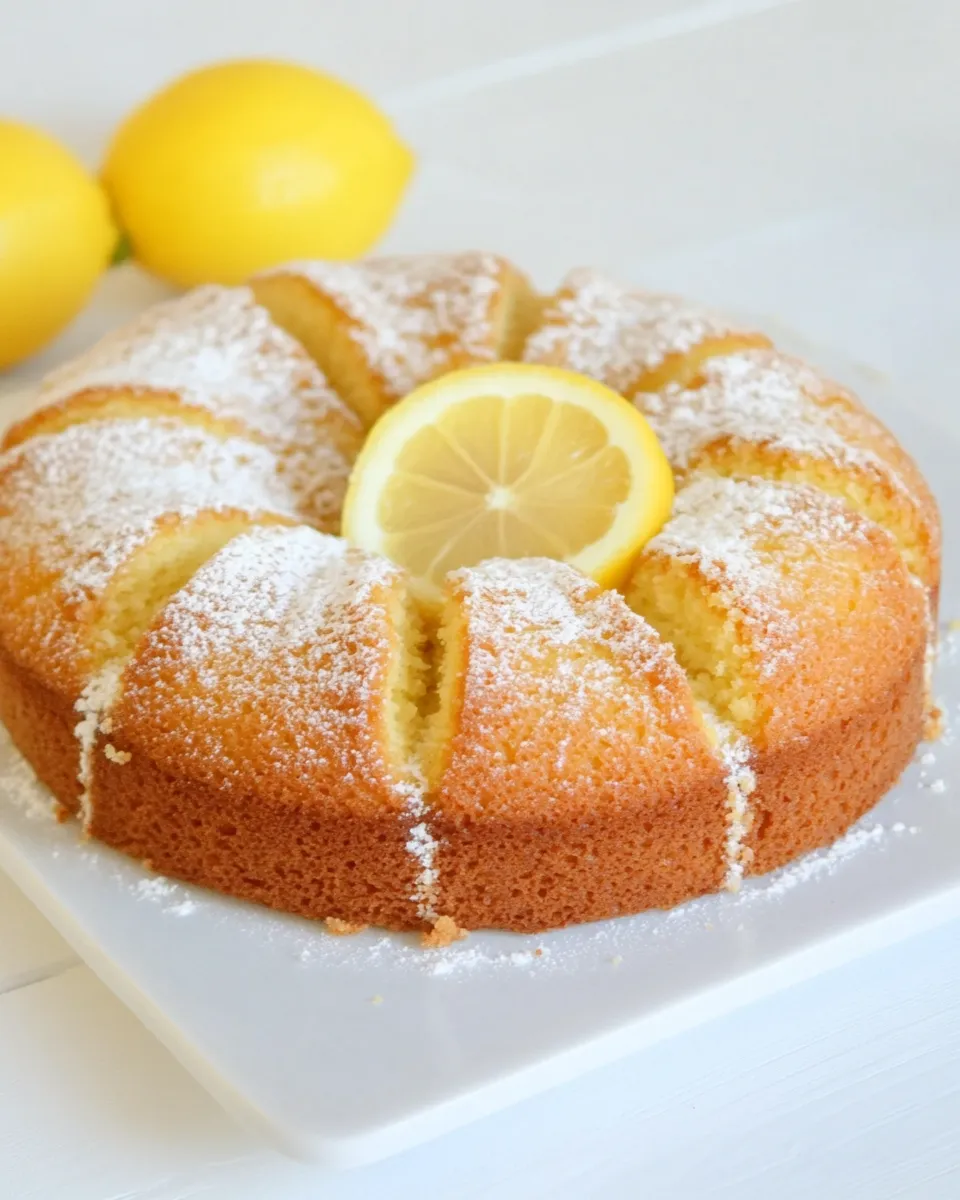
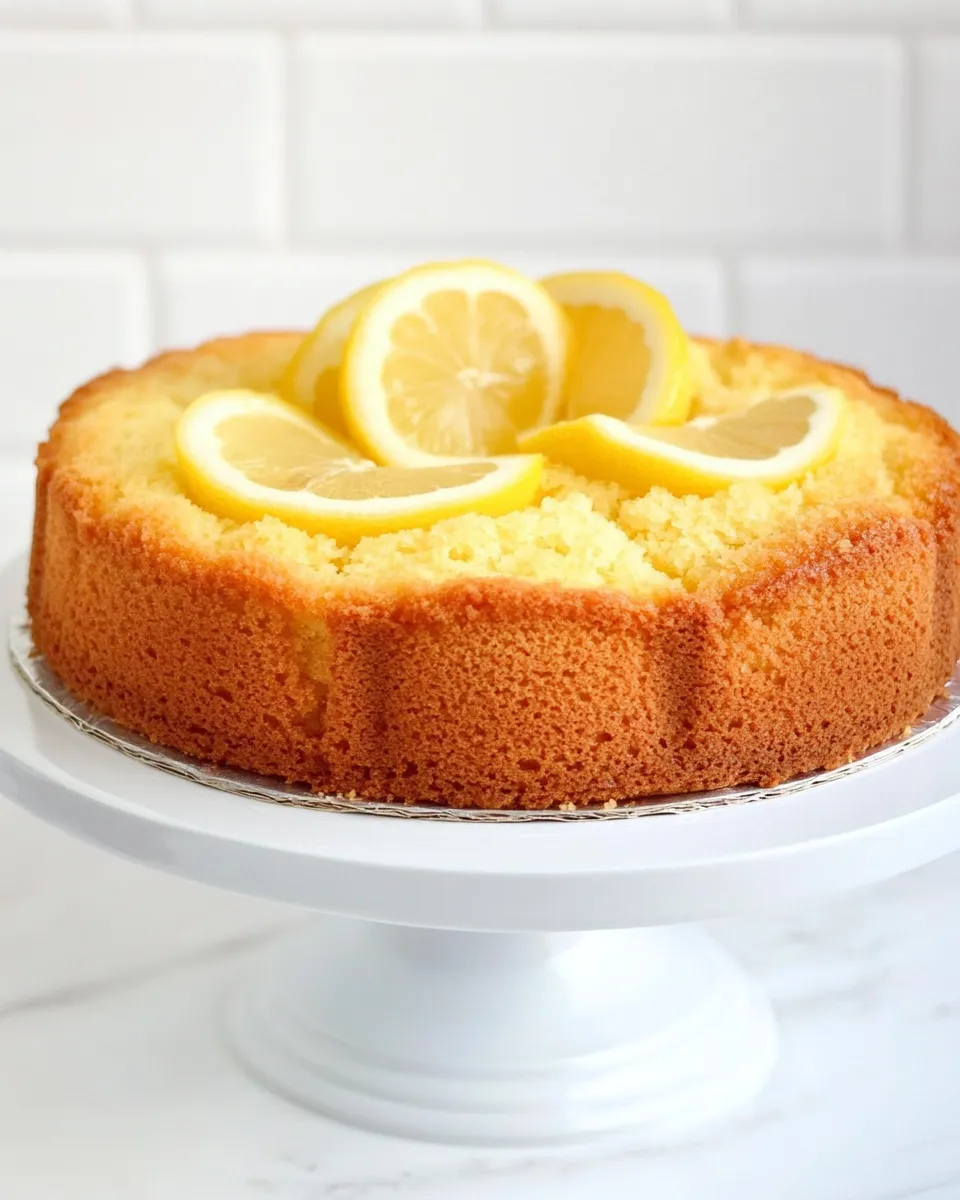
Slicing the loaf reveals a tender crumb speckled with lemon zest. Serve a slice on its own with a cup of strong tea or coffee, or plate it with a dollop of lightly whipped cream or plain yogurt and fresh berries for a simple dessert. The balance of lemon syrup and glaze keeps each bite moist and lively.
Enjoy this cake warm, at room temperature, or the next morning—each moment brings a slightly different texture and intensity of lemon. Bake it when you want something unfussy but memorable. It travels well, stores well, and always disappears quickly.

Lemon Tea Cake
Ingredients
Ingredients
- 1/2 pound 2 sticksunsalted butter, at room temperature
- 2 1/2 cupsgranulated white sugar divided
- 4 extra largeeggs at room temperature
- 1/3 cupfreshly grated lemon zest
- 3 cupsall purpose flour
- 1/2 teaspoonbaking powder
- 1/2 teaspoonbaking soda
- 1 teaspoonkosher salt
- 3/4 cupfreshly squeezed lemon juice divided
- 3/4 cupbuttermilk at room temperature
- 1 teaspoonvanilla extract
- 2 cupspowdered sugar sifted
- 3 1/2 tablespoonsfreshly squeezed lemon juice
Instructions
Instructions
- Preheat the oven to 350°F. Grease and flour two 5x8-inch loaf pans; set aside.
- In a large bowl, use an electric mixer to cream ½ pound (2 sticks) unsalted butter with 2 cups granulated sugar on medium-high speed until light and fluffy, about 5 minutes.
- With the mixer on medium, add the 4 extra-large eggs one at a time, mixing until each is incorporated. Scrape the bowl as needed. Add ⅓ cup freshly grated lemon zest and mix until combined.
- In a medium bowl, sift together 3 cups all-purpose flour, ½ teaspoon baking powder, ½ teaspoon baking soda, and 1 teaspoon kosher salt.
- In another bowl, whisk together ¼ cup of the freshly squeezed lemon juice, ¾ cup buttermilk, and 1 teaspoon vanilla extract.
- With the mixer on low, add the dry flour mixture and the buttermilk mixture to the butter mixture alternately, beginning and ending with the flour mixture. Add in increments (flour, wet, flour, wet, flour) and mix just until combined—do not overmix.
- Divide the batter evenly between the two prepared loaf pans and smooth the tops. Bake 50–60 minutes, or until a toothpick inserted into the center comes out clean.
- While the cakes bake (or during the last 10 minutes of baking), make the lemon syrup: combine the remaining ½ cup granulated sugar and ½ cup of the freshly squeezed lemon juice in a small saucepan. Cook over low heat, stirring, until the sugar dissolves and the mixture is clear; remove from heat.
- When the cakes are done, cool in the pans for 10 minutes. Remove the cakes from the pans and place them on a wire rack set over wax paper or a sheet pan.
- Poke holes all over the tops of the warm cakes with a skewer or toothpick. Spoon or brush the warm lemon syrup evenly over the cakes, allowing it to soak in. Let the cakes cool completely on the rack.
- To make the glaze, place 2 cups sifted powdered sugar in a bowl and whisk in 3½ tablespoons freshly squeezed lemon juice until smooth and pourable.
- Pour or spoon the glaze over the tops of the cooled cakes, allowing it to drizzle down the sides. Let the glaze set before slicing and serving.
Equipment
- Oven
- 5x8-inch loaf pans
- Electric Mixer
- Mixing bowls
- Sifter
- Wire Rack
- Saucepan
- skewer or toothpick