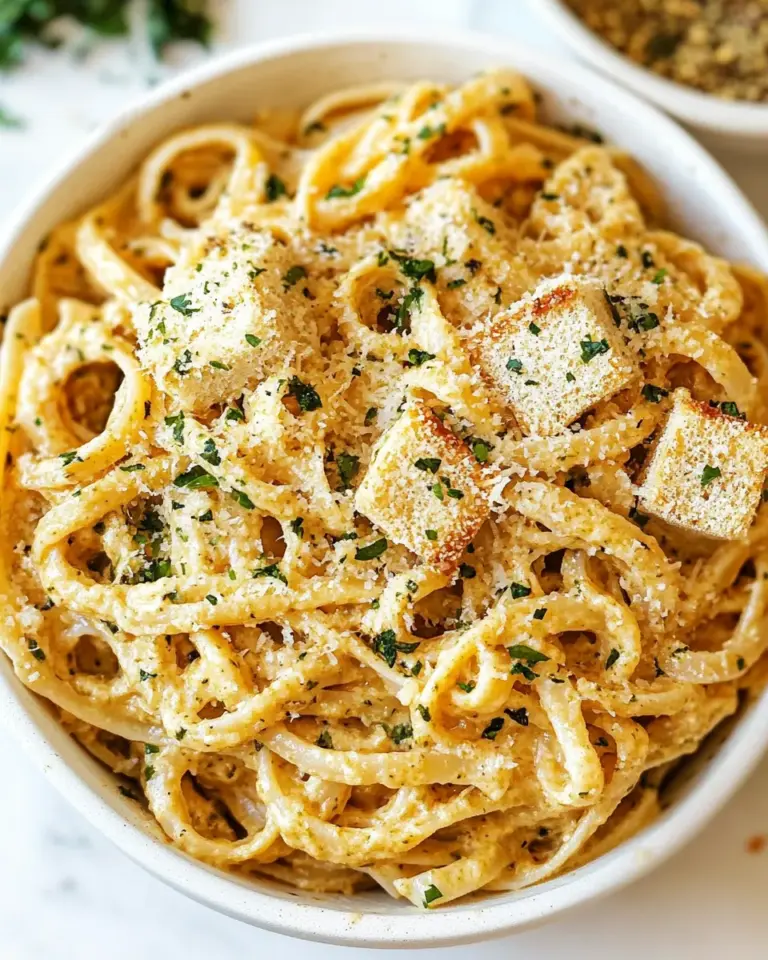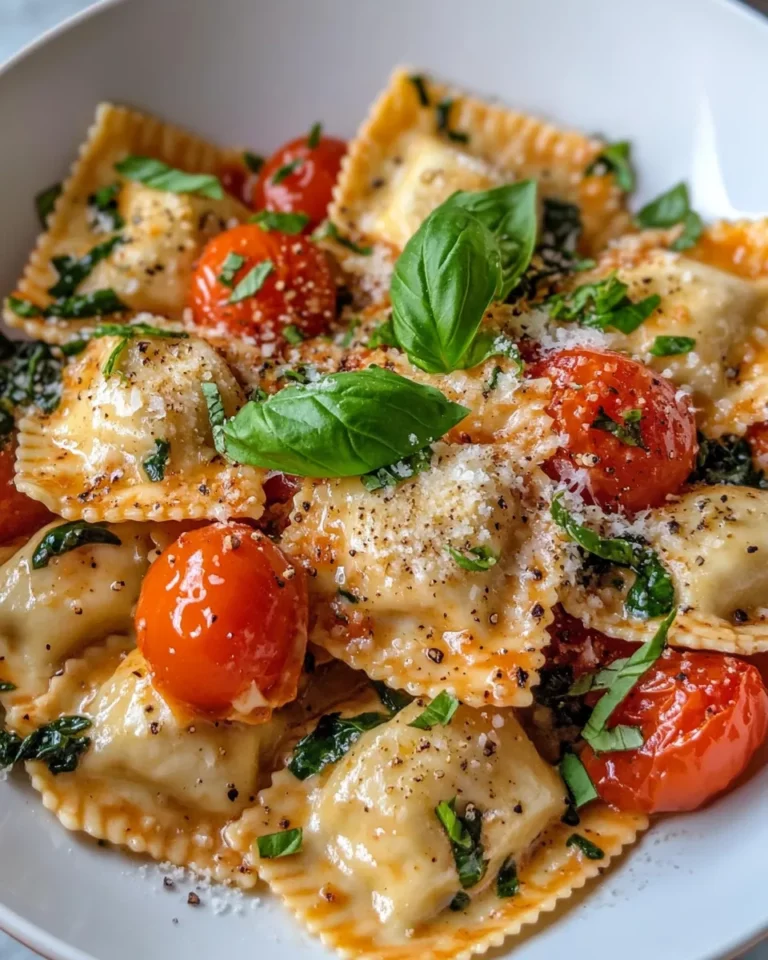
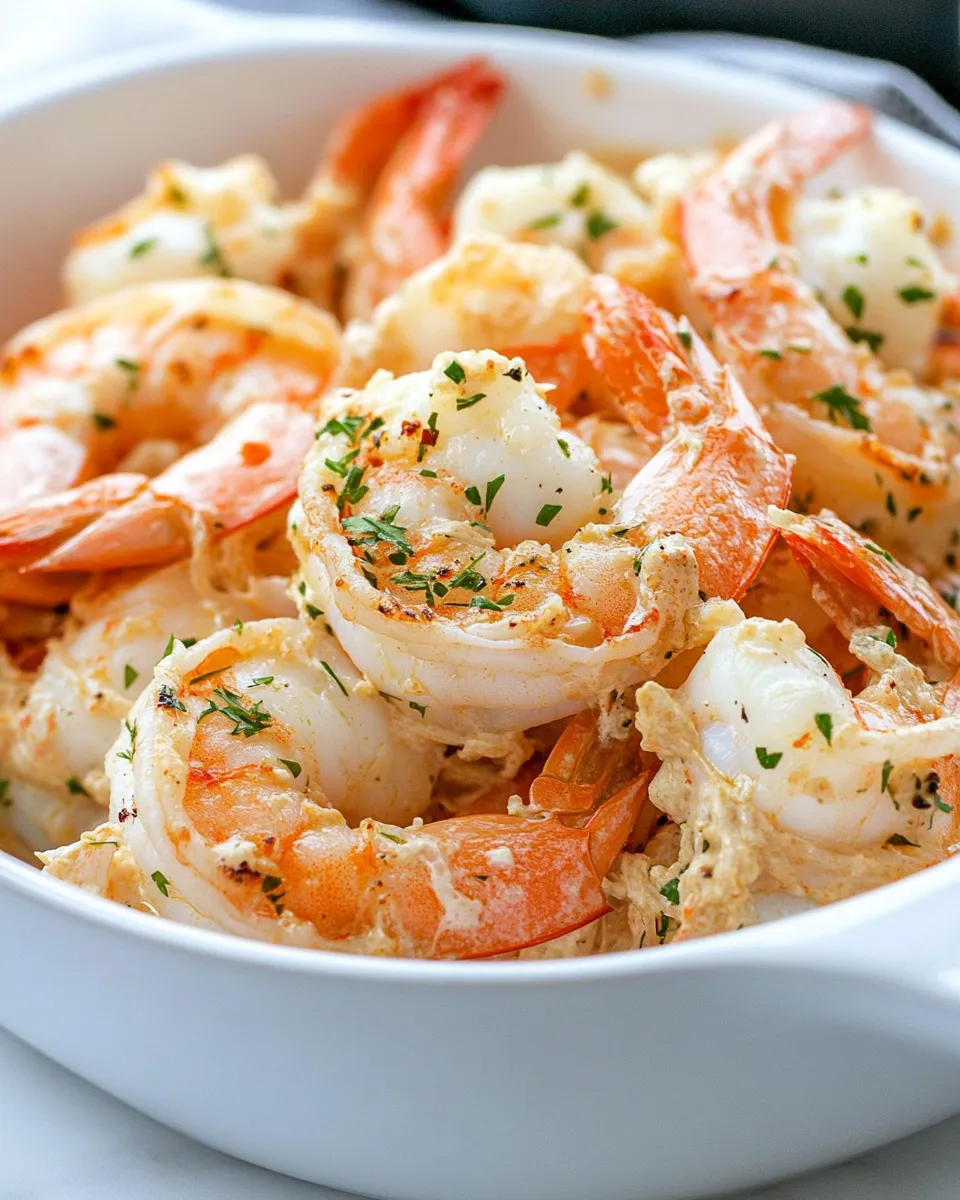
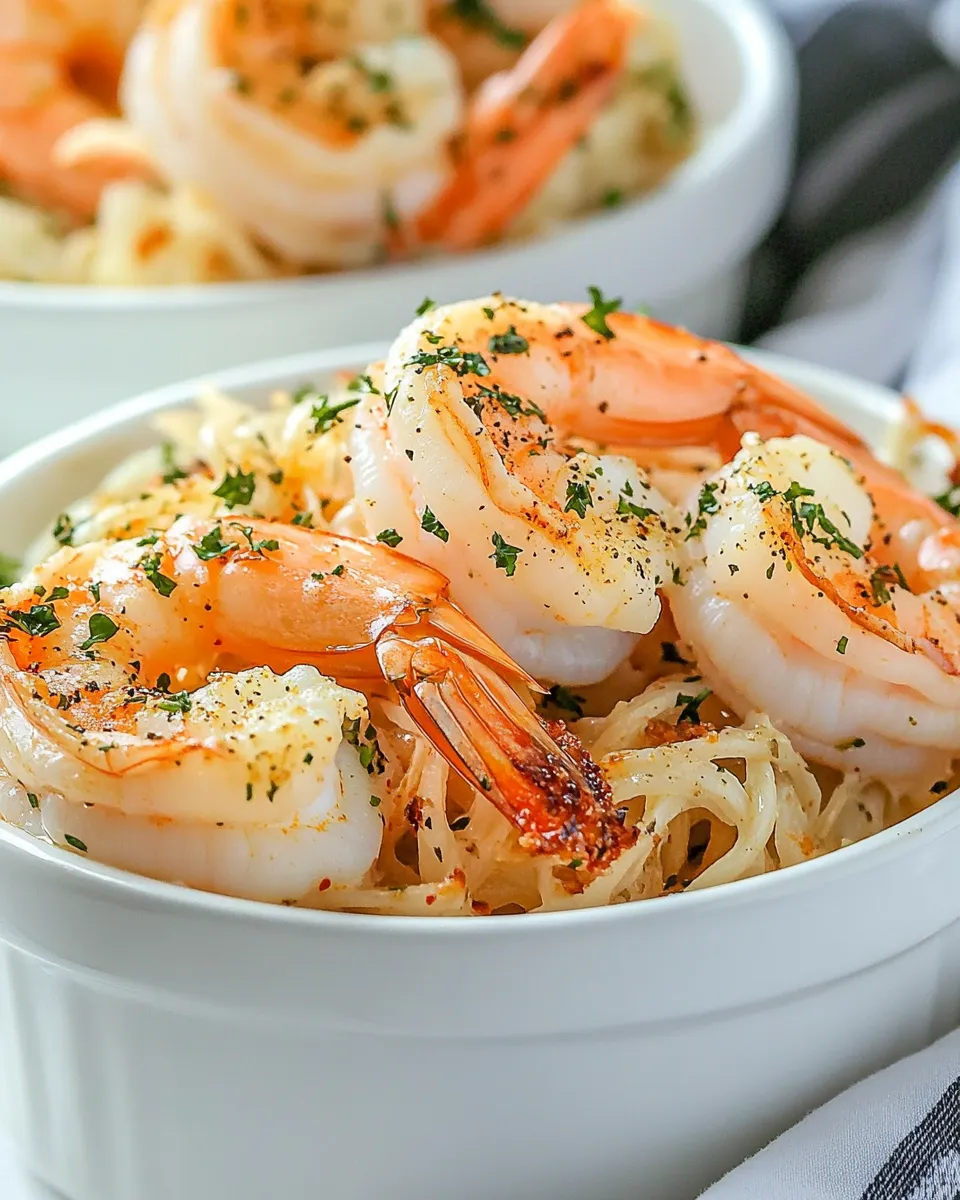
I love recipes that feel like a small restaurant indulgence you can reproduce in your own kitchen. This Shrimp Christopher copycat hits that note: garlic-buttered shrimp, bright basil, and strands of pasta tossed until glossy and saucy. It’s straightforward, fast, and delivers big flavor without a long ingredient list.
The technique centers on a simple basil butter that melts into the pasta water to create a silky coating for both pasta and shrimp. No cream, no fuss—just butter, cheese, garlic, and fresh basil doing the work. You’ll get a restaurant-style plate in under 30 minutes once you’ve prepped the basil and shrimp.
This post walks you through the exact ingredient set and step-by-step directions, plus practical tips from my testing: how to rescue a soupy or dry pasta, the best shrimp timing, and easy swaps if you want to adapt it. Let’s get into the kitchen.
What Goes In
Ingredients
- 2 ounces fresh basil leaves (about 2 bunches) — the herb backbone of the basil butter; remove stems and dry thoroughly before processing.
- 10 ounces butter, softened — forms the sauce base; softened makes it easy to whip into a smooth basil butter.
- 1 teaspoon minced garlic — provides savory aromatics; add just enough to wake up the butter without overpowering the basil.
- 1/4 teaspoon salt — seasons the butter; remember some salt comes from the cheese too.
- 1/8 teaspoon black pepper — a mild pepper note to balance richness.
- 3 tablespoons grated Parmesan cheese, plus additional for garnish — adds umami and a slightly nutty finish; reserve extra for finishing the plate.
- 1 tablespoon grated Romano cheese — sharpens the cheesy profile and layers flavor with Parmesan.
- 1 pound fresh linguine or angel hair pasta — the vehicle for the sauce; use fresh pasta if available for silkier texture, dried is fine too.
- 1 pound medium shrimp, peeled and deveined — the star protein; medium shrimp work well for quick, even cooking.
Directions: Shrimp Christopher
- Remove any large stems from 2 ounces fresh basil leaves. Rinse the basil, shake off excess water, and dry the leaves thoroughly with paper towels (or a salad spinner and then paper towels).
- Place the basil leaves in a food processor and process until finely chopped. If needed, process in two batches for uniform chopping. Transfer the chopped basil to a small bowl and set aside.
- Put 10 ounces softened butter in a small mixing bowl. Use an electric mixer (or a sturdy spoon) to beat the butter until smooth and pliable. Add 1 teaspoon minced garlic, 1/4 teaspoon salt, 1/8 teaspoon black pepper, 3 tablespoons grated Parmesan cheese, 1 tablespoon grated Romano cheese, and the chopped basil. Mix until evenly incorporated to make the basil butter.
- Bring a large pot of water to a boil and cook 1 pound linguine or angel hair pasta according to package directions until al dente. Before draining, scoop out and reserve about 1/2 cup of the pasta cooking water. Drain the pasta and keep it warm.
- Heat a large skillet over medium heat. Add the prepared basil butter and cook just until it melts and becomes hot and fragrant, taking care not to brown the butter.
- Add 1 pound peeled and deveined medium shrimp to the skillet in a single layer. Sauté the shrimp until they are opaque and cooked through, about 2 to 3 minutes total, turning once if needed.
- Add the hot, drained pasta to the skillet with the shrimp and basil butter. Toss gently to coat the pasta and shrimp with the sauce. If the sauce seems too thick, add reserved pasta water a tablespoon at a time until you reach the desired consistency.
- Serve immediately, sprinkling additional grated Parmesan cheese on top or serving extra Parmesan on the side for garnish.
Why You’ll Keep Making It
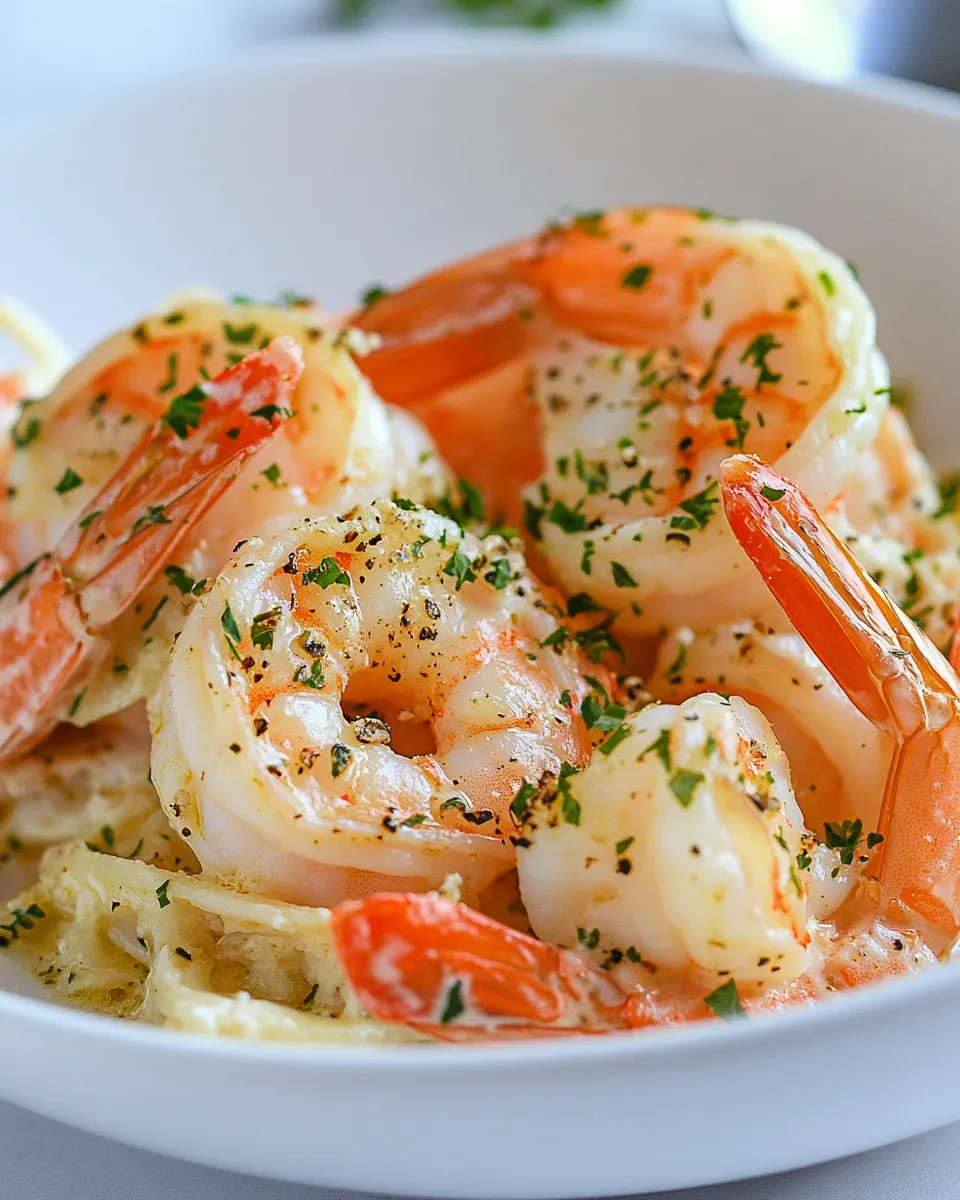
This is the kind of dish that rewards you every time. It’s fast—pasta water on, butter blended, shrimp cooked—and it looks like you fussed for hours. The basil butter is the real trick: it carries fresh herb flavor, garlic, and sharp cheeses into every thread of pasta in one smooth move. No heavy cream needed, yet the mouthfeel is rich.
Also, it’s forgiving. You can scale portions, swap angel hair for linguine, or use thawed frozen shrimp if you can’t get fresh. The technique is repeatable, and the result hits the comforting, bright, and buttery notes people expect from a restaurant copycat.
Finally, it’s a weekday-weekend recipe. It’s quick enough for a weeknight but impressive enough for company. Leftovers reheat well if you keep the pasta slightly under-sauced so it doesn’t seize up in the fridge.
Flavor-Forward Alternatives
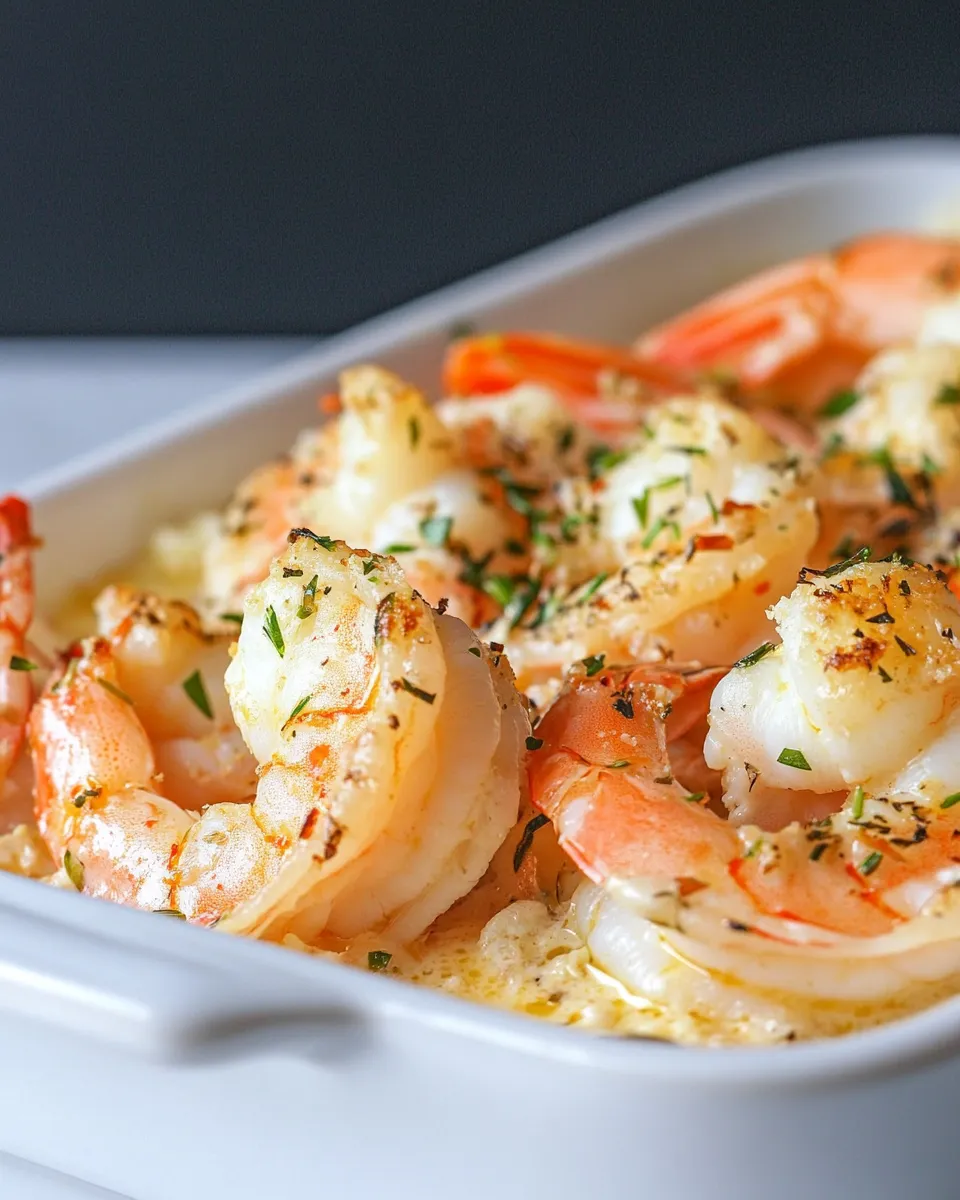
- Add citrus brightness: Finish with a squeeze of lemon or a few strips of lemon zest to brighten the richness.
- Spicy kick: Stir in 1/4 to 1/2 teaspoon red pepper flakes to the butter if you like heat.
- Tomato element: Toss in cherry tomatoes halved at the end and warm through for a sweet-acid contrast.
- Herb swaps: If basil isn’t available, try a blend of parsley and a smaller amount of oregano—parsley keeps it fresh without overpowering.
- Protein changes: Use scallops or thin chicken cutlets in place of shrimp; adjust cooking time accordingly so you don’t overcook.
Tools of the Trade
- Large pot — for boiling pasta with room to keep it from sticking.
- Food processor — gets the basil finely chopped and evenly distributed in the butter (a chef’s knife works if you don’t have one).
- Large skillet — wide surface to cook shrimp in a single layer and toss pasta without spilling.
- Electric mixer or sturdy spoon — to whip softened butter into a smooth basil butter.
- Measuring spoons/scale — to get butter and herbs in proper proportions for consistent results.
Watch Outs & How to Fix
Shrimp overcooked or rubbery
Shrimp cook very quickly. If they’re rubbery, they were cooked too long or at too high heat. To fix: salvage by slicing overcooked shrimp and incorporating into a baked pasta, or serve in a sauce where the moisture helps hide the texture. Next time, cook one as a test piece and remove shrimp as soon as they turn opaque and curl into a C shape.
Too-thick, clumpy sauce
If the basil butter tightens into a paste and clings to the pasta, add reserved pasta water—one tablespoon at a time—until the sauce loosens into a glossy coating. The starch in the saved water binds fat and cheese into a silky emulsion.
Sauce split or greasy
Sauce that looks oily can mean the butter separated. A small splash of hot pasta water and brisk tossing will often bring it back together. If it’s fully broken, remove the pasta and whisk in a tablespoon of hot water to the pan, then re-toss slowly.
Undersalted pasta
Always salt the pasta water well. If the finished dish is flat, a small pinch of salt or a squeeze of lemon can brighten it; grated cheese at the table also allows guests to adjust seasoning.
Nutrition-Minded Tweaks
- Reduce butter: Cut the butter by a quarter and finish with a teaspoon of extra-virgin olive oil to maintain gloss with less saturated fat.
- Boost veg: Add steamed or sautéed greens (spinach, kale) or roasted vegetables to increase fiber and vitamins.
- Whole-grain pasta: Use whole-wheat linguine for more fiber, but expect a nuttier flavor and firmer bite.
- Smaller portion of pasta: Keep the pasta portion modest and serve extra shrimp and vegetables to balance the plate.
What I Learned Testing
1) Basil texture matters. If basil isn’t dried properly before processing, the butter can become watery. Pat leaves thoroughly or spin them dry so the herb mixes into the butter cleanly.
2) Fresh vs. dried pasta shifts timing a lot. Fresh cooks fast and needs less reserved water because its texture and moisture content are different. When using dried pasta, hold back slightly on adding all the butter at once; the starchier surface can absorb more sauce.
3) Cheese choice influences sauce body. Parmesan gives creamy umami. Adding Romano in the small measure the recipe calls for lifts the sharpness and keeps the flavor complex without needing more salt.
4) Don’t brown the butter. The basil butter should melt and release aroma without browning—once it darkens, the flavor moves away from the light herb profile to nuttier notes, which changes the dish.
Save It for Later
Store leftovers in an airtight container in the refrigerator for up to 2 days. To reheat, warm gently in a skillet with a splash of water or broth and toss to re-emulsify the sauce; avoid the microwave if possible, as it can tighten the pasta. The shrimp will soften during reheating—if you prefer fresher texture, cook extra shrimp and add them freshly cooked when reheating the pasta.
Questions People Ask
- Can I make the basil butter ahead? Yes. Make the basil butter up to 24 hours ahead, covered and chilled. Bring it to room temperature before melting in the skillet so it blends smoothly.
- What if I only have frozen shrimp? Thaw completely, pat dry, and remove excess moisture before sautéing. Dry shrimp sear better and won’t steam.
- Is it essential to reserve pasta water? It is. That starchy water is the secret to a silky sauce—without it the butter and cheese can clump or seem greasy.
- Can I skip the Romano? You can, but Romano adds a sharper counterpoint to Parmesan. If you omit it, consider a touch more black pepper or a squeeze of lemon to balance flavor.
- How do I know the shrimp are done? They’ll be opaque and curl into a loose “C.” If they form a tight “O,” they’re overcooked.
Ready to Cook?
If you’ve read this far, you’re set. Gather your basil, butter, cheese, pasta, and shrimp. Timing is everything here: have your basil butter made and your pasta water boiling before you start the shrimp. Follow the directions in order, trust the visual cues for the shrimp, and keep that reserved pasta water handy. Serve immediately with extra Parmesan and a small wedge of lemon if you like. This Shrimp Christopher is a small showstopper—simple to execute, generous on flavor, and reliably satisfying.
Olive Garden Shrimp Christopher Copycat Recipe
Ingredients
Ingredients
- 2 ouncesfresh basil leaves about 2 bunches
- 10 ouncesbuttersoftened
- 1 teaspoonminced garlic
- 1/4 teaspoonsalt
- 1/8 teaspoonblack pepper
- 3 tablespoonsgrated Parmesan cheese plus additional for garnish
- 1 tablespoonsgrated Romano cheese
- 1 poundfresh linguine or angel hair pasta
- 1 poundmedium shrimppeeled and deveined
Instructions
Instructions
- Remove any large stems from 2 ounces fresh basil leaves. Rinse the basil, shake off excess water, and dry the leaves thoroughly with paper towels (or a salad spinner and then paper towels).
- Place the basil leaves in a food processor and process until finely chopped. If needed, process in two batches for uniform chopping. Transfer the chopped basil to a small bowl and set aside.
- Put 10 ounces softened butter in a small mixing bowl. Use an electric mixer (or a sturdy spoon) to beat the butter until smooth and pliable. Add 1 teaspoon minced garlic, 1/4 teaspoon salt, 1/8 teaspoon black pepper, 3 tablespoons grated Parmesan cheese, 1 tablespoon grated Romano cheese, and the chopped basil. Mix until evenly incorporated to make the basil butter.
- Bring a large pot of water to a boil and cook 1 pound linguine or angel hair pasta according to package directions until al dente. Before draining, scoop out and reserve about 1/2 cup of the pasta cooking water. Drain the pasta and keep it warm.
- Heat a large skillet over medium heat. Add the prepared basil butter and cook just until it melts and becomes hot and fragrant, taking care not to brown the butter.
- Add 1 pound peeled and deveined medium shrimp to the skillet in a single layer. Sauté the shrimp until they are opaque and cooked through, about 2 to 3 minutes total, turning once if needed.
- Add the hot, drained pasta to the skillet with the shrimp and basil butter. Toss gently to coat the pasta and shrimp with the sauce. If the sauce seems too thick, add reserved pasta water a tablespoon at a time until you reach the desired consistency.
- Serve immediately, sprinkling additional grated Parmesan cheese on top or serving extra Parmesan on the side for garnish.
Equipment
- Food Processor
- Small Bowl
- Mixing Bowl
- electric mixer or spoon
- Large Pot
- Skillet
- Colander
- Paper Towels
Notes
Basil butter can be used immediately or stored covered in the refrigerator for 3 to 4 days.