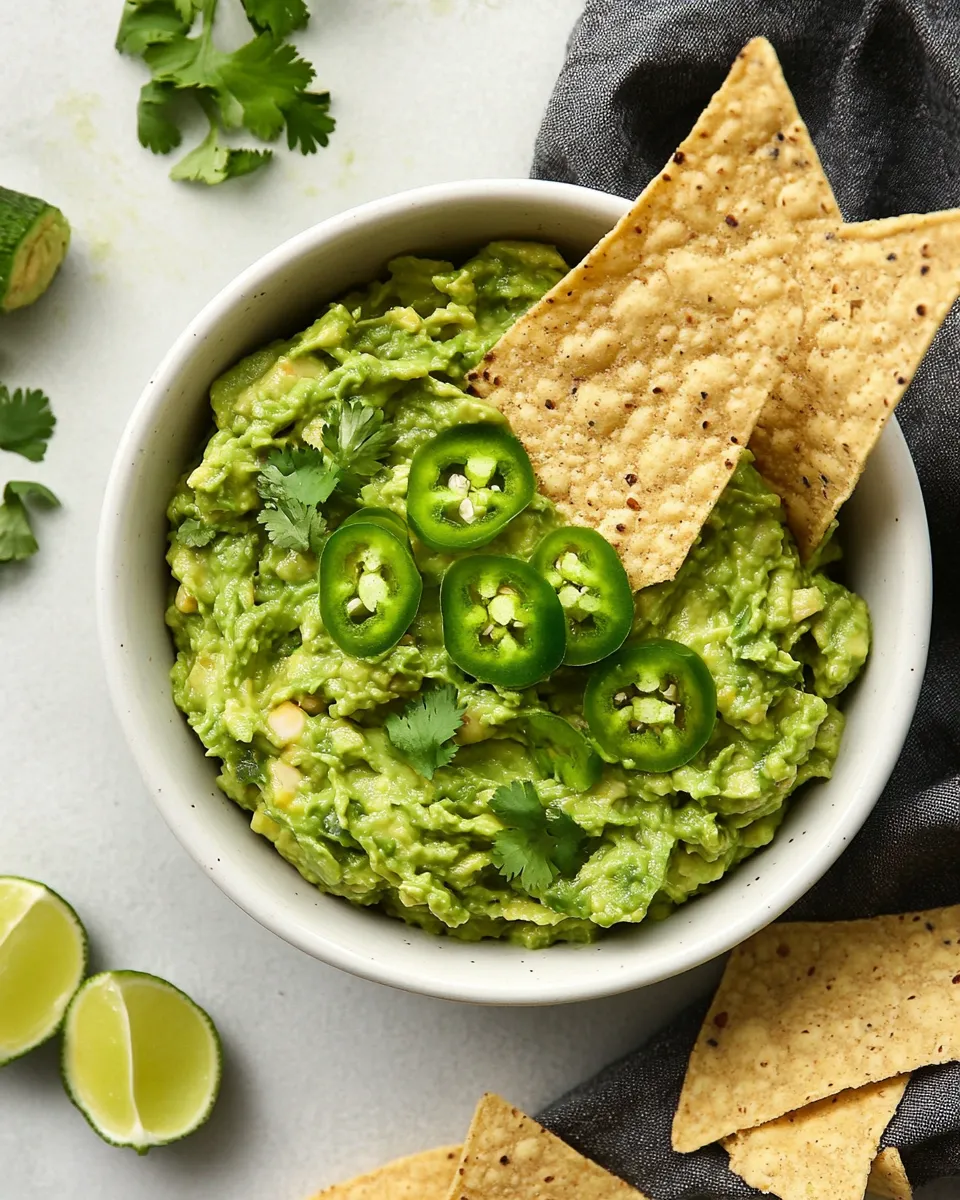
I make this guacamole on repeat because it’s fast, forgiving, and reliably bright. It’s the kind of recipe that welcomes variation but doesn’t need tinkering to be delicious. Ripe avocados, a hit of lime, a touch of heat — that’s the backbone. Everything else just nudges it in the direction you like.
Here I’ll walk you through the exact ingredients and steps I use in the test kitchen, plus sensible swaps, common mistakes, and storage tips so you can make it anytime without stress. Read through once, then keep the page open while you prep. You’ll be done before the chips are gone.
This is practical, not precious. If you like it chunkier, stop mashing early. If you like more kick, add more cayenne or leave jalapeño seeds in. The baseline below is balanced for most palates and keeps well for short-term storage.
Gather These Ingredients
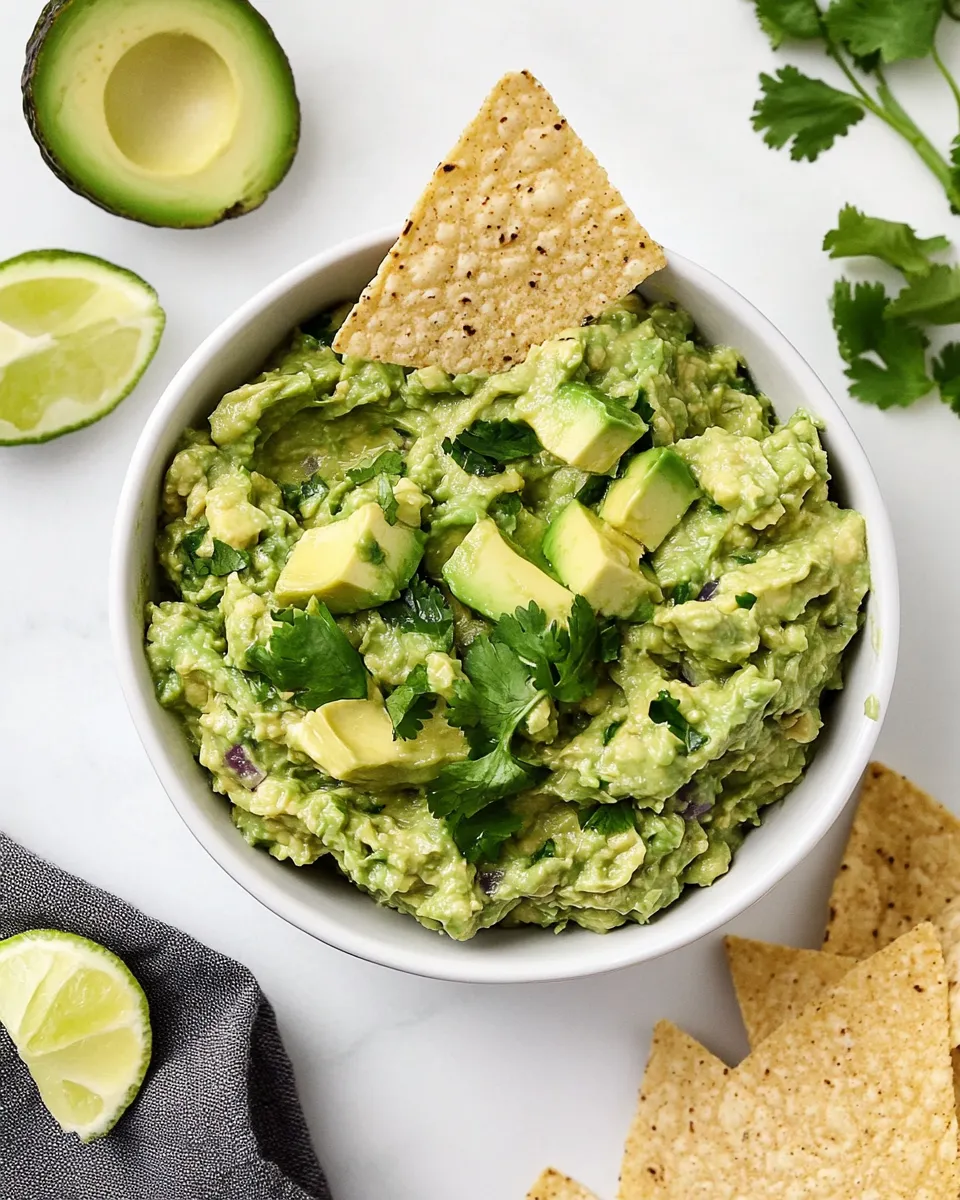
- 3 avocados — the base: choose ripe but not overripe avocados for cream and small chunks.
- 2 tablespoons lime juice — brightens flavor and slows browning; fresh is best.
- 2 tablespoons minced yellow onion — provides savory bite; mince small so it blends into the guac.
- 1 tablespoon minced fresh cilantro — adds herbal lift; taste first if you’re unsure about cilantro.
- 1 jalapeno, seeded and minced — fresh heat; keep seeds for more spice or remove for mild.
- 1 large clove garlic, minced — a single clove gives depth without overpowering.
- ¾ teaspoon (0.75 teaspoon) kosher salt — essential for flavor balance; adjust after mixing.
- ½ teaspoon (0.5 teaspoon) ground cumin — warm note that complements avocado and lime.
- ¼ teaspoon (0.25 teaspoon) cayenne pepper — adds background heat and a subtle smoky edge.
Our Favorite Homemade Guacamole: From Prep to Plate
- Cut each avocado in half lengthwise, remove and discard the pits, then scoop the flesh into a medium bowl.
- Add 2 tablespoons lime juice, 2 tablespoons minced yellow onion, 1 tablespoon minced fresh cilantro, 1 jalapeno (seeded and minced), 1 large clove garlic (minced), ¾ teaspoon kosher salt, ½ teaspoon ground cumin, and ¼ teaspoon cayenne pepper to the bowl.
- Use a potato masher or a large fork to mash the mixture until the avocados are mostly broken down but still have a chunky consistency.
- Give a final stir with a spoon to evenly combine ingredients and taste if desired. Serve immediately.
- To store, press a piece of plastic wrap directly onto the surface of the guacamole, transfer to an airtight container, seal, and refrigerate for up to 2 days.
What Makes This Recipe Special
This version hits three things I always chase in guacamole: fresh brightness, punchy aromatics, and texture. The lime juice does double duty — it wakes up the flavors and buys you a little time against browning. Garlic and yellow onion supply savory depth. The cumin and cayenne are subtle; they don’t make it taste like spice-forward salsa but round out the profile so the avocados feel interesting, not one-note.
I keep the texture intentionally chunky. Mashed smooth is fine, but the little pockets of avocado make every bite varied — creamy and still textural. The minced onion and cilantro also add tiny bursts of contrast that make the dip more than just seasoned mashed avocado.
Another advantage: this method is fast. From halving the avocados to serving takes about 10 minutes if your avocados are ripe. That speed makes it a go-to for last-minute gatherings or a weekday snack with tortilla chips, crudités, or grilled meats.
Quick Replacement Ideas
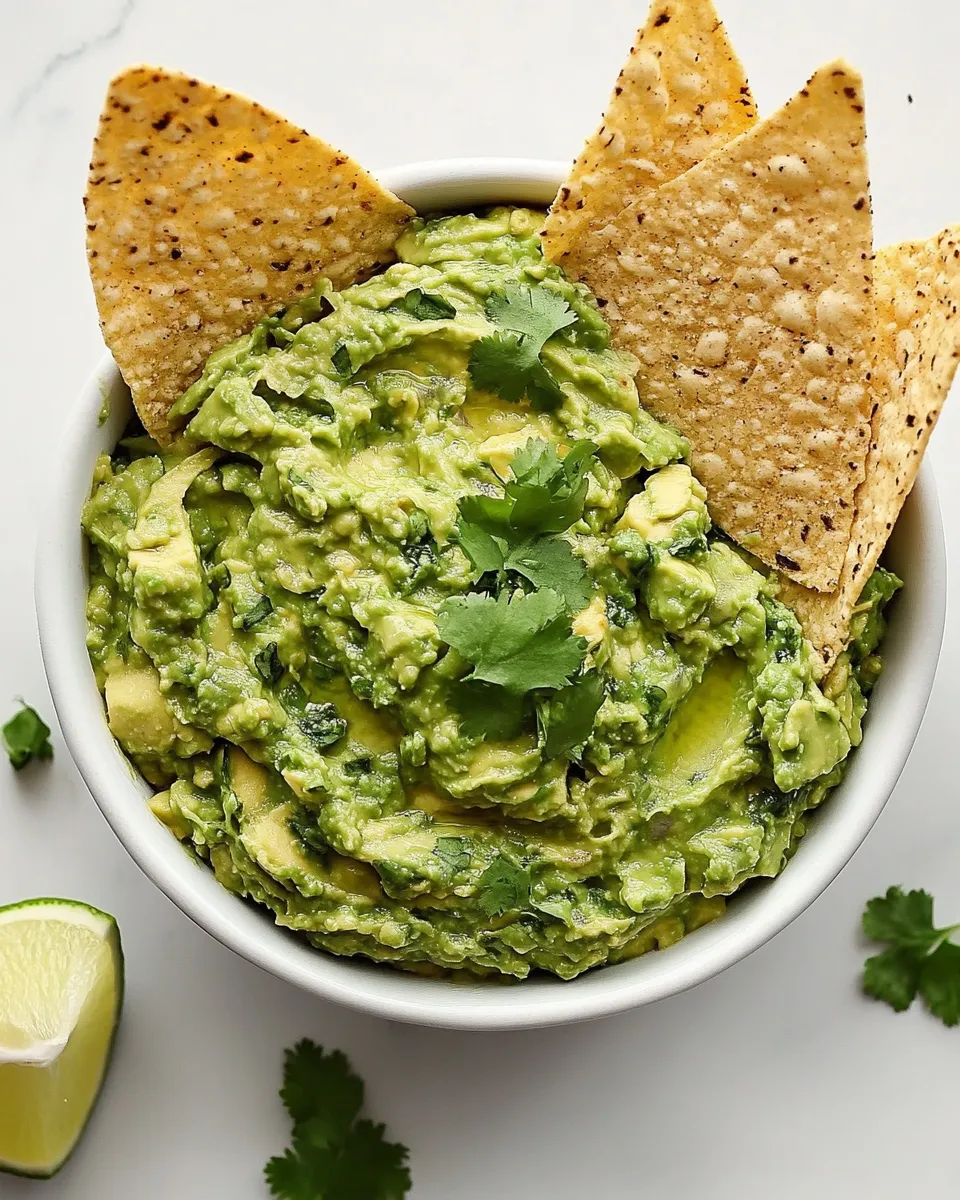
- Lime juice — swap with fresh lemon juice in a pinch; slightly different acidity but still bright.
- Yellow onion — use red onion or finely sliced scallion for a milder or sweeter note.
- Cilantro — omit or replace with chopped parsley if you dislike cilantro’s flavor.
- Jalapeno — serrano gives more heat; roasted poblano softens the spice and adds smokiness.
- Garlic — substitute a touch of garlic powder if you need something milder or to avoid raw garlic bite.
- Kosher salt — fine sea salt works; if using table salt, reduce slightly and taste.
- Cumin & cayenne — leave out if you want a purer, simpler guac, or swap cayenne for a pinch of smoked paprika for a smoky edge.
- Avocados — if you’re short one, scale the rest of the ingredients down proportionally to avoid over-seasoning.
What’s in the Gear List
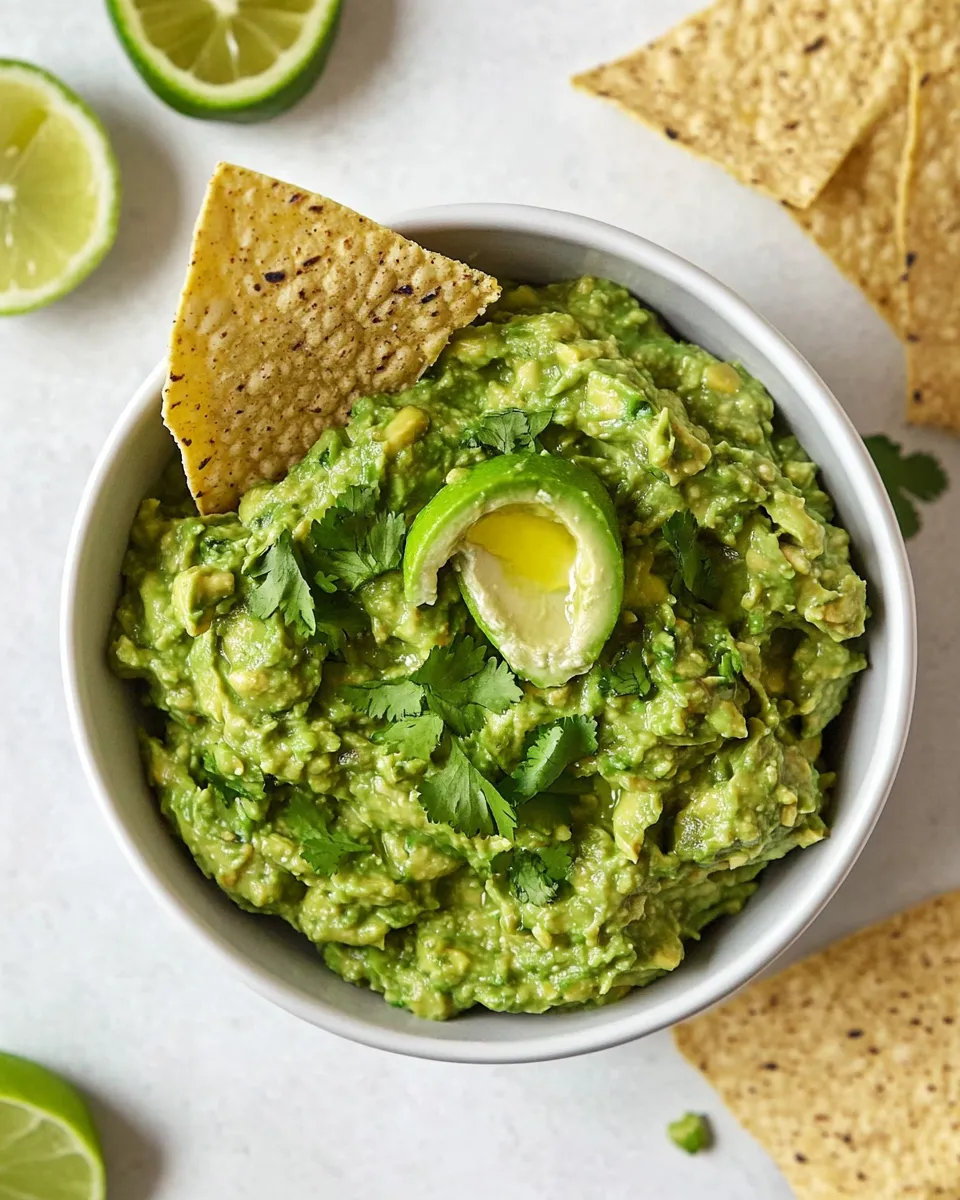
- Medium mixing bowl — roomy enough to mash without splattering.
- Sharp knife and cutting board — for halving avocados and prepping chilies and herbs.
- Potato masher or large fork — potato masher gives the most consistent chunky texture; fork works in a pinch.
- Spoon — for the final stir and scooping into serving dish.
- Measuring spoons — to keep seasoning consistent, especially if you’re making this to please others.
- Plastic wrap and airtight container — for storing and minimizing browning.
Mistakes Even Pros Make
Over-mashing is common. Go slowly and stop while there are still small pieces of avocado. The dip will feel creamier in the mouth but will lose that pleasing contrast if you turn it into a paste.
Another slip-up: over-salting before flavors have a chance to marry. Salt late if you’re unsure, then add small increments and taste. Fresh lime juice can tone down the heat, so add the cayenne and jalapeño conservatively until you’ve sampled the combined flavors.
Finally, using underripe or overripe avocados spoils the whole dish. Under-ripe fruit is hard and flavorless. Overripe ones can be stringy or brown inside. Test for a slight give when squeezed gently in your palm — that’s the sweet spot.
Fresh Seasonal Changes
Guacamole is a great canvas for seasonal additions. In summer, toss in a few tablespoons of diced ripe tomato or fresh grilled corn for sweetness and crunch. Early fall brings excellent tiny sweet peppers or roasted tomatillo for tang. In late winter, a few pomegranate seeds add a bright jewel-like acidity and texture contrast. Keep additions small so they complement rather than overpower the base.
Herbs can shift with the season too. If cilantro is fresh and abundant in summer, go heavier. In months when it’s harder to find, a mix of flat-leaf parsley with a splash more lime can still feel lively.
Notes from the Test Kitchen
We tested this recipe across several avocado ripeness levels, and the seasoning held up well as long as the salt was adjusted to taste. When avocados were exceptionally ripe, we reduced salt slightly. When they were firmer and less flavorful, an extra pinch made a big difference.
Cumin and cayenne are deliberately subtle — they accent rather than dominate. If you prefer a clearer spicy presence, add an extra ⅛ to ¼ teaspoon cayenne or leave the jalapeño seeds intact. If your crowd leans milder, halve the jalapeño and omit the cayenne entirely.
For serving temperature, room temperature is best. Cold from the fridge dulls flavors slightly. If you’re serving a party, take the guacamole out 20–30 minutes before guests arrive.
Meal Prep & Storage Notes
This guacamole is best eaten immediately but stores well for short periods using the method in the recipe steps. Pressing plastic wrap directly onto the surface reduces air contact and helps slow browning. An airtight container is the next step; refrigerated, this guacamole will be fine up to 2 days.
If a thin brown layer forms on top, you can simply scrape it off — the guac beneath is usually still green and tasty. I don’t recommend freezing; the texture becomes watery and less pleasant once thawed.
Reader Questions
Q: Can I make this ahead for a party?
A: Yes, up to the day before. Make it the morning of the party or late the night before, press plastic wrap directly on the surface, and refrigerate. Bring to room temperature 20–30 minutes before serving and taste for final seasoning.
Q: How do I pick ripe avocados?
A: Gently squeeze in the palm of your hand. Ripe avocados give slightly without feeling mushy. Remove the stem end; if the flesh underneath is green, you’re good. If it’s brown, the fruit may be overripe.
Q: My guac turned bitter — why?
A: Bitterness can come from under-ripe avocado or from too much raw onion or garlic. Mince the aromatics finely and taste as you go. If under-ripe avocado is the issue, try adding a touch more lime and salt to balance, or add a ripe avocado to the mix.
Q: Can I omit cilantro?
A: Absolutely. Omit or swap with parsley if you dislike cilantro. The lime and onion still provide plenty of brightness.
The Takeaway
This guacamole is straightforward and dependable. It’s built around ripe avocados, bright lime, and a balance of aromatics and spices that you can tweak to taste. Follow the simple prep steps for the best texture, and use the storage tips to keep it fresh for short-term make-ahead needs. Once you get comfortable with the baseline, small seasonal additions will keep it interesting without complicating the process.
Make it tonight. Keep it simple. Taste as you go. You’ll have a bowl of guacamole worth returning to again and again.
Our Favorite Homemade Guacamole
Ingredients
Ingredients
- 3 avocados
- 2 tablespoonslime juice
- 2 tablespoonsminced yellow onion
- 1 tablespoonminced fresh cilantro
- 1 jalapeno seeded and minced
- 1 large clove garlic minced
- 3/4 teaspoon 0.75 teaspoonkosher salt
- 1/2 teaspoon 0.5 teaspoonground cumin
- 1/4 teaspoon 0.25 teaspooncayenne pepper
Instructions
Instructions
- Cut each avocado in half lengthwise, remove and discard the pits, then scoop the flesh into a medium bowl.
- Add 2 tablespoons lime juice, 2 tablespoons minced yellow onion, 1 tablespoon minced fresh cilantro, 1 jalapeno (seeded and minced), 1 large clove garlic (minced), ¾ teaspoon kosher salt, ½ teaspoon ground cumin, and ¼ teaspoon cayenne pepper to the bowl.
- Use a potato masher or a large fork to mash the mixture until the avocados are mostly broken down but still have a chunky consistency.
- Give a final stir with a spoon to evenly combine ingredients and taste if desired. Serve immediately.
- To store, press a piece of plastic wrap directly onto the surface of the guacamole, transfer to an airtight container, seal, and refrigerate for up to 2 days.
Equipment
- Medium Bowl
- potato masher or large fork
- Spoon
- Plastic Wrap
- Airtight Container
Notes
Fruit- To put a sweet spin on guacamole, you can add 1 cup of small diced mango, pineapple, or peaches. Once you've tried it, feel free to experiment with the amount of fruit you add to suit your taste.
Storage- Guacamole is best eaten the same day it is made, but if you have a significant amount leftover, you can press plastic wrap directly against the surface and refrigerate for up to 2 days. Guacamole does not freeze well.