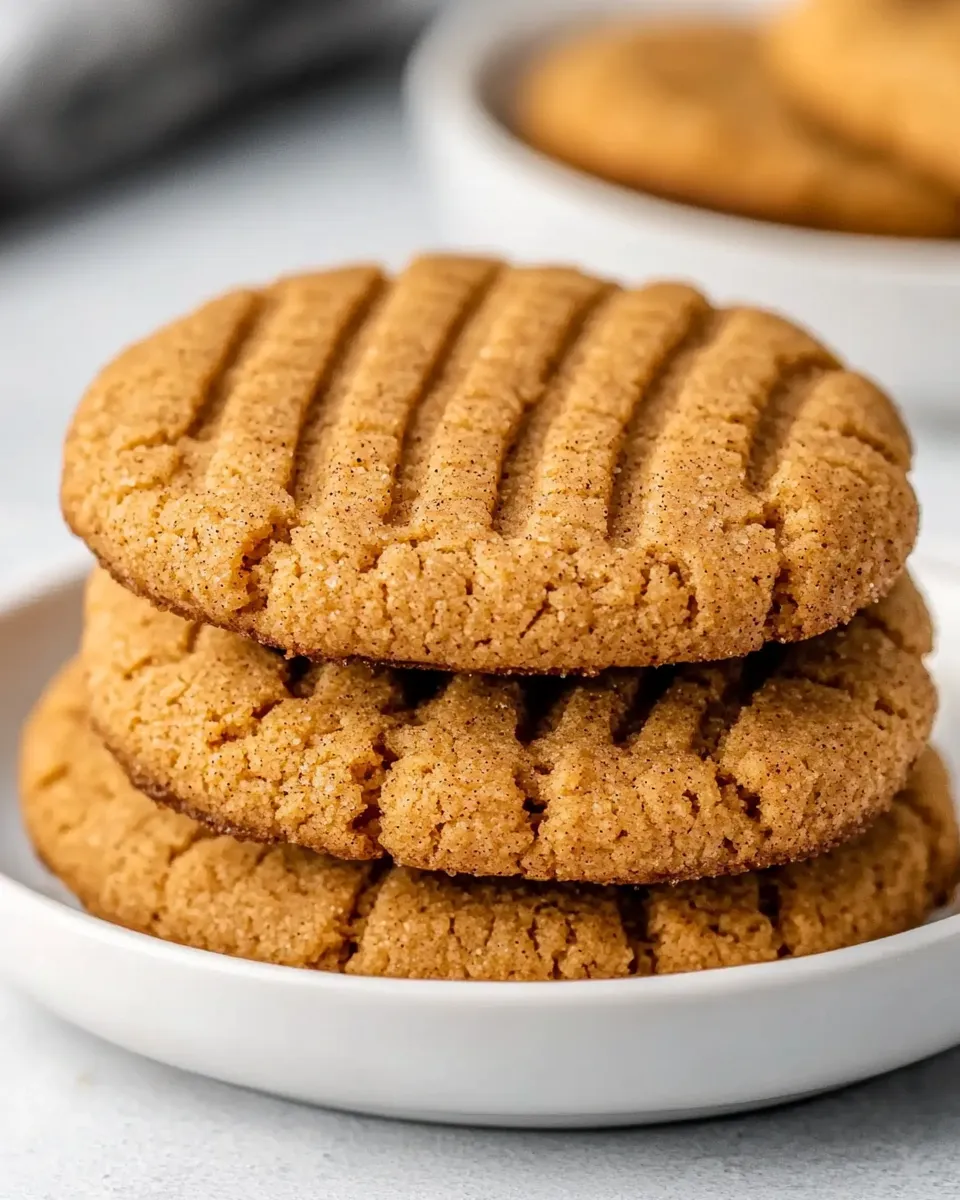
These cookies combine two crowd-pleasers: the crackly, cinnamon-kissed exterior of a snickerdoodle and the nutty warmth of peanut butter. They bake quickly, travel well, and always disappear. I make a batch when I need something reliable for a potluck or a quick treat to calm a weeknight. No frills. Just good texture and honest flavor.
What I like about this version is its balance. The dough is soft but holds a criss-cross fork impression. A short sprinkle of extra cinnamon-sugar sharpens the peanut butter without overpowering it. The result is a cookie with a slightly crisp edge and a tender center.
Below you’ll find the exact ingredient list and step-by-step directions I follow every time. I also included practical swaps, common pitfalls, and storage tips so you can make this quickly and confidently, whether you’re baking after work or prepping for a bake sale.
What We’re Using
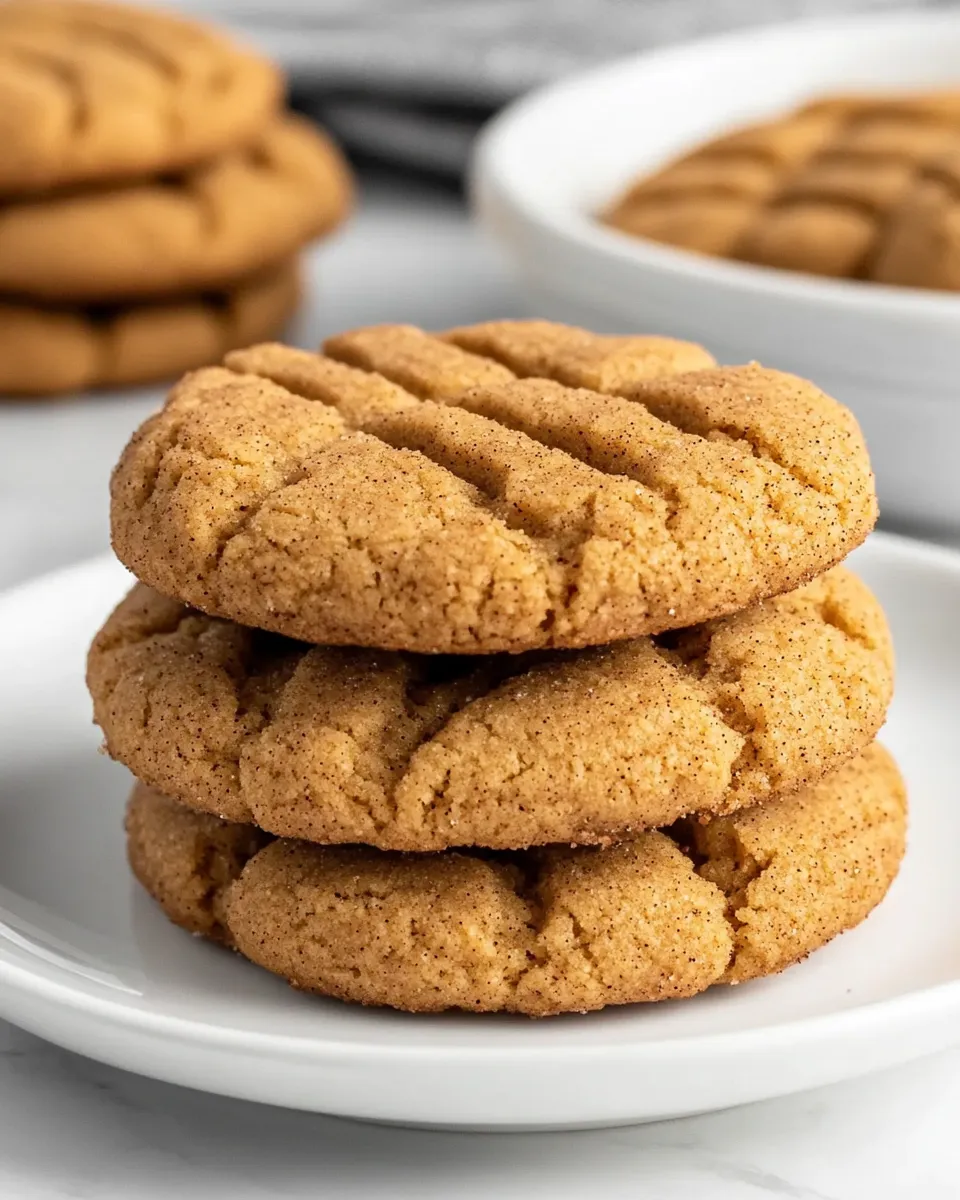
Here I describe the essentials you’ll need on the counter before you begin: dry goods, fats, and a few common baking staples. Having everything lined up speeds the process and stops you from digging through cabinets mid-batch.
Ingredients
- 2 cups (248 g) all-purpose flour — structure for the cookies; measure by spooning flour into the cup and leveling or weigh for accuracy.
- 2 teaspoons baking powder — provides lift so the cookies spread and set properly.
- ½ teaspoon cream of tartar — adds a snickerdoodle tang and helps with texture.
- 1 teaspoon ground cinnamon — adds warmth to the dough itself.
- ¼ teaspoon salt — balances sweetness and enhances peanut flavor.
- ½ cup (113 g) unsalted butter, softened — richness and tenderness; bring to room temperature but not melted.
- ½ cup (134 g) Peanut Butter (see note) — the primary flavor; smooth or chunky will both work (see Swap Guide).
- ¾ cup (150 g) granulated sugar — sweetness and helps with the crackled top.
- ½ cup (100 g) brown sugar — moisture and a subtle caramel note.
- 2 large eggs — binders that add moisture and help the cookies rise.
- 1 teaspoon vanilla extract — rounds out the flavor.
- 1 teaspoon ground cinnamon — for the cinnamon–sugar coating; listed separately to keep the coating ratio clear.
- ⅓ cup (67 g) granulated sugar — for rolling; creates that crisp, flavored crust.
Peanut Butter Snickerdoodles: Step-by-Step Guide
- Preheat oven to 350°F. Line cookie sheets with parchment paper or a silicone baking mat.
- In a medium bowl whisk together 2 cups (248 g) all-purpose flour, 2 teaspoons baking powder, ½ teaspoon cream of tartar, 1 teaspoon ground cinnamon, and ¼ teaspoon salt. Set aside.
- In the bowl of a stand mixer fitted with the paddle attachment (or in a large bowl with a hand mixer), cream ½ cup (113 g) softened unsalted butter, ½ cup (134 g) peanut butter, ¾ cup (150 g) granulated sugar, and ½ cup (100 g) brown sugar on medium speed until light and fluffy, about 2–3 minutes.
- Add 2 large eggs and 1 teaspoon vanilla extract to the creamed mixture and mix until combined.
- Add the dry ingredients to the wet ingredients and beat on low speed (or stir by hand) just until combined; do not overmix.
- In a small bowl stir together the remaining 1 teaspoon ground cinnamon and ⅓ cup (67 g) granulated sugar.
- Using a 2-tablespoon cookie scoop or a spoon, portion the dough into balls. Roll each ball in the cinnamon–sugar mixture to coat.
- Place the coated dough balls on the prepared cookie sheets about 2 inches apart. Use a fork to press each cookie down in a criss-cross pattern.
- Bake in the preheated oven for 10–12 minutes, until the edges are set and the bottoms are lightly golden.
- Let cookies cool on the baking sheet for about 5 minutes, then transfer to a wire rack to cool completely.
Why This Recipe is a Keeper
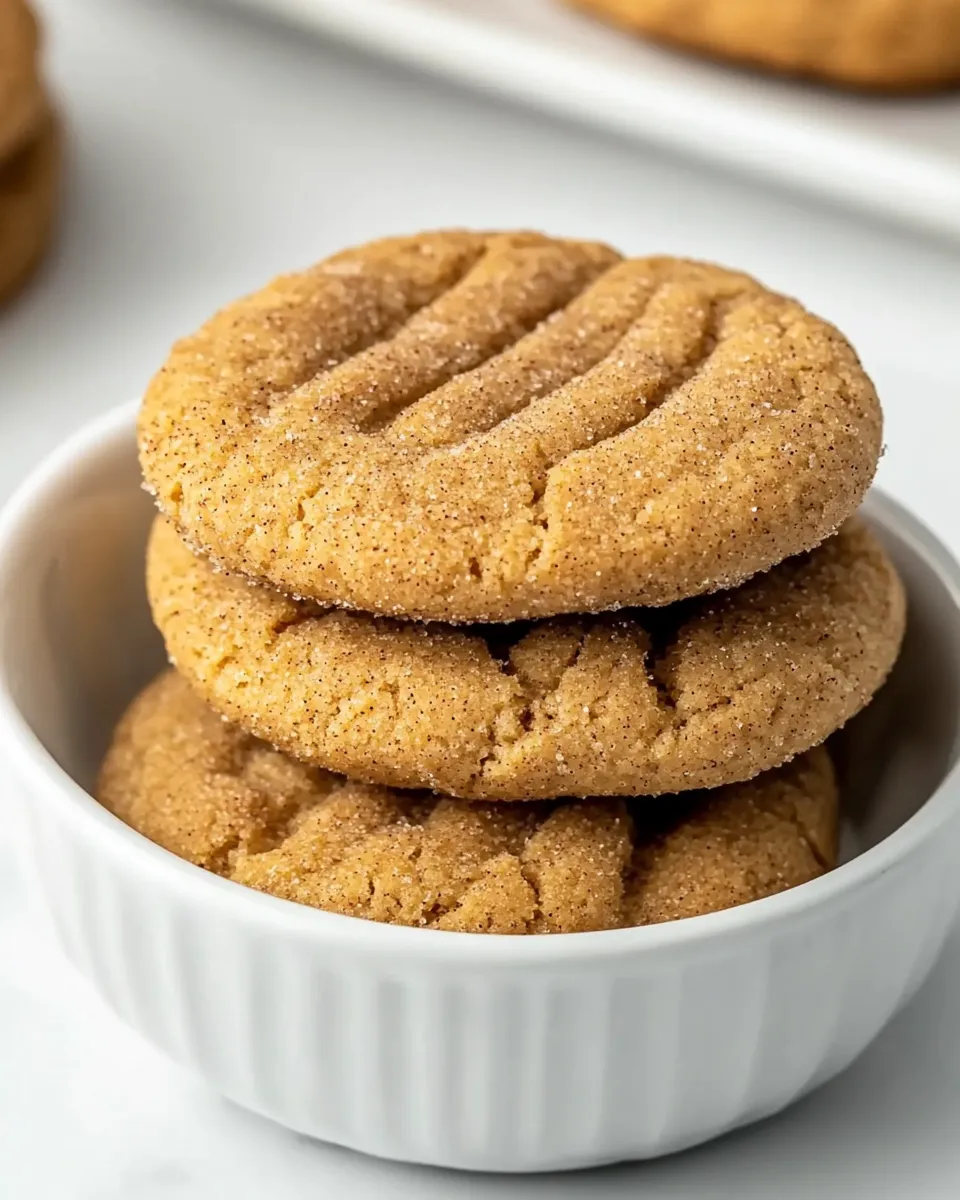
This recipe is straightforward and forgiving. It doesn’t require chilling the dough for hours, but the cookies still hold a neat shape and develop good texture. The combination of baking powder and cream of tartar gives a classic snickerdoodle profile while the peanut butter brings moisture and flavor without making the cookies greasy.
I keep this one in my rotation because it scales well. Make one dozen for a weekday treat, or double it for parties. The dough is easy to portion with a 2-tablespoon scoop, so your batch will be uniform and bake evenly. Also, the cinnamon-sugar coating is quick and elevates the finished cookie without extra steps.
Swap Guide
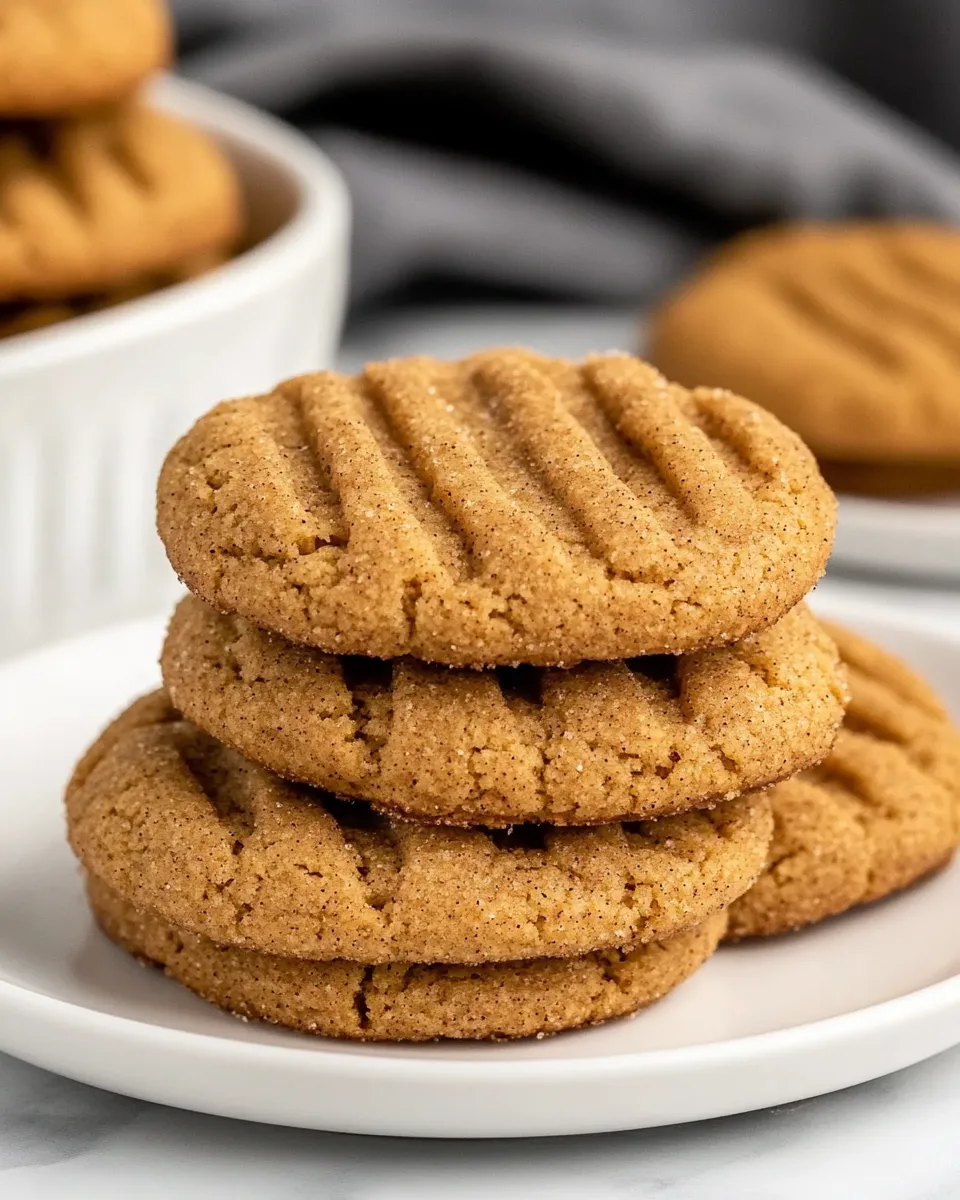
Nut and Allergy Options
If you need to avoid peanuts, use a seed butter with similar texture—sunflower seed butter is a reliable swap. It behaves like peanut butter in terms of fat and moisture, but check for any added oils or sweeteners on the jar and adjust if necessary.
Sugar and Sweetener Adjustments
Brown sugar adds moisture and a slight molasses note. If you substitute light brown sugar for dark, flavor shifts slightly but texture stays similar. I don’t recommend replacing all the granulated sugar with alternative sweeteners unless you’ve tested the brand; structure and spread change quickly.
Flour and Texture Changes
For a chewier cookie, try replacing up to ¼ cup of the all-purpose flour with an equal amount of bread flour. For softer cookies, keep the flour measurement exact and avoid overbaking. I don’t recommend switching to gluten-free flour without a tested blend—results vary widely.
Equipment & Tools
- Stand mixer with paddle attachment (or hand mixer) — makes creaming the butter and sugars effortless.
- Measuring cups and a scale — the recipe lists grams; weighing flour improves consistency.
- 2-tablespoon cookie scoop or spoon — for uniform portions and predictable baking times.
- Baking sheets and parchment or silicone mat — prevents sticking and ensures bottoms brown evenly.
- Wire cooling rack — cools cookies quickly to avoid sogginess.
- Fork — to make the classic snickerdoodle criss-cross pattern.
Avoid These Traps
Trap: Using melted butter. Softened butter is crucial. If the butter is melted, the dough will spread too much and you’ll lose that crackled top. Let butter sit until it dents easily but is not oily.
Trap: Overmixing once you add flour. Mix only until the dry ingredients disappear. Overworking develops gluten and makes cookies tough.
Trap: Skipping the cinnamon-sugar roll. That coating does more than flavor; it creates a thin crust that contrasts with the tender center. Don’t skimp on it.
Trap: Crowding the pan. Give each ball about 2 inches of space. Crowding causes uneven heat distribution and soft, merged cookies instead of discrete rounds.
Seasonal Twists
Fall: Stir ½ teaspoon ground nutmeg or a pinch of cloves into the dough for autumnal notes. Add a tablespoon of finely chopped toasted pecans to the dough for crunch.
Winter holidays: Drop a few chocolate chips into the dough or press a chocolate-dipped half-cookie together for a sandwich. A light dusting of flaky sea salt after baking also plays nicely with peanut butter.
Summer: Fold in ¼ cup of chopped dried cherries or cranberries for brightness. They contrast the richness and keep the cookies feeling lighter.
Behind the Recipe
I developed this version because I wanted the comforting familiarity of a snickerdoodle with the unmistakable comfort of peanut butter. Early trials were either too oily or too dry. The balance of butter and peanut butter, plus the combination of granulated and brown sugars, created the right chew and tenderness. Cream of tartar is small but important—it gives that slightly tangy snickerdoodle lift that sets these apart from a plain peanut butter cookie.
I also tested different rolling methods. Rolling in the cinnamon-sugar and making the fork crosshatch after rolling gives the best crust-to-center ratio. It’s a small tactile step that makes the finished cookie prettier and more inviting.
Meal Prep & Storage Notes
Room temperature: Store baked cookies in an airtight container at room temperature for up to 3 days. Separate layers with parchment if stacking.
Longer storage: Freeze baked cookies in a single layer on a sheet, then transfer to a freezer bag for up to 3 months. Thaw on the counter; they regain softness without becoming soggy. You can also freeze shaped, unbaked dough balls on a sheet, then bag them. Thaw and bake as directed, adding a minute or two if still cold.
Reheating: A quick 5–10 second zap in the microwave brings back a fresh-baked warmth. Be careful not to overheat; peanut butter gets oily when too warm.
Handy Q&A
Q: My cookies spread too thin. Why?
A: Likely butter was too soft or ingredients were overmixed. Chill the dough for 15–30 minutes if your kitchen is very warm. Also check your oven temperature with an oven thermometer—if it runs hot, cookies will spread before they set.
Q: Can I use crunchy peanut butter?
A: Yes. Crunchy will add texture; smooth gives a more uniform interior. Both are valid—pick your preference.
Q: Why are there two cinnamon listings?
A: One teaspoon is mixed into the dough for a background warmth; the second teaspoon is mixed with sugar for rolling to provide a pronounced cinnamon crust.
Q: Can I make these dairy-free?
A: Use a plant-based butter substitute measured 1:1. Be aware that spreads vary and moisture/fat content changes can slightly alter spread and texture. I recommend a test batch first.
That’s a Wrap
These Peanut Butter Snickerdoodles are reliable, quick, and adaptable. Follow the ingredient amounts and steps above for consistent results, and use the swap and storage tips to suit your pantry. Make a batch this week and keep a few in a sealed container—they travel well and make any day better.
If you try a variation—extra chocolate chips, a seed-butter swap, or a sprinkle of flaky salt—let me know how it goes. I bake these so often that small tweaks are always welcome, and I’m happy to troubleshoot if you run into trouble.
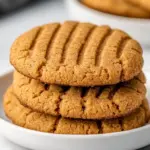
Peanut Butter Snickerdoodles
Ingredients
Ingredients
- 2 cups 248 g all-purpose flour
- 2 teaspoonsbaking powder
- 1/2 teaspooncream of tartar
- 1 teaspoonground cinnamon
- 1/4 teaspoonsalt
- 1/2 cup 113 g unsalted butter, softened
- 1/2 cup 134 g Peanut Butter(see note)
- 3/4 cup 150 g granulated sugar
- 1/2 cup 100 g brown sugar
- 2 large eggs
- 1 teaspoonvanilla extract
- 1 teaspoonground cinnamon
- 1/3 cup 67 g granulated sugar
Instructions
Instructions
- Preheat oven to 350°F. Line cookie sheets with parchment paper or a silicone baking mat.
- In a medium bowl whisk together 2 cups (248 g) all-purpose flour, 2 teaspoons baking powder, ½ teaspoon cream of tartar, 1 teaspoon ground cinnamon, and ¼ teaspoon salt. Set aside.
- In the bowl of a stand mixer fitted with the paddle attachment (or in a large bowl with a hand mixer), cream ½ cup (113 g) softened unsalted butter, ½ cup (134 g) peanut butter, ¾ cup (150 g) granulated sugar, and ½ cup (100 g) brown sugar on medium speed until light and fluffy, about 2–3 minutes.
- Add 2 large eggs and 1 teaspoon vanilla extract to the creamed mixture and mix until combined.
- Add the dry ingredients to the wet ingredients and beat on low speed (or stir by hand) just until combined; do not overmix.
- In a small bowl stir together the remaining 1 teaspoon ground cinnamon and ⅓ cup (67 g) granulated sugar.
- Using a 2-tablespoon cookie scoop or a spoon, portion the dough into balls. Roll each ball in the cinnamon–sugar mixture to coat.
- Place the coated dough balls on the prepared cookie sheets about 2 inches apart. Use a fork to press each cookie down in a criss-cross pattern.
- Bake in the preheated oven for 10–12 minutes, until the edges are set and the bottoms are lightly golden.
- Let cookies cool on the baking sheet for about 5 minutes, then transfer to a wire rack to cool completely.
Equipment
- Mixing Bowl
- Stand mixer
- paddle attachment
- Hand Mixer
- cookie sheets
- Parchment Paper
- silicone baking mat
- Cookie Scoop
- Fork
- Wire Rack
Notes
Store cookies in an airtight container for up to 5 days or freeze for up to 3 months.