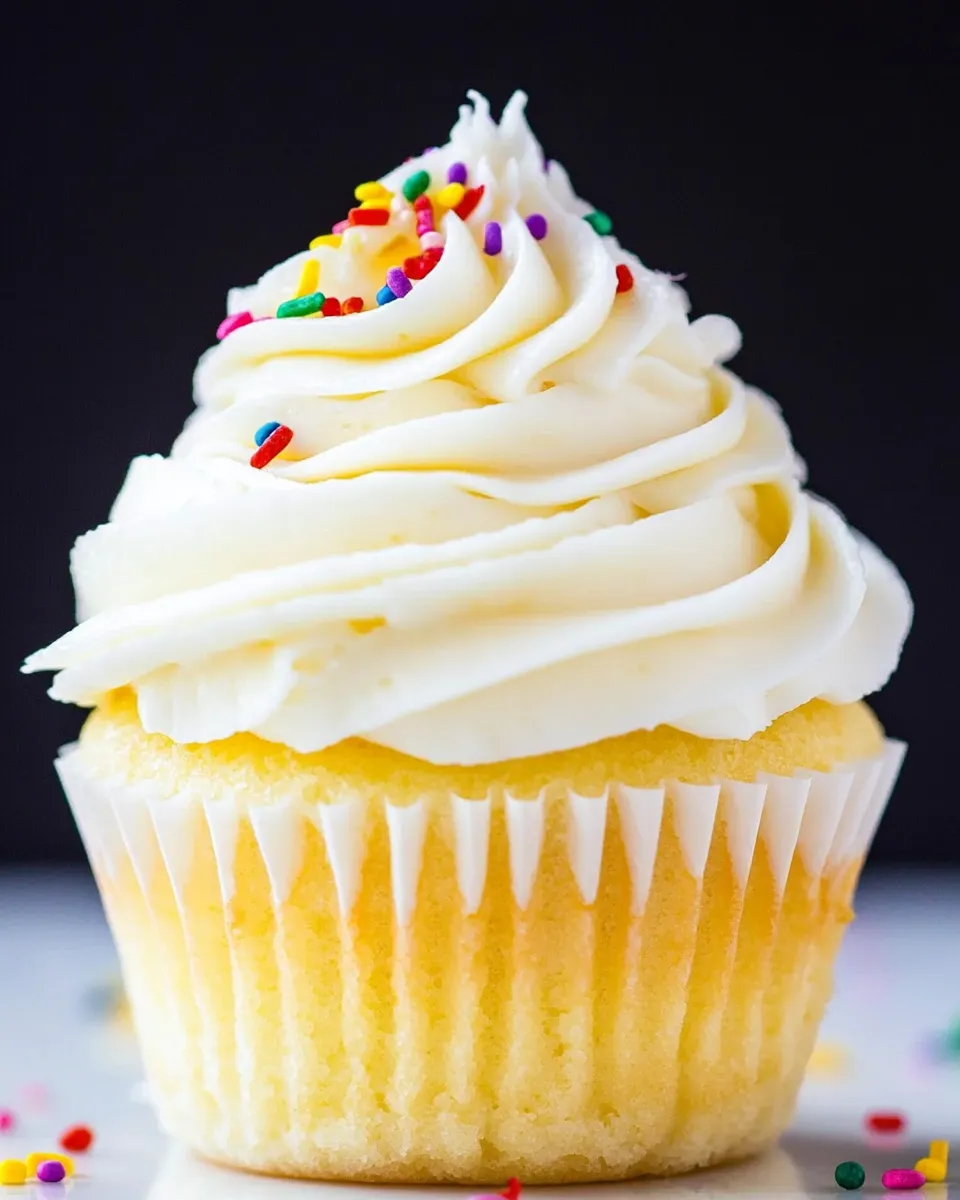
These are the cupcakes I make when I want something comforting, predictable, and genuinely delicious. The crumb is tender, the flavor cleanly vanilla-forward, and the process fits into a weekday evening or a weekend baking session. No tricks, just reliable technique that yields consistent results.
I wrote this recipe to be the one you reach for when you need twelve flawless cupcakes: for a school event, a casual get-together, or a last-minute celebration. It tolerates small timing variations and is forgiving as long as you mind a couple of simple rules—softened butter, room-temperature eggs, and gentle mixing when the flour goes in.
Below you’ll find the essentials, exact ingredients, step-by-step instructions taken straight from the tested method, and sensible tips for swaps, equipment, storage, and presentation. Read through once, gather your ingredients, and you’ll be baking a batch that looks and tastes like you spent twice the effort.
The Essentials
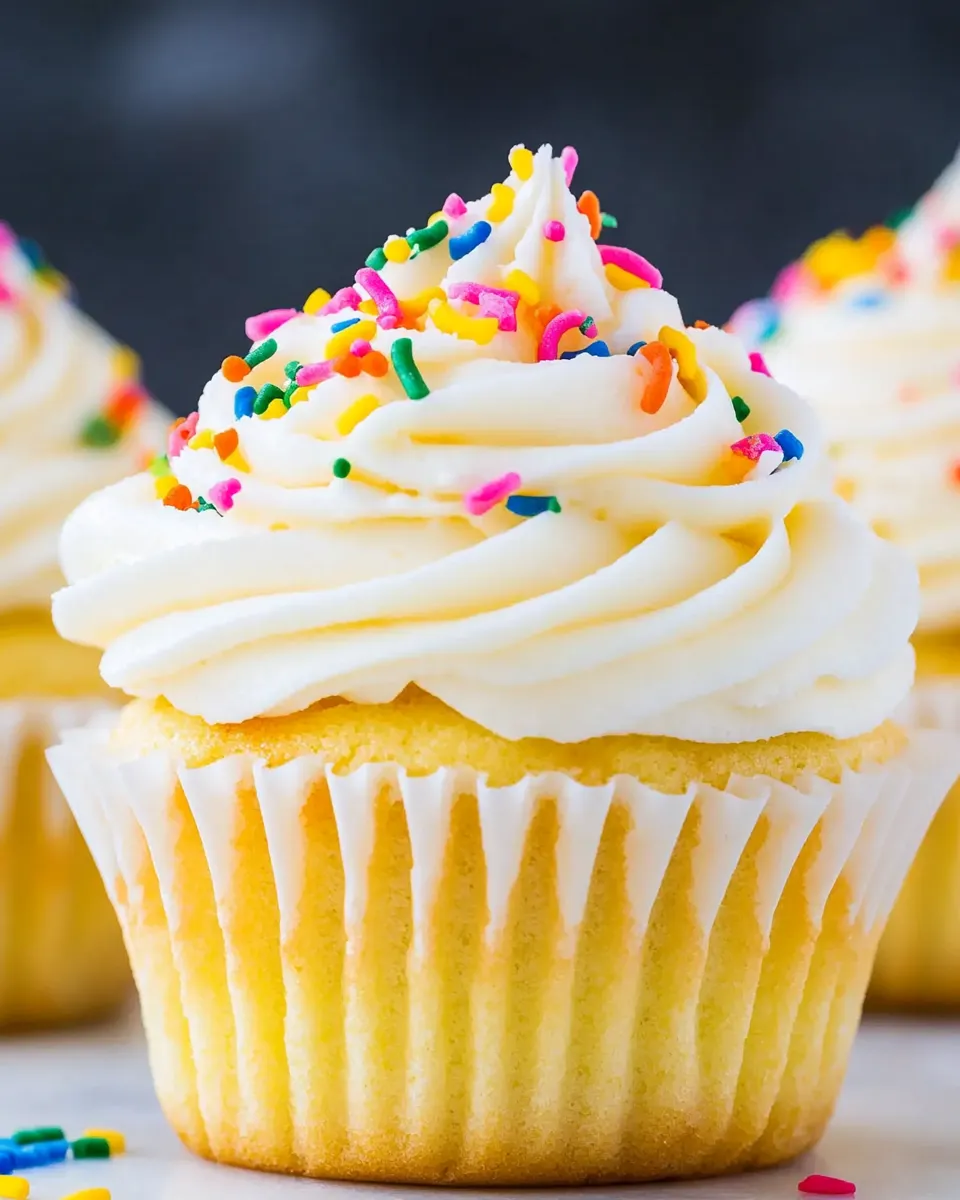
This recipe is built on a few non-negotiables that shape the result. First, the butter and eggs should be at room temperature so the batter emulsifies smoothly and traps air during creaming. Second, use a reliable measuring method for flour—spoon it into the cup and level it, or weigh it if you prefer precision. Finally, don’t overmix once you add the flour. Short mixing keeps the crumb tender.
Another practical point: the recipe yields 12 standard cupcakes. Line a 12-count pan so the cups release easily and the bottoms brown evenly. Bake in the center of the oven for consistent heat circulation. A toothpick check at the end catches underbaked centers without overbaking the edges.
Ingredients
- 1 1/4 cups all-purpose flour — provides structure; measure by spooning into the cup and leveling or weigh for accuracy.
- 1 1/4 teaspoons baking powder — the leavener that gives lift and lightness.
- 1/2 teaspoon salt — balances sweetness and enhances flavor.
- 1/2 cup unsalted butter, softened — for richness and tender crumb; soften to room temperature but do not melt.
- 3/4 cup sugar — sweetens and contributes to the cake’s texture and color.
- 2 large eggs, room temperature — add structure and moisture; bring to room temp to blend easily.
- 2 teaspoons pure vanilla extract — the main flavor note; use good quality for the clean vanilla character.
- 1/2 cup buttermilk, or plain kefir, room temperature — adds tenderness and keeps the crumb moist; either option is fine as written.
Build Vanilla Cupcake Step by Step
- Preheat the oven to 350°F (175°C). Place a rack in the center position and line a 12‑count muffin/cupcake pan with liners.
- In a medium bowl, whisk together 1 1/4 cups all-purpose flour, 1 1/4 teaspoons baking powder, and 1/2 teaspoon salt. Set the dry mixture aside.
- In the bowl of an electric mixer, combine 1/2 cup unsalted butter (softened) and 3/4 cup sugar. Beat on medium-high speed for about 5 minutes, until the mixture is pale, thick, and fluffy. Scrape down the bowl once or twice.
- With the mixer on low-to-medium speed, add 2 large eggs one at a time, beating well after each addition. Scrape down the bowl.
- Add 2 teaspoons pure vanilla extract and beat briefly to combine.
- Reduce the mixer speed to low/medium. Add the flour mixture to the batter in three additions, alternating with 1/2 cup buttermilk (or plain kefir) divided into two additions. In other words: add one third of the flour mixture and mix just until incorporated, add half of the buttermilk and mix, add the second third of the flour and mix, add the remaining buttermilk and mix, then add the final third of the flour and mix until just combined. Scrape down the bowl as needed and avoid overmixing.
- Divide the batter evenly among the 12 lined cups, filling each about two-thirds full.
- Bake on the center rack at 350°F for 20–23 minutes, or until a toothpick inserted into the center of a cupcake comes out clean or with a few moist crumbs.
- Let the cupcakes cool in the pan for 5 minutes, then transfer them to a wire rack to cool completely to room temperature before frosting.
Why This Recipe Belongs in Your Rotation
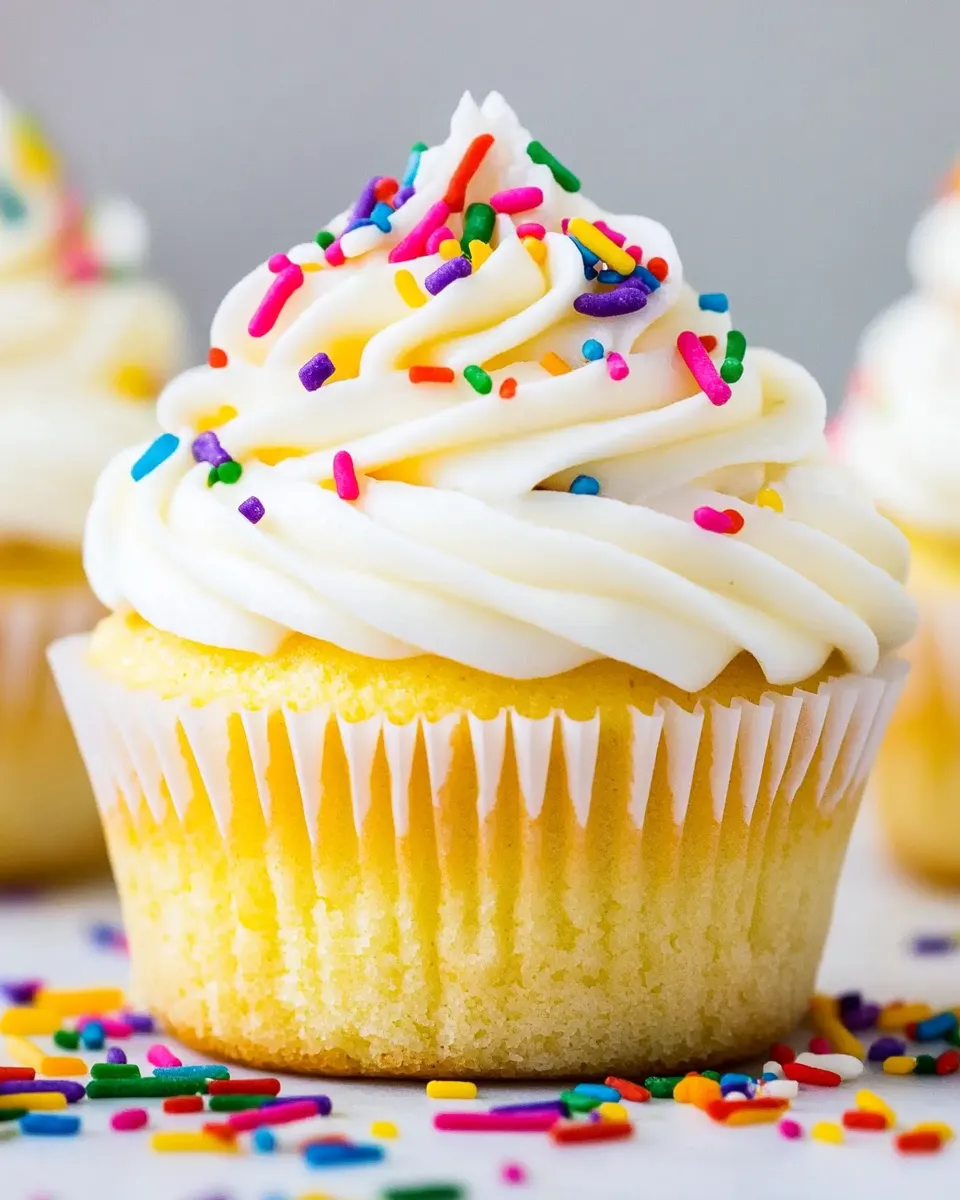
It’s dependable. Few recipes give the same lift and tender crumb with such minimal fuss. The balance of butter and buttermilk yields a cupcake that’s moist without feeling dense or greasy. Pure vanilla keeps the flavor straightforward, making these a perfect base for frostings, fillings, or simple decorations.
It’s versatile. Because the recipe is not overloaded with oil or heavy dairy, it adapts well to variations—different frostings, a quick jam filling, or a sprinkle of zest—without derailing texture. And it’s forgiving of small timing differences in the oven, which is a blessing on busy baking days.
Budget & Availability Swaps
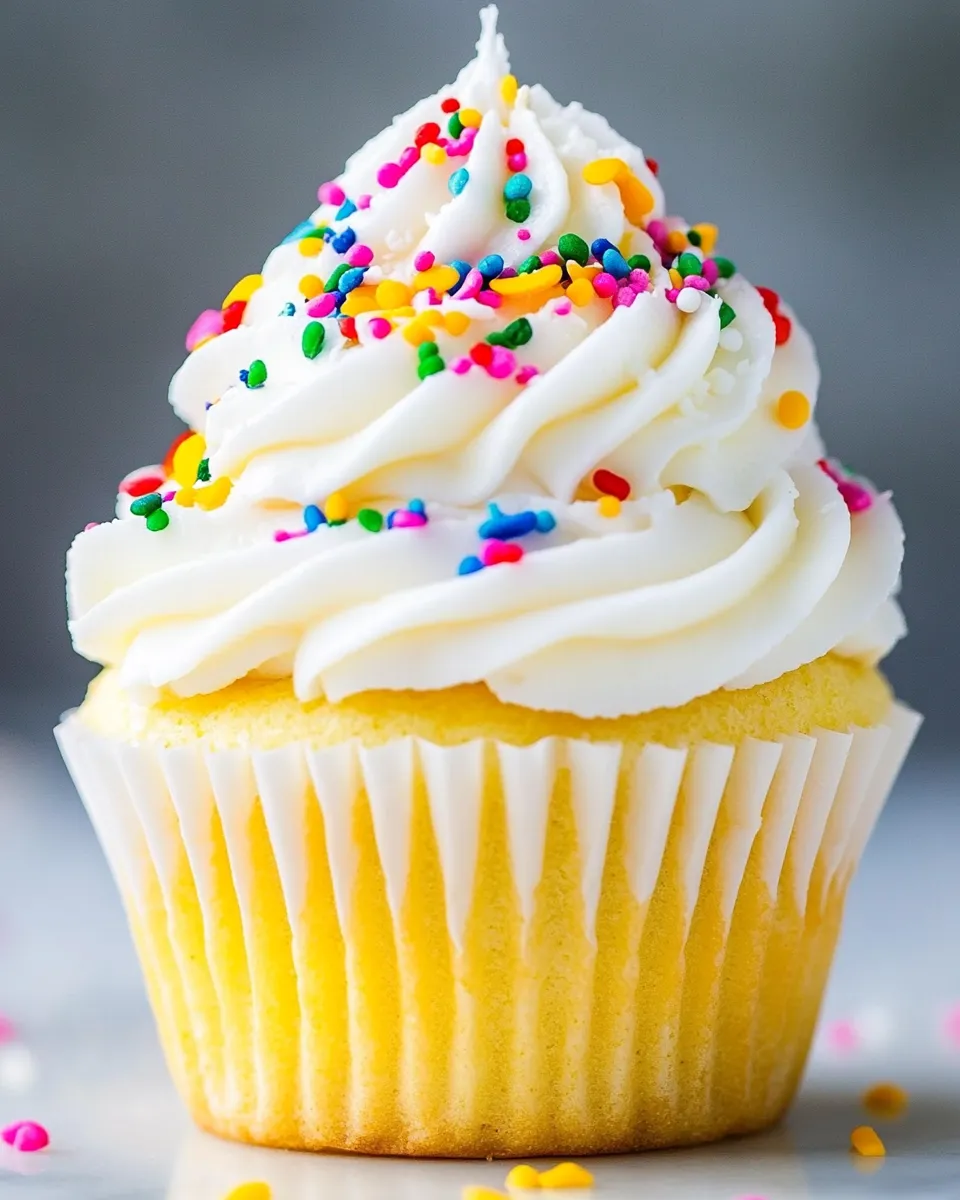
- If your store doesn’t have buttermilk, plain kefir (already listed in the ingredients) is the listed alternative and works the same way in this recipe.
- If unsalted butter isn’t available, use salted and skip any extra salt in the batter; taste your frosting accordingly.
- Pure vanilla extract is recommended for the clean flavor, but if you only have a vanilla product labeled ‘imitation,’ it will still produce a pleasant sweet profile—fresh vanilla will simply be more aromatic.
Equipment at a Glance
- Electric mixer (stand or handheld) — speeds up creaming and ensures a light texture.
- Mixing bowls — one medium for dry ingredients, one for wet or the mixer bowl.
- 12-count muffin/cupcake pan and liners — standard size.
- Measuring cups and spoons, or a kitchen scale for accuracy.
- Rubber spatula for scraping down the bowl.
- Wire cooling rack and a toothpick for doneness checks.
Avoid These Mistakes
- Skipping room-temperature steps. Cold eggs or firm butter make it harder to achieve that pale, fluffy creamed mixture.
- Overmeasuring flour. Too much flour tightens the crumb; spoon and level or weigh instead of scooping directly from the bag.
- Overmixing after adding flour. Mix just until combined during the alternating additions to avoid a tough cupcake.
- Frosting warm cupcakes. Frost only after they’re completely cooled to avoid a runny frosting and collapsed toppings.
- Ignoring the oven’s hot spots. Rotate the pan once if your oven runs unevenly, but do it quickly to avoid losing too much heat.
Holiday-Friendly Variations
Keep the base batter as written, then alter the finishing touches to suit the season:
- For a spring or summer celebration, top with a light whipped cream frosting and fresh berries.
- For cooler months, pair these cupcakes with a spiced buttercream or a caramel drizzle for warmth and richness.
- Decorate simply with colored sprinkles or a dusting of fine sugar for birthdays or casual gatherings; save ornate piping for when you have time.
If You’re Curious
Can I halve or double the recipe?
Yes. The method scales well. Halve for a small batch or double for a party; if you double, split the batter across two pans and watch baking time—it should remain similar but check early.
Can I make the batter ahead?
You can prepare the batter and refrigerate it briefly, but for best rise and texture, bake soon after mixing. If chilled, let it come back close to room temperature before baking so it doesn’t miss its lift.
Storing, Freezing & Reheating
Store unfrosted cupcakes at room temperature in an airtight container for up to 2 days. For up to 4 days, keep them refrigerated; bring them back to room temperature before serving for best texture.
For longer storage, freeze unfrosted cupcakes on a tray until solid, then transfer to a zip-top bag or airtight container for up to 3 months. Thaw at room temperature, then frost. You can also freeze frosted cupcakes if the frosting holds up to freezing; flash-freeze on a tray and then store in a rigid container to protect decorations.
To gently refresh slightly stale cupcakes, warm them in a 300°F oven for 5–7 minutes or microwave a single cupcake for about 10–12 seconds—use caution so you don’t overdo it.
Ask the Chef
Quick answers from my kitchen experience
- Why beat the butter and sugar for 5 minutes? Creaming incorporates air that helps the cupcakes rise and creates a lighter crumb; time matters.
- Why alternate flour and buttermilk? Alternating prevents overmixing and ensures even hydration of the flour, producing a tender crumb.
- Will altitude affect this? Yes—at high altitude you may need slight adjustments to baking time and possibly flour; test with toothpick checks.
Bring It to the Table
These vanilla cupcakes are a perfect canvas. Frost them with a simple buttercream, cream cheese frosting, or a light whipped topping. Add a single berry or a small fondant decoration for parties. For an everyday approach, a smear of flavored buttercream and a few sprinkles looks festive and costs very little in time.
When serving, present on a cake stand or a shallow platter in a single layer so each cupcake stays intact. If you transport them, keep them in a closed container to protect the frosting. And most important: serve with a warm cup of coffee or tea—the contrast of warm beverage and cool frosting is a small pleasure that makes the effort worthwhile.

Perfect Vanilla Cupcake Recipe
Ingredients
Ingredients
- 1 1/4 cupsall-purpose flour
- 1 1/4 tspbaking powder
- 1/2 tspsalt
- 1/2 cupunsalted butter softened
- 3/4 cupsugar
- 2 large eggs room temperature
- 2 tsppure vanilla extract
- 1/2 cupbuttermilk or plain kefir, room temperature
Instructions
Instructions
- Preheat the oven to 350°F (175°C). Place a rack in the center position and line a 12‑count muffin/cupcake pan with liners.
- In a medium bowl, whisk together 1 1/4 cups all-purpose flour, 1 1/4 teaspoons baking powder, and 1/2 teaspoon salt. Set the dry mixture aside.
- In the bowl of an electric mixer, combine 1/2 cup unsalted butter (softened) and 3/4 cup sugar. Beat on medium-high speed for about 5 minutes, until the mixture is pale, thick, and fluffy. Scrape down the bowl once or twice.
- With the mixer on low-to-medium speed, add 2 large eggs one at a time, beating well after each addition. Scrape down the bowl.
- Add 2 teaspoons pure vanilla extract and beat briefly to combine.
- Reduce the mixer speed to low/medium. Add the flour mixture to the batter in three additions, alternating with 1/2 cup buttermilk (or plain kefir) divided into two additions. In other words: add one third of the flour mixture and mix just until incorporated, add half of the buttermilk and mix, add the second third of the flour and mix, add the remaining buttermilk and mix, then add the final third of the flour and mix until just combined. Scrape down the bowl as needed and avoid overmixing.
- Divide the batter evenly among the 12 lined cups, filling each about two-thirds full.
- Bake on the center rack at 350°F for 20–23 minutes, or until a toothpick inserted into the center of a cupcake comes out clean or with a few moist crumbs.
- Let the cupcakes cool in the pan for 5 minutes, then transfer them to a wire rack to cool completely to room temperature before frosting.
Equipment
- Oven
- 12-count muffin/cupcake pan
- Cupcake liners
- Medium Bowl
- Electric Mixer
- Wire Rack