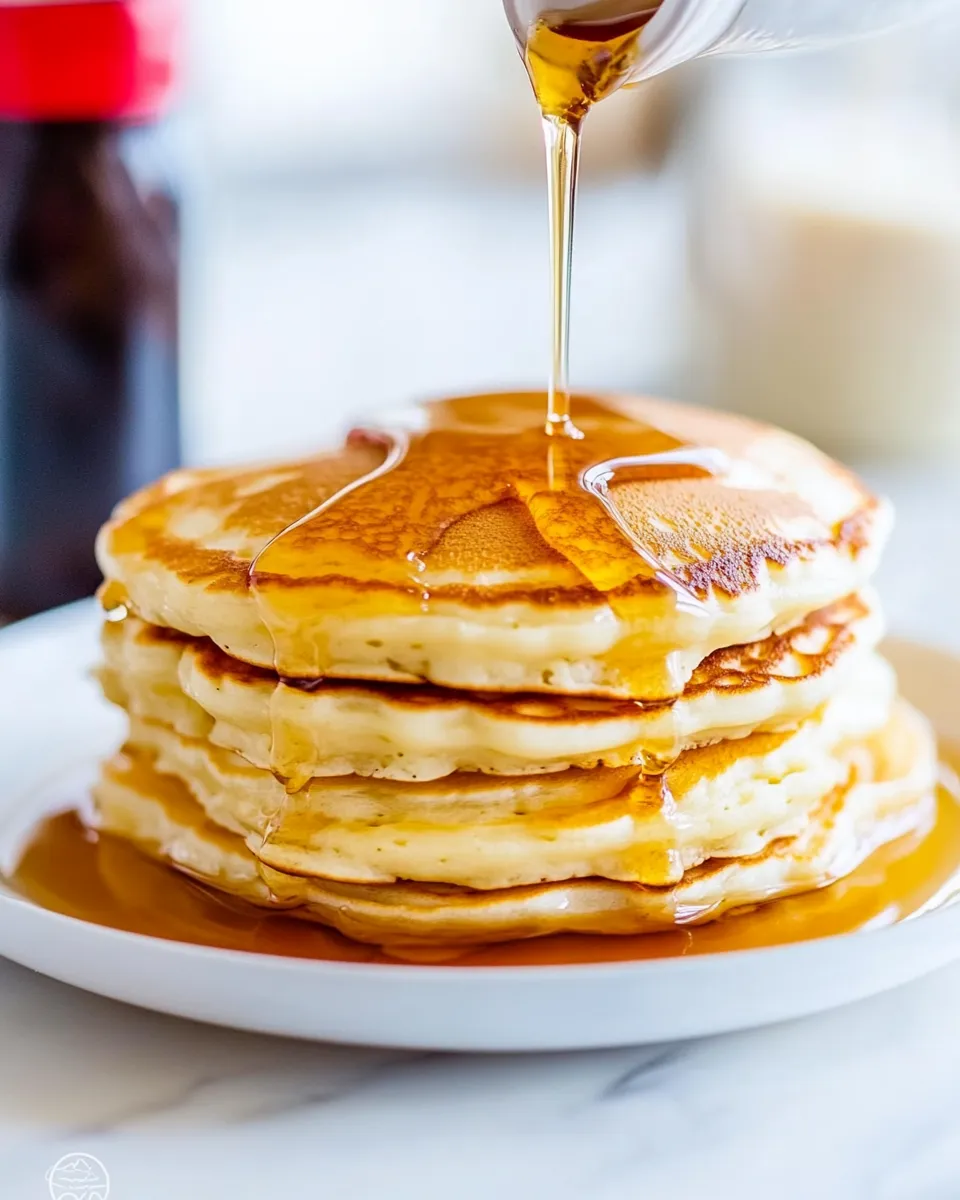
There are mornings when you want something comforting, fast, and perfectly portioned — no last-minute compromises, no wrestling with a big batch that goes stale. This is my go-to single-serve pancake: straightforward, reliable, and forgiving. It takes a few minutes and uses pantry basics, yet delivers a tender, golden stack for one.
I test recipes obsessively, and this one survives every real-life hurdle: hurried mornings, sleepy weekends, and the occasional craving that happens at odd hours. The batter comes together in two bowls, cooks in a few skillet moments, and gives you control over texture. Slight lumps are fine; that’s where a good pancake starts.
Below you’ll find everything you need: the exact ingredients, step-by-step method, swaps if you want to change things up, troubleshooting, and small details that make a difference. No fluff — just practical notes to help you get a dependable, delicious result every time.
What’s in the Bowl
Ingredients
- 1/3 cup (40 g) all-purpose flour — the structure; measure by weight for consistency or use spoon-and-sweep to avoid dense batter.
- 1 1/2 teaspoons granulated sugar — adds a touch of sweetness and helps browning.
- 1 1/4 teaspoons baking powder — the lift agent; make sure it’s fresh for fluffy results.
- 1/8 teaspoon salt — balances flavor and enhances the other ingredients.
- 1/4 cup milk — any percentage will work; whole milk gives slightly richer pancakes, but lower-fat milks are fine.
- 1 large egg yolk — adds richness and tenderness; using yolk only keeps the batter slightly denser and silkier.
- 1 tablespoon vegetable oil — keeps pancakes moist and prevents sticking.
- 1/2 teaspoon vanilla extract — flavor lift; optional but recommended for classic taste.
- Butter — for greasing and finishing; gives a classic flavor when you top the pancakes.
- Syrup — for serving; pick your favorite (maple is classic).
Method: Pancakes for One
- In a medium bowl, whisk together 1/3 cup (40 g) all-purpose flour, 1 1/2 teaspoons granulated sugar, 1 1/4 teaspoons baking powder, and 1/8 teaspoon salt until evenly mixed. Set the bowl aside.
- In a small bowl, whisk 1/4 cup milk, 1 large egg yolk, 1 tablespoon vegetable oil, and 1/2 teaspoon vanilla extract until smooth.
- Pour the wet ingredients into the dry ingredients. Stir with a spoon or spatula just until the flour is incorporated and the batter is mostly smooth; small lumps are fine. Do not overmix.
- Heat a large skillet over medium heat until hot (about 2–3 minutes). Lightly grease the skillet with a little butter or cooking spray.
- Use a 1/4-cup measuring cup to drop batter onto the hot skillet, leaving space between pancakes. Cook the pancakes until bubbles form on the surface and the edges look set and the bottoms are golden, about 1–2 minutes.
- Flip each pancake and cook the second side until golden and the pancake is cooked through, about 30–60 seconds more.
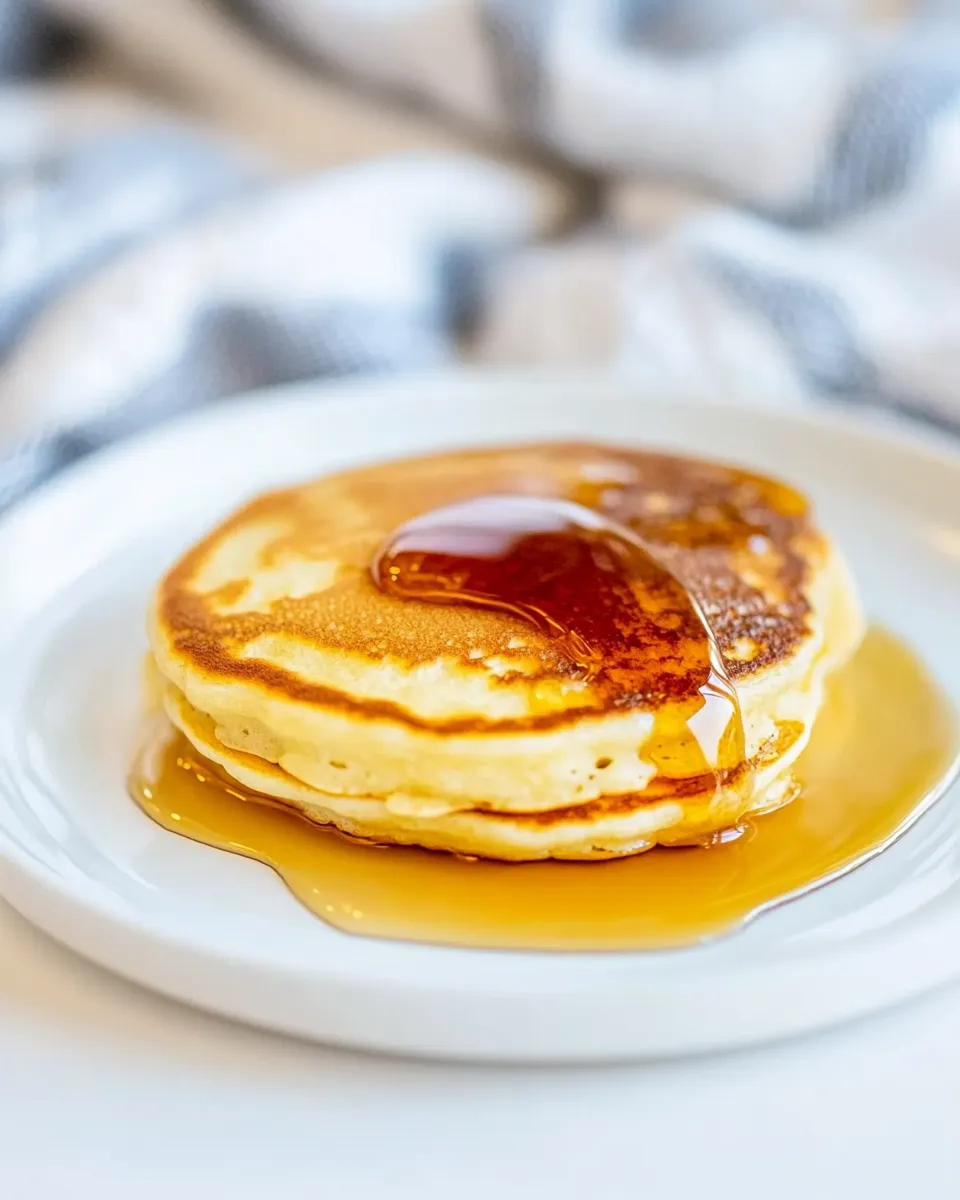
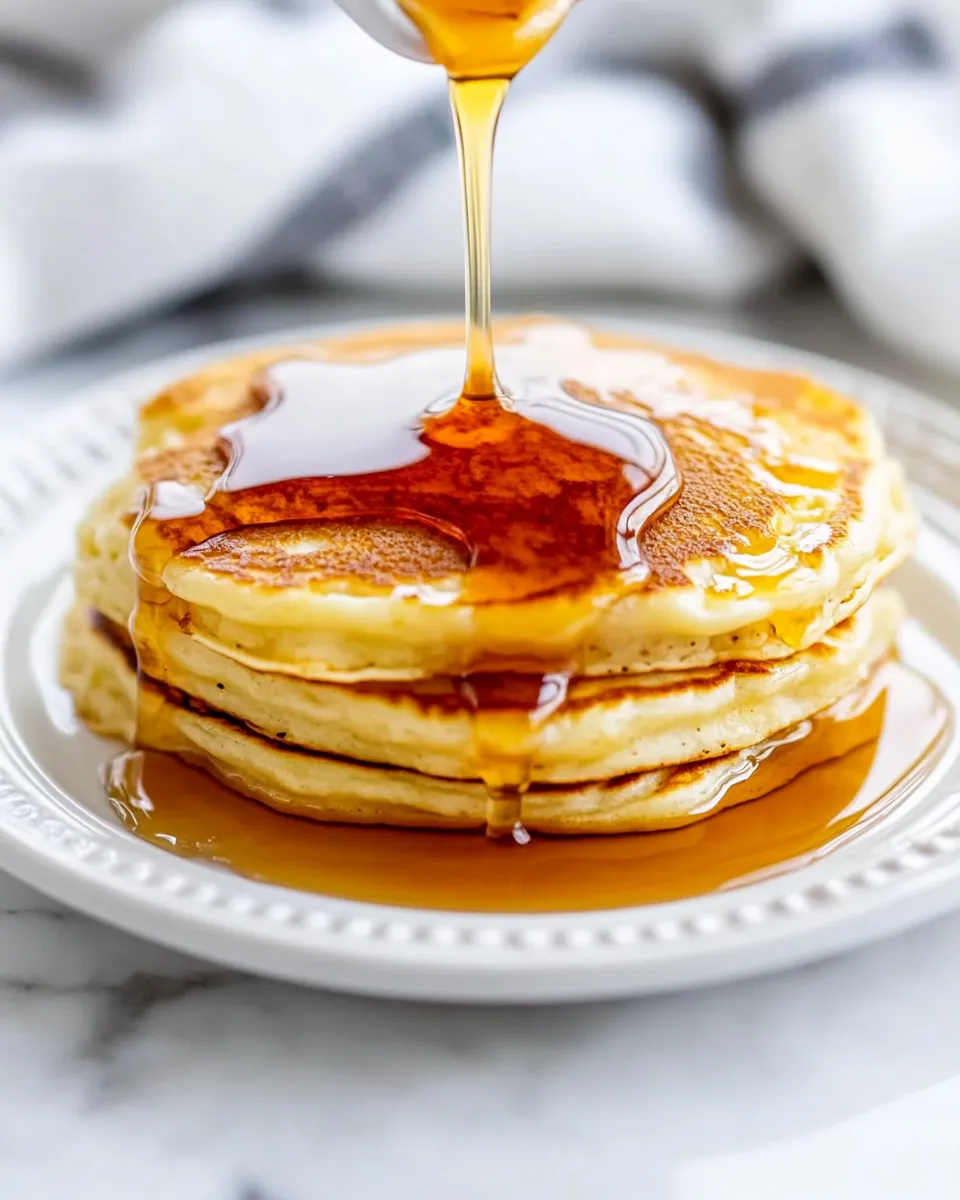
- Transfer pancakes to a plate. Top with butter and syrup as desired and serve immediately.
Why This Pancakes for One Stands Out
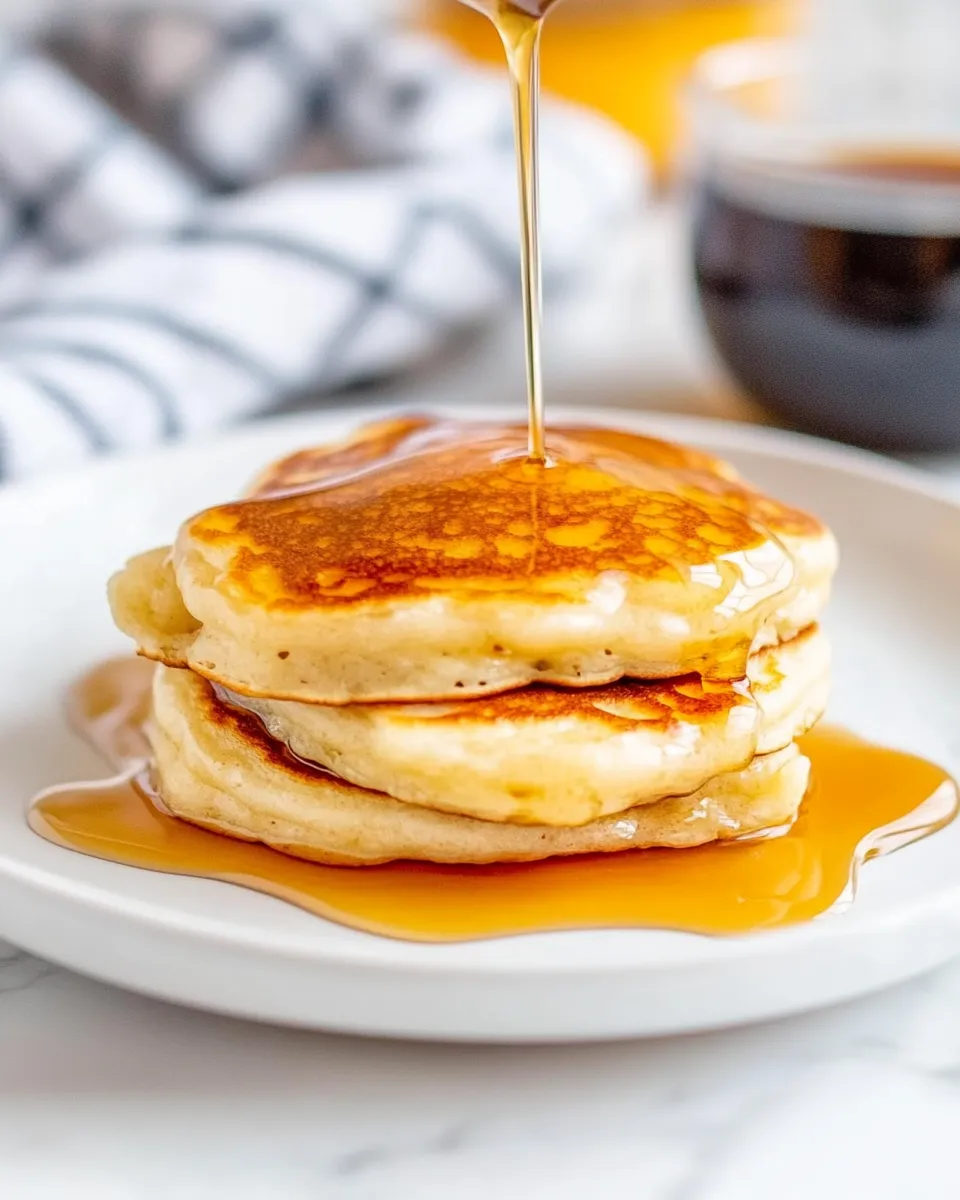
This recipe gives you an excellent balance between speed and texture. The separation of yolk only from whites trims down the egg’s elasticity, so the pancake turns out soft, not rubbery. Using a small batch means you’re always eating pancakes at their best — hot and fluffy.
The formula is forgiving. A tiny overmix won’t ruin the pancakes—instead, you’ll notice a slight chew. The measured lift from 1 1/4 teaspoons of baking powder is tuned for a quarter-cup batter scoop; it produces a short, tender rise that’s perfect for a single-serving pan. In short: reliability without fuss.
Swap Guide
- Milk — swap with plant-based milk (almond, oat, soy) one-for-one. Oat makes a slightly sweeter batter; soy keeps structure similar to dairy.
- Vegetable oil — replace with melted butter for richer flavor, or use neutral oils like canola. Do not reduce the fat entirely; pancakes need some fat to stay tender.
- Vanilla extract — omit for a neutral base, or swap with a pinch of cinnamon for a warm twist.
- Sugar — drop to 1 teaspoon for less sweetness, or use 1 tablespoon maple syrup in the wet mix (reduce milk by the same volume) for maple-infused batter.
Cook’s Kit
Essentials
- Medium mixing bowl — for dry ingredients.
- Small bowl — for whisking wet ingredients.
- Whisk or fork — to combine ingredients smoothly.
- Large skillet — provides space and even heat; nonstick or well-seasoned cast iron works best.
- 1/4-cup measuring cup — for consistent pancake size and cooking times.
- Spatula — for graceful flips.
Mistakes That Ruin Pancakes for One
Overheating the skillet. If the pan is too hot, the outsides brown before the centers set. You’ll get an undercooked middle with a dark crust. Keep the heat at medium and give the pan a couple minutes to stabilize.
Overmixing the batter. Stir just until combined. Vigorous mixing develops gluten and tightens the crumb. Small lumps are fine; they disappear during cooking.
Using a cold griddle. A cold surface makes flat, dense pancakes. Preheat the skillet 2–3 minutes; a touch of butter should sizzle gently when added.
Skipping the grease entirely. Even nonstick pans benefit from a light coat of butter or spray; it helps color and prevents sticking. Too much fat, though, will fry rather than cook the pancake.
Better Choices & Swaps
For a slightly healthier profile without sacrificing texture, swap half the all-purpose flour with white whole-wheat flour. You’ll get nuttier flavor and a bit more structure. If you’re tracking sugar, reduce the 1 1/2 teaspoons to 1 teaspoon—sweetness from toppings can make up the difference.
If you prefer a lighter, airier pancake, fold a tablespoon of beaten egg white into the batter right before cooking. That’s an optional tweak and changes the single-yolk intent, but it lifts the crumb noticeably.
Little Things that Matter
Measure the flour properly. Spoon the flour into the measuring cup or use the 40 g weight. Too much flour makes the batter stiff and the pancake dry. Weighing ingredients removes that variability.
Let the batter rest briefly if you can. A 5–10 minute stand lets the baking powder start working and the flour hydrate, improving texture. For true instant mornings, you can skip this, but if time allows it’s worth the pause.
Flip at the right moment. Bubbles that form and hold before popping, plus edges that look set, are your cue. Flip too early and you’ll tear the top; flip too late and the pancake can dry out.
Save It for Later
This recipe is made for now — single-serving pancakes are best hot off the skillet. If you do have leftovers (say you doubled the batch), cool them on a rack and stack with parchment between layers. Refrigerate up to 2 days.
Reheat in a 350°F (175°C) oven for 5–7 minutes or in a toaster for 30–60 seconds to restore some crispness. Microwaving works in a pinch but will soften the edges. For freezing, flash-freeze on a tray and then store in a sealed bag for up to 1 month; reheat from frozen in a toaster oven.
Your Top Questions
Can I use whole eggs? Yes. Using a whole egg will add lift and a slightly lighter crumb. For this recipe, the yolk-only approach keeps the batter especially tender. Either choice works — adjust slightly if the batter seems too thin or thick.
Why only 1/4 cup milk? The recipe is scaled for single servings. That amount gives the right batter thickness for small pancakes. If you want thinner batter and larger crepe-style pancakes, add milk a tablespoon at a time until you reach the desired consistency.
How do I know the baking powder is fresh? If you’re unsure, test 1/4 teaspoon in 1/4 cup hot water — it should fizz vigorously. If not, replace it; stale baking powder gives flat pancakes.
Can I make this gluten-free? Swap a 1:1 gluten-free flour blend that contains xanthan gum. Results vary by blend; expect slightly different browning and texture.
The Takeaway
This Pancakes for One recipe is about dependable, small-batch comfort. It’s quick to mix, easy to cook, and forgiving when life rushes you. Keep the basics on hand, follow the simple method, and you’ll have a consistently tasty plate in under 15 minutes.
Measure the flour carefully, don’t overmix, and watch the pan heat. Little adjustments — a pat of butter, a drizzle of syrup, or a swap for plant milk — make it your own. Enjoy the luxury of pancakes made just for you.
Quick and Easy Pancakes for One
Ingredients
Ingredients
- 1/3 cup 40 g all-purpose flourmeasured by weight or using the spoon and sweep method*
- 1 1/2 teaspoonsgranulated sugar
- 1 1/4 teaspoonsbaking powder
- 1/8 teaspoonsalt
- 1/4 cupmilkany percentage*
- 1 large egg yolk
- 1 tablespoonvegetable oil
- 1/2 teaspoonvanilla extract
- Butter
- Syrup
Instructions
Instructions
- In a medium bowl, whisk together 1/3 cup (40 g) all-purpose flour, 1 1/2 teaspoons granulated sugar, 1 1/4 teaspoons baking powder, and 1/8 teaspoon salt until evenly mixed. Set the bowl aside.
- In a small bowl, whisk 1/4 cup milk, 1 large egg yolk, 1 tablespoon vegetable oil, and 1/2 teaspoon vanilla extract until smooth.
- Pour the wet ingredients into the dry ingredients. Stir with a spoon or spatula just until the flour is incorporated and the batter is mostly smooth; small lumps are fine. Do not overmix.
- Heat a large skillet over medium heat until hot (about 2–3 minutes). Lightly grease the skillet with a little butter or cooking spray.
- Use a 1/4-cup measuring cup to drop batter onto the hot skillet, leaving space between pancakes. Cook the pancakes until bubbles form on the surface and the edges look set and the bottoms are golden, about 1–2 minutes.
- Flip each pancake and cook the second side until golden and the pancake is cooked through, about 30–60 seconds more.
- Transfer pancakes to a plate. Top with butter and syrup as desired and serve immediately.
Equipment
- Medium Bowl
- Small Bowl
- Whisk
- Spatula
- 1/4-cup measuring cup
- Large Skillet
Notes
*Correct flour measurement is very important in this recipe. For best results, measure by weight or the Spoon and Sweep Method (stir the flour in your container to fluff it up and then spoon it into your measuring cup, sweep excess off with the flat of a knife).