There are few sides as honest and useful as sautéed green beans. They come together fast, need only a handful of pantry staples, and can thread the needle between weeknight simplicity and holiday-worthy elegance. I reach for this dish when I want something bright, crisp, and a little punchy on the plate without wrestling with long prep or fussy technique.
This version leans on a hot pan, a short cooking window, and a final flourish of texture and umami: parmesan, toasted pine nuts, crushed red pepper, and fresh parsley. Those finishing touches turn humble beans into something you’ll want to eat with a forkful of rice or piled beside roasted chicken. The method is forgiving, but a couple of small habits will make the result reliably good.
Below you’ll find everything broken down: why each step matters, the exact hands-on method to follow, simple swaps if you avoid dairy or nuts, tools that speed the job, and the common slip-ups I see people make. If you keep the pan hot, the beans dry, and the garlic late, you’ll hit that sweet spot of tender-crisp with browned edges every time.
What’s in the Bowl
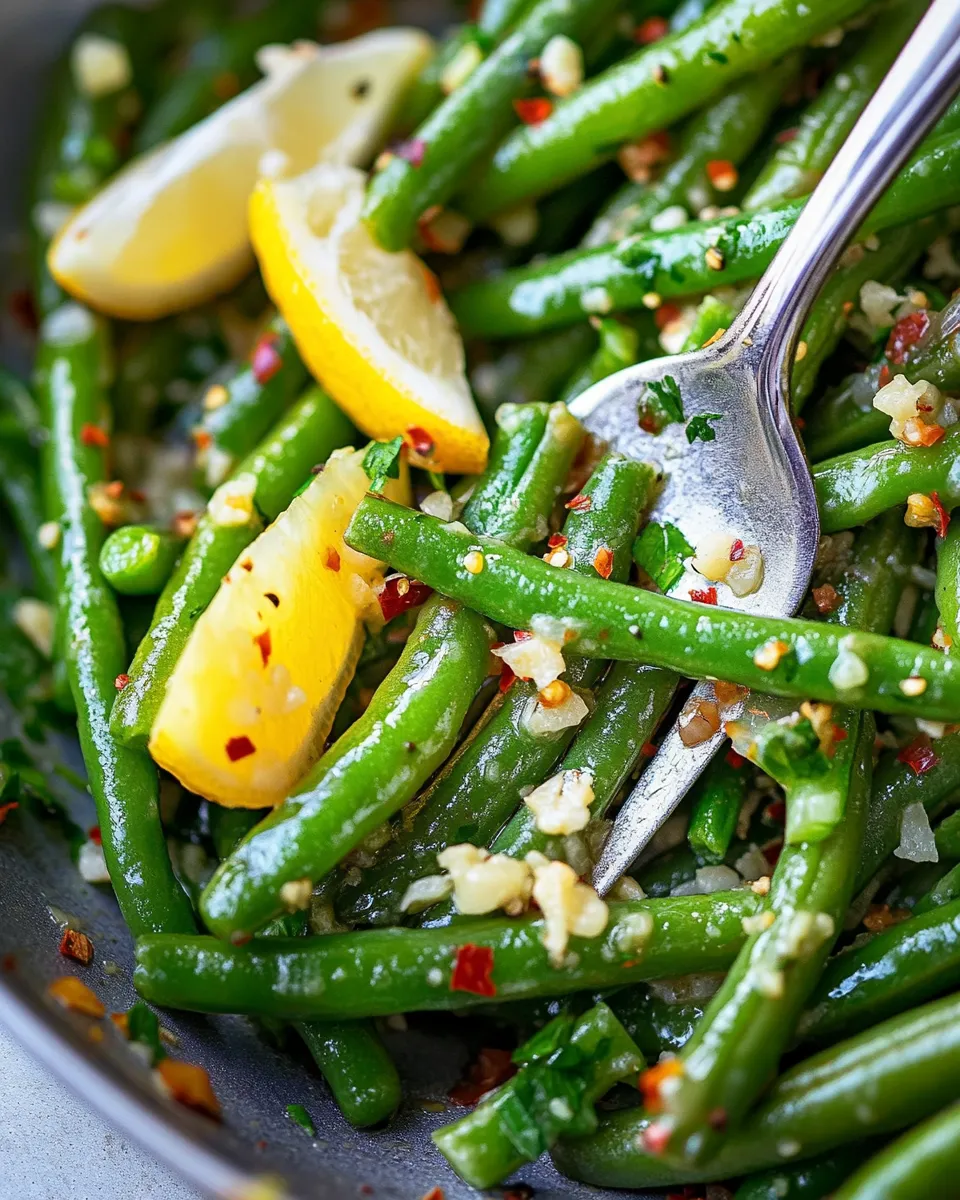
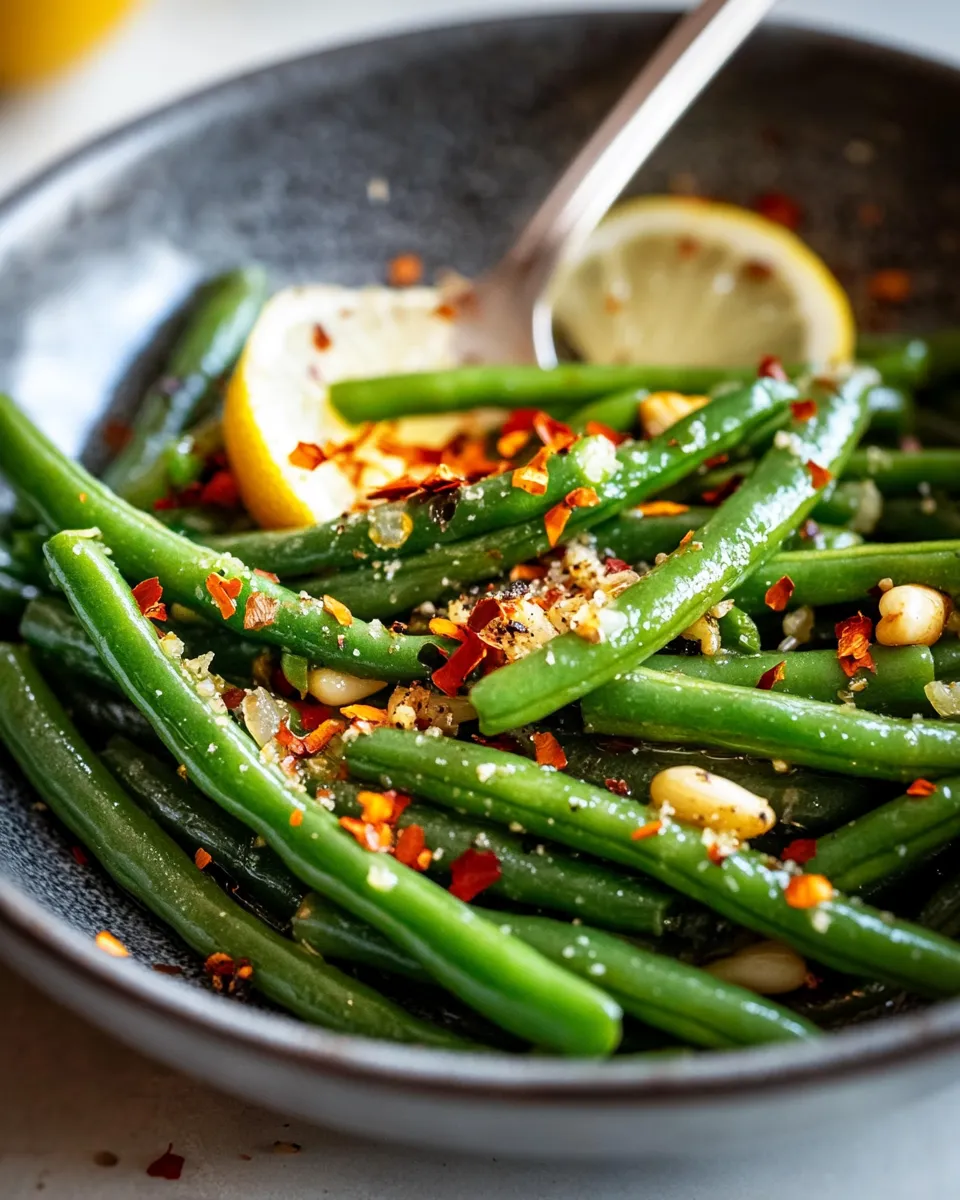
This dish is mostly about bright green beans amplified by a few concentrated hits of flavor and texture. The olive oil carries heat and encourages browning. Garlic gives aromatic savory depth when added toward the end. Salt and pepper season without masking the bean’s freshness. Parmesan adds saltiness and a creamy finish; toasted pine nuts introduce a buttery crunch. Crushed red pepper flakes bring a quick lift of heat, and chopped parsley refreshes the whole thing at the finish.
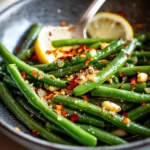
The result is a contrast of textures: a quick sear on the outside with a tender-crisp bite inside, punctuated by the nutty crunch and a sprinkle of sharp cheese. It’s a small-ingredient strategy: treat each component with a specific job and don’t overwork the beans on the heat.
Ingredients
- 1 tbsp olive oil — heats quickly to encourage browning and prevents sticking.
- 12 oz green beans — the main ingredient; dry and properly trimmed for even cooking.
- 2 cloves garlic, fresh — adds fragrant savory flavor when added late so it doesn’t burn.
- 1/8 tsp salt — seasons the beans; add more to taste if needed.
- 1/8 tsp pepper — freshly cracked if possible; balances the salt and adds warmth.
- parmesan cheese — grated or shaved for salty, umami finish.
- toasted pine nuts — bring crunch and a buttery note; toast briefly to unlock flavor.
- crushed red pepper flakes — add a hint of heat; use sparingly if you prefer mild.
- fresh chopped parsley — brightens the dish at the end and adds color.
Stepwise Method: Sautéed Green Beans
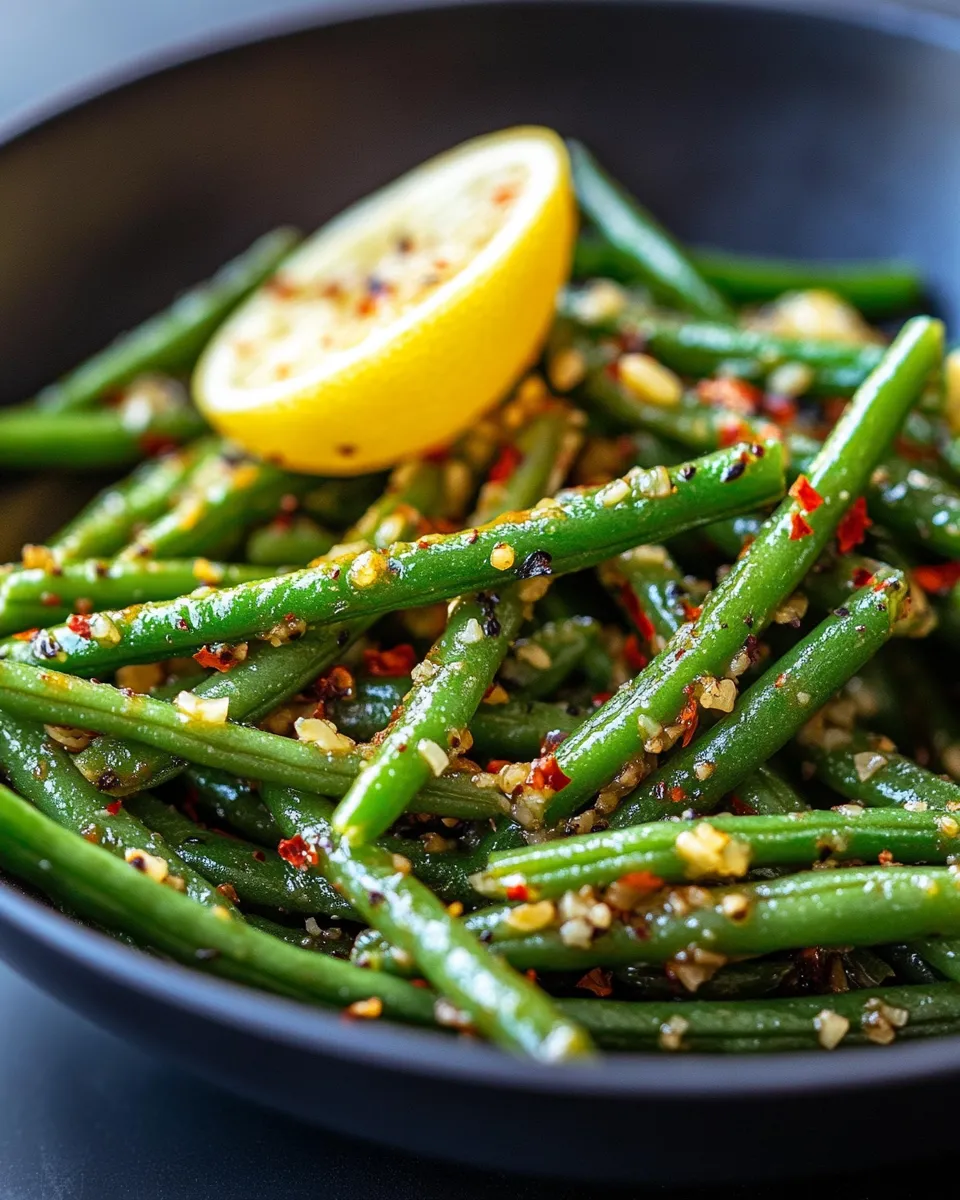
- Rinse the green beans and dry them completely. Trim or snap off the stem ends of each bean.
- Heat 1 tbsp olive oil in a large skillet over medium-high heat until the oil is shimmering but not smoking.
- Add the 12 oz green beans to the skillet. Cook, stirring regularly with tongs or a spatula, 6–7 minutes for thin beans or 8–9 minutes for thick beans, until they begin to soften and brown slightly.
- Press the 2 cloves garlic into the skillet with a garlic press (or finely mince and add them). Stir in 1/8 tsp salt and 1/8 tsp pepper (or more to taste). Cook an additional 2 minutes, stirring, until the garlic is fragrant and the beans are tender-crisp.
- Remove the skillet from the heat.
- Transfer the beans to a serving dish and garnish with parmesan cheese, toasted pine nuts, crushed red pepper flakes, and fresh chopped parsley. Serve immediately.
Why It Works Every Time
Three principles make this method reliable: dry beans, high-ish heat, and timing for the aromatics. Water on the beans or in the pan steam rather than sear, preventing the light browning that adds flavor. Starting with a hot pan and an oil that’s shimmering gets you that quick surface color without overcooking the interior.
The timing for garlic matters. Garlic can sing in a hot pan for a short time, but it will go from fragrant to bitter fast. Adding it after the beans have had time to brown keeps its flavor bright and avoids scorch. Removing the skillet from the heat before adding delicate finishing ingredients—cheese, fresh herbs, and toasted nuts—protects textures and keeps the cheese from melting into a greasy coating.
Finally, the proportions here favor the green beans: they’re the star, and the other ingredients are there to highlight them, not overwhelm them. A light-handed approach to salt and pepper lets you adjust at the table.
Dairy-Free/Gluten-Free Swaps
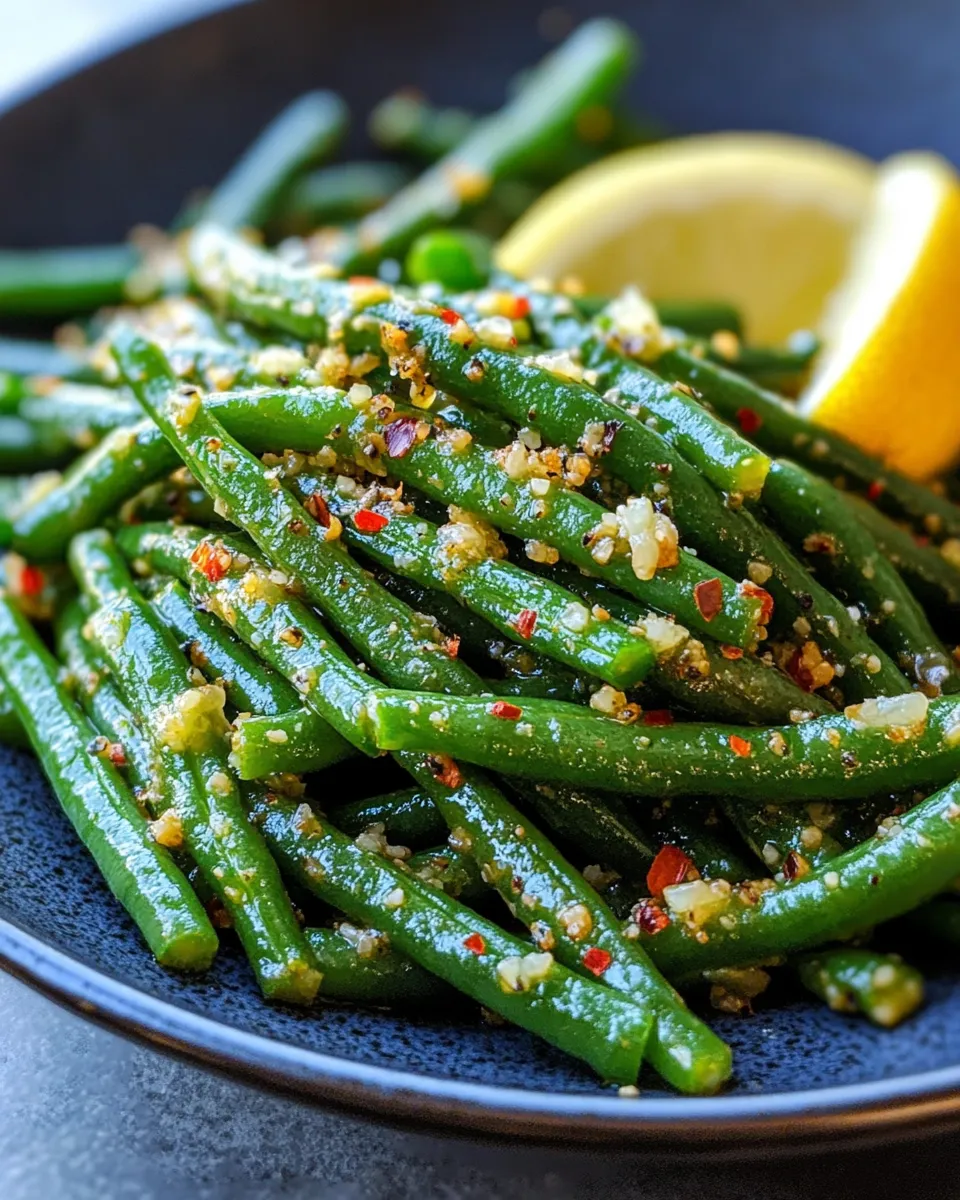
Dairy-free: Omit the parmesan or replace it with a sprinkle of nutritional yeast for a similar savory note without dairy. Alternatively, a small drizzle of extra-virgin olive oil right before serving helps add richness when you skip the cheese.
Gluten-free: This recipe is naturally gluten-free. If you add any store-bought elements (pre-toasted pine nuts, packaged cheeses, or seasonings), check labels to be certain there’s no cross-contact or additives with gluten.
Nuts: If toasted pine nuts are an issue, swap them for toasted sunflower seeds or pumpkin seeds for crunch, or leave them off entirely. The dish still holds up well without nuts.
Toolbox for This Recipe
- Large skillet (preferably nonstick or well-seasoned cast iron) — gives an even sear across a wide surface.
- Tongs or a spatula — for turning and stirring without puncturing the beans.
- Garlic press or chef’s knife — either works; a press gives tiny, even bits that distribute flavor quickly.
- Paper towels or a clean kitchen towel — for drying the beans after rinsing.
- Microplane or fine grater — for shaving or grating parmesan cleanly over the finished beans.
- Small skillet or pan — useful if you want to toast pine nuts separately.
Learn from These Mistakes
Common missteps and how to avoid them
- Skipping the dry step: Wet beans steam and won’t brown. Pat them fully dry before they meet the hot oil.
- Starting with a cold pan: The beans will sit and stew in the oil. Heat the oil until it shimmers, then add the beans.
- Overcrowding the pan: Too many beans in a small skillet drop the pan’s temperature and prevent browning. Use a large skillet or cook in two batches if needed.
- Adding garlic too early: Garlic burns quickly and turns bitter. Add it once the beans have some color and continue cooking for just a couple of minutes.
- Leaving finishing ingredients on the heat: Fresh parsley and soft cheeses should be added off the heat to keep their texture and bright flavor.
In-Season Swaps
Green beans are at their peak in summer, but you can adapt the approach across seasons:
- Spring: Swap half the beans for snap peas for a sweeter snap and shorter cook time.
- Late summer: Add halved cherry tomatoes in the last 2 minutes of cooking for a burst of acidity and color.
- Fall: Use haricots verts when available for a thinner, more delicate bean; reduce the initial cook time to avoid over-softening.
- Winter: If fresh beans are scarce, quick-blanched frozen green beans work. Thaw and dry them thoroughly, watch the cook time closely, and opt for a hotter pan to revive some surface browning.
Testing Timeline
Timing is straightforward and helps you plan the rest of the plate. Here’s a rough timeline from start to finish:
- Prep (rinse, trim, dry beans; mince or press garlic; gather garnishes): 6–10 minutes.
- Heat pan and oil: 1–2 minutes.
- Cook beans: 6–9 minutes depending on thickness.
- Add garlic and season; finish on heat: 2 minutes.
- Plate and garnish: 1–2 minutes.
Total active time: about 15–20 minutes. This makes the dish ideal for weeknights or as a quick side for an impromptu dinner.
Keep-It-Fresh Plan
Leftovers: Store cooled beans in an airtight container in the refrigerator for up to 3 days. Texture will soften with time; to revive them, reheat quickly in a hot skillet with a splash of olive oil to tighten the exterior and refresh the flavors.
Freezing: I don’t recommend freezing this finished dish because the texture of the beans and the crunch of the pine nuts don’t survive thawing well. If you must, you’re better off blanching and freezing raw beans separately and finishing them fresh from frozen in a hot skillet.
Make-ahead: You can toast the pine nuts and grate the parmesan up to a day ahead. Store them separately and combine just before serving so the nuts stay crisp and the cheese fresh.
Common Questions
How do I know when beans are done?
They should be tender-crisp: some give when you bite into them and a little resistance in the center. Thin beans will finish in 6–7 minutes; thicker beans need 8–9. If you like them softer, add a minute or two, but cook in short intervals to avoid limpness.
Can I use frozen green beans?
Yes, but thaw and dry them thoroughly first. Frozen beans hold more surface moisture and will steam instead of sear if you don’t dry them, which compromises browning and texture.
My garlic burned—what went wrong?
Burned garlic is almost always from adding it too early or keeping the pan too hot. Add garlic only after the beans have some color and reduce the heat slightly if the pan is smoking. If it burns, toss it and start the garlic step over; bitter garlic ruins the dish.
Can I make this spicier or milder?
Yes. Increase crushed red pepper flakes for more heat; reduce or omit them to keep it mild. A squeeze of lemon at the end also brightens without adding heat.
The Takeaway
Sautéed green beans are a simple, fast, and trustworthy side. The little details—dry beans, a hot pan, garlic added late, and a thoughtful garnish—are what turn a quick vegetable into something memorable. With about 15–20 minutes from start to finish, it’s a recipe you can rely on both for busy dinners and last-minute parties. Keep the ingredients straightforward, watch the timing, and finish with texture and brightness. You’ll have a side dish that feels intentional and fresh every time.
Sautéed Green Beans
Ingredients
Ingredients
- 1 tbspolive oil
- 12 ozgreen beans
- 2 clovesgarlic fresh
- 1/8 tspsalt – or to taste
- 1/8 tsppepper – or to taste
- parmesan cheese
- toasted pine nuts
- crushed red pepper flakes
- fresh chopped parsley
Instructions
Instructions
- Rinse the green beans and dry them completely. Trim or snap off the stem ends of each bean.
- Heat 1 tbsp olive oil in a large skillet over medium-high heat until the oil is shimmering but not smoking.
- Add the 12 oz green beans to the skillet. Cook, stirring regularly with tongs or a spatula, 6–7 minutes for thin beans or 8–9 minutes for thick beans, until they begin to soften and brown slightly.
- Press the 2 cloves garlic into the skillet with a garlic press (or finely mince and add them). Stir in 1/8 tsp salt and 1/8 tsp pepper (or more to taste). Cook an additional 2 minutes, stirring, until the garlic is fragrant and the beans are tender-crisp.
- Remove the skillet from the heat.
- Transfer the beans to a serving dish and garnish with parmesan cheese, toasted pine nuts, crushed red pepper flakes, and fresh chopped parsley. Serve immediately.
Equipment
- Large Skillet
- Tongs
- Spatula
- Garlic Press
Notes
This recipe is naturally:
gluten free
dairy free
low carb
Whole30 compliant
Please note that not all garnish options follow these dietary guidelines but the sauteed green beans without any garnish comply with the dietary restrictions outlined above.
©2018 Easy Family Recipes