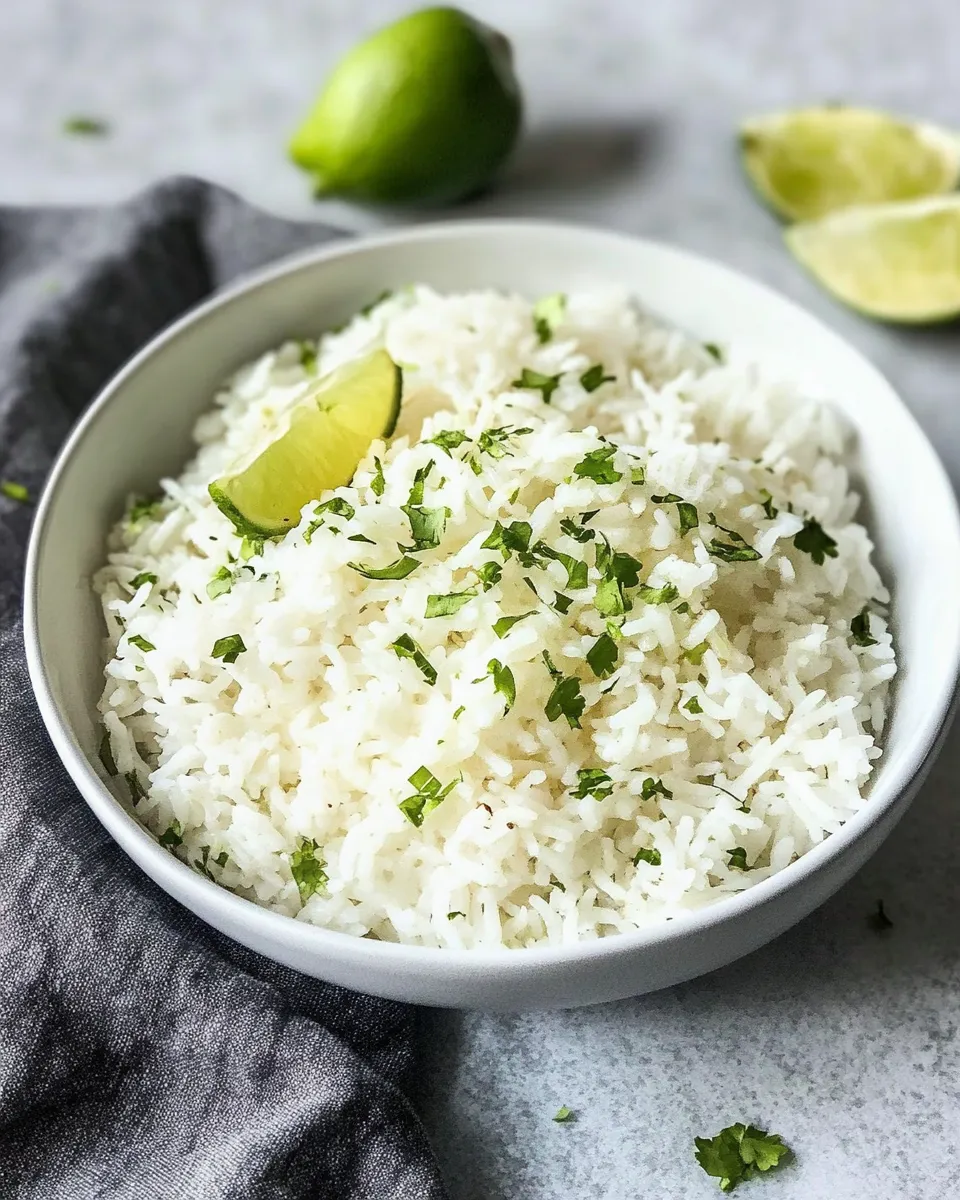
I make this Savory Coconut Rice on busy weeknights, at dinner parties, and anytime I want something that feels a little special with almost no effort. It’s the kind of side that lifts a simple protein—grilled fish, roasted tofu, even a sheet-pan chicken—and makes the whole plate sing. The coconut adds a gentle richness; the jasmine rice stays tender and aromatic. No heavy coconut-sweet finish here—just savory, silky grains you’ll want by the forkful.
The method is straightforward: rinse, combine, bring to a gentle boil, then simmer and rest. That resting step is the secret to perfectly steamed rice every time. No stirring while it cooks, no guesswork. Follow the steps and you’ll end up with fluffy rice that carries background coconut flavor without becoming greasy.
In this post I’ll walk you through ingredients, exact steps, common slip-ups, and practical tips for storing and reheating. Whether this is your first time cooking rice on the stovetop or you’re a seasoned home cook, you’ll find a few tricks that make the result reliable and repeatable.
What Goes Into Savory Coconut Rice
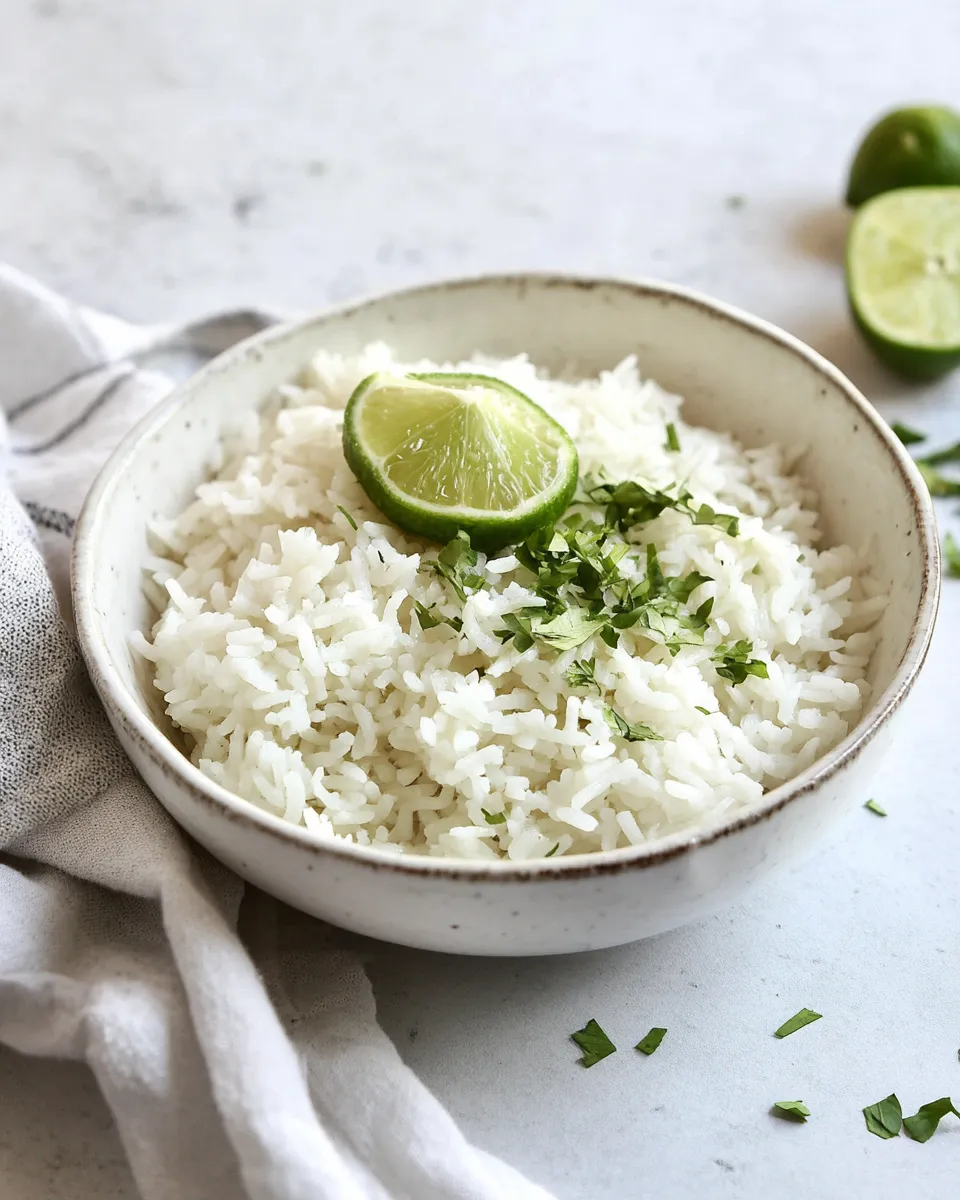
This recipe keeps the ingredient list short and intentional. Jasmine rice gives the dish its fragrant, slightly floral character. Whole-fat coconut milk brings creaminess and depth—use it for flavor and silkiness. A little water balances the coconut’s richness so the rice cooks through properly. Salt is essential to lift all the subtle flavors.
Ingredients
- 2 cups (400 g) jasmine rice — fragrant long-grain rice that cooks up fluffy and slightly sticky; rinse before cooking.
- 13.6 ounce can (400 ml can) coconut milk (whole-fat) — provides creaminess and the signature coconut flavor; whole-fat gives the best texture.
- ½ cup (120 ml) water — dilutes the coconut milk so the rice absorbs liquid evenly and cooks through.
- 1 teaspoon salt — seasons the rice throughout; adjust to taste if using low-sodium ingredients.
How to Prepare Savory Coconut Rice
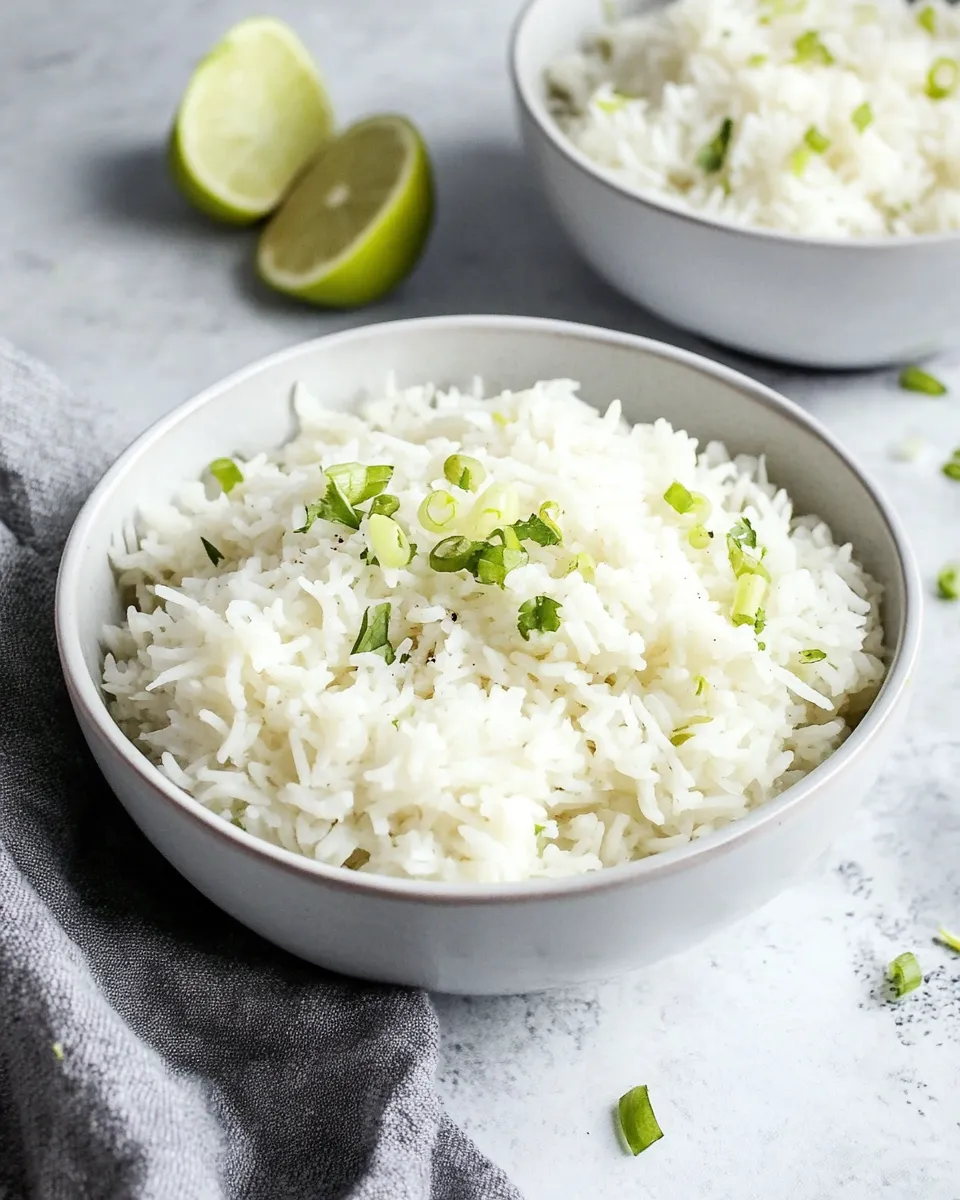
- Rinse the jasmine rice under cold running water in a fine-mesh sieve, swirling with your hand, until the rinse water runs mostly clear. Drain well.
- Transfer the drained rice to a heavy-bottomed pot or saucepan. Add the 13.6 oz (400 ml) can of whole-fat coconut milk, ½ cup (120 ml) water, and 1 teaspoon salt.
- Stir once to combine the ingredients and distribute the rice evenly in the pot.
- Place the pot over medium-high heat and bring the mixture to a gentle boil, uncovered.
- As soon as it reaches a boil, stir once, reduce the heat to low, and cover the pot with a tight-fitting lid.
- Simmer undisturbed on low heat for 10 minutes (do not lift the lid).
- After 10 minutes, turn off the heat and keep the pot covered. Let the rice rest for another 10 minutes to finish steaming.
- Uncover, gently fluff the rice with a fork, and serve.
Why This Recipe Belongs in Your Rotation
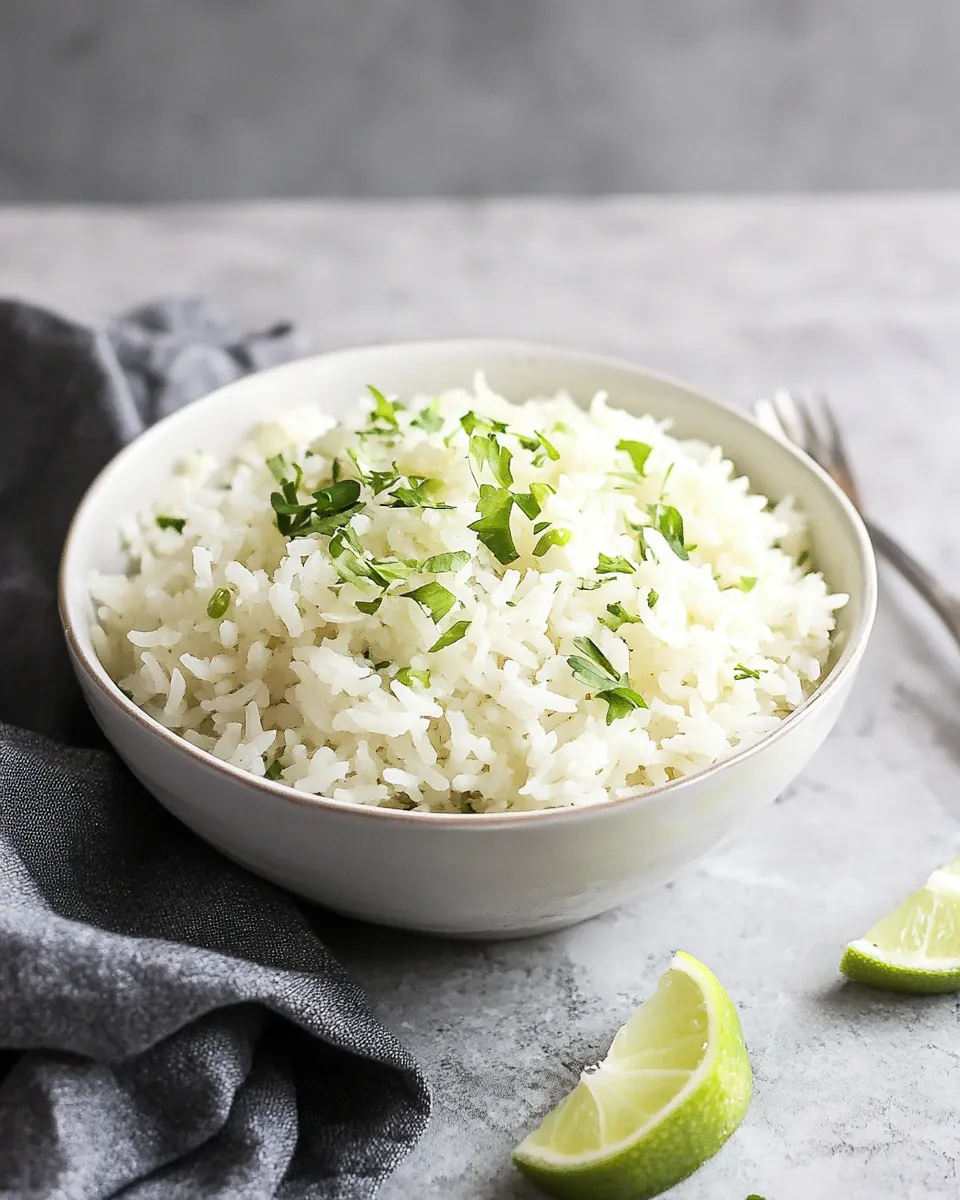
This recipe is reliable, forgiving, and fast. It turns pantry staples—rice and a can of coconut milk—into a side that feels intentional. When you don’t want plain steamed rice but don’t have time for complex pilafs, this is the middle ground: elevated but uncomplicated.
It pairs with many cuisines. Serve it with curries, grilled seafood, roasted vegetables, or as the grain base for a bowl. The coconut flavor is present but restrained, so it complements rather than competes with saucy mains.
Beyond flavor, it’s practical. The technique scales well and tolerates slight variances in pot size and stove heat. Once you get the hang of not lifting the lid while it simmers, your results will be consistent.
If You’re Out Of…
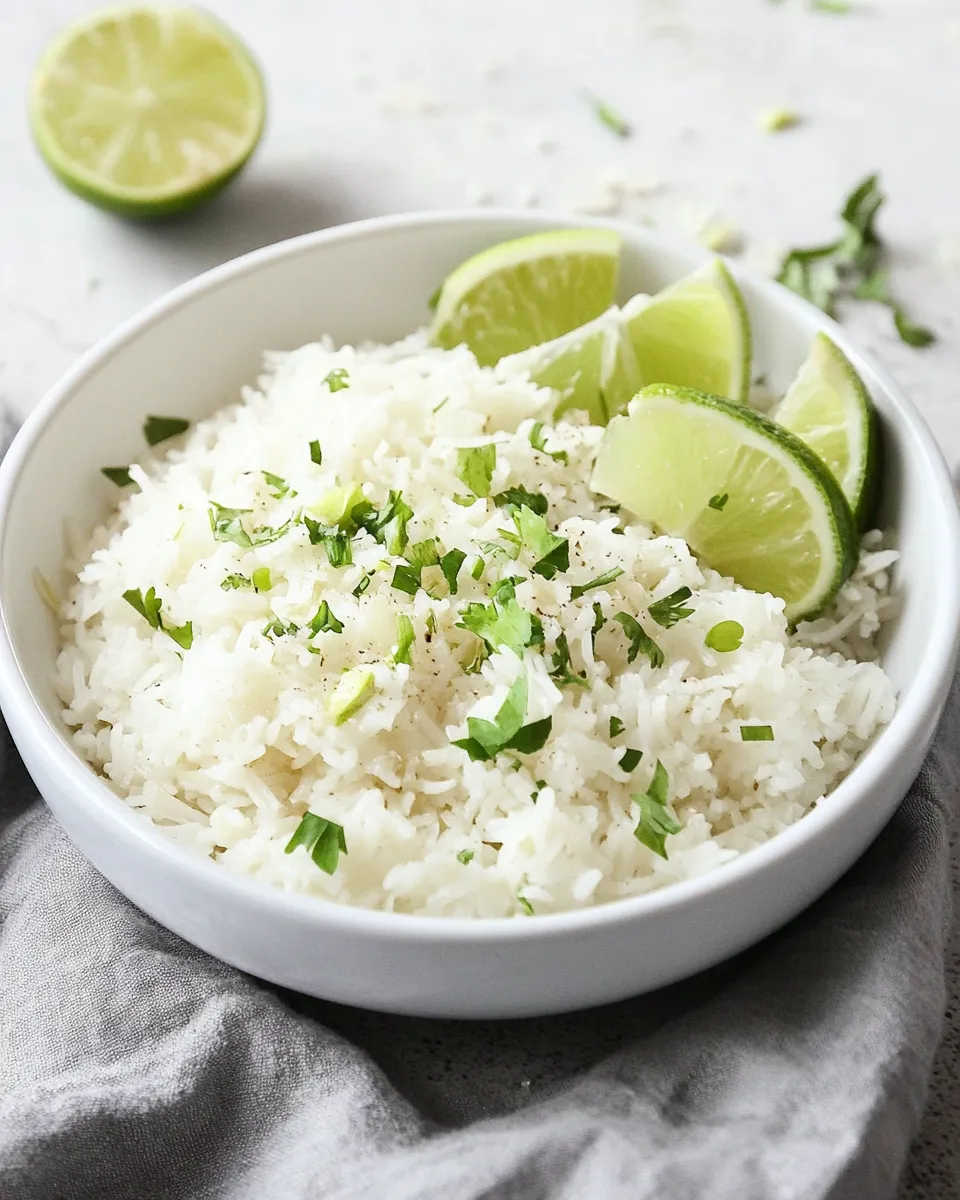
If you run out of any ingredient, here are practical swaps and what to expect.
- No jasmine rice: Use another long-grain rice like basmati. Expect a slightly different aroma and a drier texture; you may need to adjust the water by a tablespoon or two depending on the rice’s age and dryness.
- No whole-fat coconut milk: You can use light coconut milk or a mix of light coconut milk and a little cream or milk. The texture will be less silky and less rich.
- No coconut milk at all: Use 2 ½ cups (600 ml) water or broth to cook the rice, but the dish will lose its coconut character and become plain steamed rice.
- No can opener-friendly can: If your coconut milk comes in a carton, measure 400 ml to match the recipe’s liquid ratio.
- No salt: Salt is important for flavor. If you must omit it for dietary reasons, plan to serve the rice with a salted sauce or protein so the overall plate isn’t flat.
Tools & Equipment Needed
- Fine-mesh sieve — for rinsing the jasmine rice thoroughly.
- Heavy-bottomed pot or saucepan with a tight-fitting lid — promotes even heat and proper steaming.
- Measuring cups and spoons — to get the liquid-to-rice ratio right.
- Fork — for gentle fluffing after resting.
Mistakes That Ruin Savory Coconut Rice
- Lifting the lid during cooking: That releases steam and interrupts the gentle, even cooking; you’ll get unevenly cooked rice.
- Skipping the rinse: Unrinsed jasmine rice can be cloudier and stickier; rinsing removes excess surface starch for cleaner grains.
- Using too high heat: A rolling boil will scorch the bottom and dry the rice out. Bring to a boil, then drop to low immediately.
- Wrong pot size: Using a very wide, shallow pan can cause faster evaporation and undercooked rice. Use a pot with straight-ish sides and a snug lid.
- Changing the liquid without adjusting ratios: Coconut milk is thicker than water. If you use only water, increase the volume and note the flavor difference.
Fit It to Your Goals
Meal-prep: Make a double batch and portion into containers. It reheats well (see storage section) and works for lunches with protein and quick sautéed greens.
Low-fat: Swap the whole-fat coconut milk for light coconut milk, but expect less silkiness. Add a teaspoon of olive oil or a knob of butter at the end to mimic that mouthfeel if desired.
Kid-friendly: Keep it plain to start. Serve alongside familiar proteins and vegetables. The subtle coconut aroma usually goes over well; if you’re unsure, test a small portion first.
Entertaining: Make the rice, then transfer to a warmed serving bowl. Garnish with toasted shredded coconut, chopped cilantro, or a squeeze of lime for brightness.
Method to the Madness
The straightforward method hides a few purposeful choices. Rinsing removes excess starch so grains don’t glue together. Using whole-fat coconut milk gives fat that coats the grains, producing a glossy, satisfying mouthfeel. But coconut milk alone can be too viscous for proper steaming, so the ½ cup water balances the texture and ensures the rice cooks through without becoming gummy.
Simmering undisturbed on low heat for exactly 10 minutes locks in steam and cooks the rice evenly. The resting period off the heat finishes the steam process gently; this is when the last pockets of moisture redistribute and the rice firms up to the right texture. Fluffing with a fork rather than stirring prevents mushy, broken grains.
How to Store & Reheat
Fridge: Cool rice quickly after cooking by spreading it shallowly in a container, then refrigerate within two hours. Stored in an airtight container, it will keep 3–4 days.
Freezer: For longer storage, portion into freezer-safe bags or containers and freeze up to 2 months. Thaw in the fridge overnight before reheating.
Reheat on the stove: Add a splash of water or a teaspoon of oil to a pan over medium-low heat. Add the rice and warm, stirring gently, until steaming through. This restores moisture without drying out the grains.
Reheat in the microwave: Place rice in a microwave-safe bowl, sprinkle with a tablespoon of water per cup of rice, cover loosely with a damp paper towel or lid, and microwave in 1-minute bursts, fluffing between bursts, until hot.
Avoid overheating. High heat can dry rice and make the coconut oil separate, leaving an oily texture.
Reader Questions
Can I use this method with brown jasmine rice?
Yes, but brown rice requires more liquid and a longer cooking time. Use a tested brown rice ratio and cooking time; the coconut milk will add flavor, but you’ll need to increase both liquid and simmer time—this recipe’s timing is for white jasmine rice.
Why did my rice turn out too sticky?
Most likely either the rice wasn’t rinsed enough, or you stirred too much during cooking. Also check that your heat wasn’t too high, which can cause uneven evaporation and stickiness.
Can I add aromatics like garlic, ginger, or pandan?
Yes. Add finely minced aromatics briefly to the pot before adding the rice and liquids, or tuck a pandan leaf into the pot while it cooks for a floral lift. Keep additions light so you don’t overpower the coconut.
My coconut milk separated—what now?
If the coconut milk looks separated, stir it in gently before adding rice so the fat and liquid recombine. If separation happens after cooking, fluff the rice and serve; the separation is cosmetic and won’t hurt the taste.
Is this recipe vegan?
Yes. It contains no animal products and fits well into a vegan menu.
See You at the Table
Make this Savory Coconut Rice when you want an easy, elegant side without fuss. Follow the exact steps and the rice will reward you: fluffy, gently coconut-scented, and infinitely versatile. If you try it, tell me how you served it—there’s always room for one more favorite combo.
Savory Coconut Rice
Ingredients
Ingredients
- ?2 cups 400 gJasmine rice
- ?13.6 ounce can 400 ml cancoconut milkwhole fat
- ?1/2 cup 120 mlwater
- ?1 teaspoonsalt
Instructions
Instructions
- Rinse the jasmine rice under cold running water in a fine-mesh sieve, swirling with your hand, until the rinse water runs mostly clear. Drain well.
- Transfer the drained rice to a heavy-bottomed pot or saucepan. Add the 13.6 oz (400 ml) can of whole-fat coconut milk, ½ cup (120 ml) water, and 1 teaspoon salt.
- Stir once to combine the ingredients and distribute the rice evenly in the pot.
- Place the pot over medium-high heat and bring the mixture to a gentle boil, uncovered.
- As soon as it reaches a boil, stir once, reduce the heat to low, and cover the pot with a tight-fitting lid.
- Simmer undisturbed on low heat for 10 minutes (do not lift the lid).
- After 10 minutes, turn off the heat and keep the pot covered. Let the rice rest for another 10 minutes to finish steaming.
- Uncover, gently fluff the rice with a fork, and serve.
Equipment
- Fine-Mesh Sieve
- heavy-bottomed pot or saucepan
- tight-fitting lid
- Fork
Notes
If cooking in a 8qt Instant Pot, make at least 2 cups of rice. If cooking in a 6qt Instant Pot, you can make 1 cup of rice without any problems.
This rice freezes well, when reheating it just add a little bit of water.
If using brown rice in the Instant Pot, increase the cooking time by 15 minutes (total cooking time 25 minutes + NR).
You can substitute the jasmine rice with any long grain rice, basmati rice is a good option. Short grain rice won’t work as it will get too gummy and sticky. Don’t use risotto or paella rice.