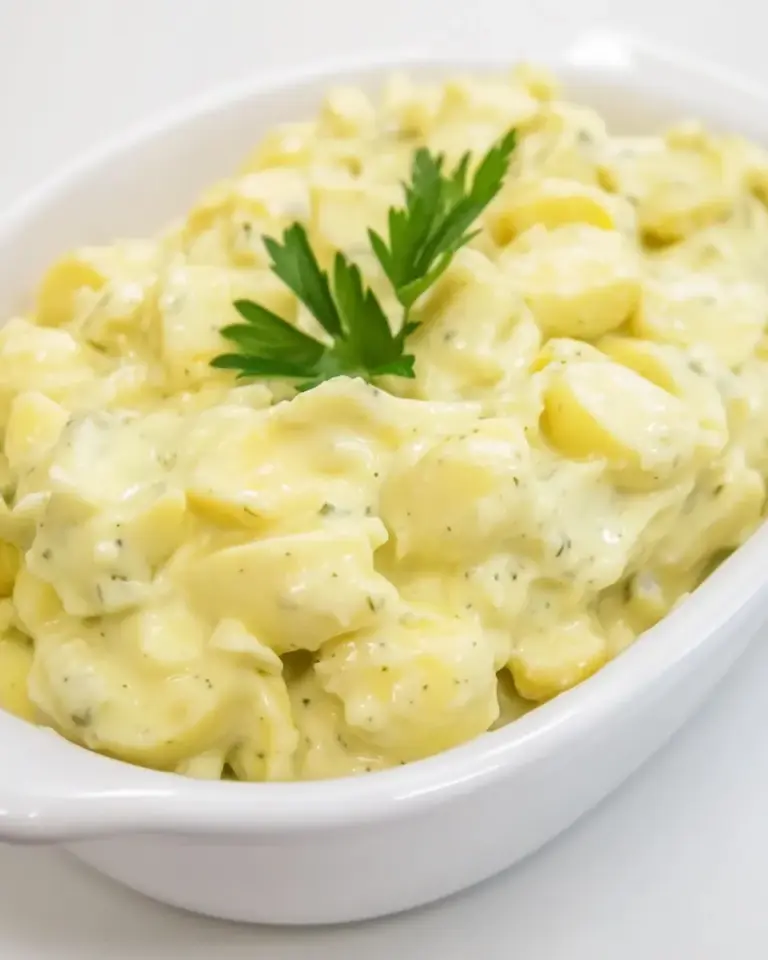
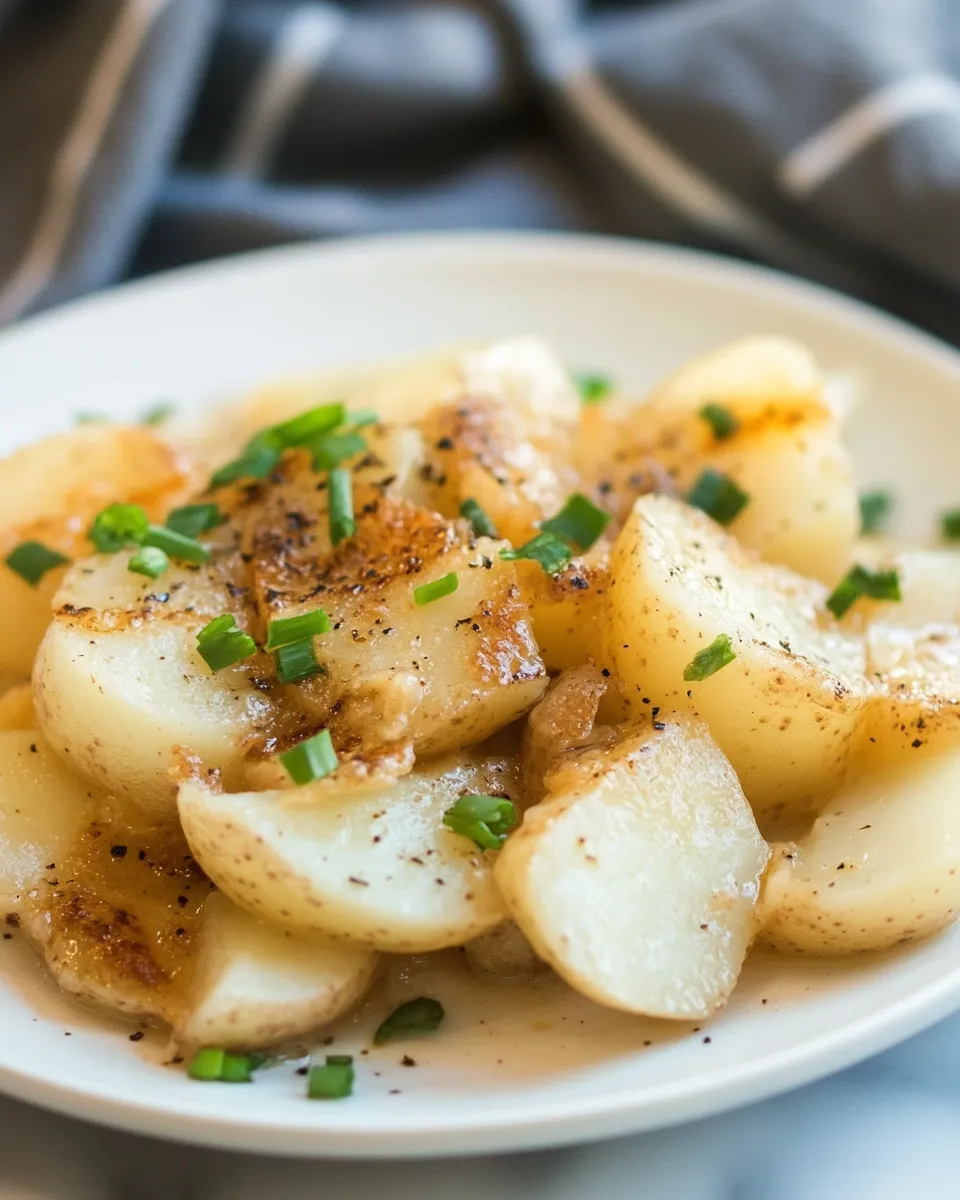
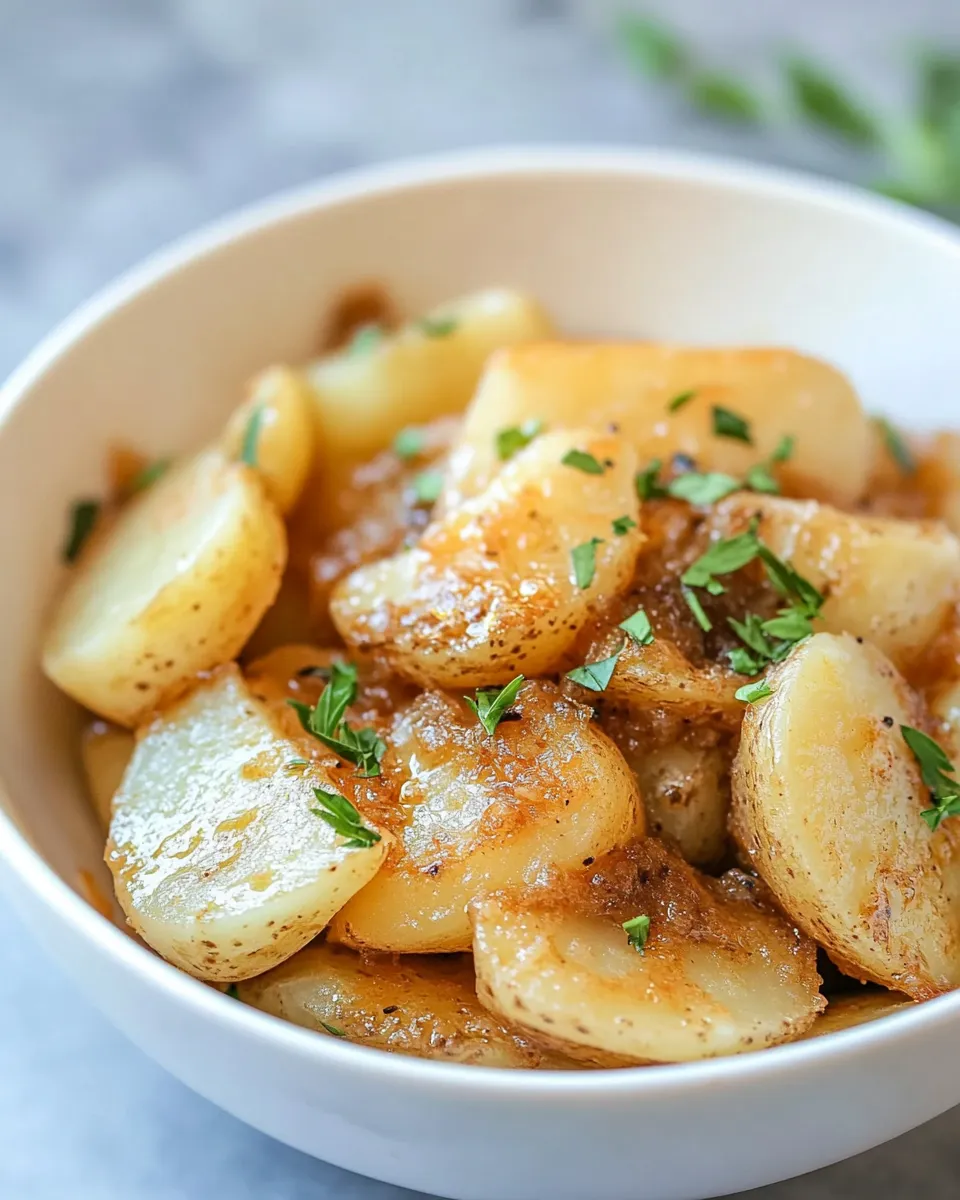
I make smothered potatoes when I want something honest and comforting on the table — nothing fancy, just good technique and the right little decisions. This skillet dish is forgiving, quick, and suits a million meals: a weekend brunch, a no-fuss weeknight side, or the base for a skillet dinner with protein and greens. The flavors are straightforward: brown, sweet onion, gentle garlic, salt and pepper, and a little steam to finish the potatoes so they turn tender without going gluey.
I’ll walk you through exactly what to buy, the simple equipment that matters, and each step of the method so you get even browning and tender centers every time. I’ll also share swaps if you want to lighten the dish or make it richer, plus common mistakes to avoid. Read the ingredients list once and then follow the method — this is one of those recipes that rewards attention to the little moments, like flipping the potatoes and choosing the right heat.
Keep this recipe in your rotation. It’s unfussy, scales well, and plays nicely with so many add-ons: a handful of chopped herbs, a sprinkle of cheese, a fried egg on top. Below you’ll find the exact ingredient list I use, step-by-step instructions, and practical tips from my kitchen so you can get the texture and flavor just right.
Ingredients
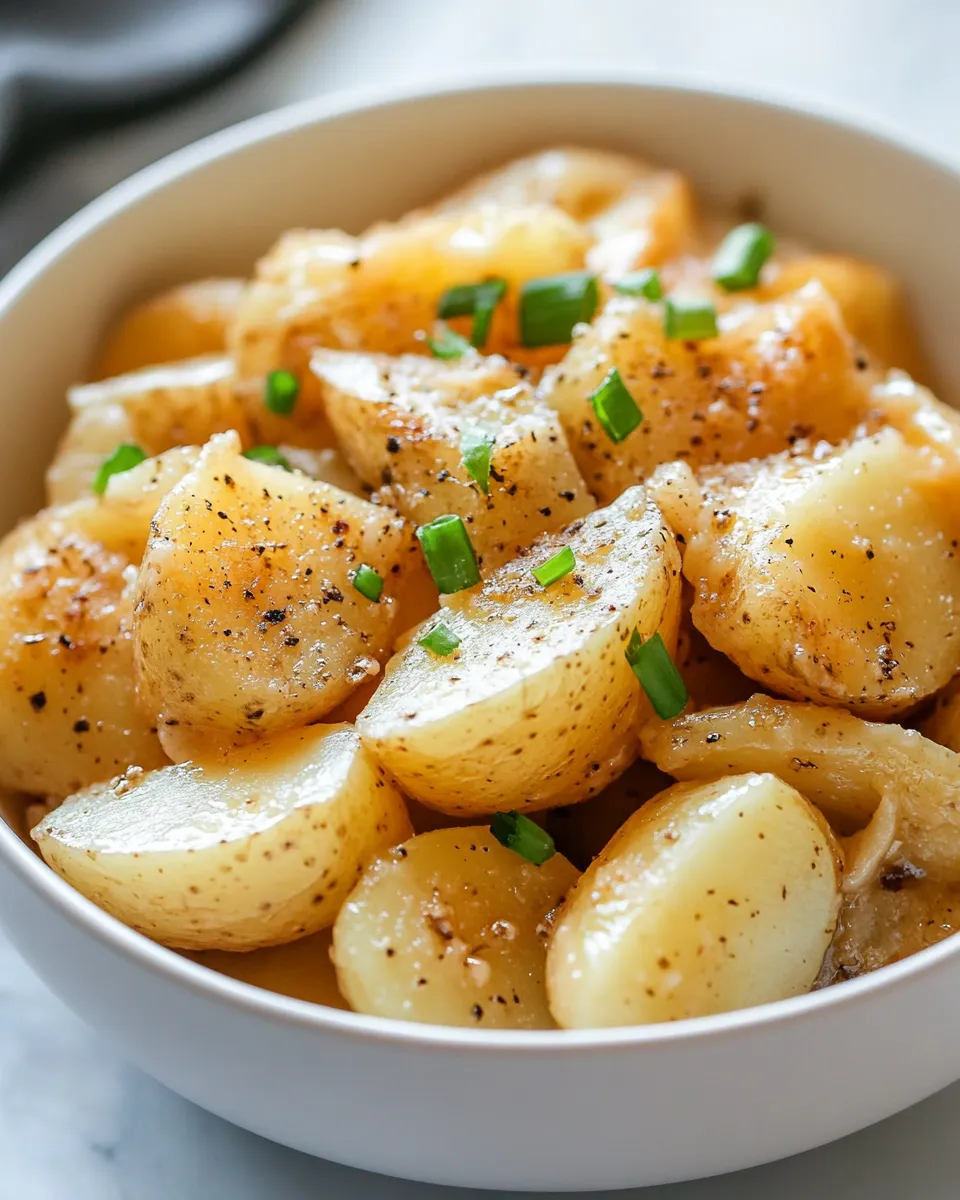
- 2 tablespoons olive oil (not extra virgin) — medium-high heat oil for browning; not using extra virgin avoids overpowering the potatoes with a strong olive flavor.
- 4 medium potatoes (peeled and sliced into ? inch slices) — the core of the dish; keep slices fairly uniform so they cook evenly. The recipe uses ? inch slices as written.
- 1 medium yellow onion (sliced into half moons) — adds sweetness and depth; slice thin enough to soften alongside the potatoes.
- ¼ cup water or stock — a splash to create steam and finish cooking without frying the potatoes to dryness; stock adds more flavor.
- 2 cloves garlic (minced or crushed) — added near the end so the garlic stays bright and avoids burning.
- 1 teaspoon salt — seasons the whole dish; adjust to taste if using salted stock.
- ½ teaspoon ground black pepper — for warmth and balance; add more to taste when serving.
Your Shopping Guide
- Potatoes: choose starchy to all-purpose varieties — russets or Yukon Gold are reliable. They brown nicely and become tender without falling apart if you control the heat.
- Onion: pick a good yellow onion. They caramelize quickly and provide that classic sweet-savoury backbone.
- Olive oil: the recipe specifies not extra virgin. Regular olive oil tolerates heat better for frying in a skillet.
- Stock vs. water: if you want more flavor, buy a low-sodium chicken or vegetable stock. If keeping it simple, water works fine.
- Garlic and pantry staples: make sure your salt and pepper are fresh — they matter here because the seasoning is sparse and obvious.
- Optional toppings: if you plan to finish with chives, parsley, grated cheese, or a fried egg, pick those up now. They transform the dish easily.
The Method for Smothered Potatoes
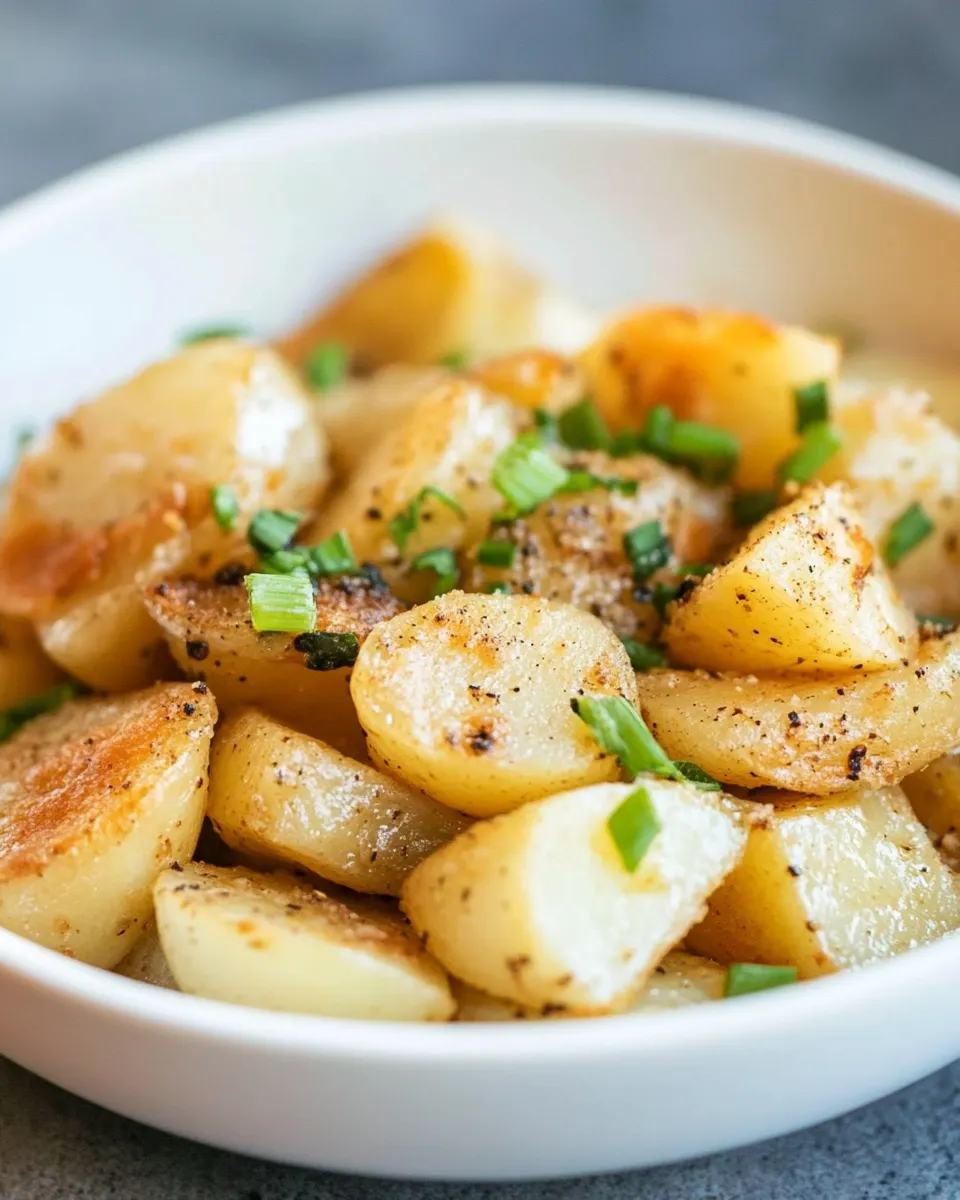
- Heat 2 tablespoons olive oil (not extra virgin) in a large skillet over medium heat until the oil is hot.
- Add the 4 medium potatoes (peeled and sliced into ? inch slices) and 1 medium yellow onion (sliced into half moons) to the skillet in an even layer.
- Cover the skillet and cook for about 8 minutes. Check every couple of minutes and gently flip or turn the potatoes and onions so they brown evenly and do not burn; reduce the heat slightly if they are browning too quickly.
- Pour in ¼ cup water or stock, cover again, and let the potatoes simmer until they are just tender when pierced with a fork (about 5–8 minutes, depending on slice thickness).
- When the potatoes are nearly done, remove the lid and stir in 2 cloves garlic (minced or crushed), 1 teaspoon salt, and ½ teaspoon ground black pepper. Continue cooking uncovered, stirring occasionally, until the potatoes are fully cooked and the thinnest slices are slightly mushy (about 2–4 minutes).
- Remove the skillet from the heat and serve the smothered potatoes immediately with any toppings you like.
Why This Recipe Belongs in Your Rotation
It’s fast. From pan to plate takes under 30 minutes for most kitchens once you’ve sliced the potatoes. The technique — sear, steam, finish — is universal and teaches a useful approach for many vegetable dishes.
It’s flexible. The base is neutral and forgiving. You can add chopped bell pepper early for color, toss in fresh herbs at the end, or make it a one-pan meal by finishing with cooked sausage slices, bacon bits, or a few handfuls of spinach stirred in at the end.
It’s satisfying. Potatoes browned at the edges and soft inside hit that comfort-food note without being heavy or fussy. You get crispness, silkiness, and a caramelized sweetness from the onions all in one skillet.
Healthier Substitutions
- Swap half the potatoes for thinly sliced sweet potato or parsnip to add fiber and nutrients while keeping the same cooking approach.
- Use a light olive oil spray or 1 tablespoon of oil plus a splash of stock to reduce fat. The potatoes still get a good sear if your pan is hot and you don’t overcrowd it.
- Replace the water with low-sodium vegetable stock for more flavor without extra calories. Taste before adding the full teaspoon of salt.
- Finish with a squeeze of lemon and chopped parsley to brighten flavors without adding fat.
Before You Start: Equipment
- A large, heavy-bottomed skillet (10–12 inches) — gives even heat and enough surface area to brown the potatoes in a mostly single layer.
- A sharp knife and a cutting board — uniform slices are crucial. A mandoline helps if you want perfectly even ?-inch slices, but a steady hand works too.
- A lid that fits the skillet — you’ll be covering twice to steam the potatoes through.
- A spatula or large spoon — for gentle flipping so you don’t shatter the slices.
Avoid These Mistakes
Overcrowding the pan: if you pile too many slices in the skillet, they’ll steam instead of brown. Work in two batches if necessary.
Using high heat the whole time: start hot to get a good sear, but lower the temperature to medium when things are browning too quickly. The recipe asks you to reduce heat if things brown too fast — follow that direction.
Adding garlic too early: garlic burns quickly and becomes bitter. This method adds garlic only when the potatoes are nearly done, keeping the flavor bright.
Skipping the steam step: the ¼ cup of water or stock and the covered simmer are essential to cook the insides without over-browning the outsides. Don’t skip it.
Nutrition-Minded Tweaks
If you want to nudge this dish toward a more nutrient-forward plate, try these small changes: switch to a mix of potatoes and a root vegetable with more fiber (like sweet potato), or add a panful of baby spinach or chopped kale in the last two minutes of cooking for a hit of vitamins. Swap full oil for half oil/half broth to cut calories without losing the sear entirely.
For more protein, serve a fried or poached egg on top, or mix in diced cooked chicken or canned white beans right at the end. These tweaks keep the dish balanced without changing the core technique.
If You’re Curious
“Smothered” is a southern cooking term that often refers to vegetables or meats cooked slowly with onions and a little liquid until tender and deeply flavored. This skillet version is a quick, weeknight-friendly riff that keeps the spirit of smothering — low, slow-ish heat with aromatic onion and a little liquid — but trims the time to something manageable on a busy night.
Variations to explore: add smoked paprika for warmth, a teaspoon of mustard for tang, or a splash of white wine during the steaming step for subtle acidity. If you prefer a creamier finish, fold in a tablespoon of butter or a splash of cream off the heat.
Storing, Freezing & Reheating
Store leftovers in an airtight container in the refrigerator for up to 3 days. The potatoes will soften further as they sit; they’re still delicious reheated.
To reheat: warm in a skillet over medium heat with a teaspoon of oil or a splash of stock. This refreshes the surface and keeps things from drying out. Avoid microwaving if you want the best texture; the microwave makes them mushy fast. If you must microwave, do it in short bursts and finish in a hot pan for a minute to restore a bit of crispness.
Freezing isn’t ideal for texture — potatoes often become mealy when frozen and thawed. If you do freeze, cool completely, pack tightly in a freezer container, and use within a month. Thaw overnight in the fridge and re-crisp in a skillet with a little oil.
Top Questions & Answers
- Can I use new potatoes? — Yes. They’ll hold their shape better; adjust the steaming time because they may cook faster if sliced thinly.
- Why not extra virgin olive oil? — Extra virgin has a lower smoke point and a stronger flavor. The recipe specifies a neutral olive oil to avoid bitterness and smoking when the pan is hot.
- My potatoes are sticking. What went wrong? — Either the pan wasn’t hot enough at the start, or there’s too much moisture from overcrowding. Dry the potato slices lightly before pan-searing and give them space.
- Can I add herbs during cooking? — Add hardy herbs like rosemary early; delicate herbs like parsley or chives are best sprinkled on at the end.
The Last Word
Smothered potatoes are a simple, dependable dish that rewards patience and attention to heat. Follow the steps: hot oil, an even layer of sliced potatoes and onions, a covered steam, then a finish with garlic and seasoning. Keep an eye on browning, taste for salt, and feel free to dress the finished skillet with fresh herbs, cheese, or an egg. This is the kind of recipe you’ll find yourself returning to because it’s fast, adaptable, and reliably delicious.
Smothered Potatoes
Ingredients
Ingredients
- ?2 tablespoonsolive oilnot extra virgin
- ?4 mediumpotatoespeeled and sliced into ? inch slices
- ?1 mediumyellow onionsliced into half moons
- ?1/4 cupwateror stock
- ?2 clovesgarlicminced or crushed
- ?1 teaspoonsalt
- ?1/2 teaspoonground black pepper
Instructions
Instructions
- Heat 2 tablespoons olive oil (not extra virgin) in a large skillet over medium heat until the oil is hot.
- Add the 4 medium potatoes (peeled and sliced into ? inch slices) and 1 medium yellow onion (sliced into half moons) to the skillet in an even layer.
- Cover the skillet and cook for about 8 minutes. Check every couple of minutes and gently flip or turn the potatoes and onions so they brown evenly and do not burn; reduce the heat slightly if they are browning too quickly.
- Pour in ¼ cup water or stock, cover again, and let the potatoes simmer until they are just tender when pierced with a fork (about 5–8 minutes, depending on slice thickness).
- When the potatoes are nearly done, remove the lid and stir in 2 cloves garlic (minced or crushed), 1 teaspoon salt, and ½ teaspoon ground black pepper. Continue cooking uncovered, stirring occasionally, until the potatoes are fully cooked and the thinnest slices are slightly mushy (about 2–4 minutes).
- Remove the skillet from the heat and serve the smothered potatoes immediately with any toppings you like.
Equipment
- Skilletwith a lid
Notes
Handling Potatoes: Given their thinness, the potato slices can be delicate. When flipping or stirring, handle them gently to prevent breaking. Use a heat-resistant silicone or wooden spatula for best results.
Flavor Enhancements: For an extra kick, consider adding spices like paprika, garlic powder, or cajun seasoning. These can elevate the dish’s flavor profile.
Slicing Consistency: For uniform potato slices that cook evenly, consider using a mandoline slicer. If not, ensure that your hand-cut slices are as consistent as possible.
Liquid Check: Monitor the amount of liquid in the skillet. If it evaporates before the potatoes are fully cooked, add a bit more water or stock to ensure they cook through.
Serving Suggestions: These potatoes pair wonderfully with toppings like fresh herbs, sour cream, or pesto. Feel free to get creative!