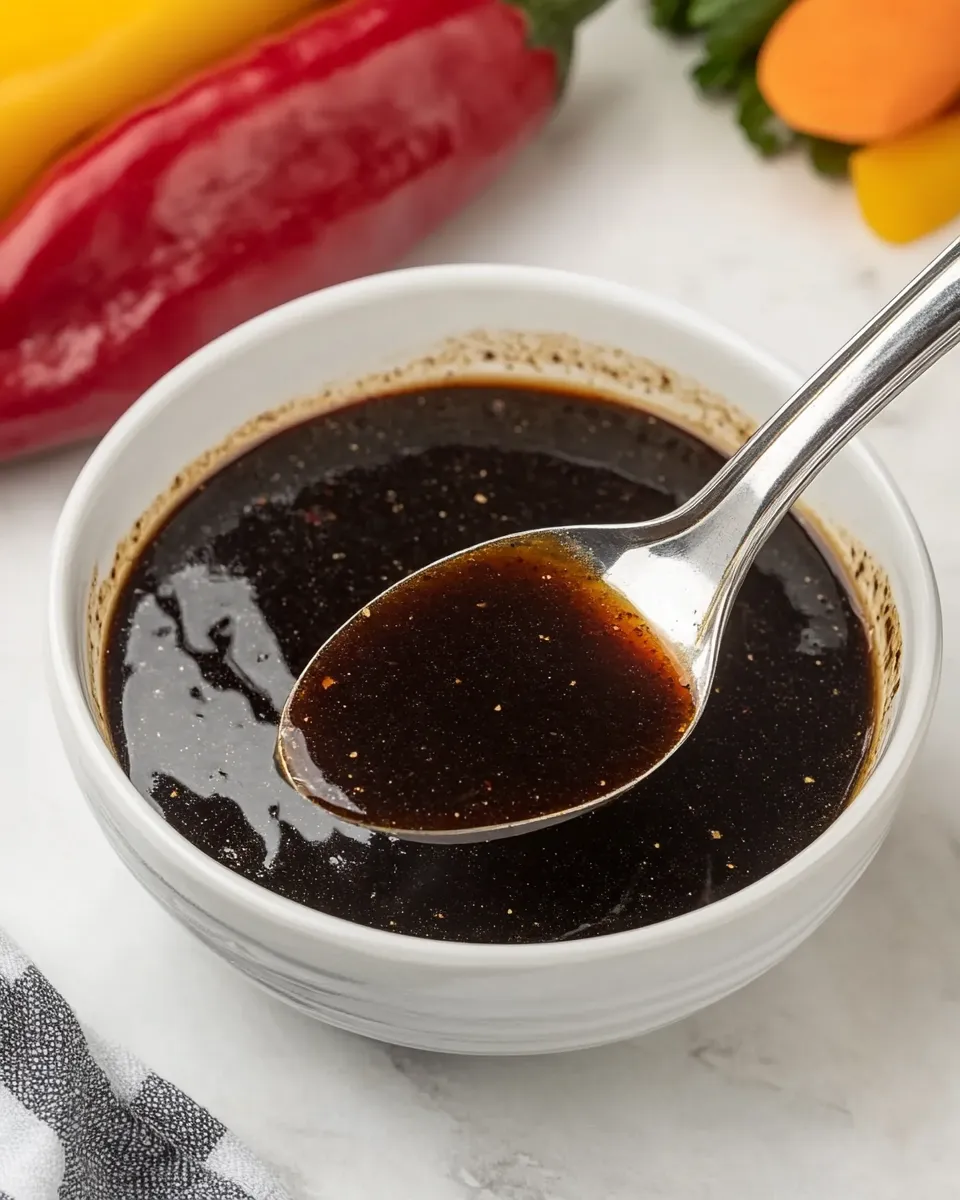
This sauce is one of those tiny kitchen cheats that quietly levels up weeknight dinners. It’s salty, toasty and glossy—exactly the sort of finishing touch that makes simple stir-fries taste restaurant-ready. No measuring fuss, no long simmering, and no list of specialty Asian pantry items required.
I keep a jar of this in the fridge most weeks. It takes under a minute to make, and it holds up well with vegetables, chicken, pork or beef. Because it’s built from just three components, each one needs to be good quality—especially the soy sauce and sesame oil.
Below you’ll find the exact ingredient list and step-by-step method I use every time, plus swaps, troubleshooting and a few practical tips for storing and using the sauce. No fluff—just reliable directions you can use tonight.
Gather These Ingredients
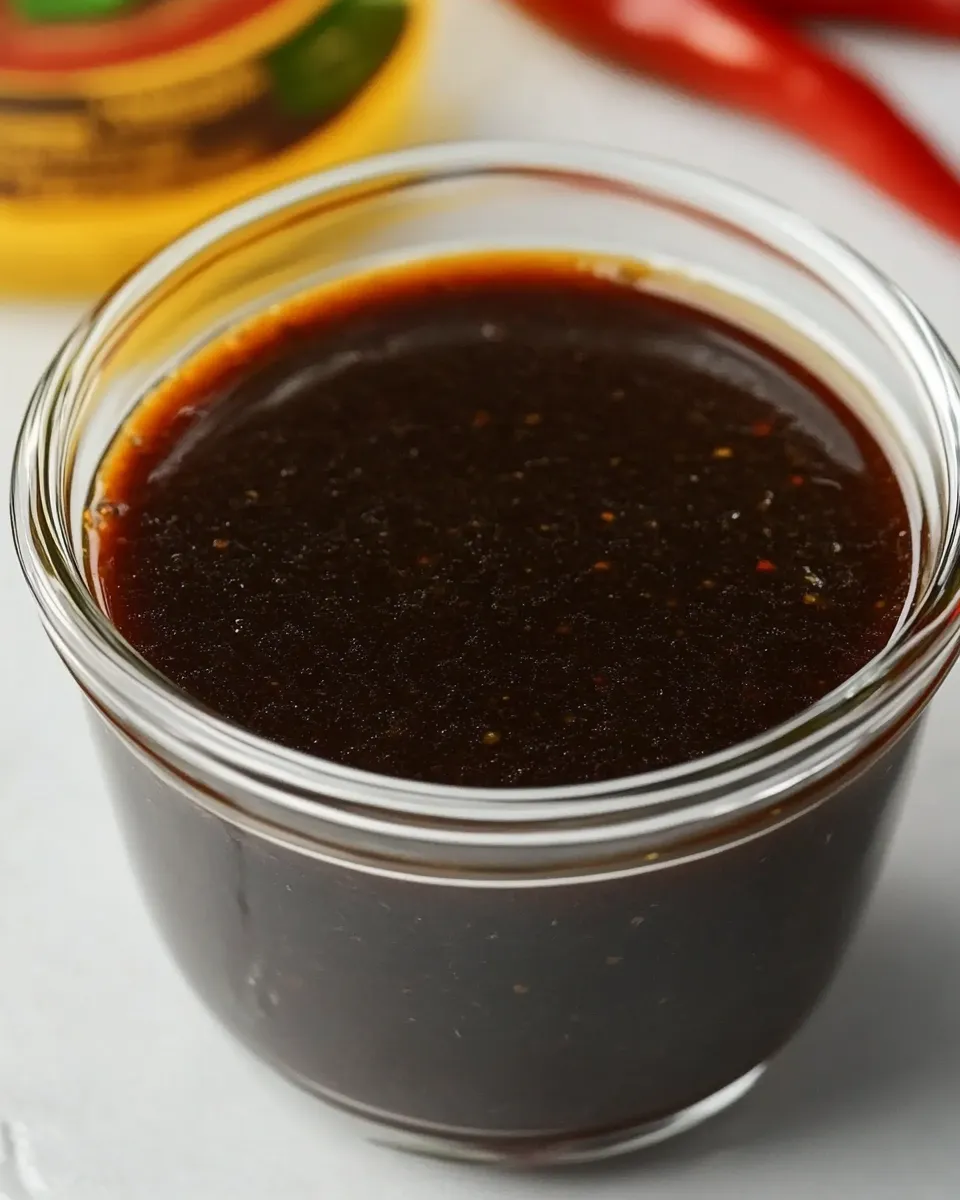
- ½ cup low-sodium soy sauce — the salty, savory foundation; low-sodium keeps the sauce versatile and prevents over-salting your stir-fry.
- 2 teaspoons toasted sesame oil — adds warm, nutty aromatics; a little goes a long way, so stick to the amount for balance.
- 2 teaspoons cornstarch — thickens the sauce and gives that glossy, clingy finish that coats vegetables and proteins evenly.
Cook 3 Ingredient Stir Fry Sauce Like This
- Measure and add ½ cup low-sodium soy sauce, 2 teaspoons toasted sesame oil, and 2 teaspoons cornstarch to a ½‑pint to 1‑pint mason jar with a lid (or to a small bowl if you don’t have a jar).
- If using a jar: secure the lid and shake vigorously until the cornstarch is fully suspended and the sauce looks slightly cloudy. If using a bowl: whisk vigorously until the cornstarch is fully dissolved and the sauce is smooth and slightly cloudy.
- Seal the container and refrigerate until ready to use. Shake or whisk again before using if the cornstarch has settled.
What Sets This Recipe Apart
There’s elegance in simplicity. Many sauces rely on five to ten ingredients, but this version pares everything down to the essentials without sacrificing texture or flavor. The cornstarch does more than thicken: when it’s properly mixed into the cold liquid, it forms a smooth slurry that turns glossy in the hot wok and clings to every piece of food. The toasted sesame oil is a flavor shortcut; just two teaspoons give a distinct toasty note that tricks your palate into thinking the dish has been cooking for ages.
Another important advantage is speed. Because you pre-mix the sauce, you can toss it into a stir-fry at the exact moment you want the vegetables and protein to glaze and finish. No last-minute slurry-making at the stovetop; it’s measured, ready, and consistent.
Finally, the low-sodium soy sauce makes this a more flexible sauce. It keeps the overall salt level under control so you can season the rest of your dish—garlic, ginger, chili, or a squeeze of citrus—without risking an overly salty result.
What to Use Instead
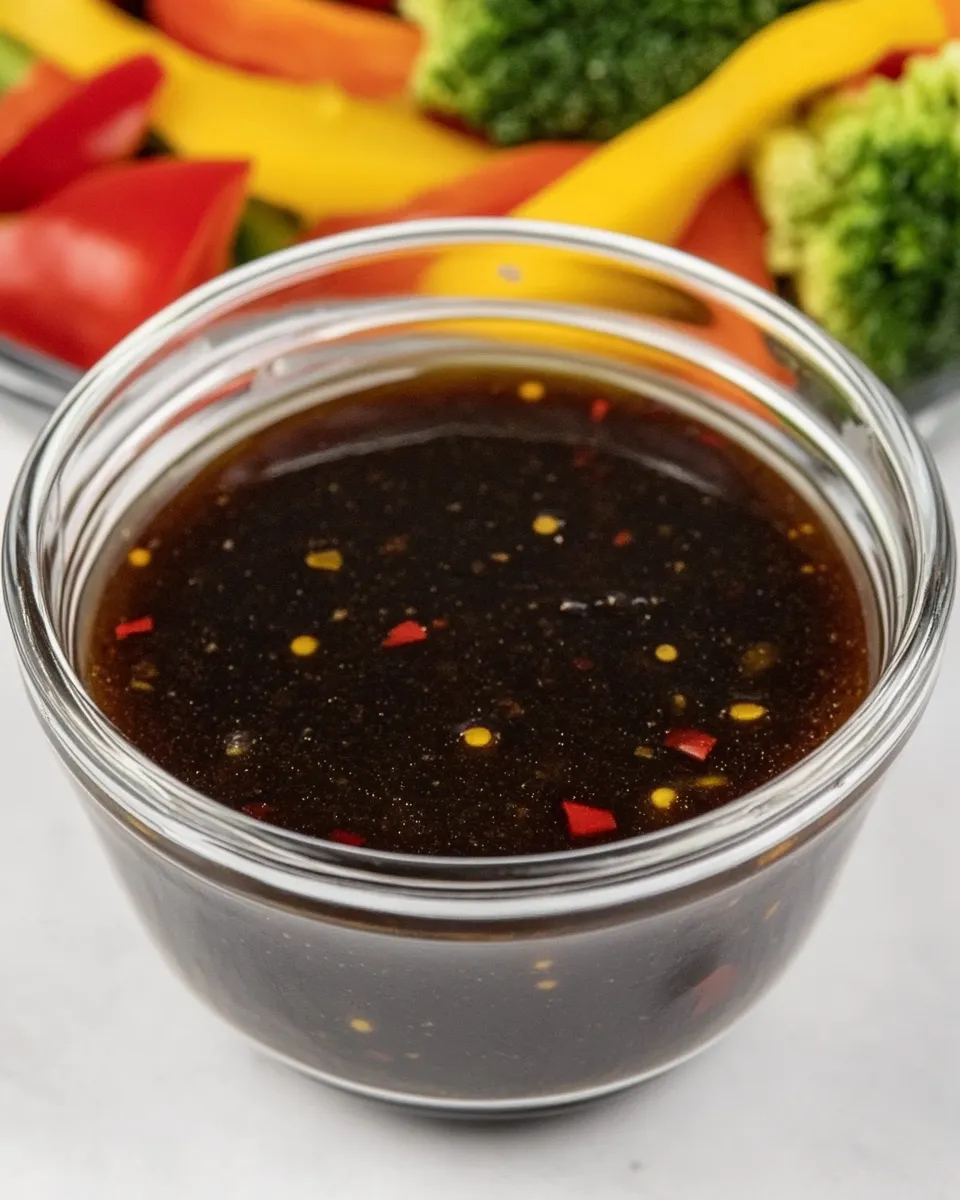
- Soy sauce — if you don’t have low-sodium, use regular soy sauce but reduce the amount in the pan or add more neutral liquid (water or stock) when finishing so the dish isn’t too salty.
- Toasted sesame oil — if you only have untoasted sesame oil, use half the amount and add a tiny drop of toasted sesame oil later if possible; untoasted lacks the nutty aroma and can taste more neutral. If necessary, a neutral oil (canola or vegetable) will work for texture but won’t provide the same flavor lift.
- Cornstarch — arrowroot powder is the closest substitute and gives a similar glossy finish; use in the same amount, whisked into the cold soy and sesame mix. Tapioca starch can also work but may give a slightly chewier sheen when cooled.
Recommended Tools
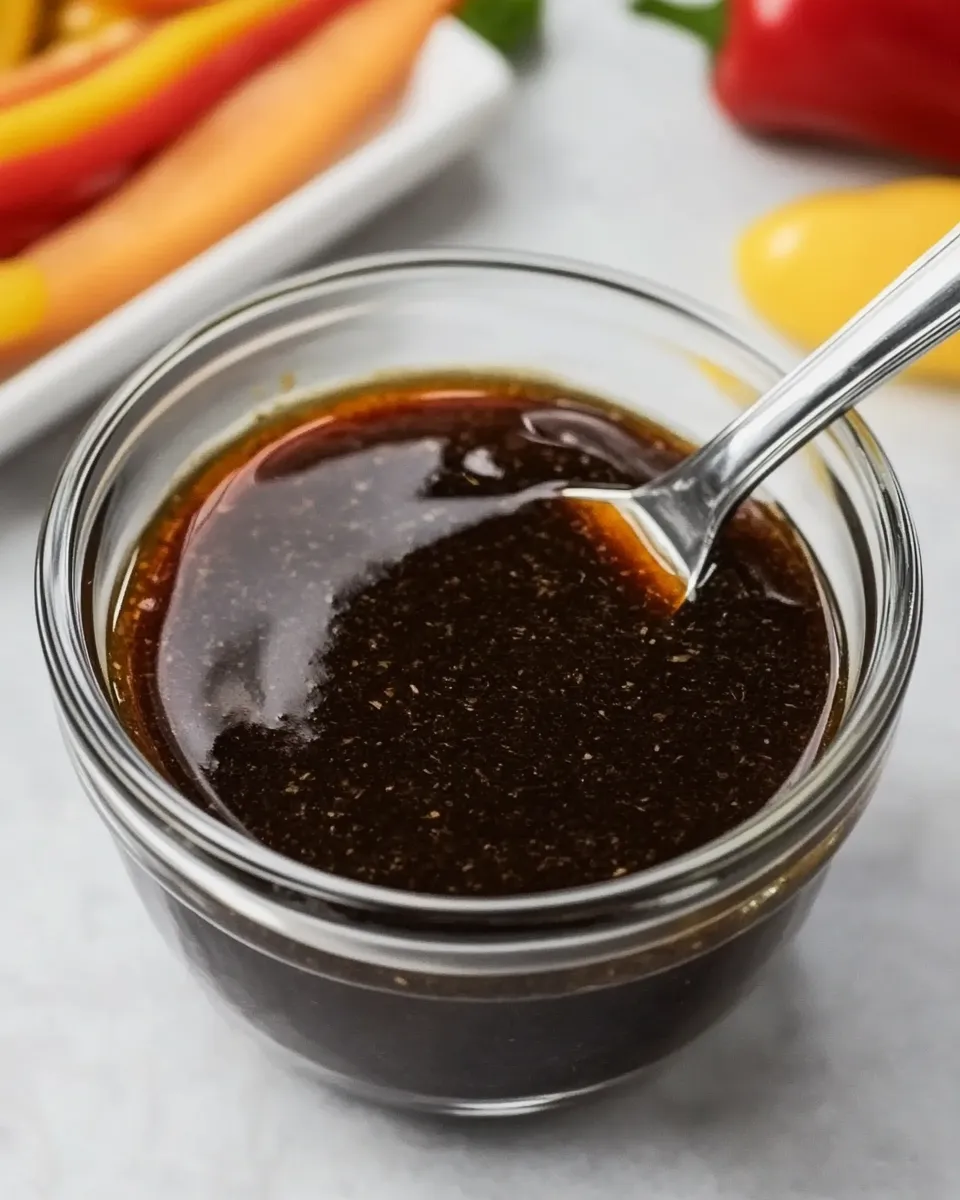
- Mason jar (½‑pint to 1‑pint) with lid — perfect for shaking the sauce directly and storing it safely in the fridge.
- Small whisk or fork — useful if you’re using a bowl instead of a jar; a small whisk dissolves cornstarch quickly.
- Measuring spoons and cup — accurate amounts matter here; cornstarch particularly benefits from precise measurement to avoid a gummy finish.
- Wok or large skillet — while not required to make the sauce, a hot wok gives the best result when finishing a stir-fry so the sauce reduces and clings properly.
Slip-Ups to Skip
There are a few easy mistakes that can ruin texture or flavor:
- Adding cornstarch directly to hot pan — never do this. Cornstarch added to heat will clump. Always suspend cornstarch in cold liquid first.
- Using too much sesame oil — toasted sesame oil is potent. Overdoing it will flatten the dish and make it taste oily. Stick to 2 teaspoons for this quantity of sauce.
- Not shaking or whisking well enough — if the cornstarch isn’t fully suspended the sauce will have lumps or won’t thicken evenly. Shake or whisk until slightly cloudy and smooth.
- Relying solely on this sauce for seasoning — it’s savory and toasty, but you still want aromatics in the stir-fry: garlic, ginger, scallions or a splash of rice wine are all welcome partners.
Variations by Season
Small seasonal tweaks keep this sauce feeling fresh throughout the year:
- Spring — add a splash of rice vinegar or a teaspoon of honey to brighten the sauce for tender spring vegetables like asparagus or peas.
- Summer — finish the stir-fry with a squeeze of lime and thinly sliced fresh chilis for a bright, lively contrast to grilled or charred vegetables.
- Fall — toss in a teaspoon of chile paste (like gochujang or sambal) while whisking for a deeper, warming flavor that pairs well with root vegetables and mushrooms.
- Winter — stir in a teaspoon of toasted sesame seeds or a drop more sesame oil when plating for extra comfort and nuttiness with braised proteins.
If You’re Curious
How does such a short ingredient list produce a complex result? It’s about balance and technique. Soy sauce brings umami and salt; toasted sesame oil brings aroma; cornstarch changes mouthfeel. The cornstarch solution thickens quickly under high heat, dispersing into a silky film that helps flavor molecules adhere to food so every bite tastes concentrated.
Also, because this sauce is low in sugar, it won’t burn quickly in a hot wok; that makes it forgiving when you finish a stir-fry at very high heat. If you like a touch of sweetness, add a tiny bit of brown sugar or honey in the pan rather than to the jar so you can better control caramelization.
Make Ahead Like a Pro
Make the sauce up to a week ahead and keep it refrigerated in a sealed jar. The cornstarch may settle; give the jar a vigorous shake before using. If you plan to store it longer than a week, the cornstarch-upon-freezing can change texture, so I don’t recommend freezing.
When prepping for a busy weeknight, measure and mix the sauce while you chop vegetables and slice protein. It takes a single extra minute but saves several frantic moments at the wok edge.
FAQ
- Q: Can I double or halve the recipe? — Yes. Keep the ratios the same: ½ cup soy sauce to 2 teaspoons sesame oil and 2 teaspoons cornstarch. For half the batch, halve every amount; for a double batch, double them.
- Q: What if the sauce is too thin when I add it to the pan? — Bring the pan back to medium-high and simmer a minute, stirring constantly, until it thickens and becomes glossy. If it still seems thin, mix a very small bit of extra cornstarch with cold water and whisk in gradually.
- Q: What if it becomes lumpy? — Lumps mean the cornstarch wasn’t dissolved properly. Strain the sauce through a fine sieve into a bowl and whisk it back together, or remake quickly with correct suspension in cold liquid.
- Q: Can I use this as a marinade? — It can work as a short marinade for thin cuts or tofu, but remember the cornstarch will create a coating and might slightly change texture if cooked slowly. For long marinades, omit the cornstarch and add it just before cooking.
- Q: Is this gluten-free? — Not as written. Use a gluten-free tamari or gluten-free soy sauce to make it gluten-free.
The Takeaway
This 3 Ingredient Stir Fry Sauce is a small technique with big payoff: pre-mix, refrigerate, shake, and pour into a hot wok at the finish. You’ll get glossy, clingy sauce and a true flavor lift without fuss. Keep the ingredients high quality, don’t skimp on shaking or whisking, and use the sauce as a finishing move rather than the only seasoning. Trust it for weeknight wins—it’s my go-to for making quick dinners feel deliberately good.
3 Ingredient Stir Fry Sauce
Ingredients
Ingredients
- 1/2 cuplow-sodium soy sauce
- 2 teaspoonstoasted sesame oil
- 2 teaspoonscornstarch
Instructions
Instructions
- Measure and add ½ cup low-sodium soy sauce, 2 teaspoons toasted sesame oil, and 2 teaspoons cornstarch to a ½‑pint to 1‑pint mason jar with a lid (or to a small bowl if you don't have a jar).
- If using a jar: secure the lid and shake vigorously until the cornstarch is fully suspended and the sauce looks slightly cloudy. If using a bowl: whisk vigorously until the cornstarch is fully dissolved and the sauce is smooth and slightly cloudy.
- Seal the container and refrigerate until ready to use. Shake or whisk again before using if the cornstarch has settled.
Equipment
- mason jar with lid (1/2-pint to 1-pint) or small bowl
- whisk (if using a bowl)
Notes
If the sauce has been sitting in the fridge, give it a good shake or stir before each use to ensure all the ingredients are well mixed.