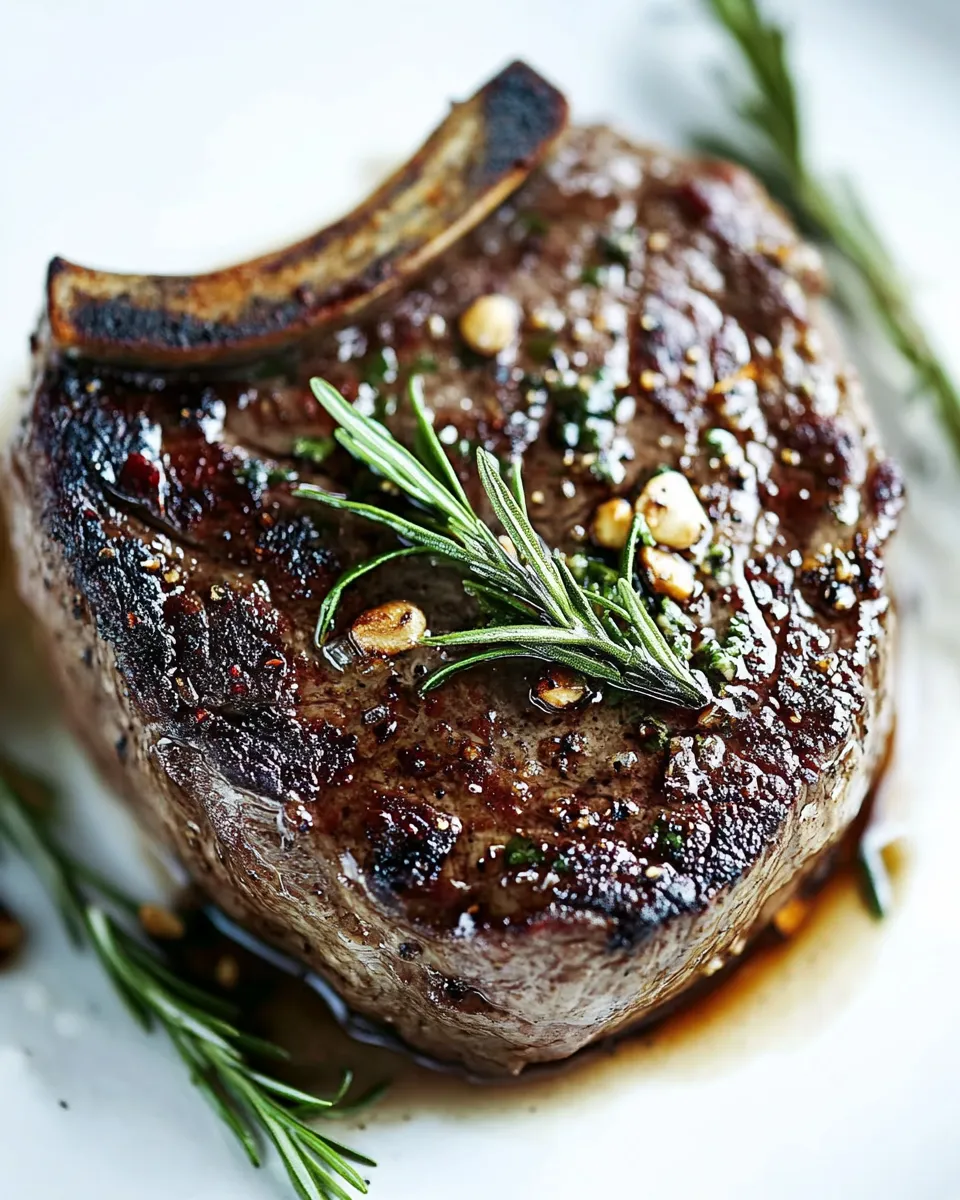
There’s something reliably satisfying about a steak that looks like it belongs in a proper steakhouse — dark, golden crust, a glossy butter finish, and a tender interior. This method is straightforward and built around technique: room temperature steaks, a screaming hot pan, deliberate sears, and generous basting with butter, garlic, and herbs. It’s not fussy, just disciplined.
I cook steaks this way when I want a dependable, restaurant-quality result without overcomplicating the process. The recipe scales easily (it’s written for four steaks, cooked in two batches), and the steps focus on timing and feel rather than gimmicky equipment. You’ll get a rich crust, aromatic pan juices, and a short resting period that lets the meat stay juicy.
Below you’ll find a clear ingredient list, a step-by-step method that follows the exact order and amounts needed, and practical notes for swaps, tools, and troubleshooting. Read the method through once before you start — it helps the whole sequence flow.
Ingredient Checklist
Ingredients
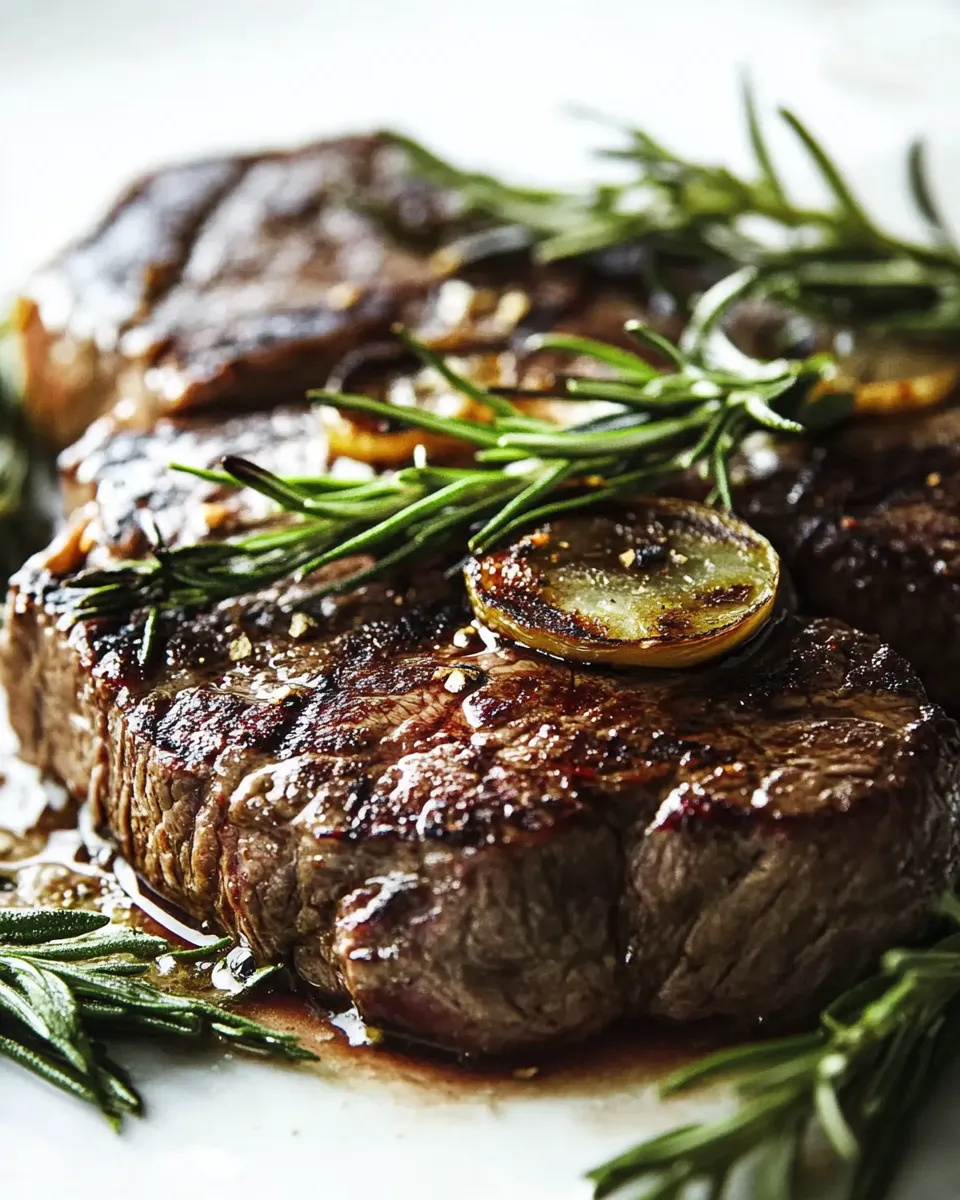
- 4 steaks — 8 ounce steaks, 1 inch thick, rib-eye, scotch fillet, New York strip, porterhouse, sirloin or rump — choose a cut you enjoy and that has some marbling for flavor.
- 1 pinch salt — to season — keep it light at the start and finish to taste.
- 1 pinch pepper — to season — freshly cracked black pepper works best for aroma.
- 2 tablespoons olive oil — divided — used for searing; it tolerates high heat and helps build the initial crust.
- 4 tablespoons butter — divided — for basting; butter adds color, richness, and helps carry garlic and herb flavors.
- 6 cloves garlic — lightly crushed with the back of a knife, divided — aromatics that flavor the butter while basting.
- 6-8 fresh thyme sprigs — or rosemary sprigs, divided — herbs for aroma; add to the butter while basting to infuse the steaks.
Stepwise Method: Steakhouse Steak
- Remove the 4 steaks from the refrigerator and let them sit at room temperature for at least 20 minutes.
- Divide the steaks into two batches of 2 steaks each.
- Season all 4 steaks with the 1 pinch salt and 1 pinch pepper just before cooking.
- Heat a large cast-iron skillet or heavy-duty pan over medium-high heat until it is very hot and just beginning to smoke.
- For the first batch, add 1 tablespoon of the olive oil to the pan and swirl to coat.
- Carefully place the first 2 steaks in the pan, laying them away from you. Sear undisturbed for 1–2 minutes, then flip and sear the other side for 1–2 minutes to develop a golden-brown crust.
- Sear the exposed edges (fat rim) of the steaks for about 30–60 seconds to render fat.
- Reduce the heat to medium-low. Add 2 tablespoons of the butter, 3 of the crushed garlic cloves, and 3–4 thyme (or rosemary) sprigs to the pan. Let the butter melt and foam for about 30 seconds to 1 minute so the garlic and herbs release their aroma.
- Holding the pan handle with an oven mitt, tilt the pan slightly toward you so the butter pools. Use a large spoon to baste the steaks continuously with the melted butter, garlic, and herbs for about 1–2 minutes, or until the steaks reach your desired doneness. (For well done, flip the steaks once or twice more and continue basting until done to your preference.)
- Remove and discard the garlic and herb sprigs from the pan. Transfer the two steaks to a plate, pour the pan juices over them, and let them rest for 5 minutes.
- Wipe the pan if needed, then repeat steps 5–10 with the remaining 1 tablespoon olive oil, 2 tablespoons butter, 3 garlic cloves, and 3–4 herb sprigs for the second batch of steaks.
Why This Recipe Belongs in Your Rotation
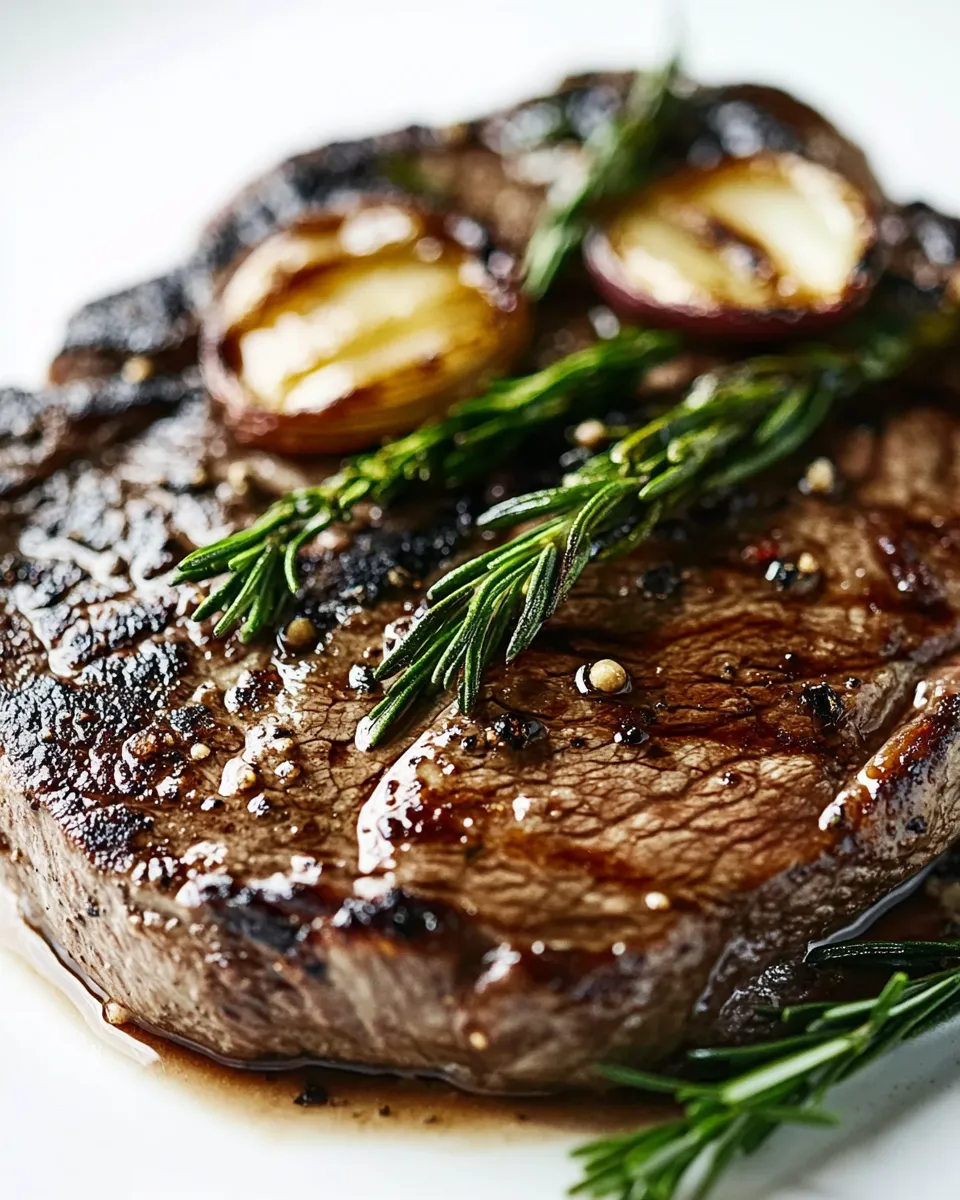
This technique delivers consistent results using common kitchen tools. Searing at very high heat creates a proper crust without overcooking the center. Dividing the steaks into two batches protects your sear (crowding the pan releases steam and prevents browning). The butter-basting step layers flavor and keeps the exterior glossy and richly seasoned.
It’s efficient for weeknights and special occasions alike. Times are short but deliberate: quick sears, a focused basting window, and a brief rest. Once you get the timing down for your preferred doneness, you can reliably produce steakhouse-quality meat at home.
Budget & Availability Swaps
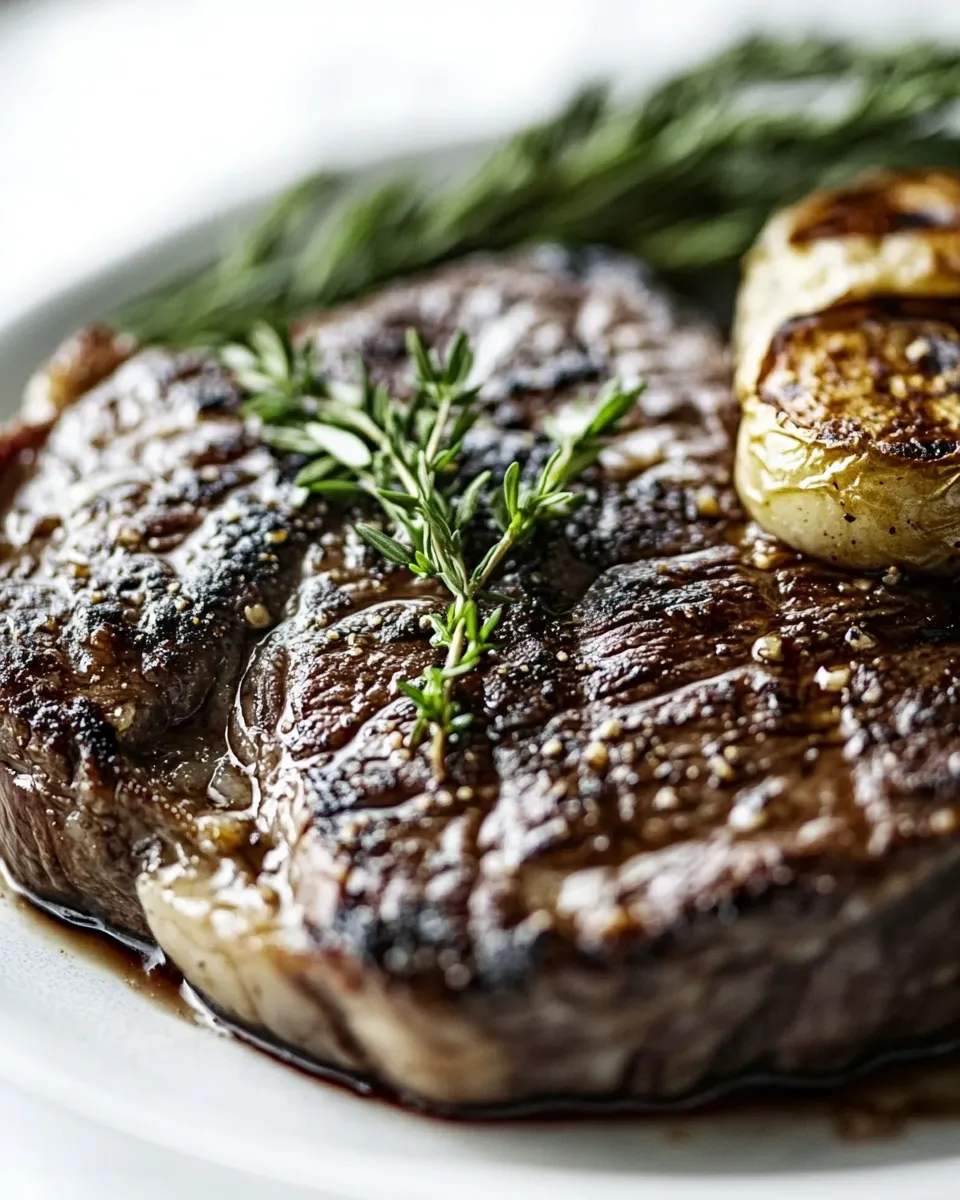
- If premium cuts aren’t available, go with sirloin or rump from the list — they’re in the ingredient options and give good flavor for less cost.
- When fresh herbs are scarce, use the herb listed (thyme or rosemary) — both are acceptable and interchangeable in the recipe’s proportions.
- If you need to stretch servings, serve smaller portions and bulk the plate with sides like roasted vegetables or a grain salad rather than cutting down the steak quality.
Prep & Cook Tools
- Heavy-duty skillet or cast-iron pan — holds heat and produces a better crust than thin pans.
- Tongs — for confident flipping and edge-searing without piercing the meat.
- Large spoon — for continuous basting with butter and pan juices.
- Oven mitt — to safely tilt the hot pan while basting.
- Meat thermometer (optional) — useful if you want precise doneness: 120–125°F for rare, 130–135°F for medium-rare, 140–145°F for medium.
Missteps & Fixes
- Problem: No good sear or pale crust. Fix: The pan wasn’t hot enough. Heat the pan until it’s very hot and just beginning to smoke before adding oil and steaks. Pat steaks dry before seasoning.
- Problem: Steaks crowding the pan and steaming. Fix: Cook in two batches exactly as written. Crowding lowers the temperature and prevents browning.
- Problem: Butter burns during searing. Fix: Add butter after initial sear and lower heat to medium-low before basting, as instructed.
- Problem: Overly tough steak. Fix: Avoid overcooking. Rely on the short sear times and check doneness during the basting window. Rest steaks for 5 minutes before cutting.
- Problem: Greasy finished plate. Fix: Let a few seconds pass after basting before removing the steaks to allow excess oil to settle; pour pan juices, not excess fat, over the steaks when resting.
Smart Substitutions
- Olive oil: If you prefer a neutral oil with a slightly higher smoke point, use an oil labeled for high-heat cooking — keep the same amount (1 tablespoon per batch).
- Butter: Unsalted or salted butter both work; if using salted butter, taste the finished steak before adding any extra salt.
- Herbs: The recipe lists thyme or rosemary — either is fine. Use the same number of sprigs (3–4 per batch) to keep the aromatic balance.
- Garlic: The recipe calls for lightly crushed cloves. If you’re short on fresh garlic, a small pinch of high-quality garlic powder can add that savory note, but fresh is preferred for the butter-basting aroma.
Chef’s Notes
Timing matters more than exact seconds because stove power and pan mass vary. The 1–2 minute sears are a guideline; focus on visual cues: look for a deep golden-brown crust before flipping. When you begin basting, the butter should foam gently — that’s the sweet spot where it’s hot enough to flavor but not burnt.
Don’t skip the rest. Letting the steak rest for 5 minutes allows juices to redistribute and prevents a dry plate. Pouring the pan juices over the meat at rest brings the final flavor and sheen that make the dish feel special.
Save for Later: Storage Tips
- Refrigerate: Cool cooked steaks to room temperature (no longer than two hours), then wrap tightly and refrigerate up to 3–4 days.
- Freeze: For longer storage, wrap individually in plastic and then foil, and freeze up to 2–3 months. Thaw in the refrigerator before reheating.
- Reheating: Reheat gently in a moderate oven (about 275–300°F) until warmed through, or finish in a skillet with a small knob of butter to refresh the crust. Avoid high heat that will overcook the interior.
Ask & Learn
If you have questions about doneness, pan choice, or timing for thicker or thinner steaks, ask. Tell me what cut you’re working with and how you like your steak, and I’ll suggest timing adjustments. If you’re working with a different stove type (gas vs. electric), mention that so I can give more tailored tips.
Next Steps
Serve these steaks with a simple green salad, roasted potatoes, or a herby chimichurri for contrast. If you want to elevate the meal, spoon any remaining pan juices over mashed potatoes or grilled vegetables. Save this method — it’s the reliable backbone for seasoning and finishing steaks whether you’re cooking for two or a crowd.
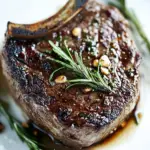
Steakhouse Steak
Ingredients
Ingredients
- 4 steaks8 ounce steaks 1 inch thick, rib-eye, scotch fillet, New York strip, porterhouse, sirloin or rump
- 1 pinchsaltto season
- 1 pinchpepperto season
- 2 tablespoonsolive oildivided
- 4 tablespoonsbutterdivided
- 6 clovesgarliclightly crushed with the back of a knife divided
- 6-8 fresh thyme sprigsor rosemary sprigs divided
Instructions
Instructions
- Remove the 4 steaks from the refrigerator and let them sit at room temperature for at least 20 minutes.
- Divide the steaks into two batches of 2 steaks each.
- Season all 4 steaks with the 1 pinch salt and 1 pinch pepper just before cooking.
- Heat a large cast-iron skillet or heavy-duty pan over medium-high heat until it is very hot and just beginning to smoke.
- For the first batch, add 1 tablespoon of the olive oil to the pan and swirl to coat.
- Carefully place the first 2 steaks in the pan, laying them away from you. Sear undisturbed for 1–2 minutes, then flip and sear the other side for 1–2 minutes to develop a golden-brown crust.
- Sear the exposed edges (fat rim) of the steaks for about 30–60 seconds to render fat.
- Reduce the heat to medium-low. Add 2 tablespoons of the butter, 3 of the crushed garlic cloves, and 3–4 thyme (or rosemary) sprigs to the pan. Let the butter melt and foam for about 30 seconds to 1 minute so the garlic and herbs release their aroma.
- Holding the pan handle with an oven mitt, tilt the pan slightly toward you so the butter pools. Use a large spoon to baste the steaks continuously with the melted butter, garlic, and herbs for about 1–2 minutes, or until the steaks reach your desired doneness. (For well done, flip the steaks once or twice more and continue basting until done to your preference.)
- Remove and discard the garlic and herb sprigs from the pan. Transfer the two steaks to a plate, pour the pan juices over them, and let them rest for 5 minutes.
- Wipe the pan if needed, then repeat steps 5–10 with the remaining 1 tablespoon olive oil, 2 tablespoons butter, 3 garlic cloves, and 3–4 herb sprigs for the second batch of steaks.
Equipment
- large cast-iron skillet or heavy-duty pan
- oven mitt
- large spoon
Notes
Tip:
Leave your steak to rest for five minutes after cooking for the best results. This allows the juices to be reabsorbed back into the meat.