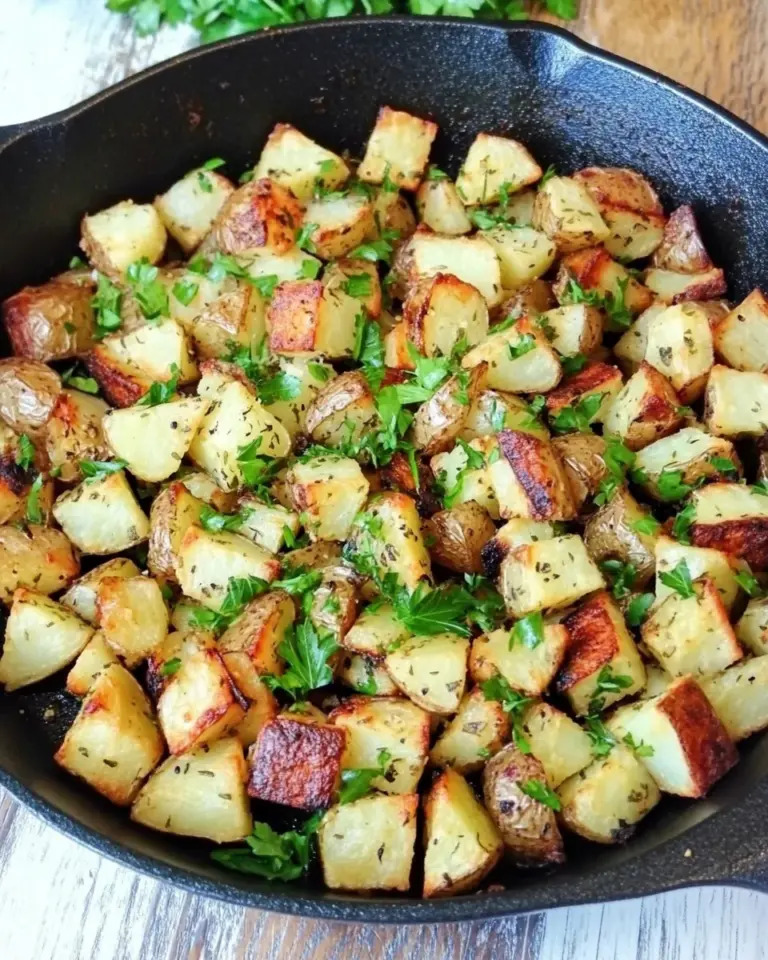
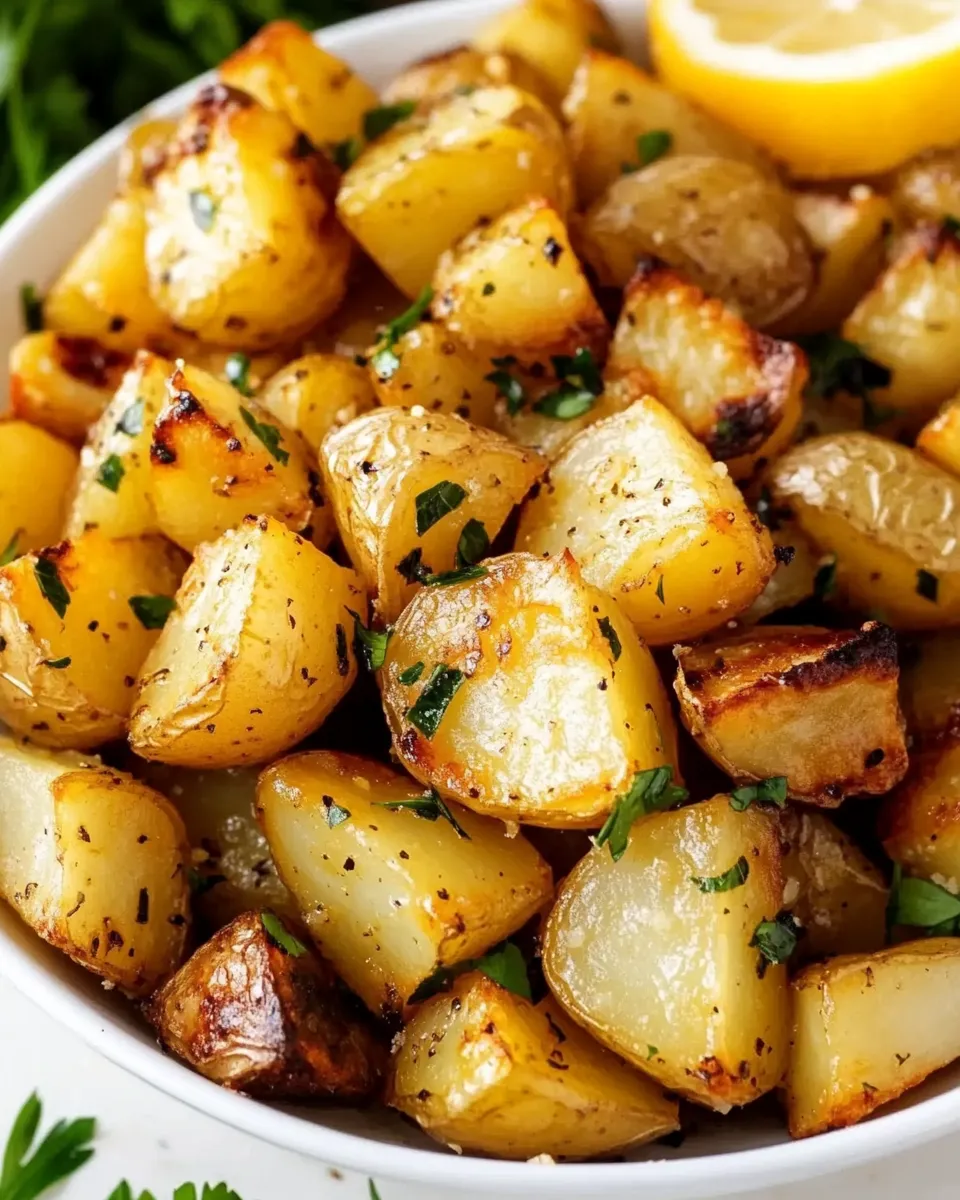
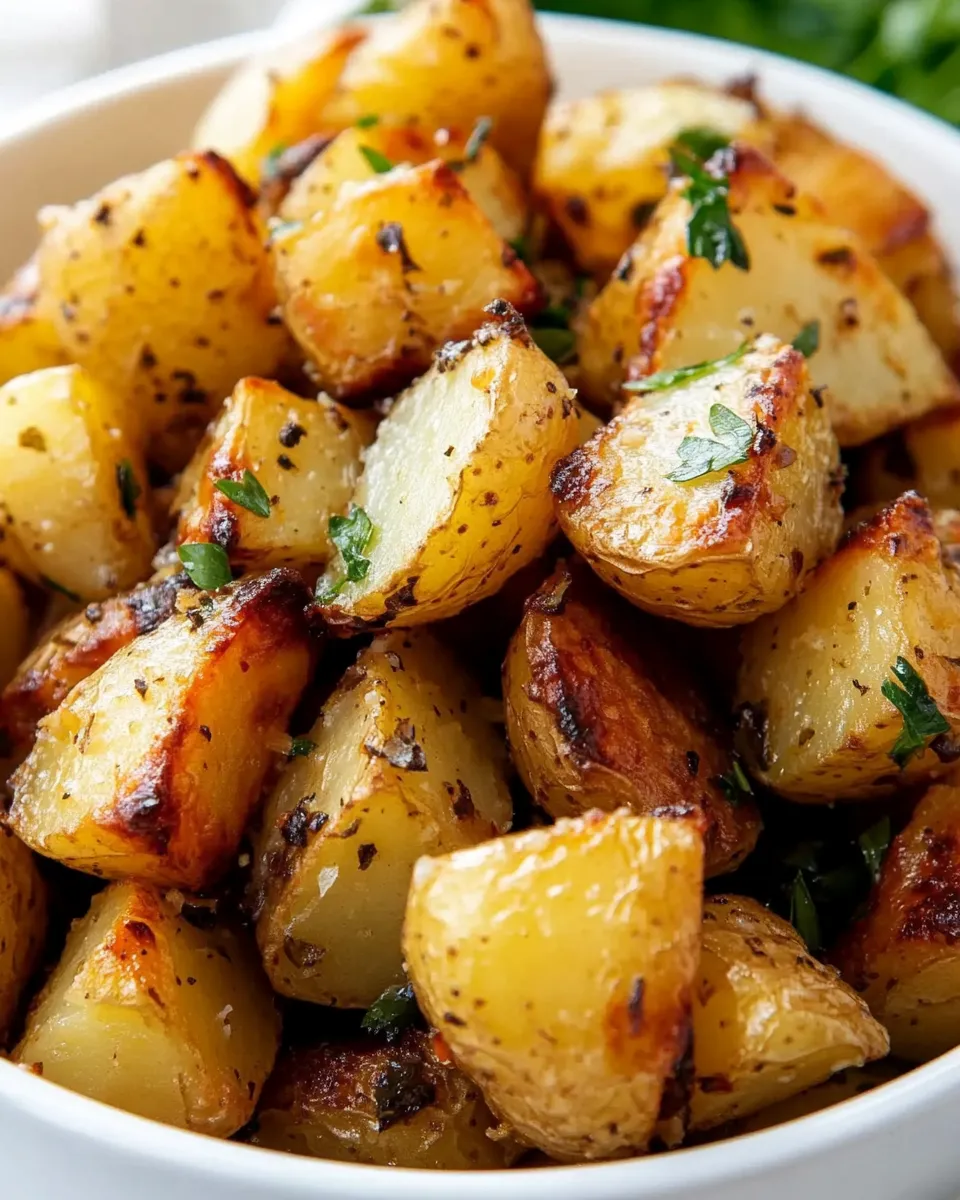
I make these slow roasted Greek lemon potatoes on repeat through spring and summer, and I never get tired of how forgiving and flavorful they are. They take a little time in the oven, but almost all of that is hands-off. The result is tender, lemony potatoes with a thin, crisp edge and bright garlic-and-oregano notes that look and taste like they took more effort than they did.
This recipe is practical: simple ingredients, easy steps, predictable results. If you want a side that pairs with grilled fish, roast chicken, or a simple Greek salad, these potatoes fit in without fuss. I’ll walk you through the ingredients and the exact method so you can recreate the same texture and flavor every time.
I’ll also share common mistakes I see at home, a few swaps that keep the spirit of the dish, equipment to use, and tips for storing and reheating so you don’t lose that crisp-tender magic. Read through before you start and you’ll save time and get better results.
What Goes Into Slow Roasted Greek Lemon Potatoes
Ingredients
- 2.6 lb potatoes — choose waxy or all-purpose potatoes; keeping the skins adds texture and saves prep time.
- ¼ cup olive oil — coats the potatoes and promotes browning; extra-virgin works fine.
- ½ cup lemon juice — provides the bright, tangy backbone; fresh juice is best.
- 1 cup broth – vegetable/chicken — adds savory depth and creates steam for even roasting.
- 1 tablespoon lemon zest — concentrated lemon flavor; adds aromatic lift once roasted.
- 8 garlic cloves – peeled and thickly sliced — slices roast alongside the potatoes, mellowing and sweetening.
- ½ tablespoon dried oregano — classic Greek herb; if you have fresh oregano, you can add a small handful at the end.
- 1 teaspoon salt — seasons the whole pan; adjust to taste but don’t skip it.
The Method for Slow Roasted Greek Lemon Potatoes
- Preheat the oven to 340°F (170°C).
- Wash the potatoes and cut them into evenly sized chunks (about 1–1.5 inches); leave the skins on.
- In a large rimmed baking sheet or in a mixing bowl, combine the olive oil, lemon juice, broth (vegetable or chicken), lemon zest, sliced garlic cloves, dried oregano, and salt. Stir or whisk until the ingredients are evenly mixed.
- Add the potato chunks to the baking sheet or bowl and toss gently so all pieces are evenly coated with the lemon–oil mixture. If you mixed in a bowl, transfer the coated potatoes to a single layer in a rimmed baking sheet.
- Cover the baking sheet tightly with aluminum foil, sealing the edges to trap steam.
- Roast in the preheated oven, covered, for 70 minutes.
- Remove the baking sheet from the oven and carefully lift off the foil (watch for steam). Gently turn the potatoes with a spatula or tongs so they brown evenly.
- Return the pan to the oven uncovered and roast for an additional 10 minutes.
- The potatoes are done when they are tender when pierced with a fork, lightly golden, and most of the liquid has reduced. Remove from the oven and serve.
Why This Slow Roasted Greek Lemon Potatoes Stands Out
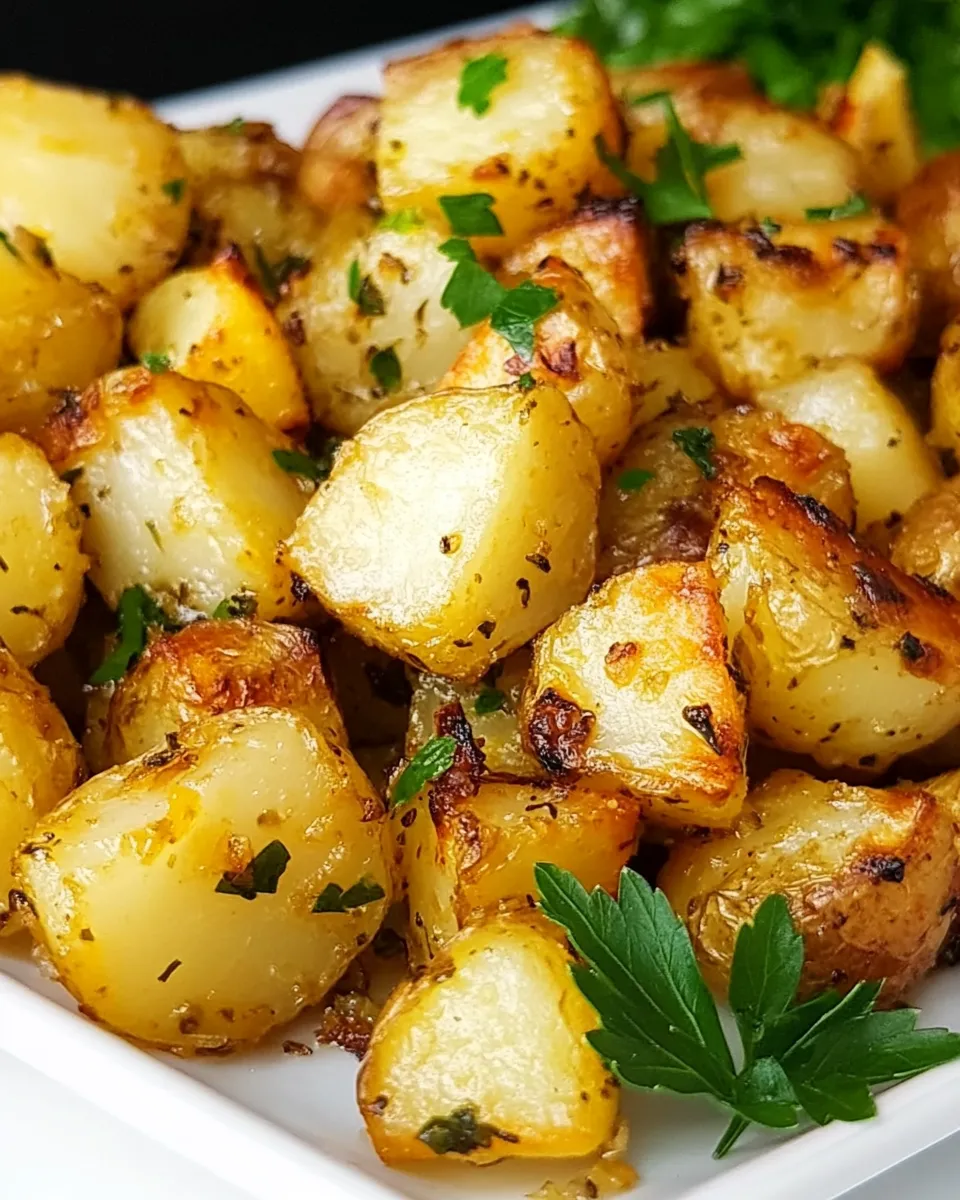
These potatoes stand out because the technique produces a contrast of textures and layered flavors without complicated steps. The low, slow roast under foil steams the potatoes gently so they become uniformly tender inside. Lifting the foil and finishing uncovered concentrates the lemon-broth glaze and gives you those light golden edges.
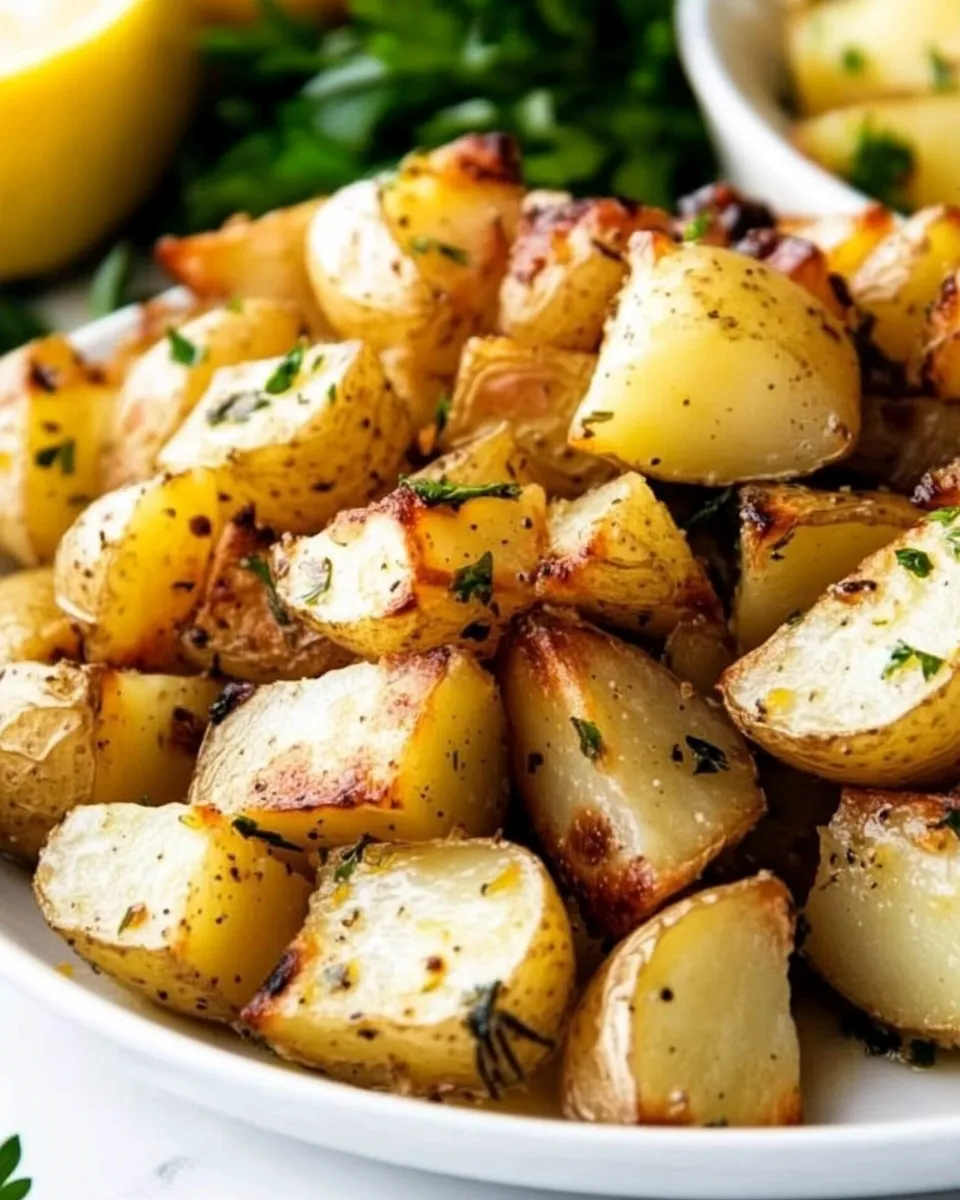
Flavor-wise, lemon + garlic + oregano is a classic Greek profile that’s bright and savory. The lemon juice infuses the potatoes during the covered roast, while the lemon zest adds an aromatic punch that surfaces when the pan finishes uncovered. The olive oil helps with mouthfeel and browning; the broth keeps things savory so the lemon never feels one-dimensional.
It’s also forgiving. Even if your chunks vary a bit in size, the long covered roast evens out doneness. For weeknight dinners or when you need a side to feed a crowd, this method reliably delivers excellent results with a minimal active-cooking window.
Easy Ingredient Swaps
– Broth: The recipe allows vegetable or chicken broth. If you have neither, a light chicken stock or even water with a small knob of butter will work in a pinch, though the savory depth will be slightly reduced.
– Potatoes: You can use Yukon Gold, red potatoes, or new potatoes. Avoid very starchy varieties like russets if you want the pieces to hold their shape; russets will fall apart more easily.
– Oil: If you prefer a neutral oil for a subtler olive flavor, light olive oil or another neutral oil can substitute, but olive oil is traditional and adds aroma.
– Herbs: Dried oregano is in the recipe; if you have fresh oregano, add most at the end of roasting to preserve brightness. You can add a small pinch of dried thyme or rosemary for a different aromatic profile, but don’t overpower the lemon-oregano base.
– Garlic: If you’re short on fresh garlic, a generous teaspoon of garlic paste or roasted garlic puree can be used, but fresh sliced garlic gives the best texture and roasted sweetness.
(hint: the recipe permits vegetable or chicken broth—no need to swap unless you want a specific flavor change.)
Before You Start: Equipment
– Rimmed baking sheet or shallow roasting pan: A rimmed sheet keeps the liquid contained and allows even roasting. Avoid glass casserole dishes here; metal conducts heat more evenly for browning.
– Aluminum foil: For sealing the pan tightly during the long covered roast—this traps steam so the potatoes cook all the way through before finishing.
– Mixing bowl or large measuring cup: Useful if you prefer to mix the lemon-oil-broth mixture before tossing the potatoes. Mixing first ensures even distribution.
– Tongs or a wide spatula: For gently turning the potatoes after the covered roast without breaking them.
– Microplane or fine grater: For zesting the lemon; zest matters here because it concentrates bright citrus oil that a squeeze of juice alone won’t replicate.
– Instant-read thermometer (optional): Not necessary, but if you like precision, the potatoes are done when tender—around 205°F internally for a large chunk—though a fork test is sufficient.
Frequent Missteps to Avoid
– Cutting uneven pieces: If pieces are wildly different sizes you’ll have a mix of overcooked and undercooked potatoes. Aim for roughly 1–1.5-inch chunks.
– Skipping the foil: The covered roasting stage steams the potatoes gently. If you skip it you’ll get drier, less tender centers and uneven cooking.
– Using too hot an oven: This recipe calls for 340°F (170°C). Higher temperatures will brown and possibly burn the outside before the inside is tender.
– Not sealing the foil: If steam escapes, the potatoes won’t cook evenly and the total time will increase. Crimp the foil so it seals well.
– Turning too roughly: Potatoes can break apart if you use a fork or press down while turning. Use tongs or a wide spatula and lift gently.
– Over-salting after reduction: The remaining liquid concentrates flavor; taste before adding any extra salt at the end.
Nutrition-Minded Tweaks
If you’re watching fat or sodium, there are a few simple adjustments that keep flavor while trimming calories or salt. Use a teaspoon or two less olive oil and add a tablespoon of broth or water to maintain moisture; the final texture will be slightly less glossy but still tasty. Swap low-sodium broth for the regular broth listed to cut sodium without changing method. If you want to boost fiber and nutrients, leave the skins on (already called for) and pair the potatoes with a leafy green to balance the plate.
For a lighter finish, after roasting, toss with a handful of chopped parsley and a light drizzle of extra lemon juice rather than extra oil. That brightens the dish and adds vitamins without many calories. If you’re aiming for a Mediterranean-style plate with less refined carbs, serve smaller portions alongside a generous salad or steamed vegetables.
What Could Go Wrong
– Soggy edges: If the pan is overcrowded or the liquid doesn’t reduce, the potatoes can stay soggy. Arrange in a single layer and ensure you lift the foil to let excess liquid evaporate during the final 10 minutes.
– Burnt garlic: If garlic slices are too thin or if you finish at too high a temperature, garlic can burn and turn bitter. Thick slices (as the recipe specifies) roast more gently and sweeten.
– Underseasoned interior: Salt penetrates more slowly into whole potatoes; uniform chunks and tossing them well in the seasoned liquid ensures even seasoning. Taste one potato after finishing and adjust for salt if needed.
– Overcrisping: Leaving them in the uncovered finish for longer than 10 minutes at the specified temperature can over-brown and dry the pieces. Keep an eye on color and fork-tenderness rather than time alone.
Refrigerate, Freeze, Reheat
– Refrigerate: Store cooled potatoes in an airtight container for up to 4 days. The lemon flavor holds up well, though texture softens over time.
– Freeze: You can freeze roasted potatoes, but texture changes are noticeable after thawing; freeze only if necessary. Flash-freeze on a tray then transfer to a freezer bag for up to 2 months. Reheating from frozen works best in the oven to regain some crispness.
– Reheat: For the best texture, reheat in a 400°F (200°C) oven for 10–12 minutes on a rimmed baking sheet, turning once, until warmed through and edges crisp. Avoid microwaving if you want to preserve texture; if you must microwave, use short bursts and finish in a hot skillet or under the broiler for a minute to revive edges.
Quick Questions
Q: Can I cut the roast time?
A: The long covered roast is the point of the method; shortening it will likely leave firm centers. If you’re pressed for time, cut the potato pieces smaller (about ¾ inch) but watch for overcooking on the outside.
Q: Can I double the recipe in one pan?
A: Doubling in a single pan risks overcrowding. Use two pans or roast in batches so pieces remain in a single layer for even cooking.
Q: Can I use fresh herbs?
A: Yes. Add most of the fresh herbs at the end of roasting to preserve their brightness; dried oregano during the roast gives deeper, blended flavor.
Q: Do I need to peel the potatoes?
A: No—leave the skins on for texture, flavor, and less prep.
Hungry for More?
If you enjoyed these potatoes, pair them with pan-seared fish, roasted chicken, or a simple Greek salad for a quick Mediterranean meal. Try adding a handful of pitted Kalamata olives or a sprinkle of crumbled feta right before serving if you want a salty, tangy finish—just add them after the final roast so they don’t melt away.
I test this recipe for dependable results: modest prep, predictable flavor, and very little active time. Give it a go this week, and you’ll have a side that’s easy to scale, crowd-pleasing, and reliably comforting.
Slow Roasted Greek Lemon Potatoes
Ingredients
Ingredients
- 2.6 lbpotatoes
- 1/4 cupolive oil
- 1/2 cuplemon juice
- 1 cupbroth- vegetable/chicken
- 1 tablespoonlemon zest
- 8 garlic cloves - peeled and thickly sliced
- 1/2 tablespoondried oregano
- 1 teaspoonsalt
Instructions
Instructions
- Preheat the oven to 340°F (170°C).
- Wash the potatoes and cut them into evenly sized chunks (about 1–1.5 inches); leave the skins on.
- In a large rimmed baking sheet or in a mixing bowl, combine the olive oil, lemon juice, broth (vegetable or chicken), lemon zest, sliced garlic cloves, dried oregano, and salt. Stir or whisk until the ingredients are evenly mixed.
- Add the potato chunks to the baking sheet or bowl and toss gently so all pieces are evenly coated with the lemon–oil mixture. If you mixed in a bowl, transfer the coated potatoes to a single layer in a rimmed baking sheet.
- Cover the baking sheet tightly with aluminum foil, sealing the edges to trap steam.
- Roast in the preheated oven, covered, for 70 minutes.
- Remove the baking sheet from the oven and carefully lift off the foil (watch for steam). Gently turn the potatoes with a spatula or tongs so they brown evenly.
- Return the pan to the oven uncovered and roast for an additional 10 minutes.
- The potatoes are done when they are tender when pierced with a fork, lightly golden, and most of the liquid has reduced. Remove from the oven and serve.
Equipment
- Oven
- rimmed baking sheet
- Mixing Bowl
- Whisk or spoon
- Aluminum Foil
- Spatula
- Tongs