I love a simple glaze. It’s the last touch that turns a good cake into something that looks like you meant to bake it all along. This Cake Glaze is bright, glossy, and forgiving — and it’s one of those mixes I keep ready for unexpected tea guests or when a loaf needs a little polish.
There’s no fuss here: a few pantry staples, a little citrus, and a whisk. The glaze sets quickly on cooled baked goods, giving a thin, crackly finish that still melts on the tongue. It’s light enough for pound cake, bold enough for citrus loaf, and delicate with vanilla cakes.
I’ll walk you through what you need, the exact steps (follow them in order), and practical tips I use to make the glaze smooth every time. If you’ve never poured glaze before, you’ll gain confidence fast. If you already glaze, I’ll offer variation ideas and storage guidance so you can use this as a workhorse recipe.
What You’ll Need

- 2 Cups Confectioners Sugar — Provides sweetness and the structure that gives glaze its body; sift if clumpy for a smoother finish.
- ¼ Cup Lemon Juice — The main liquid and acid; brightens flavor and thins the sugar to a pourable glaze.
- 2 Tbs butter melted — Adds shine and a subtle richness; melt and cool slightly before adding so it doesn’t cook the sugar.
- 1 Zest of Lemon — Intense citrus aroma; adds fresh flavor and flecks of brightness.
- ½ Zest of Lime — A touch of tart, slightly floral lift; complements lemon without overpowering.
- 1 teaspoon vanilla extract — Rounds the citrus and adds warmth; vanilla makes the glaze more cake-friendly.
- ½ teaspoon almond extract — A small kiss of almond flavor that deepens the profile; use exactly as listed for balance.
- 1 pinch salt — Balances sweetness and enhances other flavors; don’t skip it even though it’s tiny.
Cake Glaze Cooking Guide
- Measure 2 Cups Confectioners Sugar into a large Pyrex liquid measuring cup or other bowl.
- Melt the 2 Tbs butter (microwave or stovetop) and let it cool slightly while you proceed.
- Add ¼ Cup Lemon Juice to the sugar a little at a time, whisking or stirring with a fork after each addition until mostly smooth.
- Stir in the melted butter, the zest of one lemon, the zest of half a lime, 1 teaspoon vanilla extract, ½ teaspoon almond extract, and 1 pinch salt. Whisk vigorously until the glaze is completely smooth and glossy with no lumps.
- Check consistency: if the glaze is too thick, whisk in a small additional amount of lemon juice a little at a time until it reaches the desired pourable consistency; if too thin, whisk in a small amount of confectioners sugar until it thickens.
- Use the glaze immediately—pour or spoon over cooled cake or pastries and allow to set.
Why It Deserves a Spot
This glaze is a tiny recipe with a big impact. It adds shine, a bright burst of citrus, and a thin shell that both looks professional and gives a pleasant textural contrast to tender crumb. It’s quick to mix, forgiving of minor measurement differences, and versatile across many cakes and pastries.
Compared to buttercreams or fondants, this glaze is low-effort and low-calorie, but it doesn’t skimp on flavor. The combination of lemon, lime, vanilla, and almond extracts gives complexity without needing many ingredients. Keep it in your repertoire and you’ll reach for it for loaf cakes, bundts, cookies, even simple scones.
Healthier Substitutions
Because this glaze is mostly confectioners sugar, “healthier” substitutions change the character. If you want to lighten it a touch:
- Swap part of the confectioners sugar with an equal weight of powdered erythritol designed for baking — it will reduce calories but can alter texture and sweetness level. Add liquids slowly to achieve the same gloss.
- Reduce the amount used on the cake by pouring a thinner layer; it reduces sugar per serving while keeping the look and flavor impact.
- Use fresh citrus juice only and omit almond extract if you’d like to avoid added flavorings, though the glaze will be simpler.
Must-Have Equipment
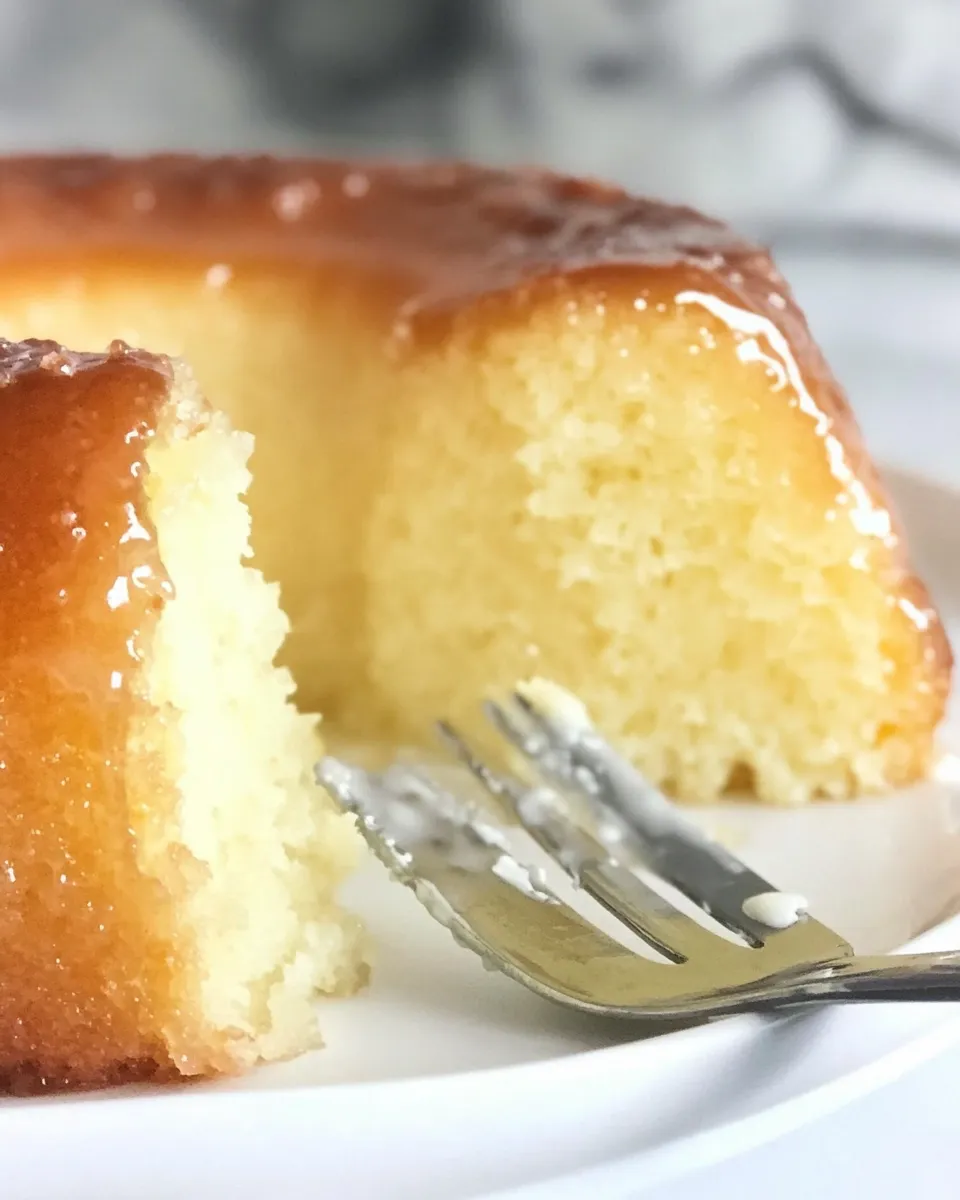
Keep the equipment minimal. You don’t need anything fancy to make this glaze shine.
- Large Pyrex liquid measuring cup or medium mixing bowl — makes whisking and pouring easy.
- Small whisk or sturdy fork — to work out lumps and get a glossy finish.
- Microplane or fine grater — for zesting lemon and lime finely so the oil is released without large pieces.
- Spoon or small ladle — for controlled glazing when you don’t want to pour straight from the bowl.
Avoid These Traps
Here are the common mistakes I see and how to avoid them.
- Adding all the lemon juice at once. It can make the glaze too thin. Add it a little at a time and stop when you reach a pourable but not runny consistency.
- Using hot melted butter. If it’s too hot it can melt sugar pockets and thin the glaze unpredictably. Let the butter cool slightly before adding.
- Glazing a warm cake. The glaze will sink in and disappear. Always cool the cake to room temperature so the glaze sets on the surface.
- Skipping the salt. Even a pinch lifts the flavors and cuts cloying sweetness.
Spring to Winter: Ideas
Change a small detail and you can adapt the glaze for seasons.
- Spring: Increase the lemon zest and add a teaspoon of finely chopped mint to brush on top for floral freshness.
- Summer: Stir in a tablespoon of pureed strawberry or blueberry for a thin streaked glaze — add slowly and adjust sugar to balance moisture.
- Autumn: Replace the lemon zest with orange zest and swap almond extract for a pinch of ground cinnamon for a warmer profile.
- Winter: Keep the citrus but add a teaspoon of orange liqueur (reduce lemon juice slightly) for a festive note when serving adult guests.
Chef’s Notes
Small details make a smooth, glossy glaze. Here are a few I rely on often.
- Whisk vigorously at the end. That final burst of air and force smooths out any micro-lumps and gives a glossy sheen.
- Zest before juicing. It’s easier to get clean, bright zest when the fruit is intact. Zest finely; large shreds won’t spread evenly.
- Use fresh lemon juice. Bottled citrus lacks brightness and can taste flat in a glaze this simple.
- If you need a thicker finish for drips on the sides, let the glaze sit a minute to thicken slightly before spooning the edges.
Refrigerate, Freeze, Reheat
This glaze is best when used immediately. Once applied to a cake it sets at room temperature into a thin shell. If you have leftover glaze:
- Refrigerate in an airtight container for up to 3 days. It will thicken in the fridge; bring to room temperature and whisk in a teaspoon or two of lemon juice to loosen before using.
- Freezing is not recommended. Freezing causes texture changes and makes it grainy on thawing.
- Reheating: Gently warm only if the glaze is solidified in the container — a few seconds in the microwave with stirring can help, but avoid overheating.
Cake Glaze Q&A
Questions I get most often
- Can I make the glaze thicker for drips? — Yes. Let it sit for a few minutes after mixing so it thickens slightly. If it’s still thin, whisk in small amounts of confectioners sugar until it reaches dripable thickness.
- What if my glaze has lumps? — Use a fine mesh sieve to force it through, or whisk vigorously until they break up. Sifting the confectioners sugar before measuring helps prevent lumps from the start.
- How long does it take to set? — On a cooled cake it starts to skin over within 10–20 minutes; full firmness takes a few hours depending on humidity.
- Can I omit almond extract? — Yes. It adds complexity but isn’t essential. If you omit it, you may want to increase vanilla by ¼ teaspoon for balance.
Bring It to the Table
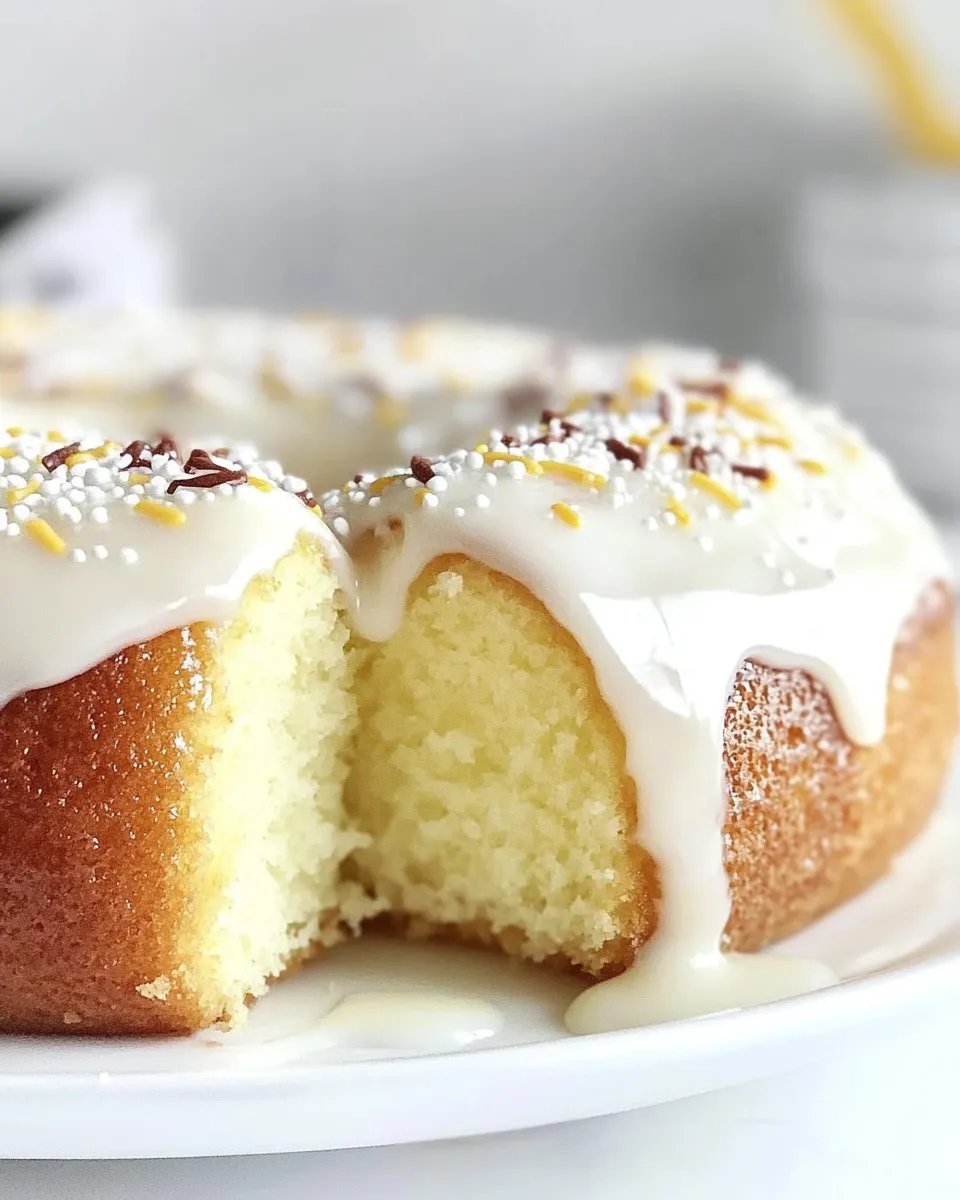
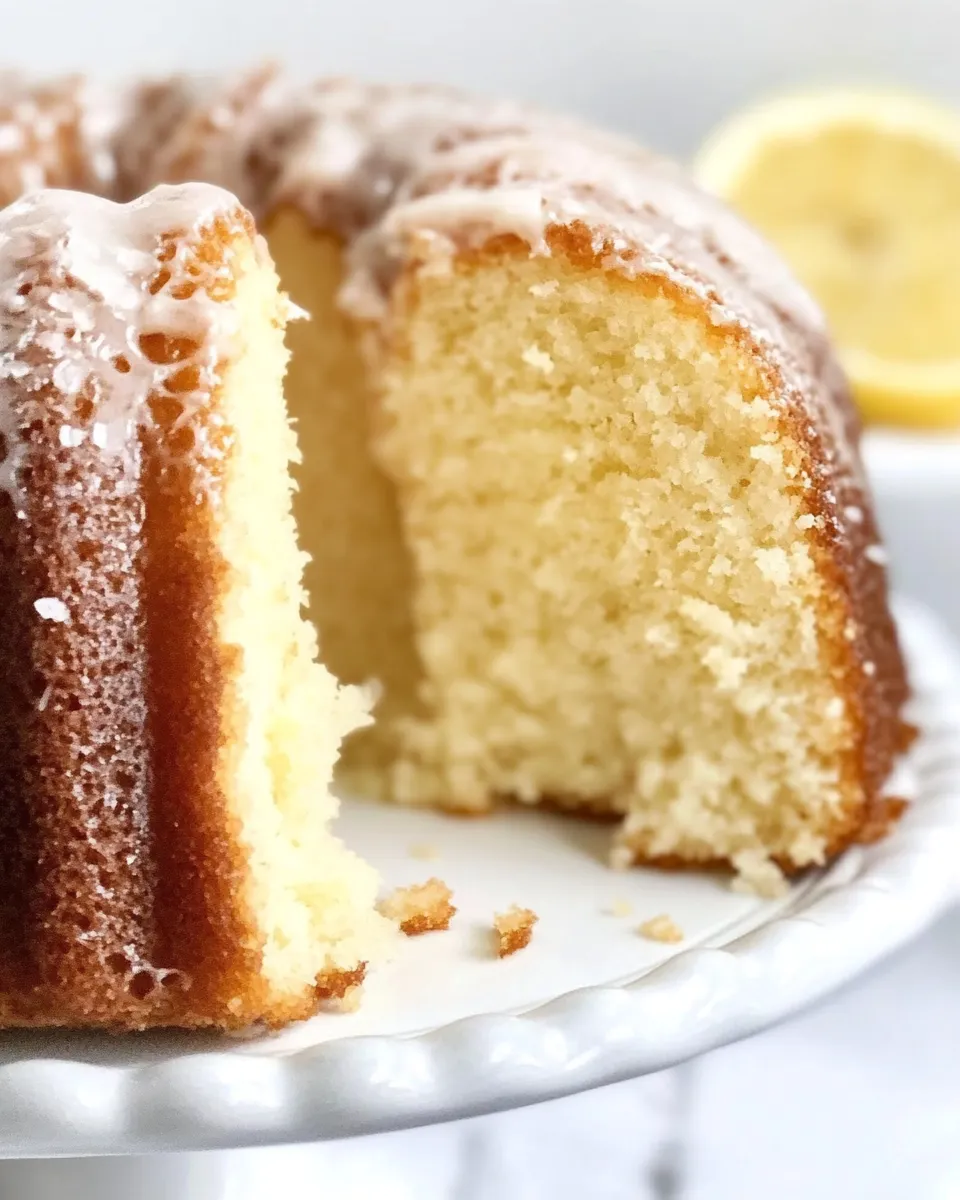
When you’re ready to serve, pour the glaze in a slow, steady stream over the center of a cooled cake and let it run toward the edges. Use a spatula or the back of a spoon to coax drips where you want them. For smaller pastries, spoon the glaze over each item. The thin shell dries to a gentle crackle that’s lovely for slices served on a plate.
Garnish ideas: a few thin lemon slices, a scattering of finely grated zest, or a light dusting of extra confectioners sugar. Keep the extras simple so the glaze’s shine remains the star.
This Cake Glaze is dependable, fast, and adaptable. Once you learn how a little lemon juice changes consistency and how the extracts lift flavor, you’ll find yourself reaching for this recipe every time a bake needs a finishing touch.

Cake Glaze Recipe
Ingredients
Ingredients
- 2 CupsConfectioners Sugar
- 1/4 CupLemon Juice
- 2 Tbsbutter melted
- 1 Zest of Lemon
- 1/2 Zest of Lime
- 1 teaspoonvanilla extract
- 1/2 teaspoonalmond extract
- 1 pinchsalt
Instructions
Instructions
- Measure 2 Cups Confectioners Sugar into a large Pyrex liquid measuring cup or other bowl.
- Melt the 2 Tbs butter (microwave or stovetop) and let it cool slightly while you proceed.
- Add ¼ Cup Lemon Juice to the sugar a little at a time, whisking or stirring with a fork after each addition until mostly smooth.
- Stir in the melted butter, the zest of one lemon, the zest of half a lime, 1 teaspoon vanilla extract, ½ teaspoon almond extract, and 1 pinch salt. Whisk vigorously until the glaze is completely smooth and glossy with no lumps.
- Check consistency: if the glaze is too thick, whisk in a small additional amount of lemon juice a little at a time until it reaches the desired pourable consistency; if too thin, whisk in a small amount of confectioners sugar until it thickens.
- Use the glaze immediately—pour or spoon over cooled cake or pastries and allow to set.
Equipment
- liquid measuring cup or bowl
- Whisk or fork
- microwave or stovetop
Notes
To keep the glaze more thick, make sure the cake is cooled all the way first.
Want a little trick for a yummy base to your cake? Before turning the cake over onto the plate poke some smaller holes in the bottom of your cake (with a fork) and then slowly pour a little of the glaze into the holes. YUM!
The glaze will seem very difficult to stir and mix together at first, just keep stirring, it will loosen up.
To add more lemony flavor to your glaze, add MORE zest, that’s where the true flavor is!
The pinch of salt added to your glaze perks up the flavor.