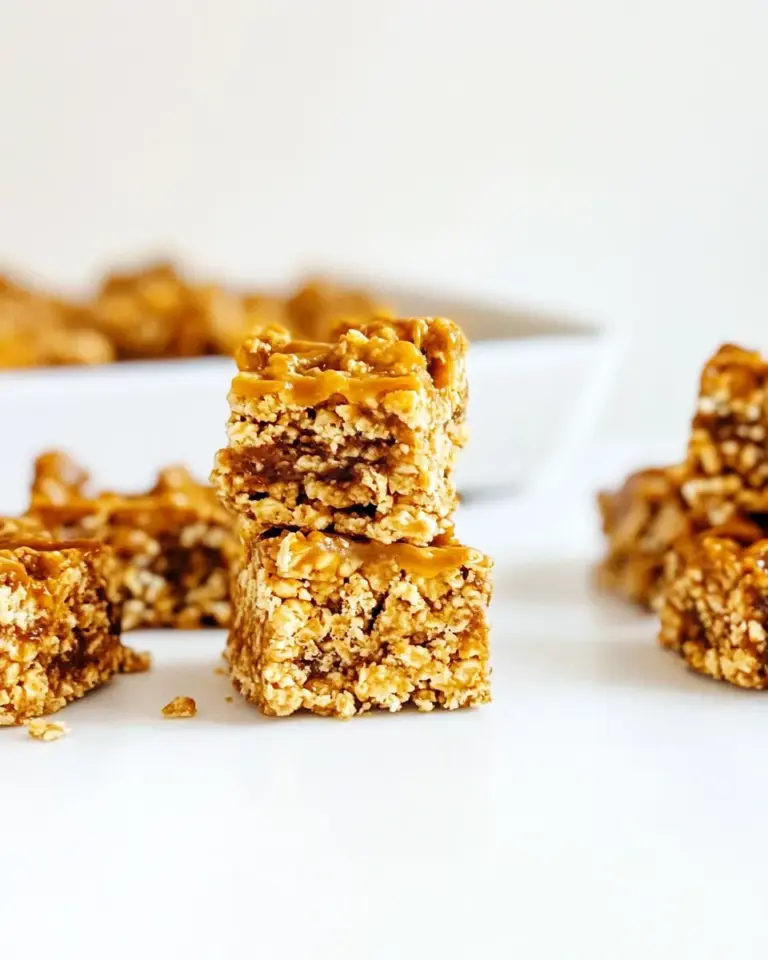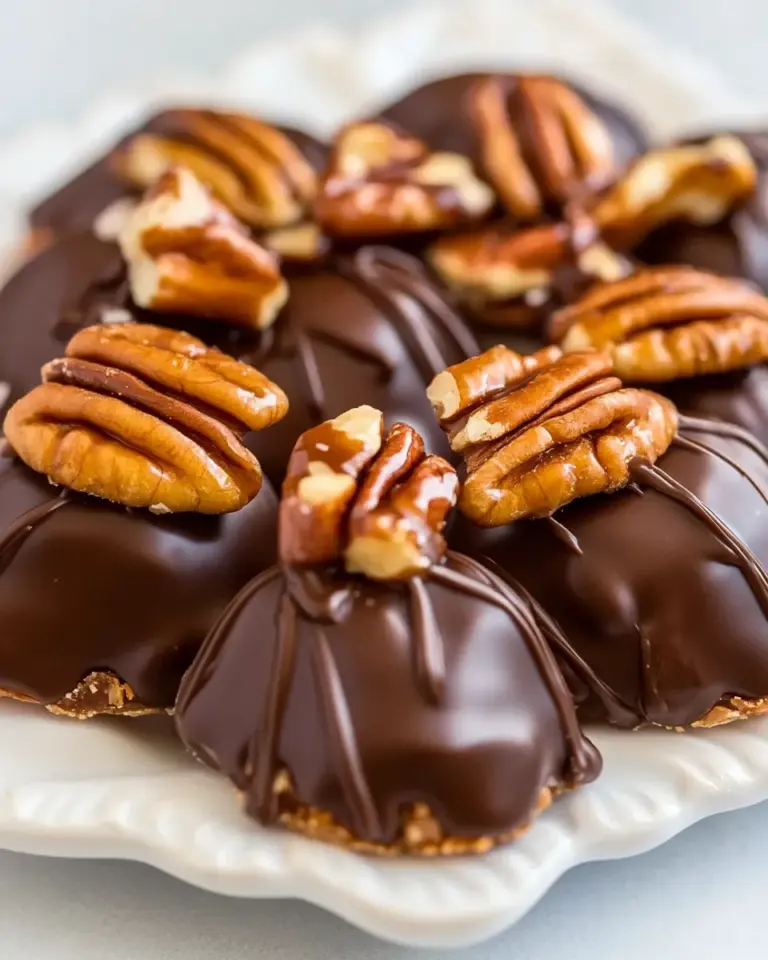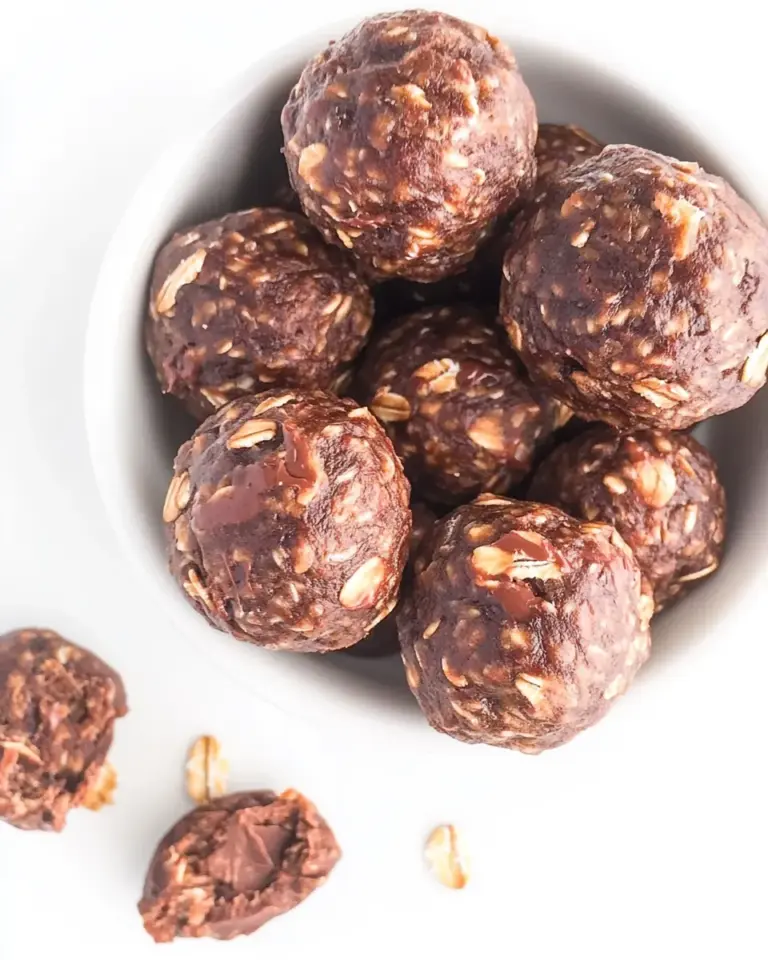

I fell for Jalao the first time I tasted it: warm, glossy spheres of honey and coconut that hit the sweet spot between chewy and crisp depending on how long they rest. This version is straightforward, unfussy, and built around just a few pantry-friendly ingredients. It’s one of those simple sweets that feels special because of timing and technique rather than elaborate components.
Over the years I’ve refined the process so it’s reliable even when you’re juggling a busy kitchen. The recipe below focuses on heat control, timing, and a few practical tips so you don’t end up with burned honey or sticky hands. It’s an approachable treat to make for a holiday platter, a small gathering, or to store for a few days of sweet snacks.
Read through the steps once before you begin; the active caramel stage goes quickly and requires continuous attention. I’ll also cover substitutions, common mistakes, storage, and a few pro tricks to make shaping and finishing easier. Let’s get to it.
What Goes Into Jalao

Ingredients
- 1 tablespoon vegetable oil — to grease the tray and hands; reserve most for shaping the balls so they don’t stick.
- 2 cup freshly-grated coconut flakes, divided — the primary texture and body of the Jalao; reserve a small portion for coating or sprinkling.
- 2 cup honey — of dark color, or add a teaspoon of molasses to the honey (optional) — the sweet binder that caramelizes and sets the balls.
- 1 tablespoon of finely grated ginger — brightens the sweetness with a warm, fresh bite.
How to Prepare Jalao
- Lightly grease a tray or rimmed baking sheet with part of the 1 tablespoon vegetable oil; keep the remaining oil for greasing your hands when shaping.
- Put 2 cups honey into a medium saucepan. Add most of the 2 cups freshly‑grated coconut flakes, reserving a small portion of the coconut for coating or sprinkling, and add 1 tablespoon finely grated ginger. Stir to combine.
- Place the saucepan over medium heat and bring the mixture to a gentle boil, stirring occasionally so the coconut mixes into the honey.
- Once it reaches a boil, stir continuously and vigorously to prevent burning. Continue cooking and stirring until the honey turns a very dark caramel color and the mixture thickens (watch closely — this typically takes a few minutes after boiling).
- Immediately pour the hot mixture onto the greased tray and spread it into an even layer with a spatula. Allow it to cool until it is warm and thickened but still pliable enough to shape by hand (not scalding hot).
- Oil your palms with the reserved vegetable oil. Take portions of the warm coconut mixture and roll into balls about 1.5 in (4 cm) in diameter. Re‑oil your hands as needed to prevent sticking.
- Place the formed balls on the greased tray. If you reserved coconut flakes, sprinkle them on or roll the balls in the reserved coconut for contrast.
- Let the balls cool completely at room temperature to set. Store in an airtight container for a couple of days at room temperature or up to a week in the refrigerator; bring to room temperature before serving, as they become very hard when cold.
Why This Recipe Works

This Jalao relies on the interplay between honey’s sugars and shredded coconut’s texture. Heating the honey until it reaches a very dark caramel concentrates flavor and reduces moisture, so the mixture binds and sets when cooled. The grated ginger adds aromatic lift and cuts through the sweetness, giving each bite balance.
The technique is straightforward: control the heat, stir constantly during the hot caramel stage, and move quickly when spreading and shaping. Greasing the tray and your hands prevents waste and frustration. The reserved coconut gives a fresh contrast in texture and appearance, and rolling the balls while the mixture is warm ensures a smooth round shape that holds as it cools.
Substitutions by Category

If you’re missing one of the exact items or want to tweak the final profile, small, sensible substitutions work. Keep in mind these swaps will change texture and flavor.
- Coconut — Using dried, unsweetened shredded coconut instead of freshly‑grated will yield a drier, slightly chewier interior; soak briefly in a bit of warm honey if it feels too dry before cooking.
- Honey — A lighter honey will produce a milder flavor and may take a little longer to darken; the original directions note adding molasses for darker, deeper notes if you want more caramel-like depth.
- Ginger — If you prefer less bite, reduce the grated ginger slightly or omit it entirely; it mainly provides brightness and contrast to the sweetness.
- Oil — Any neutral-tasting vegetable oil works for greasing; use only what’s listed to avoid altering flavor or consistency.
Cook’s Kit
Keep your mise en place tidy before you start. The caramel stage moves quickly and you’ll want everything within reach.
- Medium saucepan — heavy-bottomed to distribute heat evenly and reduce hot spots.
- Spatula — for stirring and spreading the hot mixture on the tray.
- Rimmed baking sheet or tray — greased lightly to catch the hot mixture and allow shaping.
- Grater — for freshly grating the coconut and ginger; freshness matters for the best flavor.
- Small bowl — to reserve coconut flakes for coating.
Mistakes Even Pros Make
These are the missteps I’ve seen repeat in kitchens, and how to avoid them:
- Underestimating the heat — not bringing the honey to a proper boil means the mixture won’t thicken and set. Bring to a gentle boil and then watch closely.
- Overcooking or burning — honey moves from caramel to burnt quickly. Once boiling, stir continuously and remove from heat the moment you hit a very dark caramel color.
- Waiting too long to shape — if the mixture cools too much it becomes hard to shape. Work when it’s warm and pliable but not scalding.
- Using too little oil — skimping on greasing the tray or hands leads to sticking and wasted mixture. A little oil goes a long way to keep things rolling smoothly.
Adaptations for Special Diets
Because the recipe relies on a few ingredients, most dietary adaptations are straightforward technique-wise, though they will alter flavor or texture.
- Allergies (coconut) — this is a coconut-forward recipe; if coconut is an issue, this particular preparation is not a direct swap without changing the character of the dish.
- Reduced-sugar — the structure of these balls depends on concentrated honey; reducing the honey is likely to prevent proper setting.
- Vegan considerations — honey is not suitable for strict vegans; a vegan syrup can sometimes replace honey in candy-like preparations but will behave differently when caramelized. If you try one, expect changes in texture and setting time.
Pro Perspective
From a professional standpoint, this Jalao is all about timing and temperature. Use a heavy-bottomed pan to avoid hotspots, and keep a firm, steady stir once the mixture boils. The color of the honey as it darkens is your most reliable cue—aim for a deep amber to very dark caramel, but pull it off the heat before it crosses into bitter burnt territory.
When spreading the hot mixture, do it confidently and quickly. If you hesitate the surface will start to cool unevenly and become harder to shape. For even balls, weigh one if you want perfect consistency, but for home cooking the eyeball method with 1.5-inch spheres works just fine. Finally, allow the Jalao to set completely at room temperature for the intended texture; refrigeration will make them very firm and difficult to bite unless brought back to room temp before serving.
Save for Later: Storage Tips
This recipe stores well because of the low moisture after caramelization, but temperature affects texture:
- Room temperature — store in an airtight container for a couple of days. They remain pleasantly chewy and easy to bite.
- Refrigeration — you can keep them up to a week in the fridge, but they become very hard when cold. Always bring back to room temperature before serving so they soften to the intended texture.
- Layering — if stacking in a container, separate layers with parchment to prevent sticking.
Quick Q&A
Q: Can I use pre-shredded coconut?
A: Yes. Freshly-grated gives the best moisture and texture, but pre-shredded unsweetened coconut will work. The final texture will be slightly different.
Q: What if my mixture won’t form balls?
A: It likely needs a bit more cooking to reduce moisture—return to gentle heat for a short time while stirring—or it cooled too much. Heat briefly, then try again while warm.
Q: Why does it become hard when refrigerated?
A: Honey and caramelized sugars firm up at low temperatures. Chill for longer storage but bring to room temperature before serving for chewiness.
Final Bite
Jalao is one of those rewarding sweets you can make with confidence after a single run-through. The ingredient list is short, the technique is the key, and the result is a flavorful, textural treat that feels both rustic and refined. Keep your pan moving during caramelization, time your shaping while the mixture is warm and workable, and use the reserved coconut to finish for a pretty contrast. Make a batch, share them, and notice how quickly they disappear.

Jalao (Honey and Coconut Balls)
Ingredients
Ingredients
- 1 tablespoonvegetable oil to grease the tray and hands
- 2 cupfreshly-grated coconut flakes divided
- 2 cuphoney of dark color, or add a teaspoon of molasses to the honey (optional)
- 1 tablespoonof finely grated ginger
Instructions
Instructions
- Lightly grease a tray or rimmed baking sheet with part of the 1 tablespoon vegetable oil; keep the remaining oil for greasing your hands when shaping.
- Put 2 cups honey into a medium saucepan. Add most of the 2 cups freshly‑grated coconut flakes, reserving a small portion of the coconut for coating or sprinkling, and add 1 tablespoon finely grated ginger. Stir to combine.
- Place the saucepan over medium heat and bring the mixture to a gentle boil, stirring occasionally so the coconut mixes into the honey.
- Once it reaches a boil, stir continuously and vigorously to prevent burning. Continue cooking and stirring until the honey turns a very dark caramel color and the mixture thickens (watch closely — this typically takes a few minutes after boiling).
- Immediately pour the hot mixture onto the greased tray and spread it into an even layer with a spatula. Allow it to cool until it is warm and thickened but still pliable enough to shape by hand (not scalding hot).
- Oil your palms with the reserved vegetable oil. Take portions of the warm coconut mixture and roll into balls about 1.5 in (4 cm) in diameter. Re‑oil your hands as needed to prevent sticking.
- Place the formed balls on the greased tray. If you reserved coconut flakes, sprinkle them on or roll the balls in the reserved coconut for contrast.
- Let the balls cool completely at room temperature to set. Store in an airtight container for a couple of days at room temperature or up to a week in the refrigerator; bring to room temperature before serving, as they become very hard when cold.
Equipment
- tray or rimmed baking sheet
- Saucepan
- Spatula