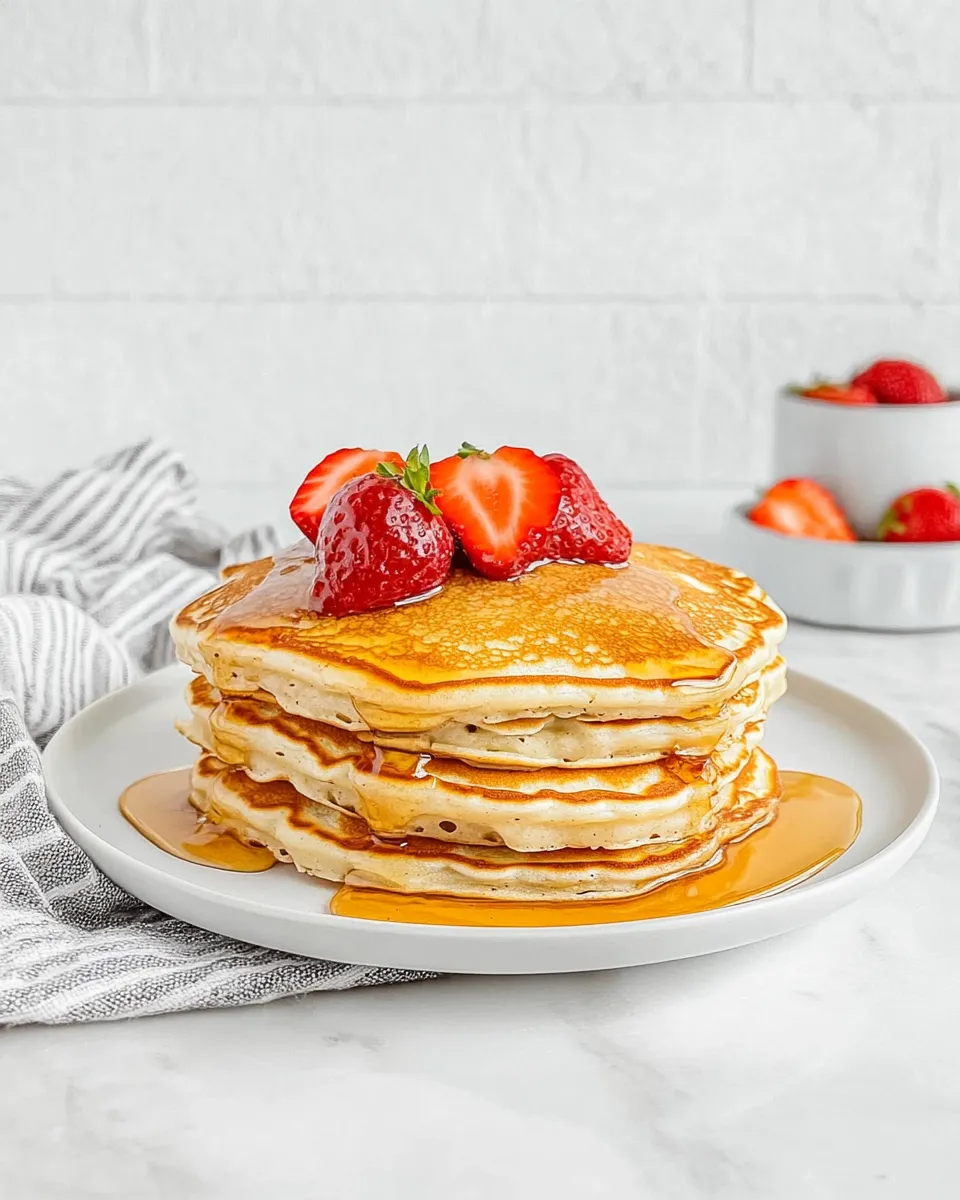
These pancakes are my weekday hero and weekend treat rolled into one. Whole-wheat flour gives them a gentle nuttiness and real texture, while almond milk and a touch of coconut oil keep the batter light and a little indulgent without needing dairy. I reach for this version when I want something wholesome, quick, and reliably good.
I like that the recipe is straightforward: a dry mix, a wet mix, a gentle fold, and a hot pan. The batter tolerates a few small lumps — that actually helps keep the pancakes tender. They come together fast and finish in under ten minutes on the griddle, which means breakfast rarely beats me to the punch.
Below you’ll find clear notes on the ingredients, step-by-step instructions exactly as I make them, and practical tips for avoiding common mistakes, storing leftovers, and plating them so they look as good as they taste.
Ingredient Notes
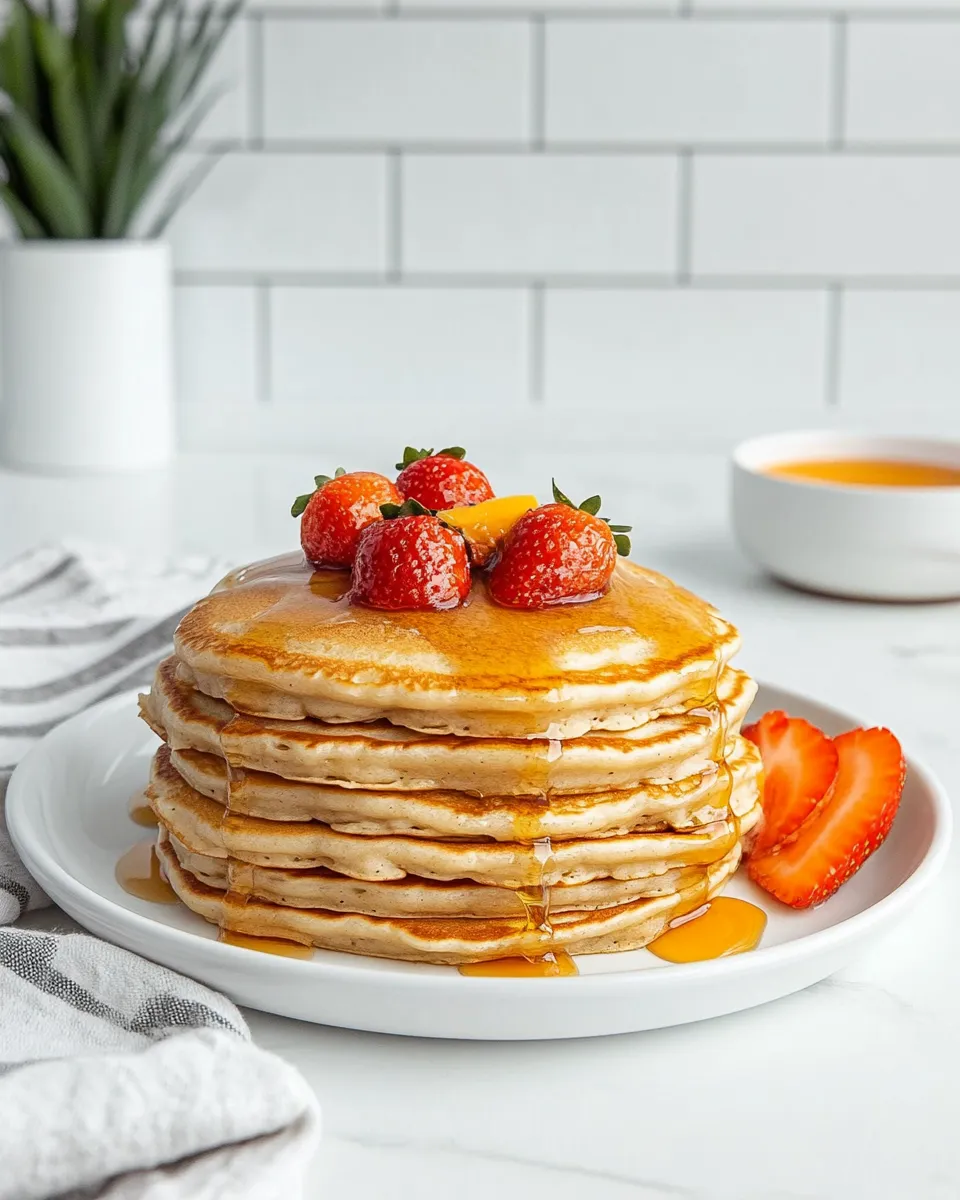
Before you load the bowls, a few quick notes on what each ingredient does and how small choices change the final pancake. I keep these in mind every time, and they help me tweak texture and flavor without a second recipe.
Ingredients
- 2 cups whole-wheat flour — provides structure, a nutty flavor, and more fiber than refined flour; stir before measuring so it scoops evenly.
- 4 teaspoons baking powder (aluminium-free) — the rising agent; aluminium-free keeps the taste neutral and avoids metallic notes.
- 2 tablespoons organic raw honey or pure maple syrup — sweetener and flavor anchor; honey gives floral notes, maple syrup adds deep caramel tones.
- 1 teaspoon sea salt — balances sweetness and strengthens flavor; measure it so the batter isn’t flat.
- 2 large eggs — binders that add lift and richness; use room-temperature eggs if you can for better emulsification.
- 1 1/2 cups almond milk or another plant-based milk — hydrates the batter and keeps it dairy-free; different plant milks change richness slightly.
- 2 tablespoons coconut oil plus more for cooking — adds a subtle tropical note and keeps pancakes tender; melted in the batter, used sparingly on the pan.
- Cooking spray — optional for a low-effort nonstick surface; you can also brush the pan lightly with coconut oil.
Pancakes Cooking Guide
- In a large bowl, whisk together 2 cups whole-wheat flour, 4 teaspoons baking powder (aluminium-free), and 1 teaspoon sea salt.
- In a medium bowl, beat 2 large eggs. Add 1 1/2 cups almond milk (or other plant-based milk), 2 tablespoons organic raw honey or pure maple syrup, and 2 tablespoons coconut oil (melted). Whisk until combined.
- Pour the wet mixture into the dry ingredients and whisk gently until just combined; a few small lumps are fine. If the batter is too thick to pour easily, add a little more almond milk, a small amount at a time, until the batter is thick but pourable.
- Preheat a griddle or nonstick skillet over medium heat. Lightly coat the surface with cooking spray or a small amount of coconut oil.
- When the pan is hot, pour about 1/4 cup of batter per pancake onto the griddle, leaving space between pancakes.
- Cook each pancake until the edges look set and bubbles form on the surface, about 2–3 minutes. Flip and cook until the second side is golden and the pancake is cooked through, about 1–2 minutes more.
- Transfer cooked pancakes to a plate and serve warm.
What Makes This Recipe Special

This version balances wholesomeness with approachability. Whole-wheat flour gives body and a satisfying chew, while the plant-based milk and coconut oil keep the mouthfeel light and soft. Using a small amount of honey or maple syrup in the batter adds just enough sweetness to carry through without needing heavy syrup on top.
I also appreciate the forgiving nature of the batter. You don’t need a perfect, smooth batter; a few lumps protect the final texture from becoming dense. And because the method separates dry and wet ingredients, it’s simple to mix and get going even when mornings are busy.
No-Store Runs Needed
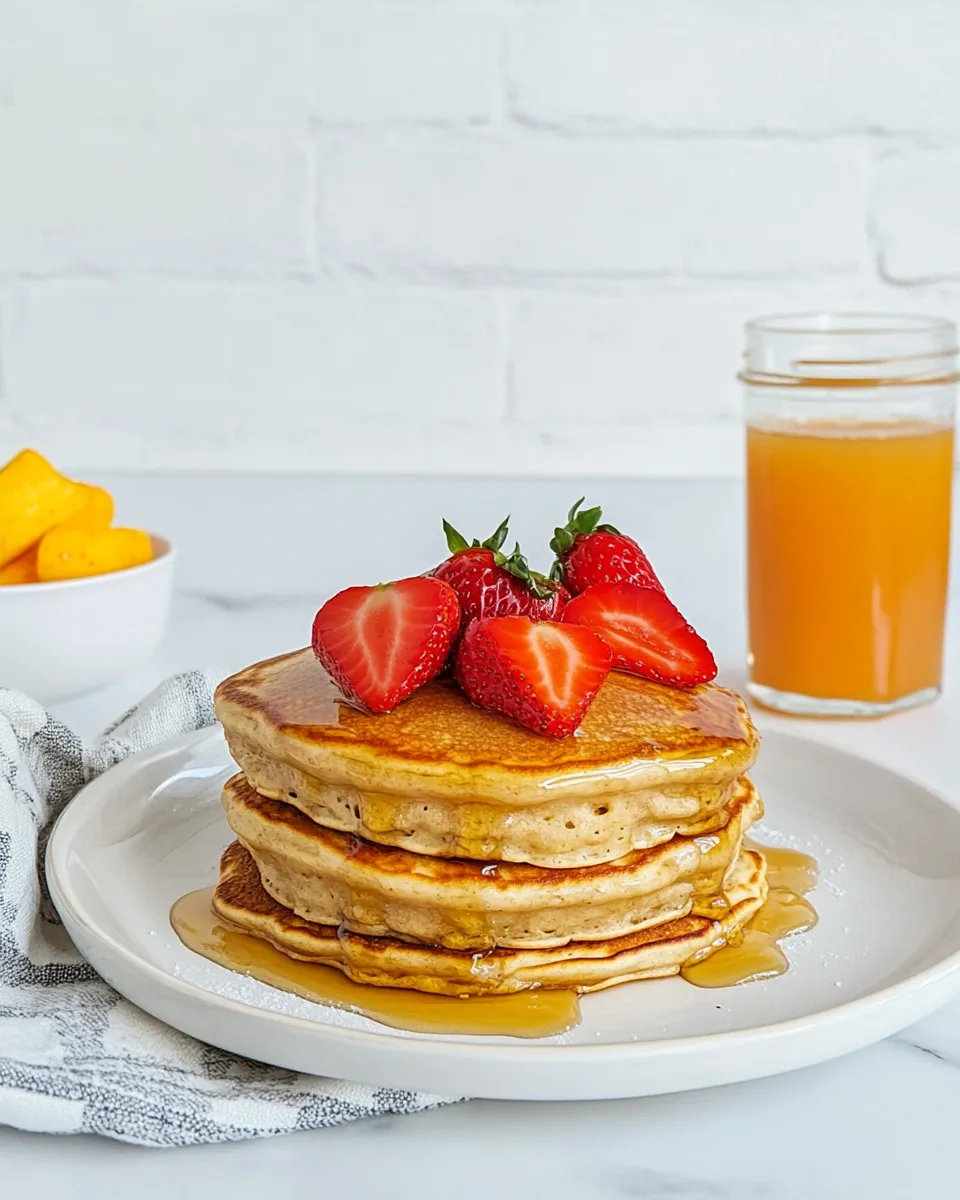
This recipe is designed so you rarely have to dash to the store. The staples — flour, baking powder, salt — live in the pantry. Almond milk and eggs keep well in the fridge. Coconut oil and a drizzle of honey or maple syrup provide quick flavor. If you keep those basics stocked, you can make these pancakes on short notice.
If you’re down to basics and don’t have cooking spray, a small smear of coconut oil on the pan works perfectly. The recipe already accounts for the common swaps it expects: almond milk or another plant-based milk, and honey or maple syrup for sweetening.
Equipment & Tools
- Large mixing bowl — for the dry ingredients.
- Medium mixing bowl — for beating the eggs and mixing wet ingredients.
- Whisk — for combining both dry and wet mixes quickly and evenly.
- Measuring cups and spoons — accuracy matters with baking powder and salt.
- Griddle or nonstick skillet — a flat, even-heating surface is easiest.
- Spatula — thin, flexible, and heatproof for flipping pancakes cleanly.
- Small ladle or 1/4-cup measure — for consistent pancake size so they cook evenly.
Errors to Dodge
Even simple recipes can go wrong. Here are the things I see most often and how to avoid them.
- Overmixing the batter — whisk gently until the dry and wet are just combined. Overworking activates more gluten in the whole-wheat flour and produces tough pancakes.
- Using the wrong baking powder — the recipe calls for aluminium-free baking powder. Regular baking powder can sometimes leave a metallic aftertaste.
- Pan too hot or too cold — too hot and the outside browns before the center cooks; too cold and pancakes spread and become dense. Medium heat is usually right; test with one pancake first.
- Pouring inconsistent sizes — a 1/4-cup measure helps get even cooking times so you don’t have half raw, half burnt pancakes.
- Flipping too early or too often — wait for set edges and surface bubbles; flip once for the best rise and texture.
Seasonal Twists
Keep the core recipe intact and adapt the experience with small, seasonal touches using ingredients already called for. Warm a little maple syrup in cooler months for a cozier finish. In warmer weather, a light drizzle of honey and a scatter of toasted coconut oil on the pan before serving lifts the flavor without changing the batter.
Texture-level tweaks are also seasonal: for a lighter summer pancake, add a splash more almond milk so the batter is a touch thinner. In the fall and winter, keep the batter a little thicker so the pancakes feel more substantial at the table.
What Could Go Wrong
Here’s a short troubleshooting guide if things aren’t going as planned.
- Batter is too thick and won’t pour — add almond milk a tablespoon at a time until it’s thick but pourable; don’t over-thin.
- Pancakes are dense — likely overmixed or the pan temperature was too low. Rest the batter briefly and bring the pan to a true medium heat before cooking the next batch.
- Pancakes burn on the outside but are raw inside — pan too hot. Lower heat and let the pan cool a bit; test with one pancake.
- Flat, stubborn pancakes — check your baking powder’s age. If it’s old, it won’t give the lift you need.
Storage Pro Tips
These pancakes store and reheat very well, which makes them perfect for meal prep.
- Short term: Layer cooled pancakes between sheets of parchment and store in an airtight container in the refrigerator for up to 3 days. Reheat gently in a skillet over low heat to keep exterior texture intact.
- Long term: Freeze single pancakes in a single layer on a baking sheet until solid, then transfer to a freezer bag. Reheat from frozen in a skillet or toaster — add a minute or two to reheat time as needed.
- Keeping them warm for a crowd: Place cooked pancakes in a single layer on a baking sheet and hold in a 200°F (95°C) oven for up to 20–30 minutes. Don’t stack them hot, or they’ll steam and soften.
Ask & Learn
Answers to a few common questions I get when people try this recipe for the first time.
- Can I prep the batter the night before? Yes. You can mix the dry and wet separately and combine just before cooking for best rise. If you combine early, the pancakes will still work but may be slightly less fluffy; give the batter a gentle stir before cooking.
- Can I make them dairy-free? The recipe already uses almond milk (or another plant-based milk) and coconut oil, so it’s dairy-free as written.
- How do I get consistent pancakes? Use a 1/4-cup measure for each pancake and keep your pan at medium heat. Consistency comes from steady temperatures and uniform portions.
Bring It to the Table
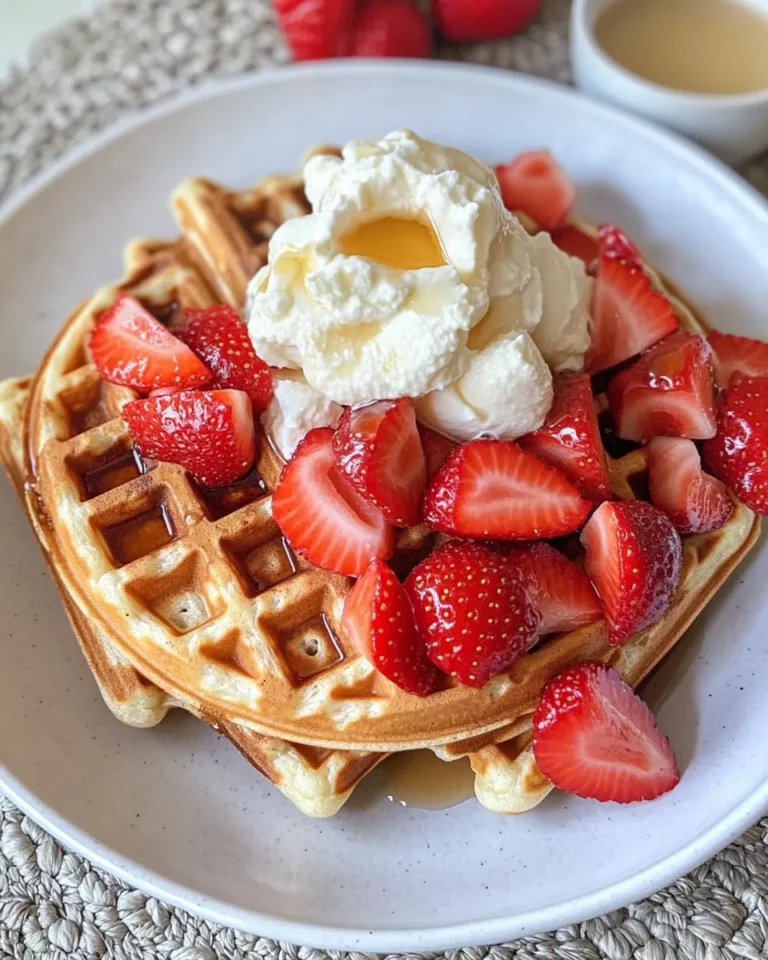
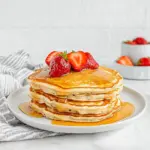
Stack pancakes on a warm plate, let a little coconut oil melt on top, and finish with a drizzle of honey or maple syrup right before serving. The oil and syrup add a glossy sheen and deepen the aroma — small touches that make simple pancakes feel intentional and comforting.
Serve family-style: keep the stack warm on a low oven and let everyone take what they like. If you want a little extra texture, toast a few nuts or seeds separately and scatter them over the top at the table — but I often keep it simple and rely on the batter’s nutty whole-wheat flavor to do the work.
Make a batch, keep a few in the fridge for quick breakfasts, and pay attention to heat and mix. That’s how you get consistently tender, golden pancakes that feel like a small, nourishing celebration any morning of the week.
Pancakes Recipe
Ingredients
Ingredients
- 2 cupswhole-wheat flour
- 4 teaspoonsbaking powderaluminium-free
- 2 tablespoonsorganic raw honey or pure maple syrup
- 1 teaspoonsea salt
- 2 large eggs
- 1 1/2 cupsalmond milk or another plant-based milk
- 2 tablespoonscoconut oilplus more for cooking
- Cooking spray
Instructions
Instructions
- In a large bowl, whisk together 2 cups whole-wheat flour, 4 teaspoons baking powder (aluminium-free), and 1 teaspoon sea salt.
- In a medium bowl, beat 2 large eggs. Add 1 1/2 cups almond milk (or other plant-based milk), 2 tablespoons organic raw honey or pure maple syrup, and 2 tablespoons coconut oil (melted). Whisk until combined.
- Pour the wet mixture into the dry ingredients and whisk gently until just combined; a few small lumps are fine. If the batter is too thick to pour easily, add a little more almond milk, a small amount at a time, until the batter is thick but pourable.
- Preheat a griddle or nonstick skillet over medium heat. Lightly coat the surface with cooking spray or a small amount of coconut oil.
- When the pan is hot, pour about 1/4 cup of batter per pancake onto the griddle, leaving space between pancakes.
- Cook each pancake until the edges look set and bubbles form on the surface, about 2–3 minutes. Flip and cook until the second side is golden and the pancake is cooked through, about 1–2 minutes more.
- Transfer cooked pancakes to a plate and serve warm.
Equipment
- Large Bowl
- Medium Bowl
- Whisk
- griddle or nonstick skillet
- Measuring Cup