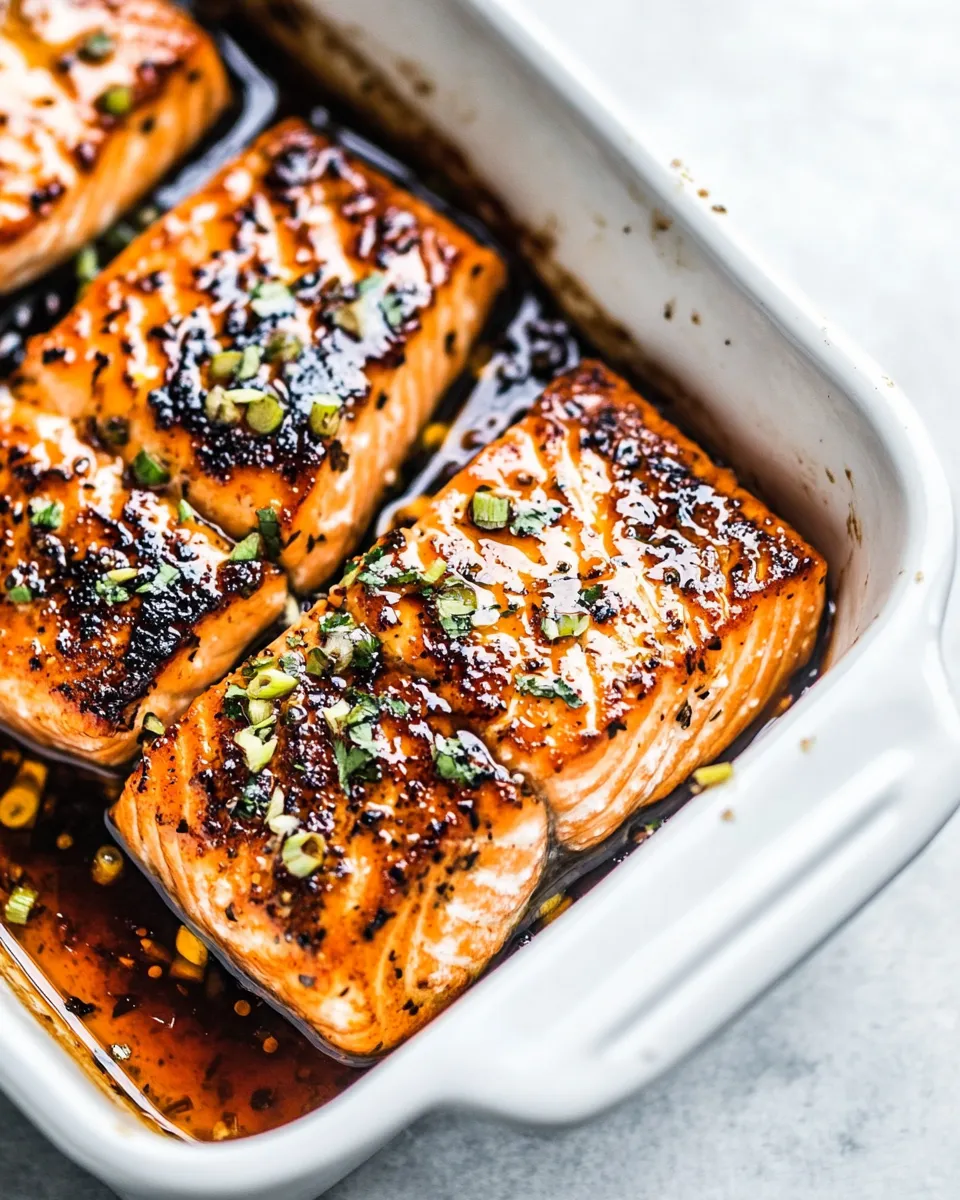
I test a lot of weeknight shortcuts in my tiny kitchen, and this salmon marinade keeps coming back into rotation. It’s bright, not fussy, and it plays well with both oven and grill—exactly what I reach for when I want dinner that feels intentional without taking half the night.
The balance here is simple: olive oil for richness, soy sauce for umami, honey for shine and caramel, and Dijon to pull it all together. Garlic powder and black pepper keep the flavor honest without adding prep time.
Below you’ll find the exact ingredients and step-by-step method I use, plus equipment notes, common mistakes to avoid, and quick swaps if you’re missing something. Practical, hands-on, and exactly the kind of recipe you can rely on again and again.
What Goes In
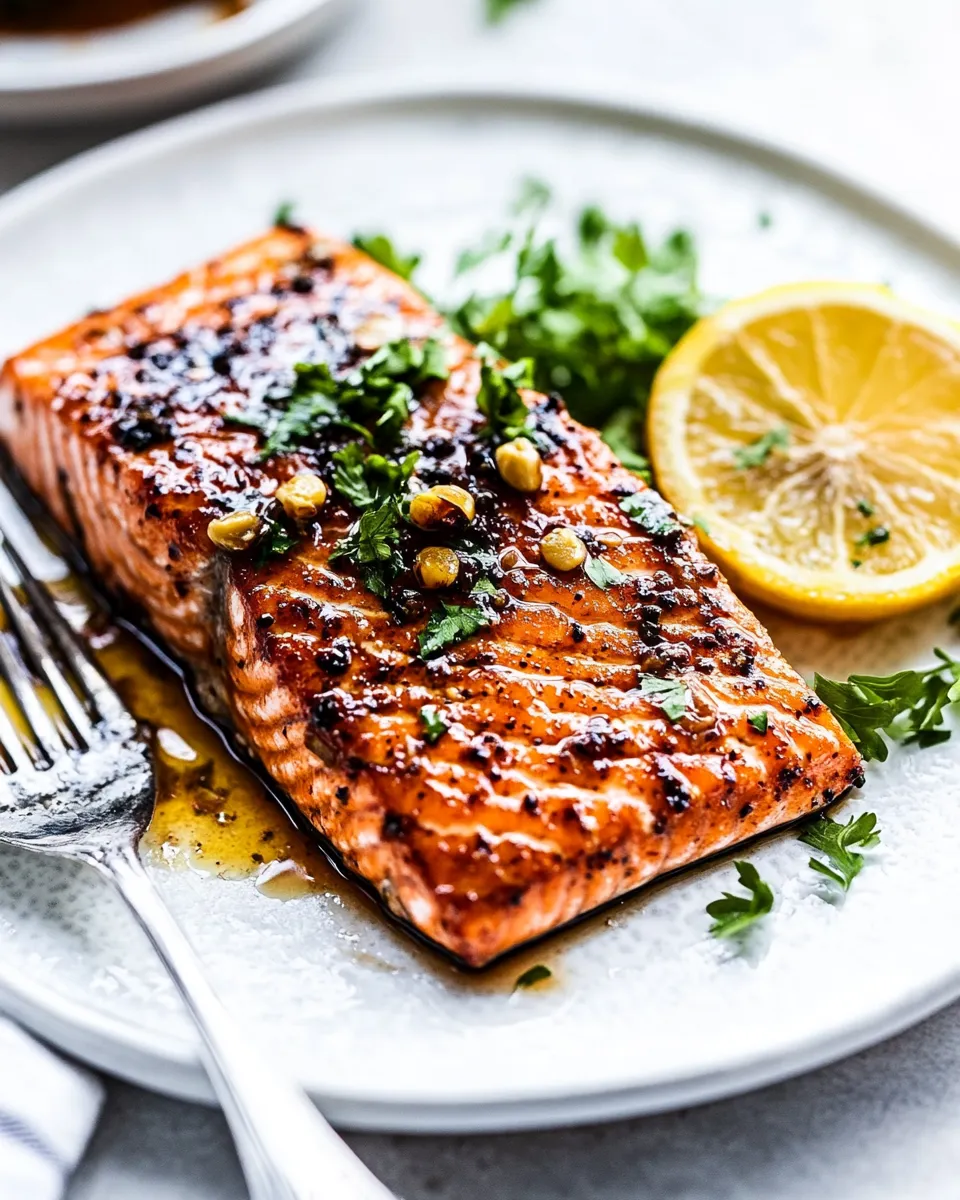
Ingredients
- 1 ½ pounds salmon — either 1 single portion (side of salmon) or 4 (6-ounce) fillets; pick similar thickness so they cook evenly.
- ¼ cup extra-virgin olive oil — adds fat for flavor and helps the marinade coat the fish.
- 3 tablespoons low sodium soy sauce — provides savory depth without overpowering saltiness.
- 2 tablespoons honey or pure maple syrup — gives a touch of sweetness and helps with browning.
- 2 tablespoons Dijon mustard — sharpness and emulsifying power to bind the marinade.
- ½ teaspoon garlic powder — concentrated garlic flavor without extra chopping.
- ⅛ teaspoon ground black pepper — a light peppery note; adjust to taste but keep it restrained.
Salmon Marinade in Steps
- Pat the salmon dry with paper towels and place it in a large zip-top bag (or a shallow dish if you prefer).
- In a measuring cup with a spout or a mixing bowl, whisk together 1/4 cup extra-virgin olive oil, 3 tablespoons low-sodium soy sauce, 2 tablespoons honey or pure maple syrup, 2 tablespoons Dijon mustard, 1/2 teaspoon garlic powder, and 1/8 teaspoon ground black pepper until combined.
- Pour the marinade into the bag with the salmon (or over the salmon in the dish). Seal the bag, pressing out as much air as possible, or cover the dish. Place the bag or dish on a plate or in a shallow pan to catch any drips.
- Marinate the salmon at room temperature for up to 30 minutes, or refrigerate for up to 1 hour. If necessary you may refrigerate up to 4 hours, but longer marinating can make the fish’s texture soft.
- When ready to cook, remove the salmon from the bag or dish and discard the used marinade. Pat the salmon lightly if it is very wet.
- Oven method: Preheat the oven to 400°F. Line a 9×13-inch baking dish with parchment paper and place the salmon in the center (if using fillets, arrange so they do not touch). Bake until done: about 11 to 14 minutes for 6-ounce fillets, or 15 to 18 minutes for a single side, checking doneness with an instant-read thermometer inserted into the thickest part (about 135°F for a moist result; the FDA recommends 145°F). Remove from the oven and let rest 5 minutes before serving.
- Grill method: Heat the grill to high. Place the salmon skin-side down on the hot grill and cook without disturbing until the salmon releases easily from the grates, about 6 to 7 minutes. Flip and cook on the flesh side about 2 to 4 additional minutes, depending on grill heat and thickness, until cooked to your preferred doneness. Remove to a plate and let rest 5 minutes before serving.
What You’ll Love About This Recipe
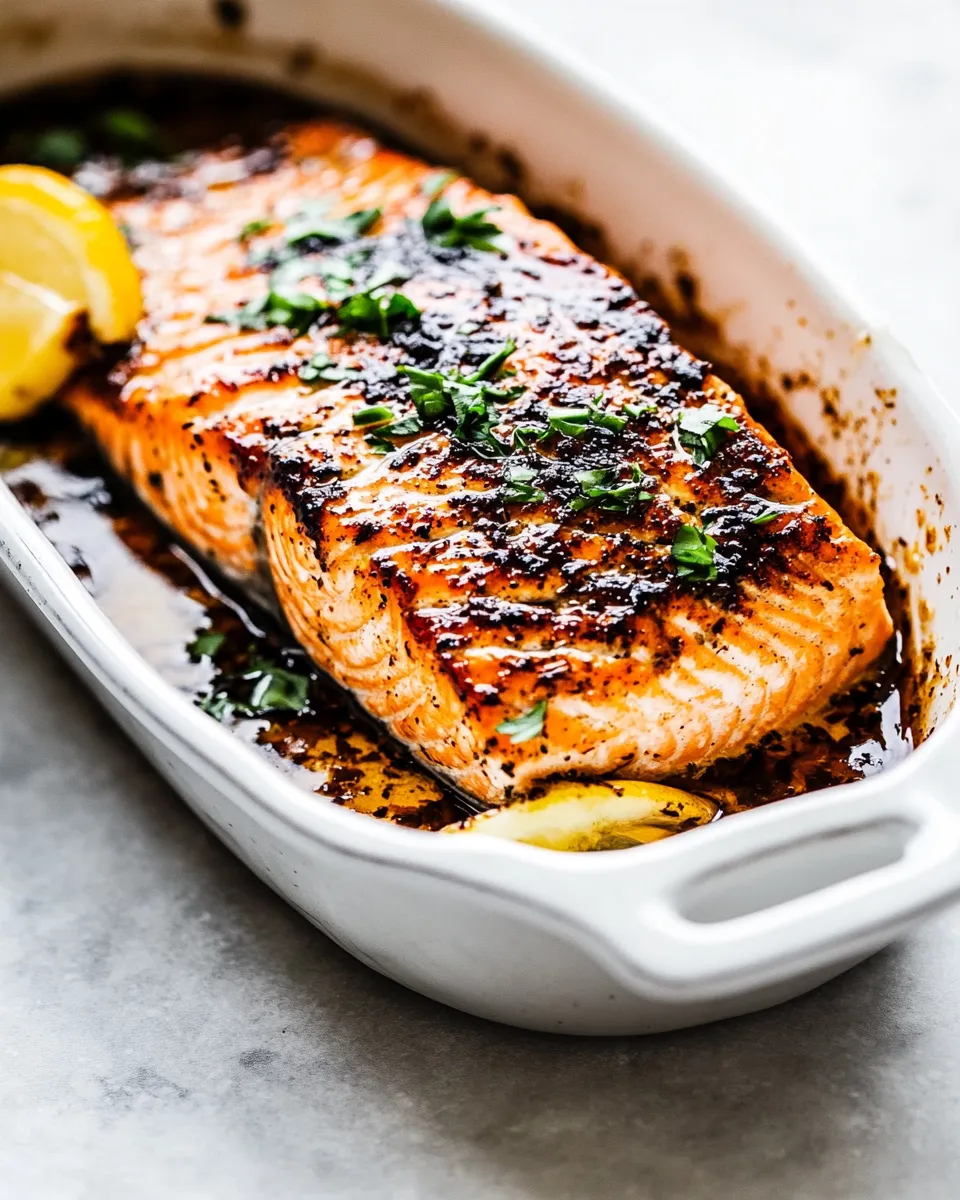
It’s fast. The active hands-on time is under ten minutes, so it’s perfect for busy nights. The marinade clings well to the fish and creates a glossy, flavorful surface whether you bake or grill.
The flavor profile is familiar but layered: the soy sauce gives savory umami, honey brings balance and a hint of caramel, and Dijon ties everything together with a pleasant kick. It’s versatile enough to serve with rice, a salad, or roasted vegetables.
Finally, it scales. One large side or several fillets works the same way, so you can cook for one or a crowd without changing the approach.
If You’re Out Of…
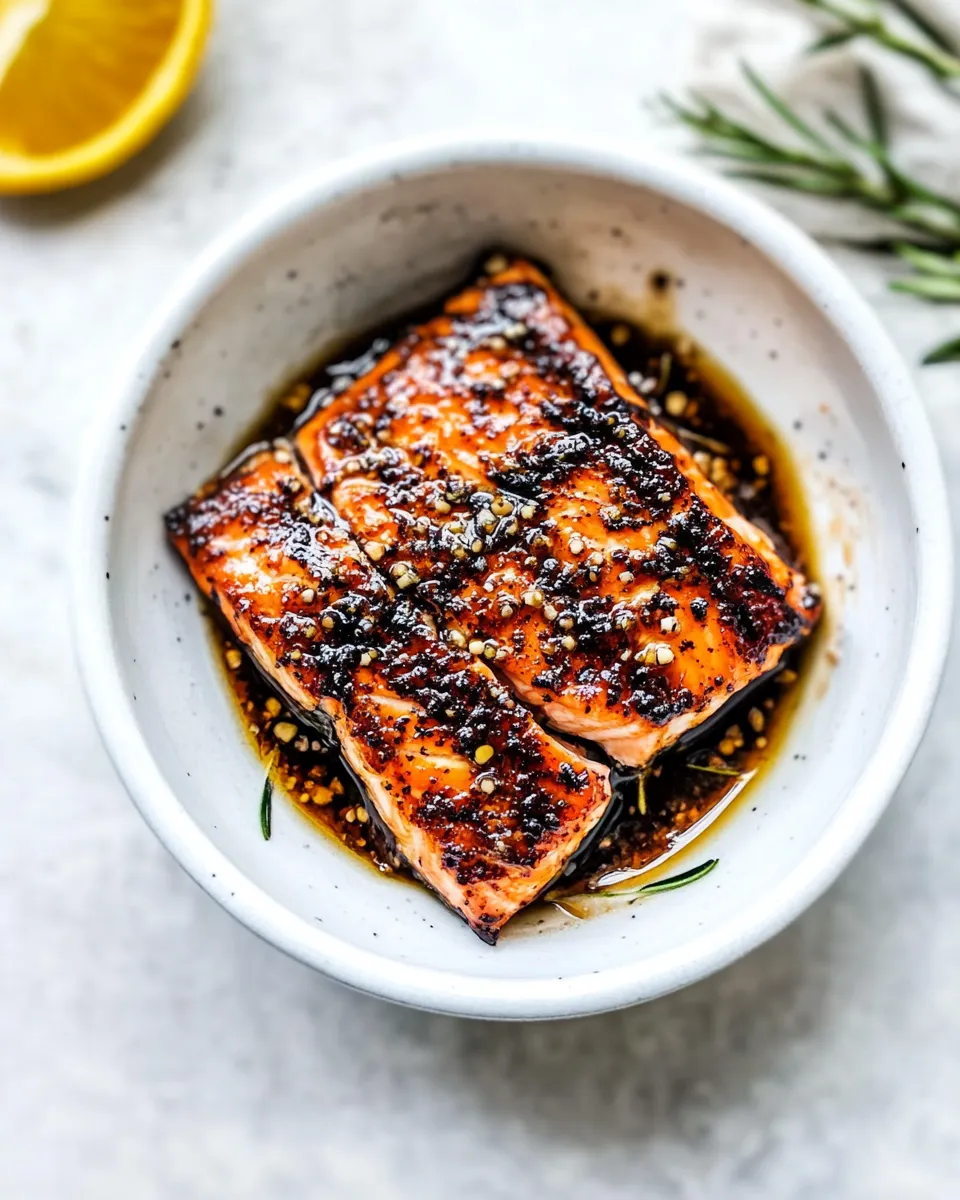
If you’re missing one item, here are safe swaps that won’t derail the recipe:
- Out of low-sodium soy sauce: regular soy sauce will work—just taste and be mindful of salt at the table.
- Out of honey: pure maple syrup (already offered in the recipe) is the direct alternative; it gives a slightly different sweetness but performs the same.
- Out of Dijon mustard: a grainy mustard or a smooth yellow mustard can substitute in a pinch; expect a milder tang.
- Out of extra-virgin olive oil: any neutral oil like grapeseed or canola works for coating if you need higher smoke resistance on the grill.
Equipment at a Glance
- Large zip-top bag or shallow dish — for marinating.
- Measuring cup with a spout or small mixing bowl — makes whisking easier.
- Whisk or fork — to emulsify the marinade.
- Parchment-lined 9×13-inch baking dish — for oven method.
- Hot grill and clean grates — for a quick, charred finish.
- Instant-read thermometer — the easiest way to nail doneness reliably.
Mistakes That Ruin Salmon Marinade
- Over-marinating the fish. This recipe warns against marinating beyond 4 hours—acidic or long marinades can make the flesh mushy and break down texture.
- Reusing used marinade without cooking it. Discard the used marinade; it has raw fish juices and shouldn’t be spooned back onto cooked fish unless boiled first.
- Cooking straight from a wet surface. If the salmon is dripping with marinade when it hits the heat, it can steam instead of sear. Pat lightly if it’s very wet.
- High sugar burn on the grill. Honey/syrup can scorch over very high direct heat. Use medium-high for the grill if you notice early charring, or favor the oven method for thicker cuts.
- Not resting the cooked fish. Resting 5 minutes finishes carryover cooking and keeps juices where they belong.
Allergy-Friendly Swaps
If you need to adapt for allergies, here are straightforward swaps that keep texture and flavor in balance without changing amounts.
- Soy allergy: use coconut aminos as a lower-allergen alternative to soy sauce; it provides a similar savory note though slightly sweeter.
- Mustard allergy: omit Dijon and boost the olive oil slightly; add a small squeeze of lemon at the end for brightness if tolerated.
- Honey allergy (vegan): pure maple syrup is already listed as an option and keeps the liquid balance and browning behavior the same.
- Garlic sensitivity: omit the garlic powder; the marinade will still be savory from soy and Dijon.
Author’s Commentary
I keep this formula in my repertoire because it ticks three boxes: speed, flavor, and flexibility. I almost always use the oven on weeknights because it’s forgiving, but when the weather is right I’ll throw the salmon on the grill for that crisp skin and a touch of smoke.
One small trick: let the fish sit at room temperature for a few minutes before cooking if it’s been in the fridge. It cooks more evenly that way. And I’m careful with the honey—if you grill on very high heat, the sugars can blacken fast. If that happens, move the salmon to indirect heat and finish cooking with the lid closed.
Storage Pro Tips
Cooked Salmon
- Fridge: Cool completely, then store in an airtight container for up to 3 days. Reheat gently to avoid drying.
- Freezer: Wrap tightly and freeze up to 2 months; thaw overnight in the fridge before reheating or flaking into salads.
Marinade
- Unused fresh marinade (made but not used on raw fish) can be refrigerated in a sealed container for a couple of days. Do not reuse marinade that has been in contact with raw salmon unless you boil it first.
Common Qs About Salmon Marinade
- Can I marinate longer than 4 hours? Avoid it. The recipe cautions that longer marinating can soften the fish’s texture and make it mealy.
- Is this marinade suitable for other fish? Yes—firmer, meaty fish like halibut or cod can handle similar treatment, though cooking times will vary.
- Can I skip the oil? You can, but oil helps the marinade coat the salmon and promotes a silky finish. Without it the result will be slightly leaner and less glossy.
- How do I know when salmon is done? Use an instant-read thermometer in the thickest part. About 135°F gives a moist result; 145°F is the FDA-recommended temp. Or check for flakes that separate easily but remain slightly translucent in the center.
- Can I prepare the marinade ahead? Yes—mix the marinade and keep it in the fridge for a day, then use it to marinate. Just don’t pour it over raw fish and save it for later without boiling.
See You at the Table
This marinade is one of those reliable, no-drama recipes I make when I want something tasty without the faff. It’s forgiving, quick, and adaptable. Try it on a rainy weeknight or a sunny grill afternoon. Either way, serve with something bright—lemon wedges, a quick green salad, or steamed rice—and enjoy.
Let me know how you like to finish yours: a sprinkle of fresh herbs, a squeeze of acidity, or a hit of chili for heat. I read every comment and love swapping small tweaks that make a good recipe even better.
Salmon Marinade
Ingredients
Ingredients
- 1 1/2 poundssalmoneither 1 single portion side of salmon or 4 (6-ounce) fillets
- 1/4 cupextra-virgin olive oil
- 3 tablespoonslow sodium soy sauce
- 2 tablespoonshoney or pure maple syrup
- 2 tablespoonsDijon mustard
- 1/2 teaspoongarlic powder
- 1/8 teaspoonground black pepper
Instructions
Instructions
- Pat the salmon dry with paper towels and place it in a large zip-top bag (or a shallow dish if you prefer).
- In a measuring cup with a spout or a mixing bowl, whisk together 1/4 cup extra-virgin olive oil, 3 tablespoons low-sodium soy sauce, 2 tablespoons honey or pure maple syrup, 2 tablespoons Dijon mustard, 1/2 teaspoon garlic powder, and 1/8 teaspoon ground black pepper until combined.
- Pour the marinade into the bag with the salmon (or over the salmon in the dish). Seal the bag, pressing out as much air as possible, or cover the dish. Place the bag or dish on a plate or in a shallow pan to catch any drips.
- Marinate the salmon at room temperature for up to 30 minutes, or refrigerate for up to 1 hour. If necessary you may refrigerate up to 4 hours, but longer marinating can make the fish’s texture soft.
- When ready to cook, remove the salmon from the bag or dish and discard the used marinade. Pat the salmon lightly if it is very wet.
- Oven method: Preheat the oven to 400°F. Line a 9×13-inch baking dish with parchment paper and place the salmon in the center (if using fillets, arrange so they do not touch). Bake until done: about 11 to 14 minutes for 6-ounce fillets, or 15 to 18 minutes for a single side, checking doneness with an instant-read thermometer inserted into the thickest part (about 135°F for a moist result; the FDA recommends 145°F). Remove from the oven and let rest 5 minutes before serving.
- Grill method: Heat the grill to high. Place the salmon skin-side down on the hot grill and cook without disturbing until the salmon releases easily from the grates, about 6 to 7 minutes. Flip and cook on the flesh side about 2 to 4 additional minutes, depending on grill heat and thickness, until cooked to your preferred doneness. Remove to a plate and let rest 5 minutes before serving.
Equipment
- Zip-top Bag or Shallow Dish
- Measuring Cup
- Mixing Bowl
- plate or shallow pan
- 9x13 inch Baking Dish
- Parchment Paper
- Oven
- Grill
- Instant-read thermometer
- Paper Towels
Notes
TO REHEAT: Very gently rewarm salmon in a skillet on the stovetop over medium-low heat or in the microwave.
TO FREEZE: Freeze salmon in an airtight freezer-safe storage container for up to 3 months. Let thaw overnight in the refrigerator before reheating.