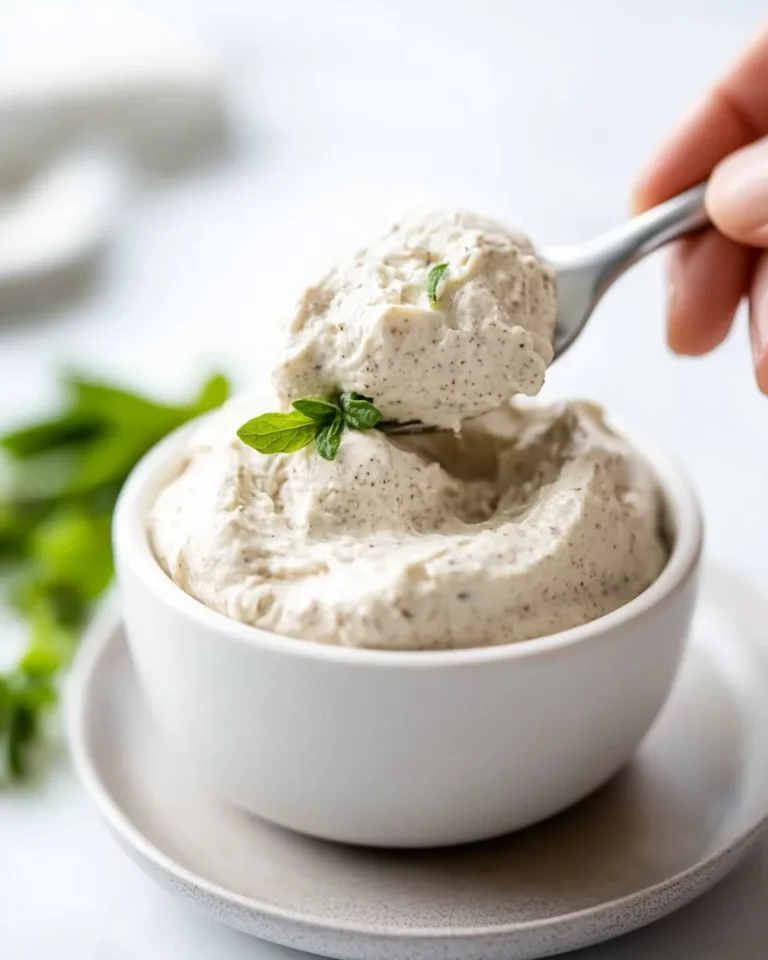
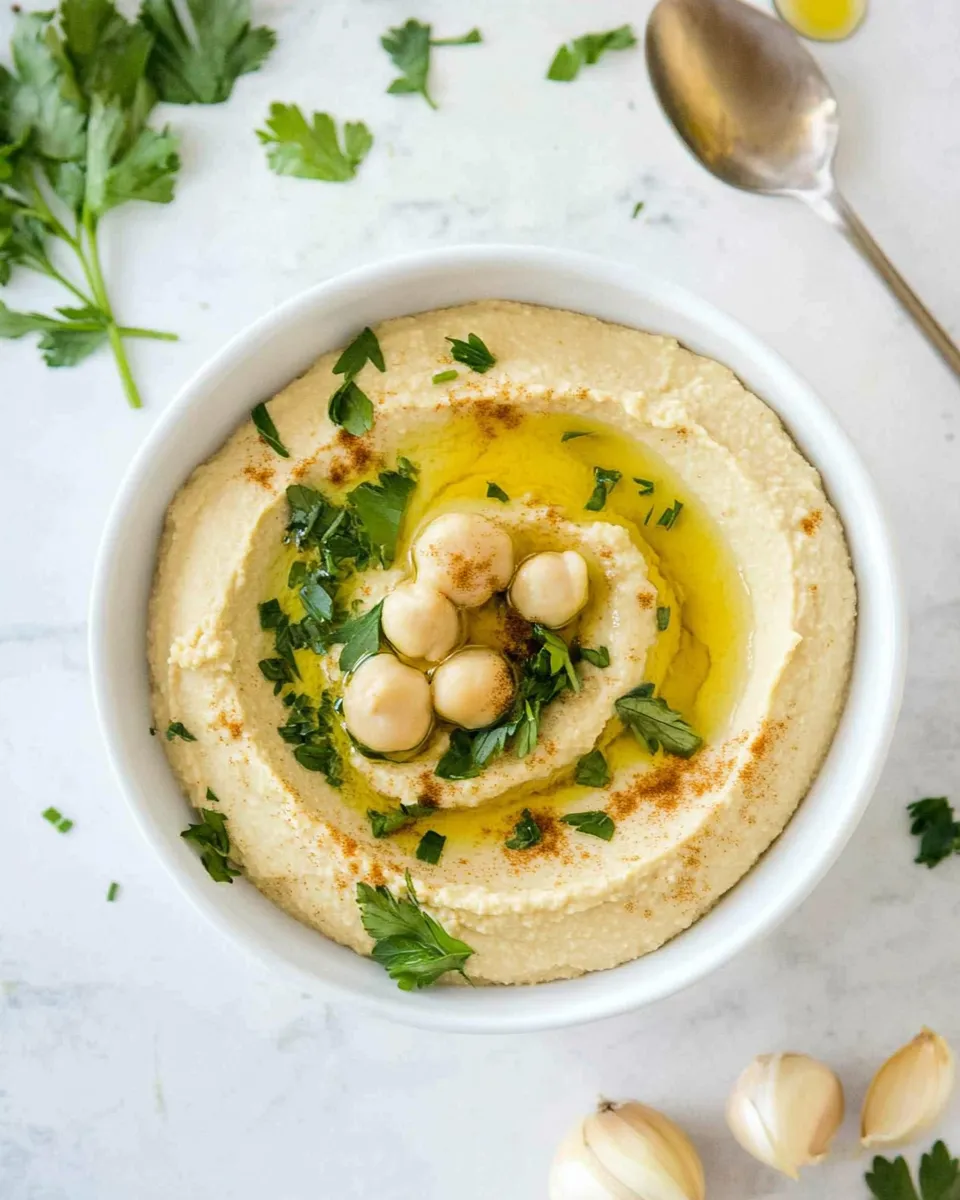
This is the hummus I make when I want something reliable, smooth, and undeniably satisfying. It’s straightforward, forgiving, and built on a few strong ingredients that do the heavy lifting. If you’ve struggled to get that velvety texture or balanced lemon-tahini flavor, this recipe gives you the baseline and the small adjustments that make a real difference.
There are no tricks here—just the right order and a few details that transform canned or home-cooked chickpeas into something you’ll reach for again and again. I keep this in my fridge for snacks, quick lunches, and last-minute guests. It’s the kind of recipe that rewards small tuning: a little more tahini for body, a splash of warm water for silkiness, a squeeze more lemon when it needs brightness.
Below you’ll find a clear ingredient list tied to each ingredient’s role, the exact step-by-step method to make the hummus, troubleshooting notes, allergy-friendly swaps, and practical storage tips. Read once, then get your food processor running.
Ingredient Breakdown
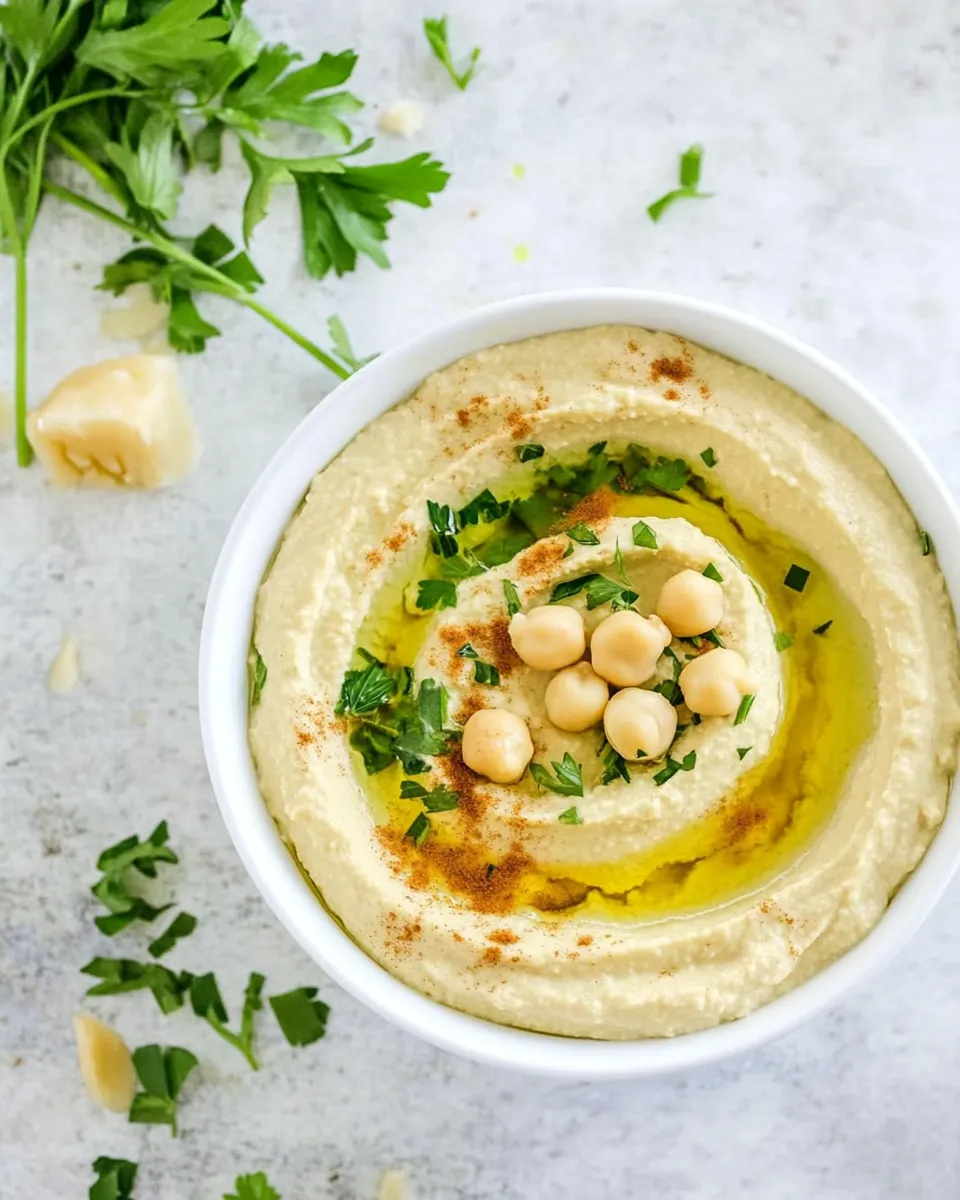
This section explains what each ingredient contributes so you can make smart tweaks without guessing. Understanding the function of each piece makes the adjustments in the instructions meaningful. I list the precise ingredients next, with short notes on why they’re there and how to handle them.
Ingredients
- 3 cups peeled chickpeas (cooked or canned, if canned, rinse well) — The base and body: protein, creaminess, and bulk. Peeled chickpeas will blend smoother; if you have time, rub skins off after cooking for a silkier result.
- 3 tablespoons tahini — Adds richness, sesame depth, and helps emulsify the dip. Use a good-quality tahini for a cleaner flavor.
- 1/4 cup warm water — Hydrates and loosens the mixture, helping achieve a creamy texture. Warm water integrates better than cold.
- 2 tablespoons Greek yogurt (optional for an extra tang, omit if vegan) — Adds a subtle tang and extra creaminess. Leave it out for a dairy-free hummus.
- 1 clove garlic — Fresh garlic gives a sharp, savory lift. Adjust or roast if you prefer a milder taste.
- 1 lemon, juiced — Provides acidity to brighten and balance the tahini. Fresh lemon is crucial; bottled juice lacks the same lift.
- 1/2 teaspoon salt — Brings everything together. Start here and adjust after tasting.
- 1/4 teaspoon cumin — A background warm note; subtle but important for depth.
- 2 tablespoons extra virgin olive oil — Adds silkiness and flavor. Use good quality for finishing and for blending into the hummus.
Cook Ultimate Hummus Dip Like This
- Measure 3 cups peeled chickpeas. If using canned chickpeas, drain and rinse them well.
- Warm the 1/4 cup water until lukewarm (microwave briefly or warm on the stove).
- Place the chickpeas in the bowl of a food processor and pulse until the chickpeas break down to a coarse, crumbly texture.
- Add 3 tablespoons tahini, 1 clove garlic, the juice of 1 lemon, 1/2 teaspoon salt, 1/4 teaspoon cumin, 2 tablespoons extra virgin olive oil, the warmed 1/4 cup water, and 2 tablespoons Greek yogurt if using (omit if vegan).
- Process the mixture until smooth, stopping to scrape down the sides of the bowl as needed.
- Taste and adjust seasoning or texture: add more salt, lemon juice, tahini (for thickness), or small amounts of warm water (for thinning) as desired, processing briefly after each adjustment.
- Transfer the hummus to a serving bowl and serve.
Why This Recipe is a Keeper
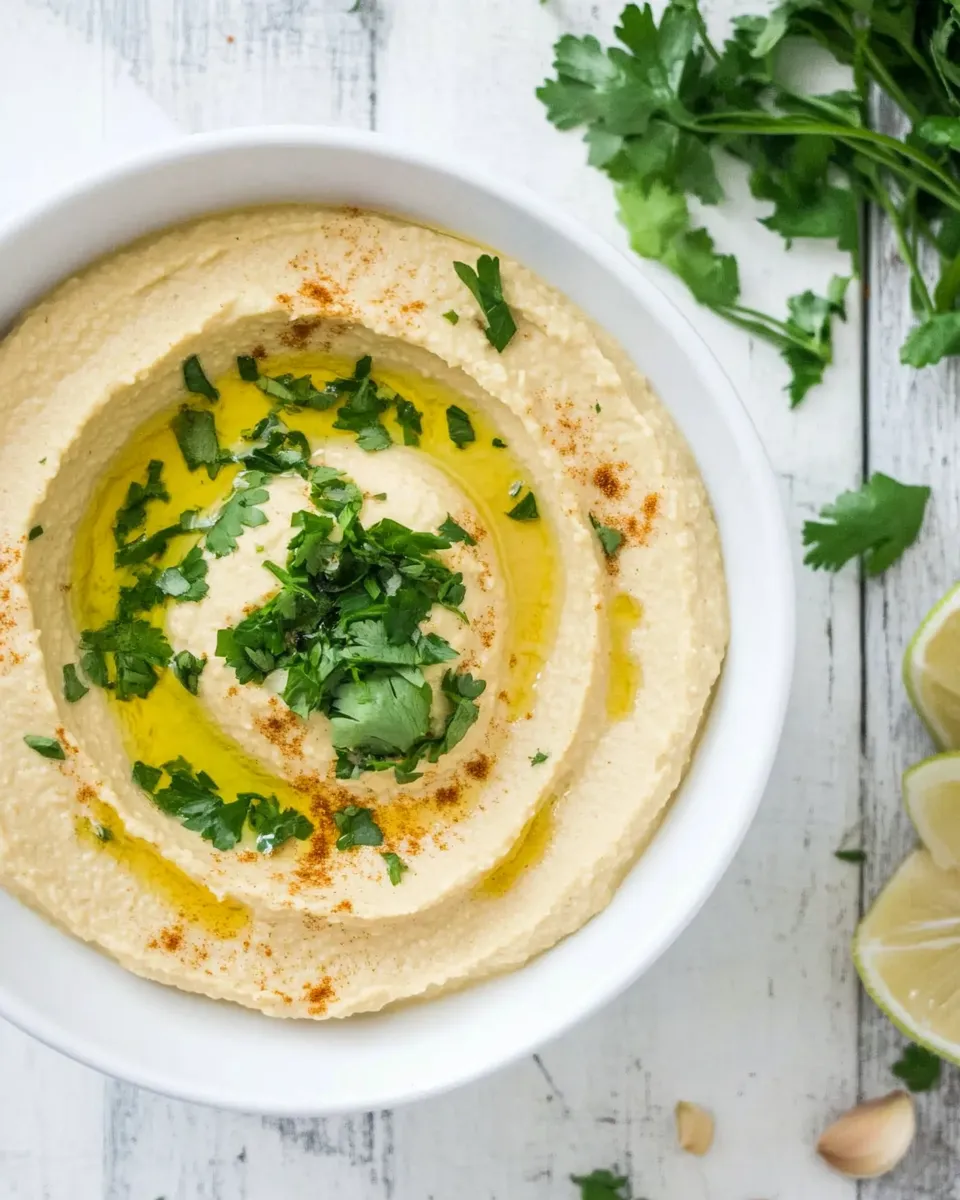
It’s reliable. The proportions and warm water trick make this hummus smooth without masking the chickpea flavor. Tahini and olive oil create an emulsified base that holds together and behaves well when you dip or spread. The little bit of cumin adds complexity without turning the hummus into something else entirely.
It’s flexible. You can use cooked chickpeas from scratch or use canned — rinse them well and proceed. The presence of optional Greek yogurt gives you the choice to add tang and creaminess or leave it out for a vegan version. And the method is forgiving: small adjustments after processing let you tailor texture and seasoning precisely.
It keeps well. Properly stored, it lasts in the fridge and remains useful across several meals. It’s a dependable shortcut for lunches, dinner components, and parties.
Allergy-Friendly Substitutes
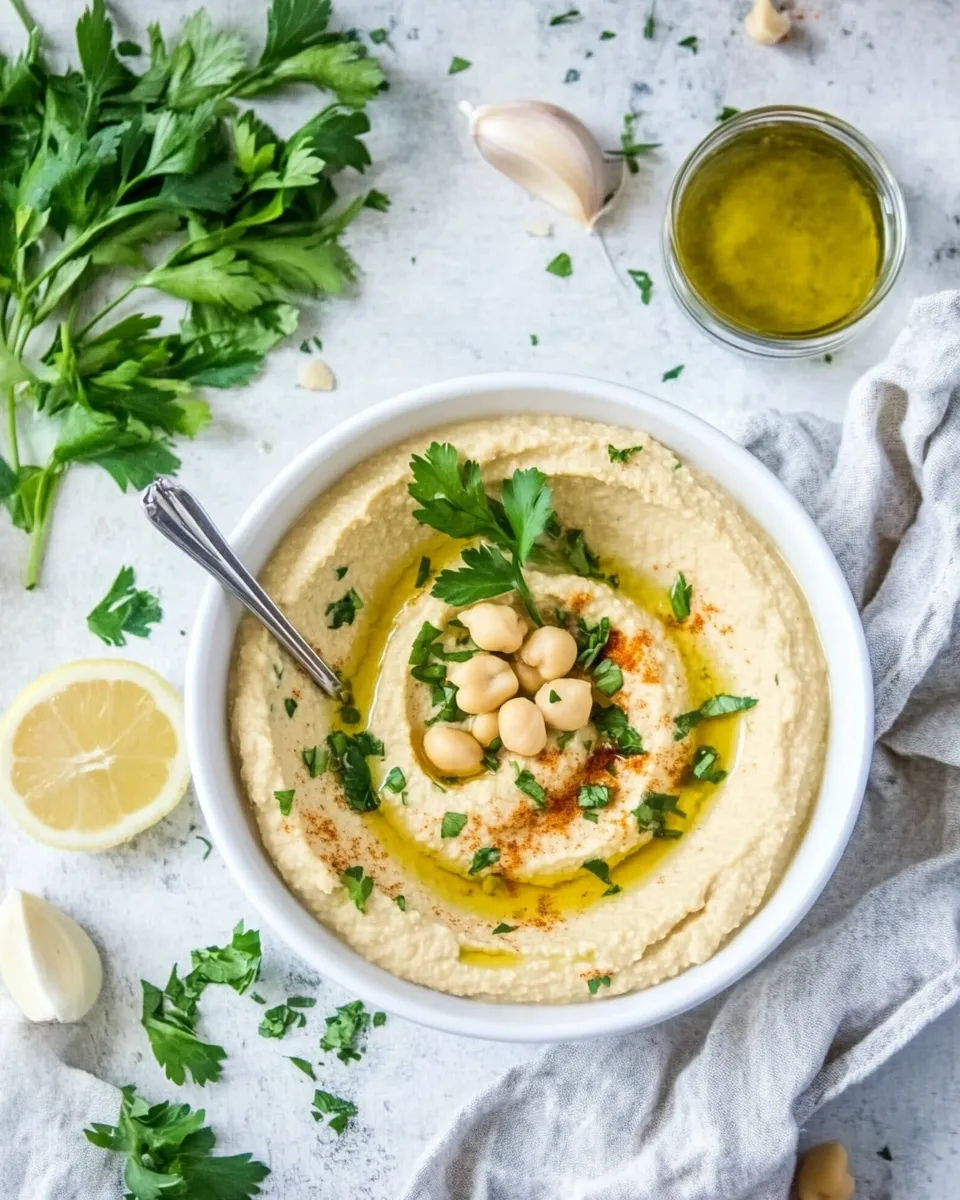
This recipe includes a couple of potential allergens (sesame in tahini, dairy in yogurt). Here are safe swaps and considerations:
- Sesame allergy: Tahini is sesame-based. If you must avoid sesame, omit tahini and replace it with an extra 1 to 2 tablespoons of neutral oil and 1–2 tablespoons of additional chickpea or cooked white bean purée for body. The flavor will shift, so add a touch more lemon and a pinch of smoked paprika or mild mustard for depth.
- Dairy-free / vegan: Omit the 2 tablespoons Greek yogurt. The hummus will be slightly less tangy and thick, but the warm water and extra olive oil will keep it smooth. You can use a dollop of unsweetened plant yogurt if you want a tangy dairy-free substitute.
- Garlic sensitivity: Reduce the fresh garlic to 1/2 clove or swap for 1/4 teaspoon garlic powder and add it gradually to taste.
- Low-sodium: Reduce the salt and finish with a squeeze of lemon or a sprinkle of herb for flavor instead. Taste after processing and add small pinches until balanced.
Must-Have Equipment
Good tools make this fast and consistent. You don’t need anything exotic, but these are the items I consider essential:
- Food processor — The primary tool. It purees the chickpeas to the right texture and lets you adjust after processing.
- Measuring spoons/cups — For reliable proportions of tahini, water, oil, and seasonings.
- Citrus juicer or reamer — Fresh lemon juice matters; a reamer helps get every last drop quickly.
- Spatula — For scraping the bowl clean and moving the hummus into the serving dish.
- Small saucepan or microwave-safe cup — To warm the water; it only needs to be lukewarm, not hot.
Things That Go Wrong
Here are the most common problems and how to fix them.
Hummus too grainy
Cause: chickpeas weren’t processed long enough, skins intact, or the food processor isn’t powerful. Fix: continue processing, scraping the bowl more frequently. If skins are an issue, remove them before processing for an ultra-smooth finish. Warm water helps, too—add small amounts while processing.
Hummus too thick
Cause: not enough liquid or too much tahini. Fix: add small amounts of warm water (a teaspoon at a time), process, and re-check until you reach the desired silkiness. Lemon juice can also thin slightly while adding brightness.
Hummus too thin
Cause: too much water or oil. Fix: add a touch more tahini or an extra tablespoon of blended chickpeas, then process until it firms up.
Bitter or off taste
Cause: old or rancid tahini, over-processed raw garlic, or poor-quality olive oil. Fix: use a fresher tahini or reduce the tahini amount and boost lemon, or lightly roast the garlic beforehand to mellow it.
Make It Year-Round
This hummus fits every season. In warmer months, keep the lemon bright and serve with crisp vegetables and cool salads. In colder months, serve it warm as part of a composed bowl — gently reheat the hummus and drizzle warm olive oil over the top for comforting texture.
For winter: add a warm topping like sautéed mushrooms or caramelized onions (no measurements needed here; use as desired). For summer: a splash of extra lemon and fresh herbs on top keeps it feeling light. The base recipe is stable and accepts small seasonal toppings without losing its character.
Pro Perspective
Professionals focus on texture and balance. Texture is controlled by processing time, the gap between pulses and full processing, and the order in which you add the liquids. Start with the chickpeas alone to break them down, then introduce fats and liquids to emulsify. Warm water integrates more predictably than cold, which can cause the mixture to seize or appear grainy.
Balance is about contrast: tahini gives weight and sesame bitterness, lemon cuts that with brightness, salt brings up flavor, and garlic adds savory bite. Taste and tweak at the end. Small, incremental adjustments are key—add a quarter-teaspoon of salt or a teaspoon of water, re-process, taste, repeat.
Refrigerate, Freeze, Reheat
Refrigerate: Store in an airtight container for up to 5 days. Press a piece of plastic wrap directly onto the surface before sealing to reduce oxidation and color change. When ready to serve, stir and drizzle a bit of olive oil on top for freshness.
Freeze: You can freeze hummus, but texture may change slightly. Portion into airtight containers or heavy freezer bags, removing excess air. Freeze up to 3 months. Thaw in the refrigerator overnight. Re-emulsify by stirring vigorously or briefly processing with a teaspoon or two of warm water and a splash of olive oil.
Reheat: Hummus is usually served cold or at room temperature. For a warmed version, gently heat on the stove over low heat while stirring, or microwave briefly in short bursts, stirring between intervals. Add a small splash of warm water or olive oil if it tightens during reheating.
Ultimate Hummus Dip Q&A
Q: Can I use canned chickpeas?
A: Yes. Drain and rinse them well. The recipe explicitly allows canned chickpeas—just measure 3 cups peeled chickpeas or the equivalent after draining.
Q: Should I remove chickpea skins?
A: It’s optional. Removing skins yields a silkier hummus, but it’s time-consuming. If you want the smoothest possible texture and have the patience, slip the skins off; otherwise, the processor will do a good job with firm processing and warm water.
Q: What if I don’t have tahini?
A: Tahini is central to traditional hummus. If you must avoid it (for allergy reasons), you can increase olive oil and chickpea purée and adjust lemon and seasoning to taste. The flavor profile will change.
Q: How can I make it spicier or smokier?
A: Add seasoning at the end as a topping—smoked paprika, ground cayenne, or a drizzle of chili oil work well. These are finishing touches and don’t change the base recipe’s proportions.
Q: Do I have to use Greek yogurt?
A: No. It’s optional. Use it for extra tang and richness, but omit it for a vegan version. The hummus is still great without it.
Wrap-Up
This Ultimate Hummus Dip is the kind of recipe that earns its place in your regular rotation. It’s simple to scale, flexible in use, and easy to tweak. Follow the steps in order, taste and correct at the end, and you’ll have a hummus that’s smooth, balanced, and well-suited to dips, spreads, and bowls.
Make a batch, keep it chilled, and learn how small tweaks—more tahini for thickness, a touch more lemon for brightness, or a dash of warm water for silkiness—change the final result. Once you understand the roles of the ingredients and the effect of each adjustment, you’ll be confident making this hummus however you like it best.
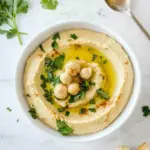
Ultimate Hummus Dip
Ingredients
Ingredients
- 3 cupspeeled chickpeas cooked or canned, if canned, rinse well
- 3 tablespoonstahini
- 1/4 cupwarm water
- 2 tablespoonsGreek yogurt optional for an extra tang, omit if vegan
- 1 clovegarlic
- 1 lemonjuiced
- 1/2 teaspoonsalt
- 1/4 teaspooncumin
- 2 tablespoonsextra virgin olive oil
Instructions
Instructions
- Measure 3 cups peeled chickpeas. If using canned chickpeas, drain and rinse them well.
- Warm the 1/4 cup water until lukewarm (microwave briefly or warm on the stove).
- Place the chickpeas in the bowl of a food processor and pulse until the chickpeas break down to a coarse, crumbly texture.
- Add 3 tablespoons tahini, 1 clove garlic, the juice of 1 lemon, 1/2 teaspoon salt, 1/4 teaspoon cumin, 2 tablespoons extra virgin olive oil, the warmed 1/4 cup water, and 2 tablespoons Greek yogurt if using (omit if vegan).
- Process the mixture until smooth, stopping to scrape down the sides of the bowl as needed.
- Taste and adjust seasoning or texture: add more salt, lemon juice, tahini (for thickness), or small amounts of warm water (for thinning) as desired, processing briefly after each adjustment.
- Transfer the hummus to a serving bowl and serve.
Equipment
- Food Processor
- microwave (optional)
- Serving bowl
Notes
Peeled or not, a high-speed food processor will always deliver the best results in terms of texture.
For this recipe, you can use canned or cooked, dried chickpeas.
Don't go overboard with garlic and cumin as those flavors can be overpowering.
This recipe is the base of endless variations, so feel free to add olives, red bell pepper or harissa.