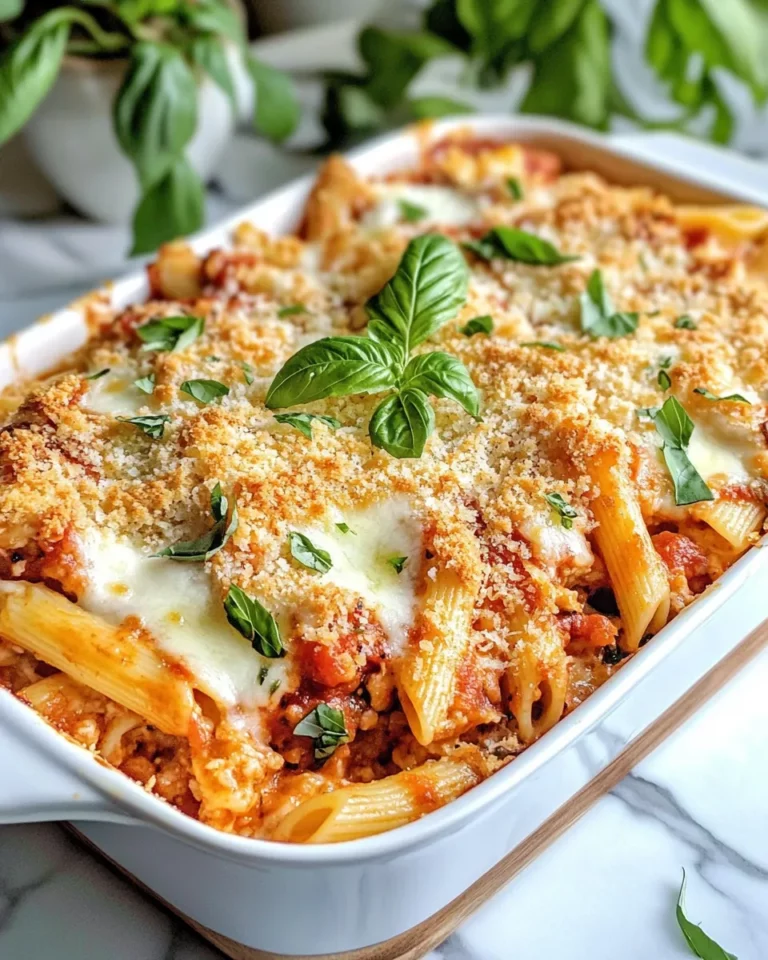
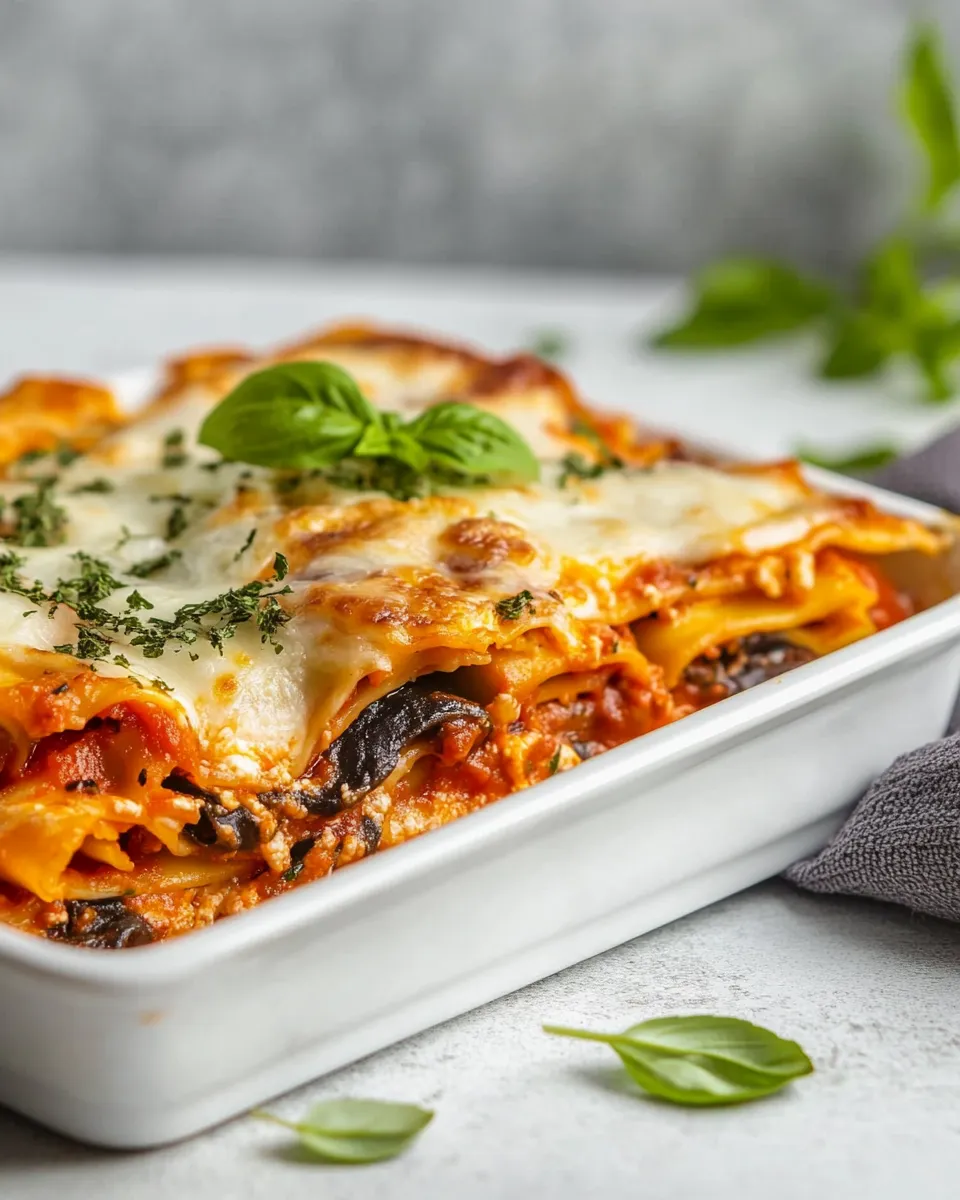
I make this Vegetable Lasagna on the nights I want comfort food without meat. It layers familiar, simple ingredients—cottage cheese, mozzarella, a good jar of marinara—and a bounty of sautéed vegetables so the texture and flavor feel fresh. It’s forgiving. You can adjust what’s in the pan without wrecking the final dish.
There’s a cadence to assembling lasagna that I love. A little sauce on the bottom, a layer of dry noodles, a soft cheese spread, more sauce, noodles, and cheese—then into the oven. It may sound formal, but the method is straightforward and repeatable. The resting time at the end is crucial; resist the urge to slice it hot.
This version uses dry, uncooked lasagna noodles layered into the dish; the sauce and the moist cheeses do the work of cooking them. That means less pre-boiling and less fuss for midweek cooking. Read through the steps once before you begin. Set your ingredients close at hand, and you’ll move smoothly from skillet to oven.
Ingredient Rundown
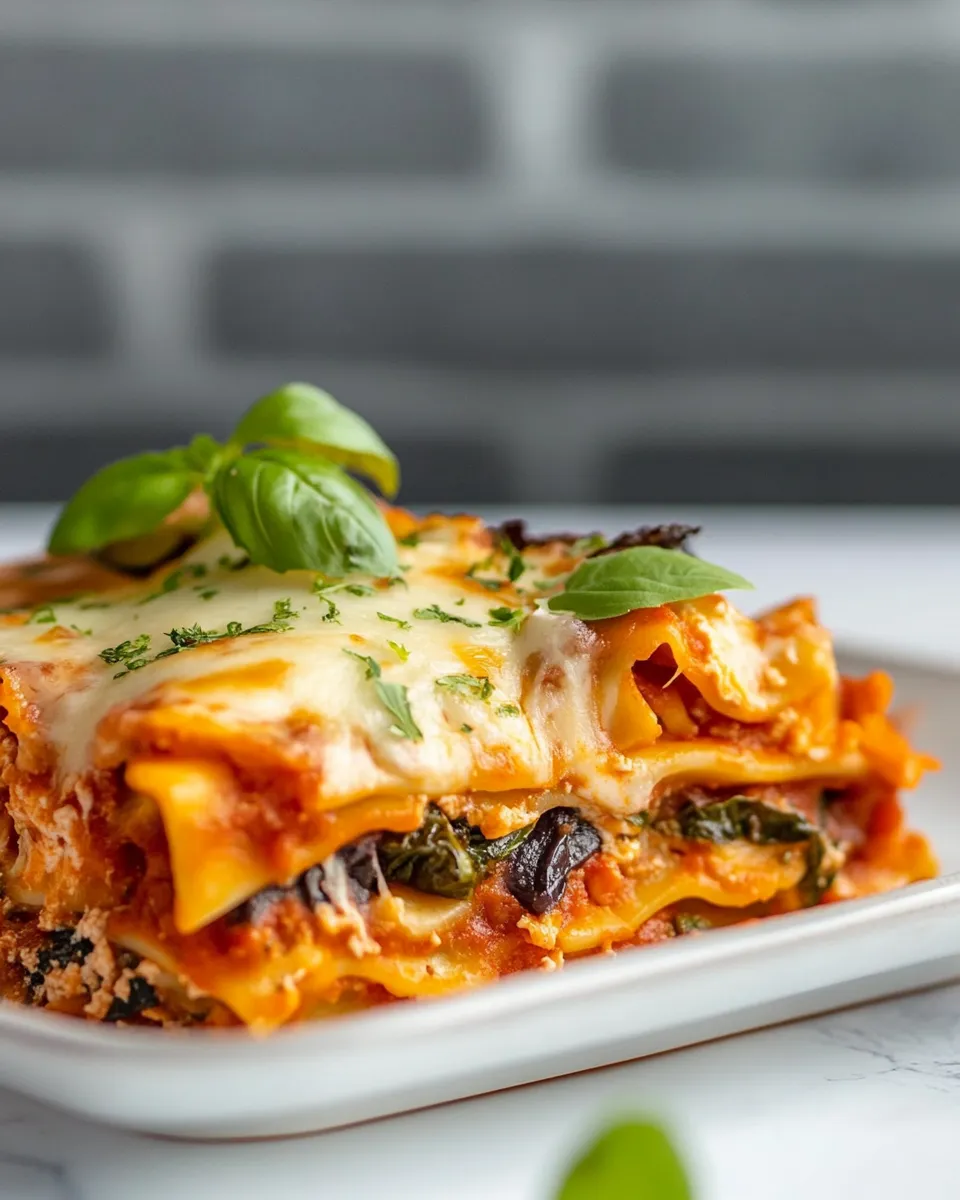
- 2mediumcarrot — adds sweetness, color, and a bit of bite; dice small so it softens evenly when sautéed.
- 1mediumbell pepperred or green — gives brightness and a mild crunch; red is sweeter, green is sharper.
- 2cupsfresh baby spinach — wilts quickly and folds into the sauce to bulk up the filling; squeeze out excess liquid if very wet.
- 1zucchini — tender when sautéed; dice to a similar size as the carrot so everything cooks together.
- 1mediumonion — the savory backbone of the sauté; cook until translucent for gentle sweetness.
- 2cupspaghetti or marinara sauce — the primary moisture and flavor carrier; use a jar you like or a simple homemade marinara.
- 2cupcottage cheese — replaces ricotta here for a lighter, slightly tangy interior; stir until smooth.
- 1ouncecream cheese — softens the cottage cheese mixture and makes it spreadable; bring to room temperature first.
- 8ouncemozzarella cheese — provides melty, stretchy topping and interior pockets; reserve about 1/4 for the top as directed.
- 3ozParmesan cheese — salty, nutty finish for the cheese mixture; fine-grated is easiest to distribute.
- 1teaspoonsalt — seasons the cheese filling; adjust if your sauce is already very salty.
- 2largeegg — binds the cheese mixture so it sets when baked; beat lightly before mixing in.
- 8ouncelasagna noodles, dry — no-boil approach here; the sauce and cheeses provide the moisture they need while baking.
Step-by-Step: Vegetable Lasagna
- Preheat oven to 350°F (175°C).
- Dice 2mediumcarrot, 1mediumbell pepperred or green, 1mediumonion, and 1zucchini. Heat a nonstick skillet over medium heat and add the diced vegetables. Sauté until the carrots and zucchini are tender, about 5–8 minutes.
- Add 2cupsfresh baby spinach to the skillet and sauté about 1 minute, until the spinach is just wilted. Stir in 2cupspaghetti or marinara sauce, heat through, then remove from heat.
- In a large bowl, combine 2cupscottage cheese, 1ouncecream cheese (softened), most of the 8ouncemozzarella cheese (reserve about 1/4 of the mozzarella for the top), 3ozParmesan cheese, 1teaspoonsalt, and 2largeegg. Mix until evenly combined.
- Spread 1 cup of the sauce-and-vegetable mixture across the bottom of a 13×9-inch baking dish.
- Arrange a single layer of the 8ouncelasagna noodles, dry and uncooked, over the sauce to cover the bottom of the dish (break noodles to fit as needed). Spoon and spread half of the cheese mixture evenly over the noodles.
- Spread the remaining sauce-and-vegetable mixture over the cheese layer. Add another layer of the uncooked lasagna noodles to cover, then spread the remaining cheese mixture over those noodles. Top with the reserved mozzarella set aside in step 4.
- Cover the dish tightly with foil and bake in the preheated oven for 50 minutes. Remove the foil and bake an additional 10 minutes.
- Remove from oven and allow the lasagna to cool for 15–20 minutes before cutting and serving.
What Makes This Recipe Special
This lasagna keeps things practical and honest. The combination of cottage cheese and a small amount of cream cheese makes the filling creamy and spreadable without using large amounts of ricotta. Reserving a portion of the mozzarella to melt on top gives you that classic golden, bubbly finish.
Using dry lasagna noodles saves a step and a pot. The method relies on enough sauce and the moisture from the vegetables and cheeses to hydrate the noodles fully in the oven. That makes this a tidy, weeknight-friendly recipe that still delivers on texture: tender noodles, creamy layers, and distinct vegetable pieces throughout.
Finally, the recipe is flexible. Swap vegetables as you like, use a favorite jarred sauce, and adjust seasoning. It’s a dish that dresses up easily for guests or simplifies for dinner for two.
Texture-Safe Substitutions
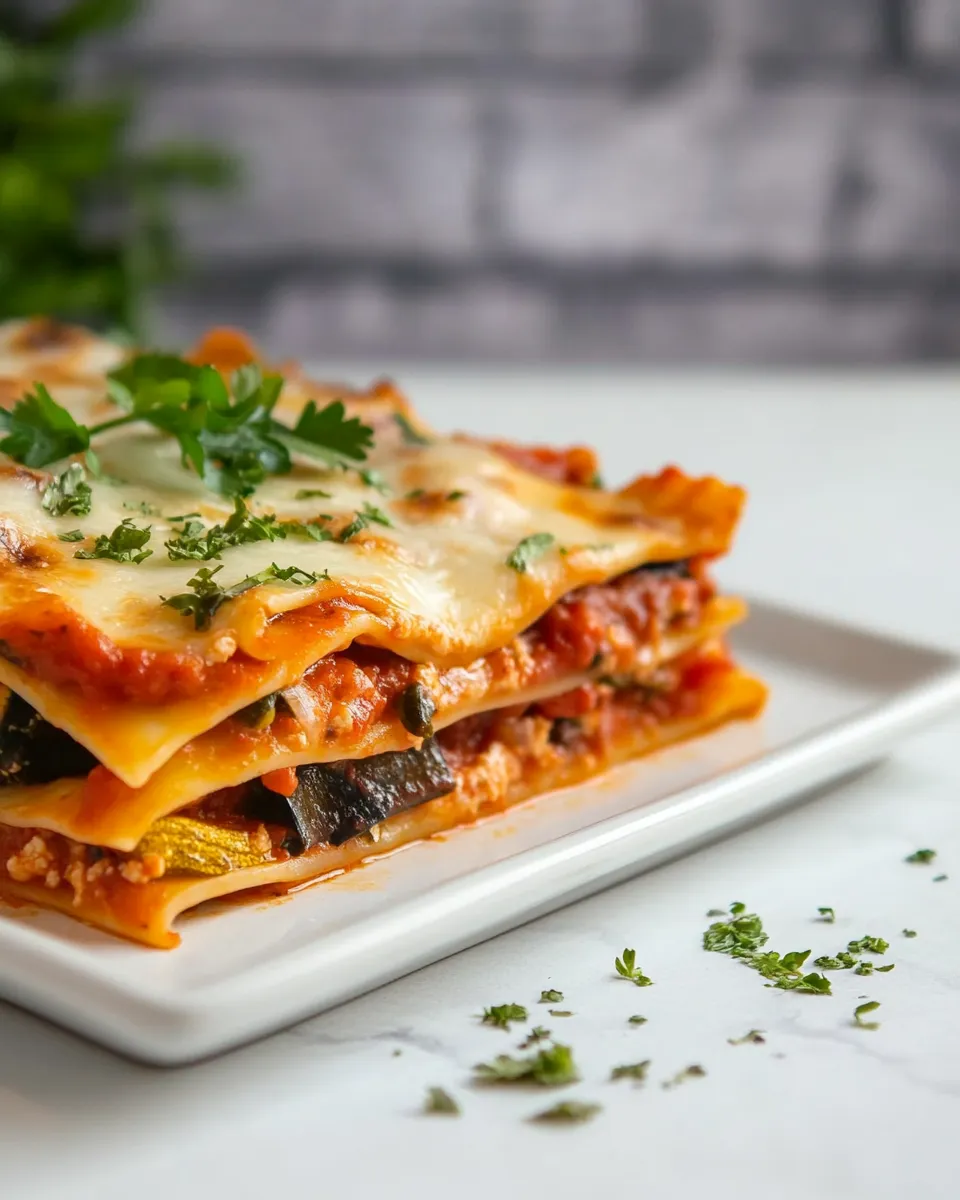
- Use ricotta instead of cottage cheese if you prefer a smoother, richer filling; fold it in gently to avoid a runny mixture.
- Swap plain cream cheese for a lighter neufchâtel if you want a touch less fat but similar texture.
- Choose shredded part-skim mozzarella to reduce grease while keeping stretch; reserve some for the top as instructed.
- For the Parmesan component, finely grated hard cheese keeps the filling cohesive; it’s more about umami than volume.
- If you need the noodles to cook more quickly, use no-boil lasagna noodles labeled for that purpose—texture will be comparable when sauce is ample.
Gear Up: What to Grab
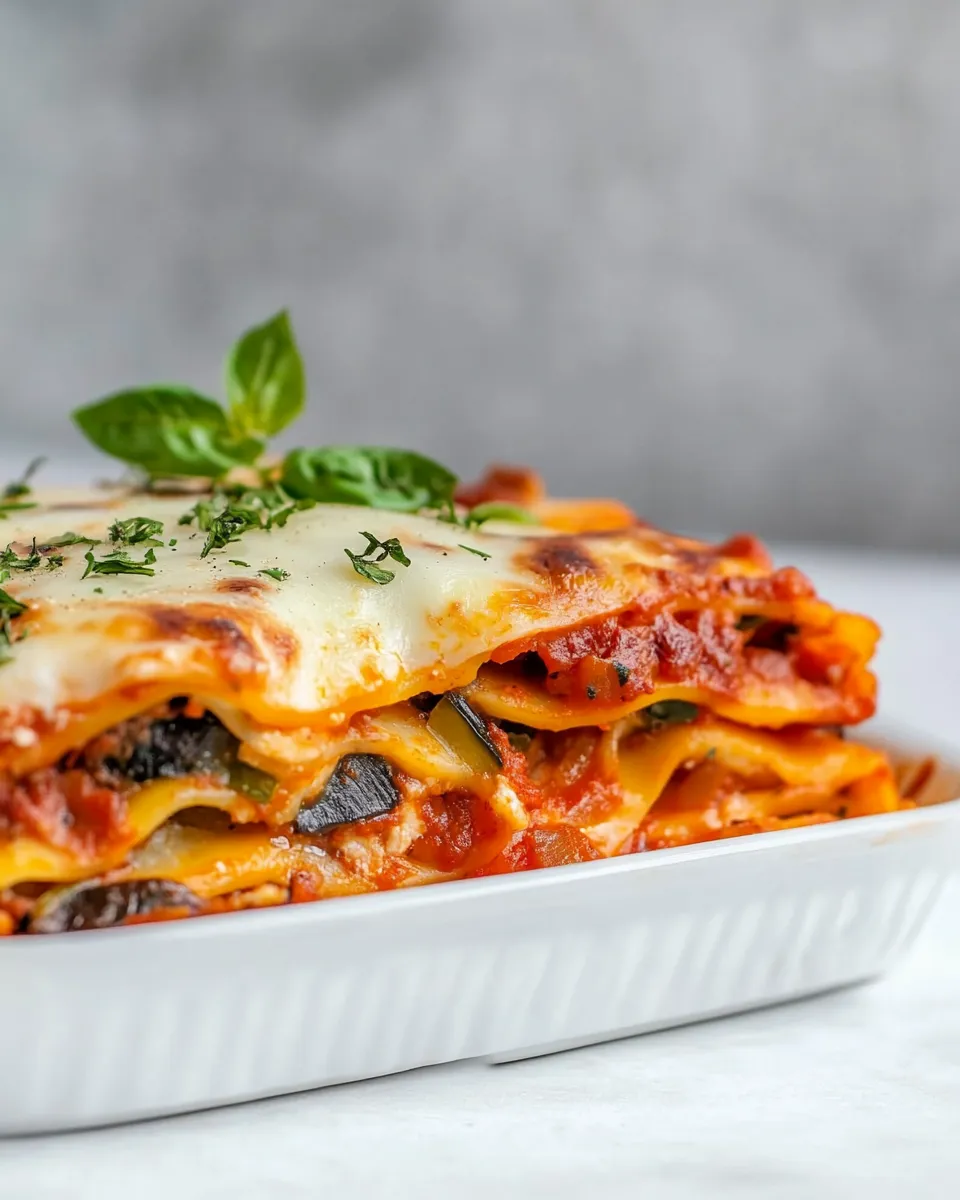
- 13×9-inch baking dish — the recipe quantities are sized for this pan.
- Nonstick skillet — for sautéing the vegetables without sticking; stainless with a bit of oil also works.
- Large mixing bowl — to combine the cottage cheese, cream cheese, eggs, and shredded cheeses.
- Rubber spatula or offset spatula — for spreading the cheese mixture evenly over the noodles.
- Aluminum foil — to cover the lasagna for the first part of baking and keep moisture in.
- Sharp knife and cutting board — for even dicing so vegetables cook evenly.
- Measuring cups and spoons — to keep salt and sauce proportions consistent.
Mistakes Even Pros Make
Rushing the rest time. If you cut the lasagna immediately, it will be very loose and the layers will slide apart. Wait the full 15–20 minutes; that resting time lets the filling set.
Using sauce that’s too thin. Thin sauce can lead to soupy layers. If your sauce feels watery, simmer it briefly to thicken, or drain off excess liquid from very wet vegetables before mixing them into the sauce.
Not seasoning the cheese mixture. Cottage cheese can be mild and needs seasoning. The recipe includes 1 teaspoon of salt; taste the sauce and adjust gently if your jarred sauce is salty.
Removing the foil too soon. The covered bake time ensures the noodles hydrate fully. Pull the foil for the last 10 minutes only to brown the top.
Adaptations for Special Diets
Gluten-free: Use gluten-free lasagna noodles that are designed for baking. Follow the same assembly and bake times; monitor hydration since some gluten-free noodles absorb differently.
Dairy-free/Vegan: Replace the cottage and cream cheeses with well-drained blended silken tofu or a thick cashew cream for body. Use a vegan shredded mozzarella and a vegan Parmesan alternative or nutritional yeast for umami. Skip the egg binder and consider adding 1–2 tablespoons of cornstarch mixed with a little non-dairy milk to help the filling set.
Lower-sodium: Pick a low-sodium marinara and skip added salt initially; you can always add a pinch before serving if needed.
Testing Timeline
Quick timeline for one cook
- Prep and dice vegetables — 10 to 15 minutes.
- Sauté vegetables and wilt spinach — about 6 to 10 minutes total (5–8 minutes to soften carrots/zucchini; ~1 minute for spinach).
- Mix cheeses and assemble the dish — 10 to 15 minutes.
- Bake covered — 50 minutes; uncover and bake more — 10 minutes.
- Cool and rest — 15 to 20 minutes.
Plan for roughly 95 to 120 minutes from start to table, most of which is hands-off baking and resting. The hands-on time is closer to 30–40 minutes.
How to Store & Reheat
To store: cool the lasagna to room temperature, then cover tightly with foil or plastic wrap and refrigerate for up to 4 days. For longer storage, wrap well and freeze for up to 3 months.
To reheat from the fridge: place individual slices or the whole dish covered with foil in a 350°F oven until warmed through, about 20–30 minutes for single portions and 30–40 minutes for a whole dish depending on depth. From frozen: thaw overnight in the refrigerator, then bake covered at 350°F until heated through, about 40–60 minutes. Remove foil for the last 10–15 minutes to re-crisp the top.
Microwave option: for a single slice, microwave on medium power in 30–45 second bursts until heated through, then let rest 1–2 minutes before serving so the filling firms slightly.
Ask & Learn
If your lasagna is a little watery, check three things: the consistency of your sauce, how much liquid the vegetables released, and whether the filling was overmixed. To fix runniness next time, thicken the sauce, sauté vegetables a touch longer to drive off moisture, or reduce wet ingredients slightly.
If the top browns too fast while the center is still cool, lower the oven by 10–15°F, tent with foil, and extend baking time until the center reaches a gentle bubbling. An oven thermometer is a small investment that ensures your oven’s temperature matches the dial.
Have questions about swapping a specific vegetable or using a different binder? Ask with details (what you plan to use and any dietary limits) and I’ll help troubleshoot texture and timing.
Ready, Set, Cook
Line up your vegetables, open your jar of sauce, and preheat the oven. This Vegetable Lasagna rewards a bit of patience: precise dicing, even layers, and a short rest make the difference. Follow the steps, keep an eye on moisture, and you’ll have a cozy, melty lasagna that’s as family-friendly as it is forgiving.
When you try it, come back and tell me what you changed. Did you use red pepper or green? Swap in extra zucchini? I read every comment and love hearing how readers adapt recipes to their kitchens. Happy cooking.
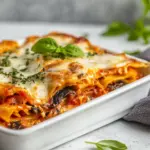
Vegetable Lasagna
Ingredients
Ingredients
- 2 mediumcarrot
- 1 mediumbell pepperred or green
- 2 cupsfresh baby spinach
- 1 zucchini
- 1 mediumonion
- 2 cupspaghetti or marinara sauce
- 2 cupcottage cheese
- 1 ouncecream cheese
- 8 ouncemozzarella cheese
- 3 ozParmesan cheese
- 1 teaspoonsalt
- 2 largeegg
- 8 ouncelasagna noodles dry
Instructions
Instructions
- Preheat oven to 350°F (175°C).
- Dice 2mediumcarrot, 1mediumbell pepperred or green, 1mediumonion, and 1zucchini. Heat a nonstick skillet over medium heat and add the diced vegetables. Sauté until the carrots and zucchini are tender, about 5–8 minutes.
- Add 2cupsfresh baby spinach to the skillet and sauté about 1 minute, until the spinach is just wilted. Stir in 2cupspaghetti or marinara sauce, heat through, then remove from heat.
- In a large bowl, combine 2cupscottage cheese, 1ouncecream cheese (softened), most of the 8ouncemozzarella cheese (reserve about 1/4 of the mozzarella for the top), 3ozParmesan cheese, 1teaspoonsalt, and 2largeegg. Mix until evenly combined.
- Spread 1 cup of the sauce-and-vegetable mixture across the bottom of a 13×9-inch baking dish.
- Arrange a single layer of the 8ouncelasagna noodles, dry and uncooked, over the sauce to cover the bottom of the dish (break noodles to fit as needed). Spoon and spread half of the cheese mixture evenly over the noodles.
- Spread the remaining sauce-and-vegetable mixture over the cheese layer. Add another layer of the uncooked lasagna noodles to cover, then spread the remaining cheese mixture over those noodles. Top with the reserved mozzarella set aside in step 4.
- Cover the dish tightly with foil and bake in the preheated oven for 50 minutes. Remove the foil and bake an additional 10 minutes.
- Remove from oven and allow the lasagna to cool for 15–20 minutes before cutting and serving.
Equipment
- Oven
- nonstick skillet
- 13x9-inch baking dish
- Mixing Bowl
- Foil