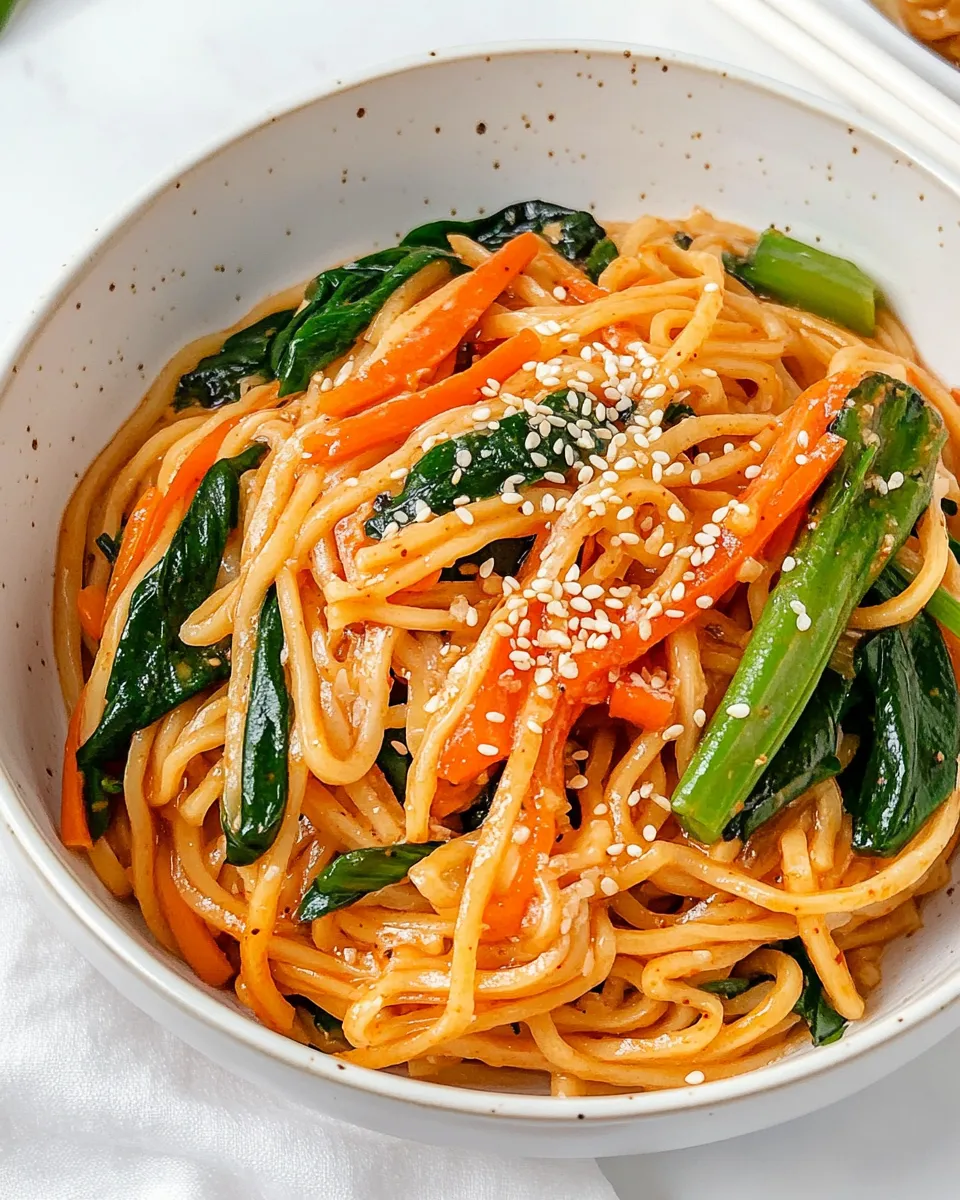
This recipe is one of those weekday champions: straightforward, forgiving, and quick to put together. It leans on the chewy charm of dangmyeon (sweet potato starch noodles) and a simple, balanced sauce built from pantry-friendly Korean staples. The result is comforting, bright, and easy to adapt whether you want a lighter lunch or a hearty weeknight main.
I’ll walk you through every step — from getting the perfect noodle texture to small tricks that keep the vegetables crisp and the sauce glossy. I cook this regularly because it comes together in under 30 minutes, needs minimal cleanup, and tastes like something you’d order at a casual Korean spot.
Follow the steps as written, and you’ll get consistent results. I’ll also share swaps, common mistakes and fixes, and notes on storing and reheating so leftovers stay just as good the next day.
Ingredient Breakdown
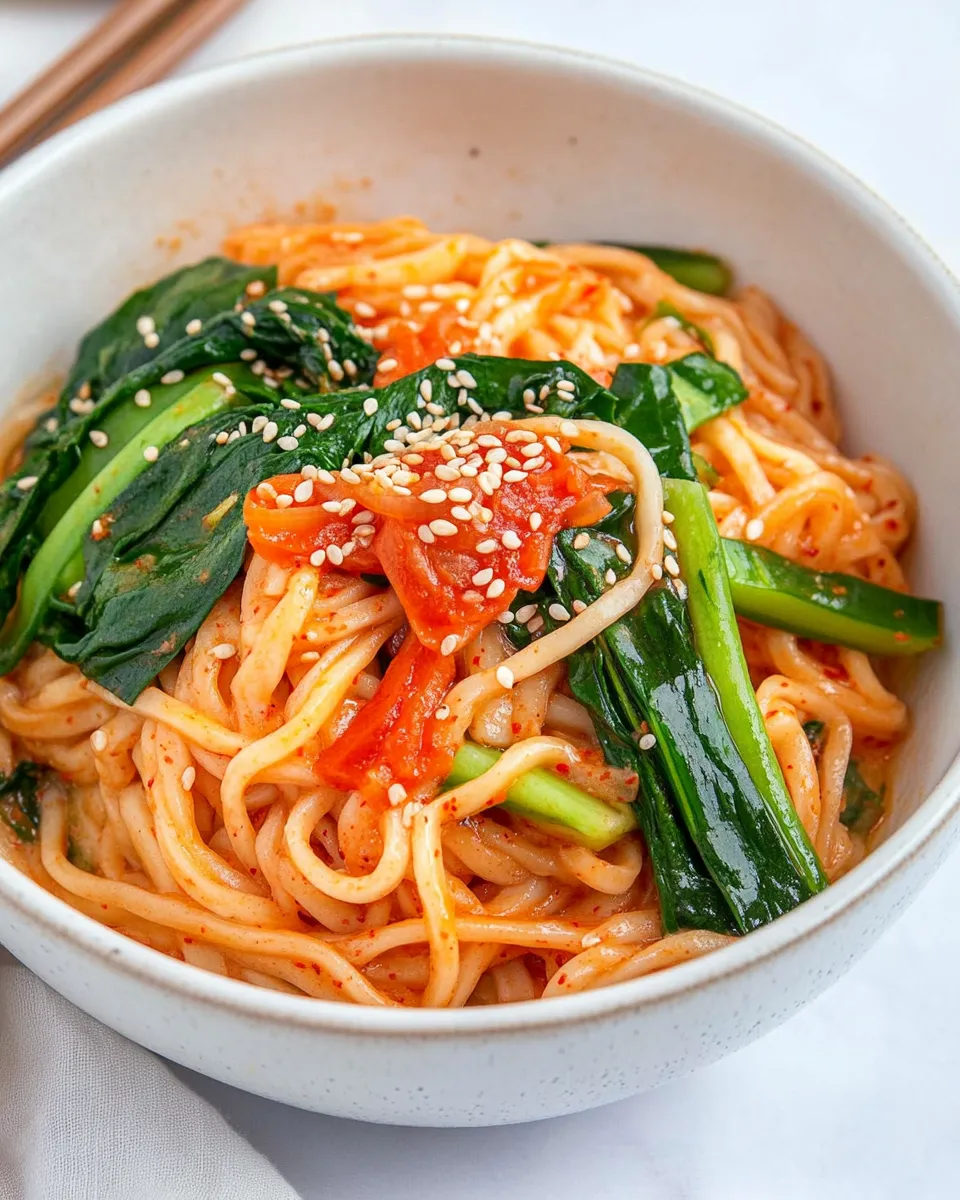
- 8 ounces Korean sweet potato starch noodles (dangmyeon) — the chewy, translucent noodles are the backbone of the dish and soak up the sauce beautifully; cook to al dente so they keep a pleasant bounce.
- 1 tablespoon sesame oil — to flavor the pan and lightly coat the vegetables; use toasted sesame oil for a nutty note.
- 2 teaspoons minced garlic — adds savory depth; mince fresh for best flavor.
- ½ cup thinly sliced onions — build sweetness and texture; slice thin so they soften in the quick sauté.
- ½ cup thinly sliced carrots — add color and crunch; slice into matchsticks or thin rounds for even cooking.
- ½ cup thinly sliced bell peppers — bring brightness and a little sweetness; red or orange work nicely for color.
- ¼ cup low-sodium soy sauce — the salty umami base of the sauce; low-sodium helps control overall salt.
- 2 tablespoons gochujang (Korean chili paste) — provides heat, sweetness, and umami; adjust on the mild or spicy side depending on taste.
- 1 tablespoon rice vinegar — adds a clean, acidic lift to balance the soy and gochujang.
- 1 teaspoon sugar — smooths the edges and balances acidity; white or brown sugar both work.
- ½ cup fresh spinach leaves — wilts quickly and adds a bright, leafy contrast; use baby spinach if available.
- 1 tablespoon toasted sesame seeds — finishing touch for crunch and nutty aroma; toast them briefly if not already toasted.
From Start to Finish: Korean Noodles
- Bring a large pot of water to a boil and cook 8 ounces Korean sweet potato starch noodles (dangmyeon) according to package instructions until al dente. Drain in a colander, rinse under cold water until cool, drain well, and set aside.
- While the noodles cook or immediately after, heat 1 tablespoon sesame oil in a large skillet over medium heat until shimmering.
- Add 2 teaspoons minced garlic, ½ cup thinly sliced onions, ½ cup thinly sliced carrots, and ½ cup thinly sliced bell peppers to the skillet. Sauté, stirring occasionally, until the vegetables are just tender, about 4–6 minutes.
- In a small bowl, whisk together ¼ cup low-sodium soy sauce, 2 tablespoons gochujang, 1 tablespoon rice vinegar, and 1 teaspoon sugar until smooth. Pour the sauce over the sautéed vegetables and cook, stirring, for 1–2 minutes.
- Add the drained noodles and ½ cup fresh spinach leaves to the skillet. Toss or use tongs to combine and cook just until the noodles are heated through and the spinach is wilted, about 1–2 minutes.
- Remove from heat, divide onto plates or a serving dish, and sprinkle 1 tablespoon toasted sesame seeds over the top before serving.
Why This Recipe Belongs in Your Rotation
It’s fast. Most of the active time is a single skillet and a pot of boiling water. That makes it perfect for weeknights or a last-minute dinner when you don’t want takeaway.
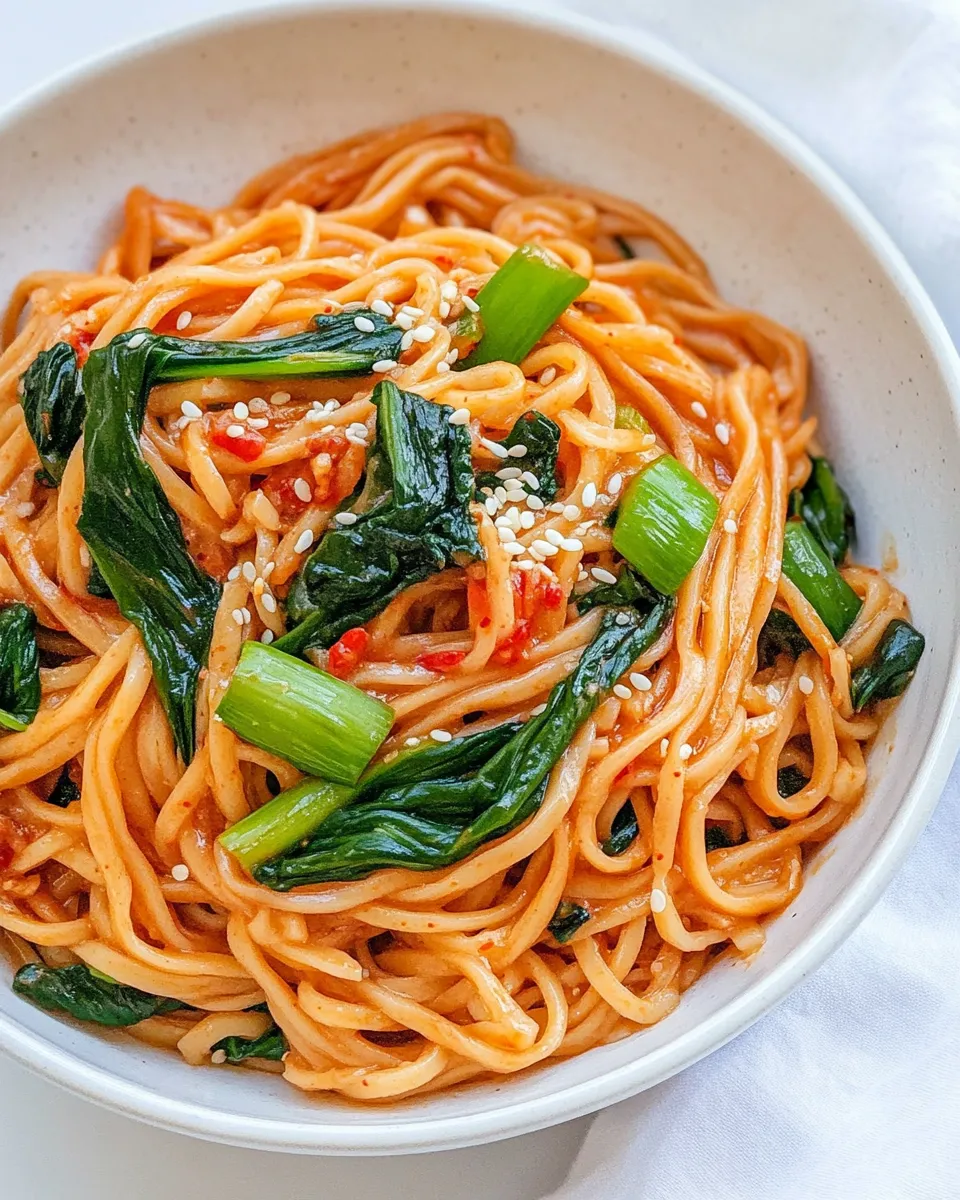
It’s balanced. The dish combines chewy noodles, crisp-tender vegetables, a tangy-spicy-sweet sauce, and a touch of nuttiness from sesame. It hits multiple textures and flavor points using very few components.
It’s flexible. Add protein, swap vegetables, or scale the spice to suit your household. The base technique and sauce scale easily, so you can make a family-sized pan or a single-serving lunch.
Budget & Availability Swaps
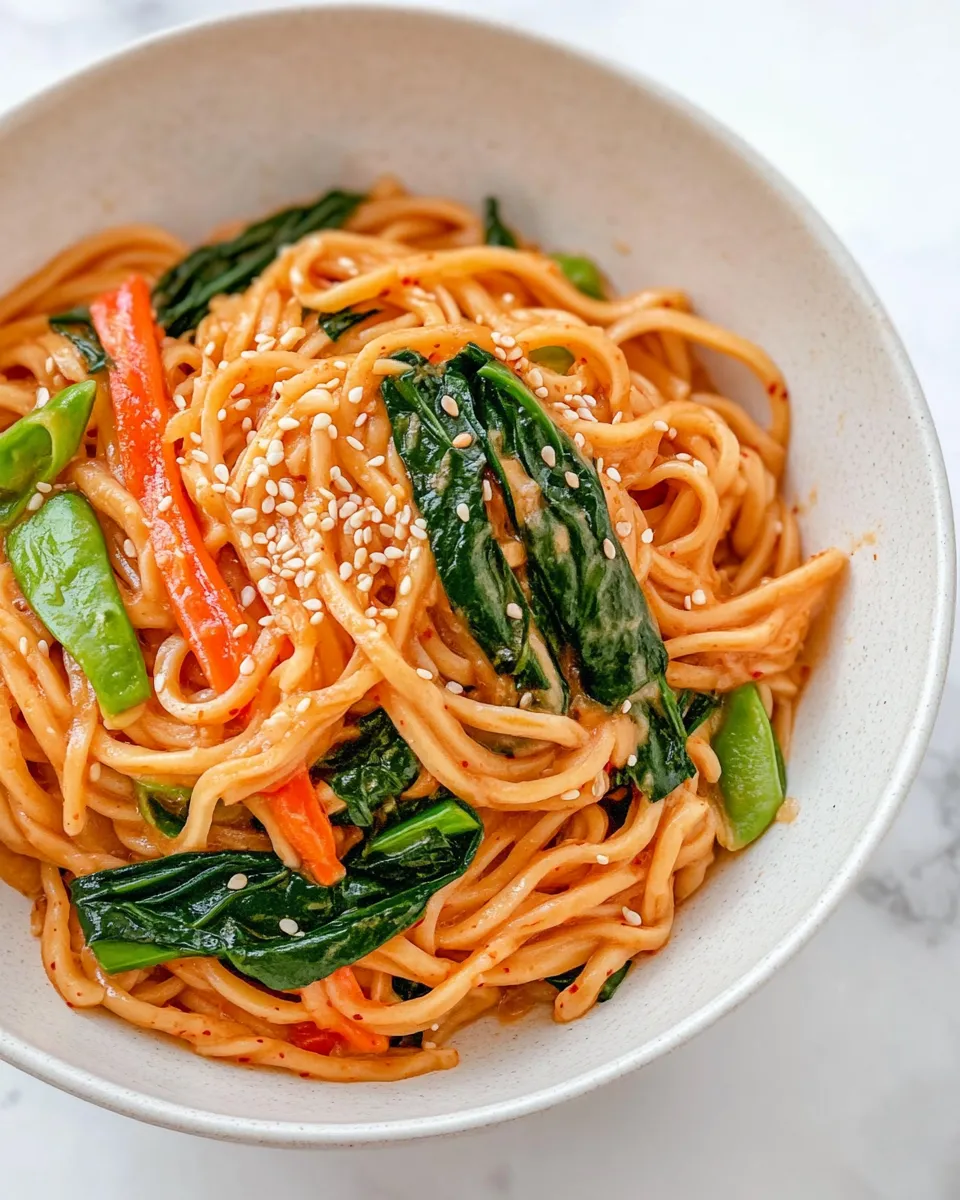
- Dangmyeon substitute: If you can’t find Korean sweet potato starch noodles, glass noodles (cellophane noodles) or wide rice noodles can stand in—texture will differ but the dish remains satisfying.
- Gochujang swap: If gochujang is hard to source, mix 1 tablespoon miso with 1 tablespoon chili paste or sriracha and a touch of honey as a temporary stand-in. The fermented depth won’t be identical but will carry heat and umami.
- Soy sauce alternatives: Use tamari for a gluten-free option. Stick to low-sodium versions to avoid over-salting.
- Vegetable options: Frozen mixed vegetables can work in a pinch—thaw and drain them first so they don’t water down the pan.
Gear Up: What to Grab
- Large pot — for boiling the noodles with room to move so they don’t stick together.
- Colander — to drain and rinse the noodles quickly.
- Large skillet or sauté pan — a wide surface helps the vegetables cook evenly and gives space to toss the noodles.
- Tongs — for combining and serving the noodles without breaking them.
- Small bowl and whisk or fork — to mix the sauce until smooth before adding it to the pan.
Common Errors (and Fixes)
- Overcooked noodles: Dangmyeon get gummy if boiled too long. Fix: follow package timing and check a minute early. Drain and rinse under cold water to stop cooking.
- Soggy vegetables: Crowding the pan or using too low heat will steam them. Fix: give the pan time to get hot, cook in a single layer if possible, and stir occasionally rather than constantly.
- Sauce too salty or too sweet: Taste as you go. If it’s too salty, add a splash of rice vinegar or a small pinch of sugar to balance. If it’s too sweet, brighten with more rice vinegar or a few drops of lemon.
- Clumped noodles: If the noodles stick after draining, toss them with a tiny drizzle of sesame oil to keep strands separate before adding to the pan.
- Spinach overcooked: Add the spinach at the end for just 1–2 minutes so it wilts but keeps color and slight texture.
In-Season Flavor Ideas
Use seasonal vegetables to keep this dish fresh across the year:
- Spring: Add blanched asparagus tips or sugar snap peas for a bright crunch.
- Summer: Toss in thinly sliced zucchini and use summer bell peppers at peak sweetness.
- Fall: Try shredded cabbage and thin slices of shiitake mushrooms for earthiness.
- Winter: Use thinly sliced kale (remove thick stems) or roasted root vegetables for contrast—toss them in earlier so they soften.
Cook’s Notes
Heat control matters. Medium heat is the sweet spot here — hot enough to lightly brown the vegetables without burning the garlic. If your skillet runs hot, reduce the heat slightly before adding the sauce so sugars don’t scorch.
Balance the sauce to your taste. Gochujang varies by brand in spice and sweetness. Start with the stated 2 tablespoons, taste once combined, and add more gochujang or a pinch of sugar if you want extra heat or sweetness.
If you prefer more texture contrast, reserve a few toasted sesame seeds to sprinkle at the table, or add a handful of chopped scallions or roasted peanuts for crunch.
Storage & Reheat Guide
Refrigeration: Store leftovers in an airtight container for up to 3–4 days. The noodles will absorb more sauce over time; a quick refresh will restore texture.
Freezing: I don’t recommend freezing this dish. The texture of both the noodles and the vegetables suffers on thawing. If you must freeze, separate sauce from noodles and vegetables, and expect some quality loss.
Reheating on the stovetop: Best method. Heat a skillet over medium, add a teaspoon of oil or a splash of water, then add the leftover noodles and stir until heated through. The splash of water helps loosen any sauce the noodles absorbed.
Reheating in the microwave: Transfer to a microwave-safe bowl, sprinkle a teaspoon of water over the top, cover loosely, and microwave in 30-second bursts, stirring between bursts until hot.
Ask the Chef
How many does this serve?
8 ounces of noodles typically serves 2–3 people as a main, depending on appetite and side dishes. For larger appetites, plan on 4–6 ounces per person and add a protein or extra vegetables.
Can I add meat or tofu?
Absolutely. Thinly sliced beef, chicken, or firm tofu can be cooked first in the skillet, removed, and then added back in when you toss the noodles. Cook proteins in the sesame oil until browned, then set aside before sautéing the vegetables.
Can I make it milder or spicier?
Yes. Reduce the gochujang to 1 tablespoon and increase to taste for milder heat. For more spice, add an extra tablespoon or a pinch of Korean chili flakes (gochugaru) if you have them.
Any gluten-free concerns?
The gochujang and regular soy sauce can contain wheat. Use a certified gluten-free gochujang or swap for tamari and a gluten-free chili paste to keep the dish gluten-free. Dangmyeon is typically gluten-free, but check packaging to be sure.
Wrap-Up
If you want a reliable, quick Korean-inspired noodle bowl that’s easy to tweak, this is it. The technique—cook noodles, sauté aromatics and vegetables, whisk a simple sauce, toss everything together—stays the same no matter which seasonal tweaks or proteins you choose. It’s adaptable, forgiving, and hits the comfort-food sweet spot.
Try it as written once, then experiment: more vegetables, a protein, or a touch more gochujang for heat. Leave a comment to tell me what swaps you made and how it turned out. I love hearing how readers make recipes their own.
Korean Noodles
Ingredients
Ingredients
- 8 ouncesKorean sweet potato starch noodles dangmyeon
- 1 tablespoonsesame oil
- 2 teaspoonsminced garlic
- 1/2 cupthinly sliced onions
- 1/2 cupthinly sliced carrots
- 1/2 cupthinly sliced bell peppers
- 1/4 cuplow-sodium soy sauce
- 2 tablespoonsgochujang Korean chili paste
- 1 tablespoonrice vinegar
- 1 teaspoonsugar
- 1/2 cupfresh spinach leaves
- 1 tablespoontoasted sesame seeds
Instructions
Instructions
- Bring a large pot of water to a boil and cook 8 ounces Korean sweet potato starch noodles (dangmyeon) according to package instructions until al dente. Drain in a colander, rinse under cold water until cool, drain well, and set aside.
- While the noodles cook or immediately after, heat 1 tablespoon sesame oil in a large skillet over medium heat until shimmering.
- Add 2 teaspoons minced garlic, ½ cup thinly sliced onions, ½ cup thinly sliced carrots, and ½ cup thinly sliced bell peppers to the skillet. Sauté, stirring occasionally, until the vegetables are just tender, about 4–6 minutes.
- In a small bowl, whisk together ¼ cup low-sodium soy sauce, 2 tablespoons gochujang, 1 tablespoon rice vinegar, and 1 teaspoon sugar until smooth. Pour the sauce over the sautéed vegetables and cook, stirring, for 1–2 minutes.
- Add the drained noodles and ½ cup fresh spinach leaves to the skillet. Toss or use tongs to combine and cook just until the noodles are heated through and the spinach is wilted, about 1–2 minutes.
- Remove from heat, divide onto plates or a serving dish, and sprinkle 1 tablespoon toasted sesame seeds over the top before serving.
Equipment
- Large Pot
- Colander
- Large Skillet
- Small Bowl
- Tongs