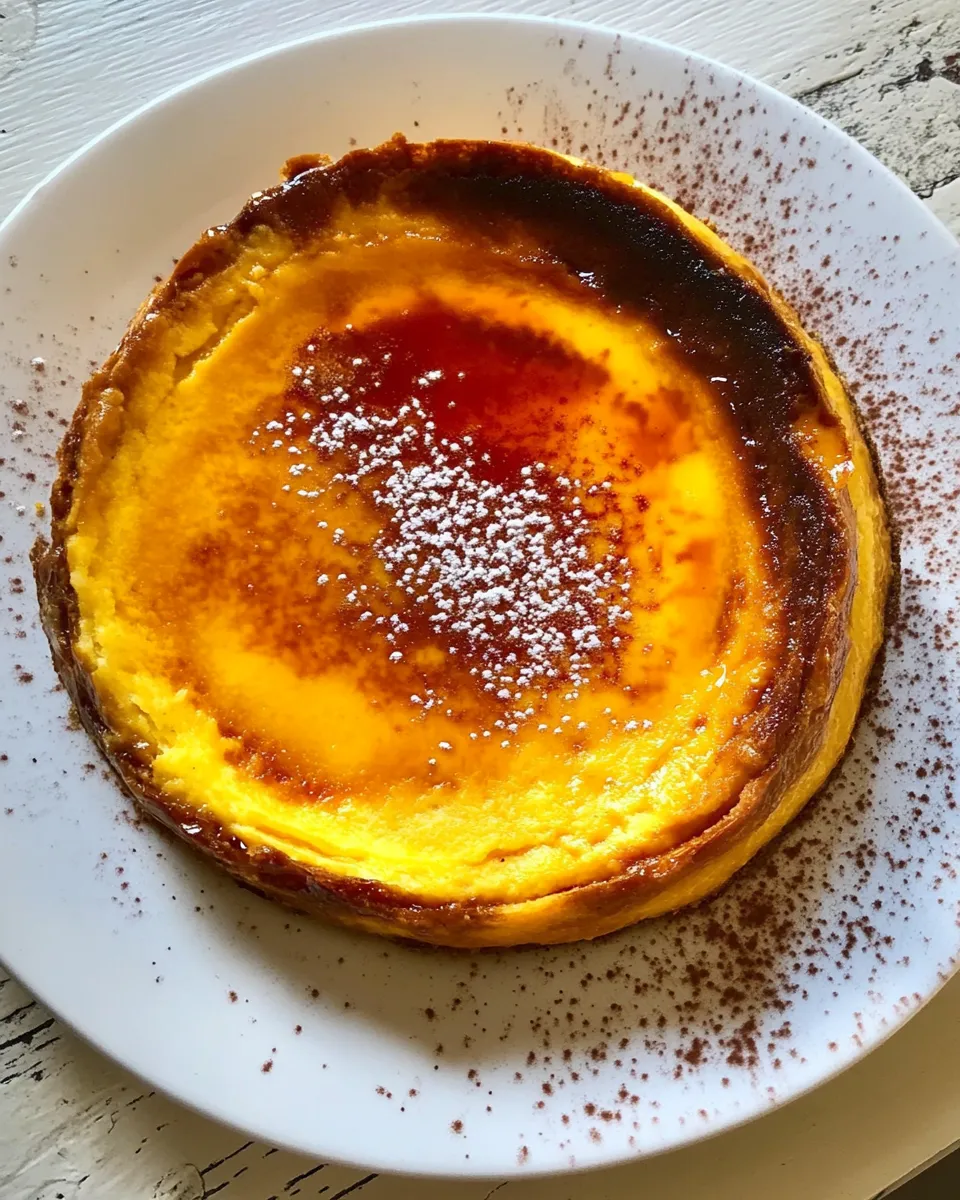
This Galatopita — a simple Greek flan or milk pie — is one of those recipes that feels both humble and elegant. It’s a tender, lightly set custard with a whisper of lemon and a creamy, almost silky texture. It doesn’t shout; it comforts. That makes it ideal for a weeknight dessert or a quiet afternoon with coffee.
I love this version because it’s straightforward: a handful of pantry staples, a short, patient cook on the stovetop, and a low oven finish. The method focuses on good technique — tempering the egg, steady whisking, and gentle baking — rather than fancy ingredients. Follow the steps and you’ll have a small, precise pie that slices cleanly and keeps well in the fridge.
Below I walk you through the essentials, list the exact ingredients, and give the step-by-step method. I’ll also share the common mistakes to avoid, swaps for what to do if you’re short on something, and how to keep this a reliable recipe in your rotation.
The Essentials
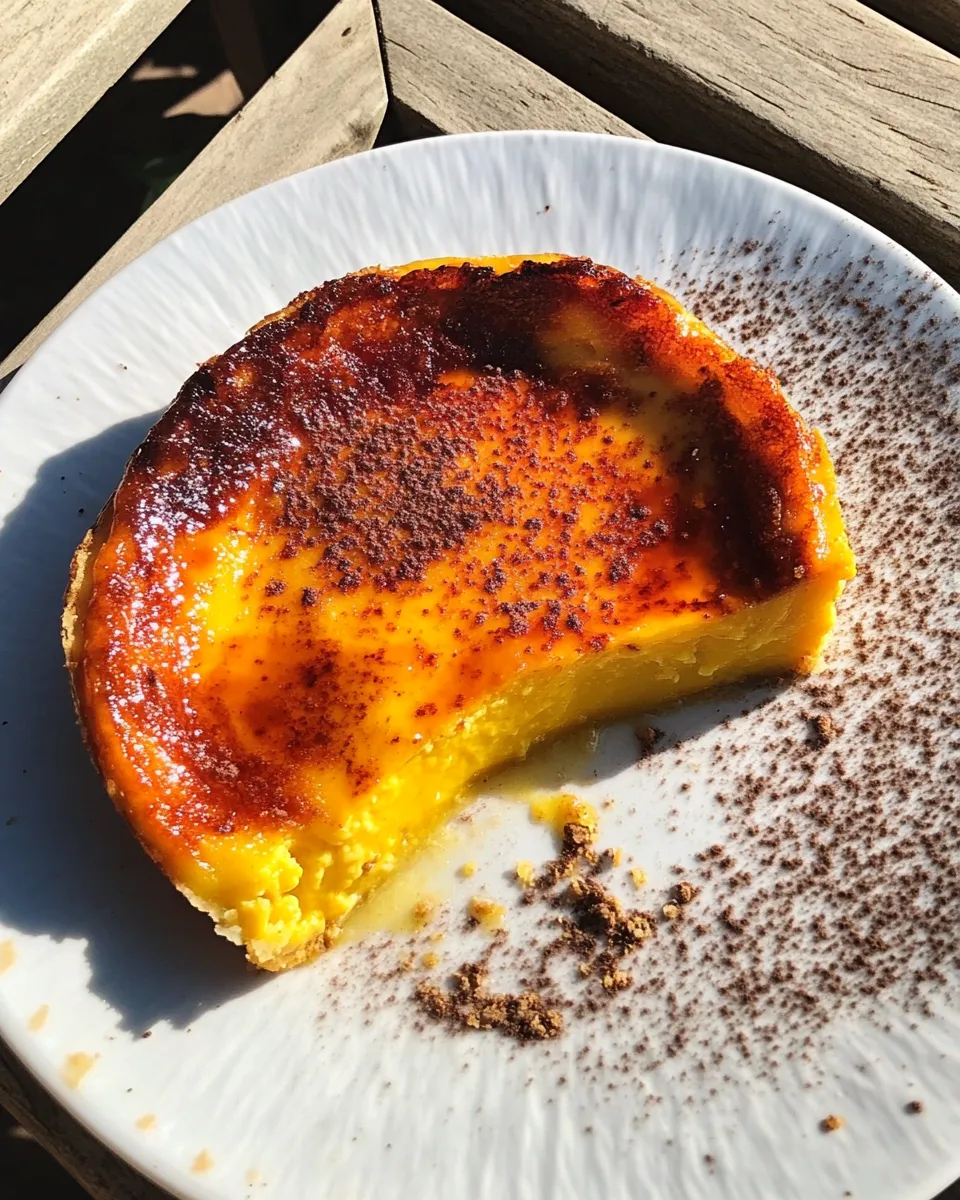
What this recipe makes: a single small 14 cm (5½ in) flan-style milk pie — smooth, set, and just lightly golden on top. The custard is thickened with semolina and cornstarch, scented with vanilla and lemon zest, and finished with a butter whisked in while still hot. An egg wash gives the surface a neat sheen and a hint of color after baking.
Time and temperature: plan for about 15–20 minutes of active stovetop work (mixing, tempering, cooking the custard) and 35–45 minutes in a 170 °C (338 °F) oven. Cooling completely in the ring before unmolding is important — that helps the flan set fully and slice cleanly.
Ingredients
- 400 ml milk — base for the custard; heat until hot and steamy per the method.
- 80 grsugar — sweetness for the custard; the directions split this into two equal portions (40 g + 40 g).
- 1egg — main egg for the custard; provides richness and structure.
- 5 ml vanilla extract — aroma and flavor backbone; folded into the dry mix.
- 25 gr semolina fine — primary thickener that gives body and a slightly grainy-but-delicate texture.
- 12 gr cornstarch — additional thickener to ensure a silky, stable set.
- 25 gr butter 82% fat — whisked into the hot custard for silkiness and flavor; a small portion is reserved to grease the ring.
- 1/2 lemon zest — brightens the custard and lifts the dairy flavors.
- 1/2egg — reserved for the egg wash to give the surface a subtle shine and light color.
- 10 ml milk — mixed with the reserved 1/2 egg to make the egg wash.
Greek Flan-Milk Pie (Galatopita): From Prep to Plate
- Preheat the oven to 170 °C (338 °F).
- Divide the sugar into two equal portions (40 g + 40 g). Measure out the other ingredients so they are ready: 400 ml milk, 1 egg (for the custard), 1/2 egg (for the wash), 25 g semolina, 12 g cornstarch, 5 ml vanilla extract, 25 g butter, zest of half a lemon, and 10 ml milk.
- In a medium pot, heat the 400 ml milk with one 40 g portion of the sugar over medium heat until it is hot and steamy but not boiling. Remove from heat.
- In a bowl, whisk together the 1 egg, the remaining 40 g sugar, 25 g semolina, 12 g cornstarch and 5 ml vanilla extract until smooth and lump-free.
- Temper the egg mixture: slowly pour about one-third of the hot milk into the egg mixture while whisking constantly, then continue adding the rest of the hot milk in a thin stream while whisking, until incorporated.
- Return the tempered mixture to the pot and place over low–medium heat. Whisk continuously and bring to a gentle boil; continue cooking and whisking for 1–2 minutes until the mixture thickens to a custard that coats the back of a spoon.
- While the custard is still hot, melt the 25 g butter. Reserve a small amount of the melted butter (a little on the spoon) to grease the pastry ring, then whisk the remainder into the custard off the heat. Stir in the zest of half a lemon. Set the custard aside to cool until warm or room temperature.
- When the custard has cooled to warm/room temperature, blend it briefly with an immersion blender or in a stand blender for a few seconds to produce a smooth, fine texture.
- Prepare a 14 cm (5½ in) steel pastry ring: line the bottom with aluminum foil, press a circle of baking paper over the foil on the bottom, and lightly brush the inside sides and bottom with the small amount of reserved melted butter to grease.
- Place the ring on a baking sheet (to catch any drips). Pour the blended custard into the prepared ring and smooth the surface with a spatula.
- Prepare the egg wash by beating the reserved 1/2 egg with 10 ml milk. Brush the egg wash evenly over the surface of the custard.
- Bake at 170 °C (338 °F) for 35–45 minutes, until the surface is set and lightly golden. Remove from the oven and let cool completely in the ring before unmolding and serving.
Why It’s Crowd-Pleasing
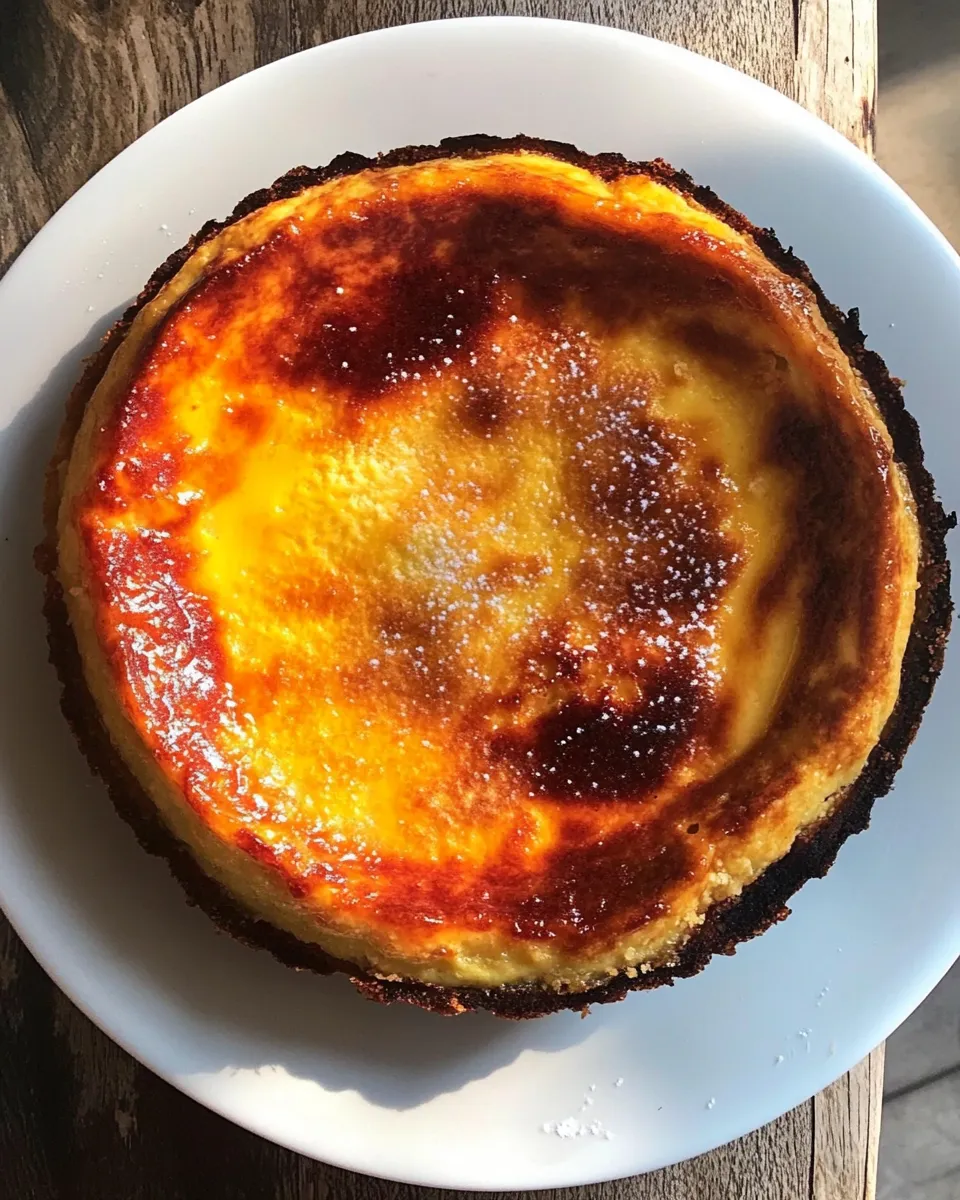
Galatopita hits a comforting balance: it’s creamy without being heavy, faintly sweet, and has that clean citrus lift from lemon zest. The texture is the main reason people come back to it — it’s smooth and dense enough to slice, not runny or custardy in a wobbly way.
It’s also approachable. Few ingredients, simple technique, no need for a crust, and the oven finish gives it a presentable, lightly golden top. It appeals to folks who like classic, understated desserts rather than something fussy.
Budget & Availability Swaps
- Milk: if whole milk isn’t available, use the best milk you have on hand. The richness will vary, but the method still works.
- Sugar: use regular granulated sugar as specified; if your household keeps only larger bags, measure out the 80 g per the recipe.
- Semolina: if fine semolina is hard to find, check the pasta or bulk aisle; coarser semolina will change the mouthfeel slightly but still thickens.
- Cornstarch: a standard pantry item — if unavailable, arrowroot can work as a thickener though it behaves slightly differently under heat.
- Butter: regular baking or cooking butter is fine; higher-fat butter gives a silkier mouthfeel but isn’t strictly necessary.
Recommended Tools
- Medium pot — for heating the milk and cooking the custard.
- Whisk — constant whisking while tempering and cooking makes a smooth custard.
- 14 cm (5½ in) steel pastry ring — the recipe is calibrated for this size; it gives the classic single-portion cake shape.
- Aluminum foil and baking paper — to line and make unmolding reliable.
- Spatula — for smoothing the surface before the egg wash.
- Pastry brush — for applying the egg wash evenly.
- Immersion blender or stand blender — a few seconds of blending at the end gives the custard a fine, uniform texture.
- Baking sheet — place the ring on this to catch any drips during baking.
Mistakes Even Pros Make
Not tempering the eggs properly. Pouring hot milk straight into the egg mix without tempering will scramble the eggs. Take your time and whisk constantly while adding the hot milk in a thin stream.
Overheating the milk or letting it boil hard before adding it to the eggs. You want it hot and steamy, not a rolling boil. That helps control the final texture and prevents scorching.
Stopping whisking once it begins to thicken. Keep whisking through the gentle boil and then for the 1–2 minutes called for; that final minute helps fully activate the starches so the custard holds its shape.
Rushing the cooling or unmolding too soon. The pie should cool completely in the ring so it firms up and unmolds cleanly.
Allergy-Friendly Swaps
Here are practical alternatives when someone at the table has an intolerance. Note: follow the method and keep the ingredient quantities the same unless you’re testing the substitution.
- Dairy-free: swap the milk for a creamy plant milk (oat or full-fat coconut milk are good candidates). Texture will vary; you may notice a lighter or slightly different mouthfeel.
- Butter-free: use a neutral oil or plant-based spread for the melted butter component if avoiding dairy. The reserved bit for greasing can be replaced with a touch of oil.
- Egg sensitivity: this recipe relies on eggs for structure. For strict egg allergies the method would need significant reworking; consider a different custard-style dessert designed to be egg-free.
Author’s Commentary
I came to this Galatopita thinking it would be straightforward — and it is. But what wins me over every time is how forgiving the process feels when you respect the small moments: tempering carefully, whisking steady, and letting it cool without impatience. The lemon zest is subtle, not shouting, and the butter finish makes the custard feel indulgent without richness overload.
If you’re someone who likes a clean, simple dessert that feels homemade and tidy on the plate, this will become a go-to. It holds well in the fridge, so you can make it the day before a small gathering and relax on the day.
Keep-It-Fresh Plan
Storage: cool completely, then refrigerate covered. The pie keeps well for a few days in the fridge — cooling fully in the ring before wrapping helps avoid condensation and sogginess.
Reheat? I prefer it chilled or at room temperature. If you like it warm, gently warm single slices in a low oven for a few minutes, but avoid microwaving for extended times as it can break the texture.
Reader Questions
Q: My custard split or became grainy after cooling. What happened?
A: That usually means it was overcooked or the starches didn’t hydrate properly. Make sure to whisk continuously on low–medium and only cook the custard until it coats the back of a spoon and then for the additional 1–2 minutes specified. Blending briefly when warm helps smooth any tiny granules.
Q: Can I double the recipe for a larger pan?
A: The method scales, but be mindful of pan depth and baking time. If you change the pan size, baking time will change. Also, a larger mass of custard cools slower, so plan for longer chill time before unmolding.
Q: The top browned unevenly. Any fixes?
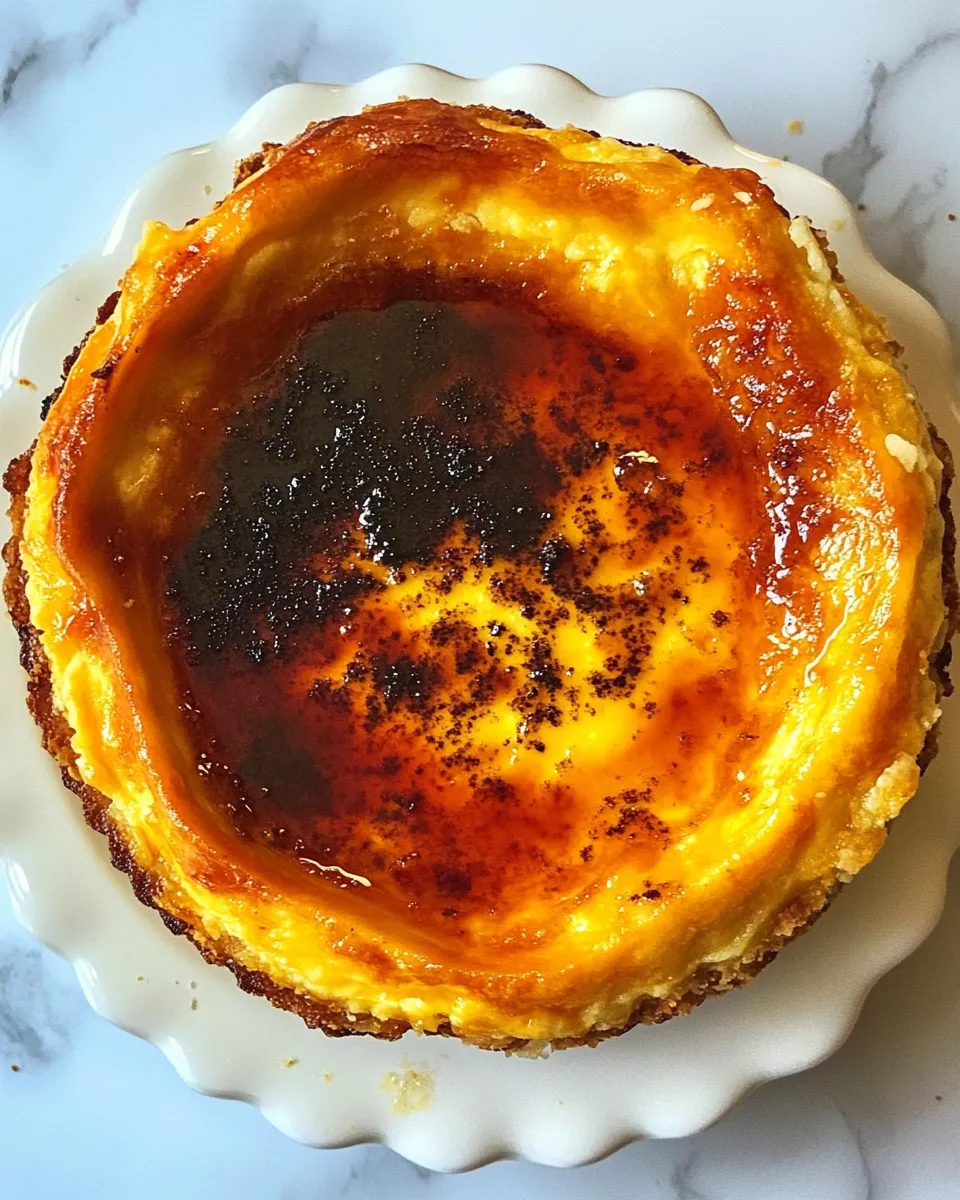
A: Make sure the egg wash is mixed smoothly and brushed thinly and evenly. Also check your oven for hot spots; you can rotate the baking sheet halfway through if needed.
Before You Go
This Galatopita is a quiet, reliable dessert — not showy but satisfying. Follow the sequence: precise measuring, careful tempering, gentle cooking, and patient cooling. The result is a small, elegant milk pie that’s worthy of any table and easy enough to make any week.
Try it once, and you’ll see how technique makes a simple set of ingredients taste refined. If you have questions after you bake, come back and ask — I love troubleshooting recipes with readers.

Greek Flan-Milk Pie (Galatopita)
Ingredients
Ingredients
- 400 mlmilk
- 80 grsugar
- 1 egg
- 5 mlvanilla extract
- 25 grsemolina fine
- 12 grcornstarch
- 25 grbutter82% fat
- 1/2 lemon zest
- 1/2 egg
- 10 mlmilk
Instructions
Instructions
- Preheat the oven to 170 °C (338 °F).
- Divide the sugar into two equal portions (40 g + 40 g). Measure out the other ingredients so they are ready: 400 ml milk, 1 egg (for the custard), 1/2 egg (for the wash), 25 g semolina, 12 g cornstarch, 5 ml vanilla extract, 25 g butter, zest of half a lemon, and 10 ml milk.
- In a medium pot, heat the 400 ml milk with one 40 g portion of the sugar over medium heat until it is hot and steamy but not boiling. Remove from heat.
- In a bowl, whisk together the 1 egg, the remaining 40 g sugar, 25 g semolina, 12 g cornstarch and 5 ml vanilla extract until smooth and lump-free.
- Temper the egg mixture: slowly pour about one-third of the hot milk into the egg mixture while whisking constantly, then continue adding the rest of the hot milk in a thin stream while whisking, until incorporated.
- Return the tempered mixture to the pot and place over low–medium heat. Whisk continuously and bring to a gentle boil; continue cooking and whisking for 1–2 minutes until the mixture thickens to a custard that coats the back of a spoon.
- While the custard is still hot, melt the 25 g butter. Reserve a small amount of the melted butter (a little on the spoon) to grease the pastry ring, then whisk the remainder into the custard off the heat. Stir in the zest of half a lemon. Set the custard aside to cool until warm or room temperature.
- When the custard has cooled to warm/room temperature, blend it briefly with an immersion blender or in a stand blender for a few seconds to produce a smooth, fine texture.
- Prepare a 14 cm (5½ in) steel pastry ring: line the bottom with aluminum foil, press a circle of baking paper over the foil on the bottom, and lightly brush the inside sides and bottom with the small amount of reserved melted butter to grease.
- Place the ring on a baking sheet (to catch any drips). Pour the blended custard into the prepared ring and smooth the surface with a spatula.
- Prepare the egg wash by beating the reserved 1/2 egg with 10 ml milk. Brush the egg wash evenly over the surface of the custard.
- Bake at 170 °C (338 °F) for 35–45 minutes, until the surface is set and lightly golden. Remove from the oven and let cool completely in the ring before unmolding and serving.
Equipment
- Oven
- Saucepan
- Whisk
- Bowl
- immersion blender or stand blender
- 14 cm pastry ring
- Aluminum Foil
- Parchment Paper
- Baking Sheet
- Spatula