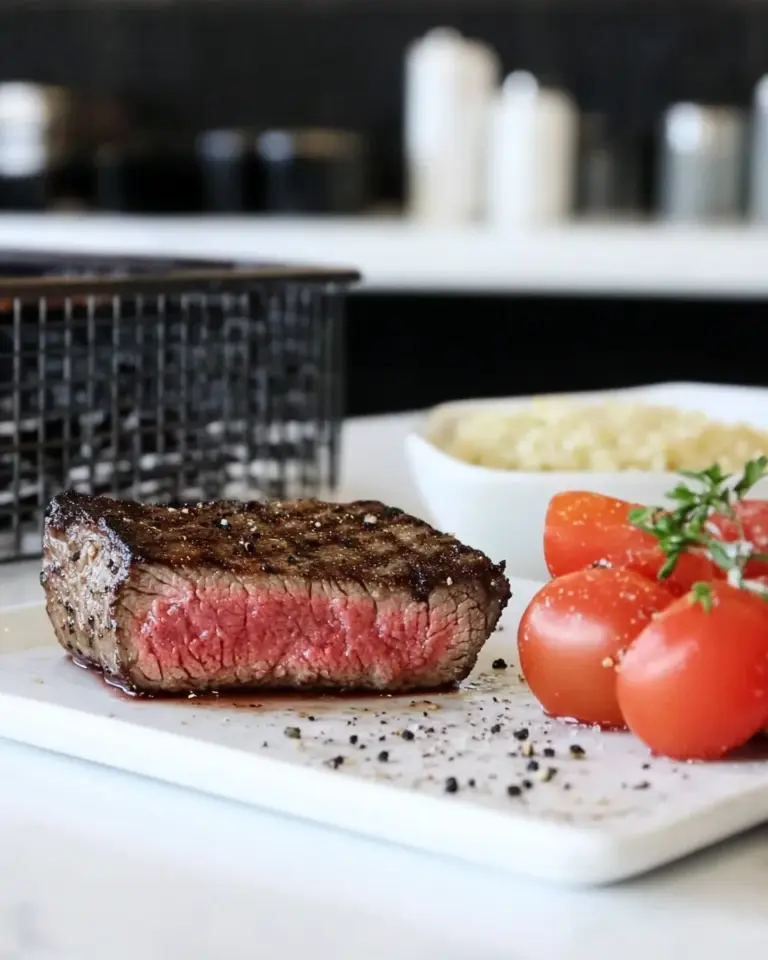
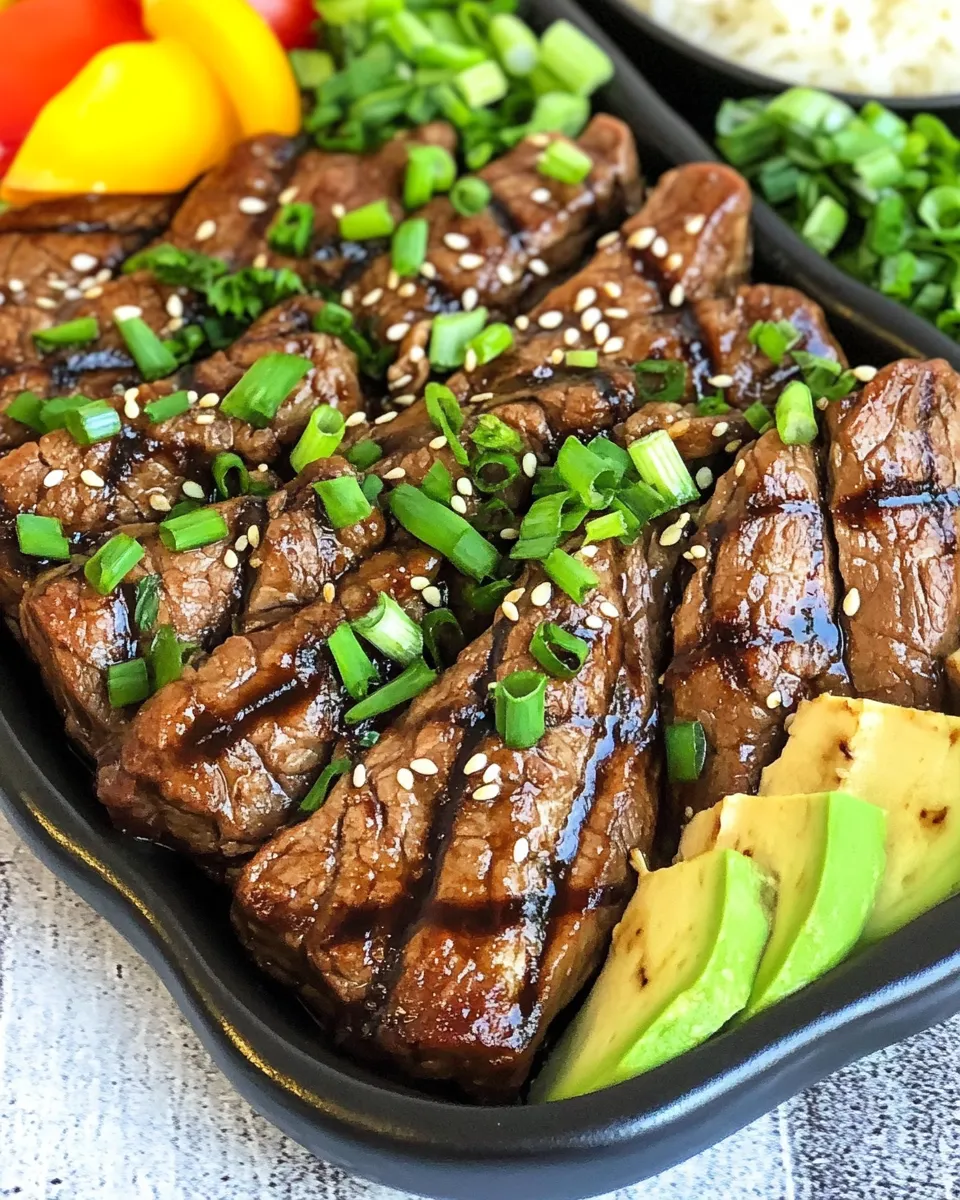
I love a good steak that carries more than just salt and sear—one that brings a balance of sweet, salty, and bright notes. This Teriyaki Steak Marinade does exactly that. It’s simple to mix, forgiving in the fridge, and it elevates a ribeye without hiding the beef’s flavor. I lean on it for quick weeknight grills and easy weekend dinners when I want something impressive with minimal fuss.
The recipe uses pantry-friendly ingredients: soy sauce, brown sugar, pineapple juice, and a handful of dry spices. The pineapple juice adds a touch of natural sweetness and a hint of tenderizing acidity. The combination works especially well with ribeye steaks, which have enough fat to stand up to the marinade without losing their juicy character.
I’ll walk you from shopping through resting and slicing, and share small troubleshooting tips that save you a ruined dinner. Read straight through to the step-by-step, or jump to the sections you need—shopping, tools, storage, or quick swap ideas. This marinade is versatile, so once you’ve made it a few times you’ll know exactly how long to keep the steaks in the fridge for your preferred doneness.
Shopping List
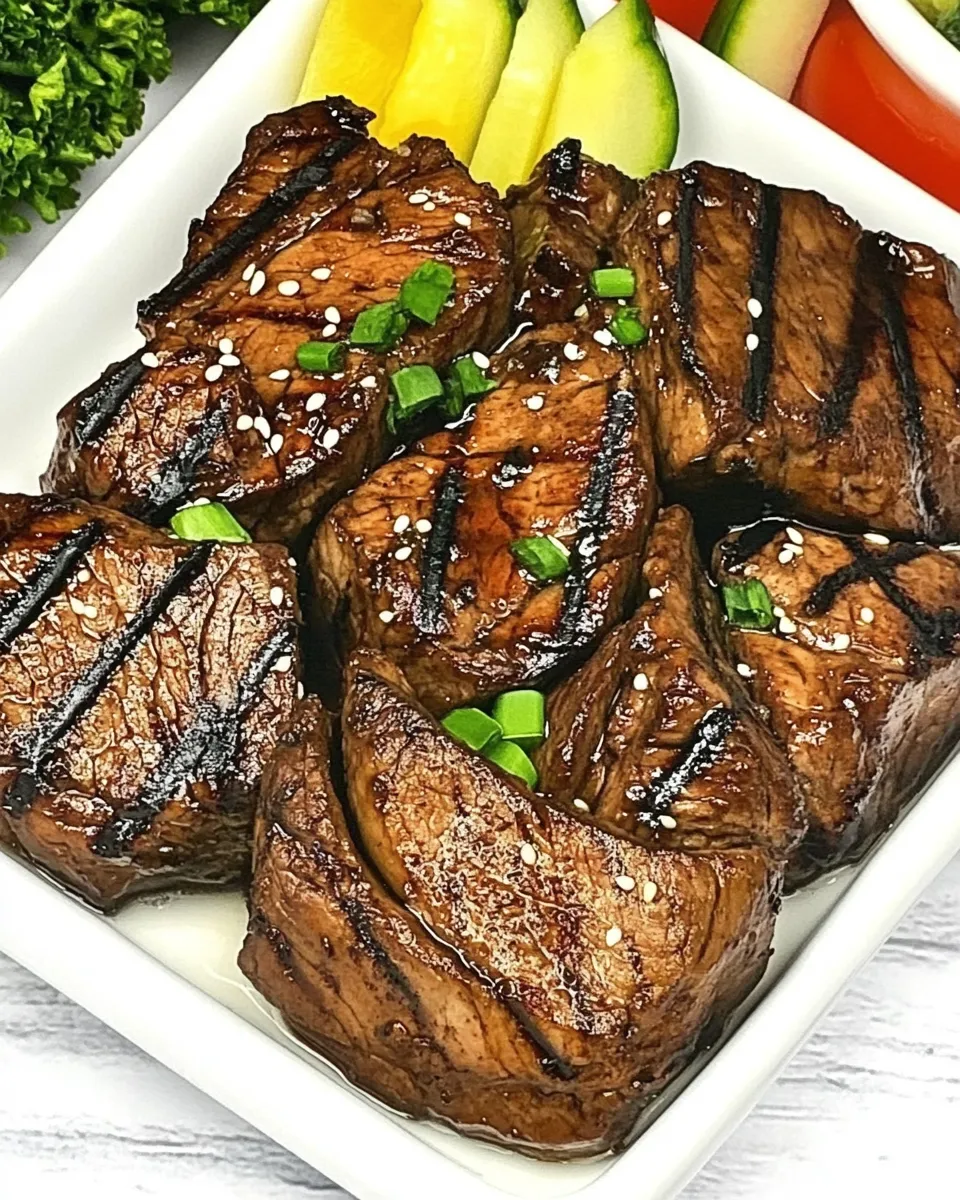
- 1 Tbsp dried parsley — adds a subtle herbal lift; dried keeps the shelf life long and won’t water down the marinade.
- 1/2 cup soy sauce — the salty backbone and source of umami; use low-sodium if you’re watching salt.
- 1 Tbsp minced garlic — delivers sharp, savory aromatics; jarred minced garlic is fine for convenience.
- 1/2 cup pineapple juice — provides sweetness and mild tenderizing acids; canned or boxed juice works well.
- 1 Tbsp brown sugar — deepens the sweetness and helps create a slight glaze when grilling.
- 1½ tsp ground ginger — warms and brightens the mix; ground ginger keeps the prep fast.
- 1½ tsp dry ground mustard — gives a gentle tang and helps bind the flavors.
- 3 ribeye steaks — fattier cuts like ribeye stay juicy with this marinade; aim for even thickness for predictable cooking.
Teriyaki Steak Marinade: From Prep to Plate
- In a medium bowl, whisk together 1 Tbsp dried parsley, 1/2 cup soy sauce, 1 Tbsp minced garlic, 1/2 cup pineapple juice, 1 Tbsp brown sugar, 1½ tsp ground ginger, and 1½ tsp dry ground mustard until the brown sugar is dissolved and the mixture is well combined.
- Place the 3 ribeye steaks in a large zip-top bag. Pour the marinade into the bag so the steaks are coated, press out excess air, and seal. Turn or massage the bag a few times to distribute the marinade.
- Refrigerate the sealed bag for at least 30 minutes and up to 24 hours, turning the bag occasionally so the steaks marinate evenly.
- When ready to cook, remove the bag from the refrigerator. Transfer the steaks to a plate and discard the used marinade. Pat the steaks dry with paper towels and let them sit at room temperature 20–30 minutes for more even cooking.
- Preheat a grill to medium-high (about 400–450°F). Grill the steaks, flipping once, until they reach your preferred doneness. Use an instant-read thermometer for accuracy: rare 120–125°F, medium-rare 130–135°F, medium 140–145°F, medium-well 150–155°F.
- Transfer the steaks to a cutting board, tent loosely with foil, and rest for 5–10 minutes before slicing and serving.
What You’ll Love About This Recipe
This marinade is straightforward and quick to assemble. You don’t need any special equipment or fresh herbs, and the flavor profile is balanced—sweetness from pineapple juice and brown sugar, depth from soy sauce, and a little warmth from ginger and mustard. It isn’t overpowering; the beef still shines through.
Because the recipe is flexible with marinating time, it fits busy schedules. If you only have 30 minutes, you’ll get a noticeable boost in flavor. If you plan ahead and marinate overnight, the steaks pick up more of the marinade’s character and the texture becomes more tender.
The method keeps waste low. You coat steaks in a bag, cook, and discard the used marinade—easy cleanup. And the result pairs beautifully with simple sides: steamed rice, quick salad, roasted vegetables, or garlic butter asparagus.
Flavor-Forward Alternatives
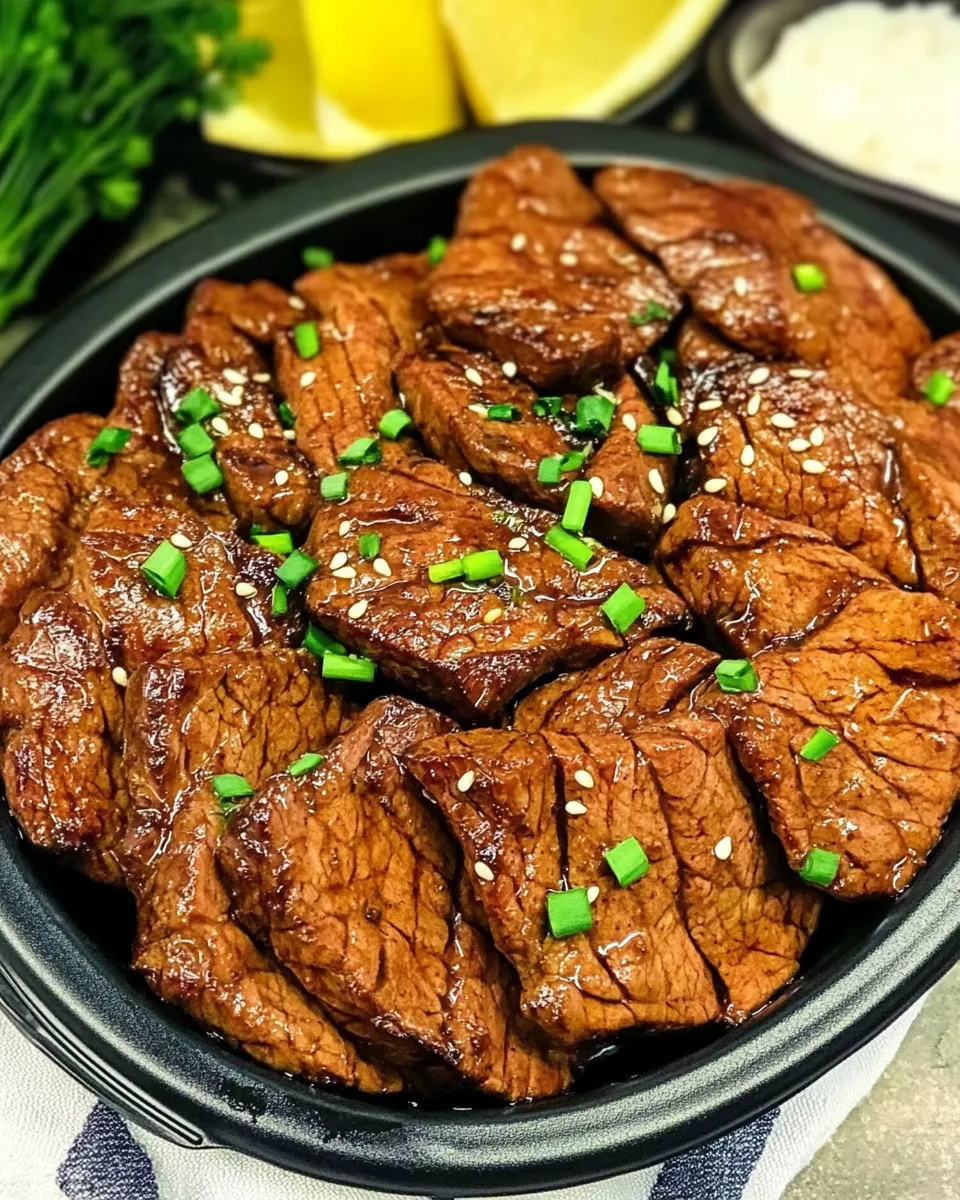
- Swap pineapple juice for orange juice for a milder citrus note and less enzymatic tenderizing. It’s sweeter but gentler on the meat.
- If you want a smokier edge, add a splash of liquid smoke to the marinade (very sparing—start with a drop or two). Alternatively, finish on a very hot grill to build char and depth.
- For a thicker glaze while cooking, reserve 2–3 tablespoons of the fresh marinade before adding steaks to the bag. Reduce it in a small saucepan over low heat for a glossy sauce to brush on near the end of grilling. Do not use marinade that has touched raw meat without cooking it first.
- Use tamari instead of soy sauce to make the flavor a touch richer and slightly less salty, or pick low-sodium soy sauce to control salt intake.
- Substitute fresh grated ginger for ground ginger if you prefer a brighter, fresher note—use about 1½ tsp fresh grated to replace the ground (no need to be exact; taste and adjust).
Prep & Cook Tools
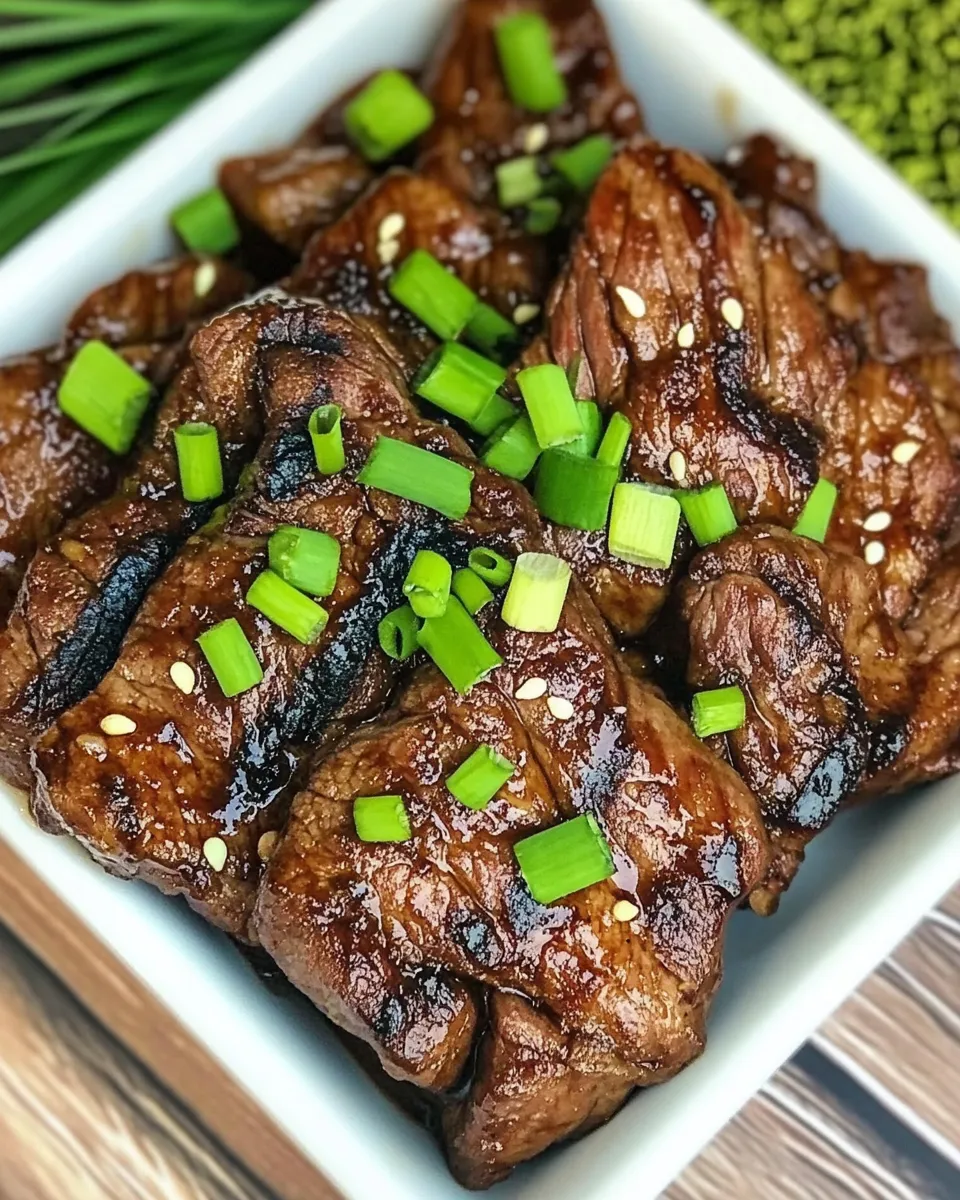
- Medium mixing bowl — to whisk the marinade.
- Whisk or fork — for dissolving brown sugar and blending.
- Large zip-top bag — convenient for marinating and ensuring even contact.
- Paper towels — for patting steaks dry before cooking.
- Instant-read thermometer — the single best tool to hit exact doneness.
- Grill (or grill pan) — preheats to medium-high (about 400–450°F) as directed.
- Cutting board and foil — a board for slicing and foil to tent the meat while it rests.
Errors to Dodge
- Over-marinating: Leaving steaks in acidic marinades too long can make the surface mushy. This recipe is safe up to 24 hours, but if you use fresh pineapple (with active enzymes), reduce time.
- Cooking right from the fridge: Cold meat grills unevenly. Patting steaks dry and resting them 20–30 minutes at room temperature gives predictable results.
- Using marinade as a sauce without cooking it: Do not pour used marinade over cooked steaks. If you want sauce, reserve some before adding raw steaks, or boil the used marinade for several minutes to kill bacteria.
- Skipping the thermometer: Guessing doneness leads to overcooked or underdone steaks. An instant-read thermometer is fast and reliable.
- Not drying the surface: Excess marinade will steam rather than sear the meat. Pat steaks dry to encourage Maillard crust development.
Dietary Swaps & Alternatives
- Gluten-free: Substitute tamari or a certified gluten-free soy sauce for soy sauce to keep the same flavor without gluten.
- Lower sodium: Use low-sodium soy sauce and taste the marinade before adding more. You can also dilute slightly with water or a splash more pineapple juice.
- Non-beef option: The same marinade works on chicken thighs or pork chops; reduce marinating time for thinner cuts (30 minutes to 4 hours) and watch cooking temperatures.
- No sugar: Replace brown sugar with a sugar substitute like a measured amount of a brown sugar replacement, or skip it and rely on pineapple juice—expect a less caramelized finish.
Pro Tips & Notes
Marinating time
Short marinate (30–60 minutes) gives surface flavor without much textural change. For deeper flavor and slight tenderization, aim for 4–12 hours. Overnight (up to 24 hours) is fine with this recipe; any longer and you risk changing the meat’s texture.
Patting dry and resting
Pat the steaks dry before placing them on the grill to encourage a good sear. After grilling, always rest the steaks for 5–10 minutes under a loose tent of foil. Resting allows the juices to redistribute so slices stay moist.
Temperature targets
Use an instant-read thermometer inserted into the thickest part of the steak. Remember that carryover cooking will raise the internal temperature a few degrees during resting, so pull the steak a little early if you prefer precise doneness.
Upgrading the finish
If you like a caramelized finish, brush steaks with a small amount of honey or reduced reserved marinade in the last 1–2 minutes of grilling. Watch carefully to avoid burning.
Storing, Freezing & Reheating
Cooked steaks: Refrigerate within two hours of cooking in an airtight container for up to 3–4 days. To reheat without drying, warm gently in a 250–275°F oven until just warmed through, or finish in a hot skillet for 30–60 seconds per side.
Raw marinated steaks: You can marinate and then freeze the steaks in their bag for up to 3 months. Thaw overnight in the refrigerator before bringing to room temperature and grilling. Do not refreeze raw steaks once thawed.
Leftover sauce: If you reserved some marinade and reduced it into a glaze, store in the refrigerator for up to a week. Reheat gently to use as a finishing sauce.
Your Questions, Answered
- Can I reuse the marinade? No—discard any marinade that has touched raw meat unless you boil it for at least several minutes to make it safe as a sauce.
- How long can I marinate the steaks? Between 30 minutes and 24 hours is safe for this recipe. I usually aim for 2–6 hours for the best balance of flavor and texture.
- Can I grill this on a stovetop? Yes. Use a heavy grill pan or cast-iron skillet preheated until very hot. Sear steaks and finish in the pan, using the same temperature targets.
- What side dishes pair best? Simple steamed rice, sesame-sautéed greens, or roasted sweet potatoes complement the sweet-savory profile nicely.
Time to Try It
Make the marinade, toss the steaks in a bag, and get your grill ready. It’s a short list of pantry staples and a small time investment with a big payoff. Follow the steps, watch your temperatures, and you’ll have ribeyes that taste thoughtful without being fussy. Let me know how you like it—what sides you paired it with, and whether you marinated overnight or just for a quick 30 minutes. Happy grilling.
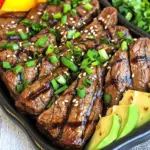
Teriyaki Steak Marinade
Ingredients
Ingredients
- 1 Tbspdried parsley
- 1/2 cupsoy sauce
- 1 Tbspminced garlic
- 1/2 cuppineapple juice
- 1 Tbspbrown sugar
- 1 1/2 tspground ginger
- 1 1/2 tspdry ground mustard
- 3 ribeye steaks
Instructions
Instructions
- In a medium bowl, whisk together 1 Tbsp dried parsley, 1/2 cup soy sauce, 1 Tbsp minced garlic, 1/2 cup pineapple juice, 1 Tbsp brown sugar, 1½ tsp ground ginger, and 1½ tsp dry ground mustard until the brown sugar is dissolved and the mixture is well combined.
- Place the 3 ribeye steaks in a large zip-top bag. Pour the marinade into the bag so the steaks are coated, press out excess air, and seal. Turn or massage the bag a few times to distribute the marinade.
- Refrigerate the sealed bag for at least 30 minutes and up to 24 hours, turning the bag occasionally so the steaks marinate evenly.
- When ready to cook, remove the bag from the refrigerator. Transfer the steaks to a plate and discard the used marinade. Pat the steaks dry with paper towels and let them sit at room temperature 20–30 minutes for more even cooking.
- Preheat a grill to medium-high (about 400–450°F). Grill the steaks, flipping once, until they reach your preferred doneness. Use an instant-read thermometer for accuracy: rare 120–125°F, medium-rare 130–135°F, medium 140–145°F, medium-well 150–155°F.
- Transfer the steaks to a cutting board, tent loosely with foil, and rest for 5–10 minutes before slicing and serving.
Equipment
- Charcoal Chimney Starter
- Grilling Tongs
- Cast Iron Grill Pan
- Meat Thermometer
Notes
I suggest using a low-sodium soy sauce in this recipe.
You can use this marinade on any cut of steak that you enjoy – ribeye, sirloin, NY Strip, filet, skirt steak, flank steak – anything you like.
Here are our instructions on how to cook steaks in a cast iron grill pan:https://www.plainchicken.com/steakhouse-filets/
Here are our instructions on how to cook steaks in the air fryer:https://www.plainchicken.com/air-fryer-ribeyes/
The cooking time will just depend on what internal temperature you want and how thick the steaks are. Use a meat thermometer to cook the steaks to your preferred doneness.Rare 120º to 125ºFMedium-Rare 125º to 135ºFMedium 125º to 145ºFMedium-Well 145º to 155ºFWell-Done 155ºF+
Medium-Rare 125º to 135ºF
Medium 125º to 145ºF
Medium-Well 145º to 155ºF
Well-Done 155ºF+