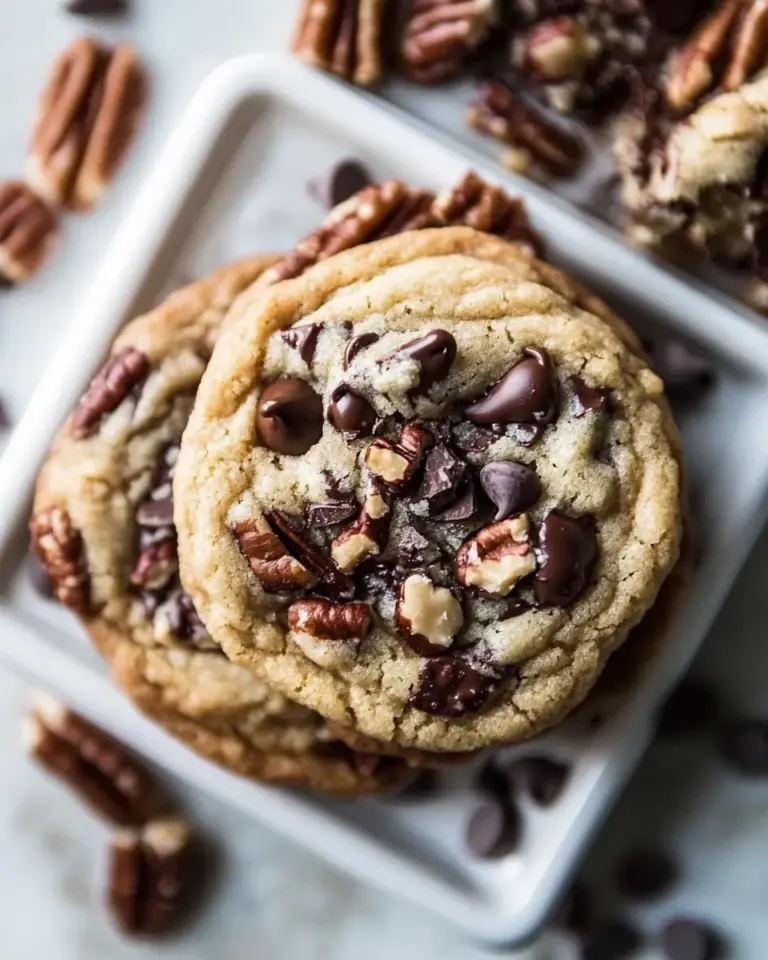
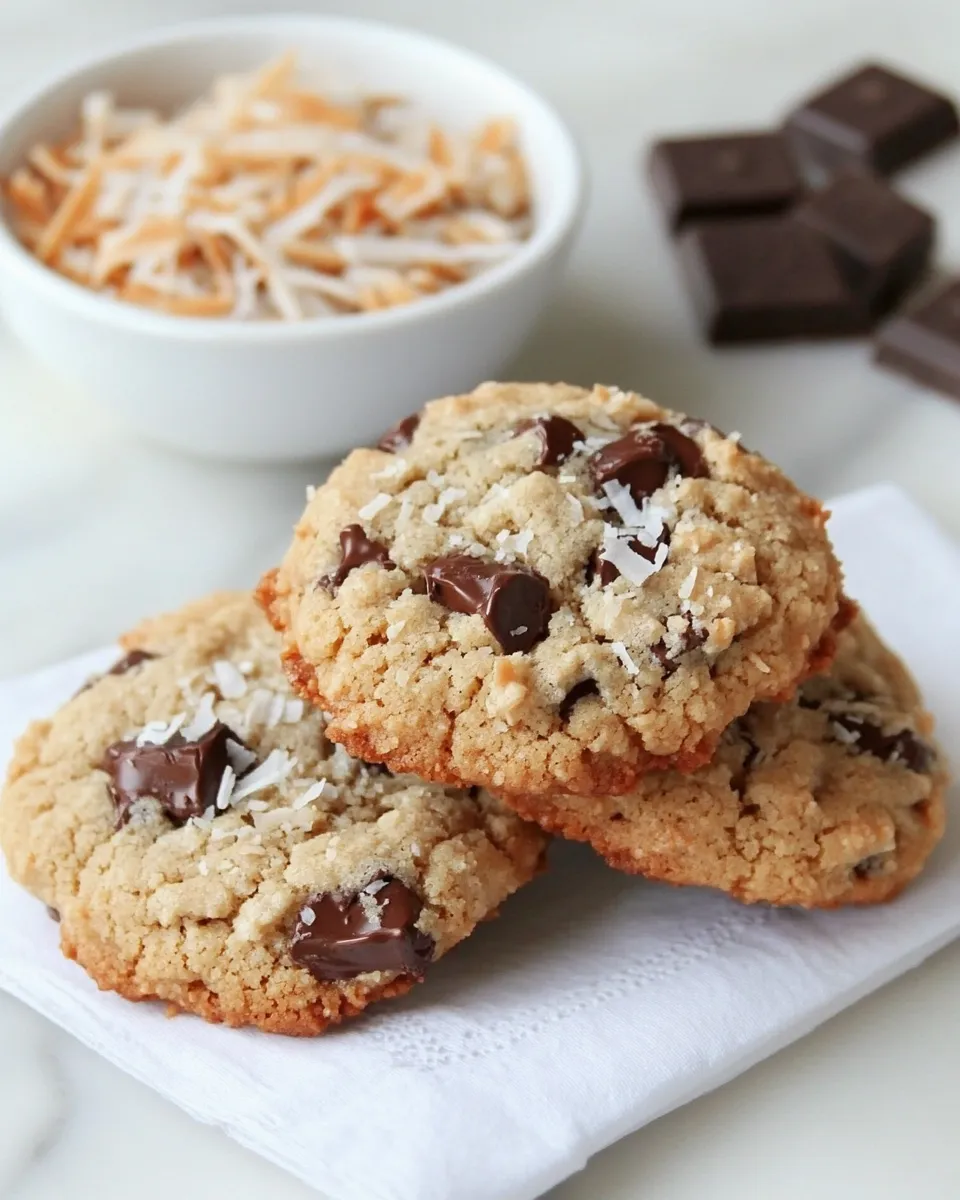
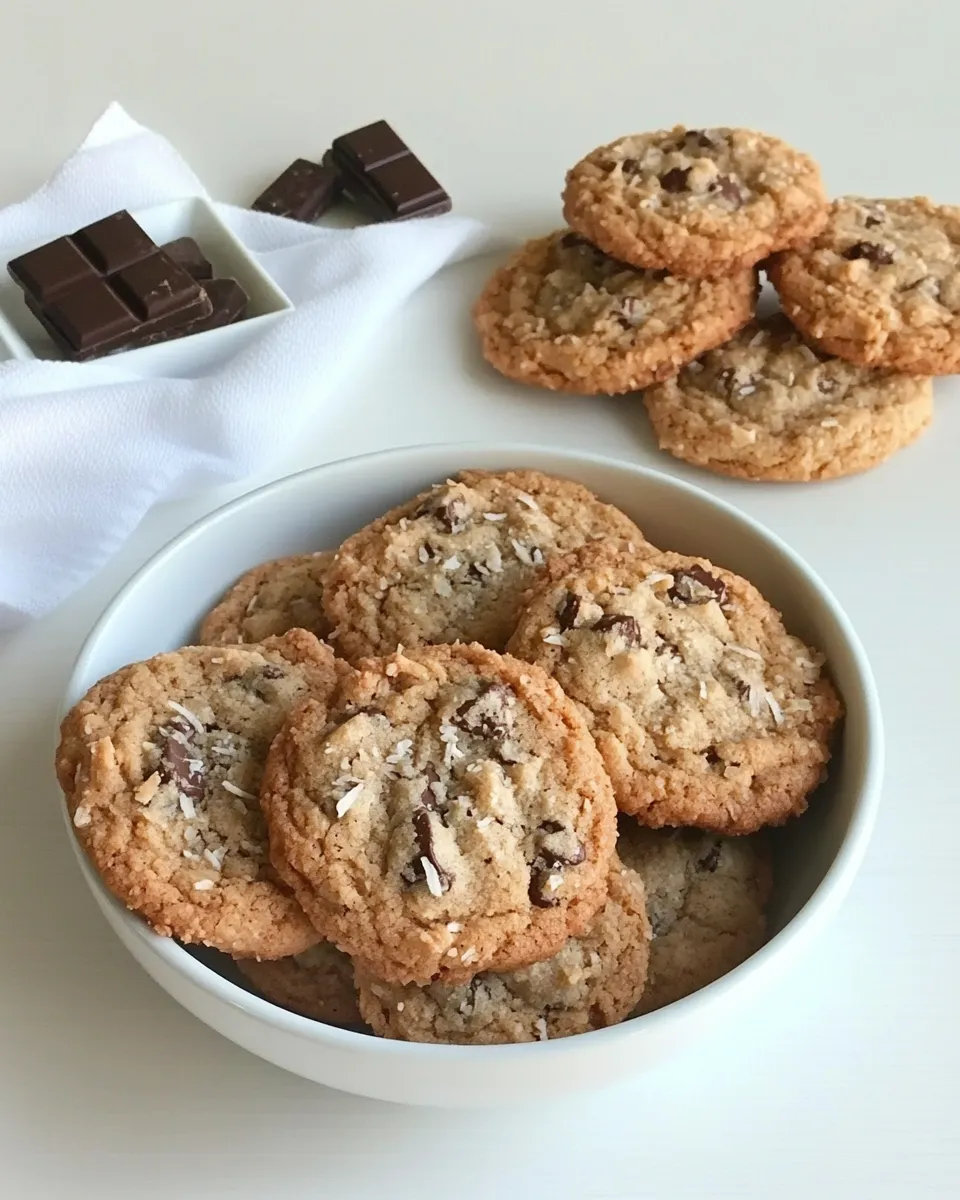
These cookies are exactly the kind of thing I reach for when I want something comforting with a little crunch and a lot of chocolate. Toasting the sweetened coconut first adds a toasty, almost caramelized note that plays beautifully with chopped bittersweet chocolate. The dough is straightforward and forgiving; the trick is letting the coconut cool so it doesn’t melt the dough and change the texture.
I make these whenever friends drop by unexpectedly, because they come together quickly and everyone always asks for the recipe. They’re a nice balance of crisp edges and tender centers, with pockets of coconut and generous chocolate chunks in every bite. No fancy techniques, just a few smart moves that make the cookies sing.
If you like practical tips and honest troubleshooting, this post has them. I’ll walk you through the exact ingredient list, the step-by-step bake, helpful equipment, and sensible swaps for dietary needs. Let’s get baking.
What Goes In
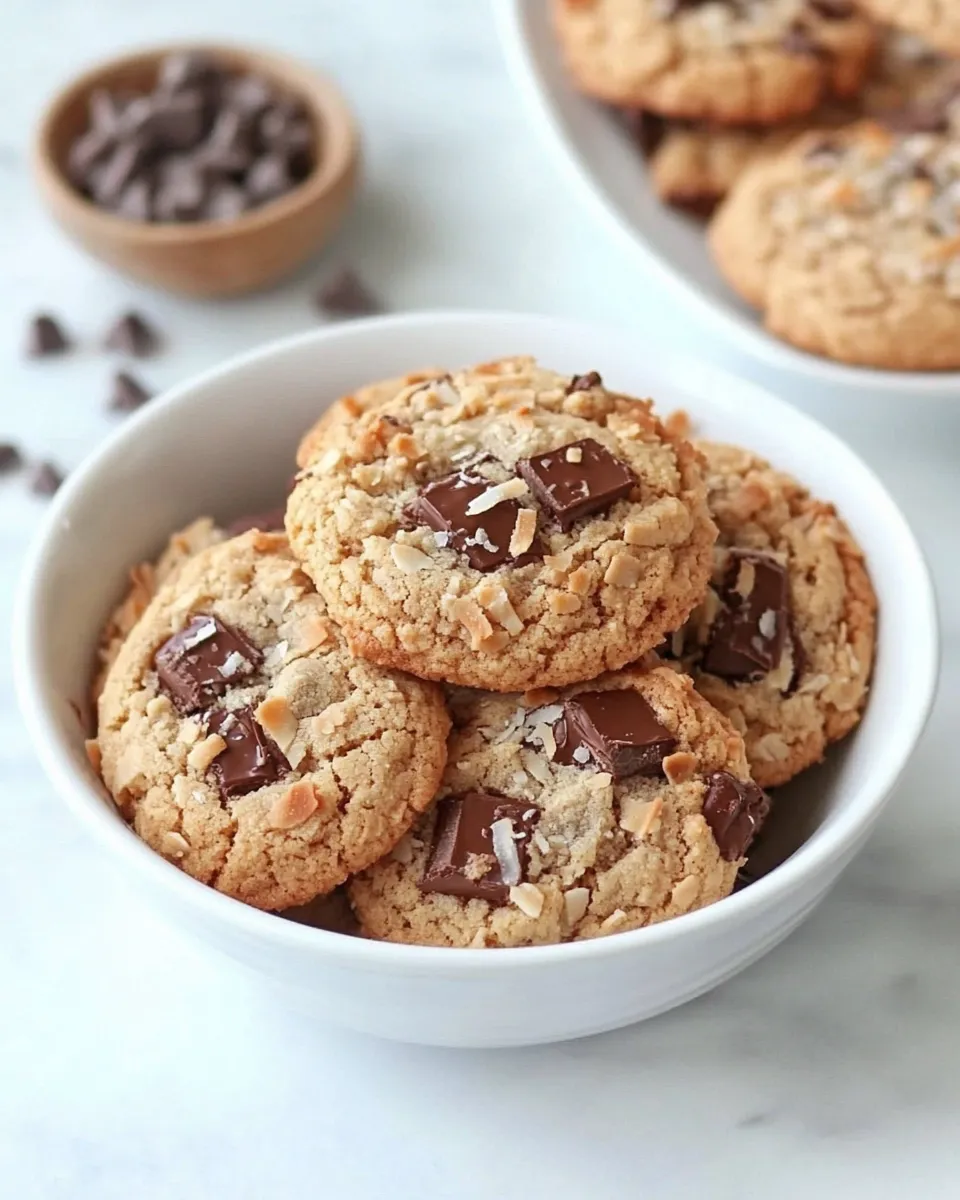
This section lays out everything you need before you mix a spoonful of dough. Read through the notes so you know the role each ingredient plays. Having ingredients measured and room-temperature when called for makes the process smoother and the cookies more consistent.
Ingredients
- 1 cup flaked sweetened coconut — Will be toasted for flavor and texture; spread in a single layer to brown evenly.
- 1 cup all-purpose flour — Provides structure; measure by spooning into the cup and leveling for accuracy.
- 1/2 teaspoon baking powder — Adds a touch of lift; use fresh for best results.
- 1/4 teaspoon baking soda — Works with the brown sugar and egg to give the cookies slight spread and chew.
- 1/8 teaspoon salt — Balances sweetness and enhances the chocolate and coconut flavors.
- 3/4 cup packed light brown sugar — Provides moisture, chew, and mild caramel notes; pack it into the measuring cup.
- 4 tablespoons unsalted butter, at room temperature — Adds richness and tenderness; room temperature means soft but not melted.
- 1 teaspoon vanilla extract — Brings rounded flavor and depth; pure vanilla gives the best results.
- 1/4 teaspoon coconut extract — A small amount amplifies coconut flavor without being perfumy; use sparingly.
- 1 large egg — Binds the dough and contributes to structure and moisture.
- 3/4 cup chopped semi‑sweet or bittersweet chocolate — Provides melty pockets and chocolate intensity; chop into uneven pieces for texture.
Toasted Coconut Chocolate Chunk Cookies: From Prep to Plate
- Preheat oven to 350°F. Line a baking sheet with parchment paper and spread the flaked sweetened coconut in a single layer on the sheet. Bake 5–7 minutes, stirring once, until the coconut is lightly toasted. Transfer the coconut to a plate or bowl and let it cool completely.
- Line another baking sheet with parchment paper or a silicone baking mat and set aside.
- In a medium bowl, whisk together 1 cup all-purpose flour, 1/2 teaspoon baking powder, 1/4 teaspoon baking soda, and 1/8 teaspoon salt. Set the dry mixture aside.
- In the bowl of a stand mixer, add 3/4 cup packed light brown sugar and 4 tablespoons unsalted butter (at room temperature). Beat at medium speed until creamy and smooth, scraping down the bowl as needed.
- Beat in 1 teaspoon vanilla extract, 1/4 teaspoon coconut extract, and 1 large egg until combined.
- Gradually add the flour mixture and mix just until combined; do not overmix.
- Stir in the cooled toasted coconut and 3/4 cup chopped semi‑sweet or bittersweet chocolate until evenly distributed.
- Drop spoonfuls of dough about 2 inches apart onto the prepared baking sheet.
- Bake at 350°F for about 10 minutes, or until the bottoms of the cookies just begin to brown.
- Remove the cookies from the baking sheet and transfer them to wire racks to cool completely.
- (Optional) You can replace the chopped chocolate with chocolate chips if you wish.
Why You’ll Love This Recipe
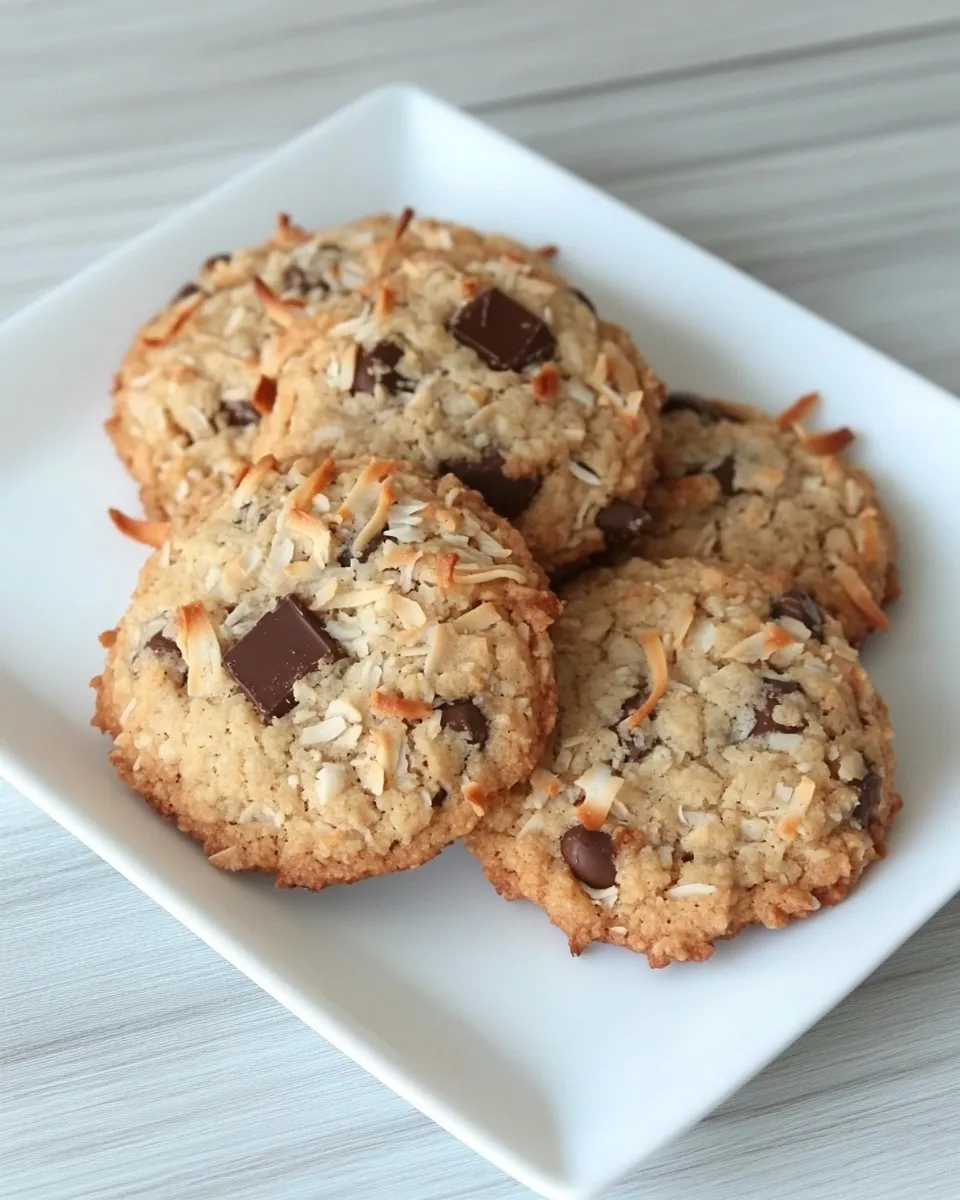
These cookies are dependable. They’re not overly sweet, thanks to the balance of brown sugar and bittersweet chocolate, and the toasted coconut adds both chew and a toasty aroma that keeps you reaching for one more. They are a crowd-pleaser for casual get-togethers and an easy cookie to pack for gifting.
The formula is simple, which is a benefit: there’s minimal hands-on time and straightforward steps. From a practical perspective, the dough holds up well if you decide to scoop it and refrigerate for a day — the cookies still bake up with great texture. The chew from the brown sugar, the subtle lift from the leaveners, and the chocolate pockets make a cookie that’s interesting with each bite.
Low-Carb/Keto Alternatives
For a low-carb or keto-friendly approach, you’ll need to swap several ingredients. All-purpose flour can be replaced with a low-carb flour blend or almond flour, but note that texture and spread will change. Replace brown sugar with a granular erythritol-based sweetener formulated for baking, keeping in mind those sweeteners behave differently when creamed with butter. Coconut is already low-carb, so keep it toasted.
Chocolate is the trickiest. Use a high-cocoa, low-sugar baking chocolate or a sugar-free chocolate alternative labeled for baking. Because I don’t provide exact replacement amounts here, start conservatively and keep an eye on the dough’s consistency — it should resemble a typical cookie dough, not overly wet or dry.
Must-Have Equipment
Good cookies don’t require fancy tools, but a few items make the process easier and more consistent:
- Stand mixer or hand mixer — Makes creaming the butter and sugar effortless and smooth.
- Baking sheets — Two sturdy sheets; rotate trays if your oven has hot spots.
- Parchment paper or silicone baking mats — Prevent sticking and help cookies brown evenly.
- Cookie scoop or spoon — For uniform cookies so baking time is consistent.
- Wire rack — Essential for cooling so cookies don’t steam and get soggy.
Slip-Ups to Skip
People often over-toast the coconut. Keep a close eye in the oven during that 5–7 minute window — coconut can go from golden to burnt quickly. Stir once halfway through to ensure even coloring.
Avoid overmixing once you add the flour. Overworking the dough can develop gluten and make cookies tough; mix just until the dry ingredients disappear. Another common misstep is baking too long. Pull the cookies as soon as the bottoms just begin to brown — they may look slightly underdone at the top, but they’ll finish on the rack and stay tender inside.
Dietary Customizations
Want these cookies dairy-free? Use a plant-based butter alternative that’s recommended for baking and check that your chocolate is dairy-free. For an egg-free version, try a commercial egg replacer or a flax egg (1 tablespoon ground flaxseed + 3 tablespoons water, mixed and rested). Note: egg swaps can alter texture, so expect a slightly different crumb.
If you prefer more coconut flavor, add a bit more toasted coconut, or fold in a small handful of unsweetened shredded coconut along with the toasted flaked coconut for extra chew. If you’re after bigger chocolate pockets, use larger chopped pieces rather than chips.
Behind the Recipe
I developed this cookie because I wanted something that felt like summer and winter at once: coconut evokes beaches, chocolate comforts; the toasted coconut bridges both. The method is intentionally simple — toast for flavor, cream for lightness, and fold gently. The use of a small amount of baking powder and baking soda provides a gentle lift without turning the cookie into a cakey biscuit.
I tested the ratio of coconut to chocolate to make sure each bite had both elements. If you love one component more than the other, it’s easy to adjust the mix-ins. The recipe is forgiving, which makes it a reliable choice for weekday baking or last-minute trays for friends.
Keep It Fresh: Storage Guide
Room Temperature
Store fully cooled cookies in an airtight container at room temperature for up to 3 days. Place a piece of parchment between layers to prevent sticking. If you like a softer cookie, add a slice of bread to the container — it helps keep them tender.
Refrigeration and Freezing
For longer storage, refrigerate for up to a week in an airtight container. To freeze, arrange cooled cookies on a baking sheet until firm, then transfer to a freezer-safe container or bag for up to 3 months. Thaw at room temperature or warm gently in a low oven for a few minutes to regain that fresh-baked quality.
Frequently Asked Questions
Can I skip toasting the coconut? You can, but toasting adds flavor and a pleasant crunch. Untoasted sweetened coconut will be softer and milder in taste.
My cookies spread too much — what went wrong? Make sure your butter wasn’t too warm or melted; it should be room temperature, not liquid. Also check your measuring — too much butter or too little flour can increase spread. Chill the dough briefly if your kitchen is very warm.
Can I use chocolate chips instead of chopped chocolate? Yes — the recipe notes this optional swap. Chunks give varied melty pockets; chips give consistent bite-sized chocolate.
How do I get chewier cookies? Use packed brown sugar as specified, avoid overbaking, and remove cookies when bottoms just begin to brown. Letting the cookies cool on the rack will finish them without drying out.
See You at the Table
These Toasted Coconut Chocolate Chunk Cookies are a reliable favorite in my baking rotation. They’re simple to make, easy to adapt, and great for sharing. If you try them, start by toasting the coconut carefully and resist the urge to overbake. Then sit back with a warm cookie and a glass of milk or coffee — you earned it.
Drop a comment on how you served them, any tweaks you made, or questions you want answered next time. Baking is better when we learn from each other, and I love hearing about your kitchen wins and near-misses.

Toasted Coconut Chocolate Chunk Cookies
Ingredients
Ingredients
- 1 cupflaked sweetened coconut
- 1 cupall-purpose flour
- 1/2 teaspoonbaking powder
- 1/4 teaspoonbaking soda
- 1/8 teaspoonsalt
- 3/4 cuppacked light brown sugar
- 4 tablespoonsunsalted butter at room temperature
- 1 teaspoonvanilla extract
- 1/4 teaspooncoconut extract
- 1 large egg
- 3/4 cupchopped semi-sweet or bittersweet chocolate
Instructions
Instructions
- Preheat oven to 350°F. Line a baking sheet with parchment paper and spread the flaked sweetened coconut in a single layer on the sheet. Bake 5–7 minutes, stirring once, until the coconut is lightly toasted. Transfer the coconut to a plate or bowl and let it cool completely.
- Line another baking sheet with parchment paper or a silicone baking mat and set aside.
- In a medium bowl, whisk together 1 cup all-purpose flour, 1/2 teaspoon baking powder, 1/4 teaspoon baking soda, and 1/8 teaspoon salt. Set the dry mixture aside.
- In the bowl of a stand mixer, add 3/4 cup packed light brown sugar and 4 tablespoons unsalted butter (at room temperature). Beat at medium speed until creamy and smooth, scraping down the bowl as needed.
- Beat in 1 teaspoon vanilla extract, 1/4 teaspoon coconut extract, and 1 large egg until combined.
- Gradually add the flour mixture and mix just until combined; do not overmix.
- Stir in the cooled toasted coconut and 3/4 cup chopped semi‑sweet or bittersweet chocolate until evenly distributed.
- Drop spoonfuls of dough about 2 inches apart onto the prepared baking sheet.
- Bake at 350°F for about 10 minutes, or until the bottoms of the cookies just begin to brown.
- Remove the cookies from the baking sheet and transfer them to wire racks to cool completely.
- (Optional) You can replace the chopped chocolate with chocolate chips if you wish.
Equipment
- Oven
- Baking Sheet
- Parchment Paper
- silicone baking mat
- Stand mixer
- Medium Bowl
- Wire Rack